Antibiotic Resistance Genes in Livestock Gut Microbiota: Diversity, Detection, and Implications for One Health
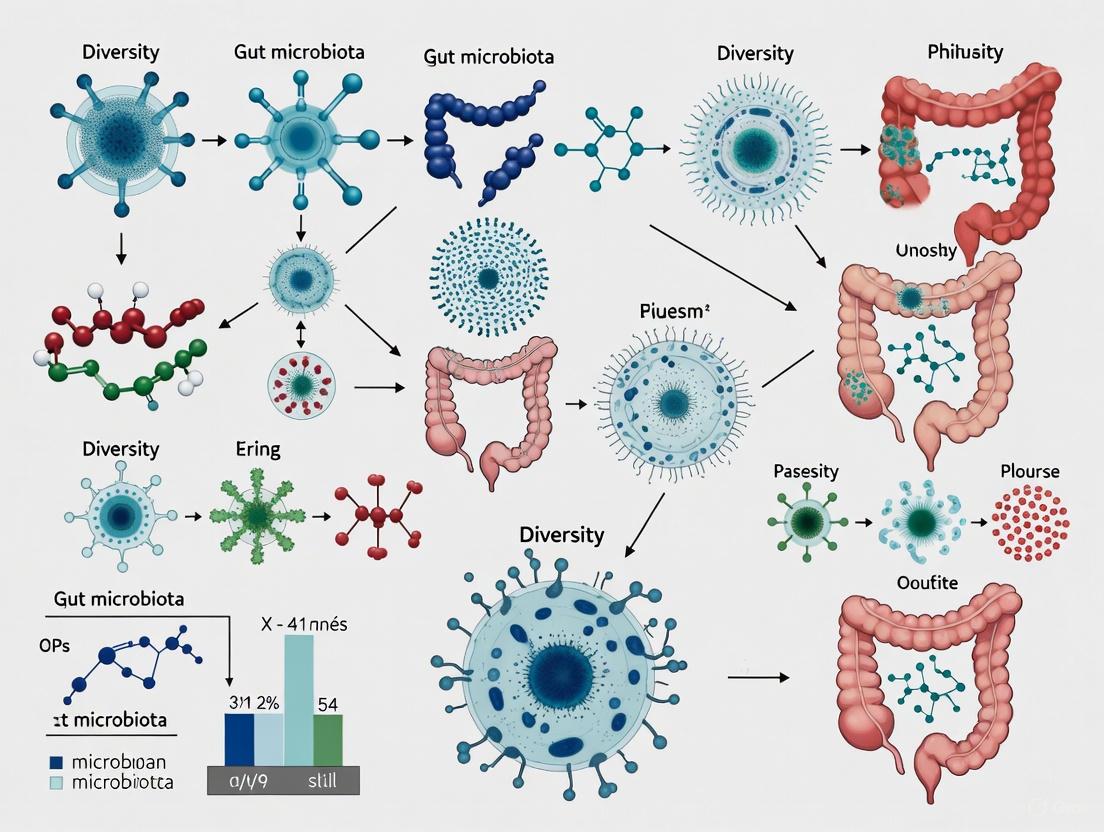
The gut microbiota of livestock constitutes a vast reservoir of antibiotic resistance genes (ARGs), presenting a critical challenge to global public health under the One Health framework.
Antibiotic Resistance Genes in Livestock Gut Microbiota: Diversity, Detection, and Implications for One Health
Abstract
The gut microbiota of livestock constitutes a vast reservoir of antibiotic resistance genes (ARGs), presenting a critical challenge to global public health under the One Health framework. This article synthesizes current research to explore the foundational diversity of ARGs across livestock species, the advanced methodologies used for their characterization, and the factors influencing their abundance and spread. It further examines strategies for mitigating ARG proliferation and validates findings through comparative analyses of different farming practices. Aimed at researchers and drug development professionals, this review underscores the intricate connections between agricultural practices, microbial ecology, and clinical resistance, highlighting the urgent need for integrated surveillance and intervention strategies to curb the spread of antimicrobial resistance from farm to clinic.
The Livestock Gut as a ARG Reservoir: Composition and Driving Factors
The antibiotic resistome is defined as the comprehensive collection of all antibiotic resistance genes (ARGs), their precursors, and associated mobile genetic elements within a given microbial community [1]. In the context of livestock production, the digestive tract of food-producing animals constitutes a significant reservoir of ARGs, playing a critical role in the broader epidemiology of antimicrobial resistance [2]. The global consumption of antimicrobials in food-producing animals is substantial, with estimates suggesting an increase from approximately 63,000 tons in 2010 to 105,000 tons by 2030 [2]. This usage exerts selective pressure, enriching for resistant bacteria and facilitating the horizontal transfer of ARGs among gut microbiota. Understanding the core resistome—the ARGs consistently present across livestock populations—is fundamental to managing the transmission of resistance from animals to humans and the environment through direct contact, food consumption, or environmental contamination [3] [1]. This guide focuses on three critically important classes of ARGs—conferring resistance to tetracyclines, macrolide-lincosamide-streptogramin B (MLSB), and aminoglycosides—which are frequently detected and abundant in livestock systems [4].
Core Antibiotic Resistance Gene Classes in Livestock
Tetracycline Resistance Genes
Tetracyclines are broad-spectrum antibiotics widely used in livestock production for therapy and growth promotion. Resistance is primarily mediated by ribosomal protection proteins (RPPs) and tetracycline efflux pumps.
- Prevalence and Abundance: Genes conferring resistance to tetracyclines are among the most abundant and frequently detected ARGs in livestock environments [4]. In a comprehensive analysis of wastewater resistomes, which reflect livestock and human contributions, eight different tetracycline resistance genes were identified as part of the core signature [4]. Long-term application of organic fertilizers to agricultural soil significantly enriches tetracycline resistance genes such as
tetT,tetW, andtetZ[5]. - Key Genes and Mechanisms:
- Ribosomal Protection: Genes like
tetM,tetO, andtetWencode proteins that bind to the ribosome, displacing tetracycline from its target site and allowing protein synthesis to continue. - Efflux Pumps: Genes such as
tetA,tetC, andtetGencode membrane-associated proteins that actively export tetracycline from the bacterial cell, reducing intracellular drug accumulation.
- Ribosomal Protection: Genes like
- Mobility and Transfer: Many tetracycline resistance genes are located on mobile genetic elements such as plasmids and transposons, facilitating their horizontal transfer between bacterial species. Studies have shown that
tetMis often associated with conjugative elements, enhancing its dissemination potential within the gut microbiota [2].
Macrolide-Lincosamide-Streptogramin B (MLSB) Resistance Genes
The MLSB group encompasses structurally distinct antibiotics that share a common mode of action by binding to the 50S ribosomal subunit and inhibiting bacterial protein synthesis [6]. Resistance to these antibiotics is particularly problematic as it can confer cross-resistance to multiple drug classes.
- Primary Resistance Mechanism - Target Site Modification: The most prevalent mechanism of MLSB resistance is the enzymatic methylation of the 23S rRNA adenine residue at position A2058. This modification, mediated by Erm (erythromycin ribosome methylase) proteins, reduces drug binding affinity to the ribosome [7] [6] [8]. This mechanism can be expressed either constitutively (cMLSB phenotype) or inducibly (iMLSB phenotype), with the latter requiring detection via D-test in diagnostic microbiology [8].
- Genetic Diversity and Distribution: MLSB resistance determinants exhibit substantial sequence diversity. Among methicillin-resistant Staphylococcus aureus (MRSA) isolates,
ermA,ermB, andermCare the most frequently encountered genes [8]. A comprehensive resistome signature study identified seven distinct MLSB resistance genes as core components in wastewater systems, highlighting their persistence and abundance [4]. - Additional Resistance Mechanisms:
- Efflux Pumps: Genes like
msrAandmsrB, which code for ATP-binding cassette (ABC) transporters, confer resistance specifically to macrolides and streptogramin B through active efflux [8]. - Enzymatic Inactivation: Genes such as
ereAandereBencode esterases that hydrolyze the macrolide lactone ring, thereby inactivating the antibiotic [7].
- Efflux Pumps: Genes like
Aminoglycoside Resistance Genes
Aminoglycosides are bactericidal antibiotics that target the 30S ribosomal subunit. Resistance arises primarily through enzymatic modification of the drug.
- Enzymatic Modification Mechanisms:
- N-acetyltransferases (AACs): Acetylate amino groups.
- O-phosphotransferases (APHs): Phosphorylate hydroxyl groups.
- O-nucleotidyltransferases (ANTs): Adenylate hydroxyl groups.
- Core Resistome Signature: In wastewater resistomes, four different aminoglycoside resistance genes were consistently detected as part of the core signature found in over 90% of samples [4]. This indicates their widespread distribution and persistence in environments impacted by human and animal waste.
- Gene Diversity: A wide array of aminoglycoside-modifying enzyme (AME) genes exists, including
aac(3),aac(6'),aph(3'),aph(2"), andant(6), each with specific substrate profiles against different aminoglycoside antibiotics [9].
Table 1: Core Antibiotic Resistance Genes in Livestock-Associated Environments
| Antibiotic Class | Resistance Mechanism | Example Genes | Relative Abundance & Notes |
|---|---|---|---|
| Tetracyclines | Ribosomal Protection | tetM, tetO, tetW |
Among the most abundant ARGs; 8 genes identified as core resistome signature [4] |
| Efflux Pump | tetA, tetC, tetG |
Enriched in manure-amended soils [5] | |
| MLSB | rRNA Methylation | ermA, ermB, ermC |
7 genes identified as core resistome signature; confers cross-resistance [4] |
| Efflux Pump | msrA, msrB |
Specific for macrolides and streptogramin B [8] | |
| Enzymatic Inactivation | ereA, ereB |
Hydrolyze macrolide structures [7] | |
| Aminoglycosides | Enzymatic Modification | aac(3), aac(6'), aph(3'), ant(6) |
4 genes identified as core resistome signature [4] |
Methodologies for Resistome Analysis in Livestock
Sample Collection and DNA Extraction
Accurate resistome characterization depends on robust sampling and DNA extraction protocols.
- Sample Collection: Gut content or fecal samples should be collected aseptically and immediately frozen at -80°C to preserve DNA integrity. For longitudinal studies, consistent sampling time points are crucial [2].
- DNA Extraction: The use of standardized kits, such as the Fast DNA SPIN Kit for Soil, is recommended for efficient lysis of diverse bacterial populations. The extraction method significantly influences microbial community representation and must be carefully selected [5] [2].
High-Throughput Quantitative PCR (HT-qPCR)
HT-qPCR provides a highly sensitive and quantitative method for profiling a predefined set of ARG targets.
- Workflow: This technique utilizes 384-well microfluidic cards pre-loaded with primers for hundreds of ARG targets, allowing for the simultaneous quantification of a wide array of genes, including those for tetracycline, MLSB, and aminoglycoside resistance [5].
- Application: HT-qPCR was successfully employed to investigate the enrichment of ARGs in agricultural soils under different fertilization regimes (e.g., organic vs. chemical fertilizer), directly demonstrating the impact of manure application on the soil resistome [5].
Shotgun Metagenomic Sequencing
Shotgun metagenomics enables comprehensive, culture-free profiling of all genetic material in a sample, allowing for the discovery of novel and latent ARGs.
- Sequencing and Quality Control: DNA is sequenced on platforms such as Illumina. Raw reads must undergo quality control (QC) including adapter trimming with tools like Trimmomatic and removal of host-derived sequences using aligners like Bowtie against a host genome database [9] [2].
- Read-based vs. Assembly-based Analysis:
- Read-based Analysis: Short reads are directly aligned to ARG reference databases (e.g., CARD, ResFinder). This is rapid but may miss divergent genes.
- Assembly-based Analysis: Reads are first assembled into longer contigs, which are then annotated for ARGs. This approach can reveal novel genes and their genomic context, including linkage to mobile genetic elements [2].
- Latent Resistome Analysis: Computational tools like fARGene can predict novel resistance genes from sequencing data. Studies using such methods have revealed that latent ARGs—those not yet established in clinical settings—are vastly more abundant and diverse than established ARGs in all environments, including the gut microbiome of livestock [9].
Table 2: Key Experimental Protocols for Resistome Analysis
| Method | Key Steps | Applications in Livestock ARG Research |
|---|---|---|
| HT-qPCR | 1. DNA extraction2. Amplification with microfluidic cards3. Quantitative analysis of fluorescence data | Quantifying known ARG targets (e.g., tetW, ermB) in gut contents and manure-amended soils [5] |
| Shotgun Metagenomics (Read-based) | 1. DNA shearing and library prep2. Illumina sequencing3. QC & host DNA removal4. Alignment to ARG databases (CARD, ResFinder) | Profiling the abundance and diversity of known ARG classes in the livestock gut microbiome [2] |
| Shotgun Metagenomics (Assembly-based) | 1. Sequencing and QC2. De novo assembly into contigs3. ORF prediction & annotation4. Context analysis of ARGs on contigs | Discovering novel ARGs and determining their genetic context (e.g., proximity to MGEs) for risk assessment [9] [2] |
| Functional Metagenomics | 1. Clone environmental DNA into a host vector2. Express in a surrogate host (e.g., E. coli)3. Screen for resistance phenotypes4. Sequence active clones | Identifying novel, functional resistance genes without prior sequence knowledge [9] |
Visualization of Resistome Analysis and Transmission
The following diagram illustrates the integrated workflow for resistome analysis and the transmission of core ARGs within the One Health framework.
Table 3: Essential Research Reagents and Resources for Resistome Analysis
| Category | Item/Reagent | Function/Application |
|---|---|---|
| Sample & DNA Prep | FastDNA SPIN Kit for Soil | Efficient mechanical and chemical lysis for DNA extraction from complex samples [5] |
| MolYsis complete5 kit | Selective depletion of host DNA to increase microbial sequencing depth [2] | |
| qPCR Analysis | Microfluidic qPCR Cards (e.g., WaferGen) | High-throughput simultaneous quantification of hundreds of pre-defined ARG targets [5] |
Primers for Core ARGs (e.g., tetW, ermB, aac(6')-Ib) |
Specific detection and quantification of key resistance genes [5] [8] | |
| Sequencing & Bioinformatics | Illumina Sequencing Platforms | Generation of short-read data for metagenomic analysis [9] [2] |
| Trimmomatic | Quality control and adapter trimming of raw sequencing reads [2] | |
| Bowtie2 | Alignment of reads to host genome for depletion and to reference databases [2] | |
| CARD, ResFinder Databases | Reference databases of known ARGs for read-based annotation [4] [9] | |
| fARGene | Computational tool for predicting novel, latent ARGs from sequence data [9] | |
| Culture-Based Assays | Mueller-Hinton Agar | Standard medium for antibiotic susceptibility testing (e.g., disk diffusion) [8] |
| Erythromycin & Clindamycin Disks | Essential reagents for performing D-test to detect inducible MLSB resistance [8] |
The livestock gut reservoir represents a critical component of the global antimicrobial resistance crisis, with genes conferring resistance to tetracyclines, MLSB, and aminoglycosides forming a persistent core resistome. The dynamics of this resistome are driven by agricultural practices, particularly the use of organic fertilizers, which introduce selective pressures and facilitate the enrichment and mobilization of ARGs [5]. Advanced molecular methodologies, including HT-qPCR and shotgun metagenomics, are indispensable for quantifying these genes and understanding their potential for transfer to pathogens.
Future research must prioritize the functional validation of latent ARGs and the precise tracking of their mobilization routes at the human-animal-environment interface. Integrating long-read sequencing technologies can further resolve the genomic context of ARGs on mobile genetic elements, providing deeper insights into the mechanisms of transmission. A comprehensive "One Health" approach is paramount for developing effective interventions to mitigate the spread of these core resistance determinants from livestock and safeguard the efficacy of antimicrobials for future generations.
Host Species and Breed-Specific Variations in Gut ARG Profiles
Antimicrobial resistance (AMR) presents a critical global health challenge, with the gut microbiomes of livestock serving as significant reservoirs for antibiotic resistance genes (ARGs). The diversity and abundance of these ARGs are not uniform but are significantly influenced by host species and genetic breed, shaped by factors including diet, management practices, and evolutionary adaptation [10] [11]. Understanding these variations is essential for developing targeted strategies to mitigate AMR risks within the "One Health" framework. This whitepaper synthesizes current metagenomic insights to elucidate the patterns of gut resistome profiles across major livestock species and breeds, providing a scientific basis for future research and intervention.
Quantitative Data on ARG Profiles Across Hosts
The gut resistome varies significantly in terms of richness, abundance, and dominant ARG types between different livestock species and breeds. The following tables summarize key quantitative findings from recent metagenomic studies.
Table 1: Core ARG Profiles and Dominant Taxa in Livestock Gut Microbiomes
| Host Species/Breed | Core ARGs Identified | Dominant ARG Mechanisms/Classes | Key ARG-Hosting Taxa |
|---|---|---|---|
| Pigs (China - High AMU) | ANT(6)-Ib, APH(3')-IIIa, tet(40) [10] | Aminoglycoside, MLSB, Tetracycline [12] [10] | Escherichia flexneri [10] |
| Pigs (Europe - Lower AMU) | ANT(6)-Ib, APH(3')-IIIa, tet(40) [10] | Aminoglycoside, MLSB, Tetracycline [12] | Prevotella [10] |
| Goats (Early Rumen) | Not Specified | Drug, Biocide, Metal, Multi-compound (shifting to Drug-only post-weaning) [11] | Escherichia coli (pre-weaning), Prevotella ruminicola, Fibrobacter succinogenes (post-weaning) [11] |
| Chickens (Broilers) | ERMB, ERMT-01, ERMT-02, APHA3-02, TETM-01 [12] | Aminoglycoside (33.97%), MLSB (33.40%), Tetracycline (26.80%) [12] | Not Specified |
Table 2: ARG Abundance and Diversity Metrics in Different Hosts
| Host Category | Total ARGs Detected | Key Findings on Abundance & Diversity | Primary Influencing Factors |
|---|---|---|---|
| Pigs (China vs. Europe) | 201 ARGs, 7 MGEs in chicken gut [12] | Higher total & plasmid-mediated ARG abundance in Chinese vs. European pigs [10] | National antimicrobial usage policies [10] |
| Dairy vs. Beef Cattle vs. Yak | Not Specified | Higher relative abundance of Methanobacteriaceae in beef/cow; higher Methanomethylophilaceae in yak [13] | Host breed and associated physiological differences [13] |
| Goat Kids (Pre-weaning) | 1,031 ARGs (41 classes) [11] | High ARG richness at birth (day 1) decreasing with age [11] | Diet (milk vs. solid feed) and age [11] |
| Standard vs. Non-Standard Farms | 201 ARGs [12] | Lower relative abundance of specific ARGs (e.g., MLSB) on standard farms [12] | Implementation of antibiotic reduction policies [12] |
Experimental Protocols for Resistome Analysis
A detailed and standardized methodological approach is crucial for generating comparable data on host-specific gut resistomes. The following section outlines proven experimental protocols.
Sample Collection and DNA Extraction
- Sample Collection: Fresh fecal, manure, or intestinal digesta samples should be collected aseptically. For longitudinal studies, sampling should cover key developmental stages (e.g., pre- and post-weaning) [11]. Samples are immediately snap-frozen in liquid nitrogen and stored at -80°C until DNA extraction.
- DNA Extraction: Total genomic DNA is extracted from a defined weight (e.g., 50-100 mg) of sample using commercial kits (e.g., MasterPure DNA extraction Kit). Protocols should include a mechanical lysis step using a bead beater with glass beads (e.g., 1 min at 6 m/s) and enzymatic treatment (e.g., lysozyme and mutanolysin at 37°C for 60 min) to ensure comprehensive cell disruption of diverse bacteria. Post-extraction DNA purification is recommended [14].
High-Throughput qPCR for Targeted Resistome Profiling
This method provides a high-throughput, quantitative assessment of a predefined set of ARGs.
- Primer Design: Utilize validated primer sets that target sequence diversity within specific ARGs of interest (e.g., 384-plex) [14].
- SmartChip qPCR: Reactions are performed in nanoliter volumes using a system like the SmartChip Real-Time PCR. Each 100 nL reaction contains 1x SmartChip TB Green Gene Expression Master Mix, 300 nM of each primer, and 2 ng/μL of DNA template. Cycle threshold (CT) is set at 27 for detection limit [14].
- Data Normalization: The abundance of detected ARGs is normalized to the 16S rRNA gene count to account for variations in total bacterial load, with results expressed as copies/16S rRNA [12] [14].
Shotgun Metagenomics for Comprehensive Resistome Characterization
This approach allows for an unbiased exploration of the entire resistome and its genomic context.
- Library Preparation and Sequencing: Fragment purified DNA and construct sequencing libraries following standard protocols for platforms like Illumina. Sequence to an appropriate depth (e.g., billions of reads across samples) [15] [11].
- Bioinformatic Analysis:
- Quality Control: Filter raw reads for quality (e.g., using Sickle) to remove short reads and those with low-quality scores [10].
- ARG Identification: Align quality-filtered reads to a curated ARG database like the Comprehensive Antibiotic Resistance Database (CARD) using BLASTN. Acceptable thresholds are ≥80% sequence identity and ≥70% query coverage [10] [11].
- Abundance Normalization: Calculate ARG abundance in copies per cell by normalizing the number of reads mapped to ARGs against the total number of bacterial cells in the metagenome, estimated using tools like ARGs-OAP [10].
- Microbiome Profiling: Analyze taxonomic composition using tools such as MetaPhlAn3 [10].
- Mobile Genetic Elements (MGEs): Identify plasmids, integrons, and insertion sequences using tools like PlasmidFinder, INTEGRALL, and ISfinder to assess horizontal gene transfer potential [10].
- Metagenome-Assembled Genomes (MAGs): Perform de novo assembly of quality-filtered reads and bin contigs into MAGs using tools like MetaWRAP. Refine bins to high quality (completeness ≥80%, contamination ≤10%) using CheckM. Dereplicate MAGs with dRep and assign taxonomy using GTDB-Tk to link ARGs to their host bacteria [15] [10].
Diagram 1: Experimental workflow for analyzing host-specific gut antibiotic resistomes, covering from sample collection to integrated data analysis, and highlighting key influencing factors.
The Scientist's Toolkit: Research Reagent Solutions
Table 3: Essential Reagents and Tools for Gut Resistome Analysis
| Item | Function/Application | Example Kits/Tools (Non-exhaustive) |
|---|---|---|
| DNA Extraction Kit | Extracts total genomic DNA from complex fecal/digesta samples. | MasterPure DNA Extraction Kit (Epicentre) [14] |
| DNA Purification Kit | Purifies crude DNA extracts to remove inhibitors for downstream applications. | DNA Purification Kit (Macherey-Nagel) [14] |
| High-Throughput qPCR System | Quantifies a predefined, large set of ARGs and MGEs in numerous samples simultaneously. | SmartChip Real-Time PCR System (Takara Bio) [14] |
| Metagenomic Sequencing Service/Platform | Generates shotgun sequencing data for comprehensive, untargeted resistome and microbiome analysis. | Illumina platforms [15] |
| Bioinformatics Software & Databases | A suite for data processing, assembly, ARG identification, taxonomic profiling, and binning. | CARD [10], MetaPhlAn3 [10], CheckM [10], GTDB-Tk [15] [10], Prodigal [10] |
| MGE Identification Tools | Identifies plasmids, integrons, and insertion sequences to assess HGT potential. | PlasmidFinder [10], INTEGRALL [10], ISfinder [10] |
The profiling of gut ARGs across livestock species and breeds consistently reveals distinct resistome signatures governed by a complex interplay of host genetics, exposure to antimicrobials, dietary composition, and farming practices. The advanced metagenomic and bioinformatic protocols detailed herein provide a robust framework for the scientific community to further dissect these relationships. Future research should prioritize large-scale, longitudinal studies that integrate resistome data with metadata on host genetics, management, and environmental factors. This will be pivotal for developing breed-specific nutritional supplements, precision stewardship of antimicrobials, and ultimately mitigating the global burden of antimicrobial resistance originating from livestock production.
The gastrointestinal tract is a primary interface between the host and its environment, serving as a critical site for nutrient digestion, immune defense, and complex microbial ecosystems. Within livestock production systems, understanding the fundamental distinctions between ruminant and monogastric digestive physiology is essential for optimizing animal health, productivity, and environmental sustainability. This relationship is particularly critical when examining the dissemination of antimicrobial resistance genes (ARGs), a pressing global health concern. The distinct gut anatomies, microbial communities, and fermentation processes of ruminants and monogastrics create fundamentally different selective pressures and ecological niches for ARG emergence and transfer [16] [13]. This technical review examines how divergent digestive physiologies shape the gut environment and microbiome, thereby influencing the diversity and abundance of ARGs within livestock.
Comparative Digestive Anatomy and Physiology
The digestive strategies of ruminants and monogastrics represent evolutionary adaptations to different feeding ecologies, with profound implications for their gut microbial communities.
Ruminant Digestive System
Ruminants, such as cattle, sheep, and goats, possess a specialized foregut characterized by a four-compartment stomach [17] [18]. The following table summarizes the anatomy and function of these compartments:
Table 1: Compartments of the Ruminant Stomach
| Compartment | Key Anatomical Features | Primary Physiological Functions |
|---|---|---|
| Rumen | Largest compartment; lined with papillae for absorption; anaerobic environment [17]. | Fermentation vat; microbial breakdown of fibrous plant material; production of Volatile Fatty Acids (VFAs) [18]. |
| Reticulum | Honeycomb-like lining; positioned close to the heart [17]. | Captures dense ingest; works with rumen ( collectively reticulorumen ); initiation of fermentation [17]. |
| Omasum | Globular structure with numerous folds or "leaves" [17] [18]. | Absorbs water, electrolytes, and some VFAs; filters particulates [17]. |
| Abomasum | Glandular lining; secretes hydrochloric acid and digestive enzymes [17]. | True stomach; enzymatic digestion of microbial protein and bypass feed protein [18]. |
Ruminants are alloenzymatic digesters, relying on a complex consortium of microbes (bacteria, protozoa, fungi, and archaea) to ferment dietary components, primarily in the reticulorumen [19]. This foregut fermentation system allows them to efficiently utilize fibrous plant material that is indigestible by monogastric enzymes. The end-products of microbial fermentation, particularly VFAs (acetate, propionate, butyrate), are absorbed across the rumen wall and provide 50-70% of the host's energy requirements [17] [18]. This symbiotic relationship is a cornerstone of ruminant nutrition.
A critical feature of ruminant gut physiology is the esophageal groove in young animals, which shunts milk directly to the abomasum, bypassing the undeveloped rumen [17] [18]. Rumen development is initiated by the consumption of solid feed, which introduces and supports the microbial population essential for fermentation.
Monogastric Digestive System
In contrast, monogastric animals, such as pigs, poultry, and rabbits, have a single-chambered stomach and are primarily autoenzymatic digesters [19]. Digestion is achieved mainly via enzymes secreted by the host, with a more limited role for microbial fermentation.
The stomach of a monogastric animal is highly acidic (pH 1.5-3.5), serving to denature proteins and provide a barrier against pathogens [16] [19]. The small intestine is the major site for enzymatic digestion and nutrient absorption. Its surface area is vastly increased by the presence of villi and microvilli, facilitating efficient nutrient uptake [19]. While monogastrics have a less prominent microbial fermentation system than ruminants, the cecum and colon serve as important hindgut fermentation sites, particularly in horses and rabbits [16] [19]. Here, microbes ferment dietary fiber that escapes host enzymatic digestion, producing SCFAs that can be absorbed and utilized.
Figure 1: Comparative digestive pathways in ruminants and monogastrics. Yellow highlights primary microbial fermentation sites.
Gut Microbiome Composition and Dynamics
The distinct gut physiologies of ruminants and monogastrics cultivate profoundly different microbial ecosystems, which are key to understanding ARG dynamics.
The Ruminant Microbiome
The rumen hosts a dense, diverse, and metabolically complex microbial community essential for the host's survival. The microbiome is stratified into liquid-associated, solid-associated, and rumen-epithelium-associated populations [16].
- Bacteria and Fungi: The bacterial phyla Bacteroidetes and Firmicutes typically dominate, collectively constituting over 90% of the community [16]. These bacteria, along with anaerobic fungi from the Neocallimastigomycota phylum, are specialists in degrading recalcitrant plant fibers like cellulose and hemicellulose [16].
- Archaea: Methanogenic archaea, primarily from the families Methanobacteriaceae (e.g., Methanobrevibacter) and Methanomethylophilaceae, are crucial for maintaining the rumen's hydrogen balance but are also major producers of the greenhouse gas methane [13]. A recent global metagenomic catalogue identified 998 unique archaeal genomes from ruminants, underscoring their diversity and functional importance [13].
The stability of the rumen microbiome is critical for efficient fiber digestion and host health. Research on yaks and cattle has shown that microbiome stability—the ability to return to a pre-disturbed state—varies by species and season, with yaks exhibiting a more stable and fiber-degrading microbiome, an adaptation to their harsh grazing environment [20].
The Monogastric Microbiome
The monogastric microbiome is concentrated in the hindgut (cecum and colon). Its composition is strongly influenced by diet, particularly the type and level of dietary fiber [21].
- Bacterial Communities: The monogastric gut is also dominated by Bacteroidetes and Firmicutes [16]. However, the specific genera and their functional roles differ from those in ruminants. The acidic stomach and proximal small intestine select for acid-tolerant microorganisms like Lactobacillus and Streptococcus [16].
- Response to Dietary Fiber (DF): DF is fermented by hindgut microbes to produce Short-Chain Fatty Acids (SCFAs), including acetate, propionate, and butyrate [21]. Butyrate is a primary energy source for colonocytes and plays a key role in maintaining gut barrier function. DF also stimulates the growth of beneficial bacteria, which can help prevent the proliferation of facultative anaerobic pathogens by maintaining an anaerobic environment [21].
Table 2: Key Microbiome Characteristics and Influencing Factors
| Feature | Ruminant | Monogastric |
|---|---|---|
| Primary Fermentation Site | Reticulorumen (Foregut) | Cecum & Colon (Hindgut) |
| Dominant Microbial Phyla | Bacteroidetes, Firmicutes [16] | Bacteroidetes, Firmicutes [16] |
| Key Functional Microbes | Fibrolytic bacteria (e.g., Fibrobacter, Ruminococcus), anaerobic fungi, methanogenic archaea [16] [13] | Lactobacilli, Bifidobacteria, Enterobacteria [16] [21] |
| Major Energy Substrate | Plant cell walls (Cellulose, Hemicellulose) | Dietary Fiber (NSP*, Resistant Starch) [21] |
| Primary Fermentation Products | VFAs (Acetate, Propionate, Butyrate) [17] | SCFAs (Acetate, Propionate, Butyrate) [21] |
| Critical Environmental Factor | Diet (Forage vs. Grain), Rumen pH [17] [20] | Diet (Fiber type and level) [21] |
NSP: Non-Starch Polysaccharides
Methodological Approaches for Studying Microbiome and Resistome
Advanced molecular techniques are essential for dissecting the complex interactions between diet, gut physiology, and the microbiome, including the resistome (the collection of all ARGs).
Sample Collection and Preparation
The first step involves collecting representative samples from the gastrointestinal tract.
- Ruminants: Rumen fluid is typically collected via rumen cannulation or stomach tubing [20].
- Monogastrics: Fecal samples are most common, though they may not fully represent the proximal gut microbiota. Cecal content collected at slaughter provides a more direct sample [22].
Samples must be immediately preserved (e.g., in liquid nitrogen) to prevent microbial activity and DNA degradation [22].
DNA Extraction and Sequencing
High-quality, unbiased DNA extraction is critical for downstream analyses. Commercial kits (e.g., QIAamp DNA Mini Kit) are widely used [22]. Two primary sequencing approaches are employed:
- 16S rRNA Gene Amplicon Sequencing: Targets hypervariable regions (e.g., V3-V4) to profile microbial community composition and diversity [22]. It is cost-effective for taxonomic profiling but offers limited functional insight.
- Shotgun Metagenomics: Sequences all DNA in a sample, allowing for simultaneous characterization of taxonomic composition, metabolic pathways, and the presence of ARGs and other mobile genetic elements [13] [20]. This is the preferred method for comprehensive resistome studies.
Bioinformatic and Statistical Analysis
Processing the vast amount of sequencing data requires a robust bioinformatic workflow:
- Quality Control & Assembly: Tools like QIIME2 and KneadData are used to filter raw reads, remove host contaminants, and assemble sequences into contigs [22] [20].
- Taxonomic & Functional Profiling: Classifiers like KRAKEN2 assign taxonomy, while tools like HUMAn3 quantify gene families and metabolic pathways [20]. Specialized databases (CARD, CAZy) are used to identify ARGs and carbohydrate-active enzymes [13] [20].
- Statistical Analysis: Alpha-diversity (within-sample diversity) and beta-diversity (between-sample diversity) indices are calculated. Methods like PCoA and NMDS are used to visualize community shifts, while ANOSIM tests for significant differences between groups [22] [20].
Figure 2: General workflow for metagenomic analysis of gut microbiome and resistome.
The Scientist's Toolkit: Key Reagents and Technologies
Table 3: Essential Research Reagents and Kits for Gut Microbiome Studies
| Item | Function/Application | Example |
|---|---|---|
| DNA Extraction Kit | Isolation of high-quality, inhibitor-free microbial genomic DNA from complex samples like rumen fluid or feces. | QIAamp DNA Stool Mini Kit [22] / DNeasy PowerSoil Pro Kit |
| 16S rRNA Primer Set | Amplification of hypervariable regions for bacterial community profiling via amplicon sequencing. | 338F / 806R (targeting V3-V4) [22] |
| PCR Master Mix | Robust polymerase mix for efficient and accurate amplification of DNA templates for sequencing libraries. | Pfx AccuPrime Master Mix [22] |
| Sequencing Platform | High-throughput DNA sequencing to generate metagenomic or amplicon data. | Illumina HiSeq/MiSeq [22] [20] |
| Bioinformatic Software | Suite of tools for processing raw sequencing data, from quality control to taxonomic assignment and statistical analysis. | QIIME2 [22], KRAKEN2 [20] |
| Reference Databases | Curated collections of genomic data for accurate taxonomic, functional, and ARG annotation. | GTDB, CARD, CAZy [13] [20] |
Implications for Antimicrobial Resistance Gene (ARG) Diversity
The distinct gut environments of ruminants and monogastrics directly influence the diversity and abundance of ARGs through several mechanisms:
- Microbial Diversity as an ARG Reservoir: The immense microbial diversity in the rumen, especially the high density of bacteria, provides a vast reservoir for ARGs. Horizontal gene transfer between commensal bacteria and potential pathogens is a significant driver of resistome expansion [16] [13].
- Metabolic Interplay and Co-selection: Rumen archaea, particularly methanogens, have been found to carry antibiotic and metal resistance genes as well as mobile genetic elements [13]. This suggests a potential for co-selection, where exposure to metals or certain antimicrobials used in farming could simultaneously select for methanogens and ARGs.
- Dietary and Environmental Pressures: Diets high in readily fermentable carbohydrates (e.g., grain) can lower rumen pH, shifting the microbial community and potentially enriching for acid-tolerant bacteria that may harbor specific ARGs [17] [20]. In monogastrics, dietary fiber type can alter the gut environment, potentially reducing pathogen load and thus the need for ARG carriage [21].
- Host-Specific Adaptations: Comparative studies, such as those between yak and cattle, reveal that host genetics and evolutionary adaptations can shape a more stable and functionally distinct microbiome, which may also influence the resistome profile and its stability under environmental stress [20].
In conclusion, the fundamental dichotomy in digestive physiology between ruminants and monogastrics creates two divergent ecosystems for the development and dissemination of antimicrobial resistance. A deep understanding of these systems is not only crucial for improving animal nutrition and health but is also imperative for developing targeted strategies to mitigate the spread of ARGs within the livestock sector and the broader environment.
The Role of Farming Practices: Conventional, Antibiotic-Reduced, and Extensive Systems
Antimicrobial resistance (AMR) represents a critical global health crisis, projected to cause 10 million deaths annually by 2050, surpassing cardiovascular disease and cancer as the leading cause of mortality [23] [3]. Within this crisis, animal agriculture constitutes a significant component, with antimicrobial use (AMU) in livestock driving the selection and dissemination of antimicrobial resistance genes (ARGs) across the One Health continuum. The diversity and abundance of ARGs within the gut microbiota of food-producing animals are profoundly influenced by farming practices, creating distinct resistome profiles that impact animal health, environmental contamination, and public health risk.
This technical review examines how conventional (antimicrobial use permitted), antibiotic-free/reduced (raised without antibiotics but often maintaining intensive management), and extensive (such as free-range, organic, or backyard systems with outdoor access) production systems shape the ARG diversity in livestock gut microbiota. Understanding these system-specific impacts is fundamental for developing targeted mitigation strategies and advancing sustainable animal production within a comprehensive "One Health" framework that recognizes the interconnectedness of human, animal, and environmental health [3].
Comparative Analysis of Farming Systems and Their Resistomes
Different farming practices exert varying selective pressures on the gut microbiota and resistome through factors including antibiotic exposure, diet, environmental complexity, and animal genetics. The table below summarizes key comparative findings on resistome characteristics and microbial profiles across production systems.
Table 1: Resistome and Microbiome Profiles Across Livestock Farming Systems
| Farming System | Key Resistome Findings | Microbiome & Pathogen Observations | Supporting Studies |
|---|---|---|---|
| Conventional (CONV) | Higher pooled odds of ARG detection (OR: 2.38-3.21); Higher plasmid-associated ARGs (e.g., tetracycline resistance) [24] [23]. | Lower microbial diversity in some niches; Genera Brevibacterium & Brachybacterium (associated with low performance) more abundant in poultry [25] [26]. | |
| Antibiotic-Free/Reduced (ABF/NAT) | ARGs detected in 97% of farms; Decrease in specific ARGs (mefA, tet40, tetO, tetQ, tetW); More chromosomal- vs. plasmid-associated macrolide resistance [24] [23]. | Decline in genera Methanobrevibacter and Treponema in cattle feces; "Generationally selected" resistome persists after AMU ceases [23]. | |
| Extensive (Free-Range, Organic, Backyard) | Generally lower ARG abundance but not absent; Influenced by environmental ARG sources. | Higher alpha diversity in soil/water; Higher Bacteroides (improved growth); Temporal increase in Campylobacter in commercial environments [26] [25]. |
The persistence of ARGs in antibiotic-free (ABF) and extensive systems, albeit often at lower levels, underscores the complexity of ARG dynamics. This persistence can be attributed to several factors, including the long-term stability of chromosomally integrated resistance genes, the persistence of resistance plasmids even in the absence of direct antimicrobial selection, and continuous environmental exposure from contaminated manure, soil, and water [23] [24]. The concept of a "generationally selected resistome" suggests that decades of AMU have selected for resistant bacterial lineages and genetic elements that persist in farm environments and animal populations even after antibiotic pressure is removed [23].
Methodologies for Profiling Microbiomes and Resistomes
Advanced metagenomic sequencing techniques are critical for comprehensively characterizing the microbiome and resistome in livestock production systems. The following workflow outlines a standard protocol for shotgun metagenomic analysis.
Sample Collection and DNA Extraction
- Sample Types: Composite fecal samples (e.g., 20g from 20 pats) provide pen-level data. Environmental samples (catch basin water, soil, litter) are crucial for understanding on-farm ARG dissemination [23] [26].
- Storage & Transport: Samples should be placed on ice and transported to the lab within 4 hours, homogenized, flash-frozen in liquid nitrogen, and stored at -80°C to preserve nucleic acid integrity [23].
- DNA Extraction: Metagenomic DNA is extracted using commercial kits (e.g., DNeasy PowerFood Microbial Kit) from homogenized samples, often with mechanical lysis using zirconia beads for efficient cell disruption [23] [27]. Quality and quantity are assessed via fluorometry (e.g., Quant-iT PicoGreen) and spectrophotometry (NanoDrop) to ensure absorbance ratios of 1.7-2.0 (260/280 nm) and 2.0-2.2 (260/230 nm) [23].
Library Preparation and Sequencing
- Library Prep: PCR-free shotgun DNA library preparation kits (e.g., from Lucigen) are recommended to avoid amplification bias, providing a more accurate representation of microbial community abundance [23].
- Sequencing: High-throughput sequencing on Illumina platforms (e.g., NovaSeq 6000) generates 2 × 150 bp paired-end reads. Each sequencing lane is typically spiked with ~1% PhiX174 control DNA for quality monitoring [23].
Bioinformatic Analysis
- Pre-processing: Raw reads are processed through tools like Trimmomatic to remove adapters and low-quality sequences (e.g., leading/trailing quality <3, sliding window of 4:15) [23]. The Burrows-Wheeler Aligner (BWA) is used to filter out reads aligning to the PhiX174 genome [23].
- Resistome Profiling: Processed reads are aligned against curated ARG databases (e.g., ARDB, CARD) using tools like Short Read Archive (SRA) analysis tools to identify and quantify ARGs. The mobilome (plasmids, integrons, insertion sequences) can be characterized to assess ARG mobility potential [23].
- Microbiome Profiling: Taxonomic assignment is performed by aligning sequences to reference genome databases. Diversity metrics (alpha and beta diversity) are calculated using tools like QIIME 2 to compare microbial community structure and composition across farming systems [26] [25].
Mechanisms of Resistance Development and Dissemination
The development and spread of AMR in livestock systems are driven by complex interactions between antimicrobial exposure, bacterial genetics, and on-farm ecology. The following diagram illustrates the primary mechanisms facilitating ARG dissemination.
Key Mechanisms Explained
Vertical Transmission and Selection: This involves de novo mutations in bacterial DNA that confer resistance, which are then passed to daughter cells during replication. Mutations in genes involved in DNA replication (e.g., conferring resistance to fluoroquinolones) or affecting efflux systems and membrane permeability (often leading to multidrug resistance) are common [3]. Under antimicrobial selection pressure, these resistant clones expand within the host gut.
Horizontal Gene Transfer (HGT): HGT is the dominant driver of ARG spread across diverse bacterial populations and is facilitated by mobile genetic elements (MGEs) [23] [3].
- Conjugation: Direct cell-to-cell transfer of plasmids and integrative conjugative elements (ICEs) via a conjugative pilus. This is considered the most efficient ARG dissemination route in livestock environments. Plasmids, particularly those from incompatibility groups IncI, IncF, and IncX in Escherichia coli, are frequently implicated in spreading beta-lactam and tetracycline resistance [3].
- Transformation: The uptake and incorporation of free environmental DNA (e.g., from lysed bacterial cells) by naturally competent bacteria. This process can facilitate inter-species ARG acquisition [3].
- Transduction: The transfer of bacterial DNA, including ARGs, between cells via bacteriophages (viruses that infect bacteria). Bacteriophages are abundant in the gut virome and represent a significant vector for HGT, carrying a substantial reservoir of ARGs in environments like sewage and feces [3].
Novel Insights and Mitigation Strategies
Impact of Non-Antibiotic Compounds
Emerging evidence indicates that non-antibiotic drugs can also disrupt the gut microbiome and promote resistance. A 2025 study found that 28% of 53 tested non-antibiotic drugs (e.g., the antihistamine terfenadine) promoted the expansion of enteropathogens like Salmonella enterica in synthetic and human stool-derived microbial communities [28]. The mechanism involves a greater sensitivity of commensal bacteria to these drugs compared to pathogenic Gammaproteobacteria, which possess more efficient efflux systems and stress responses. This selective inhibition of commensals disrupts colonization resistance, altering microbial interactions and metabolic niches, thereby allowing pathogens to proliferate [28]. This represents a previously overlooked risk factor for AMR and enteric infections.
Microbiome-Based Interventions
Strategies to restore a healthy and resilient gut microbiota are being explored to combat AMR.
- Probiotics: Supplementation with beneficial bacteria, such as Bifidobacterium bifidum and Lactobacillus acidophilus, has been shown to reduce the abundance of ARGs and multidrug-resistant pathogens in the gut of preterm infants, even following antibiotic exposure [29]. This suggests a potential ARG-suppressive effect, though probiotics may not fully prevent the horizontal transfer of plasmids carrying ARGs [29].
- Fermented Foods: Fermentation processes can increase microbial diversity and inhibit pathogens. For instance, fermentation of camel milk led to a significant increase in Actinobacteria (from 0.1% to 24%) and a reduction in Gammaproteobacteria (from 21% to 3%), including pathogens like Salmonella [27]. The resulting diverse microbial communities can enhance ecological resilience and provide a natural defense against pathogen colonization.
The Scientist's Toolkit: Essential Research Reagents
Table 2: Key Reagents and Tools for Microbiome and Resistome Research
| Item/Category | Function/Application | Specific Examples / Notes |
|---|---|---|
| DNA Extraction Kit | Isolation of high-quality metagenomic DNA from complex samples. | DNeasy PowerFood Microbial Kit (QIAGEN); Includes steps for PCR inhibitor removal. |
| Library Prep Kit | Preparation of sequencing libraries from extracted DNA. | PCR-free shotgun DNA library prep kits (e.g., Lucigen) to prevent bias. |
| Sequencing Platform | High-throughput generation of sequence data. | Illumina NovaSeq 6000; 2x150bp paired-end reads standard for metagenomics. |
| Bioinformatic Tools | Data processing, analysis, and visualization. | Trimmomatic (QC), BWA (alignment), SAMtools, QIIME 2 (microbiome analysis). |
| Reference Databases | Taxonomic and functional classification of sequences. | ARG databases (CARD, ARDB); Genomic databases (NCBI RefSeq). |
| Specialized Growth Media | Culturing model commensals/pathogens for in vitro assays. | mGAM (modified Gifu Anaerobic Medium) for gut-mimetic conditions [28]. |
Farming practices exert a profound and systematic influence on the diversity and abundance of ARGs in the gut microbiota of livestock. While conventional systems consistently show a higher burden and mobility of ARGs, the persistence of a diverse resistome in antibiotic-free and extensive systems highlights the enduring legacy of past antimicrobial use and the complexity of the farm ecosystem. Tackling this challenge requires a multi-faceted approach that integrates rigorous antimicrobial stewardship with novel strategies. Promising avenues include the use of probiotics and fermented foods to foster resilient gut microbiomes capable of intrinsic colonization resistance against pathogens. Future research must continue to elucidate the complex ecological dynamics of ARGs, including the role of non-antibiotic selective pressures and the efficacy of microbiome-based interventions, to inform the development of sustainable livestock production systems that effectively mitigate the global threat of antimicrobial resistance.
Mobile Genetic Elements as Key Drivers of ARG Diversity and Horizontal Gene Transfer
The gut microbiota of livestock constitutes a vast reservoir of antibiotic resistance genes (ARGs), whose diversity and dissemination are primarily driven by mobile genetic elements (MGEs). These elements facilitate horizontal gene transfer (HGT) between commensal and pathogenic bacteria, presenting significant challenges for public health and antimicrobial resistance management. This technical review synthesizes current research on the mechanisms by which MGEs—including integrative conjugative elements (ICEs), plasmids, and bacteriophages—contribute to the spread of ARGs within and between animal and human microbiomes. We provide detailed experimental methodologies for characterizing MGE-mediated ARG transfer, quantitative analyses of shared resistomes across species, and essential resources for researchers investigating the dynamics of gene flow in agricultural ecosystems. Within the broader context of livestock ARG diversity research, understanding these MGE-driven processes is critical for developing targeted interventions to mitigate the spread of antimicrobial resistance.
Mobile genetic elements are DNA sequences capable of moving within or between genomes, functioning as primary vectors for horizontal gene transfer in bacterial populations. In the livestock gut environment—characterized by high microbial density and diversity—MGEs facilitate the rapid acquisition and dissemination of adaptive traits, including antibiotic resistance. The continuous use of antibiotics in animal production exerts selective pressure that enriches for MGEs carrying ARGs, transforming the gut microbiome into a dynamic reservoir of transferable resistance determinants [3]. This process is of particular concern in livestock settings, where sub-therapeutic antibiotic exposure can select for resistant populations that may transfer to human pathogens through direct contact, food consumption, or environmental contamination [3] [30].
The significance of MGEs extends beyond their mobility to their ability to cross phylogenetic barriers. Recent studies have identified broad host range MGEs capable of transferring ARGs between distantly related bacterial phyla, dramatically expanding the potential reach of resistance determinants [31]. For example, analysis of 5931 MGEs revealed that 1.5% demonstrated cross-phyla transfer capability, with elements identified in Firmicutes, Actinobacteria, Bacteroidetes, and Proteobacteria [31]. This promiscuous transfer potential underscores the critical role of MGEs in shaping the resistome landscapes of agricultural ecosystems and necessitates sophisticated approaches to track and characterize these elements.
Major Classes of Mobile Genetic Elements in Livestock Gut Microbiota
Integrative and Conjugative Elements (ICEs) and Integrative and Mobilizable Elements (IMEs)
Integrative and conjugative elements are composite MGEs that integrate into the host chromosome but retain the ability to excise and transfer via conjugation. These elements frequently carry ARGs and can mediate their own transfer between bacteria. Related to ICEs, integrative and mobilizable elements are smaller elements that can excise but require helper functions for conjugation. In swine gut microbiota studies, ICEs and IMEs have been identified as prominent carriers of tetracycline and macrolide resistance genes [30]. Research comparing human and pig gut microbiota revealed that among 11 core ARGs with identifiable mobile genetic contexts, 7 were associated with ICEs or IMEs [32]. These elements exhibited host-specific patterns, with the same ARG often carried by different MGEs in human versus pig microbiomes, suggesting distinct evolutionary trajectories for ARG dissemination in different host ecosystems [32].
Plasmids
Plasmids are self-replicating, extrachromosomal DNA elements that transfer primarily through conjugation. They represent one of the most well-studied classes of MGEs and play a crucial role in the rapid dissemination of ARGs among bacterial populations. In livestock environments, plasmids belonging to incompatibility groups IncI, IncF, and IncX have been extensively characterized in foodborne Escherichia coli isolates, carrying resistance genes for beta-lactams, tetracyclines, and other critically important antibiotics [3]. The conjugative pilus, essential for plasmid transfer, facilitates direct cell-to-cell contact and represents a key target for inhibiting ARG spread. Studies of broad host range MGEs have identified plasmids capable of crossing phylogenetic boundaries, with one study documenting three such plasmids shared between commensal gut bacteria and multiple pathogenic species [31].
Bacteriophages and Transduction Elements
Bacteriophages, viruses that infect bacteria, can facilitate ARG transfer through transduction—the packaging of bacterial DNA into phage capsids and its transfer to new hosts. Although traditionally considered less efficient than conjugation for gene transfer, recent metagenomic studies reveal that bacteriophages carry significant ARG loads in various environments [3]. The chicken gut virome, for instance, contains diverse bacteriophage communities, though their direct contribution to ARG dissemination appears limited compared to other MGEs [33]. In swine gut microbiomes, phages have been identified as components of the mobilome, with the potential to transfer ARGs between bacterial hosts [30]. The relative abundance of bacteriophages in the gut environment (outnumbering bacteria at ratios of 1:1 to 10:1) suggests their potential significance in HGT networks, though further research is needed to quantify their contribution to ARG spread in livestock microbiomes [33].
Insertion Sequences and Transposons
Insertion sequences (IS) are simple transposable elements containing only genes for transposition, while transposons are more complex elements that may carry additional genes, including ARGs. These elements facilitate intragenomic mobility and can jump between chromosomes and plasmids, thereby accelerating the evolution of multi-resistant genetic platforms. Metagenomic analyses of human and pig intestinal samples have detected IS-related transposons associated with highly prevalent ARGs [32]. During composting of livestock manure, insertion sequences like ISCR1 have been observed to enhance the mobility of surrounding ARGs, contributing to their persistence despite waste treatment processes [34]. The ability of these elements to reorganize genetic material and create novel resistance combinations makes them important drivers of resistome evolution in agricultural environments.
Table 1: Major Mobile Genetic Element Classes in Livestock Gut Microbiota
| MGE Class | Transfer Mechanism | Key Features | Example ARGs Carried |
|---|---|---|---|
| Integrative Conjugative Elements (ICEs) | Conjugation | Chromosomally integrated, self-transferable | tet(M), erm(B), mef(A) |
| Plasmids | Conjugation | Self-replicating, range of host specificity | bla-CTX-M, tet(A), sul2 |
| Integrative Mobilizable Elements (IMEs) | Mobilization (with helper) | Integrated, require conjugation machinery | tet(X), erm(F) |
| Bacteriophages | Transduction | Virus-mediated, package host DNA | aadA, blaTEM |
| Insertion Sequences/Transposons | Transposition | Intragenomic mobility, can jump to plasmids | Various, often adjacent to other ARGs |
Shared Resistomes and MGE-Mediated Gene Transfer Between Host Species
Comparative analyses of gut microbiomes from different host species reveal a core set of shared ARGs, suggesting active gene flow between ecosystems. A study of human and pig intestinal samples from the same geographical region identified 27 highly prevalent ARGs shared between both host species, dominated by tetracycline resistance genes (tet(Q), tet(O), tet(W), tet(32), tet(40), tet(M), tet(44), tet(S)) and macrolide-lincosamide-streptogramin B (MLSB) resistance genes (erm(F), erm(B)) [32]. These shared genes accounted for significant proportions of the total ARG abundance in both human (59%) and pig (60%) samples, indicating their successful establishment in both ecosystems [32].
Despite this shared resistome, the genetic contexts of these ARGs differed significantly between host species. Analysis of the carrying scaffolds for 11 of these core ARGs revealed that their abundance was associated with different MGEs in human versus pig microbiota [32]. This finding suggests that while specific ARGs successfully circulate in both ecosystems, they have been captured by distinct MGE lineages in each host, highlighting the complex interplay between MGEs and their microbial hosts in shaping resistance gene dissemination networks.
The transfer of ARG-carrying MGEs between commensal bacteria and pathogens represents a significant public health concern. A comprehensive analysis of 1354 commensal strains (540 species) and 45,403 pathogen strains (12 species) identified 64,188 MGE-mediated ARG transfer events between the two groups [31]. Transfer events were not evenly distributed across phylogenetic lines, with Firmicutes exhibiting the highest enrichment of MGE diversity and sharing the most MGEs between commensals and pathogens [31]. This detailed mapping of HGT networks provides valuable insights into the potential pathways through which resistance genes may move from environmental or commensal reservoirs to human pathogens.
Table 2: Shared Core Resistome in Human and Pig Gut Microbiota
| Antibiotic Class | Resistance Genes | Relative Abundance in Humans | Relative Abundance in Pigs | Primary Transfer Mechanisms |
|---|---|---|---|---|
| Tetracycline | tet(Q), tet(O), tet(W), tet(32), tet(40), tet(M), tet(44), tet(S) | ~30% of total ARG abundance | ~30% of total ARG abundance | ICEs, IMEs, plasmids |
| MLSB | erm(F), erm(B) | ~29% of total ARG abundance | ~30% of total ARG abundance | ICEs, transposons |
| Aminoglycoside | Multiple genes | ~16% of total ARG abundance | ~20% of total ARG abundance | Plasmids, transposons |
| Others | vanRI, vanRG (regulatory) | <1% of total ARG abundance | <1% of total ARG abundance | Various |
MGE Transfer Pathways Between Livestock, Environment, and Humans
Experimental Methodologies for MGE and HGT Characterization
Culture-Based Isolation and Whole Genome Sequencing
Culture-based approaches remain fundamental for characterizing the microbial hosts of MGEs and their associated ARGs. In swine gut microbiome studies, researchers have successfully established biobanks of bacteria from different gastrointestinal tract sections using both selective and general enrichment media under anaerobic conditions [30]. Key media formulations include Brain Heart Infusion Agar (BHIS) supplemented with L-cysteine hydrochloride hydrate, hemin, and vitamin K; cooked meat broth with agar; fastidious anaerobe agar; and phenylethyl alcohol agar selective for gram-positive bacteria [30]. Following isolation, genomic DNA extraction and whole genome sequencing using Illumina platforms enables comprehensive characterization of ARGs and their genetic contexts. This approach identified that 85.3% (110 of 129) of unique swine gut isolates contained one or more ARGs, with a total of 246 ARGs across 38 resistance gene families [30].
Metagenomic Assembly and MGE Detection
Metagenomic sequencing directly from samples provides a culture-independent method for profiling MGEs and ARGs in complex microbial communities. For viral MGEs specifically, specialized bioinformatic pipelines have been developed, such as the "metav" pipeline which includes quality control with fastp, host contamination removal with BWA, assembly using Megahit, and viral contig identification with VirSorter2 and DeepVirFinder [33]. Following assembly, viral contigs are clustered into virus operational taxonomic units (vOTUs) using tools like CheckV, with classification performed using geNomad and host prediction via iPHoP [33]. For comprehensive ARG annotation, the Resistance Gene Identifier (RGI) tool with the Comprehensive Antibiotic Resistance Database (CARD) is widely used, with verification using NCBI AMRFinderPlus [30]. To identify MGEs associated with ARGs, researchers typically extract flanking regions (up to 40 kbp upstream and downstream) of each ARG to capture the complete genetic context [30].
Horizontal Gene Transfer Detection Pipelines
Computational detection of historical HGT events relies on identifying genes with high nucleotide similarity between phylogenetically distant taxa. Established methods involve pairwise gene comparisons between genomes to identify genes sharing significant nucleotide identity (>99% identity across >500 bp in organisms with <97% 16S rRNA homology) [31]. For longitudinal tracking of HGT in metagenomic data, specialized workflows like HDMI (Horizontal Gene Transfer Detection in Metagenomes) have been developed to detect recent transfer events from metagenome-assembled genomes [35]. These approaches enabled the identification of 5,644 high-confidence HGT events occurring within approximately the past 10,000 years across 116 gut bacterial species in human populations [35]. The persistence and stability of transferred elements can then be assessed through longitudinal sampling and co-abundance network analyses.
Experimental Validation of MGE Transfer
Computational predictions of MGE mobility require experimental validation to confirm transfer capability. For broad host range MGEs, conjugation assays can demonstrate transfer between diverse bacterial hosts. In one study, researchers experimentally demonstrated that predicted broad host range MGEs could mobilize from commensals Dorea longicatena and Hungatella hathewayi to the pathogen Klebsiella oxytoca, crossing phyla simultaneously [31]. These experiments typically involve filter mating assays where donor and recipient strains are co-cultured on filters, followed by selection on media containing appropriate antibiotics to select for transconjugants. The transfer frequency is calculated as the number of transconjugants per donor or recipient cell, providing quantitative assessment of MGE mobility. For bacteriophage-mediated transfer, transduction assays can be performed using phage lysates from donor strains to infect recipient strains, followed by selection for transferred markers.
Experimental Workflow for MGE and HGT Characterization
Table 3: Essential Research Reagents and Computational Tools for MGE Research
| Category | Item/Reagent | Specifications/Application | Key Features |
|---|---|---|---|
| Culture Media | Brain Heart Infusion Agar (BHIS) | General enrichment of gut anaerobes | Supplement with L-cysteine, hemin, vitamin K |
| Fastidious Anaerobe Agar | Isolation of obligate anaerobes | Pre-reduced, defined medium for fastidious organisms | |
| Phenylethyl Alcohol Agar | Selective for Gram-positive bacteria | Inhibits Gram-negative growth | |
| DNA Extraction & Sequencing | Wizard Genomic DNA Purification Kit | High-quality DNA from bacterial isolates | Suitable for WGS and long-read sequencing |
| Illumina Sequencing Platforms | Whole genome sequencing of isolates | Short-read, high accuracy for assembly | |
| Oxford Nanopore Technologies | Long-read sequencing for MGE characterization | Resolves repetitive regions in MGEs | |
| Bioinformatics Tools | Comprehensive Antibiotic Resistance Database (CARD) | ARG annotation and detection | Curated database with resistance ontology |
| VirSorter2 | Viral and MGE sequence identification | Detects dsDNAphages, ssDNA, other MGEs | |
| geNomad | MGE classification and annotation | Integrated gene annotation and classification | |
| CheckV | Viral sequence quality assessment | Estimates completeness, identifies host contamination | |
| HDMI Workflow | HGT detection in metagenomic data | Identifies recent transfer events | |
| Reference Databases | GTDB (Genome Taxonomy Database) | Taxonomic classification | Standardized bacterial taxonomy |
| ICEberg | ICE sequence database | Curated collection of integrative elements | |
| PlasmidFinder | Plasmid replicon identification | Detection of plasmid incompatibility groups |
Mobile genetic elements serve as the primary architects of ARG diversity in livestock gut microbiota, facilitating the rapid adaptation of bacterial communities to antibiotic selective pressures. The interconnectedness of resistomes across host species, mediated by broad host range MGEs, underscores the complex challenges in managing antimicrobial resistance in agricultural ecosystems. Future research directions should focus on elucidating the environmental and physiological factors that promote or inhibit HGT in gut environments, developing interventions that specifically target high-risk MGEs without disrupting beneficial microbial communities, and integrating large-scale genomic surveillance with metagenomic tracking to monitor emergent ARG-MGE combinations. As evidence mounts that HGT contributes to community stability and facilitates rapid adaptation to environmental stressors [35], understanding these dynamics becomes increasingly crucial for developing targeted strategies to mitigate the spread of antimicrobial resistance while maintaining healthy microbial ecosystems in livestock production.
Advanced Tools for Mapping the Livestock Resistome: From qPCR to Deep Learning
Culture-Based Isolation and Whole-Genome Sequencing of Commensal Bacteria
The gut microbiota of livestock represents a vast and complex ecosystem that plays a crucial role in animal health and productivity. Within this ecosystem, commensal bacteria constitute a significant reservoir of antimicrobial resistance genes (ARGs), posing a substantial challenge to global public health through their potential transmission to pathogens [12] [30]. The emergence and spread of antimicrobial resistance (AMR) is a critical global health concern, largely driven by the misuse and overuse of antimicrobials [36]. In the livestock sector, antimicrobial drugs are widely administered for disease prevention, treatment, and growth promotion, exerting selective pressure that favors resistant microbes [12] [30].
Understanding the diversity and transmission dynamics of ARGs within the gut microbiome requires precise methodological approaches that can link genetic determinants to their specific bacterial hosts. Culture-based isolation coupled with whole-genome sequencing (WGS) provides an powerful framework for achieving this goal. This approach enables the isolation of individual bacterial strains, generation of high-quality genomes, and contextualization of ARGs and associated mobile genetic elements (MGEs) within their specific hosts [30]. Furthermore, it facilitates subsequent phenotypic studies, such as antimicrobial susceptibility testing, which are critical for correlating genetic data with observable resistance traits [30].
This technical guide details established protocols for isolating commensal bacteria from livestock gastrointestinal tracts and performing high-quality genome sequencing, with particular emphasis on investigating ARG diversity within the broader context of livestock AMR research.
Methodological Workflow
The comprehensive characterization of commensal bacteria and their resistome involves a multi-stage process from sample collection through to genomic analysis. The following workflow outlines the key stages in this process.
Sample Collection and Processing
Sample Source and Handling:
- Source: Fresh fecal matter or intestinal tissue samples from livestock (e.g., swine, poultry) [30].
- Collection: Samples should be collected from clinically healthy animals, with documentation of any antimicrobial exposure history [30]. Use sterile containers for collection.
- Transport: Immediate transfer to the laboratory under anaerobic conditions using sealed bags containing anaerobic pouches (e.g., GasPak EZ) and ice packs to preserve bacterial viability [30].
- Processing: All subsequent processing should be performed in an anaerobic chamber (typically 5% CO₂, 5% H₂, 90% N₂) to protect oxygen-sensitive commensals [30].
Culture-Based Isolation
Media Formulation for Diverse Commensals: A combination of general enrichment and selective media is essential to capture the broad taxonomic diversity of gut microbiota [30].
Table 1: Culture Media for Isolation of Commensal Gut Bacteria
| Media Type | Specific Formulation | Target Bacteria | Reference |
|---|---|---|---|
| General Enrichment | Brain Heart Infusion Agar (BHIS) supplemented with 0.5 g/L L-cysteine hydrochloride hydrate, 10 mg/L hemin, and 1 mg/L vitamin K | Diverse anaerobic communities | [30] |
| General Enrichment | Cooked meat broth + 1.5% (w/v) agar | Various gut anaerobes | [30] |
| General Enrichment | Fastidious Anaerobe Agar (FAA) | Fastidious anaerobic species | [30] |
| General Enrichment | Gifu Anaerobic Medium (GAM) | General gut microbiota | [30] |
| Selective | Phenylethyl Alcohol Agar | Gram-positive bacteria | [30] |
| Selective | Zobell Marine Agar (for marine samples) | Marine bacterial endophytes | [37] |
Isolation and Purification Protocol:
- Inoculation: Subject samples to serial dilution in sterile phosphate-buffered saline or similar diluent.
- Plating: Spread aliquots onto selected media plates using sterile techniques.
- Incubation: Incubate plates under anaerobic conditions at appropriate temperatures (e.g., 37°C for mammalian gut bacteria) for 24-72 hours [37] [30].
- Subculturing: Pick individual colonies and re-streak onto fresh media to obtain pure cultures.
- Preservation: Maintain purified isolates as glycerol stocks at -80°C for long-term storage.
DNA Extraction and Quality Control
High Molecular Weight (HMW) DNA Extraction: High-quality DNA is critical for successful genome sequencing, particularly for long-read technologies [38].
- Biomass Preparation: Harvest bacterial cells from fresh cultures by centrifugation.
- Cell Lysis: Resuspend pellets in lysis buffer containing lysozyme (10 mg/mL), Tris-HCl (100 mM, pH 8.0), and EDTA (50 mM, pH 8.0). Incubate at 37°C for 30 minutes [38].
- Protein Removal: Add SDS (4%) and proteinase K, followed by incubation at 60°C [38].
- Precipitation: Add potassium acetate (0.3x volumes) to precipitate proteins and polysaccharides, incubate at 4°C, and centrifuge to clarify [38].
- DNA Recovery: Bind DNA using appropriate beads or columns, wash thoroughly, and elute in low-EDTA TE buffer or nuclease-free water [38].
- Quality Assessment: Quantify DNA using fluorometric methods (e.g., Qubit dsDNA HS assay) and assess integrity via agarose gel electrophoresis or pulsed-field gel electrophoresis [38] [30].
Whole-Genome Sequencing
Sequencing Platform Selection:
- Short-Read Sequencing (Illumina): Provides high accuracy for base calling but results in fragmented assemblies [38]. Suitable for initial characterization and hybrid assembly approaches.
- Long-Read Sequencing (Oxford Nanopore Technology - ONT): Generates longer reads that span repetitive regions, significantly improving assembly contiguity [38].
- Hybrid Approach: Combining both technologies leverages the accuracy of Illumina with the contiguity of ONT reads to produce high-quality genomes [38].
Library Preparation and Sequencing:
- Illumina: Prepare libraries using kits such as NEBNext Ultra II FS DNA Library Prep Kit, with size selection for 800-1000 bp inserts. Sequence on Illumina platforms (e.g., HiSeq2500, MiSeq) with 2×150 bp or 2×250 bp paired-end reads [30].
- Oxford Nanopore: Use ONT kits for library preparation and sequence on MinION or PromethION platforms to generate long reads [38].
Genome Assembly and Quality Assessment
Assembly Pipelines:
- Hybrid Assembly: Use assemblers like Unicycler (v.0.4.8) with default parameters that can integrate both short and long reads for optimal results [38] [30].
- Quality Thresholds: Implement standards based on NCBI Prokaryotic Genome Annotation guidelines: minimum completeness of 90%, less than 5% genomic contamination, and presence of complete ribosomal RNA genes (5S, 16S, 23S) [38].
Table 2: Genome Assembly Statistics from Representative Studies
| Study/Organism | Assembly Strategy | Number of Genomes | Average Contigs | Average N50 | Completeness |
|---|---|---|---|---|---|
| Lotus japonicus Commensals [38] | Hybrid (Illumina+ONT) | 152 | Significantly reduced | Dramatically improved | >90% |
| Swine Gut Isolates [30] | Illumina-only | 129 | Higher | Lower | Not specified |
| Marine Sponge Endophyte [37] | Not specified | 1 | Single chromosome | 2,123,451 bp | Complete genome |
Analysis of Antimicrobial Resistance Genes and Mobile Genetic Elements
ARG Identification:
- Tools: Use the Resistance Gene Identifier (RGI v5.1.0) with the Comprehensive Antibiotic Resistance Database (CARD v3.1.4), retaining only "strict" and "perfect" hits [30]. Confirm results with NCBI AMRFinderPlus (v.4.0.15) [30].
- Parameters: Filter contigs smaller than 2 kbp and examine flanking regions (up to 40 kbp upstream and downstream) to identify associated MGEs [30].
Mobile Genetic Element Detection:
- Targets: Identify plasmids, integrative conjugative elements (ICEs), transposons, and integrons in ARG-flanking regions [30].
- Association Analysis: Investigate co-occurrence patterns between ARGs and MGEs to assess horizontal transfer potential [12] [30].
The Scientist's Toolkit: Essential Research Reagents
Table 3: Key Reagents and Materials for Bacterial Isolation and Sequencing
| Category | Specific Product/Kit | Application | Rationale |
|---|---|---|---|
| Anaerobic Systems | Anaerobic chamber (5% CO₂, 5% H₂, 90% N₂); GasPak EZ pouches | Sample processing & culture | Maintains anaerobic conditions for obligate anaerobes |
| Culture Media | Brain Heart Infusion Agar (BHIS) with supplements; Fastidious Anaerobe Agar; Selective media | Bacterial isolation & growth | Supports diverse bacterial taxa; selects for specific groups |
| DNA Extraction | Wizard Genomic DNA Purification Kit; Modified HMW extraction protocols | High-quality DNA isolation | Ensures sufficient yield and integrity for WGS |
| Library Prep | NEBNext Ultra II FS DNA Library Prep Kit; ONT Ligation Sequencing Kits | Sequencing library construction | Prepares DNA for Illumina or Nanopore sequencing |
| Sequencing | Illumina HiSeq/MiSeq; Oxford Nanopore MinION | Genome sequencing | Generates short or long reads for assembly |
| Bioinformatics | Unicycler; GTDB-Tk; CARD/RGI; AMRFinderPlus | Genome assembly & analysis | Produces high-quality genomes & identifies ARGs |
Research Context: ARG Diversity in Livestock Microbiota
Application of these methodologies has revealed critical insights into the resistome of livestock gut microbiota:
Prevalence and Diversity: Studies of swine gut microbiota have identified a high prevalence of ARGs, with 85.3% (110 of 129) of isolates harboring one or more resistance genes, encompassing 246 ARGs across 38 resistance gene families [30]. Similarly, investigations in poultry operations detected 201 ARGs and 7 MGEs across farm samples, with aminoglycoside, macrolide-lincosamide-streptogramin B (MLSB), and tetracycline resistance genes being most prevalent [12].
Impact of Management Practices: Comparative analyses between standard farms (implementing antibiotic reduction) and non-standard farms revealed significantly lower relative abundance of certain ARGs in facilities following antimicrobial use guidelines [12].
MGE Associations and Transfer Potential: The swine gut ecosystem demonstrates extensive MGE diversity, with frequent association between ARGs and mobile elements like plasmids and ICEs, indicating a high potential for horizontal gene transfer [30]. Network analyses have revealed significant positive correlations between abundance of MGEs and ARGs [12].
The integrated approach of culture-based isolation and whole-genome sequencing provides a powerful methodological framework for characterizing the diversity and distribution of ARGs in livestock commensal bacteria. This technical guide outlines established protocols that enable researchers to generate high-quality genome resources, precisely contextualize ARGs within their bacterial hosts, and identify associated MGEs that facilitate horizontal transfer. These methodologies provide the necessary foundation for developing targeted interventions and surveillance strategies to mitigate the spread of antimicrobial resistance within the agri-food sector and beyond.
High-Throughput qPCR for Targeted ARG and MGE Profiling
Antimicrobial resistance (AMR) represents one of the most serious global public health threats, with projections estimating 10 million annual deaths due to antibiotic-resistant bacterial infections by 2050 [39]. Within agricultural systems, the gut microbiota of livestock constitutes a significant reservoir of antibiotic resistance genes (ARGs) that can potentially transfer to human pathogens via mobile genetic elements (MGEs) [40]. High-throughput quantitative polymerase chain reaction (HT-qPCR) has emerged as a powerful methodological platform for comprehensive surveillance of ARG and MGE dynamics within complex microbial ecosystems, offering superior sensitivity and throughput compared to conventional molecular techniques [40] [41].
This technical guide provides an in-depth framework for implementing HT-qPCR to investigate ARG diversity within livestock gut microbiota, detailing experimental design, platform selection, standardized protocols, and data analysis approaches tailored specifically for research scientists and drug development professionals.
HT-qPCR bridges the gap between conventional qPCR and next-generation sequencing by enabling simultaneous quantification of hundreds to thousands of genetic targets across numerous samples in a single run [40]. This technology achieves unprecedented throughput through nanoliter-scale reaction volumes, dramatically reducing reagent costs and sample requirements while maintaining the quantitative precision, sensitivity, and dynamic range of traditional qPCR [40] [42].
Platform Comparison and Selection
Multiple HT-qPCR platforms are available, each with distinct technical specifications and throughput capacities relevant for antimicrobial resistance research:
Table 1: Comparison of HT-qPCR Platforms for ARG Profiling
| Platform | Throughput | Reaction Volume | Advantages | Primary Applications |
|---|---|---|---|---|
| WaferGen SmartChip | 5,184 - 100,000 reactions | 100 nL | Highest throughput, most widely used in ARG research (75% of studies) [40] [43] | Comprehensive resistome surveillance [39] [43] |
| Fluidigm Access Array 48.48 | 2,304 reactions | 35 nL | Combinable with NGS for amplicon sequencing [42] [44] | Targeted quantification with sequence verification [42] |
| Bio-Rad CFX384 | 384 reactions | 1-5 μL | Better analytical sensitivity, familiar workflow | Smaller-scale targeted studies [40] |
| Dynamic Array (Fluidigm) | 9,216 reactions | 10 nL | High sensitivity, integrated microfluidics | Clinical screening, biomarker validation [45] |
The WaferGen SmartChip system has become the predominant platform for environmental and gut microbiota ARG studies, with established panels targeting major antibiotic classes and associated genetic elements [40] [43]. Research demonstrates its effectiveness in profiling ARG distributions across diverse sample types, including livestock manure, agricultural soils, and human gastrointestinal ecosystems [39] [40].
Experimental Design for Livestock Gut Microbiota Studies
Sample Collection and Preservation
For livestock gut microbiota research, sample integrity begins with proper collection:
- Sample Types: Intestinal content (preferred), fecal samples, or intestinal mucosal biopsies
- Preservation: Immediate freezing at -80°C or placement in specialized stabilization buffers
- Controls: Include negative controls (reagent blanks) and positive controls with known ARG content
- Replicates: Minimum of three biological replicates per experimental group with technical replication
Sample collection should minimize exposure to oxygen and temperature fluctuations that degrade microbial community structure and nucleic acid integrity [42].
DNA Extraction and Quality Control
High-quality DNA extraction is critical for reliable HT-qPCR results:
- Extraction Method: Use mechanical lysis (bead beating) combined with chemical lysis for maximal DNA yield from diverse bacterial taxa
- Inhibitor Removal: Implement additional purification steps to remove PCR inhibitors common in gut samples [46]
- Quality Assessment: Evaluate DNA purity (A260/A280 ratio 1.8-2.0) and integrity (agarose gel electrophoresis)
- Quantification: Use fluorometric methods for accurate DNA concentration measurement [39] [46]
The DNA extraction protocol should be standardized across all samples to minimize technical variation, with extraction controls included to detect potential contamination.
HT-qPCR Workflow for ARG and MGE Profiling
The following diagram illustrates the complete experimental workflow for HT-qPCR analysis of ARGs and MGEs in livestock gut microbiota:
Primer Panel Design and Selection
Target selection should comprehensively cover major ARG classes relevant to livestock operations and associated MGEs:
Table 2: Essential ARG Categories and MGEs for Livestock Gut Microbiota Profiling
| Target Category | Number of Targets | Example Genes | Livestock Relevance |
|---|---|---|---|
| Tetracycline | 30+ | tetA, tetB, tetM, tetW | Extensive use in livestock production [43] |
| Aminoglycoside | 60+ | aac(6')-Ib, strA, strB, aph(3')-Ia | Common in animal husbandry [45] |
| Beta-lactamase | 50+ | blaCTX-M, blaTEM, blaSHV | Growing concern in livestock [45] [41] |
| Sulfonamide | 7+ | sul1, sul2, sul3 | Widespread in agriculture [39] |
| Macrolide | 15+ | ermA, ermB, ermF | Used in livestock operations |
| Multidrug Resistance | 40+ | mexB, mexF, acrB | Efflux pumps of clinical relevance |
| Mobile Genetic Elements | 50+ | intI1, tnpA, IS613, plasmid replicons | Horizontal gene transfer potential [39] [45] |
| 16S rRNA Gene | 1 | Universal prokaryote | Normalization reference [39] |
Primer design should follow these specifications:
- Amplicon Size: 200-500 bp for optimal amplification efficiency
- Melting Temperature: Consistent Tm across all primers (typically 60°C±2°C)
- Specificity Validation: In silico testing against databases (RDP, ProbeCheck) and empirical validation with control strains [42] [46]
- Tagging: 5'-end tags for compatibility with NGS platforms if sequencing validation is planned [42]
HT-qPCR Reaction Setup and Amplification
The following protocol is adapted for livestock gut microbiota samples:
- DNA Normalization: Dilute all samples to uniform concentration (typically 5-10 ng/μL)
- Primer Preparation: Prepare primer sets as 4 μM working stocks in 1X Access Array Loading Reagent [42]
- Reaction Master Mix: Prepare sufficient master mix containing:
- 1X PCR Premix (including DNA-binding dye)
- Sample Loading Reagent
- Nuclease-free water
- Chip Loading:
- Load 1 μL diluted DNA per sample inlet
- Load 1 μL primer mix per detector inlet
- Prime chip in IFC controller
- Thermal Cycling:
- Initial denaturation: 95°C for 10 min
- 40 cycles of: 95°C for 30 s, 60°C for 30 s
- Melting curve analysis: 60°C to 95°C [39]
Data Processing and Normalization
Raw CT values require rigorous processing before biological interpretation:
Quality Filtering:
- Remove reactions with amplification efficiency outside 1.7-2.3 range
- Discard data with correlation coefficient (r²) < 0.99
- Apply minimum threshold (CT < 31) for reliable detection [39]
Absolute Quantification:
- Calculate relative copy number: ( \text{Relative gene copy number} = 10^{(31 - C_T)(10/3)} ) [39]
Normalization Approaches:
- 16S rRNA Normalization: Relative abundance = (Target gene copies)/(16S rRNA gene copies)
- Absolute Abundance: Gene copies per unit sample mass or volume
Normalization to 16S rRNA gene copies accounts for variations in bacterial biomass and DNA extraction efficiency, enabling more accurate cross-sample comparisons [39].
Essential Research Reagents and Materials
Table 3: Research Reagent Solutions for HT-qPCR ARG Profiling
| Reagent/Material | Function | Example Products | Application Notes |
|---|---|---|---|
| Nucleic Acid Extraction Kits | DNA isolation from complex gut samples | FastDNA SPIN Kit, QIAamp PowerFecal Pro | Mechanical lysis essential for Gram-positive bacteria [39] |
| DNA Quantification Kits | Accurate DNA concentration measurement | Qubit dsDNA BR Assay, PicoGreen | Fluorometric methods preferred over spectrophotometry [46] |
| HT-qPCR Platforms | High-throughput amplification | WaferGen SmartChip, Fluidigm Biomark | SmartChip most prevalent in ARG research [40] [43] |
| Pre-designed ARG Panels | Comprehensive resistance gene profiling | SmartChip ARG Panels (384-plex) | Covers major antibiotic classes and MGEs [43] |
| qPCR Master Mixes | Amplification reagents | WaferGen 2X Master Mix, TaqMan Gene Expression | Compatible with nanoliter-scale reactions |
| Reference Plasmids | Standard curves and quantification | Custom cloned ARG fragments | Essential for absolute quantification [46] |
| Positive Control DNA | Amplification quality assessment | DNA from reference strains with known ARGs | Verify primer specificity and sensitivity [42] |
Data Analysis and Interpretation
Core Analytical Approaches
- ARG Diversity Metrics: Richness (number of detected ARGs) and Shannon diversity index
- Abundance Calculations: Total ARG abundance (sum of all detected ARGs) and normalized abundance (ARG copies/16S rRNA copies)
- Pattern Recognition: Principal coordinate analysis (PCoA) based on ARG profiles to visualize sample clustering [47] [41]
- Network Analysis: Identify co-occurrence patterns between ARGs, MGEs, and specific bacterial taxa [39]
- Statistical Testing: ANOVA for cross-group comparisons with appropriate multiple testing correction
Integration with Metadata
Correlate ARG profiles with experimental variables:
- Animal Factors: Age, breed, health status, production parameters
- Management Practices: Antibiotic usage, diet composition, housing system
- Microbial Community: 16S rRNA sequencing data to link ARGs to specific bacterial hosts
- Environmental Parameters: Temperature, pH, chemical exposures [39]
Recent studies demonstrate the utility of standardized metrics like the Antibiotic Resistance Gene Index (ARGI) for comparative assessments across different livestock operations or temporal monitoring within the same facility [48].
Applications in Livestock Gut Microbiota Research
HT-qPCR profiling of ARGs and MGEs in livestock gut microbiota enables several critical research applications:
- Baseline Resistome Characterization: Establish normal ARG backgrounds in different livestock species and production systems
- Intervention Impact Assessment: Evaluate how dietary modifications, antibiotic alternatives, or management changes affect ARG dynamics
- Transmission Tracking: Identify potential ARG transmission pathways within the production chain and to the environment
- One Health Risk Assessment: Assess the zoonotic risk of livestock-associated ARGs by detecting clinically relevant resistance determinants
Studies consistently show that gut microbiota from food animals harbor diverse ARGs, with higher abundance and diversity associated with intensive production systems and antimicrobial use [40] [45]. The detection of MGEs in close association with ARGs indicates potential for horizontal transfer, representing a significant One Health concern [39] [45].
Methodological Considerations and Limitations
While HT-qPCR provides unprecedented capability for targeted ARG profiling, researchers should acknowledge several methodological considerations:
- Primer Bias: Amplification efficiency varies across different primer sets, potentially affecting quantitative accuracy
- Target Selection: Limited to known, pre-selected ARGs, potentially missing novel resistance mechanisms
- Functional Inference: Detects gene presence but not necessarily expression or phenotypic resistance
- Standardization Need: Inter-laboratory comparisons require rigorous standardization of protocols and data processing
- Cost-Benefit Balance: Higher throughput than conventional qPCR but more targeted than metagenomic sequencing
For comprehensive understanding, HT-qPCR is ideally combined with complementary approaches including metagenomic sequencing, culturomics, and phenotypic resistance testing [40] [41].
HT-qPCR represents a robust, sensitive, and cost-effective platform for targeted profiling of ARGs and MGEs in livestock gut microbiota. The technology provides an optimal balance between throughput, sensitivity, and quantitative precision for large-scale surveillance studies and intervention trials. As antimicrobial resistance continues to pose significant challenges to both animal and human health, HT-qPCR will remain an essential tool for understanding ARG dynamics in agricultural systems and informing evidence-based mitigation strategies within a One Health framework.
Shotgun Metagenomics for Unbiased Resistome and Microbiome Characterization
Shotgun metagenomics has revolutionized the study of microbial communities by enabling comprehensive analysis of genetic material directly from environmental samples, without the need for cultivation [49]. This approach provides deep insights into the diversity, functional potential, and dynamics of microbial ecosystems, making it particularly valuable for studying the gut microbiota of livestock. Within the context of antimicrobial resistance (AMR) research, shotgun metagenomics allows researchers to simultaneously characterize the microbiome (the microbial taxa present) and the resistome (the collection of all antibiotic resistance genes, or ARGs) in a single, unbiased framework [50]. The global spread of antimicrobial resistance represents a significant public health threat, with livestock playing an important role in the selection and maintenance of resistance reservoirs due to the substantial use of antimicrobials in animal agriculture [51] [52]. Understanding the diversity and dynamics of ARGs in livestock gut microbiota through shotgun metagenomics is therefore critical for developing strategies to mitigate AMR from a One Health perspective.
Compared to amplicon sequencing approaches (e.g., 16S rRNA gene sequencing), shotgun metagenomics provides not only taxonomic composition but also direct insight into the biological functions encoded in the microbial community, including ARGs [50]. This comprehensive functional profiling is essential for understanding the potential for resistance dissemination and the factors that influence resistome dynamics in livestock production systems. Recent studies have demonstrated that dietary interventions and farm management practices can significantly alter the gut resistome of food-producing animals [51] [52], highlighting the potential for metagenomic surveillance to inform more sustainable agricultural practices.
Theoretical Foundations and Analytical Approaches
Core Principles of Shotgun Metagenomics
Shotgun metagenomics involves extracting and sequencing all DNA from a sample, then using bioinformatic tools to reconstruct and analyze the genetic content of the microbial community [49]. This approach enables researchers to answer two fundamental questions about a microbial community: "who is there?" (taxonomic composition) and "what are they capable of doing?" (functional potential) [50]. The ability to profile ARGs directly from environmental samples without relying on reference genomes or prior knowledge of resistance mechanisms makes shotgun metagenomics particularly powerful for resistome surveillance. The analytical process typically involves sequencing the community DNA, assembling the sequences into contigs, binning contigs into genome bins, annotating genes, and quantifying their abundance [49].
The advantage of shotgun metagenomics over targeted approaches lies in its ability to discover novel ARGs and to link resistance genes to specific taxonomic groups within complex microbial communities. Furthermore, it allows for the correlation of ARG abundance with other community features, such as taxonomic composition, functional pathways, and mobile genetic elements, providing a more holistic understanding of the factors driving resistome dynamics [53]. This comprehensive characterization is particularly valuable in livestock research, where the gut microbiome is constantly shaped by dietary changes, management practices, and environmental exposures throughout the animal's life.
Reference Databases and Annotation Pipelines
A critical component of shotgun metagenomic analysis is the use of comprehensive databases for gene annotation and functional profiling. Several specialized databases and tools have been developed specifically for resistome characterization. The Comprehensive Antibiotic Resistance Database (CARD) is widely used for identifying and annotating ARGs in metagenomic datasets [53] [49]. Additionally, tools like Meteor2 leverage compact, environment-specific microbial gene catalogs to deliver comprehensive taxonomic, functional, and strain-level profiling (TFSP) insights from metagenomic samples [54]. Meteor2 currently supports 10 ecosystems and includes extensive annotations for KEGG orthology, carbohydrate-active enzymes (CAZymes), and ARGs, making it particularly useful for livestock gut microbiome studies.
Other commonly used resources include KEGG for understanding metabolic pathways, UniProt for protein sequence and functional information, and CAZy for carbohydrate-active enzyme annotation [49]. The integration of these diverse databases enables researchers to not only identify ARGs but also to contextualize them within the broader functional landscape of the microbial community. This is especially important for understanding the co-selection of antibiotic resistance with other microbial functions, such as metabolism of dietary components or resistance to heavy metals and biocides [52].
Table 1: Key Bioinformatics Tools and Databases for Resistome Analysis
| Tool/Database | Primary Function | Application in Resistome Research |
|---|---|---|
| CARD [49] | Antibiotic resistance gene annotation | Reference database for identifying and classifying ARGs from metagenomic sequences |
| Meteor2 [54] | Taxonomic, functional, and strain-level profiling | Comprehensive analysis platform with integrated ARG annotation using environment-specific gene catalogs |
| KEGG [49] [54] | Metabolic pathway annotation | Contextualizing ARGs within broader microbial metabolic networks and understanding co-selection pressures |
| HUMAnN3 [54] | Metabolic pathway quantification | Determining the abundance of microbial pathways in communities and their relationship to resistance gene abundance |
| MG-RAST [49] | Metagenome analysis server | Automated annotation and comparison of metagenomic samples, including ARG identification |
| ResFinder [54] | Detection of acquired ARGs | Identification of clinically relevant ARGs from culturable pathogens in metagenomic data |
Experimental Design and Methodology
Sample Collection and DNA Extraction
Proper sample collection and DNA extraction are critical first steps in any shotgun metagenomics study. For livestock gut microbiome research, fecal samples typically serve as proxies for the gastrointestinal microbial community [51] [52]. Samples should be collected using standardized protocols to minimize technical variation – for example, using fecal swabs with transport media [51] or immediately freezing samples in dry ice [55]. The DNA extraction method should be optimized for microbial lysis and yield sufficient DNA for library preparation while minimizing contamination. Commercial kits such as the PureLink Microbiome DNA Purification Kit [51] or QIAamp PowerFecal Pro DNA Kit [55] are commonly used and provide consistent results. For low-biomass samples, additional precautions such as the use of ultraclean reagents and "blank" sequencing controls are recommended to minimize contamination [49].
Longitudinal study designs are particularly powerful for livestock resistome research, as they enable researchers to track changes in the microbiome and resistome in response to dietary transitions, antimicrobial treatments, or other management practices [51] [52] [55]. For example, sampling cattle from pre-weaning through to pre-harvest stages allows for the examination of how diet shifts (e.g., from milk to solid feed) and production systems (e.g., grass-fed vs. grain-fed) influence ARG dynamics [51]. Appropriate sample size and replication are essential for achieving sufficient statistical power, especially given the inherent variability in microbial communities between individual animals.
Sequencing Strategies and Platforms
The choice of sequencing platform and strategy depends on the research questions, desired sequencing depth, and available resources. Illumina platforms (e.g., NovaSeq, HiSeq) are currently dominant for shotgun metagenomics due to their high throughput, accuracy, and relatively low cost [49] [55]. Typical sequencing depths for livestock gut microbiome studies range from 10-12 Gb per sample [55], though this may vary based on community complexity and the specific research objectives. Paired-end sequencing (2×150 bp) is commonly employed as it provides higher quality data for assembly and annotation compared to single-end reads [55].
While short-read platforms like Illumina offer high accuracy and throughput, long-read technologies such as PacBio SMRT sequencing can provide greater read lengths that assist in assembling complex genomic regions and resolving closely related strains [49]. The development of metatranscriptomic approaches further expands the potential of shotgun sequencing by enabling researchers to identify which ARGs are being actively expressed under different conditions [55]. This multi-omics approach provides a more complete picture of resistome activity and regulation in livestock gut microbiomes.
Bioinformatic Analysis Workflow
The analysis of shotgun metagenomic data involves multiple computational steps, each requiring specific tools and approaches. A typical workflow includes quality control, assembly, binning, gene prediction, taxonomic profiling, and functional annotation [49] [54]. Quality control and preprocessing steps include adapter removal, quality filtering, and host DNA depletion (especially important for gut samples where host DNA may be abundant) [50]. Tools such as Trimmomatic or FastQC are commonly used for these initial processing steps.
For resistome-specific analysis, two main approaches are employed: read-based annotation and assembly-based methods. Read-based annotation involves directly aligning sequencing reads to ARG databases like CARD [53] or ResFinder [54], providing a quick assessment of ARG presence and abundance without assembly. Assembly-based approaches involve reconstructing longer contiguous sequences (contigs) from reads, binning these contigs into metagenome-assembled genomes (MAGs), and then identifying ARGs within these genomic contexts [55]. While more computationally intensive, assembly-based methods allow researchers to link ARGs to specific microbial hosts and determine their genetic context (e.g., proximity to mobile genetic elements), providing insights into the potential for horizontal gene transfer.
Table 2: Comparison of Shotgun Metagenomic Analysis Approaches for Resistome Profiling
| Analysis Approach | Methodology | Advantages | Limitations |
|---|---|---|---|
| Read-based Profiling [53] [49] | Direct alignment of sequencing reads to reference databases | Fast, less computationally intensive; suitable for high-level abundance estimates | Limited resolution; cannot link ARGs to specific microbial hosts or genomic context |
| Assembly-based Approaches [55] | De novo assembly of reads into contigs followed by gene calling and annotation | Enables linkage of ARGs to specific taxa; reveals genomic context and mobile genetic elements | Computationally intensive; challenging for complex, low-diversity communities |
| MAG-based Analysis [55] | Binning of contigs into metagenome-assembled genomes prior to annotation | Highest resolution; enables strain-level analysis and precise host identification | Requires high sequencing depth; success depends on community complexity and assembly quality |
| Integrated Tools (e.g., Meteor2) [54] | Combined approach using specialized gene catalogs and annotation pipelines | Streamlined workflow; integrates taxonomic, functional, and strain-level profiling | May require customization for specific environments or research questions |
Key Research Applications in Livestock Resistome Monitoring
Impact of Dietary Regimens on Resistome Dynamics
Shotgun metagenomics has been instrumental in demonstrating the significant impact of dietary regimens on the gut resistome of livestock. A comprehensive study comparing grass-fed and grain-fed cattle production systems revealed striking differences in ARG abundance and diversity [51]. The resistome of grass-fed, pasture-raised cattle had higher alpha diversity than grain-fed cattle over their lifespan. However, analysis of compositions of microbiomes with bias correction indicated that levels of tetracycline, macrolide, aminoglycoside, beta-lactam, and bacitracin ARGs were significantly higher in grain-fed cattle pre-harvest [51]. These resistome changes were highly correlated with bacterial community changes, suggesting that diet-induced shifts in microbial composition drive resistome dynamics.
The temporal dynamics of the resistome in response to dietary transitions have also been elucidated through metagenomic sequencing. In dairy calves, the abundance of ARGs gradually declines during nursing, with dynamic changes in the resistome closely associated with diet-driven gut microbiota assembly [52]. Early-life dietary interventions may therefore represent a promising strategy for reducing overall antimicrobial resistance in food-producing animals. The ability of shotgun metagenomics to comprehensively profile both taxonomic composition and functional genes makes it uniquely powerful for understanding these complex relationships between diet, microbiome assembly, and resistome selection.
Effects of Antimicrobial Treatments on Resistome Composition
Shotgun metagenomics enables detailed characterization of how different antimicrobial treatments affect the resistome composition in livestock. A multi-omics study in pigs investigated the effect of different post-weaning diarrhea treatments (trimethoprim/sulfamethoxazole, colistin, gentamicin, and amoxicillin) on the transcriptome and resistome of the gut microbiome [55]. The analysis revealed that different antimicrobial treatments impacted the transcriptome and resistome of microbial communities in distinct ways. The group treated continuously with amoxicillin showed the highest number of differentially expressed genes correlated with antimicrobial resistance, while the gentamicin treatment group exhibited altered expression of ribosomal-related genes, demonstrating the rapid effect of this antibiotic to inhibit bacterial protein synthesis [55].
These findings highlight how shotgun metagenomic and metatranscriptomic approaches can provide insights into the mechanistic responses of microbial communities to antimicrobial exposure. Furthermore, such detailed characterization of treatment-specific effects on the resistome can inform more targeted antimicrobial use in livestock production, contributing to more effective antimicrobial stewardship programs.
Microbial Community Structure and Resistome Associations
Shotgun metagenomics has revealed important relationships between microbial community structure and resistome composition in livestock. Comparative analysis of fungal-dominated versus bacterial-rich fermentation environments demonstrated that fungal dominance correlated with lower bacterial diversity and a reduced abundance of certain ARGs, whereas bacterial-rich samples exhibited higher diversity and ARG prevalence [53]. These correlations generate the hypothesis that fungal dominance may suppress bacterial growth or ARG dissemination, though causal relationships cannot be inferred from cross-sectional data alone [53].
Longitudinal studies in dairy cattle have shown that the early developing gut microbiome serves as an initial point of establishment for bovine-associated ARGs [52]. The fecal microbial community in calves is assembled rapidly, with alpha diversity significantly increasing over time. Interestingly, Enterobacteriaceae accounted for approximately 25% of the fecal microbiota in the first week of life but decreased significantly afterward to less than 5% [52]. This taxonomic succession was accompanied by dynamic changes in the resistome, illustrating how the maturation of the gut microbiome influences resistance gene profiles throughout the animal's development.
Table 3: Key Findings from Livestock Resistome Studies Using Shotgun Metagenomics
| Study System | Key Findings | Research Methods |
|---|---|---|
| Grass-fed vs. Grain-fed Cattle [51] | - Grass-fed system had higher resistome alpha diversity- Grain-fed system had higher abundance of medically important ARGs- Resistome changes highly correlated with bacterial community changes | - Prospective sampling design (5 time points)- Shotgun metagenomic sequencing of fecal swabs- ARG identification and quantification- Correlation analysis between resistome and microbiota |
| Dairy Calves During Nursing [52] | - Gradual decline in ARG abundance during nursing- Dynamic changes correlated with diet transition- Evidence of bacterial and ARG transmission from colostrum- Co-occurrence of ARGs with biocide/metal resistance genes | - Time-series feces sampling (first 10 weeks)- Metagenomic sequencing and binning- Strain-level analysis using PanPhlAn and StrainEst- Co-occurrence network analysis |
| Piglet Post-weaning Diarrhea Treatments [55] | - Different antimicrobials had distinct effects on resistome- Amoxicillin treatment resulted in most differentially expressed ARGs- Gentamicin rapidly altered ribosomal gene expression- Half of detected ARGs were transcriptionally active | - Multi-omics approach (metagenomics and metatranscriptomics)- MAG catalogue generation- Differential gene expression analysis- Cross-sectional and longitudinal design |
| Fungal vs. Bacterial-dominated Microbiomes [53] | - Fungal dominance correlated with reduced bacterial diversity and ARG abundance- Bacterial-rich environments had higher ARG prevalence- Distinct metabolic specialization between community types | - Comparative analysis of two sample groups- Illumina-based shotgun sequencing- KEGG-based functional annotation- ARG identification via CARD database |
Essential Research Reagents and Computational Tools
Successful implementation of shotgun metagenomics for resistome characterization requires a comprehensive suite of laboratory reagents and computational resources. The following table details essential solutions and their specific applications in livestock resistome research.
Table 4: Essential Research Reagent Solutions for Shotgun Metagenomic Studies
| Category | Specific Solution | Function and Application |
|---|---|---|
| DNA Extraction Kits | PureLink Microbiome DNA Purification Kit [51] | Extracts high-quality DNA from complex samples including feces; minimizes contamination |
| QIAamp PowerFecal Pro DNA Kit [55] | Optimized for difficult-to-lyse microorganisms; includes inhibitors removal | |
| RNA Extraction Kits | NucleoSpin RNA Stool [55] | Isols total RNA from fecal samples for metatranscriptomic analysis of active ARG expression |
| Sequencing Platforms | Illumina NovaSeq 6000 [55] | High-throughput sequencing (2×150 bp) with depth of 10-12 Gb per sample for comprehensive coverage |
| PacBio SMRT Systems [49] | Long-read sequencing for resolving complex genomic regions and assembling complete genomes | |
| Reference Databases | CARD (Comprehensive Antibiotic Resistance Database) [53] [49] | Curated database of ARGs and resistance mechanisms for resistome annotation |
| ResFinder [54] | Specialized database for detecting acquired ARGs in cultured pathogens and metagenomes | |
| KEGG [53] [49] [54] | Metabolic pathway database for functional annotation and understanding ARG co-selection | |
| GTDB (Genome Taxonomy Database) [54] | Standardized microbial taxonomy for consistent taxonomic classification | |
| Bioinformatic Tools | Meteor2 [54] | Integrated platform for taxonomic, functional, and strain-level profiling using specialized gene catalogs |
| Bowtie2 [54] | Read alignment tool for mapping sequences to reference databases | |
| HUMAnN3 [54] | Pipeline for quantifying microbial pathway abundances and relating them to ARG profiles | |
| bioBakery Suite [54] | Collection of tools including MetaPhlAn4 (taxonomy) and StrainPhlAn (strain tracking) |
Advanced Analytical Techniques and Integration Approaches
Strain-Level Resolution and Tracking
Advanced shotgun metagenomic approaches now enable strain-level resolution, providing unprecedented insights into the transmission dynamics of ARG-carrying bacteria in livestock production systems. Tools such as Meteor2 facilitate strain-level analysis by tracking single nucleotide variants (SNVs) in signature genes of metagenomic species pan-genomes (MSPs) [54]. This approach can capture additional strain pairs compared to other methods – for example, Meteor2 tracked an additional 9.8% on human datasets and 19.4% on mouse datasets compared to StrainPhlAn [54].
Strain-level tracking has been used to investigate bacterial transmission from colostrum to dairy calves, with studies showing that approximately 33% of E. coli strains in colostrum were shared with calves at day 2 [52]. This demonstrates how shotgun metagenomics can elucidate the routes of ARG dissemination within agricultural ecosystems. The ability to track specific strains carrying ARGs throughout the production cycle provides valuable information for developing targeted interventions to reduce the spread of antimicrobial resistance.
Multi-Omics Integration for Comprehensive Resistome Characterization
The integration of multiple omics approaches significantly enhances the depth of resistome characterization in livestock studies. Combining shotgun metagenomics with metatranscriptomics allows researchers to not only identify which ARGs are present but also determine which are being actively expressed under different conditions [55]. In a study of piglet gut microbiomes, approximately half of the detected ARGs were transcriptionally active across all treatment groups, providing important insights into the functional relevance of the observed resistome profiles [55].
This multi-omics approach reveals how antimicrobial treatments affect both the genetic potential and the actual expression of resistance mechanisms in complex microbial communities. Furthermore, integrating metabolomic data can help elucidate the functional consequences of resistome dynamics and their relationship to microbial metabolism and host health. These advanced integration approaches represent the cutting edge of resistome research and offer promising avenues for developing more comprehensive monitoring strategies in livestock production systems.
Shotgun metagenomics provides an unparalleled approach for comprehensive characterization of resistome and microbiome dynamics in livestock production systems. The ability to simultaneously profile taxonomic composition, functional potential, and ARG abundance in a culture-independent framework has revolutionized our understanding of how management practices, dietary regimens, and antimicrobial treatments shape the gut resistome of food-producing animals. Advanced analytical techniques, including strain-level tracking and multi-omics integration, further enhance the resolution and functional insights gained from metagenomic studies. As sequencing technologies continue to advance and computational tools become more sophisticated, shotgun metagenomics will play an increasingly important role in monitoring and mitigating antimicrobial resistance in livestock production, ultimately contributing to more sustainable agricultural practices and improved public health outcomes from a One Health perspective.
Leveraging Deep Learning Models (e.g., DeepARG) for Novel ARG Prediction
The gut microbiota of livestock is a significant reservoir for Antibiotic Resistance Genes (ARGs), presenting a critical challenge to both animal agriculture and public health. The dissemination of ARGs from livestock systems can occur through multiple pathways, including the food chain, environmental contamination via manure, and direct animal-human contact, contributing to the global antimicrobial resistance (AMR) crisis [56] [57]. In laying hens, for example, feces serve as a major reservoir for ARGs, and their presence is influenced by a complex interplay of factors including bacterial composition and host physiology [56]. The extensive use of antibiotics in livestock, particularly in Asia which accounted for an estimated 67% of global veterinary antimicrobial use in 2020, has accelerated this resistance problem, underscoring the urgent need for comprehensive monitoring and mitigation strategies [57].
Traditional methods for identifying ARGs from metagenomic data typically rely on sequence homology searches against existing databases using "best hit" approaches with high identity cutoffs (often >80-90%) [58] [59]. While this method yields low false positive rates, it produces a high rate of false negatives because it fails to detect novel ARGs or those with low sequence identity to known references [58] [59]. For instance, analysis has shown that many manually curated ARGs in databases like UNIPROT have identities ranging from 20-60% to their best hits in standard ARG databases, yet still represent genuine resistance genes with statistically significant alignments [58]. This limitation is particularly problematic in livestock gut microbiome studies, where the diversity of ARGs may be substantial and include many previously uncharacterized variants.
Deep Learning Revolution: The DeepARG Framework
Core Architecture and Methodology
DeepARG represents a paradigm shift in ARG prediction by employing a deep learning approach that moves beyond simple sequence similarity to capture complex patterns in genetic data [58] [59]. The framework consists of two specialized models designed for different data types: DeepARG-SS for short read sequences and DeepARG-LS for full gene length sequences [58] [59]. Unlike traditional methods that use strict similarity cutoffs, DeepARG utilizes a dissimilarity matrix created using all known categories of ARGs, enabling it to identify more distant ARG variants without compromising accuracy [58].
The system was trained on a comprehensive dataset created by merging and curating sequences from three major ARG databases: CARD, ARDB, and UNIPROT [58]. After removing duplicates, this process yielded 2,290 genes from ARDB (50% of the original), 2,161 from CARD (49%), and 28,108 from UNIPROT (70%), indicating significant redundancy across existing ARG resources [58]. These sequences were consolidated into 30 antibiotic resistance categories through automated and manual annotation processes [58].
Performance Advantages Over Traditional Methods
Table 1: Performance Comparison Between DeepARG and Traditional BLAST-Based Approaches
| Metric | DeepARG Performance | Traditional Best-Hit Approach |
|---|---|---|
| Precision | >0.97 across most antibiotic categories | Variable, generally high but with significant false negatives |
| Recall | >0.90 across most antibiotic categories | Lower due to strict identity cutoffs |
| False Negative Rate | Consistently low | High, especially for divergent ARGs |
| Coverage of ARG Diversity | Broad, including distant variants | Limited to highly similar sequences |
| Example: UNIPROT Gene O07550 (Yhel) | Correctly identified as multidrug ARG | Missed due to 32.47% identity to best hit |
| Example: UNIPROT Gene POCOZ1 (VraR) | Correctly identified as vancomycin resistance | Missed due to 23.93% identity to best hit |
The DeepARG models demonstrate superior performance particularly in recall, meaning they identify a higher percentage of true ARGs that would be missed by traditional methods [58] [59]. This capability is crucial for livestock gut microbiome studies, where comprehensive ARG profiling is essential for understanding the full extent of resistance gene reservoirs.
DeepARG Experimental Protocol for Livestock Gut Microbiota
Sample Collection and DNA Extraction
For livestock gut microbiome studies, samples can be collected from various compartments: feces, cecal content, or intestinal sections [56]. In a representative study with laying hens, 200 animals were divided into experimental groups (e.g., normal light vs. intermittent light conditions) [56]. After an 8-week intervention period, feces samples (n=4/group) and cecal content samples (n=6/group) were collected [56]. Metagenomic DNA is extracted using standardized kits, with quality verification through spectrophotometry and gel electrophoresis.
Sequencing and Data Preprocessing
Shotgun metagenomic sequencing should be performed on the extracted DNA, aiming for sufficient depth—recent global wastewater studies achieved approximately 12.3 ± 3.9 Gb per sample as a benchmark [60]. Sequencing reads require quality control processing including adapter removal, quality filtering, and host DNA decontamination (e.g., using the host species' reference genome) [61]. In wildlife and zoo animal studies, host decontamination resulted in minimal read losses (average 6.6% ± 13.2%), retaining sufficient data for downstream analysis [61].
ARG Prediction with DeepARG
Diagram 1: DeepARG Analysis Workflow for Livestock Gut Microbiota
The processed sequencing reads serve as input for DeepARG. For short reads (common in metagenomic studies), use the DeepARG-SS model, while for assembled contigs or full-length genes, use DeepARG-LS [58]. The DeepARG web service is accessible at http://bench.cs.vt.edu/deeparg, and a command-line version is also available for high-throughput analyses [58] [59]. Key parameters should be set according to the specific experimental questions, though default parameters generally yield robust results.
Downstream Analysis and Integration
Following ARG prediction, several analytical steps are essential:
- Abundance Normalization: Normalize ARG abundances to copies per bacterial cell using 16S rRNA gene counts or universal single-copy marker genes to enable cross-sample comparisons [60].
- Association with Microbial Taxonomy: Link ARGs to specific bacterial taxa through co-occurrence analysis or more advanced methods like metagenome-assembled genomes (MAGs) [60]. In global wastewater samples, resistome composition strongly correlates with bacterial community structure (Procrustes analysis: M² = 0.74, p < 0.001) [60].
- Statistical Testing: Identify significant differences in ARG profiles between experimental groups using appropriate statistical tests (e.g., PERMANOVA for composition, Wilcoxon test for abundance) [56] [60].
Applications in Livestock Research: Case Studies and Findings
Environmental Influences on Livestock ARG Profiles
Table 2: ARG Abundance Changes in Laying Hens Under Intermittent Light Exposure
| Sample Type | Light Condition | Total ARG Abundance | Most Abundant ARG Types | Key Findings |
|---|---|---|---|---|
| Feces | Normal Light (NL) | Baseline | Tetracycline, MLS, Aminoglycoside | Intermittent light significantly increased ARG abundance |
| Feces | Intermittent Light (IL) | Significantly higher (P<0.01) | Tetracycline, MLS, Aminoglycoside | 29 ARG subtypes identified; MGEs also increased |
| Cecal Content | Normal Light (NL) | Baseline | Similar to feces patterns | Light exposure impacts gut ARG dissemination |
| Cecal Content | Intermittent Light (IL) | Significantly higher | Similar to feces patterns | Bacterial communities and metabolites mediated effects |
Research has demonstrated that environmental factors significantly influence ARG profiles in livestock. In laying hens, intermittent light exposure—a common management practice—significantly increased the abundance of ARGs in both feces and cecal contents compared to normal light conditions [56]. A total of 29 ARG subtypes were identified, with tetracycline, macrolide-lincosamide-streptogramin (MLS), and aminoglycoside resistance genes being most prevalent [56]. This finding highlights how common agricultural practices can inadvertently amplify antibiotic resistance.
Global Perspectives on ARG Distribution
Comparative analyses reveal that ARG composition varies across environments. Wastewater treatment plants (WWTPs), which receive agricultural runoff, show distinct ARG profiles compared to human gut and ocean environments [60]. A global study of 226 activated sludge samples from 142 WWTPs across six continents identified a core set of 20 ARGs present in all facilities, accounting for 83.8% of total ARG abundance [60]. The most abundant ARGs conferred resistance to tetracycline (15.2%), beta-lactam (13.5%), and glycopeptide (11.4%) antibiotics [60]. Understanding these distribution patterns helps contextualize livestock-associated ARGs within broader environmental resistance networks.
Essential Research Toolkit for ARG Studies in Livestock
Table 3: Essential Research Reagents and Resources for Livestock ARG Studies
| Resource Category | Specific Tools/Databases | Application in Livestock ARG Research |
|---|---|---|
| ARG Databases | DeepARG-DB, CARD, ARDB | Reference databases for ARG annotation and prediction |
| Bioinformatics Tools | DeepARG (SS & LS models), DIAMOND, BLAST | ARG prediction from metagenomic sequences |
| Quality Control Tools | FastQC, Trimmomatic, Bowtie2 | Sequence quality control and host DNA removal |
| Assembly & Binning Tools | MEGAHIT, MetaSPAdes, MaxBin | Contig assembly and metagenome-assembled genome generation |
| Taxonomic Profiling | GTDB, kraken2, MetaPhlAn | Microbial community composition analysis |
| Statistical Analysis | R vegan, STAMP, Python SciKit | Differential abundance testing, multivariate statistics |
| Visualization | ggplot2, PCoA, Cytoscape | Data visualization and network analysis |
The DeepARG-DB represents a significant expansion over traditional ARG databases, incorporating predicted ARGs with high confidence and extensive manual curation [58] [59]. For livestock-specific studies, integrating these computational resources with proper experimental design is crucial for generating meaningful insights into ARG dynamics in agricultural systems.
Integration with Livestock Management and Therapeutic Strategies
Understanding ARG profiles in livestock gut microbiota enables the development of targeted interventions to reduce antimicrobial resistance. Several promising approaches are emerging:
Microbiome-Targeted Interventions
Diagram 2: Intervention Strategies for Modulating Livestock Gut Microbiome and Resistome
- Probiotics and Prebiotics: Beneficial microbes and their growth substrates can restore microbial balance, suppress pathogens, and improve gut health. Studies in calves, piglets, and yaks demonstrate that probiotic-rich diets improve intestinal morphology, microbial diversity, immune responses, and growth performance while reducing inflammation [57].
- Postbiotics: These inactivated microbial cells or cell fractions offer stable alternatives to live probiotics. A recent trial demonstrated that heat-treated postbiotic from Bifidobacterium animalis subsp. lactis CECT 8145 significantly reduced postprandial blood glucose levels in dogs during weight loss, suggesting potential metabolic benefits in livestock [57].
- Fecal Microbiota Transplantation (FMT): Transfer of microbial communities from healthy donors to recipients shows promise for restoring gut health. In swine, FMT has reduced post-weaning diarrhea, enhanced weight gain, and improved gut microbiota composition [57].
- Phage Therapy: Bacteriophages targeted against specific pathogens offer precision antimicrobial approaches. CRISPR-enhanced phages show particular promise for controlling pathogens like Staphylococcus aureus in cattle and Salmonella in poultry without disrupting beneficial microbiota [57].
Novel Antimicrobial Approaches
- Antimicrobial Peptides (AMPs): These naturally occurring compounds exhibit potent bactericidal activity with minimal environmental impact. Both non-ribosomally synthesized AMPs (e.g., polymyxin) and ribosomally synthesized AMPs (e.g., bacteriocins) show promise as feed additives and therapeutic agents [57].
- Immunomodulatory Strategies: Enhancing natural immunity through pro-, pre-, and postbiotics reduces reliance on conventional antibiotics. Targeted vaccination programs also play a crucial role in preventing infections caused by resistant pathogens [57].
- Phytochemicals and Nanoparticles: Plant-derived bioactive compounds and engineered nanoparticles offer additional alternatives to traditional antibiotics, though further research is needed to optimize their efficacy and safety in livestock production systems [57].
Deep learning approaches like DeepARG represent a transformative advancement in our ability to profile and monitor ARGs in livestock gut microbiota. By overcoming the limitations of traditional homology-based methods, these tools provide a more comprehensive view of the resistome, enabling researchers to identify previously undetectable resistance genes. When applied within well-designed livestock studies, DeepARG can reveal how agricultural practices, environmental factors, and therapeutic interventions influence ARG dynamics.
Future applications of deep learning in this field will likely involve the development of even more specialized models trained on livestock-specific ARG datasets, integration with other omics technologies, and real-time monitoring systems for agricultural operations. As these computational methods continue to evolve alongside sustainable farming practices, they hold significant promise for mitigating the spread of antibiotic resistance while maintaining livestock health and productivity.
Integrating Multi-Omics Data to Link ARGs to Microbial Hosts and Function
Antimicrobial resistance genes (ARGs) in the gut microbiota of livestock represent a critical reservoir for resistance dissemination, with significant implications for animal and human health. The gastrointestinal tract of livestock often contains ARG abundances several orders of magnitude higher than other environments due to extensive antibiotic use in animal husbandry [62]. While traditional metagenomics has enabled broad profiling of ARG occurrence, it frequently fails to connect these genes to their microbial hosts and functional activities. Multi-omics integration now provides powerful methodological frameworks to address this limitation, enabling researchers to establish direct linkages between ARG carriage, host microorganisms, and expressed functions within complex microbial ecosystems [63] [64]. This technical guide outlines current methodologies and experimental protocols for effectively linking ARGs to their hosts and functional activities within livestock gut microbiota, with emphasis on practical implementation for research and surveillance applications.
Core Methodologies and Workflows
Metagenome-Assembled Genomes (MAGs) for ARG Host Identification
Shotgun metagenomics followed by metagenome-assembled genome reconstruction provides the foundational approach for linking ARGs to specific microbial hosts without requiring cultivation [63]. This method enables researchers to scaffold ARGs into draft genomes, thereby identifying the specific bacterial taxa harboring resistance determinants within complex gut communities.
The MAG-based approach follows a structured workflow:
DNA Extraction and Sequencing: Utilize kits such as the QIAamp PowerFecal Pro DNA Kit for comprehensive DNA extraction from fecal samples, followed by deep sequencing on Illumina platforms (e.g., NovaSeq 6000) with target depths of 10+ Gb per sample to ensure sufficient coverage for assembly [63].
Bioinformatic Processing:
- Quality control and host DNA removal
- Co-assembly of metagenomic reads across multiple samples using assemblers such as MEGAHIT or metaSPAdes
- Binning of contigs into MAGs based on composition and abundance patterns
- MAG quality assessment using CheckM including completeness (>80%) and contamination thresholds
ARG Annotation and Host Linking: Annotate ARGs on contigs within MAGs using databases such as CARD or ResFinder, then assign ARGs to taxonomic groups based on their MAG affiliation [63].
Table 1: Key Bioinformatics Tools for MAG-based ARG Host Linking
| Tool Name | Primary Function | Application in ARG Studies |
|---|---|---|
| CheckM | MAG quality assessment | Evaluate completeness/contamination of ARG-harboring MAGs |
| CARD | ARG annotation | Reference database for resistance gene identification |
| GTDB-Tk | Taxonomic classification | Precise taxonomic assignment of ARG-containing MAGs |
| BBTools | Sequence processing | Quality control and adapter removal for metagenomic data |
Metatranscriptomics for ARG Expression Profiling
While metagenomics reveals the genetic potential for resistance, metatranscriptomics captures the expressed resistome by sequencing total RNA from gut samples, enabling differentiation between carried and actively expressed ARGs [63]. This approach is particularly valuable for understanding which resistance mechanisms are functionally relevant under specific conditions, such as during antibiotic treatment.
The experimental workflow involves:
RNA Extraction and Sequencing: Use specialized kits such as NucleoSpin RNA Stool for fecal samples, with careful removal of ribosomal RNA to enrich mRNA fractions, followed by library preparation and Illumina sequencing [63].
Transcript Mapping and Quantification:
- Map sequencing reads to a custom MAG catalog or reference databases
- Quantify expression levels of ARGs and normalizing using housekeeping genes
- Compare expression patterns across treatment groups or time points
Differential Expression Analysis: Identify significantly upregulated ARGs in response to specific drivers, such as antibiotic exposures, using statistical frameworks like DESeq2 or edgeR.
Multi-Omic Integration Approaches
Integrated analysis of metagenomic and metatranscriptomic data provides the most comprehensive view of ARG dynamics, linking genetic potential with expression activity while maintaining host organism context [63]. This integration enables researchers to identify which microorganisms not only carry ARGs but also actively express them under specific conditions.
Advanced integration methodologies include:
Correlation-based networks: Construct co-expression networks between ARGs and taxonomic markers to infer functional relationships [65].
Multi-omics factor analysis: Identify latent factors that explain variation across both metagenomic and metatranscriptomic datasets [65].
Pathway-centric integration: Map both genomic potential and expressed functions to metabolic pathways to understand systemic impacts of ARG expression [66] [64].
Diagram 1: Multi-omics workflow for linking ARGs to microbial hosts and functions. This integrated approach combines metagenomic and metatranscriptomic analyses to establish comprehensive ARG-host-function relationships.
Experimental Protocols
Longitudinal Sampling Design for Swine Gut Microbiome Studies
Comprehensive temporal sampling is critical for capturing the dynamics of ARG transfer and expression in response to management practices and antibiotic treatments. A well-designed longitudinal approach enables researchers to distinguish transient from stable ARG associations and identify key drivers of resistance dissemination.
The protocol implemented by Guitart-Matas et al. provides an exemplary model [63]:
Sample Size and Grouping: Include 210 piglets divided into 7 treatment groups (30 piglets per group) to ensure statistical power while accounting for individual variation.
Treatment Groups:
- Negative control (untreated)
- Positive control (water acidification)
- Vaccine group (commercial oral E. coli vaccine)
- Antibiotic-treated groups (trimethoprim/sulfamethoxazole, colistin, gentamicin, amoxicillin)
Sampling Time Points:
- ST1: Pre-weaning baseline (before treatment)
- ST2: 3 days post-treatment (acute response)
- ST3: 2 weeks post-treatment (short-term stabilization)
- ST4: 4 weeks post-treatment (long-term effects)
Sample Processing: Immediately freeze samples in dry ice after collection and maintain at -80°C until nucleic acid extraction to preserve RNA and DNA integrity.
This longitudinal design enables researchers to track the same ARGs and microbial hosts across different stages of intervention, capturing dynamics of ARG acquisition, loss, and expression changes.
Metagenomic and Metatranscriptomic Library Construction
High-quality library preparation is essential for generating reliable multi-omics data. The following protocol details the simultaneous processing of DNA and RNA from the same fecal samples to enable direct integration.
Table 2: Key Research Reagent Solutions for Multi-omics Studies of Livestock Gut Microbiota
| Reagent/Kit | Specific Application | Key Function | Example Usage |
|---|---|---|---|
| QIAamp PowerFecal Pro DNA Kit | Metagenomic DNA extraction | Comprehensive cell lysis and inhibitor removal | DNA extraction from pig fecal samples for MAG construction [63] |
| NucleoSpin RNA Stool Kit | Metatranscriptomic RNA extraction | Stabilization of labile mRNA from complex samples | RNA extraction for expressed ARG profiling [63] |
| NovaSeq 6000 System | High-throughput sequencing | Deep coverage sequencing for assembly and quantification | Generating 10-12 Gb per sample for MAGs and transcript mapping [63] |
| Illumina DNA/RNA Library Prep Kits | Library preparation | Fragment processing and adapter ligation | Preparing sequencing libraries for metagenomics and metatranscriptomics |
DNA Extraction and Metagenomic Library Construction:
- Extract genomic DNA from 180-220 mg of fecal material using the QIAamp PowerFecal Pro DNA Kit according to manufacturer's instructions.
- Quantify DNA using Qubit dsDNA Broad Range assay; ensure minimum concentration of 5 ng/μL.
- Prepare metagenomic libraries using Illumina DNA Prep kit with 100-500 ng input DNA.
- Perform paired-end sequencing (2×150 bp) on Illumina NovaSeq 6000, targeting ≥10 Gb per sample.
RNA Extraction and Metatranscriptomic Library Construction:
- Extract total RNA from 180-220 mg of fecal material using NucleoSpin RNA Stool kit with rigorous DNase treatment.
- Quantify RNA using Qubit RNA High-Sensitivity assay; assess integrity via Bioanalyzer (RIN >7.0).
- Deplete ribosomal RNA using Illumina Ribo-Zero Plus kit.
- Prepare RNA-seq libraries using Illumina Stranded Total RNA Prep with Ribo-Zero Plus, sequencing at ≥12 Gb per sample.
Bioinformatics Processing Pipeline
Computational analysis represents a critical component of multi-omics integration. The following workflow processes both metagenomic and metatranscriptomic data to link ARGs to hosts and functions.
Diagram 2: Bioinformatics pipeline for integrated analysis of metagenomic and metatranscriptomic data. This computational workflow processes sequencing data to establish connections between ARGs, their microbial hosts, and functional expression.
Detailed Bioinformatic Steps:
Metagenomic Processing:
- Quality filtering: Trimmomatic with parameters LEADING:20, TRAILING:20, SLIDINGWINDOW:4:20, MINLEN:50
- Host DNA removal: Mapping to host genome (e.g., Sus scrofa) with Bowtie2 and retaining unmapped reads
- Co-assembly: MEGAHIT with k-mer list 27,37,47,57,67,77,87 and minimum contig length of 500 bp
- Binning: MetaBAT2 with sensitivity parameter "very_sensitive"
- MAG quality: Retain bins with >80% completeness and <10% contamination
- ARG annotation: DeepARG against CARD database with e-value cutoff 1e-10
Metatranscriptomic Processing:
- Quality control: FastQC and Trimmomatic as above
- rRNA removal: SortMeRNA against SILVA and RDP rRNA databases
- Read mapping: Bowtie2 against MAG catalog with parameters --very-sensitive-local
- Expression quantification: featureCounts with parameters -t CDS -g gene_id -O --fraction
- Differential expression: DESeq2 with adjusted p-value < 0.05 and |log2FoldChange| > 1
Multi-omics Integration:
- Map metatranscriptomic reads to MAGs to associate expressed ARGs with specific microbial hosts
- Correlate ARG expression patterns with metabolic pathway abundances
- Construct co-expression networks using WGCNA to identify ARG-functional modules [65]
Data Analysis and Interpretation
Statistical Frameworks for Multi-omics Data Integration
Robust statistical approaches are essential for meaningful interpretation of complex multi-omics datasets. Several specialized methods have been developed specifically for integrating different omics layers to establish biologically significant relationships.
Key analytical frameworks include:
Weighted Gene Correlation Network Analysis (WGCNA): Identifies modules of highly correlated genes across samples, enabling discovery of ARG clusters that co-occur with specific taxonomic groups or functional genes [65].
Multiple Co-inertia Analysis: Examines cross-covariance structures between multiple datasets to identify shared variation patterns, revealing how ARG profiles correlate with metabolic functions across samples [65].
Procrustes Analysis: Superimposes different omics datasets to assess concordance between data structures, testing whether ARG distribution aligns with microbial community composition [65].
Multilayer Network Analysis: Constructs and analyzes networks where different layers represent different omics data types (e.g., MAG contigs, ARGs, expressed functions), with inter-layer edges connecting components across data types [65].
Visualization Strategies for Multi-omics Data
Effective visualization is critical for interpreting complex relationships between ARGs, hosts, and functions. Several specialized tools have been developed specifically for multi-omics data representation.
Table 3: Visualization Tools for Multi-omics Data Analysis
| Tool Name | Primary Function | Advantages for ARG Studies | Citation |
|---|---|---|---|
| Omics Dashboard | Hierarchical exploration of multi-omics data | Simultaneous visualization of ARGs, hosts, and metabolic pathways | [66] |
| Cytoscape with MODAM | Network visualization and analysis | Customizable representation of ARG-host-function relationships | [67] |
| MiBiOmics | Web-based multi-omics exploration | Accessibility for researchers without programming expertise | [65] |
| Pathway Tools | Metabolic pathway painting | Mapping ARG expression onto metabolic networks | [68] |
The Omics Dashboard provides particularly valuable capabilities for ARG research, organizing data hierarchically with top-level panels for major cellular systems (biosynthesis, energy metabolism, etc.) and enabling drill-down into specific subsystems [66]. This allows researchers to quickly identify whether specific ARGs are associated with perturbations in particular metabolic functions.
Cytoscape with specialized plugins enables detailed network visualizations where nodes can represent different biological entities (MAGs, ARGs, metabolites) and edges represent relationships (physical linkage, co-expression, metabolic transformation) [67]. This facilitates intuitive interpretation of complex ARG-host-function relationships.
Applications in Livestock Research
Monitoring Treatment Impacts on Gut Resistomes
Multi-omics approaches have revealed how different antibiotic treatments distinctly impact the transcriptome and resistome of microbial communities in swine gut environments [63]. These findings have direct implications for antimicrobial stewardship in livestock production.
Key research applications include:
Treatment-Specific ARG Enrichment: Gentamicin and amoxicillin treatments significantly increase abundance and expression of specific ARG classes, while other treatments show minimal effects on resistance gene profiles [63].
Temporal Dynamics of ARG Expression: Tracking ARG expression patterns across multiple time points reveals rapid microbial community responses to antibiotic pressure, with significant changes observable within 3 days post-treatment [63].
Microbial Taxa-Specific Responses: Multi-omics enables identification of specific bacterial taxa that serve as primary reservoirs for expressed ARGs following different antibiotic treatments, informing targeted interventions.
Assessing Rearing System Impacts on Microbial Communities
Comparative studies of different rearing systems demonstrate how management practices influence gut microbiota composition and ARG profiles, independent of direct antibiotic interventions [69].
Research findings include:
Rearing System-Specific Microbiota: Caged versus cage-free rearing systems produce distinct microbial community structures, with differential enrichment of fiber-degrading bacteria versus potential pathogens [69].
Metabolomic Correlates: Integrated metabolomic analyses reveal how rearing system-induced microbiota changes alter metabolic profiles, with potential implications for both animal health and ARG dissemination [69].
Barrier Function Impacts: Multi-omics approaches can connect rearing system-induced microbiota changes to alterations in gut barrier function, providing mechanistic insights into ARG dissemination risks [69].
The integration of multi-omics data provides an powerful methodological framework for linking ARGs to their microbial hosts and functional activities within livestock gut ecosystems. By combining metagenomics, metatranscriptomics, and advanced bioinformatic analyses, researchers can move beyond simple ARG inventories to establish mechanistic understanding of resistance gene dynamics, expression patterns, and functional consequences. The protocols and methodologies outlined in this technical guide provide a comprehensive roadmap for implementing these approaches in livestock research settings, enabling more effective monitoring, risk assessment, and intervention strategies for antimicrobial resistance in agricultural systems. As these technologies continue to advance, they promise to deliver increasingly precise insights into the complex relationships between antimicrobial usage, microbial ecology, and resistance dissemination in food animal production.
Intervention and Mitigation: Strategies to Curb ARG Proliferation in Livestock
Evaluating the Efficacy of Veterinary Antibiotic Reduction Programs
Antimicrobial resistance (AMR) presents a critical global public health threat, with the use of antimicrobials in animal production systems being a significant contributor to the development and spread of resistance [70]. Veterinary antibiotic reduction programs have consequently been implemented worldwide to promote the prudent use of these vital medicines in livestock. The efficacy of these programs is of paramount importance, not only for animal health and welfare but also for mitigating the expansion of the antimicrobial resistome—the collection of all antibiotic resistance genes (ARGs) in a given environment—within the gut microbiota of food-producing animals. This guide provides a technical framework for researchers and drug development professionals to evaluate the success of such interventions, with a specific focus on ARG diversity as a key metric. The gut microbiome of livestock is a major reservoir for ARGs, and their potential for horizontal gene transfer to pathogens poses a substantial risk to both animal and human health [71] [72].
Core Principles and Global Context
The One Health Perspective and Global Antibiotic Use
The challenge of AMR is inherently a One Health issue, recognizing the interconnectedness of human, animal, and environmental health. Governments worldwide have endorsed United Nations declarations to reduce antimicrobial use in agri-food systems [73]. Understanding the global landscape of antibiotic consumption is crucial for contextualizing reduction efforts. A 2025 study projected that under a business-as-usual scenario, global antibiotic use in livestock could reach approximately 143,481 tons by 2040, a 29.5% increase from the ~110,777 tons estimated for 2019 [73]. This rising trend underscores the urgent need for effective, evidence-based reduction programs.
Regional variations in antibiotic use intensity are significant. The same study projected that by 2040, Asia and the Pacific will remain the largest contributor, accounting for ~64.6% of global antibiotic use quantity (AMUQ), followed by South America (~19%), with Africa, North America, and Europe each contributing between ~5-6% [73]. These disparities highlight the necessity for region-specific strategies and evaluations.
Defining Program Efficacy: Beyond Volume Reduction
While the primary goal of antibiotic reduction programs is to decrease the overall volume of antibiotics used, a comprehensive evaluation of efficacy must extend further. Effective programs should demonstrably:
- Reduce the prevalence and diversity of ARGs in the animal gut microbiome.
- Minimize negative impacts on animal health and welfare.
- Maintain farm productivity and economic viability.
- Avoid unintended consequences, such as shifts to more critically important antibiotics.
Efficacy is influenced by a complex interplay of technical, social, and behavioral factors. Qualitative research has revealed that veterinarians' prescribing habits are strongly shaped by informal norms, peer networks, and senior colleagues acting as role models, not just official guidelines [74]. Therefore, evaluations must consider these psychosocial determinants alongside quantitative metrics.
Key Performance Indicators (KPIs) and Quantitative Metrics
Evaluating program efficacy requires a multi-faceted approach to data collection and analysis. The following KPIs are essential for a robust assessment.
Table 1: Key Quantitative Metrics for Evaluating Antibiotic Reduction Programs
| Metric Category | Specific Indicator | Measurement Method | Interpretation & Significance |
|---|---|---|---|
| Antibiotic Use | Amount of Active Ingredient (mg/kg) | Analysis of sales, prescription, or administration data | Direct measure of consumption; allows for tracking progress against reduction targets. |
| Antibiotic Use Intensity (e.g., mg/PCU) | Total antibiotic use divided by livestock biomass (e.g., Population Correction Unit) | Standardizes use across different animal species and populations; enables benchmarking [73]. | |
| Microbiome & Resistome | ARG Diversity & Abundance | Metagenomic sequencing of fecal or gut content samples | Core efficacy metric; measures the direct impact on the resistance gene pool [75] [71]. |
| Microbial Alpha & Beta Diversity | 16S rRNA or metagenomic sequencing (Shannon, Chao1, PCoA) | Assesses ecological impact of antibiotic reduction on gut community structure and stability [75]. | |
| Pathogen Abundance | Targeted culture or sequencing (e.g., of Salmonella, E. coli) | Monitors changes in key pathogenic populations post-intervention [75]. | |
| Animal Health | Mortality & Morbidity Rates | Farm record analysis and veterinary diagnosis | Ensures animal welfare is not compromised by reduced antibiotic reliance. |
| Disease Incidence | Clinical observation and diagnostic testing | Indicates the effectiveness of alternative disease management strategies. |
Methodologies for Assessing ARG Diversity in Gut Microbiota
A core component of evaluating antibiotic reduction programs is the precise measurement of their impact on the gut resistome. The following experimental protocols provide a framework for this analysis.
Sample Collection and DNA Extraction
Protocol Overview: Consistent and representative sampling is fundamental for generating reliable and reproducible data on the gut microbiota and resistome.
Detailed Methodology:
- Sample Type: Fresh fecal samples are most commonly used as a proxy for the gut microbiome, though intestinal content samples collected at slaughter provide a more specific gut region snapshot [75].
- Collection: Collect samples (e.g., 0.2-0.5g) at multiple time points (e.g., pre-intervention, during, and post-intervention). Remove foreign materials like feed and feathers immediately [75].
- Storage: Flash-freeze samples in liquid nitrogen and store at -80°C until DNA extraction to preserve microbial integrity.
- DNA Extraction: Use a standardized kit (e.g., MagBeads FastDNA Kit, MP Biomedicals) for high-quality, high-molecular-weight DNA extraction. Verify DNA quality via 0.8% agarose gel electrophoresis and quantify using a spectrophotometer (e.g., NanoDrop) [75].
Sequencing Strategies for Resistome Profiling
Protocol Overview: Two main sequencing approaches are employed to characterize the resistome, each with distinct advantages.
Detailed Methodology:
- Full-Length 16S rRNA Sequencing (SMRT Sequencing):
- Application: Ideal for high-resolution profiling of microbial community composition, which can be correlated with ARG data.
- PCR Amplification: Amplify the full-length ~1,500 bp 16S rRNA gene using universal primers (e.g., 27F and 1492R). Reaction conditions: initial denaturation at 98°C for 5 min; 25-30 cycles of 98°C for 30s, 56°C for 30s, 72°C for 45s; final extension at 72°C for 10 min [75].
- Sequencing Platform: Utilize the PacBio Sequel II platform for Single-Molecule Real-Time (SMRT) sequencing, which provides long, high-accuracy reads through circular consensus sequencing [75].
- Shotgun Metagenomic Sequencing:
- Application: The gold standard for direct, comprehensive characterization of the entire resistome, as it sequences all DNA fragments, allowing for the detection of known and novel ARGs.
- Library Preparation & Sequencing: Fragment extracted DNA, prepare libraries (e.g., using Illumina kits), and sequence on a high-throughput platform like the Illumina NextSeq 500 [72].
- Bioinformatic Analysis: Process raw sequences with tools like FastQC for quality control. Assemble reads into contigs and align them to curated ARG databases such as the Comprehensive Antibiotic Resistance Database (CARD) to identify and quantify ARGs. Use tools like MobileElementFinder to assess the potential mobility of identified ARGs, a key factor for transmission risk [72].
Phenotypic Validation: Minimum Inhibitory Concentration (MIC)
Protocol Overview: Genotypic data on ARGs should be complemented with phenotypic resistance assays to confirm functional resistance.
Detailed Methodology:
- Strain Isolation: Culture specific bacterial strains (e.g., E. coli, Salmonella) from samples on selective media.
- Microdilution Method: Follow Clinical Laboratory Standards Institute (CLSI) guidelines.
- Prepare 96-well plates with cation-adjusted Mueller-Hinton broth (CAMHB).
- Create 2-fold serial dilutions of target antibiotics across the plate.
- Inoculate wells with a bacterial suspension adjusted to a 0.5 McFarland standard.
- Incubate at 37°C for 18-24 hours [72].
- MIC Determination: The MIC is the lowest concentration of antibiotic that completely inhibits visible bacterial growth. Compare MIC values to clinical breakpoints to categorize strains as susceptible or resistant [72].
The following workflow diagram illustrates the integrated process from program implementation to comprehensive efficacy assessment, incorporating the methodologies described above.
The Scientist's Toolkit: Essential Research Reagents and Materials
Successful evaluation of antibiotic reduction programs relies on a suite of specialized reagents and tools. The following table details key materials for the experimental workflows cited in this guide.
Table 2: Essential Research Reagents and Materials for ARG Diversity Studies
| Item Name | Specification / Example | Primary Function in Evaluation |
|---|---|---|
| DNA Extraction Kit | MagBeads FastDNA Kit (MP Biomedicals) [75] | High-quality, high-molecular-weight genomic DNA extraction from complex fecal or gut content samples. |
| 16S rRNA Primers | 27F (5'-AGAGTTTGATCMTGGCTCAG-3') and 1492R (5'-ACCTTGTTACGACTT-3') [75] | PCR amplification of the full-length bacterial 16S rRNA gene for high-resolution taxonomic profiling. |
| Sequencing Platform | PacBio Sequel II (SMRT Sequencing) [75] | Long-read, high-accuracy sequencing of amplified 16S rRNA genes for precise community analysis. |
| Sequencing Platform | Illumina NextSeq 500 [72] | High-throughput short-read sequencing for comprehensive shotgun metagenomics and resistome profiling. |
| Antibiotic Reagents | Penicillin, Oxytetracycline, Florfenicol, etc. (CLSI standards) [72] | Preparation of dilution series for Minimum Inhibitory Concentration (MIC) testing to determine phenotypic resistance. |
| Culture Media | Cation-Adjusted Mueller-Hinton Broth (CAMHB) [72] | Standardized medium for MIC assays, ensuring reproducible and comparable results for bacterial susceptibility. |
| Bioinformatics Database | Comprehensive Antibiotic Resistance Database (CARD) [72] | Reference database for annotating and characterizing antibiotic resistance genes from genomic and metagenomic data. |
| Analysis Software | FastQC, QIIME2, MobileElementFinder [75] [72] | Suite of tools for quality control of sequence data, microbial community analysis, and identification of mobile genetic elements linked to ARGs. |
Analysis and Interpretation of Data
Interpreting the complex, multi-layered data generated from these evaluations is the final and most critical step.
Integrating Multiple Data Streams
True efficacy is determined by correlating trends across different datasets. A successful program would demonstrate:
- A significant decrease in antibiotic use metrics (Table 1).
- A concurrent reduction in the diversity and abundance of ARGs, particularly those associated with mobile genetic elements [71] [72].
- The recovery of microbial community diversity and stability towards a pre-antibiotic exposure state, or maintenance of a healthy microbiome [75] [71].
- No significant increase in animal mortality or morbidity rates, indicating that animal health is maintained through improved husbandry, vaccination, and other alternatives [76].
Accounting for Confounding Factors
Researchers must be cautious in their interpretation. The gut resistome is influenced by factors beyond antibiotic use, including diet, age, host genetics, and geography [71]. Baseline measurements and controlled study designs are essential to isolate the effect of the reduction program. Furthermore, the initial state of the microbiome can determine its resilience and response to antibiotic perturbation, leading to individualized outcomes [71].
Evaluating the efficacy of veterinary antibiotic reduction programs requires a sophisticated, multi-disciplinary approach that moves beyond simple metrics of volume reduction. By integrating quantitative antibiotic use data with advanced genomic analyses of the gut resistome and robust animal health monitoring, researchers can generate a comprehensive picture of a program's impact. The protocols and frameworks outlined in this guide provide a pathway for scientifically rigorous assessment. Ultimately, such detailed evaluations are critical for informing policy, refining stewardship guidelines, and ensuring that these programs successfully mitigate the spread of antimicrobial resistance while safeguarding animal health and the global food supply.
The escalating crisis of antimicrobial resistance (AMR) represents one of the most serious threats to global public health, with projections indicating it could cause 10 million deaths annually by 2050 [77]. In livestock production systems, which constitute a significant reservoir for antimicrobial resistance genes (ARGs), this crisis is particularly acute due to the extensive use of antibiotics not only for treatment but also for disease prevention and growth promotion [3]. The gastrointestinal tracts of livestock animals, characterized by their diverse microbial communities, serve as ideal environments for the emergence and dissemination of ARGs through horizontal gene transfer, posing substantial risks to both animal and human health through zoonotic transmission [3] [61].
Within this context, bacteriophages (phages)—viruses that specifically infect and lyse bacterial hosts—have re-emerged as promising alternatives to conventional antibiotics [77]. The therapeutic use of phages offers several potential advantages, including high specificity toward target pathogens, self-replication at infection sites, and the ability to disrupt bacterial biofilms [78]. However, the implementation of phage therapy within the framework of livestock production and its impact on the gut resistome presents unique challenges and considerations that must be thoroughly addressed [77] [78].
This review examines the current state of phage therapy development, with particular emphasis on its application in the context of ARG diversity in livestock gut microbiota. We analyze the molecular mechanisms of phage-bacteria interactions, the evolving regulatory landscape for phage-based products, and the technical hurdles that must be overcome to realize the potential of phages as sustainable alternatives to antibiotics in agricultural and clinical settings.
Molecular Mechanisms of Phage-Bacteria Interactions
Phage Infection Cycle and Bacterial Recognition
The initial stage of phage infection involves highly specific molecular recognition between phage receptor-binding proteins (RBPs) and bacterial surface structures [77] [79]. These RBPs are located on the distal ends of phage tail fibers, baseplates, or spikes and interact with specific bacterial surface receptors, which can include outer membrane proteins, teichoic acids, lipopolysaccharides (LPS), capsules, or appendages such as pili and flagella [79]. The adsorption process occurs through three distinct stages: initial contact, reversible binding, and irreversible anchoring [79].
The specificity of this interaction determines the phage's host range and represents a critical factor in therapeutic applications. High-resolution structural studies, particularly those using cryo-electron microscopy, have revealed that even single amino acid substitutions in RBPs can alter host specificity, providing direct mechanistic insight into how phages can adapt to resistant hosts over short evolutionary timescales [77].
Table 1: Bacterial Structures Serving as Phage Receptors
| Bacterial Structure | Description | Phage Family Examples | Clinical Significance |
|---|---|---|---|
| Lipopolysaccharides (LPS) | Complex structures containing lipid A, core polysaccharide, and O-antigen | Podoviridae, Siphoviridae | Phages targeting O-polysaccharide have narrow host ranges; those binding core components have broader activity |
| Outer Membrane Proteins | Porins, transporters, and other membrane proteins | Myoviridae | Often essential for bacterial survival, limiting resistance development through modification |
| Capsules | Polysaccharide or protein layers surrounding the cell | Podoviridae | Phages often encode depolymerases to degrade capsules before adsorption |
| Flagella | Motility appendages | Various families | Initial reversible binding site; phages then migrate to primary receptors |
| Pili | Conjugation and adhesion structures | Inoviridae | Specific receptors for filamentous phages |
Bacterial Resistance Mechanisms and Phage Counterstrategies
Bacteria have evolved sophisticated defense mechanisms against phage predation, which in turn select for phages with enhanced infectivity capabilities [77]. The major bacterial resistance mechanisms and corresponding phage adaptations are summarized below.
Table 2: Bacterial Resistance Mechanisms and Phage Adaptive Strategies
| Bacterial Resistance Mechanism | Description | Phage Adaptation Strategy | References |
|---|---|---|---|
| Surface receptor modification | Alteration or loss of phage-binding receptors (LPS, outer membrane proteins, pili, flagella) | Mutation of tail fibers, baseplate proteins, or spikes to recognize modified or alternative receptors | [77] |
| CRISPR-Cas immune systems | Sequence-specific degradation of phage genomes using bacterial CRISPR arrays | Evolution of anti-CRISPR proteins or genome sequence modification to evade CRISPR targeting | [77] |
| Restriction-modification systems | Cleavage of foreign DNA at specific recognition sites | Phage DNA methylation or mutation of restriction sites to escape cleavage | [77] |
| Biofilm formation | Extracellular polymeric substances shielding cells and receptors | Production of depolymerases or enzymes to degrade biofilm matrix | [77] |
| Efflux pump-related resistance | Enhanced drug efflux or metabolic adaptations that indirectly limit phage entry | Selection of phages exploiting alternative receptors or enhanced adsorption | [77] |
The molecular arms race between phages and their bacterial hosts drives continuous coevolution, which can be harnessed through experimental evolution approaches to generate phages with enhanced therapeutic potential [77]. Adaptive evolution protocols, such as the Appelmans method, simulate bacterial resistance development under controlled conditions, enabling the selection of phages with expanded host ranges and improved lytic activity against initially resistant bacterial populations [77].
Diagram 1: Phage Infection Process. The diagram illustrates the sequential stages of bacteriophage infection, from initial contact through genome injection, culminating in either lytic or lysogenic cycles.
Phage Therapy in Gastrointestinal Infections: Special Considerations
Challenges in Gastrointestinal Applications
The application of phage therapy for gastrointestinal-associated infections presents unique challenges that must be addressed for clinical success [78]. The harsh physiological environment of the gastrointestinal tract (GIT), including extreme pH variations, digestive enzymes, and bile salts, can significantly impact phage viability and persistence [78]. Additionally, the immense diversity and density of the gut microbiota create a complex ecological landscape where phage-bacteria interactions occur within a broader microbial community context [78].
Studies have demonstrated that the gut environment influences phage pharmacokinetics through several mechanisms: (1) rapid transit time may limit contact duration with bacterial targets; (2) nonspecific adsorption to food particles or gut contents can reduce effective phage concentrations; and (3) bile salts and proteolytic enzymes may inactivate phage particles [78]. These factors collectively determine the dosing regimens and delivery systems required for effective therapeutic outcomes.
Perhaps most significantly, the high bacterial densities in the GIT facilitate the emergence of phage-resistant mutants, with studies reporting resistance development in up to 82% of in vivo applications [77] [78]. This resistance typically arises through mutation or modification of bacterial surface receptors that serve as phage adsorption sites, such as outer membrane proteins, lipopolysaccharides, flagella, or pili [77].
Impact on Gut Microbiota and Resistance Gene Dynamics
Unlike broad-spectrum antibiotics that cause widespread collateral damage to commensal communities, phages offer exceptional specificity, potentially preserving beneficial gut microbiota [77]. This specificity is particularly valuable in livestock production, where maintaining a healthy gut microbiome is essential for animal growth, nutrient absorption, and pathogen resistance [3].
However, the potential for phages to mediate horizontal gene transfer (HGT) of antimicrobial resistance genes (ARGs) between bacterial populations warrants careful consideration [3]. Transduction—the phage-mediated transfer of genetic material—can occur through generalized or specialized mechanisms and represents a significant route for ARG dissemination in gut ecosystems [3]. Metagenomic studies have identified ARGs in phage fractions isolated from various environments, including livestock feces, suggesting a role for phages in the circulation and maintenance of resistance determinants within microbial communities [3].
Diagram 2: Phage-Bacteria Coevolution. The diagram illustrates the dynamic arms race between bacterial resistance mechanisms and corresponding phage counter-adaptations.
Regulatory Landscape and Manufacturing Considerations
Evolving Regulatory Frameworks
The regulatory classification of phage therapy medicinal products (PTMPs) has undergone significant evolution to accommodate their unique biological properties [80]. In Europe, bacteriophages for therapeutic use in humans are classified as biological medicinal products under Directive 2001/83/EC [80]. Similarly, in Germany, they are regulated as medicinal products by function pursuant to Section 2(1) of the Medicinal Products Act (Arzneimittelgesetz, AMG) [80].
Two distinct manufacturing and application pathways have emerged for PTMPs:
Standardized phage preparations - Industrially produced, often consisting of phage mixtures, which require formal marketing authorization and are subject to clinical trial requirements [80].
Individual magistral formulations - Compounded in hospital pharmacies based on physician prescriptions for specific patients, typically exempt from marketing authorization requirements [80].
Substantial progress has been made in establishing harmonized quality standards for PTMPs. In January 2025, the general chapter "Phage therapy medicinal products (5.31)" published in the European Pharmacopoeia became legally binding, establishing comprehensive quality criteria for PTMPs across Europe [80]. This framework addresses critical quality attributes including specifications for bacterial and phage banks, production processes, purification steps, and specifications for active substances and drug products [80].
Manufacturing and Quality Control
Manufacture of PTMPs on a commercial basis in Europe requires compliance with Good Manufacturing Practice (GMP) standards and obtaining appropriate manufacturing authorization [80]. A critical quality attribute for all PTMPs is biological activity, typically determined using plaque assays, though this method has not yet been standardized across the field [80]. In response to this limitation, the European Pharmacopoeia Commission is developing a new general chapter (2.7.38) on the determination of bacteriophage potency, with a draft version published for public consultation in April 2025 [80].
The European Medicines Agency (EMA) has issued specific guidelines for veterinary medicinal products ("Guideline on quality, safety and efficacy of veterinary medicinal products specifically designed for phage therapy" - EMA/CVMP/NTWP/32862/2022), with a corresponding guideline for human phage therapeutics currently under development and scheduled for public consultation in November 2025 [80].
Experimental Approaches and Research Methodologies
Adaptive Evolution Protocols
To overcome the challenge of bacterial resistance development, researchers have employed adaptive evolution strategies to enhance the therapeutic potential of phages [77]. The Appelmans protocol represents a widely used approach in which phages are serially passaged through heterogeneous bacterial populations containing both sensitive and resistant strains, simulating natural coevolutionary dynamics [77]. This method applies selective pressure that drives the emergence of phages with expanded host ranges, improved lytic activity, and the ability to overcome various bacterial resistance mechanisms [77].
Table 3: Experimental Workflow for Phage Adaptive Evolution
| Step | Procedure | Parameters | Quality Controls |
|---|---|---|---|
| Bacterial Library Preparation | Combine multiple bacterial strains with diverse receptor profiles | Include both phage-sensitive and resistant strains; vary growth phases | Verify bacterial viability and phenotypic characterization |
| Initial Phage Infection | Incubate phage stock with bacterial library at appropriate MOI | MOI: 0.1-10; Incubation: 4-24 hours | Measure initial phage titer via plaque assay |
| Serial Passaging | Transfer supernatant to fresh bacterial cultures for multiple cycles | Passage frequency: 6-48 hours; Number of cycles: 10-50 | Monitor bacterial density and phage titer at each passage |
| Plaque Isolation and Characterization | Pick individual plaques from different passage time points | Screen for expanded host range and enhanced lytic activity | Sequence genomic regions encoding RBPs and other host range determinants |
| Phage Clone Validation | Assess efficacy against original bacterial strains and isogenic mutants | Determine EOP, adsorption rate, one-step growth curve | Evaluate genetic stability through serial passage without selective pressure |
Phage Cocktail Design and Combination Strategies
Given the propensity for resistance development against single phage preparations, rational design of phage cocktails has emerged as a essential strategy for effective therapeutic applications [77] [78]. Effective cocktail design typically incorporates phages that utilize different receptor recognition mechanisms, thereby reducing the likelihood of cross-resistance and increasing the genetic fitness cost to bacteria that evolve resistance to multiple phages simultaneously [77].
The combination of phages with antibiotics represents another promising approach that can result in synergistic effects, a phenomenon termed phage-antibiotic synergy (PAS) [78]. Certain antibiotics have been shown to enhance phage replication and bacterial killing while simultaneously reducing resistance development [78]. The mechanistic basis for PAS may involve antibiotic-induced changes in bacterial physiology that facilitate more efficient phage infection, such as altered metabolism, increased receptor expression, or impaired defense systems [78].
The Scientist's Toolkit: Essential Research Reagents and Methodologies
Table 4: Research Reagent Solutions for Phage Therapy Development
| Reagent/Material | Function | Application Examples | Technical Considerations |
|---|---|---|---|
| Bacterial Host Strains | Propagation and titration of phage stocks | Creation of phage libraries; host range determination | Should include clinically relevant isolates with characterized resistance profiles |
| Phage Isolation Sources | Natural reservoirs for novel phage discovery | Clinical samples; environmental water; sewage; animal feces | Diversity of sources increases likelihood of finding phages with unique properties |
| Cell Culture Media | Support bacterial growth for phage propagation | LB, TSB, BHI; supplemented with Ca²⁺/Mg²⁺ for some phages | Composition affects bacterial receptor expression and phage adsorption |
| Agar-Based Matrices | Solid support for plaque assays | Double-layer agar method; top agar concentration 0.3-0.7% | Agar purity and concentration affect plaque morphology and enumeration |
| DNA Extraction Kits | Phage genome purification for characterization | Commercial kits for viral nucleic acid isolation | Should efficiently recover both DNA and RNA phages; minimize host DNA contamination |
| Metagenomic Sequencing Tools | Analysis of phage communities in complex samples | Shotgun sequencing; virome enrichment protocols | Enable discovery of unculturable phages and analysis of phageome dynamics |
| Cryo-Electron Microscopy | High-resolution structural analysis | RBP-receptor complex visualization; phage morphology | Provides atomic-level insights into infection mechanisms |
| Animal Infection Models | In vivo efficacy and safety assessment | Mouse, rabbit, pig models of GI infection | Should recapitulate human disease pathophysiology and microbiome complexity |
Future Perspectives and Concluding Remarks
The integration of phage therapy into strategies for managing antimicrobial resistance in livestock production and human medicine requires addressing several key challenges while leveraging recent technological advances. The development of phage libraries with comprehensive coverage of prevalent pathogenic strains would facilitate rapid selection of therapeutic phages for emerging infections, reducing the time from diagnosis to treatment [77]. Additionally, improved understanding of phage pharmacokinetics and biodistribution in the gastrointestinal tract will inform optimized dosing regimens and delivery systems that maintain therapeutic phage concentrations at infection sites [78].
The application of systems biology approaches, including multi-omics analyses (genomics, transcriptomics, proteomics), provides powerful tools to elucidate the complex interactions between phages, their bacterial hosts, and the broader microbial community [77]. Machine learning algorithms trained on large datasets of phage-host interactions show promise for predicting host specificity from genomic signatures, enabling rational pre-selection of phages most likely to evolve broad activity against resistant strains [77].
Within the "One Health" framework that recognizes the interconnectedness of human, animal, and environmental health, phage therapy offers a promising approach to combat antimicrobial resistance across ecosystems [3] [61]. As regulatory pathways continue to evolve and clinical evidence accumulates, phage-based interventions may become integrated into comprehensive strategies for sustainable disease management in both agricultural and medical contexts.
The successful implementation of phage therapy will require multidisciplinary collaboration among microbiologists, clinicians, veterinarians, evolutionary biologists, regulatory specialists, and pharmaceutical developers. Through coordinated efforts addressing the challenges outlined in this review, phage therapy may realize its potential as a precision tool for controlling antibiotic-resistant infections while preserving the integrity of gut microbial ecosystems and mitigating the spread of antimicrobial resistance genes.
Managing Microbiota Dysbiosis to Restore Gut Homeostasis and Reduce ARG Load
The gastrointestinal tract of livestock hosts a complex ecosystem of microorganisms, the gut microbiome, which is fundamental to host health, mediating nutrient absorption, immune modulation, and metabolic harmony [81] [82]. An imbalance in this microbial community structure, known as dysbiosis, disrupts this homeostasis and has been directly linked to the expansion of the gut antibiotic resistance gene (ARG) pool, or "resistome" [81] [83]. In livestock, dysbiosis can be triggered by factors such as dietary shifts, medications, and antibiotics, which in turn can enrich for ARGs [81]. These genes, often carried on mobile genetic elements (MGEs), pose a significant public health risk as they can be horizontally transferred to pathogens, complicating treatment of bacterial infections [83] [84]. Managing dysbiosis, therefore, is not only crucial for restoring animal health and productivity but also serves as a critical strategy for mitigating the proliferation and spread of antimicrobial resistance (AMR) from livestock production systems [83]. This whitepaper provides an in-depth technical guide for researchers on the mechanisms linking dysbiosis and ARG dissemination and details evidence-based strategies for restoring a healthy gut microbiome.
Mechanisms Linking Gut Dysbiosis and ARG Amplification
Dysbiosis in the gut microbiome leads to a cascade of physiological disruptions that create an environment favorable for the acquisition and enrichment of ARGs. A primary mechanism involves the breakdown of gut barrier integrity. A healthy, balanced microbiota maintains the integrity of the intestinal epithelial barrier. Dysbiosis disrupts this, enhancing gut permeability and enabling the translocation of bacteria and neurotoxic metabolites like ammonia into systemic circulation [82]. This translocation can trigger systemic inflammation, which further perturbs the microbial community.
This compromised state provides a competitive advantage to bacteria carrying ARGs. Antibiotic use, a common cause of dysbiosis, exerts a powerful selective pressure that enriches for resistant bacteria, allowing them to proliferate and dominate the community [84]. Furthermore, the stress of inflammation and dysbiosis can increase the rate of horizontal gene transfer (HGT). ARGs are often located on MGEs such as plasmids, transposons, and integrons [84] [60]. The close physical proximity of bacteria within the gut biofilm community, combined with stress-induced activation of MGE transfer, facilitates the spread of ARGs from commensal bacteria to potential pathogens [60]. Studies at the wildlife-livestock interface have shown that while direct transmission of specific ARG-carrying bacteria might be infrequent, environmental reservoirs play a significant role in shaping the resistome, underscoring the complex routes of ARG acquisition [83].
Quantitative Profiling of ARGs in Animal Gut and Environmental Reservoirs
Comprehensive quantitative profiling is essential for understanding the scope of the ARG burden. High-throughput quantitative PCR (HT-qPCR) and metagenomic sequencing are the two primary methods used for this purpose. HT-qPCR offers high sensitivity and absolute quantification, making it ideal for tracking specific ARG targets across many samples [84]. In contrast, metagenomic sequencing provides a broader, untargeted overview of the entire resistome and allows for the reconstruction of microbial genomes and their associated ARGs [83] [60].
Recent studies illustrate the widespread nature of ARGs. A large-scale database of environmental ARGs in China revealed that multidrug, macrolide-lincosamide-streptogramin B (MLSB), and beta-lactam resistance genes were the most dominant types detected across various habitats [84]. In a global survey of wastewater treatment plants (WWTPs)—critical reservoirs for ARGs from human and animal waste—a core set of 20 ARGs was found in every plant sampled, accounting for over 83% of the total ARG abundance [60]. The most abundant genes conferred resistance to tetracycline, beta-lactams, and glycopeptides [60]. This environmental interconnectivity highlights the importance of monitoring livestock-derived ARGs.
The table below summarizes quantitative data on the abundance and diversity of key ARG types from recent environmental and gut microbiome studies.
Table 1: Quantitative Profile of Key Antibiotic Resistance Genes (ARGs) and Their Distribution
| ARG Type / Name | Resistance Mechanism | Reported Abundance (Copy Number) | Sample Habitat | Detection Method |
|---|---|---|---|---|
| TetracyclineResistanceMFSEffluxPump | Efflux Pump | 15.2% of total ARG abundance [60] | Global Wastewater Activated Sludge | Shotgun Metagenomics |
| ClassB | Antibiotic Inactivation (Beta-lactamase) | 13.5% of total ARG abundance [60] | Global Wastewater Activated Sludge | Shotgun Metagenomics |
| vanT (vanG cluster) | Antibiotic Target Alteration | 11.4% of total ARG abundance [60] | Global Wastewater Activated Sludge | Shotgun Metagenomics |
| Multidrug Resistance | Mixed (Efflux, Inactivation) | Most dominant type by number of subtypes [84] | Various Environments (Soil, Water, Dust) in China | HT-qPCR |
| MLSB Resistance | Target Protection / Efflux | Second most dominant type [84] | Various Environments (Soil, Water, Dust) in China | HT-qPCR |
| Beta-lactam Resistance | Antibiotic Inactivation | Third most dominant type [84] | Various Environments (Soil, Water, Dust) in China | HT-qPCR |
| Tetracycline Resistance | Efflux / Ribosomal Protection | Highly prevalent [84] | Wildlife (Microtus arvalis) Fecal Matter [83] | Metagenomic Sequencing |
Experimental Protocols for Assessing Dysbiosis and the Resistome
Metagenomic Sequencing for Microbiome and Resistome Analysis
This protocol outlines the steps for comprehensive characterization of the bacterial community and ARG repertoire using shotgun metagenomics [83] [33].
Sample Collection and DNA Extraction:
- Collect fresh fecal or gut content samples and immediately freeze using liquid nitrogen or at -80°C to preserve nucleic acid integrity.
- Extract total community DNA using commercial kits (e.g., DNeasy PowerSoil Kit) following the manufacturer's instructions. Include mechanical lysis steps to ensure efficient cell disruption.
Library Preparation and Sequencing:
- Assess DNA quality and quantity using fluorometry (e.g., Qubit) and gel electrophoresis.
- Prepare sequencing libraries with a minimum insert size (e.g., 350 bp) using standard Illumina library preparation kits.
- Perform shotgun sequencing on an Illumina platform (e.g., NovaSeq) to generate a target of 12-15 Gb of paired-end (e.g., 150 bp) data per sample to ensure sufficient depth for assembly.
Bioinformatic Processing and Analysis:
- Quality Control: Use tools like
fastp(v0.23.2) to remove low-quality reads, adapters, and contaminants [33]. - Host DNA Depletion: Align reads to the host genome (e.g., Bos taurus) using BWA (v0.7.17) and remove matching reads [33].
- De novo Assembly: Assemble quality-filtered reads into contigs using a metagenomic assembler like MEGAHIT (v1.2.9) with multiple k-mer parameters (e.g., k-list of 39, 59, 79) [33].
- Binning and Taxonomy: Bin contigs into Metagenome-Assembled Genomes (MAGs) using tools like MetaBAT2. Assess MAG quality (completeness and contamination) with CheckM. Assign taxonomy to MAGs and high-quality contigs using GTDB-Tk [83].
- ARG and MGE Annotation: Predict open reading frames (ORFs) from assembled contigs using Prodigal. Annotate ARGs and MGEs by aligning ORFs against reference databases (e.g., CARD, ARDB) using BLAST or Diamond. Normalize ARG abundance as copies per million base pairs (ppm) or per 16S rRNA gene copy [60].
- Quality Control: Use tools like
High-Throughput Quantitative PCR (HT-qPCR) for Absolute ARG Quantification
This protocol is optimized for the simultaneous absolute quantification of hundreds of ARG targets across many samples [84].
Primer Design and Validation:
- Utilize validated primer sets for a wide array of ARG subtypes (e.g., 290 ARGs) and MGEs (e.g., transposases, integrases).
- Include primer pairs for the 16S rRNA gene to serve as a reference for total bacterial abundance.
HT-qPCR Operation:
- Use a SmartChip Real-time PCR system (Wafergen) or equivalent for nano-volume reactions.
- Prepare the PCR reaction mixture with DNA template, SYBR Green master mix, and primers.
- Set the thermal cycling conditions as: initial denaturation at 95°C for 10 min, followed by 40 cycles of 95°C for 30 s and 60°C for 30 s, concluding with a melting curve analysis [84].
- Run all samples and primer sets in technical triplicates. Include non-template controls to check for contamination.
Data Analysis and Normalization:
- Set the threshold cycle (Ct) detection limit to 31. A gene is considered positively detected if it has more than two technical replicates with a Ct value ≤ 31.
- Calculate the absolute gene copy number using the formula: Gene copy number = 10^((31-Ct)/(10/3)) [84].
- Determine the absolute abundance of the 16S rRNA gene using a standard curve on a standard real-time PCR system (e.g., Roche 480).
- Calculate the relative abundance of each ARG as: Relative Abundance = (ARG copy number) / (16S rRNA gene copy number).
- Calculate the absolute abundance of each ARG as: Absolute Abundance = Relative Abundance × 16S rRNA gene absolute copies [84].
The Scientist's Toolkit: Key Research Reagents and Solutions
The following table details essential materials and tools used in the featured experimental protocols for studying the microbiome and resistome.
Table 2: Essential Research Reagents and Tools for Microbiome and Resistome Analysis
| Reagent / Tool Name | Specific Function | Technical Specification / Example |
|---|---|---|
| DNeasy PowerSoil Kit (Qiagen) | Extraction of high-quality microbial genomic DNA from complex samples like feces and soil. | Optimized for difficult-to-lyse Gram-positive bacteria; includes inhibitor removal technology. |
| SmartChip Real-time PCR System (Wafergen) | High-throughput quantitative PCR for profiling hundreds of ARG targets across thousands of samples simultaneously. | Enables nano-volume (nL) reactions in a 5184-well chip format; ideal for large-scale screening [84]. |
| Illumina NovaSeq Series | Next-generation sequencing platform for deep shotgun metagenomic sequencing of complex microbiomes. | Generates hundreds of Gb to Tb of output; allows for deep coverage and high-quality metagenome assembly [60]. |
| MEGAHIT | De novo metagenomic assembler for constructing contigs from complex microbial community sequencing data. | Uses succinct de Bruijn graphs; efficient for large datasets; specified k-mer lists (e.g., 39,59,79) improve assembly [33]. |
| CheckM / CheckV | Assesses the quality and completeness of Metagenome-Assembled Genomes (MAGs) or viral contigs. | Uses lineage-specific marker genes to estimate completeness and contamination [33]. |
| GTDB-Tk | Assigns accurate taxonomic labels to MAGs based on the Genome Taxonomy Database (GTDB). | Provides standardized bacterial and archaeal taxonomy; critical for consistent community profiling [83]. |
| Comprehensive Antibiotic Research Database (CARD) | Reference database for annotating and predicting ARGs from DNA sequences. | Contains curated ARG sequences, ontologies, and resistance mechanisms; used with BLAST/Diamond for annotation [84]. |
| iPHoP | Integrated pipeline for predicting hosts of prokaryotic viruses (phages) from metagenomic data. | Combines multiple prediction approaches (Blast, CRISPR, WIsH) to assign phage hosts with high confidence [33]. |
Intervention Strategies to Restore Homeostasis and Mitigate ARGs
Several therapeutic approaches target dysbiosis to restore a healthy gut microbiota and reduce the ARG load.
Prebiotics and Probiotics: These are among the most common interventions. Probiotics introduce beneficial live microorganisms, while prebiotics provide selectively fermented substrates that encourage the growth of beneficial bacteria. They work by competitive exclusion of pathogens, production of antimicrobial compounds (e.g., bacteriocins), reinforcement of gut barrier function, and modulation of host immunity, thereby reducing the niche for ARG-carrying bacteria [81].
Fecal Microbiota Transplantation (FMT): FMT involves transferring processed fecal material from a healthy donor into the gastrointestinal tract of a dysbiotic recipient. This is a powerful method for rapidly restoring a diverse and balanced microbial community. In the context of hepatic encephalopathy, FMT has shown promise in restoring microbial balance and improving clinical outcomes, which is indicative of its potential to displace a dysbiotic, ARG-rich microbiota [82]. However, challenges related to donor variability, procedural standardization, and long-term safety currently limit its widespread application in livestock [82].
Dietary Interventions: The composition of the host's diet is a primary driver of gut microbial community structure. Tailoring dietary strategies, such as increasing fiber content or incorporating specific functional ingredients, can selectively promote the expansion of beneficial bacterial taxa that outcompete ARG-harboring pathobionts. This approach directly manipulates the nutrient landscape of the gut to favor a homeostatic state [81].
Phage Therapy: Utilizing bacteriophages (viruses that infect bacteria) offers a highly targeted approach to modulate the gut microbiome. Phages can be designed to selectively lyse and reduce the abundance of specific bacterial pathogens that carry ARGs, without disrupting the broader commensal community. Chickens harbor a diverse gut virome dominated by bacteriophages, which play a central role in shaping bacterial communities, indicating their potential as therapeutic agents [33]. This precision can potentially lower the overall ARG burden by directly eliminating their bacterial hosts.
Targeted Antimicrobials and Immune Modulators: The use of narrow-spectrum antibiotics or non-antibiotic antimicrobials can minimize collateral damage to the commensal microbiota. Coupled with agents that modulate the host's immune response to reduce inflammation, these strategies can help re-establish an environment that supports a healthy microbiome and is less permissive to ARG propagation [81] [82].
Nutritional Interventions and Feed Additives to Modulate the Gut Resistome
The gastrointestinal tract of livestock is a significant reservoir for antibiotic resistance genes (ARGs), collectively known as the gut resistome, posing a critical threat to global public health through potential transmission to humans via the food chain and environmental effluents [85] [3]. While antimicrobial use is a primary driver of resistome enrichment, emerging research reveals that dietary composition and specific feed additives profoundly influence the diversity and abundance of ARGs by altering the gut microbial ecosystem [85] [86]. Within the broader context of ARG diversity in livestock gut microbiota, this whitepaper synthesizes current scientific evidence on how nutritional strategies can modulate the resistome. We provide a comprehensive technical guide detailing the mechanisms, efficacy, and practical methodologies for implementing these interventions, offering researchers and drug development professionals evidence-based approaches to mitigate antimicrobial resistance at its source.
The Gut Resistome and Its Significance in Livestock
The gut resistome encompasses all ARGs within a microbial ecosystem, including genes conferring resistance to antibacterial biocides and heavy metals [85]. Metagenomic studies reveal that the livestock gut serves as a reservoir for hundreds of ARGs; for instance, dairy calves harbor up to 329 ARGs presumably conferring resistance to 17 classes of antibiotics [85]. Similarly, swine gut microbiota can contain up to 146 different ARGs with copy numbers reaching 1.3×10^10 per gram of feces [87].
A critical aspect of the resistome is its connection to mobile genetic elements (MGEs) like plasmids, which facilitate the horizontal transfer of ARGs between commensal and pathogenic bacteria [3] [88]. Network analyses consistently identify specific bacterial taxa, particularly Proteobacteria such as Escherichia coli, as dominant hosts for ARGs in the gut environment [89] [90]. In dairy cattle, the dynamic changes in the resistome are closely associated with gut microbiota assembly, which is fundamentally driven by dietary transitions [85]. This interconnection between diet, microbiota, and resistome establishes a foundation for nutritional interventions aimed at reducing antimicrobial resistance in livestock production systems.
Dietary Composition and Formulation Strategies
Macro-Nutrient Manipulation
The balance of dietary macronutrients significantly influences resistome composition and abundance. Evidence from both animal models and human studies indicates that high-fat/low-fiber diets (characteristic of Western diets) consistently increase resistome abundance, while high-fiber/low-fat diets reduce it [86].
Table 1: Impact of Dietary Macronutrients on Gut Resistome
| Dietary Regimen | Effect on Resistome Abundance | Key ARGs Affected | Microbial Shifts |
|---|---|---|---|
| High-Fat/Low-Fiber | Significant increase (e.g., from 0.14 to 0.25 ARG/16S rRNA ratio in mice) [86] | Vancomycin resistance genes (vanD, vanG, vanR, vanS) [86] | Increased: Lactococcus, Enterococcus, Anaerotruncus, Escherichia [86] |
| High-Fiber/Low-Fat | Significant decrease (e.g., from 0.14 to 0.09 ARG/16S rRNA ratio in mice) [86] | Bacitracin (bacA, bcrA), chloramphenicol (cat), MLS (lsa, vatB, vatC) [86] | Increased: Parabacteroides, Bacteroides [86] |
| Concentrate vs. Forage | Higher diversity and abundance in concentrate-fed beef cattle [85] | Not specified | Associated with diet-driven functional changes in microbiota [85] |
In dairy cattle, dietary transitions during early life drive progressive acquisition of microbial species capable of digesting complex carbohydrates, with the abundance of ARGs declining gradually during the nursing period as the diet becomes more diverse [85]. This demonstrates that natural dietary succession patterns can leverage the animal's developmental physiology to reduce resistome load.
Feed Additives and Alternatives
Various feed additives offer promising approaches to modulate the resistome without therapeutic antibiotics.
Table 2: Feed Additives for Resistome Modulation
| Additive Type | Example | Impact on Resistome | Effects on Gut Microbiota |
|---|---|---|---|
| Phytogenic Feed Additives (PFAs) | Digestarom DC Power [91] | Decreased abundance of ARGs compared to control and antibiotic-treated groups [91] | Increased: Lactobacillus; Decreased: Escherichia [91] |
| Antibiotic Growth Promoters (AGPs) | Zinc bacitracin [91] | Enrichment of specific ARG classes [87] | Reduced gram-positive bacteria; Increased: Escherichia [92] [91] |
| Combination | PFA + AGP [91] | Intermediate effects | Modulated AGP impact |
| Heavy Metals | Copper sulfate [85] | Co-selection with antibiotic resistance [85] | Not specified |
Notably, some studies in feedlot cattle found that use of antibiotic feed additives like monensin and tylosin did not produce discernable changes at the phylum level and showed no correlation between the presence of ARGs and administration [92]. This highlights the context-dependent nature of these interventions and the need for species- and production system-specific validation.
Mechanisms of Resistome Modulation
Microbial Ecological Pathways
Dietary interventions primarily influence the resistome through alterations in the gut microbial community structure and function. The relationship between bacterial composition and ARG profiles is well-established, with Procrustes analyses revealing significant correlations in both infants and adults [89]. Key mechanisms include:
Competitive Exclusion: Beneficial bacteria enriched through dietary interventions can outcompete ARG-harboring taxa. For example, PFAs in broiler chickens increased abundance of Lactobacillus while reducing Escherichia, a known major ARG reservoir [91].
Diversity Enhancement: Dietary fibers promote microbial diversity, creating stable communities resistant to pathogen domination and ARG dissemination [86].
Metabolite Production: Fiber fermentation produces short-chain fatty acids (SCFAs) that inhibit pathogens and potentially downregulate horizontal gene transfer mechanisms [86].
Horizontal Gene Transfer Inhibition
Many nutritional interventions target the mobilization of ARGs rather than the genes themselves. Diets high in fiber reduce the abundance of mobile genetic elements like Tn916, ISBf10, IS91, and intl1 [86]. These elements are critical for the horizontal transfer of ARGs between bacterial species. The reduction in MGEs under high-fiber conditions correlates with decreased ARG abundance, even when the same ARGs are present in the microbial community.
Diagram 1: Dietary Impact on Resistome Dynamics
Experimental Methodologies for Resistome Analysis
Metagenomic Sequencing and Analysis
Comprehensive resistome assessment requires sophisticated metagenomic approaches. The following workflow outlines a standardized protocol for evaluating dietary interventions:
Sample Collection and DNA Extraction
- Collect fecal samples or gut contents, snap-freeze in liquid nitrogen, and store at -80°C
- Extract microbial DNA using specialized kits (e.g., RNeasy PowerMicrobiome Kit) with modifications for difficult samples [91]
- Optional: Deplete host genomic DNA to increase microbial sequencing depth [92]
Library Preparation and Sequencing
- Prepare libraries using Illumina-compatible kits (e.g., NEBNext Ultra RNA Library Prep Kit)
- Perform shotgun metagenomic sequencing on Illumina platforms (NovaSeq 6000 or HiSeq) [91]
- Sequence to appropriate depth (typically 10-50 million reads per sample for complex gut samples)
Bioinformatic Analysis
- Quality filter raw reads using Trimmomatic or similar tools [91]
- Perform de novo assembly using metaSPAdes or MEGAHIT
- Identify ARGs by comparing assembled contigs to resistance databases (ARDB, ResFinder, CARD) using BLAST with threshold of ≥80% amino acid identity and ≥70% query coverage [85] [93]
- Annotate MGEs using specialized databases (e.g., ACLAME, INTEGRALL)
- Reconstruct metagenome-assembled genomes (MAGs) for host assignment using binning tools (MaxBin, MetaBAT) [90]
Diagram 2: Resistome Analysis Experimental Workflow
Table 3: Key Research Reagent Solutions for Resistome Studies
| Reagent/Resource | Function | Example Products/References |
|---|---|---|
| DNA/RNA Extraction Kits | Nucleic acid isolation from complex gut samples | RNeasy PowerMicrobiome Kit (QIAGEN) [91] |
| Host DNA Depletion Kits | Enrich microbial DNA for better sequencing efficiency | Microbial DNA enrichment kit [92] |
| Library Prep Kits | Preparation of sequencing libraries | NEBNext Ultra RNA Library Prep Kit [91] |
| rRNA Removal Kits | Deplete ribosomal RNA for metatranscriptomics | Ribo-Zero Magnetic Gold Kit [91] |
| ARG Databases | Reference for antibiotic resistance gene annotation | ResFinder, ARDB, CARD, Lahey Clinic [93] [90] |
| MGE Databases | Reference for mobile genetic element annotation | ACLAME, INTEGRALL [88] |
| Bioinformatic Tools | Data processing and analysis | Trimmomatic, metaSPAdes, MaxBin, Prodigal [93] [91] |
Data Interpretation and Translation
When interpreting resistome study results, researchers should consider several critical factors:
Threshold Variations: Different studies use varying sequence similarity thresholds for ARG annotation (80-95% amino acid or nucleotide identity), complicating cross-study comparisons [93].
Phenotypic Validation: Bioinformatically identified ARGs require phenotypic validation through expression in competent bacterial hosts to confirm functionality [93].
Geographical and Host Factors: Resistome profiles show significant geographical variation influenced by local practices, host genetics, and environmental factors [90] [88].
Intervention Timing: Early-life interventions may be more effective, as the immature gut ecosystem shows greater plasticity [85] [89] [88].
For translational applications, the most promising approach combines multiple strategies: using high-fiber diets to create an unfavorable environment for ARG transfer while incorporating specific phytogenic additives to suppress potential pathogens. This multi-pronged strategy addresses both the microbial hosts and the genetic mobility mechanisms that drive resistome expansion.
Nutritional interventions and feed additives represent powerful tools for modulating the gut resistome in livestock, offering a sustainable approach to combat antimicrobial resistance within the "One Health" framework. The evidence synthesized in this technical guide demonstrates that strategic dietary formulations—particularly those emphasizing dietary fiber and specific phytogenic compounds—can significantly reduce ARG abundance and limit horizontal gene transfer. Future research should focus on standardizing methodologies for resistome analysis, validating phenotypic outcomes of dietary interventions, and developing species-specific nutritional strategies that optimize gut health while minimizing resistance gene dissemination. As the field advances, integrating resistome management into standard animal nutrition practice will be crucial for creating more sustainable livestock production systems with reduced impact on global antimicrobial resistance trends.
Addressing the Stability and Safety Concerns of Novel Interventions
The gut microbiota of livestock represents a vast and complex ecosystem, increasingly recognized as a critical reservoir of antimicrobial resistance genes (ARGs). The widespread use of antibiotics in animal agriculture not only promotes the emergence of these resistance determinants but also fundamentally disrupts microbial homeostasis, leading to dysbiosis. This imbalance compromises essential host functions and facilitates the dissemination of ARGs to pathogens via mobile genetic elements (MGEs), posing a significant threat to veterinary and human health [3] [30]. Framed within the broader context of researching ARG diversity in livestock, this whitepaper provides an in-depth technical guide for scientists and drug development professionals. It addresses the stability of microbial ecosystems and the safety of novel interventions designed to mitigate antimicrobial resistance (AMR), detailing robust experimental protocols for characterizing resistomes and evaluating intervention strategies.
Core Challenges: AMR and Dysbiosis in Livestock
The primary challenges in managing livestock health and AMR are intrinsically linked to the consequences of antibiotic use and the unique dynamics of the gut environment.
Antibiotic Use and Resistance Development
Antibiotics are used in livestock not just for therapy but also for disease prevention and growth promotion. This practice creates a persistent selective pressure where antibiotics accumulate in the animal gastrointestinal tract at sub-lethal concentrations. This environment selectively enriches for resistant bacterial populations and promotes the accumulation and persistence of ARGs in livestock waste [3]. The development of resistance occurs through two primary mechanisms: vertical transmission via spontaneous mutations during bacterial DNA replication, and horizontal gene transfer (HGT) through conjugation, transformation, and transduction. Conjugation, facilitated by MGEs like plasmids, is a particularly efficient route for ARG dissemination in livestock settings [3].
The Gut as an ARG Reservoir and HGT Hotspot
The swine gut microbiome exemplifies the scale of this issue, acting as a diverse and conserved reservoir for ARGs and MGEs. A recent genomic study of 129 bacterial isolates from healthy swine gut found that 85.3% (110 isolates) harbored one or more ARGs, with a total of 246 genes identified across 38 resistance families. Genes conferring resistance to tetracycline and macrolides were most prevalent [30]. This ecosystem, characterized by high microbial density and diversity, is ideally suited for HGT. The study observed a wide range of MGEs, including integrative conjugative elements, plasmids, and phages, frequently physically associated with ARGs, confirming the gut as a environment where horizontal transfer is common [30].
Systemic Consequences of Dysbiosis
Beyond resistance, antibiotic-induced dysbiosis has systemic consequences. A disrupted microbiota can impair the integrity of the gut-microbiota-brain axis, a bidirectional communication network. Dysbiosis can induce neuroinflammation and potentially damage the gut-brain barrier, outlining a pathway through which livestock management practices could have unforeseen neurological impacts [3].
Quantitative Profiling of ARGs and MGEs
Effective surveillance and risk assessment require robust quantitative data on ARG and MGE abundance. The table below summarizes key findings from environmental and livestock studies, highlighting targets of concern.
Table 1: Quantitative Distribution of Key ARGs and a Microbial Source-Tracking Marker
| Target Gene | Resistance or Function | Relative Abundance & Detection Frequency | Contextual Notes |
|---|---|---|---|
| intI1 | Class 1 integron integrase (MGE) | Highly abundant in wastewater influent, effluent, and river water; 100% detection in WWTP influents [94]. | Indicator of anthropogenic pollution and potential for HGT [94]. |
| sul1 | Sulfonamide | Highly abundant in wastewater influent, effluent, and river water; 100% detection in WWTP influents [94]. | Often linked to integrons, persistent in treatment systems [94]. |
| tetQ | Tetracycline | Moderate abundance in wastewater; less prevalent in river water [94]. | Prevalent in the swine gut microbiome [30]. |
| blaTEM | Beta-lactam (penicillin, etc.) | Moderate abundance in wastewater; less prevalent in river water [94]. | Marker for beta-lactam resistance [94]. |
| mcr-1 | Colistin | Moderate abundance across all water types studied [94]. | A resistance trait of highest clinical priority [94]. |
| crAssphage | Human gut microbiome bacteriophage | Strong correlation with ARGs in aquatic environments [94]. | Used as an indicator of human fecal contamination [94]. |
These quantitative profiles are essential for tracking the dissemination of ARGs from livestock operations through wastewater and into the broader environment, informing both surveillance and mitigation efforts.
Experimental Protocols for Resistome Characterization
A multi-faceted approach, combining cultivation with genomic techniques, is critical for a high-resolution characterization of the resistome.
Culture-Based Isolation and Genome Sequencing
- Objective: To generate a high-quality genome database of gut isolates for contextualizing ARGs and MGEs within their specific bacterial hosts.
- Method Details:
- Sample Collection: Obtain fresh fecal or intestinal tissue samples from livestock under anaerobic conditions and process immediately to preserve microbial viability [30].
- Culture Conditions: Use a combination of general enrichment media (e.g., Brain Heart Infusion agar supplemented with L-cysteine, hemin, and vitamin K) and selective media (e.g., phenylethyl alcohol agar for Gram-positive bacteria). Incubate in an anaerobic chamber (e.g., 5% CO₂, 5% H₂, 90% N₂) [30].
- Isolate Purity and Identification: Pick individual colonies and re-streak to purity. Classify isolates by PCR-amplifying and sequencing the V3 region of the 16S rRNA gene [30].
- Whole Genome Sequencing: Extract genomic DNA from pure cultures. Prepare sequencing libraries (e.g., using NEBNext Ultra II FS DNA Library Prep Kit) and sequence on an Illumina platform (e.g., HiSeq2500, 2x250bp) [30].
- Genome Assembly and Analysis: Perform quality trimming of reads and de novo genome assembly using tools like Unicycler. Dereplicate genomes at 99% average nucleotide identity (ANI) [30].
Computational Identification of ARGs and MGEs
- Objective: To comprehensively identify and annotate resistance genes and their genetic contexts in sequenced genomes.
- Method Details:
- ARG Screening: Screen assembled genomes using the Resistance Gene Identifier (RGI) tool with the Comprehensive Antibiotic Resistance Database (CARD), retaining only "strict" and "perfect" hits. Confirm findings with a second tool like NCBI AMRFinderPlus [30].
- Flanking Region Analysis: For each identified ARG, extract the contig and retrieve flanking DNA sequences (e.g., up to 40 kbp upstream and downstream) using a tool like
bedtools[30]. - MGE Annotation: Annotate the genes within these flanking regions to identify hallmark genes of MGEs, such as integrases of integrons, relaxases of plasmids, or transposases. This helps establish physical linkages between ARGs and MGEs [30].
Integrating ARG Mobility into Risk Assessment
A paradigm shift is needed in environmental surveillance and risk assessment to move beyond merely quantifying ARG abundance and toward evaluating ARG mobility as a key indicator of epidemiological risk [95]. An ARG located on a mobile plasmid in a pathogen presents a much more immediate threat than the same gene encoded on the chromosome of an environmental bacterium with no link to human or animal disease.
Table 2: Key Indicators for Ranking ARG Risk in Environmental Surveillance
| Risk Indicator | Description | Implication for Risk Assessment |
|---|---|---|
| Circulation | Is the ARG shared between different One Health settings and increased by human activities? | Indicates dissemination pressure and scope of the problem [95]. |
| Mobility | Is the ARG associated with a Mobile Genetic Element (MGE) like a plasmid? | The primary proxy for future dissemination potential and likelihood of transfer to a pathogen [95]. |
| Pathogenicity | Has the ARG been found in a known human or animal pathogen? | Links the ARG directly to a disease-causing agent [95]. |
| Clinical Relevance | Has the ARG been linked to worsened clinical treatment outcomes? | Provides direct evidence of public health impact [95]. |
Integrating these factors, especially mobility, into Quantitative Microbial Risk Assessment (QMRA) frameworks allows for a more accurate and actionable characterization of the risk posed by environmental ARGs, enabling better prioritization of mitigation efforts [95].
The Scientist's Toolkit: Research Reagent Solutions
Table 3: Essential Reagents and Tools for Resistome and Intervention Research
| Tool / Reagent | Function / Application | Technical Notes |
|---|---|---|
| Anaerobic Chamber | Creates an oxygen-free environment (e.g., 5% CO₂, 5% H₂, 90% N₂) for culturing obligate anaerobic gut bacteria [30]. | Essential for obtaining a representative collection of gut isolates. |
| Selective & General Media | Enriches for diverse bacterial families (e.g., BHIS, Fastidious Anaerobe Agar) or specific groups (e.g., Phenylethyl Alcohol Agar for Gram+) [30]. | Media supplementation with L-cysteine, hemin, and vitamin K supports fastidious anaerobe growth. |
| CARD & RGI | Comprehensive Antibiotic Resistance Database (CARD) and Resistance Gene Identifier (RGI) pipeline for in silico identification of ARGs from sequence data [30]. | Use "strict" and "perfect" hit thresholds for high-confidence predictions. |
| AMRFinderPlus | NCBI's tool for identifying resistance genes, point mutations, and some MGEs in bacterial genome sequences [30]. | Used to verify RGI results for increased robustness. |
| GTDB-Tk | Genome Taxonomy Database Toolkit for standardized taxonomic classification of bacterial genomes [30]. | Provides a phylogenetically consistent framework for analyzing ARG host range. |
| crAssphage qPCR Assay | Quantitative PCR for detecting the crAssphage marker gene as an indicator of human fecal pollution in environmental waters [94]. | Helps attribute the source of ARGs in environmental studies. |
Addressing the stability and safety concerns posed by the livestock resistome requires a sophisticated, multi-pronged approach. This involves a deep understanding of the scope and diversity of ARGs, a rigorous assessment of their mobility potential through advanced genomic techniques, and the integration of this mobility data into refined risk models. The experimental protocols and tools detailed in this whitepaper provide a roadmap for researchers and drug development professionals to characterize these risks accurately and to develop and evaluate the next generation of interventions aimed at promoting a stable, safe, and healthy gut microbiome in livestock, thereby safeguarding the efficacy of antimicrobials for future generations.
Comparative Resistome Analysis: Validating ARG Dynamics Across Systems and Species
This meta-analysis synthesizes current scientific evidence examining the distinctions between wild and captive animals, as well as extensively and intensively reared livestock, with a specific focus on implications for gut microbiota and antimicrobial resistance gene (ARG) diversity. The analysis integrates findings from diverse fields including stable isotope ecology, reproductive biology, behavioral science, and metagenomics. Evidence confirms significant differences in diet, physiology, behavior, and microbial composition between wild and captive populations. Furthermore, rearing intensity profoundly influences ARG prevalence, with intensive systems often exhibiting higher antimicrobial resistance. This review provides a technical guide for researchers and drug development professionals, detailing experimental protocols and key reagents for investigating these critical relationships.
The management of animal populations in captive environments—spanning conservation, research, and agriculture—presents complex challenges and opportunities. Understanding the phenotypic and genotypic consequences of captivity is critical for program success. Simultaneously, in livestock production, the shift towards intensive farming practices has raised important questions about animal welfare, environmental impact, and public health, particularly concerning the gut microbiome and the emergence of antimicrobial resistance.
This meta-analysis frames these issues within the context of a broader thesis on ARG diversity in the gut microbiota of livestock. The "One Health" concept recognizes the deep interconnection between human, animal, and environmental health, which is particularly relevant for addressing the global challenge of antimicrobial resistance [3]. By systematically comparing wild versus captive animals and extensive versus intensive rearing systems, this review aims to provide researchers with a comprehensive overview of documented differences, underlying mechanisms, and methodologies for further investigation.
Quantitative Data Synthesis
Reproductive Performance: Captive-Born vs. Wild-Born Animals
A meta-analysis of 44 species across invertebrates, fish, birds, and mammals revealed significant birth-origin effects on reproductive success in captive environments.
Table 1: Meta-Analysis of Reproductive Success in Captive-Born vs. Wild-Born Animals
| Metric | Overall Effect | By Environment | By Trait Type |
|---|---|---|---|
| Overall Odds of Reproductive Success | Captive-born animals have 42% decreased odds of reproductive success compared to wild-born [96]. | Aquaculture: Wild-born have 328.7% increased odds [96]. Conservation & Research: Effect in same direction but not statistically significant [96]. | Offspring Survival: Wild-born have 250.9% greater odds [96]. Offspring Quality: Wild-born have 238.8% greater odds [96]. Fertility/Yield/Phenology: No statistically significant effects [96]. |
Rearing Systems and Their Impacts on Livestock
The distinction between extensive (often pasture-based) and intensive (often concentrate-fed) systems has measurable effects on product quality and microbial dynamics.
Table 2: Impacts of Extensive vs. Intensive Rearing Systems in Livestock
| Subject of Analysis | Extensive System Findings | Intensive System Findings |
|---|---|---|
| Lamb Meat Composition | Higher intramuscular fat and protein content; higher total volatile compounds [97]. | Lower fat and protein content; lower levels of specific volatile compounds [97]. |
| Dairy Cattle Infections (Systematic Review) | No consistent evidence of lower prevalence of infectious agents compared to intensive systems [98]. | No consistent evidence of higher prevalence of infectious agents compared to extensive systems [98]. |
| Antimicrobial Resistance (AMR) in Dairy Cattle | Organic systems associated with lower AMR prevalence [98]. | Conventional systems associated with higher AMR prevalence [98]. |
Experimental Methodologies for Differentiation
Stable Isotope Analysis (SIA)
Principle: Stable isotope ratios (δ13C, δ15N, δ2H, δ18O, δ34S) in animal tissues reflect diet, trophic position, and geographic origin, serving as endogenous markers to distinguish between wild and captive individuals [99].
Protocol:
- Tissue Selection: Select appropriate tissue based on research question. Muscle (e.g., longissimus thoracis et lumborum) and inert organic structures (feathers, hair, nails) are most common (46.81% and 42.55% of studies, respectively) due to different turnover rates [99].
- Sample Preparation: Tissues are cleaned, dried, and homogenized. Inert structures may be cleaned with solvents to remove surface contaminants.
- Isotope Ratio Mass Spectrometry (IRMS): Analyze prepared samples using a stable isotope ratio mass spectrometer to determine ratios of heavy to light isotopes.
- Data Interpretation: δ13C and δ15N are most frequently used (80.8% of studies). Wild animals typically show higher standard deviation and range in δ13C and δ15N values, reflecting more variable diets. δ13C tends to be higher in wild fish but higher in captive mammals, birds, reptiles, and amphibians [99].
DNA Methylation Analysis
Principle: Captive and wild environments can induce epigenetic changes. Differentially methylated regions (DMRs) in the genome can serve as biomarkers for origin.
Protocol (as applied to Common Pheasant):
- Tissue Sampling: Collect skeletal muscle samples (e.g., pectoralis major, gastrocnemius). The gastrocnemius muscle showed the highest discrimination accuracy [100].
- Whole-Genome Bisulfite Sequencing (WGBS): Identify DMRs by comparing methylomes of wild-caught and captive-bred individuals. One study identified 13,507 DMRs [100].
- Methylation-Sensitive High-Resolution Melting (MS-HRM): Develop a quantitative PCR-based technique targeting specific DMRs (e.g., LOC116231076, LOC116242223, ATAD2B) for high-throughput screening [100].
- Validation: The united discrimination accuracy rate of five methylation loci reached 100% for gastrocnemius muscle and over 91% for other muscle types [100].
Metagenomic Analysis of Gut Microbiome
Principle: Gut microbial community structure, functional genes, and particularly ARG profiles differ significantly between wild and captive animals, and are influenced by rearing intensity.
Protocol for Metagenome-Assembled Genome (MAG) Construction:
- Sample Collection: Collect fecal matter or intestinal luminal content. Store immediately at -80°C.
- DNA Extraction & Sequencing: Extract total genomic DNA and perform shotgun metagenomic sequencing on platforms such as Illumina.
- Bioinformatic Processing:
- Quality Control: Remove adapter sequences, low-quality bases, short reads, and host genomic sequences [101].
- Metagenomic Assembly: Assemble clean reads into contigs using assemblers like MEGAHIT or metaSPAdes.
- Binning: Reconstruct MAGs from contigs based on sequence composition and abundance across samples [101].
- Quality Filtering: Retain high-quality MAGs with >90% completeness and <5% contamination [101]. The UPGG catalog established 24,802 (58.1%) high-quality MAGs from porcine gut samples [101].
- Functional Annotation:
Signaling Pathways and Workflow Visualization
Gut-Microbiota-Brain Axis Disruption by Antibiotics
Antibiotic use in livestock can disrupt gut microbial balance, leading to systemic inflammation and potential neuroinflammation through the gut-microbiota-brain axis [3].
Experimental Workflow for Microbiome & ARG Analysis
A standardized workflow for comparing microbial communities and ARG burden across different rearing systems.
The Scientist's Toolkit: Research Reagent Solutions
Table 3: Essential Reagents and Materials for Investigating Rearing System Effects
| Item | Function/Application | Technical Notes |
|---|---|---|
| Stable Isotope Reference Materials | Calibration of isotope ratio mass spectrometers for accurate δ13C, δ15N, δ2H, δ18O measurements [99]. | Certified standards from IAEA or NIST ensure inter-laboratory comparability. |
| Bisulfite Conversion Kit | Treatment of genomic DNA for methylation analysis, converting unmethylated cytosine to uracil [100]. | Critical step for WGBS and MS-HRM; efficiency impacts detection accuracy. |
| Metagenomic Sequencing Kit | Preparation of sequencing libraries for shotgun metagenomic analysis of complex microbial communities [101] [83]. | Illumina platforms most common; ensure high DNA quality and quantity. |
| GTDB-Tk Database | Taxonomic classification of MAGs using a standardized bacterial taxonomy [101] [83]. | Provides consistent phylogenetic placement beyond traditional 16S rRNA. |
| CARD & VFDB Databases | Reference databases for annotating Antimicrobial Resistance Genes (ARGs) and Virulence Factors (VFs) [3] [83]. | Essential for functional profiling of metagenomic data related to health risks. |
| 16S rRNA Primers | Amplification of hypervariable regions for bacterial community profiling via amplicon sequencing [83]. | Less resource-intensive than shotgun metagenomics but offers lower resolution. |
Discussion and Future Directions
The synthesized evidence confirms that origin (wild vs. captive) and rearing system (extensive vs. intensive) impart measurable and significant differences in animals, from the molecular and microbial level to phenotypic outcomes. The consistent reduction in reproductive success of captive-born animals across diverse taxa highlights a fundamental challenge for sustainable captive breeding programs [96]. The higher prevalence of ARGs in conventional intensive dairy systems, compared to organic ones [98], underscores a critical public health concern linked to farming practices.
A key finding is the role of environmental reservoirs in shaping the gut microbiome and ARG profiles. Research suggests that horizontal gene transfer of ARGs between wildlife and livestock co-habiting grasslands may be infrequent, with hosts acquiring resistance genes independently from the environment [83]. This highlights the need to consider environmental matrices in AMR mitigation strategies.
Future research should prioritize several areas:
- Expanding Taxonomic and Geographic Scope: Stable isotope and methylation studies have gaps for amphibians and African species [99].
- Linking Microbiome to Host Phenotype: Connecting specific microbial profiles and ARG patterns to actual animal health, welfare, and productivity outcomes is crucial.
- Standardizing Methodologies: Developing standardized protocols for microbiome and ARG studies will improve cross-study comparisons.
- Longitudinal Studies: Tracking changes across generations in captivity can reveal the dynamics of genetic adaptation and epigenetic drift.
The integration of multiple techniques—SIA, epigenetics, metagenomics, and behavioral observation—provides a powerful, holistic approach for researchers to understand and mitigate the challenges associated with animal captivity and intensive production, ultimately supporting conservation, welfare, and food safety goals.
Antimicrobial resistance (AMR) poses a global health threat, with livestock acting as a key reservoir for antibiotic resistance genes (ARGs). The gut microbiota of food animals is a significant site for ARG emergence and dissemination. This case study investigates the differential abundance of ARGs in the gut microbiota of yaks, beef cattle, and dairy cattle, leveraging metagenomic approaches to explore how feeding practices and antibiotic exposure shape the resistome. The findings highlight the impact of management practices on AMR risks and inform strategies for mitigating resistance transmission.
Experimental Methodology
Sample Collection and DNA Extraction
- Fecal Sampling: 40 fecal samples were collected from yaks, beef cattle, and dairy cattle across diverse regions in China (Xinjiang, Gansu, Qinghai, Sichuan). Animals were maintained on standardized diets for 28 days prior to sampling to minimize variability [102] [103].
- DNA Extraction: The hexadecyltrimethylammonium bromide (CTAB) method was used for DNA isolation. Quality control included agarose gel electrophoresis for degradation assessment and spectrophotometric analysis (NanoPhotometer) for purity verification [102].
Metagenomic Sequencing and Analysis
- Sequencing: Shotgun metagenomic libraries were prepared and sequenced on the Illumina HiSeq X Ten platform (150 bp paired-end reads). Over 12 Gb of high-quality clean reads per sample were generated [102].
- Assembly and Gene Prediction: Scaffolds were assembled using SOAPdenovo2, and open reading frames (ORFs) were predicted with MetaGeneMark. Non-redundant gene catalogs were constructed using CD-HIT (95% identity, 90% coverage) [102].
- ARG Identification: Sequences were aligned against the Comprehensive Antibiotic Resistance Database (CARD) using Resistance Gene Identifier (RGI; e-value ≤ 1e-30) [102] [104].
Data Analysis
- Relative Abundance Calculation: ARG abundance was normalized per gigabase of sequencing data (ARG/Gb) to enable cross-comparison [102].
- Taxonomic Assignment: DIAMOND BLASTp was used against the NCBI NR database, followed by Lowest Common Ancestor (LCA) analysis in MEGAN for taxonomic profiling [102].
Key Findings
ARG Abundance and Diversity
- Total ARGs Identified: 1,688 genes annotated as ARGs, encompassing 734 subtypes [102] [103].
- Dominant ARG Classes: Tetracyclines, quinolones, β-lactams, and aminoglycosides were the most prevalent, reflecting antibiotics commonly used in clinical and agricultural settings [102].
- Comparative Abundance:
Table 1: ARG Abundance and Diversity in Bovine Species
| Metric | Yak | Beef Cattle | Dairy Cattle |
|---|---|---|---|
| ARG Abundance (ARG/Gb) | 17.83 ± 2.67 | 18.28 ± 2.56 | 19.25 ± 1.77 |
| Dominant ARG Classes | Tetracyclines, β-lactams | Tetracyclines, aminoglycosides | Quinolones, MLSB |
| Mobile Genetic Elements | Higher integron abundance | Lower than yak | Lowest among groups |
Table 2: Distribution of Bacterial Phyla Carrying ARGs
| Phylum | Yak | Beef Cattle | Dairy Cattle |
|---|---|---|---|
| Firmicutes | 33% | 32% | 28% |
| Bacteroidetes | 11% | 15% | 16% |
| Proteobacteria | 9% | 6% | Not specified |
Impact of Feeding Practices
- Yaks: Raised extensively without antibiotics for growth promotion, resulting in reduced selective pressure for ARG enrichment [102] [103].
- Beef and Dairy Cattle: Subject to intensive farming with higher antibiotic exposure, leading to elevated ARG abundance and diversity [62] [52].
- Mobile Genetic Elements (MGEs): Yaks showed higher integron abundance, suggesting potential for horizontal gene transfer despite lower ARG loads [102].
Visualization of Experimental Workflow
The following diagram illustrates the metagenomic analysis pipeline used to compare ARG profiles:
Workflow for Metagenomic ARG Profiling
The Scientist’s Toolkit: Key Research Reagents
Table 3: Essential Reagents and Tools for Metagenomic Resistome Studies
| Reagent/Tool | Function | Example/Source |
|---|---|---|
| CTAB Method | DNA extraction from complex samples (e.g., feces) | [102] |
| Illumina HiSeq X Ten | High-throughput sequencing for metagenomic library construction | [102] [104] |
| SOAPdenovo2 | De novo assembly of sequencing reads into scaffolds | [102] |
| CARD Database | Reference database for annotating antibiotic resistance genes | [102] [104] |
| DIAMOND BLASTp | Fast sequence alignment for taxonomic classification | [102] |
| MetaGeneMark | ORF prediction from assembled scaffolds | [102] |
Mechanisms Driving ARG Differences
The following diagram summarizes the proposed mechanisms underlying ARG variation:
Mechanisms of ARG Variation Across Farming Systems
Discussion
This study demonstrates that yaks, raised without antibiotic growth promoters, harbor a less abundant resistome than intensively managed beef and dairy cattle. The findings align with global surveys indicating that antibiotic use intensity directly correlates with ARG abundance [62] [104]. However, the higher MGE abundance in yaks highlights the need to monitor horizontal gene transfer risks even in low-antibiotic systems.
Implications for AMR Mitigation
- Antibiotic Stewardship: Reducing non-therapeutic antibiotic use in livestock can decrease ARG selection pressure [62] [73].
- One Health Surveillance: Integrating microbial genomics into AMR monitoring programs is critical for tracking resistance transmission across humans, animals, and the environment [104].
Yaks represent a model for low-antibiotic-use systems, offering insights into resistome dynamics under minimal selective pressure. Metagenomic approaches provide powerful tools for profiling ARGs and informing strategies to curb AMR dissemination. Future work should explore ARG mobility mechanisms and evaluate interventions to mitigate resistance in global livestock production.
Antimicrobial resistance (AMR) presents a critical global health threat, with projections indicating it could cause 10 million deaths annually by 2050 [105]. The extensive use of antibiotics in livestock farming is a significant driver of this crisis, contributing to the emergence and dissemination of antibiotic resistance genes (ARGs) in the environment [105] [3]. In China, the world's largest meat consumer, the intensification of livestock production has led to substantial antibiotic application, creating serious environmental and health risks [105].
Within the context of research on ARG diversity in the gut microbiota of livestock, this case study examines China's national pilot program to reduce veterinary antimicrobial use, initiated in 2016 [105]. The program represents a significant policy intervention within the "One Health" framework, recognizing the interconnections between human, animal, and environmental health [105] [3]. This technical analysis evaluates the performance of these reduction actions, with particular focus on their effectiveness in mitigating ARG pollution from large-scale chicken farm environments in Guangdong province [106].
ARG Pollution in Livestock Environments: A Baseline Analysis
Distribution in Manure, Soil, and Water
Livestock manure serves as a significant reservoir for antibiotics and ARGs. Studies indicate that 30-90% of administered antibiotics are excreted in urine and feces as parent compounds or active metabolites [105]. This contamination creates a substantial pollution pathway when manure is applied to agricultural lands.
Table 1: Common Antibiotic Residues and ARGs in Livestock Manure Across China
| Matrix | Region | Antibiotic Residues (Concentration Range, μg/kg) | Predominant ARG Types |
|---|---|---|---|
| Pig Manure | Tianjin | TCs: 0.08-183.5; SAs: 0.1-32.5; QNs: 0.1-24.7 | tetracycline (tet), sulfonamide (sul) [105] |
| Pig Manure | Sichuan | TCs: 0.015-215.3; SAs: 0.002-6.79; QNs: 0.012-0.125 | tet, sul [105] |
| Chicken Manure | Tianjin | TCs: 0.6-173.2; SAs: 0.3-26.4; QNs: 0.3-21.9 | tet, sul, erm (macrolide) [105] |
| Chicken Manure | Jiangsu | TCs: 8.9-65.7; SAs: 0.75-2.18; QNs: 8.73 | tet, sul [105] |
| Cattle Manure | Shandong | TCs: 0.24-59.06; SAs: 0.06-0.36; QNs: 0.41-46.7 | tet, sul [105] |
| Wastewater Lagoons | Multiple | N/A | sulI, sulII, tetW, ermF, intI1 (higher abundance post-treatment) [107] |
TCs = Tetracyclines; SAs = Sulfonamides; QNs = Quinolones
From manure, ARGs disseminate through environmental pathways. Research confirms that untreated feces containing residual antibiotics and ARGs applied to farmland exert selective pressure on soil microorganisms, inducing further resistance [105]. Tetracycline and sulfonamide resistance genes are most frequently detected in livestock breeding environments [105]. The adsorption and degradation capabilities of soil vary significantly by antibiotic class, generally following this order: tetracyclines > fluoroquinolones > macrolides > sulfonamides [105].
Airborne Transmission of ARGs
Recent investigations have quantified ARG emissions to the atmosphere from agricultural operations, revealing a previously underappreciated transmission route. Studies at dairy and swine farms measured concentrations of ARGs including blaCTX-M1, ermF, and qnrA, with averages of 10² gene copies per cubic meter (gc m⁻³) across seasons, peaking at 10⁴-10⁵ gc m⁻³ during summer periods [108]. Emission rates reached approximately 10⁵ gc s⁻¹ for blaCTX-M1 and 10⁶ gc s⁻¹ for the intI1 class I integron-integrase gene, a mobile genetic element (MGE) indicative of anthropogenic AMR sources [108].
A critical finding for exposure risk assessment is the particle size distribution of airborne ARGs. These genes were predominantly associated with coarse particles (>5 μm) near emission sources but were also present in fine (<1 μm) and accumulation (1-5 μm) mode particles, indicating potential for both inhalation exposure and long-range atmospheric transport [108].
China's Veterinary Antimicrobial Use Reduction Action: Framework and Implementation
China's 2016 national pilot program to decrease unnecessary antimicrobial use represented a paradigm shift in managing AMR in animal agriculture [105]. The policy emerged against the backdrop of China's status as a major antibiotic consumer, with large numbers of livestock and poultry produced to meet growing protein demand [105].
The program's implementation recognized the complex challenges of immediately banning antibiotic feed additives, which would directly affect disease resistance and growth cycles in livestock production, potentially increasing investment costs [105]. This necessitated a phased approach with several key components:
- Regulatory restrictions on non-therapeutic antibiotic use, particularly for growth promotion
- Enhanced monitoring of veterinary antibiotic sales and usage patterns
- Development of alternatives to antibiotic feed additives
- Improved manure management systems to interrupt environmental transmission pathways
Preliminary results from Guangdong province provide an early view of the action plan's performance in large-scale chicken farm environments [106]. While comprehensive quantitative data from this assessment are not yet fully available in the public domain, the monitoring framework establishes critical parameters for evaluating intervention effectiveness, including ARG abundance in farm environments, antibiotic residue levels, and diversity of microbial resistance profiles.
Methodologies for ARG Detection and Quantification in Farm Environments
Sample Collection and Processing
Robust experimental protocols are essential for reliable ARG monitoring. The following workflow outlines standard procedures for assessing ARGs in farm environments:
Molecular Detection Techniques
PCR and Quantitative PCR (qPCR) Protocols: Standardized protocols for ARG detection typically target genes corresponding to major antibiotic classes used in veterinary medicine:
- DNA Extraction: Using commercial kits (e.g., MO BIO PowerSoil or PowerWater DNA Isolation Kits) from 0.25 g of solid sample or filtered liquid samples [107].
- Quality Assessment: Spectrophotometric measurement (NanoDrop) to ensure DNA purity and concentration [107].
- Gene Selection: Target ARGs include sulfonamide resistance genes (sulI, sulII, sulIII), tetracycline resistance genes (tetW, tetO), macrolide-lincosamide-streptogramin B (MLSB) resistance genes (ermB, ermF), and quinolone resistance genes (qnrA) [105] [107].
- Mobile Genetic Elements: Simultaneous detection of intI1 (class 1 integron-integrase) and tnpA (transposase) as indicators of horizontal gene transfer potential [108] [107].
- qPCR Conditions: Standard cycling conditions with SYBR Green or TaqMan chemistry, with absolute quantification using standard curves of known copy numbers [107].
Metagenomic Sequencing: For comprehensive resistome analysis, shotgun metagenomic sequencing provides unbiased characterization of ARG diversity without primer bias [109]. Bioinformatic analysis pipelines align sequencing reads to curated ARG databases (e.g., CARD, ARDB) to determine relative abundance and identify novel resistance determinants.
The Scientist's Toolkit: Essential Research Reagents and Materials
Table 2: Key Research Reagents and Materials for ARG Analysis
| Category | Specific Product/Kit | Application & Function |
|---|---|---|
| DNA Extraction | MO BIO PowerSoil DNA Isolation Kit | DNA extraction from solid manure and soil samples with high humic acid content [107] |
| DNA Extraction | MO BIO PowerWater DNA Isolation Kit | DNA extraction from liquid manure, lagoon water, and wastewater samples [107] |
| Filtration | Millipore Filter (0.45-µm pore size) | Concentration of microbial biomass from large volume water samples [107] |
| PCR Reagents | Taq Polymerase, dNTPs, Buffer Systems | Amplification of target ARGs and MGEs through conventional PCR [107] |
| qPCR Reagents | SYBR Green Master Mix | Quantitative measurement of ARG abundance with fluorescence detection [107] |
| Primer Sets | Custom-designed oligonucleotides | Specific amplification of target genes (e.g., sulI, tetW, ermF, intI1) [107] |
| Air Sampling | Cascade Impactor (Sioutas) | Size-resolved aerosol particle collection for airborne ARG analysis [108] |
| Air Sampling | PTFE Filters | Collection substrate for aerosol particles in air sampling devices [108] |
| Quality Control | NanoDrop Spectrophotometer | Assessment of DNA concentration and purity (260/280 ratio) [107] |
Mechanisms of ARG Dissemination and Gut Microbiota Implications
Pathways of ARG Transfer in Livestock Systems
The dissemination of ARGs occurs through complex biological processes within the livestock gut microbiome and extends to the broader environment. The following diagram illustrates key transmission mechanisms:
Gut Microbiota Dysbiosis and Systemic Effects
Beyond direct resistance selection, antibiotic use in livestock profoundly alters the gut microbiota, creating imbalances that extend beyond the digestive tract [3]. This dysbiosis can fuel chronic inflammation and has been implicated in the gut-microbiota-brain axis, potentially contributing to neuroinflammatory conditions [3]. Key mechanisms include:
- Barrier Disruption: Compromised intestinal epithelium integrity, potentially damaging the gut-brain barrier [3]
- Systemic Inflammation: Dysbiosis-induced chronic low-grade inflammation that extends beyond the gastrointestinal system [3]
- Metabolic Alterations: Changes in microbial metabolite production that affect host physiology [3]
These findings highlight that ARG dissemination represents only one aspect of the broader microbiome alterations resulting from antimicrobial use in livestock production systems.
Assessment of Manure Management Practices for ARG Reduction
Various manure management approaches have been evaluated for their effectiveness in reducing ARG loads before environmental discharge. Research on California dairy farms provides comparative data on ARG reduction across different treatment conditions:
Table 3: Effectiveness of Manure Management Practices on ARG Reduction
| Manure Management Practice | Treatment Description | Impact on ARG Abundance | Key Findings |
|---|---|---|---|
| Fresh Pile (FP) | Solid manure stored <2 weeks | Limited reduction | Baseline ARG levels maintained [107] |
| Compost Pile (CP) | Solid manure stored 0-6 months (not necessarily thermophilic) | Limited reduction | No significant decrease in most ARGs [107] |
| Flushed Manure (FM) | Liquid manure from flushing systems | Limited reduction | High ARG persistence in liquid stream [107] |
| Primary Lagoon (PL) | Initial anaerobic lagoon storage | Variable effects | Some ARGs (tetW) significantly reduced (p=0.01); others persistent [107] |
| Secondary Lagoon (SL) | Follow-up lagoon treatment | Variable effects | Further reduction of some ARGs; sulII associated with tnpA [107] |
| Liquid-Solid Separation | Mechanical separation of solids | Limited overall impact | Physical partitioning without substantial ARG destruction [107] |
Current research indicates that conventional manure management practices have limited effectiveness in substantially reducing ARG loads. While some treatments like lagoon storage can significantly reduce specific ARGs (e.g., tetW), most genes persist through treatment processes [107]. Network analyses have revealed significant associations between specific ARGs (sulII) and mobile genetic elements (tnpA), and identified potential ARG hosts including opportunistic human pathogens like Psychrobacter and Pseudomonas [107].
These findings suggest that improved manure management strategies are necessary to effectively mitigate ARG dissemination into the environment from livestock operations.
Preliminary assessments of China's national action to reduce veterinary antimicrobial use represent a significant policy intervention within the One Health framework. While comprehensive performance data are still emerging, current research illuminates the complex dynamics of ARG dissemination in livestock environments.
Key findings indicate that standard manure management practices offer limited ARG reduction efficacy, highlighting the need for innovative treatment technologies. The identification of airborne ARG transmission pathways expands our understanding of exposure routes beyond traditional water and soil vectors. Furthermore, the implications of antibiotic-induced microbiota dysbiosis extend beyond AMR to include potential systemic health effects through axes such as the gut-brain connection.
Future research priorities should focus on: (1) developing more effective manure treatment technologies that specifically target ARG destruction; (2) elucidating the relationship between antibiotic use reduction policies and subsequent changes in environmental ARG loads; (3) exploring the gut microbiota as both a reservoir for ARGs and a mediator of broader health impacts; and (4) validating monitoring frameworks that can accurately assess the performance of national intervention programs.
The success of China's pilot program will have significant implications for global efforts to combat antimicrobial resistance through integrated approaches that acknowledge the interconnectedness of human, animal, and environmental health.
Antimicrobial resistance (AMR) represents an escalating global health crisis, endangering human, animal, and environmental health. The dissemination of antibiotic resistance genes (ARGs) across species boundaries constitutes a critical facet of this problem, facilitating the transfer of resistance traits from environmental and animal reservoirs into human pathogens. This technical guide examines the current state of knowledge regarding ARG sharing between livestock, wildlife, and humans, framed within the context of ARG diversity in gut microbiota of livestock. Understanding these cross-species transmission dynamics is essential for developing effective One Health strategies to mitigate AMR risks across sectors and safeguard public health.
Quantitative Evidence of ARG Prevalence Across Species
Recent meta-analyses and large-scale sequencing studies provide compelling quantitative evidence for the widespread distribution of ARGs across animal species and their potential for cross-species transmission.
Table 1: ARG Prevalence Across Farming Systems and Species
| Study System/Species | Prevalence Metric | Key Findings | Reference |
|---|---|---|---|
| Conventional (CONV) vs. Antibiotic-Free (ABF) Farms | Pooled odds ratio | CONV farms showed 2.38-3.21× higher likelihood of harboring ARGs | [24] |
| Antibiotic-Free Farms | Detection rate | ARGs still detected in 97% of ABF operations | [24] |
| Global Livestock (4,017 metagenomes) | Risk hierarchy | Chicken > pig >> cattle for ARG diversity and abundance | [110] |
| Non-traditional Farmed & Wild Mammals | ARG identity match | 157 clinically prioritized ARGs with >99% identity to human ARGs | [111] |
| Grass-Fed vs. Grain-Fed Cattle | Medically important ARGs | Significantly higher tetracycline, macrolide, aminoglycoside, beta-lactam ARGs in grain-fed systems | [112] |
Table 2: Documented Cross-Species Transmission Events
| Pathogen/ARG Type | Transmission Direction | Evidence | Reference |
|---|---|---|---|
| H5N1 Avian Influenza Virus | Birds → Wild Mammals | Detection in wild leopard cat | [111] |
| Canine Coronavirus | Unknown → Asiatic Black Bears | Detection in asymptomatic bears | [111] |
| Getah Virus | Unknown → Rabbits | Detection in farmed rabbits | [111] |
| Clinically Prioritized ARGs | Multiple directions | 157 ARGs with >99% identity between mammals and humans | [111] |
| blaCTX-M-55 | Environmental → Human Pathogens | Detection in Klebsiella pneumoniae with mobile elements | [113] |
Mechanisms of ARG Transmission and Pathogen Interactions
The sharing of ARGs between species occurs through complex ecological and molecular mechanisms that facilitate the movement of genetic material across taxonomic boundaries.
Molecular Transmission Mechanisms
Horizontal gene transfer represents the primary mechanism for ARG dissemination between bacterial species. This process is facilitated by mobile genetic elements (MGEs) including plasmids, transposons, and integrons. Recent studies have demonstrated that ARGs in mammalian microbiomes often co-occur with MGEs, enhancing their mobility potential [111]. Specifically, research in grazing cattle from northwestern China identified Klebsiella pneumoniae strains carrying blaCTX-M-55 on IncFII plasmids harboring transposons and IS19, indicating a high risk for horizontal transfer [113].
The persistence of ARGs in antibiotic-free farming systems (detected in 97% of operations) suggests that once established, resistance genes can be maintained in bacterial populations through mechanisms such as co-selection from other antimicrobials, heavy metals, or biocides, as well as fitness advantages conferred in specific environmental niches [24].
Ecological Transmission Pathways
Cross-species transmission occurs at interfaces where humans, animals, and the environment interact. Network analysis of zoonotic agent sharing in Austria identified cattle, chickens, and their meat products as among the most influential zoonotic sources within the sharing network [114]. The human-cattle and human-food interfaces demonstrated the highest probability of zoonotic spillover events, highlighting the critical role of agricultural practices in transmission dynamics [114].
Environmental contamination through manure application represents another significant pathway. Livestock manure contains diverse ARGs that can enter watersheds through runoff, potentially disseminating resistance genes across ecosystems [110] [115]. A comprehensive analysis of 4,017 livestock manure metagenomes from 26 countries confirmed that manure serves as a substantial reservoir for ARGs with clinical relevance [110].
Pathogen Interactions Facilitating Transmission
Interactions between zoonotic pathogens can significantly influence transmission dynamics through synergistic, antagonistic, or neutral relationships [116]. Synergistic interactions, where one pathogen enhances the effects of another, can create favorable conditions for ARG exchange. For instance, influenza virus infection increases permeability of mucosal barriers and triggers inflammatory responses that may facilitate the entry of other pathogens and potentially enhance genetic exchange [116].
Antagonistic interactions may also influence ARG dynamics through competitive exclusion. For example, immune responses triggered by an initial influenza infection can sometimes inhibit subsequent RSV infection, potentially limiting opportunities for genetic exchange between their respective bacterial co-infections [116].
Figure 1: ARG Transmission Pathways Across Species. This diagram illustrates the complex networks facilitating antibiotic resistance gene exchange between reservoirs, highlighting key transmission routes and molecular mechanisms.
Methodological Approaches for ARG Detection and Tracking
Metagenomic Sequencing Protocols
Metagenomic sequencing represents the cornerstone methodology for comprehensive ARG profiling across species. The standard workflow involves:
Sample Collection and Preservation: For fecal samples, collection of 200g aliquots using sterile gloves and disposable sleeves, followed by immediate flash-freezing in liquid nitrogen within 15 minutes of collection. Long-term storage should be at -80°C to preserve nucleic acid integrity [113].
DNA Extraction: Using commercial kits such as the Magen Fecal Genomic DNA Extraction Kit (HiPure Soil DNA Mini Kit), following manufacturer protocols with inclusion of negative controls to detect contamination. DNA integrity should be verified via 1% agarose gel electrophoresis [113].
Library Preparation and Sequencing: Illumina short-read platforms are standard for metagenomic analyses. For metatranscriptomic studies of active infections, RNA extraction followed by cDNA synthesis is required [111] [117].
Bioinformatic Analysis: Quality control using tools like FastQC, adapter trimming, followed by assembly into contigs. Metagenome-assembled genomes (MAGs) are reconstructed using binning algorithms. ARG identification employs database searches against curated resources such as the Antibiotic Resistance Gene Database (ARDB) or CARD, often using pipelines like ARGs-OAP [110]. Risk scoring incorporates gene mobility, clinical importance, and host pathogenicity [110].
Methodological Considerations for Cross-Species Studies
Cross-species ARG tracking presents unique methodological challenges that require careful consideration:
Sample Size and Representation: The extensive study by Shi et al. analyzed 973 mammals across 29 provinces, demonstrating the value of broad taxonomic and geographic sampling for capturing true transmission networks [111].
Metadata Collection: Comprehensive metadata including host species, age, health status, location, and management practices is essential for interpreting ARG distribution patterns [112] [113].
Mobile Genetic Element Characterization: Identification of plasmids, transposons, and integrons is critical for assessing transmission potential, as ARGs associated with MGEs pose higher risks for cross-species transfer [111] [113].
Figure 2: Experimental Workflow for Cross-Species ARG Tracking. This diagram outlines the comprehensive methodology from sample collection to risk assessment used in studying antibiotic resistance gene sharing across species.
Table 3: Essential Research Reagents and Resources for ARG Studies
| Category | Specific Product/Resource | Application/Function | Reference |
|---|---|---|---|
| DNA Extraction Kits | Magen Fecal Genomic DNA Extraction Kit (HiPure Soil DNA Mini Kit) | High-quality metagenomic DNA extraction from complex samples | [113] |
| Antibiotic Residue Analysis | HPLC-MS systems (Agilent 6460C triple quadrupole) | Quantification of antibiotic residues in fecal and environmental samples | [113] |
| Sample Preparation | QuEChERS extraction kits | Efficient extraction of antibiotics from complex matrices like feces | [113] |
| Bioinformatic Databases | ARGs-OAP (Online Analysis Pipeline) | Curated database and tools for ARG identification and risk ranking | [110] |
| Reference Databases | CARD (Comprehensive Antibiotic Resistance Database) | Reference for ARG annotation and characterization | [110] |
| Sequencing Platforms | Illumina short-read sequencers | High-throughput metagenomic and metatranscriptomic sequencing | [111] [117] |
| Risk Assessment Tools | Custom risk scoring algorithms | Integrated risk scores (0-4) based on mobility, clinical importance, and host pathogenicity | [110] |
One Health Implications and Future Directions
The pervasive nature of ARG sharing across species boundaries underscores the necessity of a One Health approach to antimicrobial resistance surveillance and mitigation. The detection of clinically prioritized ARGs in non-traditional farmed and wild mammals, often with >99% identity to human-associated ARGs, demonstrates that resistance genes circulate freely across the human-animal-environment interface [111]. This interconnectedness necessitates integrated surveillance systems that monitor ARG dynamics across all three compartments simultaneously.
Network-based analyses of zoonotic interactions reveal that certain interfaces pose particularly high transmission risks. The Austrian zoonotic web study demonstrated that humans, cattle, chickens, and meat products function as the most influential nodes in zoonotic agent sharing networks [114]. Targeted interventions at these high-risk interfaces could disproportionately reduce overall transmission.
Future research directions should prioritize:
Enhanced Surveillance: Expanding monitoring to include non-traditional farmed and wild mammals, which are often neglected in current surveillance systems despite their role in ARG maintenance and transmission [111] [117].
Standardized Risk Assessment: Implementing unified frameworks for evaluating ARG transmission risk, incorporating factors such as gene mobility, clinical relevance, and host range [110].
Intervention Evaluation: Systematically assessing the impact of management interventions such as antibiotic use restrictions, alternative feeding regimens, and manure treatment technologies on cross-species ARG flux [112] [115].
Integrated Modeling: Developing mathematical models that incorporate cross-species transmission dynamics, accounting for complex factors such as pathogen interactions, environmental persistence, and anthropogenic drivers [116].
The evidence that ARG reduction policies have yielded measurable benefits in regions that implemented early restrictions (e.g., Denmark, United States, China) provides cause for optimism [115]. However, the persistent detection of ARGs in 97% of antibiotic-free farms indicates that antibiotic reduction alone is insufficient [24]. Comprehensive strategies addressing the multiple drivers of ARG emergence and dissemination—including environmental contamination, microbial interactions, and ecological pressures—will be essential for effectively mitigating AMR risks across the human-animal-interface.
Linking On-Farm ARG Profiles to Clinical Resistance Isolates
The rise of antimicrobial resistance (AMR) represents one of the most severe threats to global public health, with antibiotic-resistant infections causing an estimated 4.95 million deaths annually worldwide [118]. Within the broader context of antibiotic resistance gene (ARG) diversity in livestock gut microbiota, understanding the precise linkages between agricultural ARG reservoirs and clinical resistance isolates becomes paramount for developing effective interventions. Livestock farming serves as a significant hotspot for ARG emergence and amplification, consuming over 70% of global antibiotics [118] [62]. This technical guide examines the pathways, mechanisms, and methodologies for tracking the transmission of clinically relevant ARGs from farm environments to human pathogens, providing researchers with analytical frameworks and experimental approaches to address this critical One Health challenge.
Quantitative Profiling of ARGs in Livestock Environments
Comprehensive assessment of ARG abundance and diversity in livestock reservoirs forms the foundational step in establishing linkages to clinical isolates. Global metagenomic surveys reveal that livestock manure contains a substantial reservoir of known (2,291 subtypes) and latent ARGs (3,166 subtypes) conferring potential resistance to 30 antibiotic classes [119]. The relative abundance and diversity of ARGs vary significantly by livestock species and geographical region, creating distinct risk profiles.
Table 1: ARG Abundance and Diversity Across Livestock Reservoirs
| Reservoir Type | Relative ARG Abundance (copies per cell) | ARG Diversity (subtypes) | Notable ARG Classes | Comparative ARG Abundance |
|---|---|---|---|---|
| Chicken manure | 2.0× human feces | Highest diversity | Aminoglycosides, tetracyclines | 2.5× sewage; 18.3× soil |
| Swine manure | 2.0× human feces | High diversity | Aminoglycosides, tetracyclines, chloramphenicol | 2.5× sewage; 18.3× soil |
| Cattle manure | Moderate | Moderate diversity | Multidrug resistance | Lower than swine/poultry |
| Livestock farm air | 5.2±1.3 (China); lower in Europe | 157±37 subtypes | Last-resort antibiotics (mcr-1, tetX) | 8× urban air |
| Aquaculture shrimp | Variable by operation | 61 different ARGs across 44 isolates | β-lactams (ESBLs: blaCTX-M, blaSHV, blaTEM) | 73% of isolates contained ≥1 ARG |
Geographical patterns significantly influence ARG profiles, with regions implementing stricter antibiotic stewardship demonstrating reduced resistance. Swine manure from China shows significantly higher ARG diversity (246 subtypes) and abundance (3.93 copies per cell) compared to other regions, particularly for aminoglycoside and tetracycline resistance genes [119]. European farms with long-term antibiotic use restrictions exhibit significantly lower diversity, abundance, and risk scores of air resistomes compared to Chinese farms [118]. North America shows the highest ARG detections in bovine manure, with Canada and the United States as leading contributors [119].
Transmission Pathways from Farms to Human Pathogens
ARGs disseminate from livestock reservoirs to potential human pathogens through multiple environmental pathways, with mobility elements facilitating cross-ecosystem transfer. Understanding these routes is essential for interrupting transmission networks.
Figure 1: ARG Transmission Pathways from Livestock to Clinical Settings. This diagram illustrates the complex routes through which antibiotic resistance genes move from agricultural settings to human pathogens, highlighting the role of mobile genetic elements in facilitating cross-ecosystem transfer.
The transmission dynamics illustrated in Figure 1 demonstrate how ARGs circulate across ecosystem boundaries. Each pathway represents a potential intervention point for disrupting the spread of resistance from agricultural settings to human pathogens.
Critical Transmission Mechanisms
Horizontal Gene Transfer (HGT) serves as the primary engine for ARG dissemination between bacterial populations. Conjugation represents the most efficient HGT mechanism in livestock environments, facilitated by plasmids carrying multiple resistance determinants [3]. Studies confirm that ARGs in livestock air demonstrate high transferability to human pathogens, with conjugation experiments validating cross-phyla transfer potential [118]. Metagenomic analyses reveal that ARGs in farm environments show strong associations with mobile genetic elements (MGEs), particularly plasmids belonging to IncI, IncF, and IncX incompatibility groups that efficiently transfer between bacterial species [3].
Occupational and Community Exposure to livestock-associated ARGs occurs through multiple routes. Farm workers experience substantial ARG exposure, with daily inhalation equivalent to several years of ARG inhalation by urban residents [118]. Airborne ARGs from livestock operations contain resistance determinants to last-resort antibiotics including mcr-1 and tetX variants, which remain prevalent in both Chinese and European farms [118]. Community exposure extends beyond occupational settings through environmental contamination of soil, water, and air, creating diffuse exposure networks that challenge targeted interventions.
Methodological Framework for Linking Agricultural and Clinical ARGs
Establishing definitive connections between farm-derived ARGs and clinical resistance isolates requires integrated methodological approaches combining advanced genomic techniques with epidemiological investigations.
Metagenomic Surveillance and Source Tracking
Metagenomic sequencing of livestock-associated samples provides comprehensive ARG profiling, enabling identification of resistance determinants with clinical relevance. The standard workflow includes:
Sample Collection: Systematic gathering of manure, wastewater, aerosol particles, and soil samples from livestock operations, alongside clinical isolates from healthcare settings.
DNA Extraction and Sequencing: High-throughput DNA extraction followed by whole-genome sequencing using Illumina or Nanopore platforms to achieve sufficient depth for detecting low-abundance ARGs.
Bioinformatic Analysis:
- ARG Annotation: Pipeline-based ARG identification using CARD (Comprehensive Antibiotic Resistance Database) and ARGs-OAP v3.0 with optimized curation parameters [110].
- Mobile Genetic Element Detection: Screening for plasmid-associated sequences, integrons, and insertion sequences using MGE-specific databases.
- Phylogenetic Analysis: Single-nucleotide polymorphism (SNP) calling and core genome multilocus sequence typing (cgMLST) to establish genetic relatedness between livestock and clinical isolates.
- Source Tracking: Bayesian-based source attribution models (e.g., FEAST, SourceTracker) to quantify contributions of livestock resistomes to clinical resistomes [118].
Table 2: Experimental Protocols for ARG Tracking and Characterization
| Method Category | Specific Technique | Protocol Summary | Key Applications | Limitations |
|---|---|---|---|---|
| Culture-Based Methods | Selective culture with ceftriaxone | Water/shrimp samples cultured in test kit bags with ceftriaxone supplement; isolates subcultured for purity | Isolation of third-generation cephalosporin resistant bacteria; Prevalence assessment | Only captures cultivable fraction of resistome |
| Whole-genome sequencing of isolates | DNA extraction from purified isolates; library prep; sequencing on Illumina platform; ARG annotation from assemblies | High-resolution characterization of ARG carriage; Strain typing; Phylogenetic analysis | Resource-intensive; Limited scalability | |
| Culture-Independent Methods | Metagenomic sequencing | Total DNA extraction from environmental/clinical samples; shot-gun sequencing; assembly; ARG annotation | Comprehensive resistome profiling; Detection of uncultivable organisms; Mobile genetic element association | Computational complexity; DNA extraction biases |
| Single-cell fusion PCR | Microfluidic device encapsulation of single cells; lysis; fusion PCR linking 16S rRNA to ARG of interest; sequencing | High-sensitivity host identification for specific ARGs; Validation of taxonomic associations | Low throughput; Targeted approach required | |
| Functional Validation | Conjugation experiments | Filter mating between donor (environmental isolate) and recipient (laboratory strain); selection on dual antibiotics; transconjugant screening | Demonstration of horizontal transfer potential; Plasmid mobility assessment | Laboratory conditions may not reflect environmental transfer rates |
| MIC testing | Broth microdilution of isolates against antibiotic panels; CLSI breakpoint interpretation | Phenotypic resistance confirmation; Correlation with genotypic resistance | Does not capture silent resistance genes |
Establishing Clinically Relevant Risk Rankings
Prioritizing ARGs based on their potential clinical impact enables efficient resource allocation for surveillance and intervention. Risk assessment frameworks integrate multiple parameters:
- Clinical Importance: Association with last-resort antibiotic classes (carbapenems, 3rd-5th generation cephalosporins, colistin)
- Mobility Potential: Presence on conjugative plasmids, association with integrons and transposons
- Host Range: Ability to transfer across taxonomic boundaries, particularly to human pathogens
- Prevalence: Detection frequency in clinical isolates and livestock reservoirs
Application of this framework reveals that while livestock environments harbor diverse ARGs, only a subset presents immediate clinical concerns. Carbapenemase genes (KPC, IMP, NDM, VIM) remain largely restricted to Proteobacteria in clinical settings, despite their detection in livestock reservoirs [120]. Similarly, the cephalosporinase CTX-M, though globally prevalent, shows limited taxonomic range outside Proteobacteria [120].
The Scientist's Toolkit: Essential Research Reagents and Materials
Effective investigation of agricultural-clinical ARG linkages requires specialized reagents and analytical tools. The following table summarizes critical resources for establishing a capable research pipeline.
Table 3: Research Reagent Solutions for ARG Tracking Studies
| Category | Specific Item | Function/Application | Implementation Example |
|---|---|---|---|
| Sample Collection & Preservation | Sterile aerosol sampling equipment (TSP samplers) | Collection of airborne particulate matter from livestock facilities | Livestock farm air sampling for resistome analysis [118] |
| Nucleic acid preservation buffers (RNAlater, DNA/RNA Shield) | Stabilization of genetic material during transport and storage | Field sampling in remote agricultural locations | |
| Selective Culture Media | Chromogenic agar with antibiotic supplements | Differential isolation of specific antibiotic-resistant pathogens | ESBL detection in shrimp aquaculture samples [121] |
| MacConkey agar with ceftriaxone | Selection for Gram-negative bacteria resistant to 3rd-generation cephalosporins | Prevalence assessment of ceftriaxone-resistant bacteria [121] | |
| Molecular Biology Reagents | Metagenomic DNA extraction kits (DNeasy PowerSoil) | High-quality DNA extraction from complex environmental matrices | Manure, wastewater, and soil sample processing |
| Whole-genome sequencing library prep kits (Nextera XT) | Preparation of sequencing libraries from low-input DNA | Isolate and metagenome sequencing [121] | |
| Bioinformatic Tools | ARG databases (CARD, ARGs-OAP v3.0) | Reference databases for ARG annotation and classification | Functional annotation of resistance genes [110] |
| Metagenomic assembly tools (MEGAHIT, metaSPAdes) | De novo assembly of sequencing reads into contigs | Reconstruction of ARG-carrying plasmids from metagenomes | |
| Source tracking algorithms (FEAST, SourceTracker) | Bayesian estimation of source contributions to resistomes | Quantifying livestock contribution to clinical resistomes [118] | |
| Functional Validation Materials | Filter mating apparatus | Physical support for bacterial conjugation experiments | Demonstration of ARG transferability between isolates [118] |
| Recipient strains (E. coli J53, other lab strains) | Standardized recipients for conjugation experiments | Horizontal transfer potential assessment | |
| Antibiotic susceptibility test panels | MIC determination for phenotypic resistance confirmation | Correlation of genotypic and phenotypic resistance [121] |
Analysis of ARG Transmission Barriers and Research Challenges
Despite the substantial ARG burden in livestock environments, significant barriers impede unrestricted transmission to human pathogens. Research indicates that many clinically relevant ARGs remain taxonomically restricted, with carbapenemase genes (KPC, NDM, VIM, IMP) largely confined to Proteobacteria despite their association with mobile genetic elements [120]. Even cfiA, the most common carbapenemase gene in human gut microbiomes, remains tightly restricted to Bacteroides, though located on a mobilizable plasmid [120].
Several factors may explain this observed restriction:
- Genetic Compatibility: ARG expression and functionality may require specific host cellular machinery absent in taxonomically distant bacteria
- Fitness Costs: ARG acquisition may impose metabolic burdens that reduce competitive fitness in certain hosts
- Ecological Barriers: Physical separation or population dynamics may limit contact between donor and potential recipient bacteria
- Host Defense Systems: Restriction-modification systems, CRISPR-Cas, and other defense mechanisms may limit foreign gene acquisition
Current research faces methodological challenges in demonstrating definitive transmission events between livestock reservoirs and clinical isolates. While metagenomic approaches excel at detecting ARGs, they struggle to establish directionality in transfer events. Culture-based methods capture only a fraction of microbial diversity, potentially missing key transmission intermediaries. Advanced techniques like single-cell fusion PCR offer promising approaches for directly linking ARGs to their host organisms without cultivation bias [120].
Emerging Approaches and Future Directions
Innovative methodologies are rapidly evolving to address existing challenges in tracking ARG transmission pathways:
Artificial Intelligence and Large Language Models are being applied to ARG detection and risk prediction. AI-based approaches can identify patterns in vast metagenomic datasets that may elude conventional analysis, potentially predicting emergent resistance threats before they achieve clinical significance [122]. Natural language processing enables mining of scientific literature and clinical records to establish previously unrecognized connections between agricultural practices and clinical resistance patterns.
Advanced Functional Metagenomics approaches directly clone environmental DNA into model hosts followed by antibiotic selection, enabling detection of novel, functional ARGs without prior sequence knowledge. This cultivation-independent method captures resistance determinants that may be missed by sequence-based approaches alone.
Integrated One Health Surveillance Networks that systematically collect samples across the human-animal-environment interface provide the longitudinal, multi-compartment data needed to track ARG flow. Global initiatives like the MANAFIN map (Manure Antibiotic Resistance Gene Inventory) represent important steps toward standardized monitoring [115] [110].
The continuing development of these advanced methodologies will enhance our ability to establish definitive linkages between agricultural ARG profiles and clinical resistance isolates, ultimately informing evidence-based interventions to preserve antibiotic efficacy for human and animal health.
Conclusion
The diversity of antibiotic resistance genes in the livestock gut microbiota is a complex and pressing issue, profoundly influenced by host genetics, diet, and, most significantly, agricultural practices. Evidence confirms that interventions like antibiotic reduction policies can successfully decrease the abundance of specific ARGs. However, the resilience of the resistome, facilitated by mobile genetic elements, necessitates a move beyond simple antibiotic cessation towards innovative strategies, such as phage therapy and precision microbiome engineering. Future research must prioritize longitudinal studies to track ARG flux across the One Health spectrum and develop standardized, high-resolution methodologies for global resistome surveillance. For biomedical and clinical research, a deeper understanding of the livestock gut as an ARG reservoir is paramount for forecasting emerging resistance threats and designing next-generation antimicrobials and public health policies.
References
- 1. Antibiotic resistome from the One-Health perspective [https://pmc.ncbi.nlm.nih.gov/articles/PMC8080597/]
- 2. A review of the resistome within the digestive tract of livestock [https://jasbsci.biomedcentral.com/articles/10.1186/s40104-021-00643-6]
- 3. The Role of Livestock Antibiotic Use in Microbiota Dysbiosis ... [https://pmc.ncbi.nlm.nih.gov/articles/PMC12190112/]
- 4. Towards the definition of an antibiotic resistome signature ... [https://www.sciencedirect.com/science/article/pii/S0269749124011382]
- 5. Diversity of antibiotic resistance genes in soils with four ... [https://www.frontiersin.org/journals/microbiology/articles/10.3389/fmicb.2023.1291599/full]
- 6. The Mechanism of Action of Macrolides, Lincosamides and ... [https://www.sciencedirect.com/science/article/abs/pii/S0022283603006624]
- 7. Multiplicity of macrolide-lincosamide-streptogramin ... [https://pubmed.ncbi.nlm.nih.gov/3932312/]
- 8. Analysis of Resistance to Macrolide–Lincosamide ... [https://pmc.ncbi.nlm.nih.gov/articles/PMC6396818/]
- 9. Latent antibiotic resistance genes are abundant, diverse ... [https://pmc.ncbi.nlm.nih.gov/articles/PMC9993715/]
- 10. Core and variable antimicrobial resistance genes in the gut ... [https://pmc.ncbi.nlm.nih.gov/articles/PMC10839664/]
- 11. Metagenomics reveals the temporal dynamics of the rumen ... [https://pmc.ncbi.nlm.nih.gov/articles/PMC10801991/]
- 12. Analysis of Resistance Gene Diversity in the Intestinal ... [https://pmc.ncbi.nlm.nih.gov/articles/PMC10741226/]
- 13. A metagenomic catalogue of the ruminant gut archaeome [https://www.nature.com/articles/s41467-024-54025-3]
- 14. Unravelling the evolutionary dynamics of antibiotic ... [https://pmc.ncbi.nlm.nih.gov/articles/PMC11323388/]
- 15. UPGG: expanding the taxonomic and functional diversity of ... [https://pmc.ncbi.nlm.nih.gov/articles/PMC12511339/]
- 16. Gut Microbiota of Ruminants and Monogastric Livestock [https://pmc.ncbi.nlm.nih.gov/articles/PMC11899476/]
- 17. Understanding the Ruminant Animal Digestive System [https://extension.msstate.edu/publications/understanding-the-ruminant-animal-digestive-system]
- 18. The ruminant digestive system [https://extension.umn.edu/dairy-nutrition/ruminant-digestive-system]
- 19. II. Gastrointestinal Tract, Digestive Organs, and Processes [https://open.oregonstate.education/animalnutrition/chapter/chapter-2/]
- 20. Seasonal stability of the rumen microbiome contributes to the ... [https://bmcbiol.biomedcentral.com/articles/10.1186/s12915-024-02035-4]
- 21. Dietary Fiber and Intestinal Health of Monogastric Animals [https://www.frontiersin.org/journals/veterinary-science/articles/10.3389/fvets.2019.00048/full]
- 22. Dynamic distribution of gut microbiota in cattle at different ... [https://www.frontiersin.org/journals/microbiology/articles/10.3389/fmicb.2023.1113730/full]
- 23. Effect of Antimicrobial Use in Conventional Versus Natural ... [https://pmc.ncbi.nlm.nih.gov/articles/PMC10745953/]
- 24. Comparative analysis of antibiotic-administered vs. ... [https://www.sciencedirect.com/science/article/pii/S0740002025001571]
- 25. The chicken gut microbiome in conventional and alternative ... [https://jasbsci.biomedcentral.com/articles/10.1186/s40104-025-01293-8]
- 26. Uncovering changes in microbiome profiles across ... [https://pubmed.ncbi.nlm.nih.gov/37607066/]
- 27. Beyond antibiotics: leveraging microbiome diversity to ... [https://www.frontiersin.org/journals/microbiomes/articles/10.3389/frmbi.2025.1618175/full]
- 28. Non-antibiotics disrupt colonization resistance against ... [https://www.nature.com/articles/s41586-025-09217-2]
- 29. Study suggests probiotics may suppress antibiotic ... [https://www.cidrap.umn.edu/antimicrobial-stewardship/study-suggests-probiotics-may-suppress-antibiotic-resistance-genes]
- 30. Genomic characterization of antimicrobial resistance and ... [https://animalmicrobiome.biomedcentral.com/articles/10.1186/s42523-025-00432-w]
- 31. Strain-level characterization of broad host range mobile ... [https://www.nature.com/articles/s41467-022-29096-9]
- 32. The Shared Resistome of Human and Pig Microbiota Is ... [https://pmc.ncbi.nlm.nih.gov/articles/PMC8090867/]
- 33. Exploring diversity and distribution patterns of chicken gut ... [https://pmc.ncbi.nlm.nih.gov/articles/PMC12619323/]
- 34. Mechanisms and influencing factors of horizontal gene ... [https://www.sciencedirect.com/science/article/abs/pii/S0048969724071742]
- 35. Longitudinal gut microbiota tracking reveals the dynamics ... [https://www.nature.com/articles/s41467-025-66612-z]
- 36. Integrated metagenomic, culture-based, and whole ... [https://www.sciencedirect.com/science/article/pii/S1438463925001464]
- 37. Complete genome sequencing and antibiofilm activity of an ... [https://www.frontiersin.org/journals/marine-science/articles/10.3389/fmars.2025.1588772/full]
- 38. High-quality genome assemblies of 152 root commensal ... [https://www.nature.com/articles/s41597-025-06078-2]
- 39. High-throughput profiling of antibiotic resistance genes in ... [https://www.nature.com/articles/s41598-024-68699-8]
- 40. Contributions and Challenges of High Throughput qPCR for ... [https://pmc.ncbi.nlm.nih.gov/articles/PMC6337382/]
- 41. High-Throughput Screening of Antimicrobial Resistance ... [https://www.frontiersin.org/journals/environmental-science/articles/10.3389/fenvs.2022.825372/full]
- 42. The Gut Microbiotassay: a high-throughput qPCR approach ... [https://bmcgenomics.biomedcentral.com/articles/10.1186/1471-2164-14-788]
- 43. High-throughput surveillance of ARGs [https://www.takarabio.com/applications/molecular-diagnostics/applications/high-throughput-surveillance-of-args?srsltid=AfmBOop1zWJOQbYk5qlKrgdVUbuNZXDsftzO1QgwkNjPc6XCk3zVVDg2]
- 44. The Gut Microbiotassay: A High-Throughput qPCR ... [https://pubmed.ncbi.nlm.nih.gov/24225361/]
- 45. High Throughput Screening of Antimicrobial Resistance ... [https://pmc.ncbi.nlm.nih.gov/articles/PMC9230514/]
- 46. Development of qPCR platform with probes for quantifying ... [https://pmc.ncbi.nlm.nih.gov/articles/PMC7158812/]
- 47. Identification of body fluid sources based on microbiome ... [https://pubmed.ncbi.nlm.nih.gov/39983320/]
- 48. High-throughput qPCR profiling of antimicrobial resistance ... [https://pubmed.ncbi.nlm.nih.gov/40127809/]
- 49. Introduction to Shotgun Metagenomics, from Sampling ... [https://www.cd-genomics.com/introduction-to-shotgun-metagenomics-from-sampling-to-data-analysis.html]
- 50. An introduction to the analysis of shotgun metagenomic data [https://pmc.ncbi.nlm.nih.gov/articles/PMC4059276/]
- 51. Prospective comparison of the digestive tract resistome and ... [https://pmc.ncbi.nlm.nih.gov/articles/PMC11934311/]
- 52. The fecal resistome of dairy cattle is associated with diet ... [https://www.nature.com/articles/s41467-019-12111-x]
- 53. Shotgun Metagenomics Reveals Antibiotic Resistome ... [https://www.frontiersin.org/journals/microbiology/articles/10.3389/fmicb.2025.1626799/full]
- 54. Accurate profiling of microbial communities for shotgun ... [https://microbiomejournal.biomedcentral.com/articles/10.1186/s40168-025-02249-w]
- 55. Multi-omics surveillance of antimicrobial resistance in the pig ... [https://pmc.ncbi.nlm.nih.gov/articles/PMC12172226/]
- 56. Decreasing light exposure increases the abundance of ... [https://www.sciencedirect.com/science/article/abs/pii/S0048969724054251]
- 57. Improving animal health with gut microbiome therapeutics [https://www.cas.org/resources/cas-insights/animal-gut-health]
- 58. DeepARG: a deep learning approach for predicting antibiotic ... [https://microbiomejournal.biomedcentral.com/articles/10.1186/s40168-018-0401-z]
- 59. DeepARG: a deep learning approach for predicting ... [https://pubmed.ncbi.nlm.nih.gov/29391044/]
- 60. Global diversity and distribution of antibiotic resistance ... [https://www.nature.com/articles/s41467-025-59019-3]
- 61. Exploring microbial diversity and biosynthetic potential in ... [https://www.nature.com/articles/s41467-024-52669-9]
- 62. Antibiotic resistance genes from livestock waste [https://www.nature.com/articles/s41545-020-0051-0]
- 63. Multi-omics surveillance of antimicrobial resistance in the pig ... [https://animalmicrobiome.biomedcentral.com/articles/10.1186/s42523-025-00418-8]
- 64. Gut microbiome metagenomics in clinical practice [https://pmc.ncbi.nlm.nih.gov/articles/PMC12562794/]
- 65. MiBiOmics: an interactive web application for multi-omics data ... [https://bmcbioinformatics.biomedcentral.com/articles/10.1186/s12859-020-03921-8]
- 66. The Omics Dashboard for Interactive Exploration of ... [https://pmc.ncbi.nlm.nih.gov/articles/PMC10818258/]
- 67. Intuitive Visualization and Analysis of Multi-Omics Data and ... [https://journals.plos.org/plosone/article?id=10.1371/journal.pone.0021318]
- 68. Visual analysis of multi-omics data [https://www.frontiersin.org/journals/bioinformatics/articles/10.3389/fbinf.2024.1395981/full]
- 69. Multi-omics analysis of gut microbiota and metabolites ... [https://www.frontiersin.org/journals/microbiology/articles/10.3389/fmicb.2025.1642169/full]
- 70. Government policy interventions to reduce veterinary ... [https://systematicreviewsjournal.biomedcentral.com/articles/10.1186/s13643-025-02829-9]
- 71. Antibiotic effects on the gut microbiome across diverse geographies - ScienceDirect [https://www.sciencedirect.com/science/article/abs/pii/S0966842X2500215X]
- 72. Introduction [https://www.frontiersin.org/journals/veterinary-science/articles/10.3389/fvets.2025.1684650/xml]
- 73. The future of antibiotic use in livestock [https://www.nature.com/articles/s41467-025-56825-7]
- 74. A qualitative analysis of the unwritten rules influencing ... [https://pmc.ncbi.nlm.nih.gov/articles/PMC10939441/]
- 75. Frontiers | Effects of antibiotics on chicken gut microbiota: community alterations and pathogen identification [https://www.frontiersin.org/journals/microbiology/articles/10.3389/fmicb.2025.1562510/full]
- 76. Roadmap to Reducing the Need for Antibiotics in Animals [https://healthforanimals.org/roadmap/]
- 77. Phage Therapy as a Novel Alternative to Antibiotics Through ... [https://pmc.ncbi.nlm.nih.gov/articles/PMC12562026/]
- 78. Recent insights on challenges encountered with phage ... [https://gutpathogens.biomedcentral.com/articles/10.1186/s13099-025-00735-y]
- 79. Bacteriophages: A Challenge for Antimicrobial Therapy [https://www.mdpi.com/2076-2607/13/1/100]
- 80. Regulation of phage therapy medicinal products [https://www.frontiersin.org/journals/cellular-and-infection-microbiology/articles/10.3389/fcimb.2025.1631359/full]
- 81. Restoration of dysbiotic human gut microbiome for ... [https://pubmed.ncbi.nlm.nih.gov/34015282/]
- 82. Gut microbiota dysbiosis and the gut–liver–brain axis [https://www.sciencedirect.com/science/article/pii/S2590097825000382]
- 83. Microbial exchange at the wildlife-livestock interface: insights ... [https://animalmicrobiome.biomedcentral.com/articles/10.1186/s42523-025-00448-2]
- 84. A database on the abundance of environmental antibiotic ... [https://pmc.ncbi.nlm.nih.gov/articles/PMC10899624/]
- 85. The fecal resistome of dairy cattle is associated with diet ... [https://pmc.ncbi.nlm.nih.gov/articles/PMC6765000/]
- 86. High-fat and low-fiber diet elevates the gut resistome [https://www.nature.com/articles/s41522-025-00799-3]
- 87. Feed additives shift gut microbiota and enrich antibiotic ... [https://pubmed.ncbi.nlm.nih.gov/29054657/]
- 88. Articles Dynamics of gut resistome and mobilome in early life [https://www.sciencedirect.com/science/article/pii/S235239642500074X]
- 89. Differential responses of the gut microbiome and resistome ... [https://www.nature.com/articles/s41467-023-44289-6]
- 90. Comprehensive metagenomic survey reveals vast gut ... [https://www.eurekalert.org/news-releases/1099772]
- 91. Metatranscriptomic Analysis of the Chicken Gut Resistome ... [https://www.frontiersin.org/journals/microbiology/articles/10.3389/fmicb.2022.833790/full]
- 92. Metagenomic characterization of the effect of feed additives ... [https://www.nature.com/articles/s41598-017-12481-6]
- 93. Systematic review of human gut resistome studies revealed ... [https://pmc.ncbi.nlm.nih.gov/articles/PMC7524153/]
- 94. Quantitative distribution of antibiotic resistance genes and ... [https://www.sciencedirect.com/science/article/abs/pii/S0048969724067251]
- 95. Towards the integration of antibiotic resistance gene ... [https://www.nature.com/articles/s44259-025-00154-8]
- 96. A meta-analysis of birth-origin effects on reproduction in ... [https://www.nature.com/articles/s41467-018-03500-9]
- 97. Influence of the Production System (Intensive vs. Extensive ... [https://pmc.ncbi.nlm.nih.gov/articles/PMC8307059/]
- 98. Do organic, conventional, and intensive approaches in ... [https://www.frontiersin.org/journals/sustainable-food-systems/articles/10.3389/fsufs.2024.1397095/full]
- 99. Differentiating wild from captive animals: an isotopic approach [https://pmc.ncbi.nlm.nih.gov/articles/PMC10680447/]
- 100. Distinguishing between wild-caught and captive-bred ... [https://www.sciencedirect.com/science/article/pii/S2053716625000131]
- 101. UPGG: expanding the taxonomic and functional diversity of ... [https://www.nature.com/articles/s41522-025-00828-1]
- 102. The occurrence of antibiotic resistance genes in ... [https://pmc.ncbi.nlm.nih.gov/articles/PMC8313426/]
- 103. The occurrence of antibiotic resistance genes in ... [https://pubmed.ncbi.nlm.nih.gov/34103703/]
- 104. Resistome Analysis of Global Livestock and Soil Microbiomes [https://pmc.ncbi.nlm.nih.gov/articles/PMC9300982/]
- 105. Pollution by Antibiotics and Antimicrobial Resistance in ... [https://pmc.ncbi.nlm.nih.gov/articles/PMC8148549/]
- 106. The fate of antibiotics and antibiotic resistance genes in ... [https://www.sciencedirect.com/science/article/pii/S0160412024005609]
- 107. Quantification of antibiotic resistance genes and mobile ... [https://pmc.ncbi.nlm.nih.gov/articles/PMC8710253/]
- 108. Quantifying Dissemination of Antibiotic Resistance Genes ... [https://pmc.ncbi.nlm.nih.gov/articles/PMC12340760/]
- 109. Distribution of antibiotic resistance genes in the environment [https://www.sciencedirect.com/science/article/pii/S0269749121009842]
- 110. Global livestock resistome: Antibiotic resistance is ... [https://amr.solutions/2025/08/15/global-livestock-resistome-antibiotic-resistance-is-widespread/]
- 111. Extensive cross-species transmission of pathogens and ... [https://pubmed.ncbi.nlm.nih.gov/40865528/]
- 112. Prospective comparison of the digestive tract resistome ... [https://pubmed.ncbi.nlm.nih.gov/39950811/]
- 113. Effects of Antibiotic Residues on Fecal Microbiota ... [https://www.mdpi.com/2076-2607/13/7/1658]
- 114. A One Health framework for exploring zoonotic interactions ... [https://www.nature.com/articles/s41467-024-49967-7]
- 115. MSU researchers map the worldwide threat of antibiotic ... [https://msutoday.msu.edu/news/2025/06/msu-researchers-map-the-worldwide-threat-of-antibiotic-resistance-in-livestock-waste]
- 116. Interactions between zoonotic pathogens and infectious ... [https://pmc.ncbi.nlm.nih.gov/articles/PMC12624541/]
- 117. Cross-species transmission risks in farmed and wild ... [https://www.nature.com/articles/s41579-025-01240-4]
- 118. Exposure and health risks of livestock air resistomes - PMC [https://pmc.ncbi.nlm.nih.gov/articles/PMC12067279/]
- 119. Livestock manure contains antibiotic resistance genes ... [https://www.cidrap.umn.edu/antimicrobial-stewardship/livestock-manure-contains-antibiotic-resistance-genes-posing-health]
- 120. Clinically relevant antibiotic resistance genes are linked to ... [https://www.nature.com/articles/s41467-023-42998-6]
- 121. Analysis of Antibiotic Resistance Genes (ARGs) across ... [https://pmc.ncbi.nlm.nih.gov/articles/PMC11429446/]
- 122. A comprehensive review of antibiotic resistance gene ... [https://www.sciencedirect.com/science/article/abs/pii/S0048969724061278]