Breaking the Detection Limit: Advanced Strategies for Identifying Low-Abundance Antibiotic Resistance Genes in Complex Matrices
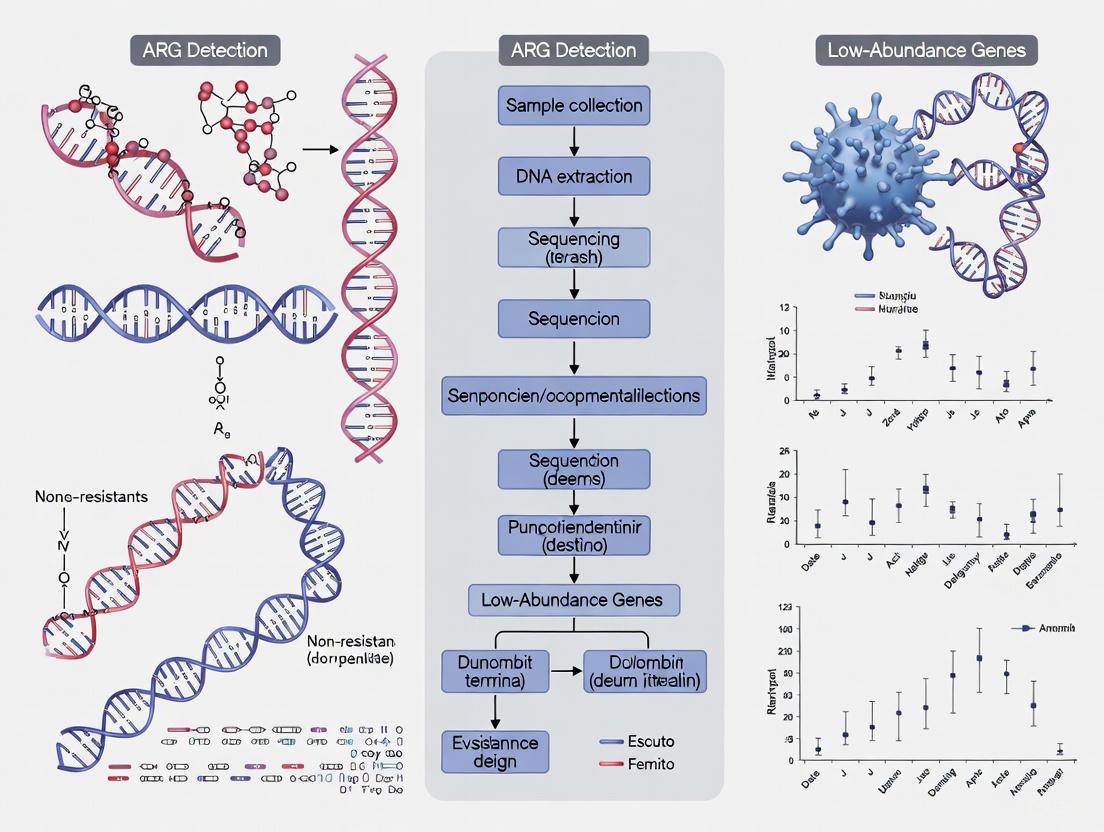
The accurate detection of low-abundance antibiotic resistance genes (ARGs) in complex environmental and clinical matrices is critical for global antimicrobial resistance (AMR) surveillance and risk assessment.
Breaking the Detection Limit: Advanced Strategies for Identifying Low-Abundance Antibiotic Resistance Genes in Complex Matrices
Abstract
The accurate detection of low-abundance antibiotic resistance genes (ARGs) in complex environmental and clinical matrices is critical for global antimicrobial resistance (AMR) surveillance and risk assessment. This article synthesizes the latest methodological advances, from sophisticated concentration protocols and enhanced molecular assays like ddPCR and long-read sequencing to novel computational tools such as AI-powered classifiers and CRISPR-based enrichment. We provide a foundational understanding of the 'latent resistome,' explore cutting-edge application workflows, address key troubleshooting challenges like inhibition and host DNA contamination, and offer a comparative validation of emerging technologies. Designed for researchers and drug development professionals, this review serves as a comprehensive guide for selecting, optimizing, and validating robust ARG detection pipelines to uncover hidden resistance threats.
The Hidden World of Low-Abundance ARGs: From the Latent Resistome to Complex Matrices
Antimicrobial resistance (AMR) presents a critical global health challenge, directly contributing to millions of deaths annually [1]. Antibiotic resistance genes (ARGs) serve as the fundamental molecular mechanisms driving this crisis. While ARGs are naturally occurring, their proliferation and dissemination into pathogenic bacteria undermine the efficacy of essential medical treatments [2]. The detection and quantification of low-abundance ARGs in complex matrices—such as wastewater, biosolids, food products, and human microbiomes—represents a formidable analytical challenge with profound public health implications. These environmental and biological reservoirs act as significant hubs for the persistence, amplification, and transfer of resistance determinants, often serving as silent sentinels for emerging resistance threats long before they manifest in clinical settings [3] [1] [2]. Understanding the dynamics of these reservoirs is crucial for proactive public health interventions. This application note delineates the specific challenges associated with monitoring low-abundance ARGs in complex sample types and provides detailed protocols for overcoming these analytical hurdles to enhance AMR surveillance frameworks.
Quantitative ARG Profiles Across Complex Matrices
The distribution and abundance of ARGs vary significantly across different environmental and biological matrices. The following table summarizes key findings from recent studies investigating ARG prevalence in complex sample types, providing a quantitative baseline for understanding their distribution.
Table 1: ARG Abundance and Diversity Across Various Complex Matrices
| Matrix Type | Key ARGs Detected | Abundance Range | Richness (Number of ARGs) | Primary Method | Citation |
|---|---|---|---|---|---|
| Secondary Treated Wastewater | tet(A), blaCTX-M-1, qnrB, catI |
Higher with AP concentration | Varies by target | ddPCR & qPCR | [3] |
| Infant Gut (Longitudinal) | Tetracycline, Fluoroquinolone, Penam | Peak at 6 months (~10^8 copies/g) | 2-89 per sample (avg. 57 at 6 mo) | Quantitative Metagenomics | [4] |
| Raw Milk (Xinjiang) | β-lactam, Tetracycline, Aminoglycoside | Up to 3.70 × 10^5 copies/g | 31 distinct alleles | HT-qPCR & 16S Sequencing | [5] |
| Wastewater Influent | sul1, erm, tet, bla, qnrS |
Varies with source (higher in hospital effluent) | Dominated by clinically relevant types | Metagenomics, qPCR | [1] |
| Soil-Plant System | Beta-lactam, Aminoglycoside, Vancomycin | Varies by niche (rhizosphere, phyllosphere) | 11-242 in phyllosphere | Metagenomics | [2] |
The data reveals that ARGs are ubiquitous across diverse environments. The infant gut exhibits a clear temporal dynamic, with absolute abundance peaking at six months before declining to adult-like levels [4]. In wastewater, the choice of concentration method significantly impacts reported abundances, with aluminum-based precipitation (AP) generally yielding higher recoveries than filtration-centrifugation (FC) [3]. The profiles are consistently dominated by genes conferring resistance to major antibiotic classes, including tetracyclines, β-lactams, and quinolones, underscoring their pervasive nature and clinical relevance.
Critical Gaps in Low-Abundance ARG Analysis
Accurately quantifying low-abundance ARGs is fraught with methodological challenges that can compromise data comparability and public health risk assessments. The table below outlines the primary obstacles and their specific consequences for surveillance and intervention.
Table 2: Key Analytical Challenges in Low-Abundance ARG Detection
| Challenge Category | Specific Issue | Impact on Analysis and Public Health |
|---|---|---|
| Method Selection | Diversity of concentration (FC, AP) and detection (qPCR, ddPCR) protocols. | Hinders cross-study comparability; obscures true ARG prevalence and risk. |
| Matrix Effects | Presence of PCR inhibitors in wastewater, biosolids, and food samples. | Causes false negatives or quantification inaccuracies for low-abundance targets. |
| Sensitivity Limits | Inability of qPCR to reliably detect and quantify rare ARG targets. | Fails to identify emerging resistance threats at an early, manageable stage. |
| Source Tracking | Difficulty in distinguishing between ARG sources (e.g., clinical vs. environmental). | Impedes targeted intervention strategies and source control. |
| Standardization | Lack of harmonized protocols for sample processing and data normalization. | Prevents the establishment of actionable, community-wide ARG baselines. |
A prominent issue is the matrix-dependent performance of methods. For instance, droplet digital PCR (ddPCR) demonstrates superior sensitivity compared to quantitative PCR (qPCR) in wastewater by better mitigating the effects of PCR inhibitors, whereas their performance may be more comparable in other matrices like biosolids [3]. Furthermore, the selection of concentration techniques directly influences the absolute abundance measured, as shown in a study where AP outperformed FC in recovering ARGs from treated wastewater [3]. These technical variabilities create significant knowledge gaps, particularly concerning the contribution of non-bacterial vectors like bacteriophages to ARG dissemination, a pathway that remains under-investigated despite its potential significance [3] [2].
Experimental Protocols for Enhanced ARG Detection
Comparative Concentration and DNA Extraction from Wastewater
This protocol is adapted from methods comparing filtration-centrifugation and aluminum-based precipitation for secondary treated wastewater [3].
- Sample Collection: Collect 1L of secondary effluent wastewater in sterile polypropylene bottles. Store at 4°C and process within 24 hours.
- Filtration-Centrifugation (FC) Method:
- Filter 200 mL of wastewater through a 0.45 µm sterile cellulose nitrate membrane.
- Transfer the filter to a Falcon tube containing 20 mL of buffered peptone water (2 g/L + 0.1% Tween).
- Agitate vigorously and sonicate for 7 min (wave power density 0.01–0.02 w/mL, frequency 45 KHz).
- Remove the filter and centrifuge the suspension at 3,000 × g for 10 min.
- Resuspend the pellet in PBS and re-centrifuge at 9,000 × g for 10 min.
- Discard the supernatant and resuspend the final pellet in 1 mL of PBS. Store at -80°C until DNA extraction.
- Aluminum-Based Precipitation (AP) Method:
- Adjust the pH of 200 mL wastewater to 6.0.
- Add 1 part of 0.9 N AlCl₃ per 100 parts sample.
- Shake at 150 rpm for 15 min, then centrifuge at 1,700 × g for 20 min.
- Resuspend the pellet in 10 mL of 3% beef extract (pH 7.4) and shake at 150 rpm for 10 min at RT.
- Centrifuge for 30 min at 1,900 × g.
- Discard the supernatant and resuspend the final pellet in 1 mL of PBS. Store at -80°C until DNA extraction.
- DNA Extraction (for both concentrates and biosolids):
- Use 300 µL of concentrated sample or 0.1 g of biosolids resuspended in 900 µL PBS.
- Add 400 µL CTAB buffer and 40 µL proteinase K. Incubate at 60°C for 10 min.
- Centrifuge at 16,000 × g for 10 min. Transfer supernatant to a fresh tube.
- Use the Maxwell RSC Pure Food GMO and Authentication Kit with the Maxwell RSC Instrument, following the "PureFood GMO" program.
- Elute DNA in 100 µL nuclease-free water.
Purification of Phage-Associated DNA Fraction
This protocol details the isolation of phage particles, an often-overlooked ARG reservoir [3].
- Take 600 µL of wastewater concentrate (preferably from AP method) or biosolids suspension.
- Filter through a 0.22 µm low protein-binding polyethersulfone (PES) membrane.
- Treat the filtrate with chloroform (10% v/v) and shake for 5 min at room temperature.
- Separate the two-phase mixture by centrifugation.
- Proceed with DNA extraction from the purified phage fraction as described above.
Quantitative Detection via qPCR and ddPCR
- Primer Design: Select primers targeting high-priority ARGs (e.g.,
tet(A),blaCTX-M group 1,qnrB,catI) and the 16S rRNA gene as an internal reference [3] [5]. Validate primer specificity and amplification efficiency (90-110%). - qPCR Protocol:
- Use a reaction volume of 20 µL, including 1X master mix, primers, and 2 µL template DNA.
- Cycling conditions: initial denaturation at 95°C for 10 min; 40 cycles of 95°C for 30 s and 60°C for 30 s.
- Perform all reactions in triplicate. Include a standard curve for absolute quantification.
- ddPCR Protocol:
- Partition each sample into approximately 20,000 nanoliter-sized droplets.
- Use the same cycling conditions as qPCR.
- Read the droplet fluorescence on a droplet reader. Analyze using Poisson statistics to obtain an absolute count of target DNA molecules without the need for a standard curve.
Visualizing the Experimental Workflow
The following diagram illustrates the integrated experimental workflow for concentrating, extracting, and detecting low-abundance ARGs from complex matrices, highlighting the comparative methodological paths.
The Scientist's Toolkit: Essential Research Reagents
Successful detection of low-abundance ARGs relies on specific reagents and instruments. The following table catalogues key solutions required for implementing the protocols described in this note.
Table 3: Research Reagent Solutions for ARG Analysis in Complex Matrices
| Reagent / Instrument | Function / Application | Example & Notes |
|---|---|---|
| Aluminum Chloride (AlCl₃) | Co-precipitation agent for viral and bacterial concentration from large water volumes. | Used in Aluminum-Based Precipitation (AP) method [3]. |
| CTAB Buffer | Lysis buffer for effective disruption of complex matrices (e.g., biosolids) and inhibitor removal. | Component of DNA extraction; used with proteinase K [3] [5]. |
| Maxwell RSC Instrument | Automated nucleic acid purification system for standardized, high-throughput DNA extraction. | Used with Promega Pure Food GMO kit for consistent yields [3]. |
| Proteinase K | Broad-spectrum serine protease for digesting contaminating proteins and degrading nucleases. | Critical for lysing tough bacterial cells and inactivating DNases [3] [5]. |
| 0.22 µm PES Membrane | Sterile filtration for purifying phage particles from bacterial cells and debris. | Low protein-binding property minimizes phage loss [3]. |
| Chloroform | Organic solvent for liquid-phase separation and purification of phage capsids. | Removes membrane debris and can help inactivate nucleases [3]. |
| WaferGen SmartChip | High-throughput qPCR system for parallel screening of hundreds of ARG targets. | Enables comprehensive resistome profiling [5]. |
| Droplet Digital PCR | Microdroplet-based platform for absolute nucleic acid quantification without standard curves. | Superior for low-abundance targets and inhibitor-rich samples [3]. |
The accurate detection and quantification of low-abundance ARGs in complex environmental and biological matrices is a cornerstone of effective One Health surveillance. This application note has detailed how methodological choices—from sample concentration and DNA extraction to final molecular detection—profoundly impact the sensitivity, accuracy, and ultimately, the public health interpretation of ARG data. The provided protocols and comparative data underscore the necessity of adopting refined, matrix-appropriate methods like AP concentration and ddPCR to uncover the true scope of the environmental resistome. Standardizing these advanced approaches is imperative for generating actionable data that can guide interventions to mitigate the spread of antimicrobial resistance, thereby safeguarding the efficacy of antibiotics for future generations.
Antibiotic resistance genes (ARGs) present in bacterial communities can be categorized into two distinct groups: established ARGs and latent ARGs. Established ARGs are well-characterized sequences typically encountered in clinical pathogens and catalogued in reference databases like ResFinder or CARD [6] [7]. In contrast, latent ARGs represent a vast collection of uncharacterized resistance determinants that remain overlooked in most sequencing-based studies due to their absence from standard databases [6]. This distinction is crucial for comprehensive resistome analysis, as traditional surveillance methods that rely exclusively on established databases fundamentally underestimate the true abundance and diversity of resistance potential in microbial communities [7].
The study of latent ARGs is paramount for antibiotic resistance risk assessment. These genes constitute a diverse reservoir from which new resistance determinants can be recruited to pathogens [8]. Many latent ARGs are located on mobile genetic elements (MGEs), such as transposons and conjugative plasmids, enabling their transfer between bacterial cells, including from non-pathogenic commensal species to human pathogens [6] [7]. Understanding the latent resistome is therefore essential for forecasting emerging resistance threats and developing proactive mitigation strategies.
Quantitative Assessment of Latent versus Established ARGs
Comparative Abundance and Diversity
Analysis of more than 10,000 metagenomic samples has revealed that latent ARGs consistently surpass established ARGs in both abundance and diversity across all major environments [6] [7]. The pan-resistome (all ARGs present in an environment) is overwhelmingly dominated by latent ARGs, while the core-resistome (commonly encountered ARGs) comprises both established and latent ARGs [9].
Table 1: Prevalence of Latent and Established ARGs Across Environments
| Environment | Latent ARG Abundance | Established ARG Abundance | Latent ARG Diversity | Key Findings |
|---|---|---|---|---|
| Human Microbiome | Higher | Lower | Higher | Substantial undiscovered resistance potential in commensal bacteria |
| Animal Microbiome | Higher | Lower | Higher | Important reservoir for novel resistance elements |
| Wastewater | Significantly Higher | Lower | Highest | High-risk environment for ARG mobilization |
| Soil & Aquatic Systems | Higher | Lower | Higher | Contains historically overlooked resistance diversity |
Database Composition Analysis
The creation of a combined reference database containing both established and latent ARGs demonstrated the dramatic numerical dominance of latent resistance elements. When 2,466 resistance gene sequences from ResFinder were combined with 74,904 unique putative resistance genes predicted from 427,495 bacterial genomes, the resulting non-redundant database contained 23,367 representative ARG sequences [6]. Among these, only 588 (2.5%) were classified as established ARGs, while the overwhelming majority - 22,504 (97.5%) - were latent ARGs [6] [7].
Table 2: Database Comparison Revealing Latent ARG Dominance
| Database Component | Gene Count | Percentage | Data Source | Clustering Threshold |
|---|---|---|---|---|
| Initial ResFinder Sequences | 2,466 | - | ResFinder Repository | - |
| Predicted Putative ARGs | 74,904 | - | 427,495 bacterial genomes | - |
| Non-redundant ARG Clusters | 23,367 | 100% | Combined databases | 90% nucleotide identity |
| Established ARGs | 588 | 2.5% | Match to ResFinder | ≥90% identity, ≥70% overlap |
| Latent ARGs | 22,504 | 97.5% | Novel predictions | <90% identity or <20% overlap |
Protocol for Comprehensive Latent Resistome Analysis
Computational Prediction of Latent ARGs Using fARGene
Principle: fARGene is a computational method that identifies ARGs from nucleotide sequences using hidden Markov models (HMMs), enabling detection of novel resistance genes without prior inclusion in reference databases [6] [7].
Materials:
- High-performance computing cluster
- Quality-controlled metagenomic reads or assembled bacterial genomes
- fARGene software (v0.1 or higher)
- HMM profiles for target antibiotic classes
Procedure:
- Data Preparation: Obtain metagenomic samples from MGnify database or sequence bacterial communities using Illumina platforms. Perform quality control with BBDuk (BBMap package) using parameters: trimq=20, minlength=60 [6].
- HMM Selection: Download 17 HMM gene profiles from the fARGene repository covering major antibiotic classes:
- β-lactams (classes A, B1/B2, B3, D)
- Aminoglycosides (aac(2'), aac(3), aac(6'), aph(2″), aph(3'), aph(6))
- Macrolides (erm, mph)
- Quinolones (qnr)
- Tetracyclines (efflux pumps, inactivating enzymes, ribosomal protection genes) [6]
- Gene Prediction: Execute fARGene with default parameters on quality-controlled sequences.
- Filtering: Apply model-specific significance thresholds for full-length genes and remove sequences matching transposases in ISFinder database (≥80% identity, ≥20 aa overlap) [6].
- Classification: Cluster predicted genes at 90% nucleotide identity using VSEARCH. Compare to ResFinder database via BLASTp; genes with ≥90% identity and ≥70% overlap become "established ARGs," others become "latent ARGs" [6].
ARG-like Read (ALR) Strategy for Host Identification
Principle: This novel bioinformatic strategy identifies ARG hosts by prescreening ARG-like reads directly from metagenomic datasets, enabling detection of low-abundance hosts with higher accuracy while reducing computation time by 44-96% compared to assembly-based approaches [10].
Materials:
- Clean metagenomic reads (Illumina HiSeq 2500 or similar)
- Structured Antibiotic Resistance Genes (SARG) database (v2.2)
- Kraken2 with GTDB database (r89)
- MEGAHIT assembler (v1.1.3)
- Prodigal (v2.6.3) for ORF prediction
Procedure: ALR1 Pipeline (Assembly-Free):
- Read Identification: Align clean reads against SARG database using UBLAST (e-value ≤10⁻⁵), then confirm with BLASTX (e-value ≤10⁻⁷, identity ≥80%, hit length ≥75%) [10].
- Taxonomic Assignment: Assign taxonomy to ARG-like reads using Kraken2 with GTDB database, applying lowest common ancestor algorithms [10].
- Filtering: Retain candidate ARG-carrying taxa with more than ten sequences for robust analysis [10].
ALR2 Pipeline (Assembly-Based):
- Read Assembly: Assemble ARG-like reads into contigs (>500 bp) using MEGAHIT with recommended parameters [10].
- ORF Prediction: Identify open reading frames using Prodigal with meta-model [10].
- ARG Confirmation: Annotate ORFs against SARG database using BLASTP (e-value ≤10⁻⁵, identity ≥80%, query coverage ≥70%) [10].
- Host Identification: Assign taxonomy to ARG-carrying contigs using Kraken2 and calculate relative abundance with CoverM [10].
Research Reagent Solutions for Latent Resistome Analysis
Table 3: Essential Research Reagents and Computational Tools
| Category | Resource | Function | Application in Latent Resistome Research |
|---|---|---|---|
| Computational Prediction Tools | fARGene | Predicts novel ARGs using HMMs | Primary tool for identifying latent ARGs from sequence data [6] |
| ARG Databases | ResFinder | Catalog of established mobile ARGs | Reference for classifying established vs. latent ARGs [6] |
| ARG Databases | SARG (v2.2) | Structured ARG database | Reference for ARG-like read identification [10] |
| Metagenomic Assemblers | MEGAHIT (v1.1.3) | Efficient metagenome assembler | Assembly of ARG-containing contigs from complex samples [10] |
| Taxonomic Classifiers | Kraken2 (v2.0.8) | Rapid taxonomic assignment | Linking ARGs to their bacterial hosts [10] |
| Gene Prediction Tools | Prodigal (v2.6.3) | ORF identification in metagenomes | Predicting protein-coding genes in assembled contigs [10] |
| Sequence Clustering | VSEARCH (v2.7.0) | Dereplication and clustering | Reducing redundancy in predicted ARG sets [6] |
| Hybrid ARG Detection | ProtAlign-ARG | Combines protein language models with alignment | Enhanced detection of novel ARG variants [11] |
| Long-Read Profiling | Argo | Long-read ARG profiling with host resolution | Species-resolved ARG tracking in complex metagenomes [12] |
Advanced Methodologies for Enhanced Detection
ProtAlign-ARG: Integrating Protein Language Models
Principle: ProtAlign-ARG is a novel hybrid model that combines pre-trained protein language models with alignment-based scoring to overcome limitations of traditional ARG detection methods, particularly for identifying novel variants with limited sequence similarity to known ARGs [11].
Procedure:
- Data Curation: Utilize HMD-ARG-DB, which consolidates ARG sequences from seven major databases (AMRFinder, CARD, ResFinder, Resfams, DeepARG, MEGARes, AR-ANNOT) containing over 17,000 ARG sequences across 33 antibiotic classes [11].
- Data Partitioning: Apply GraphPart for precise training-test set separation at specified similarity thresholds (40-90%), ensuring model evaluation on truly novel sequences [11].
- Model Architecture: Implement four dedicated models for (1) ARG Identification, (2) ARG Class Classification, (3) ARG Mobility Identification, and (4) ARG Resistance Mechanism prediction [11].
- Hybrid Prediction: For high-confidence cases, use protein language model embeddings; for uncertain predictions, employ alignment-based scoring incorporating bit scores and e-values [11].
Long-Read Overlapping with Argo for Host Resolution
Principle: Argo enhances species-resolved ARG profiling in complex metagenomes by leveraging long-read overlapping and graph-based clustering, significantly improving host identification accuracy compared to per-read taxonomic classification methods [12].
Procedure:
- ARG Identification: Screen long reads using DIAMOND's frameshift-aware DNA-to-protein alignment against a comprehensive SARG+ database (104,529 protein sequences) [12].
- Adaptive Thresholding: Set identity cutoffs based on per-base sequence divergence estimated from read overlaps [12].
- Taxonomic Classification: Map ARG-containing reads to GTDB reference taxonomy database using minimap2 base-level alignment [12].
- Read Clustering: Build overlap graphs from ARG-containing reads and segment into clusters using Markov Cluster (MCL) algorithm, assigning taxonomic labels per cluster rather than per read [12].
- Plasmid Identification: Mark reads as "plasmid-borne" if they additionally map to decontaminated RefSeq plasmid database [12].
Key Findings and Risk Assessment
Environmental Distribution and Risk Prioritization
Analysis of the latent resistome across diverse environments has revealed critical patterns with direct implications for antibiotic resistance risk assessment:
Wastewater as High-Risk Environment: Wastewater microbiomes possess surprisingly large pan- and core-resistomes, making them potentially high-risk environments for the mobilization and promotion of latent ARGs [6] [7]. The continuous mixing of bacterial communities from human, animal, and industrial sources creates ideal conditions for horizontal gene transfer.
Pathogen Association: Several latent ARGs are already present in human pathogens and located on mobile genetic elements, including conjugative elements, suggesting they may constitute emerging threats to human health [6] [8]. This finding underscores the practical clinical relevance of latent resistome surveillance.
Cross-Environmental Sharing: Identification of latent ARGs shared between human-associated, animal-associated, and external environments indicates extensive connectivity in the resistome, with gene flow occurring across One Health sectors [6] [9].
Mobilization Potential Assessment
Context analysis of latent ARGs has demonstrated that a majority of the latent core-resistome genes are associated with mobile genetic elements, including mechanisms for conjugation [6]. This mobile potential significantly increases the risk profile of these genes, as they possess the necessary genetic context for horizontal transfer into pathogenic species under appropriate selective pressures.
The presence of latent ARGs on conjugative elements is particularly concerning, as this mechanism enables direct cell-to-cell transfer of resistance determinants between diverse bacterial species, bypassing barriers to natural transformation. This genetic mobility, combined with the abundance and diversity of latent ARGs, creates a substantial reservoir for the emergence of novel resistance mechanisms in clinical settings.
Antimicrobial resistance (AMR) presents a critical global health threat, necessitating robust surveillance strategies that extend beyond clinical settings into environmental reservoirs [13]. Wastewater and biosolids from wastewater treatment plants (WWTPs) are recognized as significant hotspots for the selection and dissemination of antibiotic resistance genes (ARGs), acting as convergence points for domestic, industrial, and hospital waste streams [3]. Detecting low-abundance ARGs within these complex matrices presents substantial analytical challenges due to the presence of PCR inhibitors, low target concentrations, and the diverse physicochemical characteristics of samples [3] [13]. This application note provides detailed protocols and comparative methodologies for the concentration, detection, and quantification of low-abundance ARGs in wastewater, biosolids, and other low-biomass samples, supporting advanced environmental AMR surveillance within a One Health framework.
Methodological Comparison for ARG Analysis
Concentration Method Performance
The selection of an appropriate concentration method significantly impacts the recovery efficiency of microbial targets from liquid environmental samples. The table below summarizes the comparative performance of two commonly used concentration techniques based on recent research findings.
Table 1: Comparison of Concentration Methods for Wastewater Samples
| Method | Procedure Overview | Recovery Efficiency | Advantages | Limitations |
|---|---|---|---|---|
| Filtration-Centrifugation (FC) | 200 mL filtered through 0.45 µm; filter sonicated in buffered peptone water; sequential centrifugation at 3000× g and 9000× g [3] | Lower ARG concentrations compared to AP, particularly in wastewater samples [3] | Effective for bacterial concentration; standardized protocol | May miss small particles/viruses; potential cell damage during sonication |
| Aluminum-based Precipitation (AP) | pH adjustment to 6.0; addition of AlCl₃; centrifugation at 1700× g; pellet reconstitution in beef extract [3] | Higher ARG concentrations across all targets in wastewater samples [3] | Higher recovery of diverse targets; effective for viral fractions | Complex workflow; reagent-dependent efficiency |
Detection Technology Performance
The sensitivity, accuracy, and robustness of detection technologies vary substantially between sample matrices. The following table compares the performance of quantitative PCR (qPCR) and droplet digital PCR (ddPCR) across different environmental samples.
Table 2: Comparison of Detection Technologies for ARG Quantification
| Technology | Principle | Wastewater Performance | Biosolids Performance | Inhibition Resistance |
|---|---|---|---|---|
| Quantitative PCR (qPCR) | Relative quantification based on amplification curves and standard curves [3] | Lower sensitivity compared to ddPCR [3] | Similar performance to ddPCR [3] | Susceptible to matrix-associated inhibitors [3] |
| Droplet Digital PCR (ddPCR) | Absolute quantification by partitioning samples into nanoliter droplets [3] | Greater sensitivity for low-abundance targets [3] | Similar performance to qPCR; slightly weaker detection [3] | Enhanced resistance to inhibitors [3] |
Detailed Experimental Protocols
Sample Collection and Storage
Wastewater Collection: Collect secondary treated wastewater samples (1L) in sterile polypropylene bottles [3]. Transport under refrigeration (4°C) within 2 hours of collection [3]. For biosolids, collect representative samples using appropriate sampling tools following UNI 10802/2004 international standard [14].
Storage Conditions: Store liquid samples at 4°C until processing [3]. For biosolids with >16% moisture, store in plastic bins at 4°C; pelletized samples can be stored at room temperature in the dark [14].
Concentration Protocols
Filtration-Centrifugation Protocol
- Filtration: Filter 200 mL of wastewater through 0.45 µm sterile cellulose nitrate filters under vacuum [3].
- Elution: Transfer filters to Falcon tubes containing 20 mL of buffered peptone water (2 g/L + 0.1% Tween) [3].
- Sonication: Agitate vigorously and subject to sonication for 7 minutes (ultrasonic wave power density: 0.01-0.02 w/mL; frequency: 45 KHz) [3].
- Primary Centrifugation: Remove filters and centrifuge samples at 3000× g for 10 minutes [3].
- Secondary Centrifugation: Resuspend pellet in PBS and concentrate by centrifugation at 9000× g for 10 minutes [3].
- Final Preparation: Discard supernatant and resuspend final pellet in 1 mL of PBS [3].
Aluminum-based Precipitation Protocol
- pH Adjustment: Lower pH of 200 mL wastewater to 6.0 [3].
- Precipitation: Add 1 part of 0.9 N AlCl₃ per 100 parts sample [3].
- Mixing: Shake at 150 rpm for 15 minutes at room temperature [3].
- Primary Centrifugation: Centrifuge at 1700× g for 20 minutes [3].
- Reconstitution: Resuspend pellet in 10 mL of 3% beef extract (pH 7.4) and shake at 150 rpm for 10 minutes at room temperature [3].
- Secondary Centrifugation: Centrifuge for 30 minutes at 1900× g [3].
- Final Preparation: Resuspend final pellet in 1 mL of PBS [3].
DNA Extraction and Purification
- Sample Preparation: For biosolids, resuspend 0.1 g in 900 μL of PBS prior to extraction [3]. For wastewater concentrates, use 300 μL directly [3].
- Lysis: Add 400 μL CTAB buffer and 40 μL proteinase K solution to sample; incubate at 60°C for 10 minutes [3].
- Centrifugation: Centrifuge at 16,000× g for 10 minutes and transfer supernatant to loading cartridge [3].
- Automated Extraction: Use Maxwell RSC Instrument with PureFood GMO program and Maxwell RSC Pure Food GMO and Authentication Kit [3].
- Elution: Elute DNA in 100 μL nuclease-free water [3].
- Quality Control: Include negative control (nuclease-free water) in each extraction batch [3].
Phage-associated DNA Purification
- Filtration: Filter 600 μL of wastewater concentrates or biosolids suspensions through 0.22 μm low protein-binding PES membranes [3].
- Treatment: Treat filtrates with chloroform (10% v/v) and shake for 5 minutes at room temperature [3].
- Separation: Separate the two-phase mixture by centrifugation [3].
Quantitative PCR (qPCR) Assay
- Reaction Setup: Prepare reactions using appropriate primer sets for target ARGs (e.g., tetW, sul1, blaCTX-M, qnrB, catI) [3] [13].
- Normalization: Include 16S ribosomal RNA gene quantification to determine total bacterial population and normalize ARG abundance [13].
- Amplification Conditions: Follow established protocols with annealing temperatures specific to each primer set (e.g., 64°C for tetW, 55.9°C for sul1) [13].
- Standard Curves: Generate standard curves using known copy numbers of target genes for relative quantification [3].
Droplet Digital PCR (ddPCR) Assay
- Droplet Generation: Partition samples into approximately 20,000 nanoliter-sized droplets [3].
- Endpoint PCR: Amplify target genes within individual droplets [3].
- Droplet Reading: Analyze each droplet for fluorescence signal to determine positive and negative reactions [3].
- Absolute Quantification: Calculate target concentration based on Poisson distribution statistics without need for standard curves [3].
Workflow Visualization
Critical Factors Influencing ARG Detection and Abundance
Multiple factors impact the detection efficiency and measured abundance of ARGs in complex environmental matrices. The following table summarizes key influential parameters based on current research evidence.
Table 3: Factors Affecting ARG Detection and Abundance in Environmental Matrices
| Factor Category | Specific Parameter | Impact on ARGs | Supporting Evidence |
|---|---|---|---|
| Physicochemical | Temperature | Positive correlation with ARG abundance in wastewater effluents [13] | Significant positive correlation observed in WWTP effluents [13] |
| Physicochemical | Heavy metals | Co-selection for metal and antibiotic resistance through co-resistance and cross-resistance mechanisms [15] | Impacts ARG profile in biosolids-amended soils [15] |
| Biological | Mobile Genetic Elements (MGEs) | Strongest correlation with ARG profiles in soil; facilitates horizontal gene transfer [15] | Primary factor shaping ARG distribution in long-term biosolids application [15] |
| Biological | Microbial community structure | Determines host availability for ARGs; affects transfer potential [15] | Changes in community structure influence ARG enrichment patterns [15] |
| Methodological | Inhibition resistance | ddPCR demonstrates enhanced resistance to matrix-associated inhibitors [3] | Particularly advantageous for wastewater samples with complex matrices [3] |
| Methodological | Sample dilution | Mitigates PCR inhibition effects in complex matrices [3] | ddPCR benefits from reduced inhibition impact through dilution [3] |
The Scientist's Toolkit: Essential Research Reagents and Materials
Table 4: Key Research Reagents and Materials for ARG Analysis
| Category | Item | Specification/Example | Application Purpose |
|---|---|---|---|
| Concentration | Cellulose nitrate filters | 0.45 µm pore size (Pall Corporation) [3] | Initial capture of particulate matter and microbes |
| Concentration | Aluminum chloride (AlCl₃) | 0.9 N solution [3] | Flocculating agent for aluminum-based precipitation |
| Concentration | Beef extract | 3% solution, pH 7.4 [3] | Reconstitution solution for precipitated pellets |
| DNA Extraction | Lysis buffer | CTAB (cetyltrimethyl ammonium bromide) [3] | Cell membrane disruption and nucleic acid release |
| DNA Extraction | Proteinase K | Component of lysis buffer [3] | Protein degradation for improved DNA yield and purity |
| DNA Extraction | Automated extraction system | Maxwell RSC Instrument (Promega) [3] | Standardized nucleic acid purification with minimal contamination |
| DNA Extraction | Extraction kits | Maxwell RSC Pure Food GMO and Authentication Kit [3] | Optimized for complex matrices with inhibitor removal |
| PCR Reagents | Primer sets | Specific for tet(A), blaCTX-M, qnrB, catI, sul1, tetW [3] [13] | Target-specific amplification of ARGs of clinical relevance |
| PCR Reagents | Master mixes | Compatible with qPCR/ddPCR systems | Enzymatic amplification with fluorescence detection |
| Reference Genes | 16S rRNA primers | Universal bacterial target [13] | Normalization for total bacterial abundance |
| Quality Control | Nuclease-free water | PCR-grade [3] | Negative controls and reagent preparation |
The accurate detection and quantification of low-abundance ARGs in complex environmental matrices requires careful methodological consideration from sample collection through data analysis. The aluminum-based precipitation method demonstrates superior concentration efficiency for wastewater samples, while ddPCR technology offers enhanced sensitivity and inhibition resistance compared to qPCR, particularly for low-biomass targets. The selection of appropriate protocols should be guided by matrix characteristics, target abundance, and surveillance objectives. Standardized methodologies across studies will improve data comparability and strengthen the role of environmental surveillance in comprehensive AMR monitoring frameworks. Future methodological developments should focus on improving recovery efficiency, reducing inhibition effects, and incorporating high-throughput sequencing technologies to capture the full resistome diversity in these complex samples.
The accurate detection of low-abundance antibiotic resistance genes (ARGs) in complex environmental and clinical matrices is paramount for effective antimicrobial resistance (AMR) surveillance and risk assessment. This endeavor is critical, as AMR is projected to cause 10 million deaths annually by 2050 if left unaddressed [16]. However, robust detection is severely hampered by three major technical hurdles: microbial host interference from complex communities, the presence of sample inhibitors that reduce assay efficiency, and high levels of background noise that obscure genuine signals. This Application Note details these challenges and provides validated, advanced protocols designed to overcome them, enabling researchers to achieve a higher degree of accuracy and sensitivity in their ARG monitoring efforts.
The table below summarizes the core challenges and the corresponding advanced methodological approaches that mitigate them, along with their documented performance metrics.
Table 1: Key Challenges and Advanced Solutions for Low-Abundance ARG Detection
| Major Challenge | Description of Impact | Recommended Solution | Reported Performance |
|---|---|---|---|
| Microbial Host Interference | Difficulty in linking an ARG to its specific microbial host in a complex community, leading to inaccurate risk assessment [10]. | ALR (ARG-like reads) Metagenomic Strategy [10] | Reduces computation time by 44–96%; detects hosts at 1X coverage; 83.9–88.9% accuracy in high-diversity datasets [10]. |
| Sample Inhibitors | Substances in samples (e.g., humic acids, heavy metals) that co-extract with DNA and inhibit downstream enzymatic reactions (PCR, sequencing) [17]. | Environmental DNA (eDNA) Analysis with Sequential Filtration [17] | Effectively detects specific, pathogenic ARGs (e.g., OXA-type, NDM-beta-lactamase) from complex water samples, bypassing culture-based inhibition [17]. |
| Background Noise | Non-specific signals and stochastic errors that mask the true signal of low-abundance ARGs, complicating data interpretation [18]. | Long-read epicPCR [19] | Significantly improves host identification rate from 29.0% to 54.4% and reduces false positives in mock communities [19]. |
Detailed Experimental Protocols
Protocol 1: Rapid ARG Host Identification via ALR Metagenomics
This assembly-free pipeline is designed to rapidly and accurately link ARGs to their microbial hosts from total metagenomic DNA, effectively mitigating host interference [10].
Workflow Overview: The diagram below illustrates the two primary analysis pipelines (ALR1 and ALR2) within this strategy.
Materials & Reagents:
- KneadData Pipeline: For quality control and adapter trimming of raw metagenomic reads [10].
- SARG Database (v2.2): A structured ARG database for functional annotation [10].
- UBLAST & BLASTX/BLASTP: For sequence alignment and ARG identification [10].
- Kraken2: For fast taxonomic classification of sequencing reads [10].
- GTDB (r89) Database: A standardized microbial taxonomy database for accurate phylogenetic placement [10].
- MEGAHIT (v1.1.3): For efficient metagenomic assembly [10].
- Prodigal (v2.6.3): For predicting open reading frames (ORFs) in metagenomic contigs [10].
Step-by-Step Procedure:
- DNA Extraction & Sequencing: Extract high-quality total DNA from the complex matrix (e.g., sediment, wastewater) and perform shotgun sequencing on an Illumina platform to generate 150 bp paired-end reads [10].
- Read Quality Control: Process raw reads with the KneadData pipeline to remove low-quality sequences and adapter contamination [10].
- Prescreen for ARG-like Reads (ALRs):
- Align clean reads against the SARG database using UBLAST with a lenient e-value threshold (≤10⁻⁵).
- Take the resulting matched reads and realign them against SARG using BLASTX with stringent parameters (e-value ≤10⁻⁷, sequence identity ≥80%, hit length ≥75%) to identify high-confidence target ALRs [10].
- ALR1 Pipeline (Assembly-Free Host Identification):
- Directly submit the high-confidence ALRs to taxonomic classification using Kraken2 with the GTDB database.
- Retain candidate ARG-carrying taxa supported by more than ten ALR sequences for robust analysis [10].
- ALR2 Pipeline (Assembly-Informed Host Identification):
- Assemble the prescreened ALRs into contigs longer than 500 bp using MEGAHIT with default parameters.
- Predict ORFs on these contigs using Prodigal with the meta-model.
- Annotate the protein sequences of these ORFs against the SARG database using BLASTP (e-value ≤10⁻⁵, identity ≥80%, query coverage ≥70%) to identify ARG-like ORFs.
- A contig is designated an ARG-carrying contig (ACC) if it contains at least one ARG-like ORF.
- Determine the taxonomy of each ACC using Kraken2 and calculate its relative abundance using a tool like CoverM [10].
Protocol 2: Overcoming Sample Inhibition with eDNA Workflow
This protocol uses environmental DNA (eDNA) captured by filtration to analyze the total resistome, circumventing the biases and inhibitors that plague culture-based methods [17].
Workflow Overview:
Materials & Reagents:
- Sterivex-GP Filter (0.22 µm): For capturing bacterial cells and extracellular DNA from large volume water samples [17].
- Pre-filter (10 µm): To remove large particles and debris that could clog the primary filter [17].
- MoBio PowerWater DNA Isolation Kit: Optimized for extracting high-quality DNA from filter samples with low biomass [17].
- Illumina MiniSeq System: For high-throughput shotgun metagenomic sequencing [17].
- AmrPlusPlus Pipeline & MEGARes Database: A Galaxy-based bioinformatic pipeline and a hand-curated ARG database for identifying and characterizing resistance genes [17].
Step-by-Step Procedure:
- Sample Collection: Collect surface water samples in a sterile container.
- Sequential Filtration:
- Within 3 hours of collection, pre-filter the water through a 10 µm filter to remove large contaminants like algae and debris.
- Filter 1 liter of the pre-filtered water through a 0.22 µm Sterivex-GP filter unit to trap bacterial cells and eDNA [17].
- eDNA Extraction: Using the MoBio PowerWater DNA Isolation Kit, follow the manufacturer's protocol to elute DNA directly from the Sterivex-GP filter. Store the extracted eDNA at -80°C [17].
- Library Preparation and Sequencing:
- Prepare a paired-end sequencing library (e.g., 2 × 150 bp) from the eDNA using a kit such as the Illumina Nextera XT DNA Library Preparation Kit.
- Perform sequencing on an Illumina platform, such as the MiniSeq system, using the appropriate output kit [17].
- Bioinformatic Analysis: Process the resulting sequencing data using the AmrPlusPlus pipeline. This pipeline will identify and characterize ARGs within the data by comparing them to the MEGARes database [17].
Protocol 3: Enhancing Specificity with Long-Read epicPCR
This protocol leverages an advanced single-cell technique that physically links a functional ARG to the 16S rRNA gene of its host organism, dramatically reducing background noise from false associations [19].
Workflow Overview:
Materials & Reagents:
- Custom Primers for Long-read epicPCR: Designed to amplify the target ARG and a ~1000 bp segment of the 16S rRNA gene spanning the V4-V9 regions [19].
- Emulsion PCR Reagents: Including surfactants and oils for creating stable water-in-oil emulsion droplets that contain single cells and PCR reagents.
- Oxford Nanopore MinION or PacBio Sequel: Long-read sequencing platforms capable of reading the entire fused amplicon.
Step-by-Step Procedure:
- Sample Fixation: Fix the environmental sample (e.g., biomass from anaerobic digestion reactor) to preserve the cellular integrity and the co-localization of DNA within individual cells.
- Emulsion Generation: Create a water-in-oil emulsion where the majority of droplets contain no more than a single bacterial cell along with the PCR reagents and primers. The primer set is designed to bind the target ARG (e.g.,
optrA) and the elongated 16S rRNA segment. - Single-Cell Lysis and Fusion PCR: Within each droplet, the cell is lysed, releasing its genomic DNA. A first-round of PCR is performed to amplify the ARG and the 16S gene separately. This is followed by a fusion PCR that physically links the two amplicons into a single, chimeric molecule.
- Long-Read Sequencing: Break the emulsion and purify the fusion PCR products. Sequence these products on a long-read platform like Oxford Nanopore MinION.
- Data Analysis: Process the sequencing data to identify the fused sequences. The ARG portion confirms the resistance trait, while the long 16S segment (V4-V9) allows for precise, species-level taxonomic classification of the host bacterium [19].
The Scientist's Toolkit: Essential Research Reagents
The following table lists key reagents and tools critical for implementing the protocols described above.
Table 2: Essential Research Reagents and Tools for ARG Detection
| Reagent / Tool | Specific Function / Role | Protocol Application |
|---|---|---|
| SARG Database (v2.2) | Structured ARG database for high-confidence annotation of reads and contigs [10]. | ALR Metagenomics |
| GTDB (r89) | Standardized taxonomic database for accurate and consistent phylogenetic placement of hosts [10]. | ALR Metagenomics |
| Sterivex-GP Filter | Captures bacterial cells and eDNA from large-volume water samples, facilitating biomass concentration [17]. | eDNA Workflow |
| MoBio PowerWater Kit | Optimized for extracting PCR-grade DNA from low-biomass filter samples, mitigating co-purification of inhibitors [17]. | eDNA Workflow |
| MEGARes Database | Hand-curated ARG database used within the AmrPlusPlus pipeline for comprehensive resistome analysis [17]. | eDNA Workflow |
| HyCoSuL/CoSeSuL Libraries | Peptide libraries containing unnatural amino acids for profiling protease substrate specificity, a concept applicable to designing highly specific probes [20]. | Probe/Assay Design |
| Long-read epicPCR Primers | Custom primers designed to fuse target ARGs to an elongated (~1000 bp) 16S rRNA segment for superior taxonomic resolution [19]. | Long-read epicPCR |
Advanced Toolkit: From Sample Concentration to Cutting-Edge Detection Technologies
The detection of low-abundance antibiotic resistance genes (ARGs) in complex environmental matrices is a significant challenge in the fight against antimicrobial resistance. Wastewater and biosolids are critical surveillance points, acting as reservoirs and amplifiers for ARGs. The effectiveness of this surveillance, however, hinges on the sample preparation strategy employed. Two commonly used concentration methods—filtration–centrifugation (FC) and aluminum-based precipitation (AP)—offer distinct advantages and limitations. This Application Note provides a detailed, experimental comparison of these two techniques, framed within a broader research context of optimizing the detection of clinically relevant ARGs. We present structured quantitative data, detailed protocols, and analytical workflows to guide researchers and drug development professionals in selecting and implementing the most appropriate method for their specific matrix and surveillance objectives.
Method Comparison and Performance Data
The choice between Filtration-Centrifugation and Aluminum-Based Precipitation significantly impacts the recovery efficiency of target analytes, which is paramount for detecting low-abundance ARGs. The following table summarizes key performance characteristics of both methods based on recent comparative studies.
Table 1: Quantitative Comparison of Filtration-Centrifugation and Aluminum-Based Precipitation
| Feature | Filtration-Centrifugation (FC) | Aluminum-Based Precipitation (AP) |
|---|---|---|
| Basic Principle | Size exclusion via membrane filter followed by pellet collection via centrifugation [3]. | Adsorption of negatively charged particles to positive Al(OH)₃ flocs, followed by precipitation and centrifugation [3] [21]. |
| Typical Analyte Recovery | Generally lower ARG concentrations reported in wastewater samples [3]. | Higher recovery of ARGs, particularly in wastewater samples [3]. |
| Key Advantage | Simplicity; effective for concentrating particulate matter and cells [3]. | High recovery efficiency; simplicity; low cost; effective for both enveloped and non-enveloped viruses and associated genes [3] [21]. |
| Key Limitation/Variability | Potential for membrane clogging; may miss small particles or viruses [3]. | Higher variability, with the concentration step itself contributing over 50% of total method variability (CV = 53.82%) [21]. |
| Sensitivity to Inhibitors | May be less effective for concentrating viral fractions and associated ARGs [3]. | Recovery rates can be influenced by sample seasonality and intrinsic physicochemical characteristics [21]. |
| Ideal Use Case | Concentration of bacterial cells and associated cellular ARGs from relatively clear aqueous samples. | Comprehensive surveillance of both cellular and viral (phage-associated) ARG fractions in complex matrices like wastewater [3]. |
Detailed Experimental Protocols
To ensure reproducibility and facilitate method implementation, we provide step-by-step protocols for both concentration techniques as applied to wastewater samples.
Protocol 1: Filtration-Centrifugation (FC) for Treated Wastewater
This protocol is adapted from methods used to concentrate ARGs from secondary treated wastewater [3].
- Sample Preparation: Collect 200 mL of secondary effluent wastewater sample.
- Filtration: Filter the 200 mL sample through a sterile 0.45 µm cellulose nitrate membrane under vacuum.
- Resuspension and Sonication: Aseptically transfer the filter membrane to a Falcon tube containing 20 mL of buffered peptone water (2 g/L + 0.1% Tween). Agitate the tube vigorously, then subject it to sonication for 7 minutes (e.g., at 45 kHz with a power density of 0.01–0.02 W/mL).
- Initial Centrifugation: Remove the filter membrane and centrifuge the suspension at 3,000 × g for 10 minutes.
- Final Concentration: Resuspend the pellet in PBS and transfer to a microcentrifuge tube. Centrifuge at 9,000 × g for 10 minutes. Discard the supernatant and resuspend the final pellet in 1 mL of PBS.
- Storage: Store the concentrated sample at -80°C until nucleic acid extraction is performed.
Protocol 2: Aluminum-Based Adsorption-Precipitation (AP) for Treated Wastewater
This robust protocol is widely used for virus and ARG concentration, with slight modifications reported in the literature [3] [21].
- Sample Preparation: Measure 200 mL of wastewater into a 250 mL polypropylene centrifuge bottle.
- pH Adjustment: Lower the sample pH to 6.0 using 1 M HCl.
- Precipitation: Add 2 mL of 0.9 N AlCl₃ solution (1 part AlCl₃ per 100 parts sample). Readjust the pH to 6.0 with 10 M NaOH if necessary.
- Floc Formation: Mix the solution on an orbital shaker at 150 rpm for 15 minutes at room temperature to allow for floc formation and analyte adsorption.
- Primary Centrifugation: Centrifuge the bottles at 1,700–1,900 × g for 20–30 minutes to pellet the flocs.
- Elution: Decant the supernatant and resuspend the pellet in 10 mL of 3% beef extract solution (pH 7.0–7.4).
- Secondary Centrifugation: Shake the suspension at 150-200 rpm for 10 minutes at room temperature. Centrifuge again at 1,900 × g for 30 minutes.
- Final Reconstitution: Resuspend the final pellet in 1–3 mL of phosphate-buffered saline (PBS).
- Storage: Store the concentrate at -80°C until further analysis.
Integrated Workflow for ARG Detection in Complex Matrices
The concentration method is only the first critical step in a comprehensive workflow for detecting ARGs. The diagram below integrates sample preparation with downstream analysis, highlighting the role of concentration choice in the overall process.
The Scientist's Toolkit: Essential Research Reagent Solutions
Successful implementation of the protocols requires specific reagents and tools. The following table lists the key materials and their functions.
Table 2: Essential Reagents and Materials for Sample Preparation
| Item | Function/Application |
|---|---|
| 0.45 µm Cellulose Nitrate Membrane Filter | Size-based filtration for separating particles and microorganisms from liquid samples in the FC method [3]. |
| Aluminum Chloride (AlCl₃) Solution (0.9 N) | Forms positively charged flocs for the adsorption and precipitation of negatively charged viruses and nucleic acids in the AP method [3] [21]. |
| Beef Extract Solution (3%, pH 7.4) | An elution buffer used to dissociate adsorbed viral particles and nucleic acids from the aluminum flocs during the AP protocol [3] [21]. |
| Phosphate-Buffered Saline (PBS) | A balanced salt solution used for resuspending and storing final pellets from both FC and AP methods, maintaining a stable osmotic environment [3] [21]. |
| Maxwell RSC PureFood GMO Kit / QIAamp Viral RNA Mini Kit | Automated and manual systems for high-quality nucleic acid extraction and purification, critical for downstream molecular detection [3] [21]. |
| Droplet Digital PCR (ddPCR) System | Provides absolute quantification of ARGs without standard curves and offers enhanced resistance to PCR inhibitors found in complex matrices [3]. |
The optimal sample preparation method for detecting low-abundance ARGs is matrix-dependent. For comprehensive surveillance that includes both bacterial and phage-associated ARGs in complex matrices like wastewater, Aluminum-Based Precipitation demonstrates superior recovery. However, researchers must be aware of its inherent variability and implement rigorous process controls. For applications focused on cellular ARGs in less complex liquids, Filtration-Centrifugation offers a simpler alternative. Ultimately, pairing an optimized concentration protocol like AP with a highly sensitive and inhibitor-resistant detection method like ddPCR provides a powerful strategy for advancing research and surveillance of antimicrobial resistance in environmental compartments.
The accurate detection and quantification of nucleic acids in complex biological and environmental samples is a cornerstone of modern molecular research. For the specific objective of detecting low-abundance antibiotic resistance genes (ARGs) within intricate matrices such as wastewater, biosolids, and clinical specimens, the choice of quantification method is paramount. Quantitative Real-Time PCR (qPCR) has been the established standard for years, yet it faces significant challenges in these contexts, including susceptibility to PCR inhibitors and limited sensitivity for rare targets. Droplet Digital PCR (ddPCR), a third-generation technology, emerges as a powerful alternative, offering absolute quantification without the need for standard curves and demonstrating remarkable resilience to inhibitors [22] [23]. This application note provides a comparative analysis of these two methodologies, detailing protocols and presenting quantitative data to guide scientists in selecting the optimal approach for sensitive ARG surveillance in complex samples.
Comparative Performance Data: ddPCR vs. qPCR
The following tables summarize key performance metrics from recent studies comparing ddPCR and qPCR across various complex sample types and targets, including ARGs.
Table 1: Analytical Performance Metrics for ddPCR and qPCR
| Performance Metric | ddPCR Performance | qPCR Performance | Context of Comparison |
|---|---|---|---|
| Limit of Detection (LOD) | As low as 0.17 copies/µL input [24] | Generally higher than ddPCR | Synthetic oligonucleotides [24] |
| Limit of Quantification (LOQ) | 1.35 copies/µL input (nanoplate dPCR) [24] | Not specified | Synthetic oligonucleotides [24] |
| Sensitivity (Positive Rate) | 96.4% for Phytophthora nicotianae [25] | 83.9% for Phytophthora nicotianae [25] | Infectious tobacco root and soil samples [25] |
| Precision (Coefficient of Variation) | Median CV: 4.5% [23] | Higher than ddPCR (p=0.020) [23] | Periodontal pathobiont detection [23] |
| Concordance with Gold Standard | 95% with PFGE for CNV [26] | 60% with PFGE for CNV [26] | Copy Number Variation (CNV) typing [26] |
Table 2: Performance in Complex and Inhibitory Samples
| Sample Matrix | Target | ddPCR Performance | qPCR Performance | Reference |
|---|---|---|---|---|
| Treated Wastewater | ARGs (tet(A), blaCTX-M, qnrB, catI) | Greater sensitivity; superior detection [3] [27] | Lower sensitivity; false negatives at low concentrations [3] [27] | [3] [27] |
| Biosolids | ARGs (tet(A), blaCTX-M, qnrB, catI) | Similar performance to qPCR [3] [27] | Similar performance to ddPCR [3] [27] | [3] [27] |
| Activated Sludge & Freshwater | Ammonia-oxidizing bacteria | Precise and reproducible results despite low 260/230 ratios [22] | Susceptible to inhibition from pollutants [22] | [22] |
| Soil & Plant Tissue | Phytophthora nicotianae | Better quantification accuracy at low concentrations; superior tolerance to inhibitors [25] | Less accurate for low pathogen loads; affected by inhibitors [25] | [25] |
Experimental Protocols
Protocol A: Detection of Antibiotic Resistance Genes in Wastewater and Biosolids using ddPCR
This protocol is adapted from studies comparing concentration methods and ddPCR detection for ARGs in wastewater [3] [27] [28].
1. Sample Collection and Concentration:
- Collect wastewater or biosolid samples in sterile containers.
- For wastewater, concentrate the sample using either:
- Filtration-Centrifugation (FC): Filter 200 mL through a 0.45 µm filter. Place the filter in buffered peptone water, agitate, and sonicate. Centrifuge the suspension and resuspend the pellet in 1 mL PBS [3] [27].
- Aluminum-based Precipitation (AP): Adjust the pH of 200 mL wastewater to 6.0. Add AlCl₃, shake, and centrifuge. Resuspend the pellet in beef extract, centrifuge again, and finally resuspend in 1 mL PBS. The AP method has been shown to yield higher ARG concentrations [3] [27].
2. DNA Extraction:
- Use a commercial DNA extraction kit such as the Maxwell RSC Pure Food GMO and Authentication Kit.
- Add 300 µL of concentrated sample or resuspended biosolid to 400 µL CTAB and 40 µL proteinase K.
- Incubate at 60°C for 10 min, then centrifuge.
- Load the supernatant into the Maxwell RSC Instrument for automated extraction.
- Elute DNA in 100 µL nuclease-free water [3] [27].
3. ddPCR Reaction Setup:
- Use a QX200 Droplet Digital PCR System (Bio-Rad).
- Prepare a 22 µL reaction mixture:
- 11 µL of 2x ddPCR Supermix for Probes (No dUTP).
- Primers and probe at optimized concentrations (e.g., 0.9 µM and 0.25 µM, respectively).
- 2-5 µL of template DNA.
- Nuclease-free water to volume.
- Include a no-template control (NTC) in duplicate.
4. Droplet Generation and Thermal Cycling:
- Generate droplets using an 8-channel droplet generation cartridge and the QX200 Droplet Generator.
- Transfer the emulsion to a 96-well PCR plate and seal.
- Amplify using the following cycling conditions:
5. Droplet Reading and Data Analysis:
- Read the droplets using the QX200 Droplet Reader.
- Analyze the data with QuantaSoft software.
- The concentration (copies/µL) is calculated absolutely based on the fraction of positive droplets and Poisson statistics [22].
Protocol B: Multiplex Detection of Sulfonamide Resistance Genes using ddPCR
This protocol outlines a quadruple ddPCR assay for simultaneous detection of sul1, sul2, sul3, and sul4 genes [29].
1. Primer and Probe Design:
- Design primers and hydrolysis probes (e.g., FAM and HEX-labeled) for each sul gene target.
- Validate specificity in silico and empirically.
2. Assay Optimization:
- Optimize annealing temperature using a gradient PCR.
- Critically optimize concentrations and ratios of probes. A ratio-based probe-mixing strategy is employed, where two targets in the same fluorescence channel are distinguished by a significant disparity in their probe concentrations, leading to different fluorescence amplitudes [29].
3. Quadruple ddPCR Reaction:
- Set up a 20 µL reaction mixture with:
- 10 µL of 2x ddPCR Supermix for Probes.
- Optimized concentrations of all four primer pairs.
- Optimized concentrations and ratios of all four probes.
- Template DNA.
- Nuclease-free water.
- Generate droplets and perform thermal cycling as in Protocol A.
4. Analysis:
- After reading, the 2D amplitude plot will show four distinct clusters for the four genes (two per channel) in addition to negative and double-positive droplets [29].
- This method has demonstrated LODs ranging from 3.98 to 6.16 copies/reaction and positive detection rates in diverse samples, including human feces, sewage, and surface water [29].
Workflow and Technology Comparison
The core technological difference between qPCR and ddPCR lies in the partitioning of the reaction. The following diagram illustrates the ddPCR workflow and its inherent advantage in handling inhibitors.
ddPCR Workflow and Inhibition Tolerance
The Scientist's Toolkit: Essential Reagents and Materials
Table 3: Key Research Reagent Solutions for ddPCR-based ARG Detection
| Item | Function/Description | Example Use Case |
|---|---|---|
| QX200 Droplet Digital PCR System (Bio-Rad) | Instrument platform for generating, amplifying, and reading droplets. | Absolute quantification of ARGs in wastewater concentrates [3] [28]. |
| QIAcuity dPCR System (Qiagen) | Nanoplate-based dPCR platform for partitioning and analysis. | Multiplex detection of periodontal pathogens [23] and enteropathogens [30]. |
| ddPCR Supermix for Probes (No dUTP) | Optimized reaction mix for probe-based assays in droplet generation. | Detection of ammonia-oxidizing bacteria with TaqMan probes [22]. |
| DNeasy PowerSoil Pro Kit (Qiagen) | DNA extraction kit designed to remove potent PCR inhibitors from complex samples (soil, sludge). | DNA extraction from activated sludge and biosolids [22] [28]. |
| Maxwell RSC Instruments & Kits (Promega) | Automated nucleic acid extraction systems for consistent purification. | Extraction of DNA from wastewater and biosolid concentrates [3] [27]. |
| Hydrolysis Probes (TaqMan) | Sequence-specific probes labeled with a fluorophore and quencher for target detection. | Specific detection of sul genes [29] and ARGs like blaCTX-M [3]. |
| Restriction Enzymes (e.g., HaeIII) | Enzymes that digest DNA to improve accessibility of target sequences, enhancing precision. | Improving precision in gene copy number estimation, particularly for tandem repeats [24]. |
The detection of low-abundance antimicrobial resistance genes (ARGs) within complex biological matrices, such as fecal samples or respiratory fluids, is a critical challenge in the fight against drug-resistant infections. Standard metagenomic sequencing often lacks the sensitivity to detect these rare targets due to overwhelming background DNA [31] [32]. CRISPR-Cas9 Enhanced Next-Generation Sequencing (CRISPR-NGS) addresses this limitation by using the programmable specificity of the CRISPR-Cas9 system to directly enrich for target sequences prior to sequencing. This method selectively captures and amplifies signals from low-abundance genetic elements, enabling researchers to investigate ARGs and their genomic context with unprecedented sensitivity, which is essential for understanding the transmission dynamics of antimicrobial resistance within a One Health framework [33] [32].
## 1 Principles of CRISPR-NGS Enrichment
CRISPR-NGS for target enrichment is an in vitro application of the CRISPR-Cas9 system that does not involve living cells. The core principle involves using a guide RNA (gRNA) to direct the Cas9 nuclease to a specific genomic locus of interest. Upon binding, Cas9 creates a double-stranded break, which is then exploited to selectively prepare the target fragment for next-generation sequencing.
The process typically begins with dephosphorylation of the input DNA, which renders all native DNA fragments incompetent for adapter ligation. The Cas9-gRNA complex is then used to cut at the target sites. The newly created cuts possess a 5' phosphate group, making them competent for adapter ligation while the vast majority of non-targeted background DNA remains "blocked" [31]. This selective adapter ligation ensures that during the subsequent PCR amplification, only the targeted fragments are efficiently amplified, leading to a dramatic enrichment of the desired sequences in the final sequencing library. This method can achieve enrichment of up to 5 orders of magnitude, enabling the detection of targets present at sub-attomolar concentrations with minimal background [31] [34].
Different CRISPR-NGS methods have been developed, including FLASH-NGS (Finding Low Abundance Sequences by Hybridization) for highly multiplexed target detection [31] and CRISPR-DS, which couples Cas9 enrichment with Duplex Sequencing for ultra-accurate mutation detection [34]. More recently, Context-Seq has been developed to leverage long-read sequencing platforms like Oxford Nanopore Technologies, allowing for the enrichment and sequencing of ARGs along with their flanking genomic context to understand mobile genetic elements and host pathogens [32].
## 2 Application Notes: Detecting ARGs in Complex Matrices
The application of CRISPR-NGS is particularly powerful for profiling ARGs in complex, real-world samples where target abundance is low. The following table summarizes key performance metrics from recent studies:
Table 1: Performance Metrics of CRISPR-NGS in Detecting Antimicrobial Resistance Genes
| Application / Method Name | Sample Type | Key Target(s) | Enrichment Factor / Performance | Key Finding |
|---|---|---|---|---|
| FLASH-NGS [31] | Respiratory fluid, Dried blood spots | Pilot set of 127 gram-positive bacterial AMR genes | Up to 5 orders of magnitude; sub-attomolar sensitivity | Successfully identified all acquired and chromosomal resistance genes in clinical S. aureus isolates. |
| Context-Seq [32] | Human, poultry, and canine fecal samples | blaCTX-M, blaTEM |
7-15x coverage over untargeted methods | Identified genetically distinct clusters of ARGs shared between animals and humans within households. |
| CRISPR-DS [34] | Genomic DNA (model system) | TP53 exons | ~49,000-fold enrichment; 10-100x less DNA input | Detected pathogenic mutations present at frequencies as low as 0.1% with high accuracy. |
The ability of Context-Seq to resolve the genomic context of ARGs is a significant advance. By enriching for long DNA fragments containing target genes, this method can identify whether a resistance gene is located on a plasmid, chromosome, or within other mobile genetic elements, and determine the bacterial host species. For example, applying Context-Seq to household samples in Nairobi revealed that specific clusters of blaTEM and blaCTX-M genes were shared between adults, children, and their poultry or dogs, providing direct evidence of zoonotic AMR transmission pathways that were previously difficult to trace [32].
## 3 Detailed Experimental Protocol
This protocol outlines the steps for Context-Seq, a method for Cas9-targeted long-read sequencing of ARGs, optimized for complex fecal samples [32].
### 3.1 Reagents and Equipment
- Genomic DNA: Extracted from sample of interest (e.g., fecal matter).
- CRISPR-Cas9: Recombinant Streptococcus pyogenes Cas9 nuclease.
- Guide RNAs (gRNAs): Designed to flank the target ARG(s) on both sense and antisense strands. Synthesized in vitro.
- Rapid Alkaline Phosphatase (e.g., rAPid)
- Dephosphorylation Buffer
- Sodium Orthovanadate (phosphatase inhibitor)
- NEBNext Ultra II End Repair/dA-Tailing Module or equivalent
- Ligation Module and Sequencing Adapters (compatible with Oxford Nanopore or PacBio)
- Thermolabile Proteinase K
- SPRI Beads for size selection and purification
- PCR Reagents and index primers
- Thermocycler
- Magnetic Separator for SPRI bead cleanups
- Nanopore or PacBio Sequencer
### 3.2 Step-by-Step Procedure
DNA Preparation and Dephosphorylation:
- Begin with 1 µg of high-molecular-weight genomic DNA.
- Treat DNA with rapid alkaline phosphatase in the provided buffer to remove 5' phosphate groups from all DNA fragments. This step is crucial for suppressing the ligation of adapters to non-target DNA.
- Incubate at 37°C for 10 minutes.
- Inactivate the phosphatase by adding sodium orthovanadate and incubating at 65°C for 5 minutes.
Multiplexed CRISPR-Cas9 Cleavage:
- Combine the dephosphorylated DNA with the Cas9 nuclease and a pooled set of gRNAs designed to cut the target ARGs (e.g., guides for both
blaCTX-M andblaTEM) in a suitable reaction buffer. - Incubate at 37°C for 2 hours to allow for complete cleavage. This generates target DNA fragments with defined ends and 5' phosphate groups.
- Combine the dephosphorylated DNA with the Cas9 nuclease and a pooled set of gRNAs designed to cut the target ARGs (e.g., guides for both
Cas9 Inactivation and Purification:
- Add thermolabile Proteinase K to the reaction to digest and inactivate the Cas9 protein. Incubate at 65°C for 30 minutes.
- Purify the DNA using SPRI beads to remove proteins, gRNAs, and other reaction components. Elute in nuclease-free water.
Size Selection:
- Perform a size selection with SPRI beads to enrich for DNA fragments in the desired size range (e.g., >3 kb for long-context sequencing). This step physically enriches for the Cas9-cut fragments of predicted size, removing smaller, non-specific fragments.
Sequencing Library Preparation:
- End-Repair and dA-Tailing: Treat the size-selected DNA with a commercial end-repair/dA-tailing enzyme mix according to the manufacturer's protocol.
- Adapter Ligation: Ligate sequencing adapters to the dA-tailed DNA fragments. Due to the initial dephosphorylation, adapters ligate preferentially to the ends created by Cas9 cleavage.
- Final Purification: Clean up the adapter-ligated library with SPRI beads to remove excess adapters.
Sequencing:
- Quantify the final library and load it onto a long-read sequencer (e.g., Oxford Nanopore MinION) according to the platform's standard sequencing protocol.
### 3.4 Critical Steps and Troubleshooting
- gRNA Design: This is the most critical factor for success. Use design tools like CHOPCHOP [32] to select gRNAs with high on-target efficiency and low predicted off-target activity in complex metagenomic backgrounds. Design guides to cut on both sides of the target to excise a fragment of known length.
- Phosphatase Inactivation: Complete inactivation of the alkaline phosphatase with sodium orthovanadate is essential. Residual phosphatase activity will dephosphorylate the Cas9-cut ends, preventing adapter ligation and drastically reducing yield.
- Thermolabile Proteinase K: The addition of this step was a key optimization in Context-Seq, improving enrichment performance by ensuring complete removal of Cas9 protein before adapter ligation [32].
- Multiplexing Targets: Enriching for multiple targets simultaneously can lead to competition and reduced enrichment for each individual target. The number of targets should be balanced against the required sequencing depth [32].
## 4 The Scientist's Toolkit
Table 2: Essential Research Reagent Solutions for CRISPR-NGS
| Reagent / Material | Function / Application | Example / Specification |
|---|---|---|
| High-Fidelity Cas9 Nuclease | The core enzyme for programmable DNA cleavage in vitro. | Recombinant S. pyogenes Cas9, high purity. |
| Custom Guide RNA (gRNA) Pool | Directs Cas9 to specific genomic loci for targeted fragmentation. | In vitro transcribed or synthetic crRNA:tracrRNA complexes. |
| Rapid Alkaline Phosphatase | Removes 5' phosphates from background DNA to suppress its amplification. | Heat-labile enzyme for easy inactivation (e.g., rAPid). |
| Next-Generation Sequencing Kit | Prepares the Cas9-cut fragments for sequencing on the chosen platform. | Illumina-compatible (e.g., NEBNext Ultra II) or Nanopore-compatible (Ligation Sequencing Kit). |
| SPRI Beads | For efficient size selection and purification of DNA fragments between enzymatic steps. | Paramagnetic beads for solid-phase reversible immobilization. |
| Control DNA | A critical positive control to assess enrichment efficiency. | Genomic DNA from a known isolate containing the target ARG(s). |
## 5 Workflow Visualization
The following diagram illustrates the core experimental workflow of CRISPR-NGS for target enrichment:
Diagram 1: CRISPR-NGS experimental workflow for target enrichment.
## 6 gRNA Design and Validation
The success of any CRISPR-NGS experiment hinges on effective gRNA design. The primary goal is to select guides that maximize on-target cleavage efficiency while minimizing off-target effects within a complex genomic background.
- Design Principles: Guides should be designed to flank the target region, excising a fragment of a defined length (e.g., ~500 bp for Illumina, >3 kb for long-read context sequencing) [34] [32]. For ARGs with multiple alleles, guides must be designed against conserved regions to ensure broad capture. Tools like FLASHit [31] and CHOPCHOP [32] can be used to select gRNAs based on predicted efficiency and specificity.
- Off-Target Assessment: The immense complexity of metagenomic samples from feces or environmental sources makes comprehensive off-target prediction difficult. A custom script to estimate off-target activity in microbial communities has been developed for Context-Seq, which calculates a community-weighted off-target score [32]. Furthermore, sensitive validation methods like CRISPR-amplification can be employed to detect extremely rare off-target mutations (as low as 0.00001%) that would be missed by standard amplicon sequencing, providing a high-safety check for critical applications [35].
Table 3: Key Considerations for gRNA Design in ARG Enrichment
| Design Factor | Consideration | Recommendation |
|---|---|---|
| On-Target Efficiency | Predicted cleavage activity at the intended target site. | Use algorithms (e.g., in CHOPCHOP) to select guides with high predicted scores. |
| Fragment Length | The size of the DNA fragment generated by Cas9 cutting. | Design for optimal length for your sequencing platform (e.g., 200-600 bp for Illumina, >3 kb for Nanopore). |
| Sequence Conservation | For targeting a gene family with multiple alleles. | Design gRNAs in regions of high sequence conservation among different alleles. |
| Off-Target Potential | Unintended cleavage at similar genomic sites. | Use prediction tools and consider community-weighted off-target scores for complex samples [32]. |
CRISPR-NGS represents a transformative approach for probing the hidden landscape of low-abundance antimicrobial resistance genes in complex environments. By moving beyond the limitations of untargeted metagenomics, it provides the sensitivity and precision needed to trace the flow of ARGs across human, animal, and environmental reservoirs. The detailed protocols and considerations outlined in this document provide a roadmap for researchers to implement this powerful technology, thereby generating high-resolution data that can inform targeted interventions and stewardship strategies to curb the global AMR crisis.
The global antimicrobial resistance (AMR) crisis, directly responsible for an estimated 1.14 million deaths annually, underscores the urgent need for advanced surveillance tools that can track the dissemination of antibiotic resistance genes (ARGs) beyond clinical settings into environmental reservoirs [36] [12]. Effective AMR monitoring depends not only on quantifying ARG abundance but also on identifying their specific bacterial hosts, as the risk posed by an ARG is intrinsically linked to its potential for horizontal transfer to pathogens [36]. While traditional short-read metagenomics has been widely used for ARG profiling, it is fundamentally limited in its ability to link ARGs to their host genomes due to the fragmented nature of its assemblies, particularly in complex repetitive regions surrounding ARGs [37] [12]. This creates a critical knowledge gap in our ability to accurately assess transmission risks and implement targeted interventions.
The emergence of long-read sequencing technologies from Oxford Nanopore Technologies (ONT) and Pacific Biosciences (PacBio) has revolutionized this landscape by generating reads tens of thousands of bases in length [38] [39]. These long reads can span entire ARGs along with their full genetic context, dramatically increasing the likelihood of correctly assigning ARGs to their specific host species [12] [39]. This Application Note details the Argo computational tool, a novel bioinformatic approach specifically designed to leverage the power of long-read sequencing for achieving species-resolved ARG profiling and accurate host tracking in complex metagenomic samples [37] [12].
Argo is a computational profiler developed to overcome the limitations of per-read taxonomic classification by implementing a read-overlapping clustering strategy [37] [12]. Unlike existing tools like Kraken2 or Centrifuge that assign taxonomic labels to individual reads, Argo operates on clusters of overlapping reads identified through graph-based clustering, thereby significantly enhancing classification accuracy [12].
The fundamental innovation of Argo lies in its collective labeling approach. As Professor Tong Zhang's team at HKU explains, "It is like solving a puzzle. Initially, we group DNA fragment pieces based on shared features like colour, making it easier to identify and label the locations of overlapping or similar pieces in groups" [37]. This method achieves a lower misclassification rate compared to traditional strategies while maintaining high sensitivity and computational efficiency, typically completing analysis of a 10 Gbp metagenomic sample within 20 minutes using 32 CPU threads [37].
Key Technological Differentiators
- Read-Clustering Approach: Groups ARG-containing reads based on overlap identities before taxonomic assignment, reducing classification errors [12].
- Comprehensive ARG Database (SARG+): A manually curated database incorporating 104,529 protein sequences from CARD, NDARO, and SARG, organized in a consistent hierarchy with stringent thresholds [12].
- Expanded Taxonomic Reference: Built from 596,663 assemblies (113,104 species) from GTDB release 09-RS220, providing comprehensive coverage of ARG-containing genomic regions [12].
- Plasmid Detection Capability: Identifies plasmid-borne ARGs by mapping to a decontaminated RefSeq plasmid database containing 39,598 sequences [12].
Experimental Validation and Performance Metrics
Argo's performance has been rigorously validated through simulations, mock communities, and real-world sample analyses, demonstrating superior accuracy in host identification compared to existing methods.
Benchmarking Results
Table 1: Performance Metrics of Argo in Host Identification
| Validation Method | Key Metric | Performance | Comparative Advantage |
|---|---|---|---|
| Simulation Studies | Misclassification Rate | Significantly reduced | Lowest misclassification rate among evaluated tools [37] [12] |
| Mock Communities | Species Resolution | High accuracy across varying quality scores | Maintains performance with diverse read characteristics [12] |
| Computational Efficiency | Processing Time (10 Gbp sample) | ~20 minutes (32 CPU threads) | Avoids computationally intensive assembly [37] |
| Real-world Application | Host Identification Rate in Complex Samples | 54.4% vs. 29.0% with short-read methods | Near-doubling of successful host assignments [19] |
Application to Global Fecal Dataset
Analysis of 329 human and non-human primate fecal samples revealed that increased ARG abundance in human guts is primarily driven by non-pathogenic commensal lineages rather than pathogens, highlighting the importance of species-level resolution for accurate risk assessment [12]. Furthermore, using Escherichia coli as a global indicator, Argo revealed distinct geographical patterns in ARG types and potential horizontal transfer events between E. coli and other gut species [12].
Detailed Protocol for Species-Resolved ARG Profiling with Argo
Sample Preparation and Sequencing
Critical Step: Optimal DNA extraction and sequencing platform selection are crucial for success.
- DNA Quality Requirements: High molecular weight DNA is essential. Use extraction methods that minimize shearing and preserve long fragments (>20 kb recommended) [38].
- Sequencing Platform Options:
- Oxford Nanopore Technologies (ONT): Provides ultra-long reads (N50 > 100 kb), real-time analysis capabilities, and the R10.4 flow cell with >99% raw read accuracy [39].
- Pacific Biosciences (PacBio): HiFi sequencing generates highly accurate long reads (>99% accuracy) through circular consensus sequencing [38] [40].
- Sequencing Depth: Target minimum 10 Gbp per complex environmental sample to ensure sufficient coverage of low-abundance taxa [12].
Bioinformatic Workflow: Step-by-Step Protocol
Step 1: Basecalling and Quality Control
- Convert raw signals to nucleotide sequences using platform-specific basecallers: Dorado for ONT or CCS for PacBio [38].
- Perform quality control with LongQC or NanoPack to assess read length distribution and base quality [38].
- Output: Filtered FASTQ files with quality metrics.
Step 2: ARG Identification with SARG+ Database
- Align reads against the SARG+ database using DIAMOND's frameshift-aware DNA-to-protein alignment [12].
- Use adaptive identity cutoff estimated from read overlaps to ensure cross-platform comparability.
- Output: List of ARG-containing reads with coordinates and ARG annotations.
Step 3: Taxonomic Database Mapping
- Map ARG-containing reads to the customized GTDB database using minimap2 base-level alignment [12].
- Generate candidate species labels for each read while flagging plasmid-borne ARGs through additional mapping to the RefSeq plasmid database.
- Output: Candidate species sets with taxonomic assignments.
Step 4: Read Overlapping and Clustering
- Build overlap graph of ARG-containing reads using minimap2's approximate mapping [12].
- Segment graph into read clusters using the Markov Cluster (MCL) algorithm with optimal inflation parameter (I=2.0) [12].
- Output: Read clusters representing single ARGs from specific species.
Step 5: Collective Taxonomic Labeling
- Assign taxonomic labels on a per-cluster basis rather than per-read.
- Refine labels through greedy set covering to resolve overlapping clusters.
- Output: Species-resolved ARG profiles with quantitative abundance metrics.
Figure 1: Argo Bioinformatic Workflow for Species-Resolved ARG Profiling
Research Reagent Solutions and Computational Tools
Table 2: Essential Research Reagents and Computational Tools for Argo Implementation
| Category | Specific Tool/Reagent | Function/Application | Key Features |
|---|---|---|---|
| Sequencing Platforms | Oxford Nanopore PromethION | Ultra-high throughput long-read sequencing | 48 flow cells capacity, Tb of data, R10.4 chemistry for >99% accuracy [39] |
| PacBio Revio | HiFi long-read sequencing | Circular Consensus Sequencing, >99% accuracy, enables SV detection [40] | |
| Bioinformatic Tools | DIAMOND | DNA-to-protein alignment | Frameshift-aware alignment for ARG identification [12] |
| Minimap2 | Read alignment and overlapping | Base-level alignment for taxonomic mapping, approximate mapping for overlaps [38] [12] | |
| MCL Algorithm | Graph-based clustering | Groups overlapping reads into clusters for collective labeling [12] | |
| Reference Databases | SARG+ | Comprehensive ARG reference | 104,529 protein sequences, manually curated hierarchy [12] |
| GTDB (Genome Taxonomy Database) | Taxonomic classification | 596,663 assemblies, improved quality control over NCBI RefSeq [12] | |
| RefSeq Plasmid Database | Plasmid identification | 39,598 sequences for detecting plasmid-borne ARGs [12] |
Comparative Analysis of Long-Read Sequencing Platforms for AMR Research
The choice between long-read sequencing platforms depends on research priorities, with each offering distinct advantages for AMR studies.
Figure 2: Long-Read Sequencing Platform Comparison for AMR Research
Platform Selection Guidelines
- Choose ONT when: Portability, real-time analysis, or ultra-long reads are prioritized; cost-effectiveness is needed for large-scale surveillance [39].
- Choose PacBio when: Maximum accuracy for variant detection or resolving complex structural variants is critical; studying repetitive regions surrounding ARGs [40].
Application to Low-Abundance ARG Detection in Complex Matrices
Detecting low-abundance ARGs in complex environmental matrices presents unique challenges that Argo specifically addresses through its clustering approach.
Enhanced Sensitivity Through Collective Analysis
The read-clustering methodology of Argo significantly improves detection sensitivity for low-abundance ARGs by collective signal enhancement. Rather than relying on individual reads that might be missed or misclassified, Argo's overlap-based clustering aggregates evidence across multiple reads, effectively increasing the signal-to-noise ratio for rare ARG-host combinations [12]. This is particularly valuable in environmental samples where target ARGs may be present in low abundance amidst diverse microbial backgrounds.
Integration with Complementary Methods
For maximum resolution of low-abundance ARGs, Argo can be integrated with emerging experimental techniques:
- Long-read epicPCR: Links target genes to extended 16S segments (~1000 bp), improving host identification rates from 29.0% to 54.4% in anaerobic digestion reactors [19].
- Targeted Enrichment Approaches: Adaptive sampling on ONT platforms enables enrichment of specific ARG targets before sequencing, increasing coverage for low-abundance targets [39].
Argo represents a significant advancement in our ability to track antibiotic resistance at the species level in complex microbial communities. By leveraging the power of long-read sequencing through an innovative read-clustering approach, it addresses the critical limitation of host identification that has hampered previous metagenomic surveillance methods.
The technology's capacity to accurately link ARGs to their specific hosts, distinguish chromosomal from plasmid-borne resistance, and provide quantitative abundance data makes it an invaluable tool for understanding ARG transmission dynamics across One Health compartments. As long-read sequencing technologies continue to improve in accuracy and cost-effectiveness while bioinformatic methods like Argo mature, species-resolved ARG profiling is poised to become the standard for environmental AMR surveillance, enabling more accurate risk assessment and targeted intervention strategies to combat the global AMR crisis.
Antibiotic resistance poses a critical global health threat, with antibiotic-resistant pathogens causing an estimated 700,000 deaths annually worldwide [11] [41]. The detection and characterization of antibiotic resistance genes (ARGs) in complex microbial communities is fundamental to One Health monitoring initiatives aimed at tracking the emergence and spread of resistance [11] [42]. Traditional methods for identifying ARGs from whole genome and metagenomic sequencing data typically rely on alignment-based approaches, which are inherently limited by their dependence on existing databases and inability to detect novel or highly divergent variants [11] [41]. These limitations are particularly problematic when studying low-abundance ARGs in complex matrices like wastewater, soil, and clinical specimens, where diverse and uncharacterized resistance determinants may be present [42] [43].
ProtAlign-ARG represents a transformative approach that synergistically combines artificial intelligence with conventional bioinformatics to overcome these limitations [11] [41]. This hybrid model integrates a pre-trained protein language model with an alignment-based scoring system, creating a robust framework for ARG identification and classification that maintains high accuracy even for remote homologs not present in training databases [11]. For researchers investigating low-abundance ARGs in complex environments, ProtAlign-ARG offers enhanced detection capabilities while providing insights into ARG functionality, mobility, and resistance mechanisms [11].
ProtAlign-ARG: Architectural Framework and Mechanism
Core Hybrid Architecture
ProtAlign-ARG employs a sophisticated decision framework that leverages the complementary strengths of its two component models [11] [41]. The system processes protein sequences translated from DNA sequencing data through a pre-trained protein language model (PPLM) that generates embeddings capturing complex patterns and contextual relationships within protein sequences [11]. These embeddings provide a nuanced representation that excels at identifying remote homologs and divergent ARG variants that might be missed by conventional methods [11].
In instances where the PPLM component lacks confidence in its predictions, ProtAlign-ARG automatically employs an alignment-based scoring method that incorporates bit scores and e-values to classify ARGs according to their corresponding antibiotic classes [11] [41]. This hybrid approach enables the system to overcome the limitations of deep learning models when confronted with limited training data, while simultaneously providing the sensitivity needed to detect novel ARG variants [11].
Multi-Task Predictive Capabilities
ProtAlign-ARG comprises four distinct models, each specialized for a specific analytical task [11]:
- ARG Identification: Distinguishes ARGs from non-ARG sequences in complex metagenomic data.
- ARG Class Classification: Classifies identified ARGs into specific antibiotic resistance classes.
- ARG Mobility Identification: Predicts the mobility potential of ARGs, differentiating intrinsic chromosomal ARGs from those on mobile genetic elements.
- ARG Resistance Mechanism: Characterizes the biochemical mechanism of resistance (e.g., antibiotic inactivation, efflux pump, target alteration).
This multi-task framework enables comprehensive ARG characterization that extends beyond simple identification, providing researchers with insights critical for understanding dissemination risks in complex environments [11].
Performance Analysis and Comparative Evaluation
Benchmarking Against Existing Tools
ProtAlign-ARG has demonstrated superior performance compared to existing ARG identification and classification tools across multiple benchmarks [11] [41]. When evaluated on the COALA dataset comprising 16 drug resistance classes and 17,023 ARG sequences, ProtAlign-ARG achieved a macro-average score of 0.83 and weighted-average score of 0.84, outperforming both component models individually (PPLM: 0.67 macro, 0.81 weighted; Alignment-Scoring: 0.71 macro, 0.80 weighted) [41].
Table 1: Performance Comparison on COALA Dataset (16 ARG Classes)
| Model | Macro Avg. Score | Weighted Avg. Score |
|---|---|---|
| BLAST best hit | 0.8258 | 0.8423 |
| DIAMOND best hit | 0.8103 | 0.8423 |
| DeepARG | 0.7303 | 0.8419 |
| HMMER | 0.4499 | 0.4916 |
| TRAC | 0.7399 | 0.8097 |
| ARG-SHINE | 0.8555 | 0.8591 |
| PPLM Model | 0.67 | 0.81 |
| Alignment-Score | 0.71 | 0.80 |
| ProtAlign-ARG | 0.83 | 0.84 |
Note: The PPLM and Alignment-Score models represent the individual components of the ProtAlign-ARG hybrid system. Table adapted from ProtAlign-ARG publication [41].
The hybrid approach particularly excels in recall compared to existing tools, demonstrating enhanced capability to identify true positive ARGs while minimizing false negatives [11] [41]. This high sensitivity is especially valuable for detecting low-abundance ARGs in complex matrices where target sequences may be rare or highly divergent.
Performance Across ARG Classes
When evaluated on a more comprehensive set of 33 antibiotic resistance classes from the HMD-ARG-DB, ProtAlign-ARG demonstrated robust performance across both prevalent and rare ARG classes [11] [41]. The model achieved macro precision of 0.80, recall of 0.79, and F1-score of 0.78, with weighted scores of 0.98 across all metrics, significantly outperforming the PPLM-only approach (macro precision: 0.41, recall: 0.45, F1-score: 0.42) [41].
Table 2: Performance Metrics Across 33 ARG Classes (HMD-ARG-DB)
| Model | Metric | Precision | Recall | F1-Score |
|---|---|---|---|---|
| PPLM | Macro | 0.41 | 0.45 | 0.42 |
| Weighted | 0.96 | 0.97 | 0.97 | |
| Alignment-Scoring | Macro | 0.80 | 0.80 | 0.78 |
| Weighted | 0.98 | 0.98 | 0.98 | |
| ProtAlign-ARG | Macro | 0.80 | 0.79 | 0.78 |
| Weighted | 0.98 | 0.98 | 0.98 |
Note: The hybrid ProtAlign-ARG model maintains high performance across diverse ARG classes. Table adapted from ProtAlign-ARG publication [41].
Experimental Protocol for ARG Detection in Complex Matrices
Sample Processing and Data Preparation
Materials Required:
- Metagenomic DNA extracted from environmental or clinical samples
- Illumina, Nanopore, or other sequencing platform
- High-performance computing infrastructure
- ProtAlign-ARG software (available from publication)
- HMD-ARG-DB or COALA database
Protocol Steps:
DNA Extraction and Sequencing: Extract high-quality metagenomic DNA using standardized kits. Perform whole-genome shotgun sequencing using preferred platform (Illumina recommended for initial applications). Ensure sufficient sequencing depth (minimum 10 Gb recommended for complex samples) [42].
Quality Control and Assembly: Process raw sequencing reads through FastQC or similar quality control tool. Perform adapter trimming and quality filtering. Assemble quality-filtered reads into contigs using metaSPAdes or MEGAHIT assembler [42].
Gene Prediction and Translation: Identify open reading frames (ORFs) on assembled contigs using Prodigal or similar gene prediction tool. Translate nucleotide sequences to protein sequences using standard genetic code [11].
Sequence Deduplication and Clustering: Cluster predicted protein sequences at 90% identity using CD-HIT or MMseqs2 to reduce redundancy. This step is particularly important for complex samples to optimize computational efficiency [11].
ProtAlign-ARG Implementation
Configuration and Database Setup:
Download and install ProtAlign-ARG from the provided source code repository.
Download the HMD-ARG-DB database (curated from seven widely-used databases including CARD, ResFinder, and DeepARG) containing over 17,000 ARG sequences across 33 antibiotic-resistance classes [11] [41].
For comparative analyses, additionally download the COALA dataset (collection from 15 published databases) with 16 drug resistance classes and 17,023 ARG sequences [41].
Execution Protocol:
Input Preparation: Format protein sequences in FASTA format. For large metagenomic datasets, consider partitioning data into batches for parallel processing.
Model Execution: Run ProtAlign-ARG using the following command structure:
Where
-tspecifies thread number for parallel processing.Output Interpretation: ProtAlign-ARG generates a comprehensive output file containing:
- ARG identification results (ARG/non-ARG classification)
- Antibiotic class assignments
- Mobility predictions
- Resistance mechanism annotations
- Confidence scores for each prediction
Validation and Downstream Analysis: For novel or divergent ARG predictions, perform confirmatory analysis using complementary methods such as:
- Phylogenetic analysis of predicted ARGs
- Comparison with alignment-based tools (BLAST, DIAMOND)
- PCR amplification and Sanger sequencing for high-priority targets
Table 3: Key Research Reagents and Computational Resources for ARG Detection
| Resource | Type | Function | Source/Reference |
|---|---|---|---|
| HMD-ARG-DB | Database | Comprehensive ARG repository across 33 antibiotic classes | [11] |
| COALA Dataset | Database | Collection from 15 ARG databases with standardized annotations | [41] |
| CARD | Database | Curated antibiotic resistance gene reference | [11] |
| GraphPart | Software | Precise sequence partitioning for training/testing | [11] |
| DIAMOND | Software | Accelerated protein sequence alignment for alignment-based component | [11] [43] |
| UniProt | Database | Non-ARG sequence database for model training | [11] [41] |
Application in Complex Environmental Matrices
The enhanced detection capabilities of ProtAlign-ARG are particularly valuable for analyzing complex environmental matrices where ARGs exist at low abundances amid diverse microbial communities. A recent global survey of wastewater treatment plants utilizing consistent analytical pipelines identified a core set of 20 ARGs present in all samples analyzed, with ARG composition strongly correlating with bacterial taxonomic composition and mobile genetic elements [42]. In such complex environments, ProtAlign-ARG's ability to detect divergent variants provides crucial insights into resistome dynamics.
For researchers investigating low-abundance ARGs, implementation of the long-read epicPCR protocol can further enhance host-tracking capabilities by linking resistance genes to nearly full-length 16S rRNA sequences, significantly improving species-level identification rates from 29.0% to 54.4% in anaerobic digestion reactors [19]. When combined with ProtAlign-ARG's classification capabilities, this integrated approach offers a powerful framework for elucidating ARG hosts and transmission pathways in complex microbial communities.
ProtAlign-ARG represents a significant advancement in ARG detection methodology, effectively bridging the gap between alignment-based and deep learning approaches. Its hybrid architecture enables robust identification of novel and divergent ARGs in complex matrices while providing comprehensive functional annotations including antibiotic class, mobility potential, and resistance mechanism. For researchers investigating the dissemination of antibiotic resistance in environmental, clinical, and One Health contexts, ProtAlign-ARG offers enhanced sensitivity and classification accuracy, making it particularly valuable for studying low-abundance resistance determinants. As the global challenge of antimicrobial resistance continues to evolve, such sophisticated computational tools will play an increasingly critical role in surveillance and mitigation efforts.
Navigating Practical Pitfalls: Strategies for Sensitivity, Specificity, and Reproducibility
The detection of low-abundance antibiotic resistance genes (ARGs) in complex environmental matrices is a critical component of public health surveillance and microbiological research. However, the accuracy of polymerase chain reaction (PCR)-based methods is frequently compromised by PCR inhibitors originating from sample matrices such as soil, wastewater, and biological fluids [44]. These inhibitors interfere with the amplification process, leading to false-negative results or significant underestimation of target gene concentrations, thereby jeopardizing data reliability in ARG monitoring [45]. PCR inhibition remains a substantial obstacle for applications ranging from wastewater-based epidemiology to clinical diagnostics and environmental monitoring [44] [45]. Within this context, two principal strategies have emerged as fundamental to robust ARG detection: procedural mitigation through sample dilution and biochemical enhancement via robust enzyme chemistry. This application note details standardized protocols for implementing these strategies, providing researchers with practical methodologies to overcome inhibition challenges in the detection of low-abundance ARGs.
Mechanisms and Impact of PCR Inhibition
PCR inhibitors constitute a heterogeneous class of substances that derail the amplification process through multiple mechanisms. Common inhibitors include humic and fulvic acids from soil and sediment, hemoglobin and immunoglobulin G from blood, complex polysaccharides from plants, and various reagents from sample processing [44] [46]. These substances interfere with amplification through distinct molecular mechanisms: binding directly to nucleic acids, degrading or inactivating DNA polymerases, chelating essential co-factors like magnesium ions, or interfering with fluorescence detection in quantitative PCR (qPCR) [44] [46].
The impact of these inhibitors is particularly pronounced when targeting low-abundance ARGs, where even partial inhibition can push amplification signals below detection thresholds. In quantitative real-time PCR (qPCR), inhibitors skew amplification efficiency, leading to inaccurate quantification cycles (Cq) and substantial underestimation of target concentrations [44] [23]. This effect is especially critical in environmental ARG surveillance, where inhibitor-rich samples like wastewater, sludge, and soil are commonplace [47] [45]. Digital PCR (dPCR) demonstrates greater resilience to certain inhibitors because it utilizes endpoint detection and does not rely on amplification kinetics for quantification [44] [23]. However, complete inhibition still occurs at high inhibitor concentrations, necessitating effective mitigation strategies across all PCR platforms [44].
Strategic Approaches to Overcome Inhibition
Sample Dilution: A Primary Procedural Defense
Sample dilution represents the most straightforward approach to reduce inhibitor concentration in nucleic acid extracts. This method operates on the principle of physically lowering inhibitor concentrations below a critical interference threshold while ideally preserving sufficient target DNA for detection [45]. The effectiveness of dilution varies based on the inhibitor type, its initial concentration, and the abundance of the target ARG.
Table 1: Evaluation of Sample Dilution as an Inhibition Mitigation Strategy
| Aspect | Performance/Outcome |
|---|---|
| Effectiveness in Wastewater | 10-fold dilution restored detection in inhibited wastewater samples [45]. |
| Impact on Sensitivity | Reduces sensitivity due to concomitant dilution of the target DNA [45]. |
| Optimal Use Case | Samples with moderate inhibition and medium-to-high target abundance [45]. |
| Key Advantage | Simplicity and cost-effectiveness; no additional reagents required [45]. |
| Main Limitation | Risk of losing detection of low-abundance targets [45]. |
Robust Enzyme Chemistry: Enhancing Biochemical Resilience
The selection of inhibitor-tolerant DNA polymerases provides a more sophisticated biochemical solution. These engineered enzymes maintain activity in the presence of inhibitors that would typically incapacitate standard polymerases like Taq [44]. Their robustness stems from various adaptations, including fusion with single-stranded DNA-binding proteins or site-directed mutagenesis to increase affinity for primer-template complexes [44] [46]. For instance, Phusion Flash DNA polymerase has enabled direct PCR approaches in forensic science, significantly reducing processing time by eliminating extensive purification steps [44]. Similarly, DNA polymerases derived from Thermus thermophilus (rTth) and Thermus flavus (Tfl) exhibit remarkable resistance to blood components compared to conventional Taq polymerase [46].
Supplemental Enhancement: PCR Additives
Various chemical additives can further enhance amplification efficiency in challenging samples. These facilitators operate through diverse mechanisms, such as binding inhibitors, stabilizing enzymes, or modifying nucleic acid melting behavior [45] [46].
Table 2: Common PCR Enhancers and Their Properties
| Enhancer | Proposed Mechanism of Action | Reported Effectiveness |
|---|---|---|
| Bovine Serum Albumin (BSA) | Binds to inhibitors like humic acids, phenolics, and tannic acid; can compete for proteases [45] [46]. | Improved detection of SARS-CoV-2 in wastewater; relief from inhibition by blood components [45]. |
| T4 Gene 32 Protein (gp32) | Binds single-stranded DNA, preventing secondary structure; may protect polymerase [45] [46]. | Enhanced amplification from inhibitor-rich samples like feces [46]. |
| Dimethyl Sulfoxide (DMSO) | Lowers DNA melting temperature, destabilizes secondary structures [45] [46]. | Variable performance; requires concentration optimization [45]. |
| Tween 20 | Non-ionic detergent that may stimulate polymerase activity and reduce false termination [45] [46]. | Effective in counteracting inhibitory effects on Taq polymerase, especially in fecal samples [45] [46]. |
| Betaine | Reduces formation of secondary structures; equalizes the stability of AT and GC base pairs [46]. | Facilitates amplification of GC-rich targets; improves specificity [46]. |
A systematic evaluation of these enhancers in wastewater samples revealed that BSA and a commercial inhibitor removal kit were most effective, restoring detection and improving viral RNA recoveries, while other additives like DMSO and formamide showed variable effects [45]. This underscores the importance of empirical testing for specific sample types.
Application Protocols for ARG Detection
Protocol 1: Standardized Sample Dilution for Inhibition Relief
This protocol outlines a systematic approach to determine the optimal dilution factor for mitigating PCR inhibition in complex environmental samples.
Materials:
- Extracted DNA sample (e.g., from soil, wastewater, or manure)
- Nuclease-free water or TE buffer
- PowerUp SYBR Green Master Mix (or equivalent)
- Primer sets for target ARGs (e.g., ermB, qnrS, blaTEM)
- Real-time PCR instrument
Procedure:
- Sample Dilution Series: Prepare a logarithmic dilution series of the extracted DNA (e.g., undiluted, 1:2, 1:5, 1:10, 1:20) using nuclease-free water.
- qPCR Setup: For each dilution, prepare a 10 µL qPCR reaction containing: 5 µL of 2X Master Mix, 0.6 µL of each primer (10 µM), 2.5 µL of diluted DNA template, and nuclease-free water to volume [48].
- Amplification Parameters: Use the following thermal cycling profile: UDG activation at 50°C for 2 min; DNA polymerase activation at 95°C for 2 min; 45 cycles of denaturation at 95°C for 10 s and annealing/extension at a primer-specific temperature (56–60°C) for 30 s [48].
- Data Analysis: Plot Cq values versus the log of the dilution factor. The optimal dilution is the point where the Cq value decreases (indicating relief from inhibition) without significantly compromising detection sensitivity. A 10-fold dilution is often effective for wastewater samples [45].
Protocol 2: Inhibitor-Tolerant PCR with Enhanced Chemistry
This protocol utilizes a robust DNA polymerase and additives to overcome inhibition without substantial sample dilution, preserving sensitivity for low-abundance targets.
Materials:
- Inhibitor-tolerant DNA polymerase (e.g., Phusion Flash, rTth, Tfl, or commercial blends)
- Corresponding reaction buffer
- PCR enhancers (e.g., BSA, Tween 20, betaine)
- Primers and probes for multiplex ARG detection (e.g., aadA, tetA(A), mecA)
- dPCR instrument (optional, for absolute quantification)
Procedure:
- Master Mix Preparation: Prepare a reaction mix optimized for inhibitor tolerance. For a 40 µL dPCR reaction, combine: 10 µL of 4X Probe PCR Master Mix, 0.4 µM of each primer, 0.2 µM of each probe, 0.025 U/µL of a restriction enzyme (e.g., Anza 52 PvuII), and nuclease-free water [23].
- Additive Incorporation: Supplement the master mix with optimized concentrations of enhancers. A recommended starting point is 0.1–0.5 µg/µL BSA and/or 0.1–1% Tween 20 [45] [46].
- Partitioning and Amplification (for dPCR): Combine the master mix with 10 µL of undiluted or minimally diluted DNA. Load the mixture into a dPCR nanoplate to generate approximately 26,000 partitions. Perform thermocycling with an initial denaturation at 95°C for 2 min, followed by 45 cycles of 95°C for 15 s and a unified annealing/extension at 58°C for 1 min [23].
- Endpoint Reading and Analysis: Read the fluorescence in each partition post-amplification. Use Poisson correction to determine the absolute concentration of the target ARG in copies/µL.
Protocol 3: Validation and Data Analysis
Inhibition Assessment:
- Internal Controls: Use exogenous internal controls (spiked DNA sequences) to detect inhibition. A significant delay in the Cq of the control indicates the presence of inhibitors.
- Standard Curve Analysis: Compare amplification efficiency. Efficiency outside the range of 90–110% suggests potential inhibition.
Data Interpretation:
- For qPCR, the relative abundance of ARGs can be calculated using the comparative Cq method (2^(-ΔΔCq)) after establishing inhibition-free conditions [49].
- For dPCR, results are obtained as absolute copies/μL, providing direct quantification without standard curves. This is particularly advantageous for low-abundance targets in inhibited samples [23].
The Scientist's Toolkit: Essential Reagents and Materials
Table 3: Research Reagent Solutions for Mitigating PCR Inhibition
| Item | Function/Application |
|---|---|
| Inhibitor-Tolerant DNA Polymerases | Engineered enzymes (e.g., rTth, Tfl, Phusion Flash) for maintaining amplification efficiency in inhibitor-rich samples like blood, soil, and wastewater [44] [46]. |
| BSA (Bovine Serum Albumin) | Protein additive that binds to a wide range of inhibitors (humic substances, phenolics, tannins), relieving inhibition in environmental and clinical samples [45] [46]. |
| Tween 20 | Non-ionic detergent that stimulates DNA polymerase activity and reduces false termination events, particularly useful for fecal and wastewater samples [45] [46]. |
| DNeasy PowerSoil Kit | DNA extraction kit optimized for difficult soil and sediment samples; effective at co-purifying inhibitors [48] [47]. |
| Commercial Inhibitor Removal Kits | Columns with matrices designed for efficient removal of polyphenolic compounds, humic acids, and tannins from nucleic acid extracts [45]. |
| dPCR Platforms (e.g., QIAcuity) | Partitioning-based digital PCR systems for absolute quantification of nucleic acids with superior tolerance to inhibitors compared to qPCR [23] [45]. |
| SYBR Green or TaqMan Master Mixes | Optimized reagent blends for qPCR/dPCR; selection of inhibitor-tolerant formulations is critical for reliable ARG detection [49] [23] [48]. |
Effective mitigation of PCR inhibition is a prerequisite for obtaining reliable data in the detection of low-abundance ARGs from complex matrices. While sample dilution offers a simple first-line approach, it inevitably reduces sensitivity. The integration of robust enzyme chemistries and strategic PCR enhancers provides a more powerful and sensitive solution, preserving the integrity of low-copy-number targets. As molecular diagnostics continue to advance in environmental monitoring, clinical microbiology, and public health surveillance, the systematic implementation of these protocols will be instrumental in generating accurate, reproducible, and meaningful resistance gene data.
The detection of low-abundance antibiotic resistance genes (ARGs) in complex matrices, such as respiratory samples, tissues, or treated wastewater, is a pivotal challenge in modern microbial research. The primary obstacles in profiling these samples are the overwhelming abundance of host-derived DNA, which can constitute over 99.99% of sequenced material, and insufficient sequencing depth to capture rare microbial genes [50]. This application note details integrated wet-lab and computational protocols to overcome these barriers, enabling robust detection of low-abundance ARGs for researchers and drug development professionals.
Experimental Protocols for Host DNA Depletion
Host DNA depletion methods are categorized as either pre-extraction (physical or chemical lysis of host cells prior to DNA extraction) or post-extraction (enzymatic removal of host DNA from total extracted DNA) [50]. Pre-extraction methods generally show superior performance for respiratory and other low-biomass samples [50]. The following section provides detailed protocols for the most effective methods.
Pre-extraction Depletion: Saponin Lysis with Nuclease Digestion (S_ase)
This method uses saponin to selectively permeabilize mammalian cell membranes, followed by nuclease digestion of released host DNA.
- Principle: Saponin, a plant-derived glycoside, binds to cholesterol in mammalian cell membranes, creating pores and releasing host genomic DNA. Subsequent digestion with a benzonase-style endonuclease degrades the exposed host DNA, while intact microbial cells with different membrane compositions are spared [50].
- Reagents:
- Saponin solution (0.025% in PBS)
- DNase I or similar endonuclease (e.g., Benzonase)
- Magnesium Chloride (MgCl₂, 25mM final concentration)
- Phosphate-Buffered Saline (PBS), DNA-free
- Ethylenediaminetetraacetic acid (EDTA, 50mM for reaction termination)
- Procedure:
- Sample Preparation: Centrifuge the liquid sample (e.g., BALF) at 500 x g for 10 minutes to pellet host cells. Retain the supernatant containing microbes and host DNA.
- Host Cell Lysis: Add saponin to the supernatant to a final concentration of 0.025%. Mix by gentle inversion and incubate at room temperature for 15 minutes.
- Nuclease Digestion: Add MgCl₂ to a final concentration of 25mM. Add DNase I (5-10 U/µL final concentration) and incubate at 37°C for 1 hour with gentle mixing.
- Reaction Termination: Add EDTA to a final concentration of 10mM to chelate magnesium and inactivate the nuclease.
- Microbial Pellet Recovery: Centrifuge the mixture at 16,000 x g for 20 minutes to pellet the intact microbial cells. Proceed with standard microbial DNA extraction from the pellet [50].
Pre-extraction Depletion: Filtration with Nuclease Digestion (F_ase)
This novel method uses size-based filtration to separate larger host cells from microbes, followed by nuclease digestion of cell-free DNA.
- Principle: A 10 µm filter retains eukaryotic host cells while allowing smaller microbial cells to pass through. The filtrate, containing microbes and cell-free DNA, is then treated with a nuclease to degrade the contaminating DNA [50].
- Reagents:
- Sterile, DNA-free syringe filters (10 µm pore size)
- DNase I
- Magnesium Chloride (MgCl₂)
- Phosphate-Buffered Saline (PBS), DNA-free
- EDTA
- Procedure:
- Size-Based Filtration: Pass the liquid sample through a 10 µm sterile filter using a syringe. Collect the filtrate.
- Nuclease Digestion: Add MgCl₂ and DNase I to the filtrate as described in the S_ase protocol (Steps 3-4).
- Microbial Concentration: Concentrate the microbial cells from the nuclease-treated filtrate by centrifugation at 16,000 x g for 20 minutes. The pellet is used for DNA extraction [50].
Performance Metrics and Comparative Analysis
The performance of host depletion methods must be evaluated using multiple metrics. The following table summarizes the effectiveness of different methods based on a systematic benchmark study on respiratory samples [50].
Table 1: Performance Comparison of Host DNA Depletion Methods in Respiratory Samples
| Method | Host DNA Removal Efficiency | Bacterial DNA Retention | Fold Increase in Microbial Reads | Key Taxonomic Biases |
|---|---|---|---|---|
| S_ase | High (to ~0.01% of original) | Moderate | 55.8x (BALF) | Loss of some Prevotella spp. and Mycoplasma pneumoniae |
| F_ase | High | Moderate | 65.6x (BALF) | More balanced profile; lower bias |
| K_zym (Commercial) | Highest (to ~0.009% of original) | Low | 100.3x (BALF) | Significant loss of bacterial biomass |
| R_ase (Nuclease only) | Moderate | High (Median 31% in BALF) | 16.2x (BALF) | - |
| O_pma (Osmotic lysis+PMA) | Low | Low | 2.5x (BALF) | - |
Figure 1: Workflow for Selecting a Host DNA Depletion Method. BALF: Bronchoalveolar Lavage Fluid; OP: Oropharyngeal.
Determining Adequate Sequencing Depth for Low-Abundance Targets
Sequencing depth directly impacts the ability to detect low-abundance species and genes. Shallow sequencing, common in many studies (e.g., 5-10 Gbp), is insufficient for comprehensive analysis of rare community members [51] [52].
Depth Requirements for Metagenomic Assembly
Ultra-deep sequencing is necessary for high-quality metagenome-assembled genomes (MAGs), especially for low-abundance organisms.
- Evidence from Hybrid Sequencing: A HiSeq-PacBio hybrid sequencing study found that assembly performance (measured by contiguity metrics like N50) leveled off only when sequencing depth reached approximately 40 Gbp per sample [52]. Subsampling analysis showed that 10 Gbp was more effective than 5 Gbp for capturing low-abundance genomic fragments, but deeper sequencing was required for superior assembly [52].
- Impact on Genome Recovery: In a study of bovine fecal microbiomes, reducing sequencing depth from 117 million (D1) to 26 million (D0.25) reads resulted in a failure to detect numerous low-abundance taxa at the family, genus, and species levels [53]. While relative abundance of major phyla remained constant, the absolute number of reads assigned to ARGs and microbial taxa increased significantly with greater depth, enhancing detection sensitivity [53].
Depth Requirements for SNP and Strain-Level Analysis
For strain-level characterization, such as identifying single-nucleotide polymorphisms (SNPs) that can distinguish pathogenic from commensal strains, ultra-deep sequencing is critical.
- SNP Discovery: Research shows that "commonly used shallow-depth sequencing is incapable to support a systematic metagenomic SNP discovery" [51]. Ultra-deep sequencing (hundreds of gigabases) detects significantly more functionally important SNPs, leading to more reliable analyses [51].
- Machine Learning Guidance: A machine learning model (SNPsnp) has been developed to help researchers determine the optimal sequencing depth for their specific project goals regarding SNP analysis [51].
Table 2: Recommended Sequencing Depth for Different Analytical Goals in Complex Matrices
| Analytical Goal | Recommended Depth | Key Outcome |
|---|---|---|
| Metagenomic Assembly (MAGs) | ~40 Gbp/sample | Assembly metrics (N50) level off; improved recovery of low-coverage scaffolds [52]. |
| Characterizing <1% Abundance Species | >10 Gbp/sample | Effective capture of low-abundance genomic fragments; 40 Gbp enables reconstruction of extra-low abundance (<0.1%) MAGs [52]. |
| Comprehensive SNP Analysis | Ultra-deep (100s of Gbp) | Enables reliable strain-level discrimination, which is impossible with shallow sequencing [51]. |
| Robust ARG & Taxa Counts | D1 (117M reads) > D0.5 (59M reads) > D0.25 (26M reads) | Number of assigned reads increases with depth; shallower depths miss low-abundance taxa and ARG variants [53]. |
The Scientist's Toolkit: Essential Reagents and Controls
Successful low-biomass analysis requires meticulous attention to reagents and controls to manage ubiquitous contamination.
Table 3: Research Reagent Solutions for Low-Biomass Studies
| Item | Function & Importance | Specifications & Best Practices |
|---|---|---|
| DNA-Free Water | Solvent for wetting samples and preparing reagents during sampling. | Use molecular biology grade, certified nuclease-free and DNA-free. Test via qPCR for bacterial DNA [54]. |
| Saponin | Selective permeabilization agent for host cell membranes in pre-extraction depletion. | Optimize concentration (e.g., 0.025%) to balance host cell lysis with minimal microbial loss [50]. |
| Endonuclease (e.g., DNase I) | Degrades host DNA released during lysis steps. | Must be high-purity. Requires Mg²⁺ as a cofactor. Reaction is terminated by EDTA [50]. |
| Personal Protective Equipment (PPE) | Reduces contamination from researchers (skin, hair, breath) during sample collection. | Use gloves, masks, and clean lab coats. In ultra-clean labs, use full cleansuits and multiple glove layers [55]. |
| Negative Controls | Identifies background contamination from reagents ("kitome") and laboratory processes. | Include collection controls (e.g., blank swab, sampling water), extraction blanks, and PCR/sequencing blanks [55] [54]. |
| Concentration Devices | Concentrate diluted samples from large volume collections to workable volumes for extraction. | Use devices like hollow fiber concentrators (e.g., InnovaPrep CP) for efficient recovery of cells and eDNA [54]. |
Integrated Workflow for ARG Detection and Host Tracking
For comprehensive ARG surveillance, combining host depletion and deep sequencing with advanced bioinformatics is key. Long-read sequencing technologies are particularly powerful for resolving the genomic context of ARGs.
- The Argo Profiler: A novel tool, Argo, leverages long-read overlapping to cluster ARG-containing reads before taxonomic classification. This collective approach reduces misclassification and provides species-resolved ARG profiles in complex metagenomes, overcoming limitations of short-read and per-read long-read methods [12].
- Validated Database (SARG+): For accurate ARG identification with long reads, use a comprehensive, manually curated database like SARG+. It expands upon CARD, NDARO, and SARG by including all relevant RefSeq protein sequences, allowing for stringent thresholds without sacrificing sensitivity [12].
Figure 2: Integrated workflow from sample to species-resolved ARG profile, incorporating host depletion, deep sequencing, and advanced bioinformatics.
The reliable detection and host-tracking of low-abundance ARGs in complex, low-biomass matrices is analytically demanding. This application note demonstrates that a synergistic approach is non-negotiable: effective enzymatic host DNA depletion must be coupled with sufficiently high sequencing depth and rigorous contamination control. By adopting the detailed protocols and recommendations herein—such as the Sase/Fase methods, sequencing beyond 40 Gbp for assembly, and utilizing tools like Argo for long-read analysis—researchers can significantly enhance the resolution and accuracy of their metagenomic surveys, ultimately strengthening surveillance and risk assessment of antimicrobial resistance.
Antimicrobial resistance (AMR) poses a critical global health threat, projected to cause nearly 2 million deaths annually by 2050 [56]. The accurate identification of antibiotic resistance genes (ARGs) and their microbial hosts in complex environments is fundamental for risk assessment and mitigation strategies [57]. Metagenomic sequencing has become a pivotal method for ARG surveillance, yet the selection of bioinformatics pipelines profoundly influences the sensitivity, specificity, and resolution of obtained taxonomic and ARG profiles [58] [59]. This application note delineates how tool selection impacts analytical outcomes, with a specific focus on detecting low-abundance ARGs in complex matrices. We provide benchmarked data, detailed protocols, and standardized workflows to guide researchers in making informed decisions that enhance reproducibility and accuracy in resistome studies.
Impact of Tool Selection on Taxonomic and ARG Profiling
The selection of computational strategies directly influences the detection accuracy, taxonomic resolution, and functional annotation of ARGs. Performance varies substantially across tools, necessitating careful selection based on specific research objectives.
Performance of Taxonomic Profilers
Taxonomic classification represents the foundational step in metagenomic analysis, with k-mer-based approaches generally demonstrating robust performance across diverse sample types. A comprehensive crowdsourced benchmarking evaluating 21 taxonomic profilers revealed that performance is highly dependent on taxonomic level and sample complexity [59].
Table 1: Performance Metrics of Selected Taxonomic Profilers
| Tool | Approach | Phylum Level F1 Score | Genus Level F1 Score | Species Level F1 Score | Best Use Case |
|---|---|---|---|---|---|
| Kraken2/Bracken | k-mer-based | 0.95 | 0.87 | 0.82 | Comprehensive community profiling |
| Kraken2 | k-mer-based | 0.93 | 0.85 | 0.79 | Rapid screening |
| CLARK-S | k-mer-based | 0.94 | 0.86 | 0.80 | High-precision assignments |
| MetaPhlAn4 | Marker-based | 0.91 | 0.83 | 0.75 | Targeted analysis of conserved clades |
| Centrifuge | k-mer-based | 0.89 | 0.78 | 0.70 | Memory-efficient processing |
The benchmarking demonstrated that most taxonomic profilers perform well at higher taxonomic ranks (e.g., phylum), but exhibit heterogeneous and generally reduced performance at the species level [59]. k-mer-based pipelines using Kraken with Bracken or CLARK-S performed most robustly across diverse microbiome datasets. Filtering out the 1% least abundant species—which are not reliably predicted—increased precision for most profilers, though at the cost of reduced recall [59].
Performance of ARG Detection Tools and Databases
ARG detection tools and databases vary significantly in their curation methodologies, coverage of resistance determinants, and underlying algorithms, leading to substantial differences in detection outcomes [58].
Table 2: Key ARG Databases and Their Characteristics
| Database | Type | Curation Approach | Coverage Strength | Update Frequency | Primary Use Case |
|---|---|---|---|---|---|
| CARD | Manually curated | Antibiotic Resistance Ontology (ARO) | Comprehensive, experimentally validated | Regular with expert review | High-confidence detection of known ARGs |
| SARG+ | Consolidated/Enhanced | Integrates CARD, NDARO, SARG | Expanded coverage across species | Regular | Environmental surveillance |
| ResFinder/PointFinder | Specialized | Focus on acquired genes & mutations | Species-specific point mutations | Regular | Clinical isolate analysis |
| NDARO | Consolidated | Aggregates multiple sources | Broad, including non-curated sequences | Regular | Multi-database screening |
| DeepARG | Machine learning | Algorithmic prediction | Novel ARG discovery | Model-dependent | Exploratory resistome analysis |
The structural and functional characteristics of these databases directly impact detection capabilities. For instance, CARD employs rigorous inclusion criteria requiring experimental validation, whereas SARG+ augments existing databases by including all RefSeq protein sequences annotated through the same evidence as experimentally validated ARGs, thereby improving detection across diverse species [43] [58].
Specialized pipelines like ARGem provide integrated solutions specifically designed for environmental ARG monitoring, incorporating comprehensive ARG and mobile genetic element databases while facilitating metadata capture to support comparability across studies [60]. For tracking ARG hosts in complex environments, novel approaches like Argo leverage long-read overlapping to identify and quantify ARGs at species-level resolution, significantly enhancing host identification accuracy compared to traditional methods [43].
Detailed Experimental Protocols
Standardized protocols are essential for generating reproducible and comparable metagenomic data, particularly when targeting low-abundance targets in complex matrices.
Protocol 1: Taxonomic Profiling of Low-Biomass Metagenomes Using Kraken2/Bracken
Purpose: To accurately determine taxonomic composition from shotgun metagenomic data with enhanced sensitivity for low-abundance organisms.
Reagents and Materials:
- Quality-controlled metagenomic reads (FASTQ format)
- Reference database (e.g., Standard Kraken2 database or custom-built)
- High-performance computing resources (minimum 16 GB RAM, multi-core processor)
Procedure:
- Database Preparation:
- Download pre-built Kraken2 database or create custom database using
kraken2-buildcommand - For Bracken abundance estimation, generate necessary files from database using
braken-build
- Download pre-built Kraken2 database or create custom database using
Taxonomic Classification:
Results Interpretation:
- Bracken output file contains estimated abundances at specified taxonomic level
- For low-abundance targets, apply adaptive filtering based on sample's Shannon index rather than fixed thresholds to improve precision without excessive recall loss [59]
Troubleshooting Tips:
- For complex samples with high microbial diversity, increase database coverage by incorporating environmental genomes
- If classification sensitivity is low for target organisms, consider custom database construction including specific reference genomes
Protocol 2: ARG Host Tracking with Long-Read Metagenomics Using Argo
Purpose: To identify microbial hosts of ARGs in complex metagenomes using long-read sequencing data.
Reagents and Materials:
- Long-read metagenomic data (Oxford Nanopore or PacBio)
- SARG+ database (available from Argo documentation)
- GTDB reference database (release 09-RS220 or newer)
Procedure:
- ARG Identification:
- Align long reads to SARG+ database using DIAMOND's frameshift-aware DNA-to-protein alignment
- Implement adaptive identity cutoff based on per-base sequence divergence derived from read overlaps [43]
Read Clustering and Taxonomic Assignment:
- Build overlap graph of ARG-containing reads using minimap2
- Segment graph into components using Markov Cluster (MCL) algorithm
- Assign taxonomic labels on a per-cluster basis using collective classification [43]
Plasmid-Borne ARG Identification:
- Mark ARG-containing reads as "plasmid-borne" if they additionally map to decontaminated RefSeq plasmid database
- Omit ARGs carried by phages due to rarity and uncertain clinical relevance [43]
Validation Steps:
- Benchmark host identification accuracy using simulated communities with known composition
- Compare results with alternative approaches (e.g., contig-based methods) to assess performance
Protocol 3: Co-assembly of Low-Abundance Metagenomes for Enhanced ARG Recovery
Purpose: To improve detection of low-abundance ARGs and their genomic context through metagenomic co-assembly.
Reagents and Materials:
- Multiple metagenomic datasets from similar environmental origins
- High-memory computing resources (minimum 64 GB RAM recommended)
- MetaSPAdes or MEGAHIT assembler
Procedure:
- Sample Grouping:
- Group samples based on taxonomic and functional characteristics to minimize misassemblies
- Perform quality control on all reads (adaptor removal, quality trimming)
Co-assembly Execution:
Quality Assessment:
- Evaluate assembly quality using QUAST or similar tools
- Compare genome fraction, duplication ratio, and misassembly rates against individual assemblies [56]
Performance Notes:
- Co-assembly typically produces longer contigs (762,369 contigs ≥500 bp vs. 455,333 in individual assembly) [56]
- Enables detection of low-abundance ARGs otherwise missed in individual assemblies
- Particularly beneficial for atmospheric and other low-biomass microbiomes [56]
Workflow Visualization
Diagram 1: Pipeline Selection Framework. This workflow guides the selection of appropriate bioinformatics tools based on data type and research objectives, emphasizing strategies for detecting low-abundance targets.
Table 3: Key Research Reagents and Computational Resources
| Category | Resource | Specific Function | Application Context |
|---|---|---|---|
| Reference Databases | GTDB (Genome Taxonomy Database) | Taxonomic classification | Provides standardized microbial taxonomy |
| CARD (Comprehensive Antibiotic Resistance Database) | ARG reference and ontology | Curated ARG detection with mechanistic information | |
| SARG+ (Structured ARG Database+) | Expanded ARG detection | Environmental surveillance with enhanced coverage | |
| Computational Tools | Kraken2/Bracken | k-mer-based taxonomic profiling | Community composition analysis |
| Argo | Long-read ARG host identification | Species-resolved ARG tracking | |
| DIAMOND | Frameshift-aware alignment | ARG identification from sequencing reads | |
| Experimental Materials | Size-fractionation filters (0.22μm) | Viral vs. microbial fraction separation | Virome and microbiome partitioning |
| DNase treatment reagents | Removal of free DNA | Improved virome analysis | |
| Mock microbial communities | Method validation | Pipeline benchmarking and quality control |
The selection of bioinformatics pipelines profoundly impacts the detection and interpretation of taxonomic and ARG profiles in complex metagenomes. k-mer-based taxonomic profilers like Kraken2/Bracken generally provide robust performance across diverse sample types, while specialized ARG detection tools and databases must be selected based on the specific research context—whether for monitoring known resistance determinants or discovering novel ARGs. For challenging scenarios involving low-abundance targets in complex matrices, methodological strategies such as long-read sequencing with Argo for host tracking and co-assembly for enhanced gene recovery provide significant advantages. By implementing the standardized protocols and selection frameworks outlined in this application note, researchers can significantly improve the accuracy, reproducibility, and biological relevance of their metagenomic analyses within the critical context of antimicrobial resistance surveillance.
The detection of low-abundance antibiotic resistance genes (ARGs) in complex environmental matrices, such as wastewater and biosolids, represents a significant challenge for public health surveillance and microbiological research. The ultra-sensitive assays required for this work, particularly quantitative PCR (qPCR) and droplet digital PCR (ddPCR), are exceptionally vulnerable to contamination, which can severely compromise data integrity and lead to false conclusions [3] [61]. Contamination can arise from various sources, including aerosolized amplicons from previous reactions, cross-contamination between samples, and even enzyme preparations derived from recombinant bacteria [61]. Establishing a rigorous framework of controls and best practices is therefore not merely a procedural formality but a fundamental necessity for generating reliable and actionable data on ARG prevalence and transmission. This application note provides detailed protocols and evidence-based strategies to combat contamination, specifically contextualized for researchers tracking ARGs in complex environmental samples.
The Contamination Challenge in Ultra-Sensitive Detection
The extreme sensitivity of nucleic acid amplification techniques is a double-edged sword. While it enables the detection of a single copy of a target gene, it also means that a single contaminating molecule can generate a false-positive signal. In the context of ARG monitoring in wastewater and biosolids, the problem is exacerbated by the complex nature of the samples, which can introduce PCR inhibitors and high backgrounds of non-target DNA [3].
The primary sources of contamination in these assays include:
- Carryover Contamination: Amplified DNA (amplicons) from previous PCR reactions is the most significant contaminant. Opening tubes post-amplification creates aerosols that can permeate laboratory environments, contaminating reagents, equipment, and subsequent reactions [62] [61].
- Sample Cross-Contamination: During sample processing and nucleic acid extraction, concentrated target material from a positive sample can spill over into adjacent negative samples [61].
- Reagent Contamination: Enzymes (e.g., polymerases) and oligonucleotides (primers and probes) can be contaminated during their manufacturing processes. For instance, enzymes produced in bacterial systems may contain traces of bacterial genomic DNA, which is particularly problematic when detecting bacterial ARGs [61].
- Environmental Contamination: The laboratory environment itself, including benchtops, centrifuges, and pipettes, can become reservoirs for contaminating nucleic acids [62].
The consequences of contamination are severe, leading to false-positive results that can misdirect research conclusions, waste valuable resources on retesting, and erode confidence in experimental findings [61]. The following sections outline a multi-layered defense strategy to mitigate these risks.
Best Practices for Physical and Workflow Separation
A foundational element of contamination control is the physical separation of the qPCR workflow into distinct, dedicated areas. This strategy prevents amplicons from coming into contact with pre-amplification reagents and samples.
Laboratory Layout and Workflow
A one-way workflow should be established and rigorously enforced, moving from pre-amplification to post-amplification areas without backtracking.
Diagram 1: Unidirectional qPCR Workflow. This workflow ensures that amplified DNA products are never introduced into pre-amplification areas.
- Pre-Amplification Area: This dedicated space should contain all reagents, equipment (pipettes, centrifuges, vortexers), and consumables for preparing master mixes and handling sample nucleic acids before amplification. No amplified products should ever enter this area [62].
- Amplification Room: This area houses the qPCR or ddPCR thermocyclers. Placing these instruments in a separate room confines amplicons to a single location.
- Post-Amplification Area: All analysis of amplified products, including gel electrophoresis or further processing, must be confined to this area. Equipment and consumables (including lab coats and gloves) must remain separate from the pre-amplification area [62].
Personnel should don fresh lab coats and gloves upon entering each designated area and must never move from a post-amplification to a pre-amplification area on the same day [62].
Practical Laboratory Techniques
In addition to spatial separation, daily practices are critical for contamination prevention.
- Personal Protective Equipment (PPE) and Pipetting: Consistently wear gloves and change them frequently, especially if splashing is suspected or when moving between different stages of work. Use aerosol-resistant filtered pipette tips to prevent aerosol transfer into pipette shafts [62].
- Surface and Equipment Decontamination: Regularly decontaminate all work surfaces and equipment with a 10-15% bleach solution (sodium hypochlorite), allowing it to remain in contact for 10-15 minutes before wiping down with de-ionized water or 70% ethanol to remove residue. Bleach is highly effective at degrading DNA [62]. Note that bleach solutions should be made fresh frequently as they are unstable.
- Reagent and Sample Handling: Aliquot all reagents (primers, probes, master mixes) into single-use volumes to prevent repeated freeze-thaw cycles and avoid contaminating stock solutions. Open all tubes carefully and keep them capped as much as possible to minimize aerosol formation [62] [61].
Essential Experimental Controls for ARG Detection
The strategic inclusion of controls in every experimental run is non-negotiable for validating results and diagnosing contamination. The table below summarizes the key controls, their intended results, and the interpretation of deviations.
Table 1: Essential Controls for Ultra-Sensitive ARG Detection Assays
| Control Type | Expected Result | Result Deviation | Interpretation & Recommended Action |
|---|---|---|---|
| No Template Control (NTC)All reaction components except template. | Negative (No amplification). | Amplification (Positive). | Contamination or primer-dimer. Check all reagents for contamination, replace master mix, and review lab hygiene practices [62] [61]. |
| Positive ControlArtificial control template or known positive sample. | Positive amplification at expected Cq. | Negative (No amplification). | Failed reaction or inhibition. Verify reagent integrity and pipetting accuracy. Check for inhibitors using an internal control [61]. |
| Inhibition Control (e.g., SPUD)Internal positive control spiked into each sample. | Positive amplification at a consistent Cq across samples. | Higher Cq or negative in specific samples. | Presence of inhibitors in the affected sample(s). Dilute the sample or re-purify the nucleic acids [61]. |
| No Reverse Transcription (No-RT)For RNA targets, omits reverse transcriptase. | Negative (No amplification). | Positive amplification. | Detection of contaminating genomic DNA, not the target RNA. Treat samples with DNase or redesign assays to span exon-exon junctions [61]. |
| Negative Sample ControlMatrix control (e.g., sterile water) processed alongside environmental samples. | Negative (No amplification). | Positive amplification. | Cross-contamination during sample processing. Review and improve nucleic acid extraction protocol and clean extraction equipment [61]. |
| Standard Curve / Serial DilutionsTarget template diluted to single-copy levels. | High efficiency (95-105%), reproducible replicates. | Low efficiency, high variability. | Assay requires optimization (e.g., primer concentrations, annealing temperature) or issues with dilution accuracy [61]. |
Advanced Strategies: One-Pot Assays and Enzymatic Decontamination
For particularly challenging applications or to simplify workflows, several advanced strategies can be employed.
One-Pot Assays to Eliminate Aerosol Contamination
The "one-pot" method, which combines nucleic acid amplification and detection in a single, sealed tube, is a powerful solution to the problem of amplicon transfer and aerosol contamination. A novel and highly accessible implementation of this is the Pipette Tip-in-Tube (PTIT) method, inspired by the capillary principle [63].
In the PTIT method, the amplification mix (e.g., Recombinase Polymerase Amplification, RPA) is held within a pipette tip suspended in a tube containing the CRISPR/Cas detection reagents. The force balance of the solution keeps the systems separate during the initial amplification phase. A simple shake of the tube after amplification mixes the contents, activating the CRISPR-based detection without ever opening the tube. This method has been shown to provide the same sensitivity as traditional two-step methods (e.g., detecting down to 6 CFU/mL of Cronobacter sakazakii) while completely eliminating false positives from aerosol contamination, all without requiring specialized devices or chemically modified RNAs [63].
Enzymatic and Chemical Decontamination
When the same assay is run repeatedly, enzymatic decontamination can be integrated into the qPCR master mix.
- Uracil-N-Glycosylase (UNG): This is the most common method. A master mix containing dUTP (instead of dTTP) is used for all PCRs. Subsequent amplification products will incorporate uracil. In the next reaction set-up, UNG enzyme is activated during a pre-PCR incubation, cleaving any uracil-containing contaminating amplicons from previous runs. The enzyme is then inactivated during the high-temperature PCR denaturation step, protecting the new, dUTP-containing amplicons [62] [61]. UNG is most effective against thymine-rich amplicons.
Table 2: Comparison of Contamination Mitigation Methods
| Method | Mode of Action | Advantages | Disadvantages |
|---|---|---|---|
| Physical Separation | Spatially isolates pre- and post-amplification materials. | Highly effective; no assay modification needed. | Requires dedicated lab space and equipment. |
| UNG Treatment | Enzymatically hydrolyzes uracil-containing contaminate amplicons. | Easy to incorporate into protocol; effective for carryover. | Requires use of dUTP in all reactions; less effective for GC-rich targets [61]. |
| One-Pot (e.g., PTIT) | Physically separates amplification and detection in a closed tube. | Eliminates amplicon aerosol risk; suitable for point-of-care use. | May require re-optimization of established assays [63]. |
| Bleach Decontamination | Chemically degrades DNA on surfaces. | Inexpensive and highly effective for surface cleaning. | Corrosive; requires careful handling and fresh preparation [62]. |
Detailed Protocol: Detection of ARGs in Wastewater Matrices
This protocol outlines a method for quantifying ARGs (e.g., tet(A), blaCTX-M) from secondary treated wastewater, incorporating the contamination controls discussed above.
Sample Concentration and DNA Extraction
Materials:
- Treated wastewater sample
- Aluminum Chloride (AlCl₃) solution (0.9 N)
- Beef extract (3%, pH 7.4)
- Phosphate-Buffered Saline (PBS)
- Maxwell RSC Pure Food GMO and Authentication Kit (Promega) or equivalent
Procedure:
- Concentration (Aluminum-based Precipitation - AP):
- Adjust the pH of 200 mL wastewater to 6.0.
- Add 1 part of 0.9 N AlCl₃ per 100 parts sample.
- Shake at 150 rpm for 15 min at room temperature.
- Centrifuge at 1,700 × g for 20 min. Discard supernatant.
- Resuspend pellet in 10 mL of 3% beef extract. Shake at 150 rpm for 10 min.
- Centrifuge at 1,900 × g for 30 min. Discard supernatant.
- Resuspend final pellet in 1 mL PBS [3].
- Include a negative sample control (sterile water) processed identically.
- DNA Extraction:
- Extract DNA from 300 µL of the concentrated sample using the Maxwell RSC instrument and kit according to the manufacturer's instructions.
- Elute DNA in 100 µL nuclease-free water.
- Include an extraction control (nuclease-free water instead of sample) to monitor kit and process contamination.
qPCR/ddPCR Setup with Rigorous Controls
Materials:
- Extracted DNA samples
- qPCR/ddPCR Master Mix (consider UNG-containing mixes)
- Primer/Probe sets for target ARGs (e.g., tet(A), blaCTX-M)
- Artificial positive control template
- Nuclease-free water
- Aerosol-resistant pipette tips
Procedure:
- Preparation: Perform all reaction setup in the dedicated pre-amplification area using filtered tips.
- Master Mix Preparation: Thaw and prepare master mix on ice. Briefly centrifuge all tubes. Prepare a bulk master mix sufficient for all samples and controls to minimize pipetting error and tube-to-tube variation.
- Plate Layout: Map out a plate layout that includes all samples and the following controls in duplicate or triplicate:
- No Template Control (NTC)
- Positive Control (Artificial control for each ARG target)
- Inhibition Control (Sample DNA spiked with known control)
- Negative Sample Control (DNA from the processed sterile water)
- Extraction Control
- Loading: Dispense the master mix into the plate, then add the respective DNA templates and controls to their designated wells. Cap the plate securely.
- Amplification: Transfer the sealed plate to the amplification room and run on the qPCR/ddPCR instrument using the optimized thermal cycling profile for your assays.
Data Analysis and Interpretation
- Validation Criteria: The run is only valid if:
- All NTCs and negative controls show no amplification.
- The positive control amplifies at the expected Cq or concentration.
- The standard curve shows an efficiency between 90-110% and an R² value >0.98.
- Troubleshooting:
- Amplification in NTC: Identify and replace contaminated reagents. Decontaminate the workspace and equipment thoroughly.
- Inconsistent Cq in Inhibition Control: Re-purify the affected samples or dilute the DNA to reduce inhibitor concentration before re-running.
- Poor Standard Curve Efficiency: Re-optimize the primer/probe concentrations or check the integrity of the standard dilution series.
The Scientist's Toolkit: Research Reagent Solutions
Table 3: Essential Reagents and Kits for Ultra-Sensitive ARG Detection
| Item | Function/Description | Example/Note |
|---|---|---|
| qPCR/ddPCR Master Mix | Provides enzymes, buffers, and dNTPs for amplification. | Select mixes containing UNG to combat carryover contamination [61]. |
| Aerosol-Resistant Filtered Pipette Tips | Prevents aerosols and liquids from entering pipette shafts, a common contamination vector. | Essential for all liquid handling in pre-amplification areas [62]. |
| Nucleic Acid Purification Kit | Isolates high-purity DNA from complex matrices (wastewater, biosolids). | Kits with inhibitor removal steps are critical (e.g., Maxwell RSC Pure Food GMO Kit) [3]. |
| Synthetic Positive Control Template | A non-amplifiable synthetic oligonucleotide or gBlock used as a positive control. | Avoids using amplicons as controls, reducing contamination risk [61]. |
| Internal Positive Control (IPC) | A control sequence spiked into each reaction to detect inhibition. | e.g., the SPUD assay [61]. |
| Surface Decontaminant | Degrades DNA on work surfaces and equipment. | 10-15% fresh bleach solution, followed by ethanol/water wipe [62]. |
| One-Pot Assay Components | For integrated, closed-tube amplification and detection. | RPA kits and CRISPR/Cas12a enzymes (e.g., for PTIT method) [63]. |
Vigilance against contamination is the cornerstone of reliable research using ultra-sensitive assays for low-abundance ARGs. A multi-layered defense strategy that integrates physical workflow separation, meticulous laboratory practice, the strategic use of experimental controls, and the adoption of advanced methods like one-pot assays and UNG treatment is essential. By rigorously implementing the protocols and best practices outlined in this document, researchers can ensure the integrity of their data, bolster the credibility of their findings, and contribute meaningfully to the critical field of antimicrobial resistance surveillance.
Antibiotic resistance genes (ARGs) present a formidable challenge to global public health, with their rapid emergence and dissemination necessitating advanced surveillance methodologies. Current resistome profiling efforts predominantly focus on established ARGs—well-characterized genes already documented in clinical pathogens and available in standard reference databases. However, a vast reservoir of latent ARGs remains largely unexplored. These latent ARGs represent uncharacterized or poorly documented resistance determinants that are not present in current resistance gene repositories but constitute a diverse reservoir from which new resistance determinants can be recruited to pathogens [7]. Research demonstrates that latent ARGs are not only more abundant but also more diverse than established ARGs across all studied environments, including human- and animal-associated microbiomes [7]. This hidden resistome poses a significant threat, as its mobilization into pathogenic bacteria could fundamentally undermine antibiotic efficacy.
The critical limitation in current resistome analysis lies in database completeness. Most studies rely on reference databases such as the Comprehensive Antibiotic Resistance Database (CARD), ResFinder, and the Structured Antibiotic Resistance Gene database (SARG), which primarily contain well-established genes already encountered in pathogens [7]. Consequently, existing investigations greatly underestimate the true abundance and diversity of ARGs in bacterial communities. Analysis of over 10,000 metagenomic samples has revealed that latent ARGs dominate the pan-resistomes (all ARGs present in an environment) across diverse ecosystems [7]. This knowledge gap impedes our ability to assess the risk of promotion and spread of yet undiscovered resistance determinants, highlighting the urgent need for expanded reference libraries that comprehensively capture both established and latent ARG diversity.
Limitations of Current ARG Databases
Coverage and Curation Challenges
Existing antibiotic resistance gene databases exhibit significant limitations that hinder comprehensive profiling of environmental resistomes. The Antibiotic Resistance Genes Database (ARDB) has not been updated since 2009, meaning ARGs discovered after this period, such as NDM-1 and mcr-1, are absent from its records [64]. While more recently established and frequently updated databases like CARD and SARG contain higher-quality sequences, they cover a limited number of reference sequences—2,498 and 4,246 respectively—which improves annotation speed but proves insufficient for capturing the full diversity of ARGs, particularly for primer evaluation [64]. Specialized databases such as the Lactamase Engineering Database (LacED) and Comprehensive β-Lactamase Molecular Annotation Resource (CBMAR) focus exclusively on β-lactam resistance genes, consequently seriously underestimating the total ARG complement in analyzed samples [64].
The fundamental issue stems from these databases containing almost exclusively well-established genes already encountered in pathogens [7]. This curation bias toward clinically identified resistance elements creates blind spots in environmental resistome profiling. When different databases are applied to the same dataset, they yield identification results with noticeable differences and inconsistencies, further complicating comprehensive ARG assessment [64]. This fragmentation and incompleteness in reference resources ultimately limits our understanding of resistance ecology and dissemination between environment- and human-related reservoirs.
Impact on Latent ARG Detection
The consequences of incomplete reference libraries are profound for latent ARG detection. Studies focusing solely on established ARGs capture only a fraction of the true resistome, potentially missing up to 85-95% of resistance genes present in complex matrices [7]. This underestimation skews risk assessments and impedes our ability to track emerging threats before they enter clinical settings. Sewage metagenome analyses have demonstrated that functionally identified ARGs through functional metagenomics (FG) show higher and more even distribution across global regions compared to acquired ARGs, suggesting a widespread latent reservoir that conventional database-dependent approaches would overlook [65].
Table 1: Key Limitations of Established ARG Databases
| Database | Primary Limitation | Impact on Latent ARG Detection |
|---|---|---|
| ARDB | No updates since 2009 | Misses recently discovered ARGs (e.g., NDM-1, mcr-1) |
| CARD | Limited to ~2,500 high-quality reference sequences | Improves speed but reduces diversity capture |
| SARG | Limited to ~4,200 reference sequences | Insufficient for detecting novel variants |
| Specialized DBs (e.g., CBMAR) | Focus on specific antibiotic classes | Seriously underestimates total ARG complement |
| All Established DBs | Bias toward clinically identified ARGs | Overlooks environmental and latent resistance elements |
Strategies for Expanding Reference Libraries
Database Integration and Homology Clustering
A promising approach to expanding reference libraries involves consolidating sequences from multiple existing databases and applying intelligent clustering strategies. The Non-redundant Comprehensive Database (NCRD) methodology demonstrates this effectively by integrating protein sequences from ARDB, CARD, and SARG, followed by removal of redundant sequences to establish an initial non-redundant database (NRD) [64]. This foundation is then expanded by identifying homologous proteins from the Non-redundant Protein Database (NR) and the Protein DataBank Database (PDB), which are subsequently clustered to establish comprehensive databases with defined similarity cutoffs (NCRD100 at 100% similarity and NCRD95 at 95% similarity) [64]. This hierarchical approach yields a substantially expanded resource containing 710,231 protein sequences in NCRD compared to the 23,136, 4,750, and 12,085 in ARDB, CARD, and SARG respectively [64].
Standardization of gene nomenclature represents another critical enhancement in database curation. The NCRD framework addresses this by retaining original ARG names from source databases while standardizing case and establishing unified names based on CARD information [64]. For example, original names like OXA-19, OXA-20, and OXA-21 are preserved while categorizing them collectively as OXA beta-lactamase. This standardization enables more consistent annotation and comparison across studies while maintaining backward compatibility with existing naming conventions. The expanded database encompasses 444 subtypes of ARGs, significantly surpassing the 180, 225, and 338 found in ARDB, SARG, and CARD respectively [64].
Computational Prediction and Functional Metagenomics
Computational prediction tools enable systematic exploration of latent ARGs present in bacterial genomes, dramatically expanding known resistance diversity. The fARGene algorithm has successfully expanded the number of known macrolide ARGs more than tenfold by predicting novel genes from bacterial sequence data [7]. Similar approaches have revealed a plethora of latent ARGs in other clinically relevant classes, including β-lactams, tetracyclines, and quinolones [7]. When applying such computational predictions to 427,495 bacterial genomes from NCBI GenBank, researchers identified 74,904 unique sequences of putative resistance genes, which—when combined with established ResFinder sequences—created a expanded reference database of 23,367 non-redundant ARG clusters [7].
Functional metagenomics (FG), based on random cloning and phenotypic selection, provides an empirical complement to computational predictions by directly identifying resistance genes based on their function rather than sequence similarity alone. This approach has revealed diverse resistomes across many bacterial communities, including human microbiomes [65]. Integration of FG-derived ARGs from resources like ResFinderFG and collections from studies like Daruka et al. into expanded databases such as PanRes enables more comprehensive profiling of both acquired and latent resistomes [65]. These functionally identified ARGs demonstrate different distribution patterns compared to acquired ARGs, showing stronger associations with bacterial taxa and more even global distribution [65].
Table 2: Database Expansion Strategies and Their Outcomes
| Expansion Strategy | Methodology | Resulting Database Enhancement |
|---|---|---|
| Multi-database integration | Combine ARDB, CARD, SARG sequences + remove redundancy | Non-redundant foundation with broader coverage |
| Homology expansion | Identify homologs from NR and PDB databases + cluster at 95-100% similarity | 710,231 protein sequences in NCRD vs. <24,000 in individual DBs |
| Computational prediction | fARGene algorithm applied to 427,495 bacterial genomes | 74,904 unique putative ARG sequences identified |
| Functional metagenomics | Cloning and phenotypic selection from diverse environments | Addition of empirically verified novel ARGs with demonstrated function |
| Nomenclature standardization | Unified naming based on CARD with original name retention | 444 standardized ARG subtypes for consistent annotation |
Experimental Protocols for Latent ARG Profiling
Enhanced Metagenomic Analysis Workflow
Comprehensive latent ARG profiling requires an integrated workflow that combines computational prediction, functional screening, and advanced sequencing technologies. The following protocol outlines a robust approach for detecting low-abundance ARGs in complex matrices:
Sample Processing and DNA Extraction: Begin with standardized sample collection from target matrices (e.g., sewage, soil, fecal matter). For sewage samples, collect 1L of raw influent and concentrate microbial biomass through centrifugation at 4,000 × g for 30 minutes at 4°C. Extract genomic DNA using a commercial kit with modifications for complex environmental samples, including bead-beating step for 3 minutes to ensure complete cell lysis. Quantify DNA using fluorometric methods and assess quality via agarose gel electrophoresis and spectrophotometric ratios (A260/280 > 1.8, A260/230 > 2.0) [7] [65].
High-throughput Sequencing and Quality Control: Prepare metagenomic libraries using a platform-appropriate kit, aiming for ≥10 million paired-end reads (2×150 bp) per sample on Illumina platforms. For long-read sequencing, utilize Oxford Nanopore Technologies (ONT) or PacBio systems to generate reads with minimum N50 of 10 kb. Perform quality control using BBDuk from BBMap with parameters: trimq=20, minlen=60, and left/right trimming of raw files [7]. Retain only samples with at least 5 million reads after quality control for downstream analysis [7].
Latent ARG Identification and Quantification: For short-read data, align quality-filtered reads to an expanded reference database (e.g., NCRD, PanRes) using BLASTx or DIAMOND with frameshift-aware alignment for ≥90% identity and ≥70% query coverage [64] [12]. For long-read data, implement the Argo pipeline which leverages read overlapping and graph clustering to enhance host tracking accuracy [12]. Identify latent ARGs as those with <90% identity or <20% overlap to established sequences in reference databases like ResFinder [7]. Normalize ARG abundances as fragments per kilobase per million mapped reads (FPKM) to account for sequencing depth and gene length variations.
Species-Resolved Profiling with Long-Read Sequencing
The Argo pipeline represents a significant advancement for species-resolved ARG profiling in complex metagenomes. The protocol specifics include:
Database Preparation: Construct the SARG+ database by manually curating protein sequences from CARD, NDARO, and SARG, augmented with all RefSeq protein sequences annotated through the same evidence as experimentally validated ARGs [12]. Discard regulators, housekeeping genes, and mutation-derived ARGs. Group highly similar ARGs (e.g., blaOXA-1 and blaOXA-1042 with 99.6% identity) to avoid ambiguities. After deduplication via clustering at 95% identity, the resulting SARG+ contains 104,529 protein sequences organized in a consistent hierarchy [12].
ARG-Containing Read Processing: Identify reads carrying ARGs using DIAMOND's frameshift-aware DNA-to-protein alignment against SARG+ [12]. Adaptively set identity cutoff based on per-base sequence divergence derived from read overlaps. Map ARG-containing reads to a reference taxonomy database using minimap2's base-level alignment against GTDB release 09-RS220 (596,663 assemblies across 113,104 species) [12]. Mark reads as "plasmid-borne" if they additionally map to a decontaminated subset of RefSeq plasmid database (39,598 sequences) [12].
Read Clustering and Taxonomic Assignment: Build overlap graphs from ARG-containing reads and segment into clusters using the Markov Cluster (MCL) algorithm [12]. Determine taxonomic labels on a per-cluster basis rather than individual reads, refining via greedy set covering. This collective assignment approach significantly reduces misclassifications in host identification compared to traditional per-read taxonomic assignment [12].
Essential Research Reagents and Tools
Table 3: Research Reagent Solutions for Latent ARG Analysis
| Reagent/Tool | Specifications | Application in Latent ARG Research |
|---|---|---|
| Expanded ARG Databases | NCRD (710,231 sequences), SARG+ (104,529 sequences), PanRes (includes FG ARGs) | Comprehensive reference for identifying both established and latent ARGs |
| Taxonomic Databases | GTDB release 09-RS220 (596,663 assemblies, 113,104 species) | Accurate species-level classification of ARG hosts |
| Functional Metagenomics Vectors | Broad-host-range cloning vectors (e.g., pZE21), expression hosts | Experimental validation of novel resistance genes |
| Computational Prediction Tools | fARGene (v0.1, default parameters), 17 HMM gene profiles | In silico identification of latent ARGs in bacterial genomes |
| Long-read Sequencers | Oxford Nanopore Technologies (MinION, GridION), PacBio (Sequel II) | Generation of reads spanning full-length ARGs with contextual information |
| Sequence Aligners | DIAMOND (v2.0+), minimap2 (v2.24+), BLAST (v2.2.31+) | Frameshift-aware alignment and base-level mapping for ARG detection |
| Clustering Algorithms | MCL algorithm, VSEARCH (v2.7.0, 90% identity cutoff) | Non-redundant database creation and read cluster formation |
| Quality Control Tools | BBDuk (BBMap v38.87), trimq=20, minlen=60 | Standardized preprocessing of metagenomic sequences |
The systematic expansion of reference libraries represents a paradigm shift in antibiotic resistance surveillance, enabling researchers to move beyond the constrained catalog of established ARGs to explore the vast latent resistome. Integration of diverse data sources—including multi-database consolidation, computational predictions, and functional metagenomics—has yielded resources like NCRD and SARG+ that offer substantially improved coverage of resistance diversity [64] [12]. These enhanced databases, coupled with advanced analytical frameworks like Argo for long-read analysis, provide the necessary foundation for comprehensive profiling of low-abundance ARGs in complex matrices [12].
Future developments in latent ARG discovery will likely focus on several key areas. First, the integration of machine learning approaches for more accurate prediction of resistance potential from sequence data alone could further accelerate database expansion. Second, standardized protocols for functional validation of computationally predicted ARGs will be essential for distinguishing true resistance determinants from homologous sequences with different functions. Third, international collaboration for centralized curation and regular updating of expanded reference libraries will ensure these resources remain comprehensive and current. Finally, the development of rapid assessment frameworks for evaluating the mobilization potential of latent ARGs will enhance our ability to prioritize surveillance efforts on the most threatening emerging resistance elements. Through continued refinement of database selection and curation strategies, the scientific community can build early warning systems capable of identifying emerging resistance threats before they enter clinical settings, ultimately preserving the efficacy of existing antibiotics for future generations.
Benchmarking the Arsenal: A Critical Comparison of ARG Detection Platforms
The detection of low-abundance genetic targets, such as antibiotic resistance genes (ARGs) present in complex environmental matrices, is a significant challenge in molecular diagnostics and public health research. The ability to accurately identify and quantify these rare sequences is crucial for monitoring the spread of antibiotic resistance, yet their low concentration and the presence of inhibitory substances in samples often impede reliable detection. This application note provides a systematic comparison of four powerful detection technologies—droplet digital PCR (ddPCR), quantitative PCR (qPCR), CRISPR-enhanced next-generation sequencing (CRISPR-NGS), and standard next-generation sequencing (NGS)—evaluating their sensitivity, limits of detection, and suitability for identifying ARGs in complex sample backgrounds. By presenting standardized experimental protocols and quantitative performance data, this document serves as a guide for researchers selecting the most appropriate method for their specific application needs in ARG detection and surveillance.
Technology Comparison and Performance Data
The selection of an appropriate detection method requires a clear understanding of each technology's sensitivity, throughput, and operational characteristics. The following table summarizes the key performance metrics and comparative advantages of ddPCR, qPCR, CRISPR-NGS, and standard NGS for detecting low-abundance targets.
Table 1: Performance Comparison of Nucleic Acid Detection Technologies
| Technology | Theoretical Limit of Detection (LoD) | Effective LoD for ARGs | Key Advantages | Primary Limitations |
|---|---|---|---|---|
| ddPCR | Single molecule (absolute quantification) [66] | 0.1% Variant Allele Frequency (VAF) [67]; 2±1.1 copies/reaction [68] | High sensitivity and reproducibility; minimal inhibition; absolute quantification without standard curves [26] [66] | Limited multiplexing capability; not suited for discovery of unknown targets |
| qPCR | Varies with target and assay optimization | 8±3.4 copies/reaction [68]; 5% VAF in low-concentration samples [67] | Cost-effective; high-throughput; well-established protocols [66] | Susceptible to inhibitors; requires standard curves; reduced precision at high copy numbers [26] [66] |
| CRISPR-NGS | Attomolar (aM) level [69] | 10-5 relative abundance (vs. 10-4 for standard NGS) [70] | Excellent specificity with single-base resolution; high sensitivity; programmable for multiple targets [71] [69] | Complex workflow; potential off-target effects; requires specialized guide RNA design [71] |
| Standard NGS | Dependent on sequencing depth and coverage | ~0.1%-1% VAF (varies with platform) [68] | Discovery of novel variants; highly multiplexed; comprehensive profiling [71] | High cost; complex data analysis; lower sensitivity for rare variants [70] |
Table 2: Direct Comparative Performance in Clinical and Environmental Studies
| Application Context | Technology | Reported Sensitivity | Reference Sample |
|---|---|---|---|
| HPV16 DNA in plasma | NGS | 70% [68] | 66 patients with HPV16-OPC [68] |
| HPV16 DNA in plasma | ddPCR | 70% [68] | 66 patients with HPV16-OPC [68] |
| HPV16 DNA in plasma | qPCR | 20.6% [68] | 66 patients with HPV16-OPC [68] |
| HPV16 DNA in oral rinse | NGS | 75.0% [68] | 66 patients with HPV16-OPC [68] |
| HPV16 DNA in oral rinse | ddPCR | 8.3% [68] | 66 patients with HPV16-OPC [68] |
| HPV16 DNA in oral rinse | qPCR | 2.1% [68] | 66 patients with HPV16-OPC [68] |
| ARG detection in wastewater | CRISPR-NGS | Up to 1189 more ARGs detected vs. standard NGS [70] | 6 untreated wastewater samples [70] |
| BRAF p.V600E mutation | ddPCR | 0.1% VAF with high reproducibility [67] | Liquid biopsy samples from CRC and LUAD patients [67] |
| BRAF p.V600E mutation | CRISPR-Cas13a | 0.5%-5% VAF (dependent on concentration) [67] | Liquid biopsy samples from CRC and LUAD patients [67] |
The quantitative data reveals a clear sensitivity hierarchy for detecting low-abundance targets. ddPCR consistently demonstrates superior sensitivity down to 0.1% VAF, making it particularly valuable for detecting rare mutations in complex backgrounds [67]. CRISPR-NGS shows remarkable enhancement over standard NGS, detecting up to 1189 additional ARGs in wastewater samples and lowering the detection limit from 10-4 to 10-5 relative abundance [70]. While qPCR remains a workhorse technology, its sensitivity is substantially lower than ddPCR and CRISPR-NGS, especially in challenging matrices like oral rinse samples where it detected only 2.1% of HPV16-positive cases compared to 75.0% for NGS [68]. Standard NGS provides comprehensive profiling capability but has inherent sensitivity limitations for rare variants without additional enrichment strategies.
Technology Workflows and Mechanisms
The fundamental working principles and procedural workflows of each technology contribute significantly to their differential sensitivity profiles.
The workflow diagram illustrates both shared and divergent pathways across the four technologies. ddPCR employs sample partitioning into approximately 20,000 nanodroplets, followed by endpoint PCR amplification and fluorescence detection in each droplet [66]. This physical separation of template molecules enables absolute quantification through Poisson statistics, bypassing the need for standard curves and reducing susceptibility to amplification inhibitors [26]. qPCR relies on monitoring fluorescence accumulation during PCR cycles, with quantification based on the cycle threshold (Ct) values relative to standard curves [66]. This relative quantification approach is more susceptible to amplification efficiency variations and inhibitor effects [26]. CRISPR-NGS integrates the programmability of CRISPR systems with sequencing, using guide RNAs to specifically enrich target sequences like ARGs before library preparation and sequencing [70]. This enrichment step significantly enhances sensitivity for low-abundance targets compared to standard NGS, which sequences all fragments in a sample without specific enrichment [71] [70].
Experimental Protocols
ddPCR Protocol for ARG Detection
The following protocol describes the detection of antibiotic resistance genes using droplet digital PCR, providing superior sensitivity for low-abundance targets in complex matrices.
Table 3: Key Reagents for ddPCR ARG Detection
| Reagent | Function | Example/Specification |
|---|---|---|
| ddPCR Supermix | Provides optimal reaction environment | Bio-Rad ddPCR Supermix for Probes (no dUTP) [72] |
| Target-specific Primers | Amplify specific ARG region | Designed to span mutation/variable region [72] |
| Fluorescent Probes | Detect amplified targets | FAM-labeled for mutant targets, HEX-labeled for reference genes [72] |
| Droplet Generator Oil | Creates water-in-oil emulsion | Bio-Rad Droplet Generation Oil [72] |
| Restriction Enzymes | Optional: digest complex DNA | Not specified in sources |
Procedure:
- Reaction Setup: Prepare a 20μL reaction mixture containing:
Droplet Generation:
PCR Amplification:
- Transfer droplets to a 96-well PCR plate
- Seal the plate with a foil heat seal
- Perform thermal cycling with the following conditions:
- 95°C for 10 minutes (enzyme activation)
- 40 cycles of:
- 94°C for 30 seconds (denaturation)
- 58-68°C for 60 seconds (annealing/extension) [72]
- 98°C for 10 minutes (enzyme deactivation)
- 4°C hold
Droplet Reading and Analysis:
Critical Considerations:
- Primer and probe design should target conserved regions of ARGs with probes positioned to detect key single-nucleotide polymorphisms [72]
- Optimal annealing temperatures should be determined empirically for each primer set
- Include negative controls (no-template) and positive controls (known copy number) in each run
CRISPR-NGS Protocol for ARG Enrichment
This protocol utilizes CRISPR-Cas9 to specifically enrich low-abundance antibiotic resistance genes prior to next-generation sequencing, significantly enhancing detection sensitivity.
Table 4: Key Reagents for CRISPR-NGS ARG Detection
| Reagent | Function | Example/Specification |
|---|---|---|
| Cas9 Enzyme | Target DNA cleavage | Streptococcus pyogenes Cas9 [70] |
| Guide RNAs (crRNAs) | Specific target recognition | Designed against conserved ARG regions [69] |
| Magnetic Beads | Target enrichment | Streptavidin-coated magnetic beads [70] |
| Library Prep Kit | NGS library construction | Illumina-compatible kits [70] |
| Nucleic Acid Amplification Reagents | Pre-enrichment amplification | Isothermal amplification reagents [69] |
Procedure:
- Guide RNA Design and Preparation:
- Design crRNAs targeting conserved regions of specific ARGs of interest
- Include PAM sequences (5'-NGG-3' for SpCas9) adjacent to target sites [71]
- Synthesize or in vitro transcribe crRNAs with appropriate modifications
CRISPR-Cas9 Complex Formation:
- Incubate Cas9 enzyme with specific crRNAs at 37°C for 10-15 minutes to form ribonucleoprotein (RNP) complexes
- Use a molar ratio of 1:2 to 1:3 (Cas9:crRNA) for optimal complex formation
Target Enrichment:
- Mix the RNP complexes with extracted DNA samples
- Incubate at 37°C for 30-60 minutes to allow for specific binding and cleavage
- Use magnetic bead-based purification to isolate the targeted fragments
- Elute enriched DNA in low-volume elution buffer
Library Preparation and Sequencing:
- Process the enriched DNA using standard NGS library preparation protocols
- Incorporate unique dual indexes for sample multiplexing [68]
- Perform quality control on libraries using bioanalyzer or similar systems
- Sequence on appropriate NGS platforms (Illumina, etc.)
Bioinformatic Analysis:
- Process raw sequencing data through standard NGS pipelines
- Map reads to ARG databases for identification and quantification
- Compare with non-enriched controls to assess enrichment efficiency
Critical Considerations:
- Design multiple crRNAs per target to ensure comprehensive enrichment
- Include appropriate controls (non-targeting crRNAs, non-enriched samples)
- Optimize crRNA concentrations to minimize off-target effects while maintaining sensitivity [71]
The Scientist's Toolkit: Essential Research Reagents
Table 5: Essential Reagents for Low-Abundance Nucleic Acid Detection
| Reagent Category | Specific Examples | Critical Function | Technology Application |
|---|---|---|---|
| Polymerase Enzymes | Taq polymerase, Hot-start variants | DNA amplification with high fidelity and efficiency | ddPCR, qPCR, NGS library amplification [66] |
| Fluorescent Probes/Reporters | TaqMan probes, SYBR Green, Molecular beacons | Signal generation for detection and quantification | qPCR (real-time monitoring), ddPCR (endpoint detection) [66] |
| CRISPR Components | Cas proteins (Cas9, Cas12, Cas13), crRNAs | Target-specific recognition and cleavage | CRISPR-NGS (enrichment), CRISPR diagnostics [71] [69] |
| Library Prep Reagents | Adaptors, indexes, purification beads | Preparation of sequencing libraries | NGS, CRISPR-NGS [68] [70] |
| Partitioning Reagents | Droplet generation oil, surfactants | Creating isolated reaction compartments | ddPCR (water-in-oil emulsion) [72] [66] |
| Nucleic Acid Standards | Synthetic genes, gDNA standards, reference materials | Quantification standards and assay controls | All technologies (calibration and validation) [67] |
The detection of low-abundance antibiotic resistance genes in complex matrices requires careful matching of technological capabilities to specific research questions. ddPCR provides the highest sensitivity for absolute quantification of known targets, making it ideal for validation and monitoring applications. CRISPR-NGS offers an optimal balance between sensitivity and multiplexing capability, enabling detection of rare variants across multiple targets simultaneously. Standard NGS remains invaluable for discovery-based applications despite its lower sensitivity for rare targets. qPCR serves as a cost-effective solution for higher-abundance targets where extreme sensitivity is not required. Researchers should select technologies based on their specific needs for sensitivity, multiplexing capacity, and budget constraints, with the option of combining methods—using CRISPR-NGS for comprehensive screening followed by ddPCR confirmation of critical findings—for the most robust analytical approach.
In the critical field of antimicrobial resistance (AMR) research, accurately detecting low-abundance antibiotic resistance genes (ARGs) in complex environmental matrices represents a substantial analytical challenge. The selection between absolute and relative quantification approaches directly impacts the reliability, interpretability, and cross-comparability of generated data. Absolute quantification determines the exact number of gene copies or microorganisms per unit volume or mass, providing concrete measurements essential for environmental analytical microbiology (EAM) where microbes and genetic elements are treated as analytes [73]. In contrast, relative quantification expresses target abundance relative to a reference gene or total microbial load, enabling practical assessment of expression changes without requiring exact copy numbers [74]. For researchers tracking the dissemination of priority ARGs—such as tet(A), blaCTX-M group 1, qnrB, and catI—through wastewater treatment plants and other complex environments, understanding the capabilities and limitations of each approach across different detection platforms is fundamental to developing effective monitoring and intervention strategies [3].
The compositional nature of relative abundance data obtained from sequencing can lead to misinterpretations, as an increase in one taxon's abundance necessarily forces a decrease in others within the constant sum constraint [73]. This review provides a comprehensive comparison of absolute versus relative quantification methodologies, detailing specific experimental protocols for implementation across key detection platforms, with particular emphasis on applications in low-abundance ARG detection in complex matrices.
Comparative Analysis of Quantification Approaches
Fundamental Principles and Mathematical Foundations
Absolute quantification relies on calibration curves using standards of known concentration to determine exact copy numbers in experimental samples [75]. This approach is methodologically demanding, requiring precise standard material preparation and validation, but provides concrete, standalone measurements that enable direct cross-study comparisons [73] [75]. The accuracy of absolute quantification depends entirely on the quality and stability of the standards used, which can include recombinant plasmid DNA (recDNA), genomic DNA, RT-PCR products, or commercially synthesized oligonucleotides [75].
Relative quantification measures changes in target abundance relative to an internal reference gene under different experimental conditions, eliminating the need for precise standard curves [74]. The most common mathematical models include the double delta Ct (ΔΔCt) method, which assumes near-perfect (100%) and equivalent amplification efficiencies for target and reference genes, and the Pfaffl method, which incorporates actual reaction efficiencies into the calculation and is more robust when primer sets perform differently [74]. The relative expression ratio (RQ) in the ΔΔCt method is calculated as RQ = 2^(-ΔΔCt), while the Pfaffl method uses RQ = (Etarget)^ΔCttarget / (Ereference)^ΔCtreference, where E represents amplification efficiency [74].
Platform-Specific Performance Characteristics
The performance of quantification approaches varies significantly across detection platforms, each with distinct advantages for specific applications in ARG research.
Table 1: Comparison of Quantification Methods Across Detection Platforms
| Platform | Quantification Type | Dynamic Range | Sensitivity for Low-Abundance Targets | Matrix Effect Resistance | Primary Applications in ARG Research |
|---|---|---|---|---|---|
| qPCR | Relative (ΔΔCt method) | Up to 9 logs [75] | Moderate (limited by standard curve and inhibitors) | Low to moderate (inhibitors affect efficiency) | High-throughput screening of known ARGs [3] |
| qPCR | Absolute (standard curve) | Up to 9 logs [75] | Moderate (limited by standard curve accuracy) | Low to moderate (inhibitors affect efficiency) | Quantifying specific ARG copies in samples [3] |
| ddPCR | Absolute (partitioning technology) | 5-6 logs [3] | High (resistant to inhibitors, no standard curve needed) | High (reduced impact of inhibitors) | Detection of rare ARG variants in complex matrices [3] |
| High-Throughput Sequencing | Relative (compositional) | Limited by sequencing depth | Variable (depends on library prep and depth) | High susceptibility to technical biases | Comprehensive ARG profiling discovery [76] |
| High-Throughput Sequencing with Internal Standards | Absolute (cellular internal standards) | Limited by spike-in recovery | Improved quantification of absolute abundances | High when properly standardized | Absolute microbiome quantification in complex environments [73] |
Digital PCR (dPCR), particularly droplet digital PCR (ddPCR), offers significant advantages for absolute quantification of low-abundance ARGs in complex matrices like wastewater and biosolids. By partitioning samples into thousands of nanoliter-sized droplets, ddPCR provides absolute quantification without standard curves and demonstrates enhanced resistance to matrix-associated inhibitors that commonly plague environmental samples [3]. Recent comparative studies show ddPCR generally offers higher sensitivity than qPCR in wastewater samples, while both methods perform similarly in biosolid matrices, although ddPCR yields weaker detection in this particular environment [3].
High-throughput sequencing technologies enable comprehensive ARG profiling but typically generate relative abundance data constrained by compositionality, where changes in one taxon's abundance artificially affect the apparent abundances of others [73]. The emerging solution of internal standard (IS)-based absolute quantification incorporates known quantities of spike-in materials (such as synthetic genes or foreign cells) into samples before DNA extraction, enabling conversion of relative sequencing data to absolute abundances and facilitating cross-sample comparisons independent of variable microbial loads [73].
Experimental Protocols for Quantification of ARGs in Complex Matrices
Sample Collection and Concentration for Low-Abundance ARG Detection
The accurate quantification of low-abundance ARGs in complex environmental matrices requires optimized sample collection and concentration protocols to ensure target preservation and sufficient recovery.
Protocol 1: Concentration of ARGs from Wastewater Samples
Sample Collection: Collect wastewater samples (1L) in sterile polypropylene bottles. Store at 4°C during transport and process within 2 hours of collection [3].
Filtration-Centrifugation (FC) Concentration:
- Filter 200 mL of wastewater through 0.45 µm sterile cellulose nitrate filters under vacuum.
- Transfer filters to Falcon tubes containing 20 mL of buffered peptone water (2 g/L + 0.1% Tween).
- Agitate vigorously followed by sonication for 7 minutes (0.01–0.02 w/mL power density at 45 KHz).
- Remove filters and centrifuge at 3000× g for 10 minutes.
- Resuspend pellet in PBS and concentrate by centrifugation at 9000× g for 10 minutes.
- Discard supernatant and resuspend final pellet in 1 mL of PBS [3].
Aluminum-Based Precipitation (AP) Concentration:
- Adjust wastewater pH to 6.0.
- Add 1 part of 0.9 N AlCl3 per 100 parts sample.
- Shake at 150 rpm for 15 minutes.
- Centrifuge at 1700× g for 20 minutes.
- Reconstitute pellet in 10 mL of 3% beef extract (pH 7.4) and shake at 150 rpm for 10 minutes at room temperature.
- Centrifuge for 30 minutes at 1900× g.
- Resuspend final pellet in 1 mL of PBS [3].
Note: Comparative studies show the AP method provides higher ARG concentrations than FC, particularly in wastewater samples, making it preferable for low-abundance targets [3].
Protocol 2: DNA Extraction from Concentrated Samples and Biosolids
Sample Preparation: For biosolid samples, resuspend 0.1 g in 900 μL of PBS prior to nucleic acid extraction [3].
DNA Extraction:
- Add 300 μL of concentrated water samples or resuspended biosolids to 400 μL of cetyltrimethyl ammonium bromide (CTAB) and 40 μL of proteinase K solution.
- Incubate at 60°C for 10 minutes.
- Centrifuge at 16,000× g for 10 minutes.
- Transfer supernatant with 300 μL of lysis buffer to loading cartridge.
- Perform extraction using Maxwell RSC Instrument with PureFood GMO program.
- Elute DNA in 100 μL nuclease-free water [3].
Purification of Phage-Associated DNA Fractions (for detecting ARGs in bacteriophage fractions):
- Filter 600 μL of wastewater concentrates or biosolids suspensions through 0.22 μm low protein-binding PES membranes.
- Treat filtrates with chloroform (10% v/v) and shake for 5 minutes at room temperature.
- Separate the two-phase mixture by centrifugation [3].
Quantitative PCR (qPCR) Protocols
Protocol 3: Relative Quantification Using Double Delta Ct Method
Primer Validation:
- Test amplification efficiency using five 10-fold dilutions of cDNA or DNA standard.
- Run qPCR with both reference and target gene primers.
- Plot Ct values against log dilution factor and calculate slope.
- Determine amplification efficiency: E = 10^(-1/slope) [74].
- Acceptable efficiency: 90-110% (represented as percentage: (E-1)×100) [74].
qPCR Reaction Setup:
- Prepare master mix according to manufacturer's specifications.
- Include no-template controls for contamination assessment.
- Run samples in technical replicates (minimum n=3).
Data Analysis:
- Calculate ΔCt(test) = Ct(target gene in test) - Ct(reference gene in test)
- Calculate ΔCt(calibrator) = Ct(target gene in calibrator) - Ct(reference gene in calibrator)
- Determine ΔΔCt = ΔCt(test) - ΔCt(calibrator)
- Compute relative quantification (RQ) = 2^(-ΔΔCt) [74]
Protocol 4: Absolute Quantification Using Standard Curves
Standard Preparation:
- Use recombinant plasmid DNA (recDNA) containing target ARG sequence.
- Precisely quantify standard concentration using spectrophotometry.
- Prepare 10-fold serial dilutions covering expected target concentration range (typically 10^1 to 10^10 copies) [75].
qPCR Run:
- Run standard dilutions alongside unknown samples in same plate.
- Include appropriate negative controls.
Data Analysis:
- Generate standard curve by plotting Ct values against log starting quantity.
- Determine sample concentration by interpolating from standard curve.
- Apply appropriate dilution factors to report copies per unit volume or mass [75].
Digital PCR (ddPCR) Protocol for Absolute Quantification
Protocol 5: Absolute Quantification Without Standard Curves
Reaction Setup:
- Prepare PCR reaction mix similar to qPCR but with EvaGreen or probe-based chemistry.
- Include necessary restriction enzymes if using probe-based assays.
Droplet Generation:
- Use automated droplet generator to partition each sample into 20,000 nanoliter-sized droplets.
- Transfer droplets to 96-well PCR plate.
Amplification:
- Run endpoint PCR with standardized thermal cycling conditions.
- Ensure reactions reach endpoint amplification.
Droplet Reading:
- Use droplet reader to count positive and negative droplets for each target.
- Apply Poisson statistics to determine absolute target concentration in copies/μL [3].
Data Analysis:
- Calculate concentration using formula: copies/μL = -ln(1-p)×(n/V), where p = fraction of positive droplets, n = total number of droplets, and V = droplet volume [3].
Visualizing Experimental Workflows and Method Selection
The following workflow diagrams illustrate key experimental processes and decision pathways for selecting appropriate quantification methods in ARG research.
Figure 1: Decision workflow for selecting appropriate quantification methods in ARG research based on experimental objectives, sample matrix characteristics, and target abundance levels.
Figure 2: Sample processing workflow for ARG concentration from complex matrices, comparing filtration-centrifugation and aluminum precipitation methods with optional phage DNA purification for comprehensive ARG detection.
Essential Research Reagent Solutions
Successful quantification of low-abundance ARGs in complex matrices requires carefully selected reagents and materials optimized for specific challenges of environmental samples.
Table 2: Essential Research Reagents for ARG Quantification in Complex Matrices
| Reagent Category | Specific Examples | Function in ARG Quantification | Application Notes |
|---|---|---|---|
| Sample Concentration Reagents | Aluminum chloride (AlCl3), Buffered peptone water with Tween, Beef extract (3%, pH 7.4) | Concentrate low-abundance targets from large volume samples, improve detection limits | Aluminum-based precipitation shows higher ARG recovery than filtration-centrifugation in wastewater [3] |
| Nucleic Acid Extraction Kits | Maxwell RSC PureFood GMO Kit, CTAB buffer, Proteinase K | Efficient lysis and purification of nucleic acids from complex matrices, inhibitor removal | Automated systems improve reproducibility; CTAB enhances recovery from biosolids [3] |
| PCR Master Mixes | SYBR Green I master mixes, Probe-based master mixes, EvaGreen dye | Enable real-time detection of amplification, provide reaction components | Inhibitor-resistant formulations recommended for environmental samples [3] |
| Quantification Standards | Recombinant plasmid DNA (recDNA), Genomic DNA standards, Synthetic oligonucleotides | Calibration curve generation for absolute quantification, reference materials | DNA standards more stable than RNA; recDNA mimics native template length better [75] |
| Internal Standards for Sequencing | Synthetic spike-in genes, Foreign cells (e.g., Pseudomonas putida), Quantification concatamers (QconCAT) | Convert relative sequencing data to absolute abundances, normalize technical variations | Enable cross-study comparisons and absolute microbiome quantification [73] |
| Inhibitor Removal Reagents | BSA, PVPP, T4 gene 32 protein | Neutralize PCR inhibitors common in environmental samples, improve amplification efficiency | Particularly important for wastewater and biosolid samples [3] |
| Digital PCR Reagents | Droplet generation oil, EvaGreen supermix, Restriction enzymes | Enable sample partitioning and endpoint detection for absolute quantification without standards | ddPCR shows superior inhibitor resistance compared to qPCR [3] |
The detection of low-abundance ARGs in complex matrices requires careful matching of quantification approaches to specific research objectives and sample characteristics. For regulatory applications and threshold detection where absolute values are mandated, digital PCR (particularly ddPCR) provides superior performance for low-abundance targets in inhibitor-rich environments like wastewater and biosolids, offering absolute quantification without standard curves and enhanced resistance to matrix effects [3]. When monitoring expression changes or screening multiple samples where relative comparisons suffice, qPCR with the Pfaffl method delivers robust performance while accounting for efficiency variations between primer sets [74]. For comprehensive ARG profiling in discovery-phase research, high-throughput sequencing with internal standards enables both broad detection and absolute quantification, overcoming the limitations of compositional data [73].
The integration of appropriate sample concentration methods—particularly aluminum-based precipitation for higher recovery of low-abundance targets—with carefully selected quantification platforms establishes a robust framework for advancing antimicrobial resistance surveillance in complex environmental compartments [3]. As the field of environmental analytical microbiology continues to evolve, the standardization of absolute quantification approaches will be essential for generating comparable data across studies and developing effective intervention strategies against the spread of antimicrobial resistance.
Antimicrobial resistance (AMR) poses a critical global health threat, with projections estimating over 10 million annual deaths by 2050 if no effective action is taken [77]. The detection and surveillance of antibiotic resistance genes (ARGs), particularly those present in low abundance within complex environmental or clinical samples, is essential for informing mitigation strategies. The resistome often constitutes less than 0.1% of the total genetic material in a metagenomic sample, making its comprehensive profiling a significant technical challenge [78]. This application note provides a structured comparison of available sequencing methodologies, detailing their respective protocols, performance characteristics, and cost-benefit considerations for researchers focused on detecting low-abundance ARGs in complex matrices.
Technology Comparison and Performance Metrics
The choice between metagenomic and targeted sequencing approaches involves balancing throughput, sensitivity, cost, and analytical complexity. The table below summarizes the quantitative performance of available methods.
Table 1: Performance Comparison of ARG Detection Methods
| Method | Theoretical Throughput | Effective Enrichment | Limit of Detection (Relative Abundance) | Key Advantage | Key Limitation |
|---|---|---|---|---|---|
| Metagenomic Sequencing (mNGS) | ~20 million reads/sample [79] | 1x (Baseline) | ~10⁻⁴ [70] | Culture-free, untargeted discovery of novel ARGs [80] | High cost, significant data burden, low sensitivity for rare targets [32] |
| qPCR/HT-qPCR | 384+ targets per run [77] | N/A (Absolute Quantification) | Varies with assay specificity | High sensitivity, quantitative, fast turnaround | Limited to known, pre-defined targets; cannot discover novel genes [77] |
| Multiplex PCR Amplicon Sequencing | ~0.1 million reads/sample [79] | ~9.2 x 10⁴-fold [78] | Significantly lower than mNGS | Extremely high sensitivity for targeted genes, cost-effective [78] [79] | Limited to known, pre-designed targets; short reads lack genomic context |
| CRISPR-Cas9 Targeted Sequencing (Context-Seq) | Varies by platform | 7-15x coverage over untargeted [32] | 10⁻⁵ [70] | Captures long-range genomic context of known ARGs [32] | Requires prior knowledge of target sequence for guide RNA design |
| Cas9-Enriched NGS (CRISPR-NGS) | Varies by platform | Detects up to 1189 more ARGs than mNGS [70] | 10⁻⁵ [70] | High sensitivity and specificity; lower sequencing depth required [70] | Protocol complexity; requires specific guide RNAs |
Table 2: Cost and Operational Considerations
| Parameter | Metagenomic Sequencing (mNGS) | Capture-based tNGS | Amplification-based tNGS |
|---|---|---|---|
| Example Cost per Sample | ~$840 [79] | Information Missing | Information Missing |
| Typical Turnaround Time | ~20 hours [79] | Shorter than mNGS [79] | Rapid results [79] |
| Bioinformatics Burden | High (Requires high-performance computing) [81] [32] | Moderate | Lower (Smaller dataset, simpler analysis) [78] |
| Pathogen Identification | Broad, untargeted (80 species in a study) [79] | Targeted but comprehensive (71 species) [79] | Targeted (65 species) [79] |
| Best Application | Discovery of novel or unexpected pathogens/ARGs [79] | Routine diagnostic testing; high accuracy (93.17%) [79] | Situations requiring rapid results with limited resources [79] |
Detailed Experimental Protocols
Protocol 1: CRISPR-Cas9 Targeted Nanopore Sequencing (Context-Seq)
This protocol enables the sequencing of ARGs and their flanking genomic context using Cas9 enrichment and long-read nanopore technology, ideal for studying ARG transmission and host attribution [32].
Workflow Overview:
Step-by-Step Procedure:
- Genomic DNA Extraction: Extract high-molecular-weight DNA from complex matrices (e.g., feces, soil, wastewater) using a kit designed for environmental samples (e.g., PowerSoil DNA Isolation Kit) [77] [80].
- Dephosphorylation: Treat the extracted DNA with a phosphatase (e.g., Quick CIP) to dephosphorylate the 5' and 3' ends of all DNA fragments, preventing adapter ligation at non-target sites [32].
- Cas9 Cleavage:
- Design guide RNAs (gRNAs) to flank the ARG of interest (e.g., blaCTX-M, blaTEM) using software like CHOPCHOP.
- Incubate the dephosphorylated DNA with the Cas9-gRNA ribonucleoprotein (RNP) complex. The Cas9 enzyme introduces double-strand breaks at the target sites, generating new DNA ends with 5' dephosphorylated ends and 3' hydroxyl ends [32].
- Thermolabile Proteinase K Digestion: Add thermolabile Proteinase K to digest and inactivate the Cas9 enzyme. This step is critical for improving the efficiency of subsequent adapter ligation [32].
- Adapter Ligation: Ligate sequencing adapters specifically to the d(A)-tailed Cas9-cut ends. Due to the initial dephosphorylation, adapters will only ligate to the ends generated by targeted Cas9 cleavage [32].
- Sequencing and Analysis: Perform sequencing on an Oxford Nanopore Technologies (ONT) platform (e.g., MinION). Base-call and quality-filter the raw data. Cluster reads (>1500 bp) sharing ≥85% identity and generate consensus sequences for each cluster. Annotate the resulting sequences using reference databases (e.g., CARD, ResFinder) to identify ARGs and flanking mobile genetic elements [32].
Protocol 2: Multiplex PCR Amplicon Sequencing for Resistome Profiling
This protocol uses a high-volume multiplex PCR approach to deeply profile hundreds of pre-defined ARG targets with high sensitivity and lower sequencing depth requirements [78].
Workflow Overview:
Step-by-Step Procedure:
- Panel Design:
- Select target ARGs, mobile genetic element (MGE) genes, and metal resistance genes from curated databases (CARD, ResFinder, BacMet).
- Design hundreds to thousands of primer pairs (e.g., 1421 pairs for 278 genes) to achieve near-complete coverage of target genes. Amplicon length should be 125-275 bp for short-read sequencing platforms [78].
- Library Preparation:
- Total Nucleic Acid Extraction: Extract and purify DNA/RNA from samples using a commercial kit (e.g., MagPure Pathogen DNA/RNA Kit) [79].
- First-Strand cDNA Synthesis: For RNA targets, perform reverse transcription.
- Ultra-Multiplex PCR Amplification: Use the extracted DNA and cDNA as templates in a multiplex PCR reaction with a large panel of primers (e.g., 198 primers) to enrich target sequences. This step may involve two rounds of PCR [79].
- Purification and Indexing: Purify the PCR products using solid-phase reversible immobilization (SPRI) beads. In a second, limited-cycle PCR, add sequencing adapters and unique dual indices (UDIs) to each sample [78] [79].
- Sequencing and Analysis:
- Quantify the final libraries using a fluorometer (e.g., Qubit) and a bioanalyzer (e.g., Qsep100). Normalize and pool libraries.
- Sequence on an Illumina platform (e.g., MiniSeq) to a depth of ~100,000 reads per library [79].
- Process raw data: trim adapters, filter low-quality reads (Q30 > 75%), and align reads to a custom ARG database to determine read counts for each target. Normalize data to reads per kilobase per million (RPKM) or similar metrics [78] [79].
The Scientist's Toolkit: Essential Research Reagents and Materials
Successful implementation of the described protocols requires specific reagents and tools. The following table lists essential components for setting up these assays.
Table 3: Key Research Reagent Solutions for ARG Detection Assays
| Item | Function/Description | Example Kits/Products |
|---|---|---|
| High-Quality DNA Extraction Kit | To isolate inhibitor-free, high-molecular-weight DNA from complex samples (feces, soil, wastewater). | PowerSoil DNA Isolation Kit [77] |
| CRISPR-Cas9 Enrichment Reagents | For targeted enrichment; includes Cas9 enzyme, gRNAs, and reaction buffers. | Custom guide RNAs, Alt-R S.p. Cas9 Nuclease [32] |
| Long-Read Sequencing Kit | Prepares libraries for sequencing on platforms that generate long reads to capture genomic context. | Oxford Nanopore Ligation Sequencing Kit [80] [32] |
| Multiplex PCR Amplification Panel | A pre-designed set of primers for simultaneously amplifying hundreds of ARG targets. | Custom AmpliSeq Panel [78] |
| Short-Read Sequencing Kit | Prepares libraries for high-throughput sequencing on Illumina platforms. | Illumina DNA Prep Kit [79] |
| Bioinformatics Software/Pipelines | For analyzing sequencing data, including quality control, read alignment, and ARG annotation. | CARD's RGI, Nanomotif, MicrobeMod [77] [80] |
The strategic selection of a methodology for detecting low-abundance ARGs hinges on the specific research question. Untargeted metagenomic sequencing remains indispensable for exploratory studies and discovering novel resistance mechanisms. However, for focused surveillance of known, clinically relevant ARGs, targeted approaches like multiplex amplicon sequencing and CRISPR-Cas9 enrichment offer superior sensitivity, lower costs, faster turnaround times, and reduced computational demands. Integrating these targeted methods into national and global AMR surveillance programs will significantly enhance our ability to monitor the spread of resistance and respond to this public health crisis.
Accurately linking antibiotic resistance genes (ARGs) to their microbial hosts in complex environments is a critical challenge in antimicrobial resistance surveillance. This application note evaluates the performance of long-read and short-read metagenomic sequencing strategies for detecting low-abundance ARGs and achieving precise host attribution. Based on current benchmarking studies, long-read technologies provide superior contiguity, enabling the placement of ARGs within longer, species-specific contigs to pinpoint taxonomic origins. In contrast, short-read assemblers recover a greater number of ARGs with higher base accuracy but offer limited genomic context. Hybrid methods balance contiguity and accuracy but require data from multiple platforms and exhibit higher misassembly rates with strain diversity. The optimal approach depends on the specific research goals, whether prioritizing base-accurate gene identification or strain characterization and gene context.
The spread of antimicrobial resistance (AMR) represents a major global health threat, directly causing an estimated 1.14 million deaths annually [12]. Metagenomic sequencing enables culture-independent detection of antibiotic resistance genes (ARGs) across diverse environments, from human gut microbiomes to wastewater [12] [70]. However, a significant limitation of conventional short-read sequencing is its difficulty in confidently linking ARGs to their specific microbial hosts, which is indispensable for tracking transmission routes and assessing risk [12]. This challenge is particularly acute for low-abundance species (typically <1% relative abundance), which often include clinically relevant organisms, and for ARGs located on mobile genetic elements flanked by repetitive regions [82].
Recent advances in third-generation sequencing offer potential solutions. This application note synthesizes current evidence to evaluate the accuracy of long-read versus short-read metagenomic strategies in host attribution, with a specific focus on detecting low-abundance ARGs in complex matrices. We provide detailed protocols and quantitative comparisons to guide researchers, scientists, and drug development professionals in selecting and implementing the most appropriate methodology for their specific applications.
Comparative Performance of Sequencing Strategies
Key Strengths and Limitations
Table 1: Overall comparison of metagenomic sequencing strategies for ARG host attribution.
| Strategy | Key Strengths | Major Limitations | Optimal Use Case |
|---|---|---|---|
| Short-Read (SR) | High base accuracy (>99.9%) [83]; Recovers more ARGs at low coverages [82]; Lower cost and established pipelines [84] [85]. | Limited genomic context; Fragmented assemblies; Difficult resolution of repetitive regions [82] [86]. | Base-accurate gene identification; High-sensitivity ARG detection in large sample cohorts. |
| Long-Read (LR) | Superior contiguity (contig N50 >3x SR) [86]; Enables placement of ARGs in longer, host-specific contigs [82]; Directly spans repetitive elements [84]. | Higher per-base error rates (99.5-99.9%) [84]; Lower sequencing depth for equivalent cost; Potential frameshifts in gene annotations [82]. | Determining gene context and host origin; Resolving mobile genetic elements and structural variations. |
| Hybrid (HY) | Balances contiguity and base accuracy [82]; Improved assembly quality and MAG completeness [86] [85]. | Requires data from multiple platforms; High misassembly rates with strain diversity [82]; Higher cost and computational complexity. | Reconstructing high-quality, near-complete microbial genomes from complex communities. |
Quantitative Benchmarking Data
Table 2: Performance metrics from benchmarking studies on low-abundance E. coli and ARG recovery.
| Performance Metric | Short-Read | Long-Read | Hybrid | Experimental Context |
|---|---|---|---|---|
| Assembly Contiguity (E. coli N50) | Low (Order of magnitude lower) [82] | High (Entire ~5 Mb chromosome in 1-4 contigs at ≥20x coverage) [82] | High (Comparable to LR) [82] | Semi-synthetic fecal metagenome with spiked-in E. coli [82]. |
| Genome Fraction Captured (at ≤5x coverage) | High [82] | Lower than SR [82] | High (Similar to SR) [82] | Semi-synthetic fecal metagenome with spiked-in E. coli [82]. |
| Base Accuracy | High [82] | Lower than SR (indels, frameshifts) [82] | High (Polished with SRs) [82] | Comparison to closed E. coli genome assemblies [82]. |
| Misassembly Rate | Elevated for some assemblers (e.g., MEGAHIT) [82] | Low (few misassemblies) [82] | High (e.g., OPERA-MS) [82] | Presence of relocations and translocations [82]. |
| Sensitivity for Bacterial Pathogens | 87% (75 bp), 95% (150 bp), 97% (300 bp) [87] | Information not available in search results | Information not available in search results | Simulated mock metagenomes [87]. |
| Precision for Bacterial Pathogens | ~99.7-99.8% (across 75-300 bp) [87] | Information not available in search results | Information not available in search results | Simulated mock metagenomes [87]. |
| MAG Completeness | Lower (Fewer MAGs with full rRNA suites) [86] [85] | Higher (More near-complete and circular MAGs) [88] [85] | Highest (Leverages strengths of both) [86] | Human gut microbiome samples [86] [85]. |
Detailed Experimental Protocols
Protocol 1: Long-Read Metagenomic Assembly for Host Attribution
This protocol uses metaFlye for assembly and the Argo profiler for species-resolved ARG identification, optimized for complex samples like wastewater or gut microbiota [82] [12].
1. Sample Preparation and DNA Extraction
- Critical Step: Use an extraction method that preserves long DNA fragments. Recommended kits include the Circulomics Nanobind Big DNA Kit, QIAGEN Genomic-tip, or QIAGEN MagAttract HMW DNA Kit [84].
- Avoid multiple freeze-thaw cycles, extreme pH, and reagents that shear DNA. The goal is to obtain double-stranded DNA fragments >50 kb [84].
2. Library Preparation and Sequencing (ONT)
- DNA Shearing: Use g-tubes to shear genomic DNA to fragments >8 kb [84].
- End Repair and dA-Tailing: Utilize a dA-Tailing Kit for end repair and non-templated dAMP addition to the 3' end [84].
- Adapter Ligation: Ligate protein-conjugated MinION adapters. Add a tether protein to guide DNA molecules to the nanopore [84].
- Sequencing: Load the conditioned library onto a MinION, GridION, or PromethION flow cell. A typical PromethION run can yield 8.6-15 Tb over 68 hours [84].
3. Metagenomic Assembly
- Run metaFlye with the
--nano-rawand--metaflags to assemble uncorrected reads from a metagenomic sample [82] [83]. - Example command:
flye --nano-raw reads.fastq --meta --out-dir assembly_output --threads 32
4. Taxonomic Classification and ARG Profiling with Argo
- Input: Long reads and the SARG+ comprehensive ARG database [12].
- ARG Identification: Align reads to SARG+ using DIAMOND's frameshift-aware alignment [12].
- Read Overlapping and Clustering: Build an overlap graph of ARG-containing reads and segment into clusters using the Markov Cluster (MCL) algorithm. This collective classification of read clusters, rather than individual reads, significantly enhances host identification accuracy [12].
- Taxonomic Assignment: Map clustered reads to a customized GTDB reference database via minimap2 for base-level alignment. Assign final taxonomic labels on a per-cluster basis [12].
Figure 1: Workflow for long-read metagenomic assembly and host attribution using the Argo profiler.
Protocol 2: Hybrid Metagenomic Assembly
This protocol leverages short-read accuracy for base correction and long-read connectivity for contiguity, using OPERA-MS [82] [88].
1. Data Generation
- Generate deep Illumina short-reads (e.g., 150 bp paired-end) and shallow Oxford Nanopore long-reads from the same sample [88].
2. Hybrid Co-Assembly with OPERA-MS
- Step 1: Assemble short-reads into initial contigs using MEGAHIT [82] [88].
- Step 2: Align long-reads to the contigs to construct a scaffold graph [88].
- Step 3: Group contigs based on microbial reference genomes and use long-reads for gap filling within each cluster [88].
- Example command:
OPERA-MS --short-read1 read1.fq --short-read2 read2.fq --long-read long.fq --out-dir hybrid_assembly
3. Polishing and Binning
- Short-Read Polishing: Polish the resulting hybrid assemblies with Pilon using Illumina reads to correct base errors [82].
- Bin Contigs into metagenome-assembled genomes (MAGs) using standard binning tools (e.g., MetaBAT2).
Figure 2: Hybrid metagenomic assembly workflow combining short and long-read data.
The Scientist's Toolkit: Essential Research Reagents and Materials
Table 3: Key reagents, tools, and databases for metagenomic ARG host-attribution studies.
| Item | Function/Application | Examples & Specifications |
|---|---|---|
| DNA Extraction Kit (HMW) | Obtains long, intact DNA fragments crucial for LR sequencing. | Circulomics Nanobind Big DNA Kit, QIAGEN Genomic-tip kit [84]. |
| Long-Read Sequencer | Generates long sequencing reads for contig elongation and SV resolution. | Oxford Nanopore PromethION (Output: 8.6-15 Tb) [84]. |
| Short-Read Sequencer | Generates high-accuracy short reads for base correction and polishing. | Illumina HiSeq/MiSeq (Read lengths: 75-300 bp) [87] [85]. |
| Metagenomic Assembler (LR) | Assembles long reads into contiguous sequences. | metaFlye (use --nano-raw --meta flags) [82] [83]. |
| Hybrid Metagenomic Assembler | Co-assembles short and long reads for balanced output. | OPERA-MS [82] [88]. |
| ARG Profiler (LR-optimized) | Identifies ARGs and assigns them to hosts from long reads. | Argo (uses read overlapping and cluster-based classification) [12]. |
| Comprehensive ARG Database | Reference for identifying ARG sequences in reads/contigs. | SARG+ (manually curated, includes CARD, NDARO, SARG) [12]. |
| Taxonomy Database | Reference for taxonomic classification of sequences. | GTDB (Genome Taxonomy Database) - better quality controlled than NCBI RefSeq [12]. |
The choice between long-read, short-read, and hybrid metagenomic strategies for ARG host attribution involves clear trade-offs. For research goals prioritizing precise gene context and host origin for low-abundance ARGs, even in the presence of strain diversity, long-read sequencing is optimal. When the primary goal is high-sensitivity, base-accurate identification of the ARGs themselves, short-read assemblers outperform other options. The hybrid approach offers a compelling balance of contiguity and accuracy but requires investment in multiple sequencing platforms and careful assessment of misassembly rates in diverse communities. As long-read technologies continue to improve in accuracy and decline in cost, they are poised to become the default for species-resolved ARG profiling in complex matrices.
The accurate detection of antibiotic resistance genes (ARGs) is a cornerstone of the "One Health" approach to combating antimicrobial resistance. Within the specific context of a broader thesis focused on detecting low-abundance ARGs in complex matrices—such as environmental metagenomes, wastewater, or host-associated microbiomes—the challenge of distinguishing true positives from false positives is magnified. The genetic background noise in these samples can obscure genuine signals, making the choice and interpretation of performance metrics not merely a statistical exercise but a critical determinant of research validity. This document outlines the essential performance metrics—False Discovery Rate (FDR), precision, and recall—and provides detailed protocols for their application in benchmarking ARG calling tools, with a particular emphasis on challenges inherent to low-biomass and high-complexity environments.
Core Performance Metrics: Definitions and Relevance for Low-Abundance ARG Detection
In the statistical evaluation of hypothesis tests, which includes the identification of ARGs from sequence data, the outcomes can be categorized as follows:
Table 1: Outcomes of Multiple Hypothesis Testing for ARG Detection
| Null Hypothesis is True (Not an ARG) | Alternative Hypothesis is True (Is an ARG) | Total | |
|---|---|---|---|
| Test is Declared Significant (ARG Identified) | V (False Positives, Type I Error) | S (True Positives) | R (Total Discoveries) |
| Test is Declared Non-Significant (ARG Not Identified) | U (True Negatives) | T (False Negatives, Type II Error) | m - R |
| Total | m0 | m - m0 | m |
Based on this framework, the key metrics for ARG calling are defined [89]:
- Precision (Positive Predictive Value): Precision = S / R = TP / (TP + FP). It answers the question: "Of all the ARGs I called, what proportion are true ARGs?" A high precision indicates a low rate of false positives, which is crucial for ensuring that downstream analyses and conclusions are not based on spurious findings [90].
- Recall (Sensitivity): Recall = S / (S + T) = TP / (TP + FN). It answers the question: "Of all the true ARGs present in the sample, what proportion did I successfully detect?" A high recall indicates a low rate of false negatives, which is essential for a comprehensive resistance profile, particularly when seeking rare or novel ARGs [90].
- False Discovery Rate (FDR): FDR = V / R = FP / (FP + TP). The FDR is the expected proportion of false discoveries among all discoveries. In practical terms, an FDR of 5% means that among all features called significant, 5% are expected to be truly null [91] [92]. Controlling the FDR is a less stringent and more powerful approach than controlling the Family-Wise Error Rate (FWER, e.g., via Bonferroni correction), making it particularly suitable for genome-wide studies where numerous hypotheses are tested simultaneously and a certain proportion of false positives is acceptable [89] [92].
The following diagram illustrates the logical relationship between the outcomes of hypothesis testing and the resulting performance metrics.
Diagram 1: Relationship between hypothesis testing outcomes and key metrics.
The Critical Balance in Complex Matrices
In complex samples, the goal of achieving both high precision and high recall becomes a significant trade-off. Stringent bioinformatics criteria (e.g., high sequence identity cutoffs) favor precision but often at the cost of recall, leading to a high false negative rate and an underestimation of ARG diversity [90]. This is particularly detrimental for identifying novel or divergent ARGs. Conversely, relaxed criteria improve recall but flood the results with false positives, inflating the FDR and potentially misguiding resource-intensive validation efforts [91] [90]. Therefore, reporting all three metrics—FDR, precision, and recall—is non-negotiable for a truthful assessment of ARG detection performance in challenging samples.
Established Protocols for Metric Calculation and FDR Control
Protocol 1: Using Negative Controls to Empirically Estimate the FDR
This protocol is widely used in single-cell spatial imaging and can be adapted for metagenomic ARG calling to estimate the FDR based on empirical background noise [91].
Experimental Workflow:
Diagram 2: Workflow for empirical FDR estimation using negative controls.
Detailed Methodology:
- Panel Design: During the design of your ARG probing panel (e.g., for qPCR) or in silico bait design, incorporate multiple Negative Control Probes (NCPs). These are sequences that are designed not to bind any known biological target in your sample (e.g., random sequences or sequences from a non-existent genome) [91].
- Experiment Execution: Process your complex matrix sample (e.g., metagenomic DNA extract) using the standard workflow for your platform (e.g., sequencing, hybridization).
- Signal Enumeration: Following data generation, count the total number of signals (e.g., sequence reads, fluorescence spots) attributed to the NCPs (
Total NCP calls) and the total number of signals attributed to the real ARG probes (Total positives). - FDR Calculation:
- Calculate the mean false positives per probe:
Mean FP per NCP = Total NCP calls / # of NCPs. - Estimate the total false positives for your real targets:
Expected FP = Mean FP per NCP × # of real gene probes. - Compute the FDR:
FDR = Expected FP / Total positives[91].
- Calculate the mean false positives per probe:
This method provides a platform-agnostic and tissue (or matrix)-agnostic readout of specificity.
Protocol 2: The Benjamini-Hochberg Procedure for Multiple Testing Correction
For bioinformatics workflows that generate p-values for thousands of genes or sequence features (e.g., from differential abundance testing), the Benjamini-Hochberg (BH) procedure is a standard method to control the FDR at a predetermined level (α) [89].
Detailed Methodology:
- Conduct Tests: Perform m independent statistical tests (e.g., for each gene in a genome), resulting in m p-values.
- Order P-values: Sort the p-values from smallest to largest: P(1) ≤ P(2) ≤ ... ≤ P(m).
- Find Significance Threshold: Find the largest k for which P(k) ≤ (k / m) × α.
- Reject Hypotheses: Reject the null hypothesis (e.g., declare an ARG significantly present or differentially abundant) for all tests with p-values less than or equal to P(k) [89].
This procedure ensures that the overall FDR is less than or equal to α.
Benchmarking ARG Calling Tools: A Performance Comparison
Different computational approaches for ARG detection exhibit distinct performance characteristics, primarily due to their underlying methodology and how they handle sequence similarity.
Table 2: Performance Comparison of ARG Calling Approaches
| Tool / Approach | Underlying Methodology | Reported Precision | Reported Recall | Strengths | Weaknesses |
|---|---|---|---|---|---|
| Best-Hit (e.g., BLAST, DIAMOND) | Sequence alignment against a reference database with a high identity cutoff (e.g., >80-90%) | High (>0.97) | Low (High False Negative Rate) | Low false positive rate; simple to implement [90]. | Fails to detect novel or divergent ARGs; performance depends on database completeness [90]. |
| DeepARG | Deep learning model trained on known ARG categories | High (>0.97) | High (>0.90) | Detects divergent ARGs without strict cutoffs; lower false negative rate than best-hit [90]. | Model performance depends on training data; may be less interpretable. |
| PLM-ARG | Protein language model (ESM-1b) with XGBoost classifier | MCC: 0.983 (CV), 0.838 (Independent) | (High, inferred from MCC) | Identifies ARGs with low sequence similarity to known genes; robust performance [93]. | Computationally intensive; requires bioinformatics expertise. |
| Argo | Long-read metagenomic sequencing with read-overlapping clusters | (Enhanced host-tracking accuracy) | (Enhanced host-tracking accuracy) | Provides species-level resolution of ARG hosts in complex samples; reduces misclassification [43]. | Specialized for long-read data; does not directly improve ARG identification per se. |
MCC: Matthews Correlation Coefficient; CV: Cross-Validation.
Table 3: Key Research Reagent Solutions for ARG Detection
| Item | Function/Description | Example Use in Protocol |
|---|---|---|
| Negative Control Probes (NCPs) | Non-targeting sequences used to measure off-target binding and background noise [91]. | Empirical FDR estimation (Protocol 1). |
| Comprehensive ARG Databases (e.g., CARD, SARG+, DeepARG-DB) | Curated collections of known ARG sequences used as a reference for alignment or model training [43] [90]. | Essential for all in silico ARG calling tools. SARG+ is expanded for better coverage of variants [43]. |
| Mock Microbial Communities | Samples with known composition and abundance of microbes/ARGs. | Used as a gold-standard positive control to benchmark tool recall (sensitivity) and accuracy [43]. |
| Reference Taxonomy Databases (e.g., GTDB) | Genomic databases for taxonomic classification. | Used by tools like Argo to assign identified ARGs to their microbial hosts in complex matrices [43]. |
| Protein Language Models (e.g., ESM-1b) | Pre-trained deep learning models that represent protein sequences as numerical embeddings. | Used by next-generation tools like PLM-ARG to infer ARG function from sequence, even with low homology [93]. |
Conclusion
The fight against antimicrobial resistance demands the ability to see the invisible—to detect and characterize the low-abundance ARGs that represent emerging threats and hidden reservoirs. This review underscores that no single method is a panacea; instead, a synergistic, context-dependent approach is essential. Key takeaways include the superior sensitivity of ddPCR and CRISPR-NGS for targeted detection, the revolutionary potential of long-read sequencing and AI-powered tools for host attribution and novel gene discovery, and the critical importance of optimized sample preparation and rigorous bioinformatics. Future directions must focus on standardizing methods across laboratories, developing portable biosensors for real-time surveillance, and further integrating AI to predict the functional and mobile potential of detected ARGs. By adopting these advanced, multi-faceted strategies, researchers and drug developers can significantly improve risk assessment and proactively combat the silent spread of antibiotic resistance.
References
- 1. Use of Wastewater to Monitor Antimicrobial Resistance ... [https://www.mdpi.com/2076-2607/13/9/2073]
- 2. Unraveling antibiotic resistance dynamics at the soil–plant ... [https://onehealthadv.biomedcentral.com/articles/10.1186/s44280-025-00081-3]
- 3. Comparative Analysis of Concentration and Quantification ... [https://pmc.ncbi.nlm.nih.gov/articles/PMC12566704/]
- 4. Temporal dynamics and microbial interactions shaping the ... [https://www.nature.com/articles/s41467-025-63401-6]
- 5. Prevalence of antibiotic resistance genes its association ... [https://www.frontiersin.org/journals/microbiology/articles/10.3389/fmicb.2025.1595051/full]
- 6. Latent antibiotic resistance genes are abundant, diverse, and ... [https://microbiomejournal.biomedcentral.com/articles/10.1186/s40168-023-01479-0]
- 7. Latent antibiotic resistance genes are abundant, diverse ... [https://pmc.ncbi.nlm.nih.gov/articles/PMC9993715/]
- 8. Latent antibiotic resistance genes are abundant, diverse ... [https://pubmed.ncbi.nlm.nih.gov/36882798/]
- 9. Published paper: The latent resistome - Microbiology.se [https://microbiology.se/2023/03/09/published-paper-the-latent-resistome/]
- 10. Rapid identification of antibiotic resistance gene hosts by ... [https://pmc.ncbi.nlm.nih.gov/articles/PMC11889379/]
- 11. ProtAlign-ARG: antibiotic resistance gene characterization ... [https://www.nature.com/articles/s41598-025-14545-4]
- 12. Species-resolved profiling of antibiotic resistance genes in ... [https://www.nature.com/articles/s41467-025-57088-y]
- 13. Wastewater surveillance of antibiotic resistance and class 1 ... [https://pmc.ncbi.nlm.nih.gov/articles/PMC11098788/]
- 14. Characterization of the resistome and antibiotic-resistant ... [https://link.springer.com/article/10.1007/s11356-025-36438-9]
- 15. Fate of antibiotic resistance genes in soils after long-term ... [https://www.sciencedirect.com/science/article/abs/pii/S0269749122002433]
- 16. The Global Challenge of Antimicrobial Resistance [https://pmc.ncbi.nlm.nih.gov/articles/PMC12284435/]
- 17. What samples are suitable for monitoring antimicrobial ... [https://pmc.ncbi.nlm.nih.gov/articles/PMC10765985/]
- 18. Detection limit [https://en.wikipedia.org/wiki/Detection_limit]
- 19. Long-read epicPCR enhances species-level host ... [https://www.sciencedirect.com/science/article/pii/S0160412025000881]
- 20. Emerging challenges in the design of selective substrates ... [https://pmc.ncbi.nlm.nih.gov/articles/PMC7164106/]
- 21. Assess the Variability and Robustness of an Aluminum ... [https://pmc.ncbi.nlm.nih.gov/articles/PMC12195461/]
- 22. Comparative Study Between Droplet Digital PCR and Real ... [https://www.mdpi.com/2076-2607/13/11/2426]
- 23. Digital PCR outperforms quantitative real-time PCR for the ... [https://pmc.ncbi.nlm.nih.gov/articles/PMC12288185/]
- 24. Comparing the precision of two digital PCR applications for ... [https://www.nature.com/articles/s41598-025-13143-8]
- 25. Development and validation of a droplet digital PCR assay ... [https://www.frontiersin.org/journals/plant-science/articles/10.3389/fpls.2025.1573949/full]
- 26. Digital droplet PCR is an accurate and precise method to ... [https://www.nature.com/articles/s41598-025-20944-4]
- 27. Comparative Analysis of Concentration and Quantification ... [https://www.mdpi.com/2076-0817/14/10/1050]
- 28. City-scale monitoring of antibiotic resistance genes by ... [https://pmc.ncbi.nlm.nih.gov/articles/PMC10943798/]
- 29. Development and application of a highly sensitive ... [https://www.frontiersin.org/journals/microbiology/articles/10.3389/fmicb.2025.1612740/full]
- 30. Digital PCR-based assessment of pathogens in ... [https://www.sciencedirect.com/science/article/pii/S0301479725020961]
- 31. FLASH: a next-generation CRISPR diagnostic for multiplexed ... [https://pmc.ncbi.nlm.nih.gov/articles/PMC6698650/]
- 32. Context-Seq: CRISPR-Cas9 targeted nanopore ... [https://www.nature.com/articles/s41467-025-60491-0]
- 33. CRISPR-Cas9 Targeted Enrichment and Next-Generation ... [https://www.sciencedirect.com/science/article/pii/S1525157823000296]
- 34. Targeted genome fragmentation with CRISPR/Cas9 ... [https://pmc.ncbi.nlm.nih.gov/articles/PMC6169890/]
- 35. Prediction-based highly sensitive CRISPR off-target ... [https://www.nature.com/articles/s41467-020-17418-8]
- 36. Towards the integration of antibiotic resistance gene ... [https://www.nature.com/articles/s44259-025-00154-8]
- 37. Civil engineering team develops innovative solution for ... [https://www.sciencedaily.com/releases/2025/04/250416135733.htm]
- 38. A Hitchhiker's Guide to long-read genomic analysis - PMC [https://pmc.ncbi.nlm.nih.gov/articles/PMC12047252/]
- 39. The applications and advantages of nanopore sequencing ... [https://www.nature.com/articles/s44259-025-00157-5]
- 40. Landmark All of Us study demonstrates HiFi sequencing as ... [https://www.pacb.com/blog/landmark-all-of-us-study-demonstrates-hifi-sequencing-as-the-key-to-uncovering-disease-variants/]
- 41. ProtAlign-ARG: antibiotic resistance gene characterization ... [https://pmc.ncbi.nlm.nih.gov/articles/PMC12361412/]
- 42. Global diversity and distribution of antibiotic resistance ... [https://www.nature.com/articles/s41467-025-59019-3]
- 43. Species-resolved profiling of antibiotic resistance genes in ... [https://pmc.ncbi.nlm.nih.gov/articles/PMC11836353/]
- 44. PCR inhibition in qPCR, dPCR and MPS—mechanisms and ... [https://pmc.ncbi.nlm.nih.gov/articles/PMC7072044/]
- 45. Evaluation of PCR-enhancing approaches to reduce ... [https://www.sciencedirect.com/science/article/abs/pii/S0048969724069250]
- 46. Inhibit inhibition: PCR inhibition and how to prevent it [https://www.bioecho.com/blog/inhibit-inhibition-pcr-inhibition-and-how-to-prevent-it]
- 47. Abundance and Dynamic Distribution of Antibiotic ... [https://pmc.ncbi.nlm.nih.gov/articles/PMC8614685/]
- 48. Optimization of five qPCR protocols toward the detection ... [https://pmc.ncbi.nlm.nih.gov/articles/PMC8563462/]
- 49. Design and Validation of Primer Sets for the Detection ... [https://pmc.ncbi.nlm.nih.gov/articles/PMC11096201/]
- 50. Benefits and challenges of host depletion methods in ... [https://www.nature.com/articles/s41522-025-00762-2]
- 51. Towards Strain-Level Complexity: Sequencing Depth ... [https://www.frontiersin.org/journals/microbiology/articles/10.3389/fmicb.2022.828254/full]
- 52. Hybrid, ultra-deep metagenomic sequencing enables ... [https://pmc.ncbi.nlm.nih.gov/articles/PMC8786330/]
- 53. Impact of sequencing depth on the characterization ... [https://www.nature.com/articles/s41598-018-24280-8]
- 54. Analysis of Microbiomes from Ultra-Low Biomass Surfaces ... [https://pmc.ncbi.nlm.nih.gov/articles/PMC10644977/]
- 55. Guidelines for preventing and reporting contamination in ... [https://www.nature.com/articles/s41564-025-02035-2]
- 56. Metagenomic co-assembly uncovers mobile antibiotic ... [https://www.nature.com/articles/s43247-025-02381-3]
- 57. Rapid identification of antibiotic resistance gene hosts by ... [https://www.sciencedirect.com/science/article/pii/S2666498424001169]
- 58. Identification of antibiotic resistance genes from whole ... [https://onehealthadv.biomedcentral.com/articles/10.1186/s44280-025-00079-x]
- 59. Crowdsourced benchmarking of taxonomic metagenome ... [https://pmc.ncbi.nlm.nih.gov/articles/PMC9429340/]
- 60. ARGem: a new metagenomics pipeline for antibiotic ... [https://pmc.ncbi.nlm.nih.gov/articles/PMC10558085/]
- 61. Controlling for contamination in qPCR testing - LGC [https://blog.biosearchtech.com/how-to-control-for-contamination-in-qpcr-testing]
- 62. Avoiding Contamination | Thermo Fisher Scientific - ES [https://www.thermofisher.com/us/en/home/life-science/pcr/real-time-pcr/real-time-pcr-learning-center/real-time-pcr-basics/good-laboratory-practice-avoid-contamination-qpcr-experiments.html]
- 63. A Simple, Rapid, and Contamination-Free Ultra-Sensitive ... [https://pmc.ncbi.nlm.nih.gov/articles/PMC12427865/]
- 64. NCRD: A non-redundant comprehensive database for ... - PMC [https://pmc.ncbi.nlm.nih.gov/articles/PMC10590964/]
- 65. Geographics and bacterial networks differently shape the ... [https://www.nature.com/articles/s41467-025-66070-7]
- 66. Competitiveness of Quantitative Polymerase Chain ... [https://www.mdpi.com/2673-8007/1/3/28]
- 67. ddPCR Overcomes the CRISPR-Cas13a-Based Technique ... [https://www.mdpi.com/1422-0067/25/20/10902]
- 68. Comparison of next generation sequencing, droplet digital ... [https://pmc.ncbi.nlm.nih.gov/articles/PMC9058207/]
- 69. CRISPR‐driven diagnostics: Molecular mechanisms, clinical ... [https://pmc.ncbi.nlm.nih.gov/articles/PMC12464570/]
- 70. Enhanced detection for antibiotic resistance genes in ... [https://www.sciencedirect.com/science/article/pii/S0043135424019560]
- 71. Advances in nucleic acid probe-based detection of gene point ... [https://pmc.ncbi.nlm.nih.gov/articles/PMC12507828/]
- 72. Accurate Detection and Evaluation of the Gene-Editing ... [https://www.frontiersin.org/journals/plant-science/articles/10.3389/fpls.2020.610790/full]
- 73. The quest for environmental analytical microbiology: absolute ... [https://microbiomejournal.biomedcentral.com/articles/10.1186/s40168-024-02009-2]
- 74. Relative Quantification of Gene Expression Using qPCR [https://bitesizebio.com/29322/methods-relative-quantification-qpcr-data/]
- 75. Absolute quantification in real-time RT-PCR [https://www.gene-quantification.de/absolute.html]
- 76. Toward Accurate and Quantitative Comparative Metagenomics [https://pmc.ncbi.nlm.nih.gov/articles/PMC5080976/]
- 77. Comparison of qPCR and metagenomic sequencing methods ... [https://pmc.ncbi.nlm.nih.gov/articles/PMC10997137/]
- 78. Multiplexed Target Enrichment Enables Efficient and In- ... [https://pmc.ncbi.nlm.nih.gov/articles/PMC9769626/]
- 79. Comparative diagnostic performance of metagenomic and ... [https://www.nature.com/articles/s41598-025-11834-w]
- 80. Overcoming challenges in metagenomic AMR surveillance ... [https://www.frontiersin.org/journals/microbiology/articles/10.3389/fmicb.2025.1614301/full]
- 81. Metagenomics Strategic Insights: Analysis 2025 and ... [https://www.archivemarketresearch.com/reports/metagenomics-143263]
- 82. and short-read metagenomic assembly for low-abundance ... [https://pmc.ncbi.nlm.nih.gov/articles/PMC10025444/]
- 83. Improving Bacterial Metagenomic Research through Long ... [https://pmc.ncbi.nlm.nih.gov/articles/PMC11124196/]
- 84. Unraveling metagenomics through long-read sequencing [https://translational-medicine.biomedcentral.com/articles/10.1186/s12967-024-04917-1]
- 85. Finding the right fit: evaluation of short-read and long ... [https://pmc.ncbi.nlm.nih.gov/articles/PMC9176275/]
- 86. Short- and long-read metagenomics expand individualized ... [https://www.nature.com/articles/s41467-022-30857-9]
- 87. analysis of read length impact on cost and performance - PMC [https://pmc.ncbi.nlm.nih.gov/articles/PMC11396997/]
- 88. Exploring high-quality microbial genomes by assembling ... [https://www.nature.com/articles/s41467-024-49060-z]
- 89. False discovery rate [https://en.wikipedia.org/wiki/False_discovery_rate]
- 90. DeepARG: a deep learning approach for predicting antibiotic ... [https://microbiomejournal.biomedcentral.com/articles/10.1186/s40168-018-0401-z]
- 91. Metrics Matter: False discovery rate and target specificity in ... [https://www.10xgenomics.com/blog/metrics-matter-false-discovery-rate-and-target-specificity-in-your-single-cell-spatial-imaging-experiments]
- 92. False Discovery Rate [https://www.publichealth.columbia.edu/research/population-health-methods/false-discovery-rate]
- 93. PLM-ARG: antibiotic resistance gene identification using a ... [https://pmc.ncbi.nlm.nih.gov/articles/PMC10676515/]