From Static Structures to Dynamic Mechanisms: How Molecular Dynamics Simulations Decipher Protein Conformational Changes
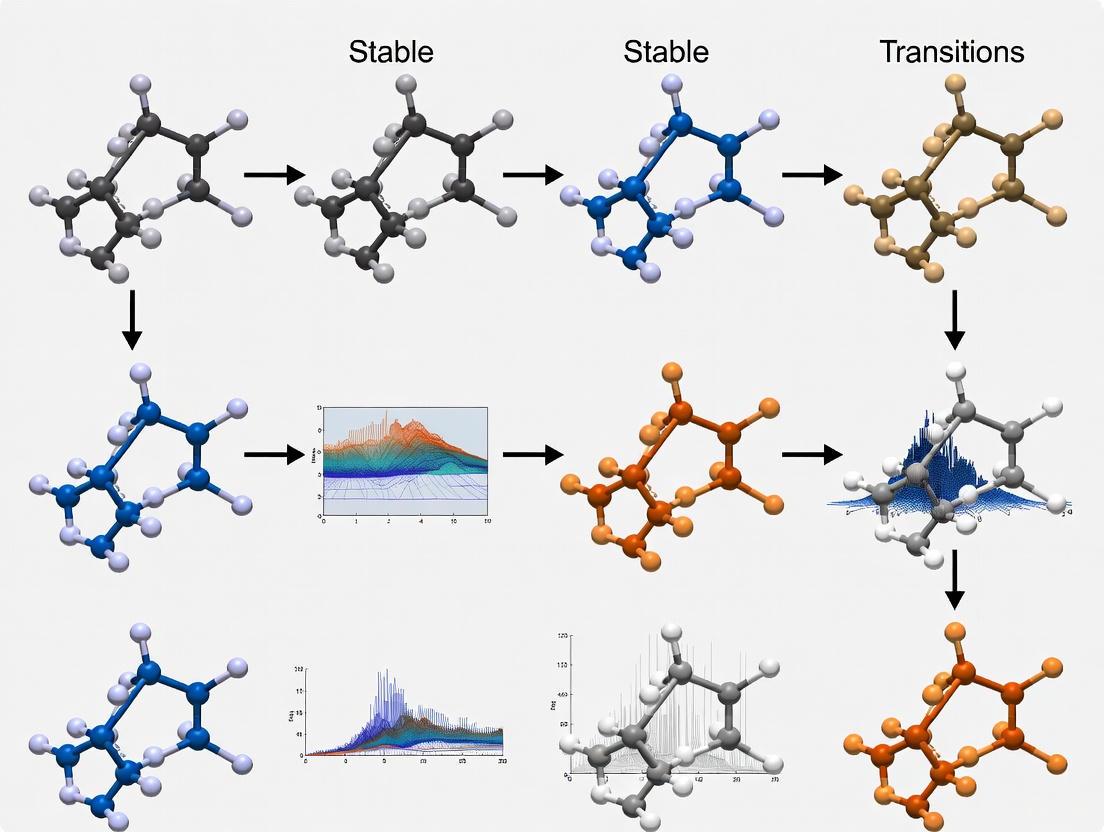
This article provides a comprehensive overview of how Molecular Dynamics (MD) simulations have become an indispensable tool for capturing the dynamic conformational changes of proteins, moving beyond static structural snapshots...
From Static Structures to Dynamic Mechanisms: How Molecular Dynamics Simulations Decipher Protein Conformational Changes
Abstract
This article provides a comprehensive overview of how Molecular Dynamics (MD) simulations have become an indispensable tool for capturing the dynamic conformational changes of proteins, moving beyond static structural snapshots to understand functional mechanisms. Aimed at researchers and drug development professionals, it covers the foundational principles of protein dynamics, explores advanced methodological approaches and their applications in drug discovery, addresses key computational challenges and optimization strategies, and reviews methods for validating and comparing conformational states. By integrating recent advancements, including the synergy with AI-predicted structures and coarse-grained models, this review serves as a guide for leveraging MD simulations to uncover the structural basis of disease and accelerate the design of targeted therapeutics.
Beyond the Static Picture: Foundational Principles of Protein Dynamics and Conformational Ensembles
The classical view of proteins as static, three-dimensional structures has been fundamentally overturned. Groundbreaking technologies like AlphaFold have demonstrated that a protein's amino acid sequence dictates its structure, but this structure is merely a single snapshot from a continuous reel of motion [1] [2]. We now understand that proteins are dynamic machines, and their functional capabilities are inextricably linked to their intrinsic motions [3] [4]. This application note, framed within contemporary molecular dynamics research, details the quantitative evidence, experimental protocols, and computational tools for characterizing protein conformational ensembles. It provides a framework for researchers and drug development professionals to leverage dynamics-driven insights for probing biological mechanisms and accelerating therapeutic discovery.
Quantitative Evidence of Functional Dynamics
The conservation and functional significance of protein dynamics are supported by robust empirical data. The following tables summarize key findings from large-scale bioinformatic analyses and advanced simulation benchmarks.
Table 1: Conservation of Large-Scale Conformational Changes in Homologous Proteins [4]
| Observation | Quantitative Finding | Functional Implication |
|---|---|---|
| Conservation Across Evolutionary Distance | High correlation of Difference Distance Maps (DDMs) across a broad range of sequence identities. | Conformational space is a conserved functional feature; alternative conformations can be predicted by homology. |
| Overrepresentation of Dynamic Families | Immunoglobulin superfamily proteins are highly overrepresented in datasets of proteins with multiple conformations. | Immune recognition relies critically on inherent flexibility and conformational diversity. |
| Characteristic Hinge Motions | Periplasmic binding proteins show strikingly similar DDMs (Pearson correlation: 0.88) for "Venus flytrap" opening/closing. | Specific functional motions are encoded and conserved within protein folds. |
Table 2: Performance Benchmarks of AI-Driven Ab Initio Molecular Dynamics (AI2BMD) [5]
| Metric | AI2BMD Performance | Conventional Molecular Mechanics (MM) | Reference Method |
|---|---|---|---|
| Potential Energy MAE (per atom) | 0.038 - 0.007 kcal mol⁻¹ | ~0.2 kcal mol⁻¹ | Density Functional Theory (DFT) |
| Force MAE | 1.056 - 1.974 kcal mol⁻¹ Å⁻¹ | 8.094 - 8.392 kcal mol⁻¹ Å⁻¹ | Density Functional Theory (DFT) |
| Computational Time (∼280 atoms) | 0.072 seconds/step | N/A (Fast) | 21 minutes/step (DFT) |
| Scalability | Near-linear time increase with system size. | N/A (Scalable) | Cubic ((O(N^3))) or worse time increase (DFT). |
Experimental Protocols for Characterizing Conformational Ensembles
Protocol: Determining Ensembles with Quantitative Crosslinking/Mass Spectrometry (QCLMS)
Objective: To capture protein dynamics and interactions in solution, including native cellular environments [6].
Workflow Diagram: QCLMS Experimental Workflow
Materials:
- Research Reagent Solutions:
- Chemical Crosslinkers: E.g., BS³ (amine-reactive), DSSO (acid-cleavable). Function: Covalently link spatially proximate amino acid residues, capturing transient interactions.
- Quenching Agent: Ammonium bicarbonate or Tris buffer. Function: Halt the crosslinking reaction after a defined period.
- Protease: Trypsin. Function: Digest crosslinked proteins into peptides for MS analysis.
- LC-MS/MS System: High-resolution mass spectrometer coupled to liquid chromatography.
Procedure:
- Sample Preparation: Prepare the protein of interest in a physiologically relevant buffer. For cellular studies, use intact cells or native lysates.
- Crosslinking Reaction: Add the crosslinker to the sample at a defined stoichiometry. Incubate to allow crosslinking, then quench the reaction.
- Enzymatic Digestion: Denature the crosslinked proteins, reduce disulfide bonds, alkylate cysteine residues, and digest with trypsin.
- LC-MS/MS Analysis: Separate the resulting peptides via liquid chromatography and analyze by tandem mass spectrometry to identify crosslinked peptides.
- Data Integration: Use quantitative MS signals to derive distance restraints. Integrate these restraints with computational modeling (e.g., molecular dynamics) to generate structural ensembles that represent the protein's dynamic state [6].
Protocol: Generating Ensembles with AI-Driven Ab Initio MD (AI2BMD)
Objective: To simulate large biomolecules with quantum chemical (DFT) accuracy at a fraction of the computational cost, enabling the observation of folding, unfolding, and functional transitions [5].
Workflow Diagram: AI2BMD Simulation Pipeline
Materials:
- Research Reagent Solutions:
- AI2BMD Potential: A Machine Learning Force Field (MLFF), such as ViSNet. Function: Provides ab initio-accurate energy and force calculations for proteins [5].
- Fragmentation Database: A pre-computed dataset of DFT-level energy/force data for 21 canonical dipeptide units. Function: Enables generalizable accuracy for any protein sequence.
- Simulation System: MD engine integrated with the MLFF and a polarizable solvent model (e.g., AMOEBA) [5].
Procedure:
- System Setup: Input the protein's amino acid sequence and an initial 3D structure (e.g., from PDB or AlphaFold).
- Fragmentation: The system automatically fragments the protein into overlapping dipeptide units.
- Energy/Force Calculation: For a given conformation, the AI2BMD potential (ViSNet) calculates the energy and forces acting on each atom by aggregating information from all relevant dipeptide units.
- Dynamics Propagation: Run molecular dynamics simulations using the AI2BMD-calculated forces, typically with an explicit polarizable solvent.
- Ensemble Analysis: Analyze the resulting trajectory (hundreds of nanoseconds) to identify metastable states, folding pathways, and calculate thermodynamic properties like free energy [5]. Validate against experimental data, such as NMR 3J-couplings.
Visualization and Analysis of Conformational Landscapes
A critical step is moving from individual structures to a quantitative comparison of ensembles. Information-theoretic metrics and Difference Distance Maps (DDMs) are essential tools.
Diagram: Comparing Conformational Ensembles
Analysis Workflow:
- Generate Ensembles: Obtain sets of conformations from experiments (NMR, QCLMS) or simulations (AI2BMD, MD).
- Map to Distributions: Model each ensemble as a probability distribution in a high-dimensional configuration space [7].
- Calculate Similarity/Difference: Use metrics like the Kullback-Leibler (KL) divergence to quantitatively measure how much one ensemble (e.g., a ligand-bound state) differs from another (e.g., the apo state) [7]. Alternatively, for two distinct conformations of the same protein, calculate a Difference Distance Map (DDM) by subtracting the inter-residue distance matrices. High correlation between DDMs of homologous proteins indicates conserved conformational changes [4].
Table 3: Key Resources for Protein Dynamics Research
| Resource Category | Specific Tool / Database | Function and Application |
|---|---|---|
| AI Structure Prediction | AlphaFold Protein Structure Database [8], RoseTTAFold [1] | Provides high-accuracy static structure predictions as starting points for dynamics studies. Can be adapted for limited ensemble prediction via MSA subsampling [1]. |
| Experimental Ensemble Data | Protein Data Bank (PDB) [4], Biological Magnetic Resonance Data Bank (BMRB) [1] | Sources for experimentally determined structural ensembles, primarily from X-ray crystallography (multiple coordinate sets) and NMR spectroscopy. |
| Computational Force Fields | AI2BMD (ViSNet) [5], AMOEBA [5] | MLFF for ab initio-accurate simulations; polarizable force field for accurate solvent modeling in dynamics. |
| Community Assessment | CASP16 - Macromolecular Ensembles Category [9] | Independent, blind assessment of methods for predicting protein and RNA conformational ensembles, guiding tool selection and development. |
| Flexibility Analysis | PDBFlex Server [4] | Web server to analyze protein flexibility and conformational diversity using multiple PDB coordinate sets. |
In structural biology and computational biophysics, understanding the dynamic nature of proteins is fundamental to elucidating their function. This document outlines the core concepts of conformational states, energy landscapes, and molecular flexibility, framing them within the context of molecular dynamics (MD) simulation research. Proteins are not static entities; they are flexible macromolecules that constantly sample a vast ensemble of conformations in solution [10]. These dynamics are governed by an underlying energy landscape and are crucial for biological function, including ligand binding, catalytic activity, and signal transduction. Modern MD simulations provide a powerful atomistic tool to study these conformational changes, capturing dynamic processes that are often challenging to observe experimentally [11] [12].
Defining Conformational States
A conformational change is a change in the shape of a macromolecule, often induced by environmental factors [13]. Each possible shape is called a conformation, and a transition between them is a conformational change.
Characteristics and Determinants
The internal degrees of freedom of a molecule are primarily described by its dihedral angles, which are the main drivers of major conformational changes. Bond lengths and bond angles vary only slightly at room temperature and are often considered fixed under the rigid geometry assumption [14]. A protein's dynamic equilibrium can be described as an ensemble of conformational substates [10]. The population of these states follows statistical thermodynamic distributions, and the heights of the energy barriers between them define the timescale of conformational exchange.
Table 1: Factors Inducing Conformational Change
| Factor Category | Specific Examples |
|---|---|
| Physical Conditions | Temperature, voltage, light in chromophores |
| Chemical Environment | pH, ion concentration |
| Biochemical Modifications | Phosphorylation |
| Molecular Interactions | Binding of a ligand [13] |
Energy Landscapes
The energy landscape (or potential energy surface) is a conceptual representation of the energy states of a molecular system as it undergoes conformational changes [15] [16]. It describes the energy of a system, normally a collection of atoms, in terms of certain parameters, typically the positions of the atoms [15].
Key Features of the Landscape
- Visualization: The landscape is typically visualized as a multi-dimensional surface where valleys represent stable, low-energy states and peaks represent high-energy, unstable transition states [15] [16].
- The Funnel Analogy: A more objective portrait of protein folding is the free energy landscape, often visualized as a three-dimensional funnel [17]. The top of the funnel is wide, representing a high number of non-native conformations with high conformational entropy. Moving downward along the free energy axis, the structures become more compact and native-like, and the entropy decreases.
- Ruggedness: Real energy landscapes are not perfectly smooth funnels. They are "rugged," containing multiple local minima and valleys connected to the folding and functional mechanisms [17]. This ruggedness implies that proteins can exist in multiple stable or semi-stable conformations.
Diagram: A simplified representation of a protein-folding energy landscape, depicted as a funnel. The wide top represents the multitude of unfolded conformations with high entropy. As the system moves downward, it navigates local minima (metastable states) before reaching the global energy minimum, the native functional conformation.
Functional Implications
The energy landscape approach provides a framework for understanding molecular recognition. A ligand may interact with the lowest energy conformation or with one of the higher energy conformational substates that are populated in solution [10]. The binding interaction does not necessarily 'induce' a conformational change; it can lead to a population shift, a redistribution of the relative populations of conformational substates that pre-exist in solution [10].
Molecular Flexibility
Molecular flexibility refers to the constant structural changes of varying amplitude and frequency that a protein undergoes, which determine its molecular function [18]. This flexibility is often quantified by metrics such as the root mean square fluctuation (RMSF) of atomic positions and the standard deviation of dihedral angles [18].
Quantifying Flexibility from MD Simulations
Molecular dynamics simulations offer a uniform and detailed method to assess local and global protein flexibility by analyzing protein motion simulated over nanosecond to microsecond timescales [18]. Key metrics derived from MD trajectories include:
- Root Mean Square Fluctuation (RMSF): Measures the deviation of a particle or residue from a reference position over time, typically indicating backbone flexibility.
- Dihedral Angle Standard Deviation: Quantifies the flexibility of torsion angles (Phi and Psi) in the protein backbone.
- Average Local Distance Difference Test (Mean LDDT): A robust measure of local structural conservation during the simulation.
Table 2: Key Metrics for Quantifying Flexibility from MD Simulations
| Metric | Description | Interpretation |
|---|---|---|
| RMSF | Root Mean Square Fluctuation of atomic positions [18] | High values indicate flexible, often loop-like regions; low values indicate stable, rigid cores. |
| Std. Phi / Psi | Standard deviation of protein backbone dihedral angles [18] | High values indicate torsional flexibility at specific residues. |
| Mean LDDT | Average Local Distance Difference Test across the trajectory [18] | High values (>0.8) indicate well-conserved local structure; low values suggest high local flexibility/disorder. |
| B-factor | Experimental temperature factor from X-ray crystallography [18] | Correlates with RMSF; high values indicate high atomic displacement. |
Advanced computational tools, such as PEGASUS, now leverage deep learning and protein language models to predict these MD-derived flexibility metrics directly from protein sequence, achieving strong correlations (e.g., Pearson correlation of 0.75 for RMSF prediction) and providing insights into the functional impact of mutations [18].
Experimental and Computational Protocols
Laboratory Analysis of Conformational Change
A range of biophysical techniques can be employed to study macromolecular conformational changes [13]. The choice of technique often depends on the timescale of the dynamics of interest and the required resolution.
Table 3: Techniques for Analyzing Conformational Change
| Technique | Application and Resolution |
|---|---|
| X-ray Crystallography | Provides high-resolution snapshots of protein structures, but may not capture full dynamics [10]. |
| NMR Spectroscopy | Powerful for studying conformational heterogeneity and dynamics at atomic resolution over ps-s timescales; can characterize weakly populated states (~1%) [10]. |
| Hydrogen Exchange | Probes protein dynamics and solvent accessibility. |
| FRET | Measures distances between fluorophores to monitor conformational changes in real time. |
| Dual Polarisation Interferometry | A benchtop technique for measuring conformational changes in real time at high resolution [13]. |
| Second-Harmonic Generation | A nonlinear optical technique applied to the study of conformational change in proteins on surfaces [13]. |
Protocol: Accelerated Molecular Dynamics (aMD) Simulation
Accelerated Molecular Dynamics (aMD) is an enhanced sampling method that improves the efficiency of crossing high energy barriers compared to classical MD (cMD), allowing for better sampling of conformational space without requiring prior knowledge of the landscape [11].
Principle: aMD adds a non-negative bias potential, ΔV(r), to the true potential energy when the system's potential energy falls below a specified threshold boost energy, E. This "fills" the energy minima, reducing the time the simulation spends in low-energy states and increasing the rate of transition over barriers [11]. The modified potential is described by: V*(r) = V(r) + ΔV(r), where ΔV(r) = (E - V(r))² / (α + (E - V(r)).
Step-by-Step Workflow:
- System Preparation:
- Obtain an initial protein structure (e.g., from PDB or homology modeling).
- Solvate the protein in a water box and add ions to neutralize the system and achieve physiological concentration.
Energy Minimization:
- Run an energy minimization to remove any steric clashes or unrealistic geometry in the initial structure.
System Equilibration:
- Perform a short classical MD (cMD) simulation with positional restraints on the protein backbone to equilibrate the solvent and ions around the protein.
- Gradually release the restraints and equilibrate the entire system at the target temperature and pressure (e.g., NPT ensemble).
aMD Parameter Calculation:
- Run a short cMD production run (e.g., 5-10 ns) to collect the potential energy (V) and dihedral energy of the system.
- Calculate the boost energy (E) and tuning parameter (α) based on the collected data. The boost energy should be set to a value larger than the system's potential energy minimum [11]. Common strategies are:
- Potential Boost: E = Vavg + (4/5) * Vsd, α = (1/5) * Vsd * Natoms
- Dihedral Boost: Edih = Vdihavg + (4/5) * Vdihsd, αdih = (1/5) * Vdihsd * N_dihedrals (where 'avg' is average and 'sd' is standard deviation from the short cMD)
Production aMD Simulation:
- Run the aMD simulation using the calculated parameters. The bias potential will be applied according to the equations above, accelerating conformational transitions.
Trajectory Analysis:
- Analyze the resulting trajectories using methods such as:
- Root Mean Square Deviation (RMSD) to monitor global conformational drift.
- Root Mean Square Fluctuation (RMSF) to analyze residue-wise flexibility.
- Principal Component Analysis (PCA) to identify the major collective motions and essential dynamics of the protein [11].
- Clustering to group similar conformations and identify representative structures for the sampled states.
- Analyze the resulting trajectories using methods such as:
Diagram: A standard workflow for performing an accelerated molecular dynamics (aMD) simulation to study protein conformational changes.
Protocol: Deep Learning Analysis of MD Trajectories
Deep learning can be applied to analyze high-dimensional MD data and discriminate non-trivial conformational changes, such as those induced by mutations [19].
Workflow for Discriminating Mutant Conformations (e.g., SARS-CoV-2 Spike RBD):
- System Preparation and MD Simulation:
- Generate mutant structures, for example, using homology modeling.
- Perform MD simulations for the wild-type and mutant proteins of interest using a standard MD protocol (system preparation, minimization, equilibration, production run).
Feature Engineering:
- For each frame in the MD trajectory, calculate the interresidue distance map. This representation is invariant to protein rotation and translation, making it ideal for machine learning [19].
- A distance map is a 2D matrix where each element (i, j) contains the distance between the Cα atoms of residues i and j.
Model Training:
- Use a Convolutional Neural Network (CNN) architecture, which is well-suited for image-like data such as distance maps [19].
- Train the model to classify the input distance maps (e.g., as belonging to a high-affinity mutant or the wild-type). The model learns to identify spatial patterns in the distance maps that are characteristic of specific conformational states.
Prediction and Interpretation:
- Use the trained model to predict the functional class of new mutant trajectories.
- Correlate the model's predictions with biophysical properties like changes in binding free energy.
- Identify regions within the protein (e.g., specific loops like the β1'/β2'-C loop in SARS-CoV-2 RBD) that show significant structural deviation (high RMSD) in mutants predicted to have increased affinity or immune evasion [19].
The Scientist's Toolkit: Research Reagent Solutions
Table 4: Essential Research Reagents, Tools, and Software
| Item Name | Function / Application |
|---|---|
| NAMD [11] | A widely used, parallel molecular dynamics simulation software package designed for high-performance simulation of large biomolecular systems. |
| AMBER [11] | A suite of biomolecular simulation programs that includes force fields for classical MD and tools for accelerated MD (aMD). |
| ATLAS Database [18] | A comprehensive dataset of all-atom MD simulations for over 1,000 proteins, used for training and benchmarking flexibility predictors like PEGASUS. |
| PEGASUS [18] | A deep learning-based predictor that uses protein Language Models to predict MD-derived flexibility metrics (RMSF, dihedral fluctuations) directly from protein sequence. |
| GPUs (Graphics Processing Units) [12] | Highly parallel processors that dramatically accelerate MD calculations, enabling much longer and more complex simulations. |
| AlphaFold2 [12] | A machine-learning approach for highly accurate protein structure prediction. Its output can be refined with brief MD simulations to correct sidechain placements. |
| Machine-Learning Force Fields (e.g., ANI-2x) [12] | Force fields trained on quantum mechanical calculations that can model complex potential energy surfaces, offering a bridge between classical and quantum accuracy. |
| Conformational Ensemble | A condensed, diverse set of representative protein conformations generated by clustering MD trajectories, used for downstream computational analysis and drug design [12]. |
The paradigm of protein structure has evolved from a static, lock-and-key model to a dynamic understanding where proteins exist as ensembles of interconverting conformations. Conformational changes—structural fluctuations in proteins—are fundamental to biological function, enabling molecular recognition, catalysis, and signaling. These dynamics are governed by intrinsic drivers, such as amino acid sequence and inherent structural propensity, and extrinsic drivers, including ligand binding and environmental factors [20]. Understanding these drivers is crucial for advancing drug discovery, as pathological states often arise from dysregulated protein interactions and conformational dynamics [20].
Molecular dynamics (MD) simulations have emerged as a powerful tool to bridge the gap between static structural snapshots and the dynamic reality of protein behavior. Unlike experimental methods like X-ray crystallography that provide key static structural information, MD simulations offer high spatial and temporal resolution descriptions of protein-ligand systems, revealing conformational landscapes and transitions that are difficult to capture experimentally [21] [22]. This Application Note provides a structured framework for studying these conformational changes, with specific protocols for leveraging MD simulations in drug discovery contexts.
Theoretical Framework and Key Concepts
The Structural Continuum of Protein Conformations
Proteins sample a broad ensemble of conformations rather than existing in single, rigid states. Intrinsically disordered proteins (IDPs) represent an extreme case, entirely lacking rigid tertiary structure yet playing critical roles in signaling, transcription, and cellular decision-making [20]. These proteins exemplify how conformational noise—random variability distinct from transcriptional noise—can influence phenotypic switching in processes such as cancer progression [20].
The conceptual framework for understanding conformational changes includes several key models:
- Coupled Folding and Binding: Many IDPs transition from disorder to order upon interaction with binding partners [20].
- Induced Fit vs. Conformational Selection: Binding partners may either induce structural changes (induced fit) or select for pre-existing conformations from the structural ensemble (conformational selection) [20].
- Fuzzy Complexes: Some IDPs remain largely disordered even when bound to biological targets, forming complexes with context-dependent behaviors [20].
Scale-Free Networks and Biological Function
Cellular protein interaction networks (PINs) exhibit scale-free architecture, making them robust to random failures but vulnerable to targeted attacks on highly connected hubs [20]. IDPs frequently occupy these hub positions due to their structural plasticity and ability to engage multiple partners, facilitating information flow and enabling cellular decision-making processes [20]. This network architecture underscores why understanding conformational dynamics is essential for manipulating biological systems therapeutically.
Quantitative Analysis of Conformational Changes
Key Metrics and Analytical Approaches
MD simulations generate vast datasets requiring sophisticated analytical methods to extract meaningful biological insights. The table below summarizes key quantitative metrics used to characterize conformational changes from simulation data.
Table 1: Quantitative Metrics for Analyzing Conformational Changes from MD Simulations
| Metric | Description | Biological Interpretation | Example Application |
|---|---|---|---|
| Root-Mean-Square Deviation (RMSD) | Measures average distance of atoms between two structures after alignment [21]. | Overall structural stability; major conformational shifts. | Tracking global structural changes in TNKS2 upon ligand binding [21]. |
| Principal Component Analysis (PCA) | Identifies dominant collective motions from covariance matrix of atomic positions [21]. | Large-scale concerted movements; functional conformational sampling. | Distinguishing apo- and holo-TNKS2 conformational ensembles [21]. |
| Distance Measurements | Calculates spatial separation between specific residues or atoms over time [21]. | Binding pocket opening/closing; allosteric communication. | Monitoring Tyr1050-Tyr1071 distance in TNKS2 NI subsite [21]. |
| Conformational Clustering | Groups similar structures from trajectories into discrete states [21]. | Identifying metastable states; conformational populations. | Classifying four distinct TNKS2 pocket conformations [21]. |
Case Study: Conformational Dynamics of Tankyrase 2
Research on Tankyrase 2 (TNKS2), a poly(ADP-ribose) polymerase and drug target in colon cancer, provides an excellent example of quantitative analysis. MD simulations revealed four distinct conformational states of the TNKS2 binding pocket, two of which were observed only in simulations and not in experimental structures [21]:
- NI-closed/AD-closed
- NI-open/AD-closed
- NI-open/AD-semi-open
- NI-open/AD-open
The distribution across these states was ligand-dependent, demonstrating how extrinsic factors reshape the intrinsic conformational landscape. PCA further showed that the first principal component (PC1, 44.4% contribution) represented open-close motions between key structural elements, effectively separating the conformational ensembles of apo- and ligand-bound TNKS2 [21].
Table 2: TNKS2 Pocket Conformations and Their Characteristics
| Conformation | NI Subsite State | AD Subsite State | Ligand Association | Experimental Observation |
|---|---|---|---|---|
| NI-closed/AD-closed | Closed (Tyr1050-Tyr1071 distance: ~4.5Å) | Closed (Phe1035-His1048 distance: ~4.3Å) | Apo form (after 250ns simulation) | MD simulation only [21] |
| NI-open/AD-closed | Open | Closed | XAV939 (NI mimetic inhibitor) | X-ray crystallography [21] |
| NI-open/AD-semi-open | Open | Intermediate | Transition state | MD simulation only [21] |
| NI-open/AD-open | Open | Open | Olaparib (binds both subsites) | X-ray crystallography [21] |
Experimental Protocols
Protocol 1: MD Simulation of Ligand-Induced Conformational Changes
This protocol outlines the procedure for simulating and analyzing conformational changes induced by ligand binding, based on the TNKS2 case study [21].
Step 1: System Preparation
- Obtain crystal structures of apo and ligand-bound states from the Protein Data Bank
- Prepare ligand structures: optimize geometry using Gaussian or similar software at the HF/6-31G* level; assign partial charges with RESP fitting
- Parameterize protein using AMBER ff14SB force field
- Parameterize ligands using General AMBER Force Field (GAFF) with AM1-BCC charges
- Solvate system in TIP3P water box with 10Å minimum padding
- Add counterions to neutralize system charge
Step 2: Simulation Setup
- Perform energy minimization: 500 steps steepest descent, 500 steps conjugate gradient
- Gradually heat system from 0K to 300K over 50ps under NVT ensemble
- Density equilibration at 300K over 100ps under NPT ensemble
- Production simulation: Run ≥800ns under NPT ensemble (300K, 1atm) using PMEMD in AMBER
- Repeat simulations with different initial velocities to assess reproducibility
Step 3: Trajectory Analysis
- Calculate Cα RMSD relative to starting structure to assess equilibration
- Remove rotational and translational motion by aligning to reference frame
- Perform PCA on Cα atoms of binding pocket residues
- Calculate distances between key residue pairs (e.g., Tyr1050-Tyr1071, Phe1035-His1048)
- Cluster conformations using k-means or hierarchical clustering on PC projections
Step 4: Binding Pose Validation
- For holo structures, extract snapshots from equilibrium phase
- Perform molecular docking with AutoDock Vina or similar software
- Compare predicted binding poses with simulation averages
- Calculate binding free energies using MM/GBSA or MM/PBSA methods
Protocol 2: Visualizing Conformational Changes with MoFlow and PyMOL
This protocol describes methods for creating intuitive visualizations of molecular motion derived from MD trajectories or multiple structural snapshots.
MoFlow Pathline Visualization [23]
- Input: Multi-pose PDB file from MD simulation or NMR ensemble
- Upload file to MoFlow webserver
- Generate pathlines showing atom trajectories over time
- Export formats: Interactive WebGL, POV-Ray scene files, or 3D-printable VRML
- Color code by atom type, residue, or temporal sequence
PyMOL Morphing [24]
- Load starting and ending structures as separate objects
- Align structures using
alignorsupercommands - Generate morph:
morph morph_name, start_structure, end_structure, steps=30 - Create movie:
madd 1-30(forward) andmadd 30-1(reverse) - For complex motions, create intermediate states using
updatecommand - Export movie: File → Export Movie As → MP4 or image sequence
Visualizing Molecular Motion Workflow: Pathway from structural data to dynamic representations.
The Scientist's Toolkit
Research Reagent Solutions
Table 3: Essential Resources for Conformational Dynamics Studies
| Resource | Function/Application | Specifications |
|---|---|---|
| AMBER | MD simulation software suite | Force fields: ff14SB (proteins), GAFF (ligands); Includes PMEMD for GPU acceleration [21] |
| MoFlow | Pathline-based motion visualization | Web-based; Input: multi-pose PDB; Output: WebGL, POV-Ray, VRML [23] |
| PyMOL | Molecular visualization and morphing | Schrödinger; Morph command requires licensed version; Export movie capabilities [24] |
| Protein Data Bank | Source of experimental structures | apo/holo protein structures; NMR ensembles for conformational diversity [21] |
| CPPTRAJ | Trajectory analysis | Part of AMBER tools; RMSD, PCA, clustering, distance measurements [21] |
| AutoDock Vina | Molecular docking | Binding pose prediction; Validation of simulation results [21] |
Applications in Drug Discovery
Conformational dynamics studies have profound implications for drug discovery, particularly in understanding allosteric regulation and designing selective therapeutics. Nuclear receptors (NRs) exemplify how ligand-induced dynamics fine-tune biological function, with MD simulations revealing how different ligands stabilize distinct conformations that drive unique functional outcomes [22]. These subtle conformational preferences can explain why some compounds act as agonists while others are antagonists, despite similar binding affinities.
In cancer research, the IDP PAGE4 demonstrates how conformational noise influences phenotypic switching between androgen-dependent and androgen-independent states in prostate cancer [20]. This noise originates from IDP conformational dynamics and post-translational modifications, creating heterogeneity that enables cellular decision-making and adaptation—with clear implications for overcoming drug resistance.
Drivers of Conformational Change: Interaction between intrinsic and extrinsic factors.
The integration of MD simulations with experimental structural biology has revolutionized our understanding of protein conformational dynamics. By capturing the continuous spectrum of protein states and the transitions between them, researchers can move beyond static snapshots to dynamic models that better explain biological function and dysfunction. The protocols and methodologies outlined here provide a framework for investigating how sequence, ligands, and environment collectively shape conformational landscapes. As simulation methods continue to advance in temporal and spatial resolution, and integrate more closely with machine learning approaches, their impact on drug discovery and fundamental biology will only intensify, offering unprecedented insights into the molecular mechanisms of life and disease.
The unprecedented success of deep learning methods, particularly AlphaFold, in predicting static protein structures has fundamentally transformed structural biology. However, proteins are not static entities but dynamic molecules that sample multiple conformational states to perform their biological functions. The paradigm is now decisively shifting from single-structure representations to conformational ensembles that capture the intrinsic flexibility and heterogeneity of proteins. This shift is crucial for understanding the mechanistic basis of protein function, allosteric regulation, and for enabling structure-based drug discovery, particularly for challenging targets such as intrinsically disordered proteins (IDPs) and proteins with multiple functional states [25] [26].
The limitations of single-structure predictions have become increasingly apparent. While AlphaFold provides remarkably accurate structures for many folded proteins, it fundamentally misses the conformational diversity essential for biological function [27] [25]. This is particularly problematic for the 30-40% of the human proteome comprised of intrinsically disordered proteins, which lack stable tertiary structures and exist as dynamic conformational ensembles [28]. Consequently, the field is rapidly developing integrative approaches that combine computational modeling with experimental data to generate accurate, physically realistic conformational ensembles at atomic resolution [29].
Methodological Framework: Integrating Computation and Experiment
Maximum Entropy Reweighting of Molecular Dynamics Ensembles
Molecular dynamics (MD) simulations provide atomically detailed conformational ensembles but their accuracy depends heavily on the force fields used. The maximum entropy reweighting procedure addresses this limitation by integrating all-atom MD simulations with experimental data from nuclear magnetic resonance (NMR) spectroscopy and small-angle X-ray scattering (SAXS) [29].
Experimental Protocol: Maximum Entropy Reweighting
- Step 1: Generate initial conformational ensemble. Perform long-timescale (e.g., 30 μs) all-atom MD simulations using state-of-the-art force fields such as a99SB-disp, Charmm22*, or Charmm36m with appropriate water models [29].
- Step 2: Collect experimental restraints. Acquire extensive experimental datasets, particularly NMR chemical shifts, J-couplings, and SAXS profiles, under physiological conditions.
- Step 3: Calculate experimental observables. Use forward models to predict experimental measurements from each frame of the MD ensemble [29].
- Step 4: Determine statistical weights. Apply the maximum entropy principle to calculate weights for each conformation that provide the best agreement with experimental data while minimizing the perturbation to the original ensemble.
- Step 5: Validate the reweighted ensemble. Assess agreement with experimental data not used in reweighting and evaluate ensemble robustness using the Kish ratio to ensure minimal overfitting [29].
This approach has been successfully applied to determine accurate conformational ensembles of IDPs including Aβ40, drkN SH3, ACTR, PaaA2, and α-synuclein, demonstrating that in favorable cases, ensembles from different force fields converge to highly similar distributions after reweighting [29].
DEERFold: Integrating Spectroscopy with Deep Learning
DEERFold represents a modified version of AlphaFold2 that incorporates experimental distance distributions from Double Electron-Electron Resonance (DEER) spectroscopy into the network architecture [30]. This approach enables prediction of alternative conformations consistent with experimental data.
Experimental Protocol: DEERFold Implementation
- Step 1: Collect DEER distance distributions. Perform DEER spectroscopy measurements on spin-labeled protein constructs to obtain distance histograms between specific residue pairs.
- Step 2: Convert distances to distribution representations. Format the spin label distances as distograms (LxLx128 arrays) with distance bins spanning 2.3125–42 Å at 0.3125 Å intervals [30].
- Step 3: Fine-tune AlphaFold2 architecture. Harness the OpenFold platform to explicitly model distance distributions between spin labels, incorporating the rotameric freedom of the probe relative to the backbone.
- Step 4: Generate conformational ensembles. Use the fine-tuned network to predict multiple models that satisfy the input distance constraints, typically returning heterogeneous ensembles.
- Step 5: Benchmark performance. Evaluate predictions against known structures and experimental data, with optimization showing that the exact shape of distributions is less critical than appropriate width (std = 2-3 Å) for guiding conformational selection [30].
This methodology has been successfully benchmarked on membrane transporters including LmrP and PfMATE, demonstrating its ability to drive model folding into desired conformations using sparse sets of distance distributions [30].
FiveFold: Consensus Ensemble Prediction
The FiveFold methodology generates conformational ensembles by combining predictions from five complementary algorithms: AlphaFold2, RoseTTAFold, OmegaFold, ESMFold, and EMBER3D [27] [28]. This consensus approach captures different aspects of protein folding through an innovative technical framework.
Experimental Protocol: FiveFold Ensemble Generation
- Step 1: Run individual predictions. Process input sequences through all five algorithms independently to generate diverse structural predictions [28].
- Step 2: Assign secondary structure elements. Analyze each algorithm's output using the Protein Folding Shape Code (PFSC) system to create standardized representations of secondary and tertiary structure [27] [28].
- Step 3: Construct Protein Folding Variation Matrix (PFVM). Assemble all possible local folding variants in each column with PFSC letters along the sequence, revealing fluctuation of folding conformations for the entire protein [27].
- Step 4: Perform conformational sampling. Use probabilistic sampling algorithms to select combinations of secondary structure states from each column of the PFVM, with diversity constraints ensuring chosen conformations span different regions of conformational space [28].
- Step 5: Construct 3D structures. Convert each PFSC string to 3D coordinates using homology modeling against the PDB-PFSC database followed by stereochemical validation [27] [28].
This approach has been validated on well-known proteins including P53HUMAN and intrinsically disordered systems such as LEF1HUMAN and alpha-synuclein, proving its ability to capture conformational diversity missed by single-structure methods [27] [28].
Quantitative Comparison of Methodologies
Table 1: Performance Comparison of Ensemble Generation Methods
| Method | Theoretical Foundation | Experimental Data Required | Computational Demand | Best Suited Applications |
|---|---|---|---|---|
| Maximum Entropy Reweighting [29] | Statistical mechanics, Maximum entropy principle | NMR, SAXS, other ensemble-averaged data | High (long MD simulations required) | IDPs, fine-grained ensemble characterization |
| DEERFold [30] | Deep learning, Neural networks | DEER distance distributions | Medium (neural network inference) | Membrane proteins, conformational transitions |
| FiveFold Consensus [27] [28] | Protein language models, Consensus prediction | Optional (for validation) | Low to medium (multiple algorithm runs) | Rapid ensemble generation, IDPs, initial screening |
| SPEACH_AF [31] | Deep learning, MSA manipulation | None | Low (modified AlphaFold2 runs) | Exploring conformational landscapes, drug design |
Table 2: Technical Specifications for Ensemble Validation Metrics
| Validation Method | Information Provided | Sample Requirements | Time Scale | Complementary Computational Methods |
|---|---|---|---|---|
| NMR Spectroscopy [29] [25] | Atomic-level structural and dynamic information | 0.1-1 mg, isotopically labeled | Minutes to hours | Maximum entropy reweighting, MD validation |
| SAXS [29] | Global shape and dimension | 0.5-5 mg | Minutes | Ensemble optimization, shape analysis |
| DEER/EPR [30] | Distance distributions (15-80 Å) | Spin-labeled variants | Hours | DEERFold, constrained modeling |
| Cryo-EM [25] [32] | High-resolution structures of stable states | Low concentrations possible | Days to weeks | Initial model generation, validation |
Table 3: Key Research Reagent Solutions for Ensemble Studies
| Reagent/Resource | Function/Application | Example Uses | Key References |
|---|---|---|---|
| a99SB-disp Force Field [29] | Accurate simulation of IDPs and folded proteins | Generating initial conformational ensembles for reweighting | Borthakur et al., 2025 [29] |
| Charmm36m Force Field [29] | Balanced performance for folded and disordered regions | Alternative force field for MD ensemble generation | Borthakur et al., 2025 [29] |
| ATLAS Database [25] | Repository of MD simulations for ~2000 proteins | Reference ensembles, validation, training data | ATLAS, 2023 [25] |
| GPCRmd Database [25] | Specialized MD database for GPCR proteins | Studying conformational dynamics of membrane proteins | GPCRmd, 2020 [25] |
| OpenFold Platform [30] | Trainable PyTorch reproduction of AlphaFold2 | Implementing modified versions like DEERFold | DEERFold, 2025 [30] |
| Protein Folding Shape Code [27] [28] | Standardized representation of protein structure | Comparing conformational differences across methods | FiveFold, 2025 [27] |
Workflow Visualization
Protein Ensemble Generation Workflow
FiveFold Methodology Workflow
Application Notes and Protocols
Case Study: Modeling α-Synuclein Conformational Ensembles
α-Synuclein serves as an exemplary IDP for demonstrating ensemble methodologies. Using the FiveFold approach, researchers have generated conformational ensembles that capture the intrinsic disorder and structural heterogeneity of this protein, which is implicated in Parkinson's disease [28]. The protocol involves:
- Initial structure generation: Process the α-synuclein sequence through all five component algorithms of FiveFold
- PFSC encoding: Convert all predicted structures to Protein Folding Shape Code strings
- Variation matrix construction: Build the PFVM to identify consensus regions and systematic differences
- Ensemble generation: Sample multiple conformations using probabilistic selection algorithms
- Validation: Compare against experimental NMR and SAXS data to verify ensemble accuracy [28]
This approach successfully captures the conformational diversity of α-synuclein, providing structural insights relevant to understanding its aggregation mechanism and pathological role.
Case Study: Piezo Protein Mechanosensation
Molecular dynamics simulations of Piezo1 and Piezo2 proteins embedded in lipid membranes demonstrate how conformational ensembles reveal mechanosensitive ion channel activation:
- System setup: Embed Piezo structures in asymmetric lipid membranes mimicking native environment
- Tension application: Perform coarse-grained and atomistic simulations at membrane tensions from 0-20 mN/m
- Excess area calculation: Determine the excess membrane area (ΔA) of the protein-membrane nanodome
- Conformational analysis: Monitor protein flattening and ion channel widening under tension
- Energetic modeling: Develop elastic models distinguishing protein and membrane energy components [32]
These simulations reveal an excess area ΔA of ~40 nm² in tensionless membranes, with half-maximal response at 3-4 mN/m - within the experimental range for Piezo1 half-maximal activation [32].
The paradigm shift from single structures to conformational ensembles represents a fundamental advancement in structural biology, enabling deeper understanding of protein function and accelerating drug discovery. The integration of molecular dynamics simulations with experimental data through maximum entropy reweighting, the enhancement of deep learning methods with spectroscopic constraints, and the development of consensus approaches collectively provide a powerful toolkit for characterizing protein conformational landscapes.
As these methodologies continue to mature, we anticipate increased standardization of ensemble generation protocols, more accurate force fields for simulating disordered proteins, and tighter integration between computational predictions and experimental validation. These advances will be particularly crucial for targeting currently "undruggable" proteins, designing allosteric modulators, and developing personalized therapeutic strategies that account for conformational heterogeneity in disease states. The post-AlphaFold era is thus characterized not by the completion of protein structure prediction, but by its transformation into a more sophisticated, dynamic, and biologically relevant discipline.
A Practical Toolkit: MD Simulation Methods and Their Transformative Applications in Biomedicine
Molecular dynamics (MD) simulation serves as a computational microscope, bridging the gap between static structural biology and the dynamic reality of protein function in living systems. For researchers investigating conformational changes—the essential molecular motions underlying protein activity—the choice of simulation resolution is a fundamental strategic decision. This application note provides a detailed comparison of all-atom (AA) and coarse-grained (CG) simulation strategies, with a specific focus on the widely adopted Martini force field. Framed within the context of conformational change research, we present structured comparisons, detailed protocols, and practical guidance to enable researchers to select and implement the most appropriate methodology for their biological questions.
The functional mechanisms of proteins often involve large-scale conformational transitions that occur on microsecond to millisecond timescales or longer. Enzymes enclose catalytic pockets after substrate binding, ion channels open pores in response to stimuli, and transporters undergo large-scale motions to translocate substrates across membranes [33]. While experimental techniques like cryo-EM provide structural snapshots, MD simulations offer temporal resolution to observe these dynamic processes, albeit with significant computational challenges [11] [34]. The core challenge in simulating conformational changes lies in the timescale limitations of AA simulations, which typically access microsecond timescales despite many biological processes requiring milliseconds or longer [35] [33]. This fundamental limitation has driven the development of both enhanced sampling methods for AA simulations and alternative CG approaches.
Theoretical Background and Key Concepts
All-Atom Molecular Dynamics
All-atom MD simulations explicitly represent every atom in a molecular system, employing physics-based force fields to calculate potential energies and forces. By numerically integrating Newton's equations of motion, AA-MD produces trajectories with high spatial and temporal resolution, capturing atomic-level interactions including van der Waals forces, electrostatic interactions, and bonded terms [34]. The primary advantage of AA simulations lies in their high accuracy and detailed physical representation, making them particularly valuable for studying processes where atomic-level precision is critical, such as enzyme catalysis or ion coordination.
However, AA-MD faces significant timescale limitations due to computational constraints. The need to resolve high-frequency atomic vibrations necessitates femtosecond-scale time steps, while the calculation of non-bonded forces scales quadratically with system size [36]. Consequently, accessing biologically relevant timescales for conformational changes (microseconds to milliseconds) remains challenging despite advances in specialized hardware and parallel computing [35].
Coarse-Grained Approaches and the Martini Force Field
Coarse-grained models address timescale limitations by reducing the number of explicit degrees of freedom. The Martini force field, one of the most widely used CG models, typically employs a 4-to-1 mapping scheme, grouping approximately four heavy atoms into a single interaction site or "bead" [37] [38]. This reduction in resolution provides substantial computational efficiency gains, enabling simulations of larger systems for longer timescales.
Martini incorporates chemical specificity through a building-block approach, with bead types categorized as polar (P), nonpolar (N), apolar (C), or charged (Q), parameterized using experimental thermodynamic data such as partitioning free energies [37]. For proteins, the standard Martini representation places one backbone bead and zero to four side-chain beads per residue, with the backbone bead type and parameters influenced by secondary structure [38]. Recent iterations like Martini 3 have refined these representations to improve accuracy and reduce previously observed artifacts like excessive protein "stickiness" [35].
Specialized Methods for Conformational Sampling
Both AA and CG approaches have spawned specialized methods to enhance conformational sampling:
Accelerated MD (aMD) applies a bias potential to the true potential energy surface, raising energy basins without affecting transition states. This "snow drift" approach reduces the time systems spend in energy minima, accelerating transitions over energy barriers while maintaining the correct canonical distribution through reweighting [11].
Structure-based Gō models simplify the energy landscape by using known native structures to define favorable contacts. The GōMartini approach hybridizes Gō models with the Martini force field, combining efficient conformational sampling with explicit environmental interactions [35] [33]. Advanced implementations like Switching Gō-Martini and Multiple-basin Gō-Martini enable simulation of transitions between predefined states, either through manual switching or spontaneous transitions in multi-basin potentials [33] [39].
Comparative Analysis: Strategic Decision Framework
Table 1: Fundamental Characteristics of All-Atom and Coarse-Grained Simulation Approaches
| Parameter | All-Atom (AA) MD | Coarse-Grained (CG) Martini |
|---|---|---|
| Resolution | Explicit representation of all atoms | ~4 heavy atoms per bead |
| Time Scaling | Actual physical time (fs to μs) | Effective time (3-6× faster diffusion) |
| System Size Limitation | ~100,000-1,000,000 atoms | ~1,000,000+ beads |
| Timescale Accessible | Nanoseconds to microseconds | Microseconds to milliseconds |
| Environmental Representation | Explicit solvent (water, ions) | Explicit CG solvent and membranes |
| Secondary Structure Flexibility | Naturally flexible with force field | Typically constrained (unless using Gō variants) |
| Ease of Use | Established workflows (e.g., CHARMM, AMBER) | Requires conversion scripts (e.g., martinize.py) |
| Computational Cost | High (specialized hardware often needed) | Moderate (accessible on HPC clusters) |
Table 2: Applicability to Conformational Change Research Questions
| Research Objective | Recommended Approach | Rationale & Considerations |
|---|---|---|
| Atomic-level mechanism (e.g., enzyme catalysis) | All-atom MD with enhanced sampling | Requires atomic precision; aMD can accelerate rare events [11] |
| Large-scale domain motions (e.g., transporter cycling) | GōMartini or Multiple-basin GōMartini | Captures large motions while maintaining environment interactions [33] [39] |
| Membrane protein dynamics | Martini with elastic network or GōMartini | Explicit lipid environment crucial; standard AA limited by timescales [35] |
| Ligand binding/unbinding | All-atom MD with metadynamics or aMD | Requires precise interaction modeling; ML approaches emerging [36] |
| Protein folding/unfolding | Advanced CG models or specialized AA | AA limited by timescales; structure-based CG effective for large changes [40] |
| High-throughput screening | Martini or machine learning approaches | Computational efficiency prioritizes sampling over atomic detail [36] |
Experimental Protocols and Methodologies
Protocol: Accelerated MD for Protein Conformational Changes
Accelerated MD (aMD) enhances sampling of rare events without requiring prior knowledge of the energy landscape, making it suitable for exploring unknown conformational states [11].
Step 1: System Preparation
- Obtain initial protein structure from PDB or homology modeling
- Solvate in explicit water box with appropriate ions (≥1.0 nm padding)
- Energy minimize using steepest descent until Fmax < 1000 kJ/mol/nm
- Equilibrate with position restraints on protein heavy atoms (NPT ensemble, 100-500 ps)
Step 2: Conventional MD Production Run
- Conduct unrestrained MD simulation (≥100 ns) to assess native state dynamics
- Analyze root mean square deviation (RMSD) to identify stable regions
- Calculate potential energy statistics to inform aMD parameters
Step 3: aMD Parameter Determination
- Calculate average dihedral energy (Edihed) and total potential energy (Etotal) from cMD
- Set dihedral boost energy: Ed = Edihed + (0.2 × Natoms)
- Set total boost energy: Et = Etotal + (0.2 × Natoms)
- Set acceleration parameters (αd, αt) to 0.2-0.3 × Natoms
Step 4: aMD Production Simulation
- Implement bias potential using AMBER, NAMD, or other supported packages
- Run simulation for timescale appropriate to biological process (typically 100 ns - 1 μs)
- Monitor boost potential to ensure appropriate acceleration (boost factor ~5-20)
Step 5: Analysis and Reweighting
- Process trajectories using CPPTRAJ, MDTraj, or similar tools
- Apply reweighting algorithms (e.g., Maclaurin series expansion) to recover canonical statistics
- Construct free energy surfaces using principal component analysis or reaction coordinates
Protocol: Switching Gō-Martini for Multi-State Transitions
The Switching Gō-Martini method enables efficient sampling of transitions between known conformational states, particularly valuable for membrane proteins where lipid interactions are crucial [33].
Step 1: System Setup and Topology Generation
- Obtain structures for all relevant states (e.g., open/closed) from PDB or modeling
- Convert atomistic structures to CG representation using
martinize.py:
- For membrane proteins, assemble bilayer using
insane.pyor CHARMM-GUI Martini Maker
Step 2: Elastic Network Setup
- Generate elastic network based on reference state structure
- Set elastic bond force constant (500-700 kJ/mol/nm²) and upper cutoff (0.9-1.2 nm)
- For multi-state transitions, define separate elastic networks for each state
Step 3: Simulation Parameters
- Use 20-30 fs time step with reaction-field electrostatics (rf = 1.5)
- Maintain constant temperature (v-rescale) and pressure (Parrinello-Rahman)
- Implement switching protocol through custom scripts or PLUMED
Step 4: Switching Protocol Execution
- Equilibrate system in initial state (State A) for 50-100 ns
- Activate switching by changing elastic network parameters to target state (State B)
- Continue simulation until transition occurs (monitor via RMSD or specific distances)
- For cyclic transitions, switch back to initial state and repeat
Step 5: Trajectory Analysis
- Calculate RMSD relative to all reference states
- Monitor domain motions using inter-residue distances or angles
- Identify transition pathways through dimensionality reduction (PCA, t-SNE)
- Quantitate lipid-protein interactions during transitions
Workflow: Switching Gō-Martini Method for Conformational Sampling
Table 3: Key Software Tools for Conformational Change Simulations
| Tool Name | Type | Primary Function | Application Notes |
|---|---|---|---|
| GROMACS | MD Engine | High-performance MD simulations | Optimal for both AA and Martini; extensive analysis tools |
| MARTINIZE.py | Script | AA-to-CG conversion for proteins | Critical for Martini simulations; requires Python 2.7 [38] |
| INSANE.py | Script | CG membrane bilayer builder | Creates complex membrane environments for Martini |
| PLUMED | Plugin | Enhanced sampling and analysis | Implements metadynamics, umbrella sampling, etc. |
| VMD/PyMOL | Visualization | Trajectory analysis and rendering | Essential for visualizing conformational changes |
| DSSP | Algorithm | Secondary structure assignment | Required for proper Martini protein parametrization [38] |
Table 4: Specialized Methods for Advanced Applications
| Method | Best Application | Implementation Considerations |
|---|---|---|
| Multiple-basin Gō-Martini | Spontaneous transitions between states | Exponential mixing scheme; tunable barriers [39] |
| BioMD (Machine Learning) | Long-timescale protein-ligand dynamics | Generative model; requires training data [36] |
| IdpGAN | Intrinsically disordered proteins | Generative adversarial network; CG resolution [40] |
| Metadynamics | Enhanced sampling with known CVs | Requires careful collective variable selection |
| Elastic Network | Maintaining structural integrity | Martini standard; limits large conformational changes |
Selecting between all-atom and coarse-grained simulation strategies requires careful consideration of the specific research question, available computational resources, and desired outcomes. The following decision framework provides guidance for researchers designing conformational change studies:
When to prioritize all-atom simulations:
- Atomic-level mechanistic details are essential (e.g., catalytic mechanisms, ion coordination)
- Studying local conformational changes without large-scale domain motions
- Sufficient computational resources available for enhanced sampling methods
- Validating findings from CG simulations at higher resolution
- Investigating systems where chemical specificity is critical
When coarse-grained approaches are preferable:
- Studying large-scale domain motions or transitions between known states
- Investigating membrane proteins in complex lipid environments
- Limited computational resources requiring greater sampling efficiency
- Initial exploration of conformational landscapes
- High-throughput screening of multiple systems or conditions
Emerging opportunities include combining multiple methodologies, such as using CG simulations to identify relevant states and pathways followed by AA simulations to elucidate atomic mechanisms [39]. Machine learning approaches like BioMD show promise for generating long-timescale trajectories at AA resolution, potentially bridging the gap between accuracy and efficiency [36].
The field continues to evolve rapidly, with recent advances in Martini 3 improving protein representation and specialized methods like Multiple-basin Gō-Martini enabling more realistic simulations of complex conformational transitions [35] [39]. By strategically selecting and implementing the appropriate resolution and methodology, researchers can effectively tackle the challenging problem of protein conformational changes, advancing our understanding of biological function and facilitating drug discovery efforts.
Decision Framework: Selecting Simulation Resolution for Conformational Change Studies
Molecular dynamics (MD) simulation has become an indispensable tool for studying the relationship between protein structure, dynamics, and function. While traditional MD provides valuable insights, many biologically significant processes occur on time scales that remain challenging to simulate directly. This limitation has driven the development of advanced sampling and analysis techniques that enable researchers to bridge the gap between computationally accessible simulations and biologically relevant phenomena. Among these methods, Steered Molecular Dynamics (SMD), Principal Component Analysis (PCA), and Free Energy Calculations have emerged as powerful approaches for investigating protein conformational changes, dynamics, and thermodynamics. These techniques are particularly valuable in drug discovery, where understanding the mechanistic basis of protein function and ligand interactions is crucial for rational drug design. This article provides application notes and protocols for implementing these methods within the context of molecular dynamics simulation of conformational changes research, framed for an audience of researchers, scientists, and drug development professionals.
Steered Molecular Dynamics (SMD)
Theoretical Foundation and Applications
Steered Molecular Dynamics applies external forces to molecular systems to accelerate processes that would otherwise occur too slowly to observe in conventional MD simulations. By applying controlled forces, researchers can explore slow biomolecular processes occurring on sub-second to second time scales through simulations spanning only nanoseconds [41]. This method is particularly valuable for studying detailed mechanisms of protein conformational changes, protein unfolding, and ligand dissociation.
SMD simulations enable the investigation of intra-molecular interactions and regulatory mechanisms by analyzing conformational change pathways. For example, researchers have successfully applied SMD to explore the conformational changes of SNARE proteins, which are essential for membrane fusion events in neurotransmitter release [41]. The technique works by applying directional forces either through constant velocity pulling or constant force application, allowing researchers to probe the mechanical properties and energy landscapes of biomolecular systems.
Quantitative Parameters for SMD
Table 1: Key Parameters for Steered Molecular Dynamics Simulations
| Parameter | Typical Values | Application Context | Significance |
|---|---|---|---|
| Force Constant | 10-1000 kcal/mol/Ų | Determines spring stiffness in pulling experiments | Softer springs allow more fluctuation; stiffer springs maintain precise control |
| Pulling Velocity | 0.0001-0.01 Å/ps | Balances acceleration with adequate sampling | Lower velocities approximate quasi-static processes but require longer simulations |
| Simulation Time | Nanoseconds | Accessible with current computational resources | Enables study of processes occurring on sub-second to second timescales |
| System Size | 10,000-1,000,000 atoms | Dependent on biological question and computational resources | Larger systems require more computational power but provide biological context |
Experimental Protocol: SMD for Protein Conformational Changes
Protocol 1: Investigating Conformational Changes in SNARE Proteins Using SMD
System Preparation
- Obtain initial protein coordinates from PDB or predicted structures
- Solvate the system in an appropriate water model (TIP3P, TIP4P)
- Add ions to neutralize system charge and achieve physiological concentration (150 mM NaCl)
- Energy minimization using steepest descent algorithm (5000 steps)
Equilibration
- NVT equilibration for 100 ps with position restraints on protein heavy atoms
- NPT equilibration for 100 ps with position restraints on protein heavy atoms
- Unrestrained NPT equilibration for 1-5 ns until system density stabilizes
SMD Setup
- Select atoms for force application and reference positions
- Define pulling parameters: direction, velocity (0.001-0.01 Å/ps), and force constant (10-100 kcal/mol/Ų)
- Implement harmonic restraints or position constraints as needed
Production Run
- Run SMD simulation for 10-100 ns depending on system size and pulling distance
- Save trajectories at 1-10 ps intervals for analysis
- Perform multiple replicas with different initial velocities for statistical significance
Analysis
- Calculate work values from force-displacement curves
- Perform Jarzynski equality-based free energy estimation
- Identify key residues contributing to conformational transitions
- Visualize transition pathways using trajectory analysis
Principal Component Analysis (PCA)
Dimensionality Reduction for Protein Dynamics
Principal Component Analysis is a powerful dimensionality reduction technique that addresses the complexity of MD simulation results by transforming high-dimensional atomic coordinate data into a lower-dimensional space while retaining essential features [42]. Proteins are dynamic molecules that move, flex, and transition between various conformational states while performing biological functions. MD simulations generate vast amounts of data with discrete time steps, where each atom is represented by spatial coordinates, creating a high-dimensional dataset with numerous variables.
PCA operates on the atomic coordinates of simulated molecules, treating each simulation frame as a data point in a high-dimensional space [42]. The method identifies directions of maximum variance in this space, corresponding to the dominant modes of motion or conformational changes exhibited by the molecules. The resulting principal components are orthogonal variables that represent the most important collective movements as linear combinations of the original atomic coordinates.
Applications and Quantitative Insights
Table 2: PCA Applications in Protein Systems
| Protein System | Biological Question | PCA Insight | Reference |
|---|---|---|---|
| HIV-1 Protease | Mechanism of inhibitor binding | 4UY binding projects flap closing in variants | [42] |
| Tropomyosin | Transition between functional states | Identified key residues binding to actin/myosin | [42] |
| Villin Headpiece | Protein folding mechanism | Key collective modes driving folding process | [42] |
| Protein-Ligand Complex | Conformational transitions | 2D free energy landscape revealed binding pathways | [42] |
PCA enables temporal separation, distinguishing slower global motions from faster local changes, and makes visible protein collective movements and fundamental dynamics [42]. This allows researchers to identify conformational substates crucial to function, observe and measure large-scale movements like hinge bending and domain motions, and pinpoint areas of protein structural rigidity and flexibility.
Experimental Protocol: PCA of MD Trajectories
Protocol 2: Principal Component Analysis of Molecular Dynamics Trajectories
Trajectory Preparation
- Align all trajectory frames to a reference structure to remove global rotation and translation
- Select atoms for analysis (typically Cα atoms for protein backbone motions)
- Ensure consistent trajectory formatting and periodic boundary condition handling
Covariance Matrix Construction
- Build the covariance matrix C of atomic fluctuations:
- Cij = ⟨(ri - ⟨ri⟩)(rj - ⟨rj⟩)⟩
- Where ri and rj are atomic coordinates, and ⟨⟩ represents the time average
- Consider mass-weighting for physical interpretation of motions
- Build the covariance matrix C of atomic fluctuations:
Diagonalization and Component Extraction
- Diagonalize the covariance matrix to obtain eigenvalues and eigenvectors
- Sort eigenvalues in descending order – these represent the variance along each principal component
- The corresponding eigenvectors represent the directions of collective motions
Projection and Visualization
- Project the trajectory onto the principal components to create a low-dimensional representation
- Generate scree plots to visualize the fraction of total variance captured by each component
- Create free energy landscapes by projecting onto the first two principal components:
- ΔG = -kBT ln(P(PC1, PC2))
Interpretation
- Analyze the collective motions associated with each principal component
- Identify key residues contributing to large-scale motions
- Correlate conformational substates with biological function
Free Energy Calculations
Methods and Applications in Drug Discovery
Free energy calculations have become invaluable tools in protein design and drug discovery, offering powerful means to rapidly and accurately screen potential variants or compounds [43]. These methods are particularly valuable for predicting mutation-induced changes in protein behavior and calculating protein-ligand binding affinities. In the context of drug discovery, free energy calculations play critical roles in target modeling, binding pose prediction, virtual screening, and lead optimization [44].
Practical applications include the use of thermodynamic integration for estimating protein-ligand binding affinity, where recent research has demonstrated that sub-nanosecond simulations can be sufficient for accurate prediction of binding free energies (ΔG) in most systems [45]. However, perturbations with |ΔΔG| > 2.0 kcal/mol exhibit increased errors, providing a practical guideline for improving thermodynamic integration simulations.
Quantitative Parameters for Free Energy Calculations
Table 3: Free Energy Calculation Methods and Applications
| Method | Theoretical Basis | Best For | Computational Cost |
|---|---|---|---|
| Thermodynamic Integration | Gradual mutation between states | Protein-ligand binding affinity | Moderate to high |
| Free Energy Perturbation | Zwanzig equation | Alchemical transformations | Moderate |
| Bennett Acceptance Ratio | Optimal estimator between two states | High-precision difference calculations | Moderate |
| Umbrella Sampling | Bias potential along reaction coordinate | Conformational transitions | High |
Experimental Protocol: Free Energy Calculations
Protocol 3: Non-Equilibrium Alchemical Free Energy Calculations for Protein Design
System Setup
- Generate initial structures for wild-type and mutant proteins
- Create hybrid topology files for the alchemical transformation using pmx
- Solvate the system and add ions to neutralize charge
- Energy minimization with constraints on protein heavy atoms
Equilibration Protocol
- NVT equilibration with position restraints (100 ps)
- NPT equilibration with position restraints (100 ps)
- NPT equilibration without restraints (1-2 ns until density stabilizes)
- For challenging systems like TYK2, extend equilibration to ~2 ns [45]
Transformation Sampling
- Set up multiple λ windows for alchemical transformation (typically 8-16 windows)
- Run simulations in both directions (forward and backward transformations)
- Use Gaussian quadrature for efficient λ spacing
- Ensure sufficient sampling per window (100-500 ps depending on system)
Free Energy Analysis
- Extract work values from non-equilibrium transformations
- Use Jarzynski or Crooks equations to estimate free energy differences:
- ΔG = -β-1 ln⟨exp(-βW)⟩
- Perform cycle closure to improve precision and identify outliers
- Calculate statistical uncertainties using bootstrapping methods
Validation and Interpretation
- Compare with experimental data when available
- Identify residues contributing significantly to energy changes
- Perform statistical analysis to ensure convergence
- Use results to guide protein design decisions
Integrated Workflow and Research Reagents
Combined Approach for Studying Conformational Changes
The integration of SMD, PCA, and free energy calculations provides a comprehensive framework for studying protein conformational changes. SMD can accelerate rare events and generate transition pathways, PCA can reduce the complexity of these pathways to identify essential motions, and free energy calculations can quantify the thermodynamic stability of different states. This combination is particularly powerful for addressing complex biological problems such as allostery, enzyme mechanism, and drug resistance.
For example, in studying HIV-1 protease, researchers have combined these methods to understand flap opening mechanisms and inhibitor binding [42] [46]. SMD can accelerate the flap opening process, PCA can identify the collective motions associated with flap movement, and free energy calculations can quantify the binding affinities of different inhibitors to wild-type and mutant variants.
Research Reagent Solutions
Table 4: Essential Computational Tools for Advanced MD Techniques
| Tool Name | Function | Application Context | Reference |
|---|---|---|---|
| FastMDAnalysis | Automated MD trajectory analysis | Unified framework for RMSD, RMSF, PCA, clustering | [47] |
| pmx | Hybrid topology generation | Free energy calculations for protein mutations | [43] |
| GROMACS | MD simulation engine | High-performance molecular dynamics | [43] |
| AMBER | MD simulation and analysis | Thermodynamic integration calculations | [45] |
| GPCRmd | Specialized database | MD simulations of GPCR proteins | [25] |
| ATLAS | Protein MD database | Simulations of ~2000 representative proteins | [25] |
Integrated Protocol for Conformational Change Analysis
Protocol 4: Integrated Study of Protein Allostery Using SMD, PCA, and Free Energy Calculations
Initial System Setup
- Obtain protein structures from PDB or predictive models (AlphaFold)
- Prepare systems for native and allosterically perturbed states
- Run conventional MD simulations (100 ns - 1 μs) to sample basal dynamics
Enhanced Sampling with SMD
- Apply targeted forces to promote transitions between states
- Use multiple pulling directions and velocities to ensure adequate sampling
- Collect ensemble of transition paths for analysis
Dimensionality Reduction with PCA
- Combine trajectories from conventional MD and SMD simulations
- Perform PCA to identify collective motions associated with allostery
- Project transition pathways onto essential subspaces
Free Energy Landscape Construction
- Calculate free energies along principal components:
- ΔG(PC1, PC2) = -kBT ln(P(PC1, PC2))
- Identify metastable states and transition barriers
- Calculate committor probabilities for key conformations
- Calculate free energies along principal components:
Validation and Interpretation
- Compare computational predictions with experimental data
- Identify allosteric pathways and key residues
- Propose mechanistic models for allosteric regulation
Advanced sampling and analysis techniques have dramatically expanded the capability of molecular dynamics simulations to address biologically significant questions. Steered MD enables the investigation of slow conformational changes, PCA reduces the complexity of MD data to reveal essential motions, and free energy calculations provide quantitative thermodynamic insights. As these methods continue to evolve and integrate with artificial intelligence approaches, they will play an increasingly important role in bridging the gap between protein structure and function, ultimately accelerating drug discovery and our understanding of biological mechanisms at the atomic level. The protocols and application notes provided here offer researchers practical guidance for implementing these powerful techniques in their study of protein conformational changes.
Molecular Dynamics (MD) simulations have emerged as a transformative tool in structural biology and drug discovery, providing atomic-level insight into the dynamic conformational changes that static structures cannot capture. Proteins are not static entities but exist as conformational ensembles, transitioning between multiple states to perform their biological functions [25]. Understanding these dynamics is crucial for elucidating drug action mechanisms, particularly for challenging targets that have resisted conventional approaches. This case study examines how MD simulations illuminate critical aspects of the drug discovery process, including binding pose prediction, resistance mechanisms, and lead optimization strategies, with a specific focus on combating antibiotic resistance through metallo-β-lactamase inhibition.
The emergence of New Delhi Metallo-β-lactamase-1 (NDM-1) and its variants poses a significant threat to public health by deactivating a broad spectrum of β-lactam antibiotics, including carbapenems, which are often reserved as last-line treatments [48]. Addressing this challenge requires identifying compounds capable of restoring the activity of existing antibiotics, and MD simulations provide a powerful approach for understanding the molecular basis of resistance and developing effective countermeasures. This study demonstrates how integrating pharmaco-informatics approaches, including molecular docking and MD simulations, can identify potential NDM-1 inhibitors from FDA-approved drugs, offering a repurposing strategy to combat antibiotic resistance [48].
Theoretical Framework: From Static Structures to Dynamic Conformational Ensembles
The Paradigm Shift in Protein Science
The recent advancements in deep learning, particularly AlphaFold, have revolutionized static protein structure prediction, but protein function is fundamentally governed by dynamic transitions between multiple conformational states [25]. This shift from static to multi-state representations is crucial for understanding the mechanistic basis of protein function and regulation, as well as for designing conformation-specific drugs. The dynamic conformations of a protein involve multiple key conformational states, including stable states, metastable states, and transition states between them, all of which exist on a complex energy landscape [25].
The FiveFold methodology represents a paradigm-shifting advancement that moves beyond single-structure prediction toward ensemble-based approaches [28]. This framework combines predictions from five complementary algorithms (AlphaFold2, RoseTTAFold, OmegaFold, ESMFold, and EMBER3D) to generate multiple plausible conformations through its Protein Folding Shape Code (PFSC) and Protein Folding Variation Matrix (PFVM), addressing critical limitations in current structure prediction methodologies [28]. This approach is particularly valuable for modeling intrinsically disordered proteins and capturing conformational diversity essential for drug discovery.
Key Concepts in Protein Conformational Dynamics
- Conformational Ensemble: The collection of independent conformations of proteins in various motion states under certain conditions, reflecting the structural diversity of the protein under thermodynamic equilibrium [25].
- Factors Driving Conformational Changes:
- Intrinsic Factors: Presence of disordered regions, relative rotations between structural domains, and functional conformational changes in proteins like GPCRs, transporters, and kinases [25].
- Extrinsic Factors: Binding of small ligands or interactions with other macromolecules, changes in environmental conditions (temperature, pH, ion concentration), and mutations in the primary amino acid sequence [25].
Application Note: Combatting Antibiotic Resistance through NDM-1 Inhibition
This application note details a comprehensive investigation employing virtual screening and MD simulations to identify FDA-approved drugs with potential inhibitory activity against New Delhi Metallo-β-lactamase-1 (NDM-1) [48]. The primary objective was to identify compounds capable of restoring the efficacy of β-lactam antibiotics against resistant bacterial strains, addressing a critical public health challenge posed by the global spread of antibiotic resistance.
Computational Methodology and Workflow
The study implemented an integrated pharmaco-informatics workflow combining molecular docking for initial screening with extensive MD simulations for validation and detailed mechanistic analysis. Below is the complete experimental workflow:
Virtual Screening Protocol
- Compound Library Preparation: A curated set of 192 FDA-approved drugs was prepared for screening, alongside standard antibiotics and known inhibitors as controls [48].
- Molecular Docking: Docking analysis was performed using AutoDock Vina to evaluate binding affinities between each compound and the NDM-1 enzyme structure [48].
- Candidate Selection: Compounds with favorable binding energies and plausible binding modes were selected for further investigation through MD simulations.
Molecular Dynamics Simulation Protocol
- System Preparation:
- Protein Preparation: The NDM-1 structure was obtained from the Protein Data Bank, hydrogen atoms were added, and protonation states were adjusted for physiological pH.
- Solvation and Ion Addition: The protein-ligand complex was solvated in a cubic water box with TIP3P water molecules, and ions were added to neutralize the system and achieve physiological salt concentration (0.15 M NaCl).
- Simulation Parameters:
- Force Field: AMBER or CHARMM force fields were employed for the protein and ligands [25].
- Temperature and Pressure Control: Simulations were conducted at 310 K using Langevin dynamics and 1 atm pressure using the Berendsen barostat.
- Integration Time Step: A 2-fs time step was used with bonds involving hydrogen atoms constrained using LINCS or SHAKE algorithms.
- Simulation Duration: Production runs were conducted for 100-200 ns, with trajectories saved every 10-100 ps for analysis [48] [25].
- Simulation Software: GROMACS [25] or AMBER [25] simulation packages were utilized.
Key Findings and Results
Identification of Promising NDM-1 Inhibitors
Docking analysis identified meropenem and four repurposed drugs—zavegepant, ubrogepant, atogepant, and tucatinib—as the top candidates with favorable binding affinities for NDM-1 [48]. These compounds were subjected to more extensive MD simulations to validate their binding stability and interactions.
Table 1: Top Candidate Drugs Identified for NDM-1 Inhibition
| Drug Candidate | Original Indication | Binding Affinity (kcal/mol) | Key Interactions |
|---|---|---|---|
| Zavegepant | Migraine | -9.2 | Stable hydrogen bonds with active site residues |
| Tucatinib | Breast Cancer | -8.9 | Hydrophobic interactions and water-mediated bridges |
| Atogepant | Migraine Prevention | -8.7 | Multiple hydrogen bonding networks |
| Ubrogepant | Migraine | -8.5 | Charge-charge interactions with zinc ions |
| Meropenem (control) | Antibiotic | -7.8 | Covalent interaction with catalytic serine |
Molecular Dynamics Trajectory Analysis
Trajectory analyses, including root-mean-square deviation (RMSD), root-mean-square fluctuation (RMSF), radius of gyration (Rg), and hydrogen bond monitoring, confirmed the structural stability of these drug-protein complexes over time [48].
Table 2: Stability Metrics from MD Simulation Trajectories
| Complex | RMSD (Å) | RMSF (Å) | Rg (Å) | H-Bonds |
|---|---|---|---|---|
| NDM-1-Zavegepant | 1.2 ± 0.3 | 0.8 ± 0.4 | 20.5 ± 0.4 | 5 ± 2 |
| NDM-1-Tucatinib | 1.4 ± 0.4 | 1.0 ± 0.5 | 20.8 ± 0.5 | 4 ± 1 |
| NDM-1-Atogepant | 1.3 ± 0.3 | 0.9 ± 0.4 | 20.6 ± 0.3 | 6 ± 2 |
| NDM-1-Ubrogepant | 1.5 ± 0.5 | 1.1 ± 0.6 | 20.9 ± 0.6 | 3 ± 1 |
| NDM-1-Meropenem | 1.8 ± 0.6 | 1.3 ± 0.7 | 21.2 ± 0.7 | 2 ± 1 |
The following diagram illustrates the key steps in analyzing MD trajectories to assess complex stability and interactions:
Resistance Mechanism Elucidation
MD simulations provided atomic-level insights into the mechanism of β-lactam antibiotic resistance conferred by NDM-1. The simulations captured the conformational dynamics of the enzyme's active site, particularly the coordination of the two zinc ions essential for catalytic activity. The stable binding of the identified inhibitors, as demonstrated through contact frequency analysis, suggests a competitive inhibition mechanism that prevents β-lactam antibiotics from accessing the catalytic site [48].
Successful implementation of MD-driven drug discovery requires a comprehensive suite of computational tools and resources. The following table details essential components for conducting similar studies:
Table 3: Essential Research Reagents and Computational Resources
| Category | Tool/Resource | Specific Application | Function |
|---|---|---|---|
| Simulation Software | GROMACS [25], AMBER [25], OpenMM [25], CHARMM [25] | MD Simulation Execution | Perform molecular dynamics simulations using empirical force fields |
| Analysis Tools | MDAnalysis [49], MDtraj [50], mdciao [50] | Trajectory Analysis | Process and analyze MD simulation data |
| Visualization | VMD, PyMOL, Molecular Nodes [49] | Structural Visualization | Visualize molecular structures and dynamics trajectories |
| Specialized Databases | ATLAS [25], GPCRmd [25], SARS-CoV-2 MD [25] | MD Data Repository | Access pre-computed simulation data for specific protein families |
| Force Fields | AMBER, CHARMM, OPLS | Parameterization | Provide mathematical descriptions of interatomic interactions |
| Enhanced Sampling | WESTPA [49] | Rare Events Sampling | Accelerate simulation of slow conformational transitions |
Advanced Protocols for MD-Driven Drug Discovery
Protocol for Contact Frequency Analysis Using mdciao
Residue-residue contact frequency analysis provides crucial insights into protein-ligand and protein-protein interactions throughout MD trajectories. The mdciao tool offers an accessible approach for this analysis [50]:
Protocol for Ensemble-Based Drug Discovery Using FiveFold
The FiveFold methodology enables the generation of conformational ensembles for challenging drug targets [28]:
Ensemble Generation:
- Input the target protein sequence into the FiveFold framework
- Generate structural predictions using all five component algorithms (AlphaFold2, RoseTTAFold, OmegaFold, ESMFold, EMBER3D)
- Construct the Protein Folding Variation Matrix (PFVM) to capture conformational diversity
Consensus Structure Refinement:
- Identify consensus regions and systematic differences across predictions
- Generate multiple conformations by sampling from consensus and variation data
- Apply quality assessment filters to ensure physical reliability
Ensemble Docking:
- Perform molecular docking against multiple conformations from the ensemble
- Identify compounds with consistent binding across conformational states
- Prioritize candidates with high predicted affinity for pharmacologically relevant states
Integration with Artificial Intelligence and Future Perspectives
The convergence of computer-aided drug discovery and artificial intelligence represents the next frontier in MD-driven drug development [51]. AI-enabled methods now permit rapid de novo molecular generation, ultra-large-scale virtual screening, and predictive modeling of absorption, distribution, metabolism, excretion, and toxicity (ADMET) properties [51]. Hybrid AI-structure/ligand-based virtual screening and deep learning scoring functions significantly enhance hit rates and scaffold diversity in drug discovery campaigns [51].
The combination of public databases and machine learning models helps overcome structural and data limitations for historically undruggable targets, while the integration of AI-driven in silico design, automated robotics for synthesis/validation, and iterative model refinement compresses drug discovery timelines exponentially [51]. These advancements are particularly valuable for addressing challenging targets such as intrinsically disordered proteins, which comprise approximately 30-40% of the human proteome and play crucial roles in cellular processes and disease states but have largely resisted traditional structure-based drug design approaches [28].
This case study demonstrates the powerful integration of MD simulations with computational drug discovery to address the urgent challenge of antibiotic resistance. The application of virtual screening combined with rigorous MD simulations identified four promising FDA-approved drugs—zavegepant, tucatinib, atogepant, and ubrogepant—as potential NDM-1 inhibitors worthy of further experimental investigation [48]. The methodologies outlined provide a robust framework for elucidating drug action mechanisms, understanding resistance, and optimizing lead compounds through atomic-level simulations of protein dynamics and conformational changes.
As MD simulations continue to evolve with advances in hardware, algorithms, and integration with artificial intelligence, their role in drug discovery is poised to expand significantly. The shift from static structures to dynamic conformational ensembles represents a paradigm shift in structural biology that will enable more effective targeting of challenging proteins and facilitate the development of novel therapeutic strategies against currently undruggable targets.
Mechanosensitive ion channels are fundamental molecular sensors that enable cells to convert mechanical forces into electrochemical signals, a process essential for touch sensation, blood pressure regulation, and various other physiological functions [32] [52]. Among these, the Piezo family of channels, particularly Piezo1 and Piezo2, has emerged as a paradigm for studying mechanotransduction. Molecular dynamics (MD) simulations have become an indispensable tool for probing the structure and function of these complex membrane proteins, providing atomic-level insights that complement experimental findings [53] [54]. This case study examines how MD simulations, integrated with experimental data, have elucidated the operational mechanisms of Piezo channels, with a specific focus on the relationship between membrane tension, protein conformation, and channel gating. The findings are framed within the broader context of a thesis on molecular dynamics simulation of conformational changes, highlighting how computational approaches can reveal dynamic biological processes inaccessible to experimental observation alone.
The Piezo Mechanosensitive Channel: A Biological Force Sensor
Structural Basis of Mechanosensation
Piezo1 and Piezo2 are large transmembrane proteins that function as non-selective cation channels, permeable to Ca²⁺, Na⁺, and K⁺ ions [52]. Cryo-electron microscopy structures reveal that both channels assemble as trimers, with each monomer containing 38 transmembrane helices that spiral outward from a central pore lined by the innermost helices [32] [55]. A defining structural feature is that the transmembrane domains do not lie in a single plane, causing the protein to induce a characteristic curvature in the surrounding lipid membrane, forming a distinctive "nanodome" structure [32] [56] [55]. This inherent curvature is central to the prevailing model of Piezo activation, which proposes that membrane tension drives flattening of the nanodome, subsequently leading to channel opening [32].
The mechanosensitivity of Piezo channels is influenced by their lipid microenvironment and cytoskeletal interactions. The integrity of the cytoskeletal network, particularly actin and myosin II, modulates channel function through direct mechanical coupling or indirect signaling pathways [52]. Furthermore, lipid composition, including phosphoinositides and cholesterol, plays a critical regulatory role, with saturated and polyunsaturated fatty acids exerting bidirectional control over mechanical activation thresholds [52].
Quantitative Parameters of Piezo Channel Gating
Table 1: Key quantitative parameters of Piezo channel gating from MD simulations and experimental data
| Parameter | Value from Simulations | Biological Significance |
|---|---|---|
| Excess Area (ΔA) in tensionless membranes | ~40 nm² | Represents the stored membrane area due to nanodome curvature, available for tension-induced flattening [32] [56]. |
| Half-maximal ΔA reduction tension | 3-4 mN/m | Correlates with experimentally determined half-maximal activation tension for Piezo1, validating the model [32] [55]. |
| Protein resistance to flattening (force constant) | ~60 pN/nm | Quantifies the intrinsic mechanical stiffness of the Piezo protein, indicating its resistance to deformation [32] [56]. |
| Excess area at high tension (>10 mN/m) | ≤5 nm² | Indicates near-complete flattening of the nanodome at supraphysiological tensions [32]. |
Computational Protocols for Simulating Piezo Channels
Simulation System Setup
Objective: To construct a physiologically relevant model system for simulating the Piezo protein-membrane nanodome under varying membrane tensions.
Protocol Details:
- Protein Structure Preparation:
- Membrane Embedding:
- Embed the protein structure in an asymmetric lipid bilayer designed to mimic the native cell membrane composition [32] [54].
- For atomistic simulations, utilize the CHARMM36 force field for lipids and proteins [32] [55].
- For coarse-grained simulations, use the Martini 2.2 force field, which allows for longer timescales [32] [55].
- System Solvation and Ionization:
- Solvate the protein-membrane complex in a water box large enough to accommodate the nanodome curvature without artificial constraints.
- Add ions to neutralize the system and achieve a physiologically relevant salt concentration (e.g., 150 mM NaCl).
Equilibrium and Production Simulations
Objective: To simulate the behavior of the Piezo-membrane system under a range of membrane tensions and capture tension-induced conformational changes.
Protocol Details:
- System Equilibration:
- Perform energy minimization to remove steric clashes.
- Carry out equilibrium simulations with positional restraints on the protein heavy atoms, allowing the lipid membrane to relax around the protein.
- Gradually release the restraints in a stepwise manner.
- Application of Membrane Tension:
- Apply a defined surface tension (γ) to the membrane, ranging from 0 mN/m (tensionless) to over 20 mN/m, using the barostat functionality of the simulation software [32].
- Simulate multiple replicates at each tension level to ensure statistical robustness.
- Production Simulation Parameters:
- Coarse-grained simulations: Conduct long-timescale simulations (up to 8 μs) with a large simulation box (e.g., 50 x 50 nm²) to minimize finite-size effects [32] [55].
- Atomistic simulations: Perform simulations (up to 300 ns) to corroborate key findings from coarse-grained simulations with higher structural detail [32] [55].
- Maintain constant temperature and pressure (or surface tension) using appropriate thermostats and barostats.
- Analysis of Key Observables:
- Excess Area (ΔA): Calculate as the difference between the actual membrane area in the curved nanodome and its projected area in the plane of the surrounding membrane [32].
- Protein Conformation: Monitor changes in the overall protein curvature, pore radius, and specific helix orientations.
- Energetics: Compute the bending energy of the lipid membrane and the energetic contributions of the protein to construct an elastic model of activation [32].
Diagram 1: Workflow for Molecular Dynamics Simulation of Piezo Channels.
Key Findings and Biological Interpretation
Membrane-Mediated Gating Mechanism
Simulations of membrane-embedded Piezo proteins reveal a significantly flattened conformation in tensionless membranes compared to the highly curved structures observed in detergent micelles by cryo-EM [32] [55]. This finding aligns with experimental data from cryo-electron tomography and fluorescence imaging, demonstrating that the native membrane environment substantially remodels the channel's structure [32]. The central finding is that increasing membrane tension (γ) drives a progressive flattening of the protein-membrane nanodome. This flattening is energetically favorable because it reduces the "excess area" (ΔA) of the curved membrane, releasing an amount of energy equal to γΔA, which in turn drives the conformational changes associated with channel opening [32] [56] [55].
The quantitative relationship between tension and flattening is sigmoidal, with a half-maximal response at 3-4 mN/m for both Piezo1 and Piezo2, a value that falls within the experimentally measured range for Piezo1 activation [32]. This correlation strongly supports the model where nanodome flattening is the key mechanical step in activation. An elasticity analysis derived from simulation data dissects the energy balance, showing that the Piezo protein itself resists flattening with a force constant of approximately 60 pN/nm, while the membrane's bending energy favors the curved state at low tension [32].
Differential Response Between Piezo1 and Piezo2
A critical insight from the simulations is the divergent functional response of Piezo1 and Piezo2 to membrane tension. In Piezo1, high membrane tension leads to a observable widening of the ion channel pore, consistent with a flattened cryo-EM structure obtained in highly curved vesicles and indicative of channel opening [32] [55]. In stark contrast, the Piezo2 ion channel does not exhibit a comparable tension-induced widening in simulations [32]. This computational finding provides a structural basis for patch-clamp experiments which showed that membrane tension alone can activate Piezo1, but not Piezo2, suggesting that Piezo2 requires additional cellular factors for its activation [32]. This distinction underscores how MD simulations can help interpret functional differences between highly homologous proteins.
Comparison with Other Mechanosensitive Channels
The "force-from-lipids" principle, where membrane tension directly gates the channel via changes in bilayer properties, is a common mechanism among diverse mechanosensitive channels. For instance, the miniature MscS channel from Trypanosoma cruzi (TcMscS) exhibits an extreme form of lipid-mediated gating [57]. Its transmembrane helices are too short to span a conventional lipid bilayer, causing severe membrane deformation and creating a funnel-shaped bilayer around the channel. In its resting state, resident lipids physically block the ion conduction pore. Increased membrane tension displaces these pore-blocking lipids, permitting ion flow without major protein conformational changes [57]. This contrasts with the large-scale conformational change seen in Piezo, illustrating the diversity of gating mechanisms within the mechanosensitive channel superfamily.
Diagram 2: Piezo Channel Gating via Nanodome Flattening.
Table 2: Key research reagents and computational tools for simulating mechanosensitive channels
| Tool/Reagent | Type | Function in Research |
|---|---|---|
| CHARMM36 Force Field | Molecular Model | Provides parameters for atomistic simulations of proteins, lipids, and solvents, ensuring accurate energetics and dynamics [32] [55]. |
| Martini Coarse-Grained Force Field | Molecular Model | Enables longer timescale (microsecond) simulations by grouping several atoms into a single "bead," used for probing large conformational changes [32] [55]. |
| GROMACS | Software | A high-performance molecular dynamics package used for simulating biomolecular systems with thousands to millions of particles [56]. |
| Yoda1 | Small Molecule (Agonist) | A chemical activator that binds to and activates Piezo1, used experimentally and in simulations to probe activation mechanisms [52]. |
| GsMTx4 | Peptide (Toxin/Inhibitor) | A spider venom-derived peptide that inhibits Piezo channels by modifying the membrane's mechanical properties near the channel [52]. |
| PMIpred | Web Server | A computational tool that predicts membrane-binding regions and curvature-sensing propensity of protein sequences, aiding in the analysis of membrane-protein interactions [58]. |
This case study demonstrates the power of molecular dynamics simulations to unravel the complex interplay between mechanosensitive ion channels and their lipid membrane environment. By quantifying the excess area of the Piezo nanodome and its tension-dependent flattening, simulations have provided a solid physical basis for the channel's activation mechanism, reconciling structural data from different experimental conditions. The findings illustrate a core principle of mechanobiology: the "force-from-lipids" principle. Furthermore, the differential response of Piezo1 and Piezo2 to tension highlights how MD simulations can decode functional specificity among related proteins. The protocols and tools outlined herein provide a roadmap for researchers aiming to investigate membrane protein dynamics, with significant implications for understanding cellular mechanotransduction and for informing drug discovery efforts targeting mechanosensitive channels in various diseases.
Navigating Computational Challenges: Strategies for Enhanced Sampling, Accuracy, and Efficiency
Molecular dynamics (MD) simulation is a pivotal tool in computational biophysics and drug discovery, providing unparalleled atomic-level details of protein motion and function. However, a formidable challenge persists: the vast gap between the time scales achievable by standard MD simulations (microseconds) and those of critical functional processes (milliseconds to hours). This disparity often prevents the direct simulation of biologically significant events, such as enzymatic reactions, allosteric transitions, and ligand binding/unbinding. This challenge, often termed the "sampling problem," represents the primary bottleneck in realizing the full potential of MD simulations for scientific discovery and industrial application.
The core of this problem lies in the rugged energy landscapes of proteins, which feature numerous metastable conformational states separated by high energy barriers. Overcoming these barriers through thermal fluctuations is a rare event on the computational timescale. Enhanced sampling methods have emerged as a powerful strategy to address this challenge by accelerating the exploration of conformational space. These techniques rely on identifying a few key degrees of freedom, known as collective variables or reaction coordinates, and applying bias potentials to encourage barrier crossing. The efficacy of these methods is critically dependent on the quality of these selected variables, with true reaction coordinates representing the optimal choice for driving efficient and physiologically relevant conformational transitions.
Theoretical Foundations: From Collective Variables to True Reaction Coordinates
The Critical Role of Reaction Coordinates
The bottleneck in enhanced sampling lies predominantly in finding collective variables that effectively accelerate protein conformational changes. Among these, true reaction coordinates are recognized as the optimal choice, as they accurately predict the committor probability for any given system conformation [46]. The committor ((pB)) is defined as the probability that a trajectory initiated from a specific conformation will reach the product state before the reactant state. It precisely tracks the progression of a conformational change: (pB = 0) for the reactant, (pB = 1) for the product, and (pB = 0.5) for the transition state [46]. True reaction coordinates are the essential protein coordinates that fully determine this committor value, rendering all other system coordinates irrelevant for describing the transition.
When effective reaction coordinates are used, applying bias potentials can dramatically accelerate conformational changes. For instance, biasing true reaction coordinates has been shown to accelerate flap opening and ligand unbinding in HIV-1 protease—a process with an experimental lifetime of (8.9 \times 10^5) seconds—to a mere 200 picoseconds in simulation, representing an acceleration of (10^5) to (10^{15})-fold [46]. Furthermore, trajectories generated by biasing true reaction coordinates follow natural transition pathways and pass through transition state conformations, enabling the efficient generation of unbiased reactive trajectories through methods like transition path sampling.
Identifying True Reaction Coordinates through Energy Relaxation
A recent groundbreaking advance has overcome the paradoxical challenge of identifying true reaction coordinates, which traditionally required unbiased natural reactive trajectories that themselves depend on effective enhanced sampling. Research published in Nature Communications demonstrates that true reaction coordinates control both conformational changes and energy relaxation, enabling their computation from energy relaxation simulations alone [46].
Two principal methods are employed to identify these coordinates:
- Potential Energy Flows (PEFs): This approach measures the energy cost of motion for individual coordinates. The equation of motion for a coordinate (qi) is governed by the mechanical work done on it, given by (dWi = -\frac{\partial U(\mathbf{q})}{\partial qi} dqi), where (U(\mathbf{q})) is the system's potential energy [46]. This (dWi) represents the potential energy flow through (qi). In protein conformational changes, which are activated processes, the true reaction coordinates are those that incur the highest energy cost as they overcome the activation barrier.
- Generalized Work Functional (GWF): This method generates an orthonormal coordinate system, known as singular coordinates, which disentangles true reaction coordinates from non-essential coordinates by maximizing the potential energy flows through individual coordinates. Consequently, the true reaction coordinates are identified as the singular coordinates with the highest potential energy flows [46].
This methodology requires only a single protein structure as input, enabling predictive sampling of conformational changes and unlocking access to a broader range of protein functional processes in molecular dynamics simulations.
Computational Framework and Hardware Infrastructure
Essential Software Tools and Analysis Methods
The implementation of advanced enhanced sampling protocols relies on a suite of specialized software tools and analysis methods designed to capture both large-scale and subtle conformational changes.
Table 1: Key Software Tools for Enhanced Sampling and Analysis
| Tool/Method | Primary Function | Key Application | Reference |
|---|---|---|---|
| gmx_RRCS | Detects subtle conformational dynamics via residue-residue contact score analysis. | Quantifying interaction strengths, identifying crucial binding residues, revealing sidechain reorientations and salt bridge dynamics. | [59] |
| FiveFold Methodology | Generates conformational ensembles by combining predictions from five structure prediction algorithms. | Modeling intrinsically disordered proteins, capturing conformational diversity for drug discovery, identifying alternative conformational states. | [28] |
| Deep Learning (CNN) | Discriminates non-trivial conformational changes from MD trajectories using distance maps. | Predicting functional impact of point mutations, classifying protein functional states, analyzing conformational patterns of viral variants. | [19] |
| Potential Energy Flow (PEF) Analysis | Identifies true reaction coordinates by computing energy flow through individual degrees of freedom. | Accelerating conformational changes and ligand dissociation by biasing the identified true reaction coordinates. | [46] |
High-Performance Computing Hardware Specifications
The computational demand of enhanced sampling simulations necessitates specialized hardware configurations to achieve practical simulation timescales. The following table summarizes optimal hardware selections for running molecular dynamics simulations with popular software packages in 2024-2025.
Table 2: Recommended Hardware for Molecular Dynamics Simulations
| Component | Recommended Specifications | Rationale & Performance Notes | |
|---|---|---|---|
| CPU | AMD Threadripper PRO 5995WX (mid-tier workstation CPU) | Balance of higher base/boost clock speeds is crucial; too many cores can lead to underutilization. Prioritize clock speed over core count. | [60] |
| GPU (General MD) | NVIDIA RTX 6000 Ada / NVIDIA RTX 4090 | RTX 6000 Ada (48 GB VRAM) ideal for memory-intensive simulations. RTX 4090 (24 GB GDDR6X) offers excellent price-to-performance. | [60] |
| GPU for AMBER | NVIDIA RTX 6000 Ada / NVIDIA RTX 4090 | RTX 6000 Ada is ideal for large-scale simulations. RTX 4090 shows excellent performance in smaller simulations. | [60] |
| GPU for GROMACS | NVIDIA RTX 4090 | High CUDA core count and superior tensor performance facilitate rapid simulation cycles. | [60] |
| GPU for NAMD | NVIDIA RTX 4090 / RTX 6000 Ada | Excellent parallel processing capabilities (16,384 and 18,176 CUDA cores, respectively) for demanding workloads. | [60] |
| Multi-GPU Setup | 2x or 4x NVIDIA GPUs (e.g., RTX 6000 Ada or RTX 4090) | Dramatically enhances throughput, scalability, and efficiency for complex simulations in AMBER, GROMACS, and NAMD. | [60] |
The relationship between these hardware components and their role in an optimized MD workflow can be visualized as follows:
Application Notes and Experimental Protocols
Protocol 1: Accelerated Sampling of Conformational Changes Using True Reaction Coordinates
This protocol details the procedure for identifying true reaction coordinates via energy relaxation and using them to sample large-scale conformational changes, based on the method described in [46].
I. System Setup
- Initial Structure: Start with a single protein structure (e.g., from AlphaFold, PDB, or homology modeling).
- Solvation and Ionization: Solvate the protein in an explicit solvent box (e.g., TIP3P water) and add ions to neutralize the system and achieve physiological salt concentration.
- Energy Minimization: Perform energy minimization using the steepest descent algorithm until the maximum force is below a specified tolerance (e.g., 1000 kJ/mol/nm).
- Equilibration:
- Conduct an NVT equilibration for 100-500 ps, restraining heavy atoms of the protein.
- Follow with an NPT equilibration for 100-500 ps to stabilize pressure, again with restraints.
- Finally, perform a unrestrained NPT equilibration for 1-5 ns.
II. Identification of True Reaction Coordinates
- Energy Relaxation Simulation: Run a short, unbiased MD simulation (on the order of nanoseconds) initiated from the equilibrated structure.
- Coordinate Analysis:
- Compute the Potential Energy Flow (PEF) for all candidate coordinates using the equation (dWi = -\frac{\partial U(\mathbf{q})}{\partial qi} dq_i) [46].
- Alternatively, apply the Generalized Work Functional (GWF) method to generate singular coordinates.
- Selection of Reaction Coordinates: Identify the 1-3 coordinates with the highest PEF values. These constitute the true reaction coordinates for the conformational change of interest.
III. Enhanced Sampling Production Simulation
- CV Definition: Define the identified true reaction coordinates as collective variables in your enhanced sampling software (e.g., PLUMED).
- Bias Application: Apply a bias potential (e.g., metadynamics, umbrella sampling) to the selected collective variables.
- For metadynamics, use a Gaussian deposition rate of 0.5-2.0 kJ/mol/ps and a width of 0.1-0.5 units of the CV.
- Simulation Length: Run the biased simulation until the conformational change of interest is observed multiple times (typically 100 ns to 1 μs, depending on the system and acceleration).
IV. Analysis
- Pathway Validation: Check that the biased trajectories follow physically realistic transition pathways.
- Committor Analysis (Validation): If possible, validate the quality of the reaction coordinates by testing if conformations along the path have a committor probability of ~0.5.
- Free Energy Calculation: Reconstruct the free energy surface as a function of the chosen CVs from the biased simulation data.
Protocol 2: Detecting Subtle Conformational Changes with gmx_RRCS
This protocol utilizes the gmx_RRCS tool to detect and quantify subtle conformational dynamics, such as sidechain reorientations and hydrophobic packing, from MD simulation trajectories [59].
I. Trajectory Preparation
- Simulation Production: Generate an MD trajectory using standard simulation packages (GROMACS, AMBER, NAMD).
- Trajectory Processing: Ensure the trajectory is properly centered and imaged (periodic boundary conditions corrected) and that protein atoms are coherently structured.
- Format Conversion (if needed): Convert the trajectory to a format compatible with gmx_RRCS (e.g., .xtc, .nc).
II. Running gmx_RRCS Analysis
- Tool Installation: Install gmx_RRCS from GitHub or PyPI.
- Residue Selection: Define the residues or residue pairs of interest for contact analysis. This can be the entire protein or specific domains.
- Contact Score Calculation: Execute the gmx_RRCS command, specifying the trajectory file, topology file, and output preferences.
- Example command:
gmx_rrcs -f trajectory.xtc -s topology.tpr -o contact_scores.xvg
- Example command:
- Output Generation: The tool will generate output files containing time series data of residue-residue contact scores.
III. Interpretation of Results
- Identify Critical Interactions: Plot the contact scores over time to identify residues with high interaction strengths or significant fluctuations.
- Correlate with Function: Correlate changes in contact scores with functional events in the trajectory (e.g., ligand binding, mutation effects).
- Compare Systems: Compare contact score profiles between wild-type and mutant systems, or between apo and holo forms, to pinpoint mutation-induced conformational shifts, as demonstrated in studies of PI3Kα and CRISPR-Cas12a [59] [61].
Protocol 3: Generating Conformational Ensembles with the FiveFold Methodology
This protocol outlines the use of the FiveFold ensemble method to generate multiple plausible conformations from a single protein sequence, which is particularly valuable for studying intrinsically disordered proteins and conformational diversity [28].
I. Input Preparation
- Sequence Input: Provide the amino acid sequence of the target protein in FASTA format.
- Algorithm Selection: The FiveFold framework automatically engages its five component algorithms: AlphaFold2, RoseTTAFold, OmegaFold, ESMFold, and EMBER3D [28].
II. Consensus Ensemble Generation
- Parallel Prediction: The system runs all five structure prediction algorithms independently on the input sequence.
- Secondary Structure Assignment: Each algorithm's output is analyzed using the Protein Folding Shape Code system to assign secondary structure elements [28].
- Variation Quantification: Systematic differences between predictions are cataloged in the Protein Folding Variation Matrix, preserving information about alternative conformational states [28].
- Probabilistic Sampling: A sampling algorithm selects combinations of secondary structure states from the PFVM, ensuring the generated conformations span different regions of conformational space while maintaining physical realism [28].
III. Ensemble Refinement and Validation
- Quality Filtering: Filter the generated conformations through stereochemical validation (e.g., using MolProbity).
- Diversity Assessment: Ensure the final ensemble meets user-defined diversity criteria (e.g., minimum RMSD between conformations).
- Experimental Cross-Validation: If experimental data (NMR, SAXS, Cryo-EM) is available, use it to validate or re-weight the generated ensemble.
The workflow for implementing these advanced sampling and analysis techniques is summarized below:
Table 3: Key Research Reagent Solutions for Enhanced Sampling Studies
| Reagent/Resource | Type | Function in Research | Example/Source |
|---|---|---|---|
| True Reaction Coordinates | Computational Variable | Essential degrees of freedom that drive conformational changes; biasing them provides massive (10⁵-10¹⁵) acceleration. | Identified via Potential Energy Flow analysis [46]. |
| gmx_RRCS | Software Tool | Precision tool for detecting subtle conformational dynamics by quantifying residue-residue contact scores from MD trajectories. | Freely available on GitHub and PyPI [59]. |
| FiveFold Ensemble | Structural Models | Generates multiple plausible conformations from a single sequence, capturing intrinsic disorder and conformational diversity missed by single-structure methods. | Combined predictions from AlphaFold2, RoseTTAFold, OmegaFold, ESMFold, EMBER3D [28]. |
| Interresidue Distance Maps | Data Representation | Rotationally- and translationally-invariant input for deep learning models; used to discriminate functional conformational changes from MD data. | Input for CNN models predicting mutation impact [19]. |
| NVIDIA RTX Ada GPUs | Hardware | High-performance computing engines with massive CUDA cores (e.g., 18,176 in RTX 6000) and large VRAM (up to 48 GB) for accelerating MD simulations. | RTX 6000 Ada, RTX 5000 Ada [60]. |
| Specialized MD Databases | Data Resource | Curated repositories of simulation data for specific protein families; provide benchmarks and starting points for simulations. | ATLAS (general proteins), GPCRmd (GPCRs), SARS-CoV-2 databases [25]. |
Molecular dynamics (MD) simulations are an indispensable tool for studying conformational changes in proteins and other biomolecules, providing atomic-level insights that are crucial for drug development. The predictive power of these simulations is fundamentally governed by the quality of the empirical force field used to describe interatomic interactions. The challenge for researchers lies in selecting and validating a force field that balances accuracy, computational efficiency, and specificity to their biological system of interest. This application note provides a structured framework for this process, leveraging recent advances in force field development and validation methodologies to ensure reliable results in studies of conformational dynamics.
A Systematic Framework for Force Field Selection
Selecting an appropriate force field is not a one-size-fits-all process; it requires a considered approach based on the specific characteristics of the system being simulated. The following workflow provides a strategic path for this decision-making process.
Figure 1: A decision workflow for selecting a force field based on system type, key properties of interest, and available computational resources.
Force Field Comparison Table
The table below summarizes key force fields, their intended applications, and performance characteristics based on recent validation studies.
Table 1: Comparison of Modern Force Fields for Biomolecular Simulations
| Force Field | Class | Primary Application | Key Strengths | Performance Metrics |
|---|---|---|---|---|
| AMBER ff14SB [62] [63] | Traditional | Structured Proteins | Good balance for folded proteins; widely validated [64]. | MUE: ~0.89 kcal/mol (binding affinity) [63]. |
| AMBER ff15ipq [63] | Traditional (Polarizable) | Structured Proteins | Improved charge model with explicit solvent [63]. | MUE: ~0.85 kcal/mol (binding affinity) [63]. |
| ff14IDPs [62] | Specialized | Intrinsically Disordered Proteins (IDPs) | Corrects backbone torsions for disorder-promoting residues [62]. | Improved agreement with NMR chemical shifts [62]. |
| FB18 [65] | Specialized | Phosphorylated Proteins | Optimized for phosphoserine, phosphothreonine, phosphotyrosine [65]. | Better reproduces NMR J-couplings vs. ff99SB [65]. |
| GAFF/GAFF2 [66] | Traditional | Small Molecules (Ligands) | General purpose; compatible with AMBER protein FFs [63]. | RMSE: 3.3-3.6 kJ/mol (solvation free energy) [66]. |
| OPLS-AA [66] | Traditional | Broad Biomolecular | Good accuracy for solvation properties [66]. | RMSE: 2.9 kJ/mol (solvation free energy) [66]. |
| GPTFF [67] | ML-based | Arbitrary Inorganic Materials | Universal; "out-of-the-box" for diverse inorganic systems [67]. | MAE: 71 meV/Å (force), 32 meV/atom (energy) [67]. |
| sGDML [68] [69] | ML-based | Small Molecules & Peptides | High quantum accuracy (CCSD(T)); good for conformational dynamics [68]. | High accuracy for forces; efficient for sub-100 atom systems [69]. |
The Scientist's Toolkit: Essential Research Reagents and Software
Table 2: Key Software and Resources for Force Field Application and Validation
| Resource | Type | Primary Function | Relevance |
|---|---|---|---|
| AMBER [62] [65] | Software Suite | MD Simulation & Analysis | Primary package for applying AMBER force fields. |
| OpenMM [63] | Software Library | High-Performance MD Engine | Enables customizable FEP workflows with various FFs. |
| ForceBalance [65] | Parameterization Tool | Automated Force Field Optimization | Used to develop optimized force fields like FB18. |
| NMR Data | Experimental Data | Validation Target | Critical for validating conformational ensembles (e.g., for IDPs) [62] [70]. |
| JACS Benchmark Set [63] | Validation Set | 8 Protein-Target Systems | Standard set for testing binding affinity prediction (e.g., BACE, TYK2). |
| Cross-Solvation Matrix [66] | Validation Set | 25 Small Molecules | Standard set for testing solvation free energy accuracy. |
Detailed Protocols for Force Field Validation
Once a force field is selected, rigorous validation against experimental data is essential. The following protocols outline key validation methodologies.
Protocol 1: Validating for Conformational Sampling of IDPs
Purpose: To assess a force field's ability to accurately reproduce the conformational ensemble of an intrinsically disordered protein (IDP), using Nuclear Magnetic Resonance (NMR) chemical shifts as a benchmark [62].
Workflow Overview:
Figure 2: Experimental workflow for validating a force field's performance for Intrinsically Disordered Proteins (IDPs).
Step-by-Step Instructions:
- System Preparation:
- Obtain an initial structure of the IDP (e.g., from a simple extended conformation or previous simulation).
- Solvate the protein in a truncated octahedron box of TIP3P water molecules with a minimum buffer of 10 Å using the
LEaPmodule in AMBER [62]. - Add counter-ions (e.g., Na⁺ or Cl⁻) to neutralize the system's net charge.
- For the ff14IDPs force field, generate topology files with the standard
ff14SBparameters and then integrate the CMAP correction term for the eight disorder-promoting amino acids (G, A, S, P, R, Q, E, K) [62].
Simulation Setup:
- Energy minimize the system for >20,000 steps to remove steric clashes.
- Gradually heat the system to 298 K over 20 ps in the NVT ensemble.
- Equilibrate for a further 20 ps at 298 K.
- Crucially, run multiple independent trajectories (e.g., 10x 100-140 ns) to ensure sufficient sampling of the conformational landscape [62]. Use the Particle Mesh Ewald (PME) method for long-range electrostatics and the SHAKE algorithm to constrain bonds involving hydrogen.
Analysis:
- Backbone Dihedrals: Process trajectories to compute the distributions of the backbone dihedral angles φ and ψ. Compare these, particularly for disorder-promoting residues, against a benchmark dataset derived from "coil" regions in high-resolution crystal structures. The root mean square deviation (RMSD) of the population should be less than 0.10% for a successful validation [62].
- Chemical Shifts: Use a tool like SHIFTX2 to calculate backbone chemical shifts (¹³Cα, ¹³Cβ, ¹⁵N, ¹Hα) from the simulation trajectories. Perform a quantitative comparison with experimental NMR chemical shifts to assess agreement.
Protocol 2: Validating for Relative Binding Free Energy (RBFE) Calculations
Purpose: To benchmark the performance of a force field and water model combination for predicting relative binding affinities in a congeneric ligand series, a key task in structure-based drug design [63].
Workflow Overview:
Figure 3: Experimental workflow for validating force fields using Relative Binding Free Energy (RBFE) calculations.
Step-by-Step Instructions:
- System Preparation:
- Select protein-ligand complexes from a established benchmark set, such as the JACS set (BACE, CDK2, JNK1, MCL1, P38, PTP1B, Thrombin, TYK2) [63].
- Prepare the protein structure (e.g., assign
ff14SBorff15ipqparameters) and prepare the ligand topology usingGAFF2withAM1-BCCpartial charges, unless comparing charge models [63]. - Solvate the entire complex in a water box. The choice of water model (e.g.,
TIP3P,SPC/E,TIP4P-Ewald) should be consistent and documented, as it can impact results [63].
FEP Setup:
- Map the congeneric ligand series, defining all pairwise transformations (edges). Automated tools like
AlchawareforOpenMMcan be used for this purpose [63]. - For each transformation, set up a series of non-physical intermediate states (typically 10-12 λ windows), where λ=0 corresponds to the initial ligand and λ=1 to the final ligand.
- Map the congeneric ligand series, defining all pairwise transformations (edges). Automated tools like
Simulation and Analysis:
- Run the FEP simulations using Hamiltonian Replica Exchange (HREX) to enhance sampling over the λ dimension. Each window should be simulated for a sufficient time to ensure convergence (e.g., >5 ns/window).
- Use the Multistate Bennett Acceptance Ratio (MBAR) method to compute the free energy change for each transformation.
- Validation: Calculate the relative binding free energy (ΔΔG) for all ligand pairs and compare them to experimental values. Key metrics include the Mean Unsigned Error (MUE) and the Root Mean Square Error (RMSE) across the series. For a well-validated setup using
ff14SB/GAFF2, an MUE of ~0.8-0.9 kcal/mol for binding affinity is achievable [63].
Emerging Trends and Future Directions
The field of force field development is being transformed by two major trends: the rise of machine learning (ML) and an increased focus on systematic, multi-property validation.
Machine Learning Force Fields (MLFFs) are closing the accuracy gap between classical MD and quantum mechanics. For instance, the sGDML framework can construct force fields from high-level ab initio (e.g., CCSD(T)) calculations, enabling MD simulations with near-spectroscopic accuracy for small molecules and peptides [68]. For extended systems, reducing the dimensionality of interatomic descriptors is a key challenge. Recent work shows that automatized feature reduction can retain essential non-local interactions (up to 15 Å) while improving model efficiency, which is vital for simulating large biomolecules [69]. In materials science, universal ML force fields like GPTFF are emerging. Trained on massive datasets (37.8 million single-point energies), they offer high accuracy for arbitrary inorganic materials "out-of-the-box," bypassing the need for system-specific parameterization [67].
The validation of force fields is also becoming more rigorous. Studies now highlight the pitfall of over-relying on a single metric (e.g., RMSD from a crystal structure) and emphasize the need for a broad suite of experimental observables [70]. True validation should assess a force field's performance across a diverse range of proteins and multiple properties, such as hydrogen bonding, radius of gyration, J-couplings, and NOE intensities, acknowledging that improvement in one property may sometimes come at the cost of another [70].
Integrating AI and Machine Learning to Accelerate Sampling and Improve Prediction Accuracy
Molecular dynamics (MD) simulation serves as a “computational microscope” for studying the dynamic evolution of biomolecules [71]. However, traditional MD faces significant challenges in capturing biologically relevant conformational changes, such as protein folding or drug binding, which often occur on timescales that are computationally prohibitive to simulate [72] [71]. Intrinsically Disordered Proteins (IDPs), which exist as dynamic ensembles rather than stable structures and comprise 30-40% of the human proteome, present a particular challenge for conventional simulation methods [72] [28].
The integration of Artificial Intelligence (AI) and Machine Learning (ML) is transforming the field of biomolecular simulation by overcoming these traditional limitations. AI methods enable efficient and scalable conformational sampling, enabling researchers to model complex biological processes with unprecedented accuracy and speed [72]. These advances are particularly crucial for drug discovery, where understanding conformational diversity is key to targeting previously “undruggable” proteins [73] [28]. This document provides application notes and detailed protocols for leveraging AI-enhanced methods to accelerate sampling and improve prediction accuracy in molecular dynamics simulations.
Quantitative Performance Comparison of AI-Enhanced Sampling Methods
The table below summarizes key performance metrics for recent AI and ML methods applied to molecular dynamics and structure prediction, highlighting their specific advantages for conformational sampling.
Table 1: Performance Metrics of AI-Enhanced Sampling and Prediction Methods
| Method Name | Primary Function | Key Performance Metrics | Computational Efficiency | Applicable System Types |
|---|---|---|---|---|
| AI2BMD [5] | Ab initio biomolecular dynamics simulation | Potential energy MAE: 0.038 kcal/mol per atom; Force MAE: 1.974 kcal/mol/Å [5] | ~0.07s/step for 281 atoms; >10⁶× faster than DFT for Trp-cage [5] | Full-atom proteins in explicit solvent (175-13,728 atoms tested) |
| TS-DAR [74] | Automatic identification of transition states | Outperformed traditional methods in accuracy/efficiency for locating multiple transition states [74] | Comprehensive end-to-end pipeline from MD data [74] | Biomolecular conformational changes (e.g., DNA motor proteins) |
| FiveFold [28] | Conformational ensemble prediction | Generates multiple conformations; superior for IDPs vs. single-structure methods [28] | Integrated consensus from five algorithms [28] | Intrinsically disordered proteins, conformational ensembles |
| ML-IAP-Kokkos (NVIDIA) [75] | Scalable ML-driven MD simulations | Demonstrated significant speed improvements across 512 H100 GPUs [75] | Enables extremely large system simulations [75] | Large-scale atomic systems for materials science and chemistry |
| Enhanced Sampling + ML [71] | Accelerated exploration of configurational space | Identifies rare states; improves free energy estimation [71] | Reduces time-scale limitations of conventional MD [71] | Protein folding, binding events, complex molecular interactions |
Application Notes: AI-Driven Methods for Enhanced Sampling
AI-Augmented Molecular Dynamics Simulations
AI-enhanced MD simulations bridge the gap between computational efficiency and quantum-chemical accuracy. The AI2BMD system achieves this through a protein fragmentation scheme, breaking proteins into 21 universal dipeptide units. A machine learning force field (MLFF) trained on 20.88 million density functional theory (DFT) samples then calculates energies and forces with ab initio accuracy but at dramatically reduced computational cost—simulating a 281-atom system in 0.072 seconds per step compared to 21 minutes for DFT [5]. This approach provides accurate characterization of folding and unfolding processes and enables precise free-energy calculations aligned with experimental data [5].
For high-performance computing environments, the ML-IAP-Kokkos interface developed by NVIDIA and national laboratories integrates PyTorch-based machine learning interatomic potentials (MLIPs) into the LAMMPS MD package. This enables seamless, scalable multi-GPU, multi-node simulations, drastically accelerating the study of large systems and complex chemical reactions [75].
Deep Learning for Identifying Rare Events and Transition States
Identifying transition states—transient structures at the apex of free energy barriers—is crucial for understanding biomolecular function. The TS-DAR method treats this challenge as an out-of-distribution detection problem. It embeds MD simulation data into a hyperspherical latent space where it can automatically identify these rare transition states located at free energy barriers between metastable conformations [74]. In application to the AlkD DNA motor protein, TS-DAR revealed the role of protein-DNA hydrogen bonds in determining the rate-limiting step of translocation, providing key mechanistic insights into DNA repair processes [74].
Ensemble-Based Structure Prediction for Conformational Landscapes
Traditional structure prediction methods like AlphaFold often focus on single, static conformations, limiting their utility for studying dynamic proteins. The FiveFold methodology addresses this by integrating predictions from five complementary algorithms—AlphaFold2, RoseTTAFold, OmegaFold, ESMFold, and EMBER3D—to generate conformational ensembles [28]. Through its Protein Folding Shape Code and Protein Folding Variation Matrix, FiveFold captures conformational diversity more effectively than single-structure methods, making it particularly valuable for studying IDPs and for drug discovery applications targeting multiple conformational states [28].
Experimental Protocols
Protocol: Implementing AI2BMD for Ab Initio Accuracy Protein Simulations
This protocol describes how to employ the AI2BMD framework to simulate proteins with DFT-level accuracy but at significantly reduced computational cost [5].
- Primary Application: Simulating folding/unfolding processes, calculating accurate free energies, and deriving experimental observables like 3J couplings for validation against NMR data.
- Prerequisites: Desktop workstation with high-end GPU (e.g., NVIDIA A6000 with 48GB memory) and 32 CPU cores.
Step-by-Step Procedure:
System Preparation:
- Obtain initial protein coordinates from PDB or predicted structures.
- Prepare the system for simulation by placing the protein in an explicit solvent environment modeled with a polarizable force field such as AMOEBA [5].
AI2BMD Potential Configuration:
- Utilize the pre-trained ViSNet model as implemented in AI2BMD, which encodes physics-informed molecular representations and calculates four-body interactions with linear time complexity [5].
- The model takes atom types and coordinates as input and generates precise force and energy estimations.
Simulation Execution:
- Run the AI2BMD simulation system, which automatically fragments the protein into overlapping dipeptide units.
- At each simulation step, the system calculates intra- and inter-unit interactions using the MLFF and assembles them to determine the total protein energy and atomic forces.
- Perform hundreds of nanoseconds of dynamics simulation to explore conformational space.
Validation and Analysis:
- Calculate experimental observables such as 3J couplings from simulation trajectories and compare with NMR data to validate accuracy [5].
- Perform free energy calculations for protein folding and compare estimated thermodynamic properties with experimental measurements.
Protocol: Identifying Transition States with TS-DAR
This protocol utilizes the TS-DAR deep learning framework to automatically identify transition states from MD simulation data of biomolecular conformational changes [74].
- Primary Application: Locating transition states in processes like protein folding, allosteric transitions, and protein-DNA/DNA-ligand interactions.
- Prerequisites: Pre-existing MD trajectory data capturing transitions between metastable states.
Step-by-Step Procedure:
Data Preparation:
- Collect MD simulation trajectories that sample transitions between different metastable states of the biomolecule.
- Preprocess the trajectory data to extract relevant structural features.
Model Application:
- Embed the MD data into a hyperspherical latent space using the TS-DAR framework.
- Execute the out-of-distribution detection algorithm to identify structures located at free energy barriers—these are the transition states [74].
Validation and Interpretation:
- Analyze the identified transition states to determine key structural features and atomic interactions that characterize the barrier.
- For the AlkD DNA motor protein, focus on protein-DNA hydrogen bonding patterns that govern the translocation rate-limiting step [74].
Protocol: Generating Conformational Ensembles with FiveFold
This protocol outlines the use of the FiveFold ensemble method for predicting multiple conformational states of proteins, with particular utility for IDPs and flexible systems [28].
- Primary Application: Modeling conformational landscapes of IDPs, identifying cryptic binding pockets, and supporting structure-based drug design for dynamic targets.
- Prerequisites: Protein sequence in FASTA format; access to FiveFold implementation or its component algorithms.
Step-by-Step Procedure:
Input Preparation:
- Provide the target protein sequence in FASTA format.
Multi-Algorithm Execution:
- Run structure prediction using the five component algorithms: AlphaFold2, RoseTTAFold, OmegaFold, ESMFold, and EMBER3D [28].
- For each algorithm, generate structural predictions using default parameters.
Consensus Building and Ensemble Generation:
- Secondary Structure Assignment: Analyze each algorithm's output using the Protein Folding Shape Code system to assign standardized secondary structure elements [28].
- Alignment and Comparison: Align structural features across all five predictions to identify consensus regions and systematic differences.
- Variation Quantification: Systematically catalog differences between predictions in the Protein Folding Variation Matrix to preserve information about alternative conformational states [28].
- Probabilistic Sampling: Use sampling algorithms to generate multiple conformations from the consensus and variation data, applying user-defined diversity constraints.
Quality Control and Functional Assessment:
- Filter generated conformations through stereochemical validation.
- Calculate a Functional Score for the ensemble based on structural diversity, experimental agreement, binding site accessibility, and computational efficiency [28].
The Scientist's Toolkit: Essential Research Reagents and Computational Solutions
Table 2: Key Research Reagent Solutions for AI-Enhanced Molecular Dynamics
| Tool/Resource | Type | Primary Function | Application Context |
|---|---|---|---|
| AI2BMD [5] | Software Platform | Enables ab initio accuracy MD for large biomolecules | Protein folding studies, free energy calculations, parameter validation |
| TS-DAR [74] | Deep Learning Algorithm | Automatic identification of transition states | Mechanistic studies of conformational changes, enzyme function, allostery |
| FiveFold [28] | Ensemble Prediction Method | Generates multiple conformations from 5 algorithms | IDP characterization, drug discovery for flexible targets |
| ML-IAP-Kokkos [75] | Software Interface | Connects PyTorch MLIPs to LAMMPS for scalable MD | Large-scale simulations on HPC systems, materials science |
| ViSNet Model [5] | Machine Learning Force Field | Provides accurate energy/force calculations | Replacement for DFT in MD simulations; used within AI2BMD |
| Protein Folding Shape Code [28] | Analytical Framework | Standardized representation of protein structure | Comparing conformational differences, generating consensus structures |
| Windowed MSA [76] | Bioinformatics Technique | Improves MSA construction for chimeric proteins | Structure prediction of fused proteins, peptide-scaffold systems |
Workflow Visualization
Molecular dynamics (MD) simulation is a cornerstone of modern computational biology, enabling the study of conformational changes in proteins and other biomolecules. However, the accuracy of these simulations is often compromised by inherent model biases, particularly in coarse-grained (CG) representations and in the modeling of solvent interactions. CG models, which simplify atomic detail to enhance computational efficiency, frequently exhibit inaccuracies such as underestimated protein dynamics, incorrect protein-protein interactions, and a tendency for excessive aggregation, or "stickiness" [35]. Simultaneously, the behavior of biomolecules is highly sensitive to their solvent environment, and inaccurate solvation can lead to erroneous predictions of structure, dynamics, and function [77] [78] [79]. Addressing these biases is not merely a technical exercise but a fundamental prerequisite for producing reliable, predictive simulations that can inform drug discovery and basic biological research. This application note provides a structured overview of identified biases, quantitative data for comparison, and detailed protocols for implementing corrective strategies, with a specific focus on conformational studies.
The table below summarizes key biases associated with the Martini CG force field and exemplar solvent effects, along with proposed correction strategies and their quantitative impact.
Table 1: Summary of Common Biases and Correction Strategies in Coarse-Grained Simulations
| Bias Category | Specific Inaccuracy | Proposed Correction Strategy | Key Performance Metric & Effect of Correction |
|---|---|---|---|
| CG Protein Potentials | Excessive "stickiness" and collapsed protein-protein interactions [35] | GōMartini 3 model; Environmental bias correction via virtual water particles [35] | Improved protein packing and more accurate dimensions of Intrinsically Disordered Proteins (IDPs) [35] |
| CG Protein Potentials | Limited representation of large conformational changes [35] | Enhanced GōMartini model with virtual-site implementation [35] | Enabled study of large-scale domain motions and allosteric pathways [35] |
| CG Solvent Interactions | Overly hydrophobic character of certain amphiphilic peptides [35] | Adjusting interaction parameters between solute and water beads [35] | Accurate representation of peptide hydrophobicity and solvation behavior [35] |
| Solvent-Dependent Aggregation | Irreversible aggregation of cellulose nanofibers in water [78] | Use of specific solvent mixtures (e.g., NaOH-urea-water) [78] | Reduced inter-fiber contacts and prevention of aggregation, enabling dispersion [78] |
| Solvent-Dependent Conformations | Incorrect population of protein conformational states in specific solvents [77] | Careful selection of solvent model matched to experimental conditions [77] | Control over dimer formation (e.g., FI-, FII-, FIII-type CBZ dimers) acting as growth synthons for different polymorphs [77] |
Protocol 1: Correcting Coarse-Grained Protein Potentials with GōMartini 3
Background and Principle
The standard Martini CG model often relies on elastic networks to maintain protein structure, which can restrict conformational flexibility and lead to inaccurate protein-protein interactions [35]. The GōMartini 3 framework integrates a structure-based Gō model with the physics-based Martini 3 force field. This hybrid approach maintains the chemical specificity of Martini while enabling the large conformational changes necessary for studying mechanisms like protein folding, allostery, and mechanostability [35].
Experimental Workflow
The following diagram illustrates the key steps in implementing the GōMartini 3 model for a simulation system.
Detailed Methodology
Step 1: Obtain Atomistic Structure
- Action: Acquire a high-resolution protein structure from the Protein Data Bank (PDB). This structure serves as the "native" reference for the Gō model.
- Notes: For proteins with multiple domains or known conformational states, consider which state is most relevant for your study.
Step 2: Build the Standard Martini 3 Model
- Action: Use standard Martini 3 protocols to map the atomistic structure to a CG representation. The backbone is typically represented by a single BB bead placed at the center of mass of the N, Cα, Cβ, and O atoms [35].
- Notes: In Martini 3, backbone beads are generally represented by polar P2 beads, a change from previous versions which used different bead types based on secondary structure [35].
Step 3: Define Native Contacts
- Action: Identify the set of native contacts (NC) from the reference PDB structure. A native contact is typically defined between two non-bonded beads that are within a specific cutoff distance in the native state.
- Notes: The Gō potential will be applied to these contacts to stabilize the native fold.
Step 4: Apply the Gō Model Potential
- Action: The Gō potential energy, ( U{Gō} ), is calculated as a sum over all native contacts:
( U{Gō} = \sum{i
Step 5: Implement Virtual Sites (Optional but Recommended)
- Action: Implement the virtual-site version of the GōMartini model. This places virtual Gō particles at the atomistic positions, improving the representation of the protein's energy landscape and allowing for environmental bias corrections [35].
- Notes: This implementation facilitates high parallelization and is key to addressing inaccuracies like the collapsed dimensions of IDPs.
Step 6: Solvate the System and Add Ions
- Action: Place the protein in a simulation box and solvate with the appropriate CG water model (e.g., Martini water). Add ions to neutralize the system and achieve the desired physiological concentration.
Step 7: Run Molecular Dynamics Simulation
- Action: Perform energy minimization, equilibration, and production MD simulations using a package like GROMACS that supports the GōMartini model.
- Notes: The enhanced model allows access to longer timescales, making it possible to observe large-scale conformational changes.
The Scientist's Toolkit: Research Reagents for GōMartini 3
Table 2: Essential Materials and Tools for GōMartini 3 Simulations
| Item Name | Function/Description | Example/Reference |
|---|---|---|
| GROMACS MD Software | A molecular dynamics package capable of running simulations with GōMartini force fields and virtual sites [25]. | www.gromacs.org |
| Martini 3 Force Field | The underlying physics-based CG force field providing chemical specificity and solvent interactions [35]. | [35] |
| Gō Model Parameters | Defines the structure-based potential that stabilizes the native fold and guides conformational transitions. | Custom script based on PDB structure [35] |
| Virtual Site Implementation | Code for placing virtual Gō particles, crucial for correcting environmental biases and improving dynamics. | GōMartini 3 package [35] |
| CG Water Model | The coarse-grained solvent used to solvate the system (e.g., standard Martini water). | Martini water [35] |
Protocol 2: Addressing Solvent-Dependent Aggregation and Conformational Behavior
Background and Principle
Solvent environment directly influences biomolecular conformation, dynamics, and aggregation. For instance, cellulose nanofibers (CNFs) irreversibly aggregate in water, hindering their application, while different solvents promote the formation of specific carbamazepine (CBZ) dimer types, directing polymorph crystallization [77] [78]. Accurate modeling requires force fields and solvent models that reproduce these specific interactions.
Experimental Workflow
The workflow for studying and controlling solvent-dependent aggregation is outlined below.
Detailed Methodology
Step 1: Define the System
- Action: Clearly identify the solute (e.g., protein, peptide, cellulose nanofiber) and the solvent or solvent mixture of interest (e.g., water, aqueous ethanol, NaOH-urea-water).
- Notes: The choice of solvent is critical, as it can dramatically alter outcomes. For example, α-gliadin shows increased molecular expansion and altered secondary structure in ethanol-water mixtures [79].
Step 2: Select the Appropriate Force Field
- Action: Choose between all-atom (AA) and CG force fields based on the spatial and temporal scales of the process under investigation.
- CG Option: The MARTINI force field is well-suited for studying aggregation phenomena over longer timescales. Its parameters for cellulose and common organic solvents have been validated against experimental data [78].
- AA Option: Use force fields like CHARMM36 or AMBER for higher-resolution studies of specific molecular interactions, such as hydrogen bonding and salt bridge formation modulated by solvent [79].
Step 3: Build the Simulation System
- Action: Construct the simulation box containing multiple solute molecules solvated in the chosen solvent. For CNFs in NaOH-urea-water, this involves placing the fibrils in a box with the correct molar ratio of the components [78].
- Notes: Ensure the system size is large enough to avoid finite-size artifacts and to observe aggregation behavior meaningfully.
Step 4: Equilibrate the System
- Action: Perform energy minimization followed by a short MD simulation in the NPT or NVT ensemble to relax the system and achieve the correct density and temperature.
Step 5: Run Production MD Simulation
- Action: Perform a sufficiently long MD simulation to observe the aggregation dynamics or conformational equilibrium. For CG systems, this may require microseconds of simulation time.
- Notes: Use a temperature and pressure coupling scheme appropriate for your force field and scientific question.
Step 6: Monitor Intermolecular Contacts and Aggregation
- Action: Quantify the number and duration of contacts between solute molecules. A persistent, high number of contacts indicates aggregation.
- Analysis: Calculate the potential of mean force (PMF) or the contact probability between fibrils/solutes as a function of distance to quantify the interaction strength [78].
Step 7: Analyze Solvent Structure and Dynamics
- Action: To understand the mechanism behind aggregation or dispersion, analyze the solvent structure around the solute.
- Metrics: Calculate the radial distribution function (RDF) between solute and solvent atoms/beads. Determine solvent residence times to identify tightly bound solvent molecules. Analyze the mean-square displacement (MSD) of solvent molecules in the solvation shell [78].
The Scientist's Toolkit: Research Reagents for Solvent Studies
Table 3: Essential Materials and Tools for Solvent-Dependent Simulations
| Item Name | Function/Description | Example/Reference |
|---|---|---|
| MARTINI Coarse-Grained Force Field | Enables simulation of large systems over long timescales to observe aggregation and solvation. | MARTINI 2.2 or 3.0 [78] [35] |
| CHARMM36/AMBER All-Atom FF | Provides high-resolution details of specific solute-solvent interactions (H-bonds, ion pairing). | CHARMM36 [32] |
| Specialized Solvent Models | Pre-parameterized CG or AA models for specific solvent mixtures (e.g., NaOH-urea-water). | [78] |
| Trajectory Analysis Tools | Software for calculating metrics like RDF, MSD, and intermolecular contacts (e.g., GROMACS suite). | GROMACS tools [78] [25] |
The path to reliable molecular dynamics simulations of conformational changes necessitates a proactive and informed approach to correcting model biases. The GōMartini 3 framework offers a robust solution for addressing inaccuracies in coarse-grained protein potentials, enabling the study of large-scale conformational transitions that are critical in biology and drug discovery. Simultaneously, a careful, quantitative approach to modeling solvent interactions—selecting appropriate force fields and solvent compositions—is essential for predicting phenomena like aggregation and polymorph selection. By adopting the protocols and strategies outlined in this application note, researchers can significantly enhance the predictive power of their simulations, leading to more accurate insights into molecular function and more efficient design of therapeutic interventions.
Building Confidence: Validating Simulations and Comparing Methodologies for Robust Results
Molecular dynamics (MD) simulations provide a "virtual molecular microscope" for probing the dynamical properties of atomistic systems, offering unparalleled insights into protein conformational changes that are crucial for biological function and drug discovery [80]. However, the predictive capability of MD is limited by two fundamental challenges: the sampling problem, where lengthy simulations may be required to describe certain dynamical properties, and the accuracy problem, where insufficient mathematical descriptions of physical and chemical forces may yield biologically meaningless results [80]. Benchmarking MD simulations against experimental data is therefore essential to validate computational results and increase confidence in their predictive capabilities for arbitrary protein systems [80].
The recognition that proteins are highly dynamic molecules undergoing complex motions across multiple timescales has revolutionized structural biology [81]. Where early studies portrayed proteins as static entities, it is now clear that proteins exhibit motions ranging from femtosecond atomic vibrations to large-scale domain movements occurring over microseconds to milliseconds [81]. Understanding these dynamics is crucial for elucidating biological mechanisms, designing drugs, and developing novel biocatalysts [81]. This application note provides detailed protocols for benchmarking MD simulations against three key experimental techniques: cryo-electron microscopy (cryo-EM), nuclear magnetic resonance (NMR) spectroscopy, and thermodynamic measurements.
Experimental Techniques for Validation
Cryo-Electron Microscopy (Cryo-EM)
Cryo-EM has revolutionized structural biology by enabling visualization of proteins in near-native states without crystallization [81]. Recent developments provide unprecedented insights into protein dynamics, particularly for large, flexible complexes [81]. Time-resolved cryo-EM can trap non-equilibrium states and determine conformations present after defined periods, typically in the millisecond time frame [81]. This approach has been instrumental in elucidating the mechanics of molecular machines like ribosomes and polymerases that undergo complex, multistep processes during their functional cycles [81].
Table 1: Cryo-EM Techniques for MD Validation
| Technique | Temporal Resolution | Spatial Resolution | Key Applications for MD Validation |
|---|---|---|---|
| Time-Resolved Cryo-EM | Millisecond to microsecond | Near-atomic (2-4 Å) | Capturing transient intermediate states, conformational transitions |
| Cryo-Electron Tomography (Cryo-ET) | N/A (static snapshots) | Molecular to near-atomic | Visualizing proteins in cellular context, native environment validation |
| Microcrystal Electron Diffraction (MicroED) | Femto- to microseconds | Atomic (<1.5 Å) | Membrane protein dynamics, small crystal systems |
Experimental Protocol: Time-Resolved Cryo-EM for MD Validation
Sample Preparation
- Protein Purification: Purify target protein to ≥95% homogeneity using affinity chromatography followed by size exclusion chromatography.
- Grid Preparation: Apply 3-4 μL of protein sample (0.5-3 mg/mL concentration) to freshly glow-discharged Quantifoil or UltrAuFoil gold grids.
- Vitrification: Blot grids for 2-6 seconds at 100% humidity and plunge-freeze in liquid ethane using a Vitrobot or similar device.
Time-Resolved Data Collection
- Reaction Initiation: Use a mixing-spraying device to combine protein with substrate/ligand immediately before grid preparation.
- Freezing Delay: Employ controlled delay times (millisecond to second range) between reaction initiation and freezing.
- Microscopy Parameters: Collect data using 300 keV microscope with K3 direct electron detector at nominal magnification of 105,000x (pixel size of 0.825 Å). Use dose of 50-60 e⁻/Ų fractionated over 40-50 frames.
Image Processing and Reconstruction
- Motion Correction: Use MotionCor2 or RELION's implementation for beam-induced motion correction.
- Particle Picking: Employ reference-based picking or neural network approaches (cryoSPARC, Topaz).
- Heterogeneous Refinement: Classify particles into distinct conformational states using 3D variability analysis in cryoSPARC.
- Map Calculation: Reconstruct final maps using Bayesian polishing in RELION or non-uniform refinement in cryoSPARC.
MD Validation Metrics
- RMSD Comparison: Calculate root-mean-square deviation between MD structures and cryo-EM density maps using UCSF Chimera.
- Cross-Correlation: Compute cross-correlation coefficient between simulated density from MD trajectories and experimental maps.
- Ensemble Validation: Use multi-model maps to validate conformational ensembles from MD simulations.
Nuclear Magnetic Resonance (NMR) Spectroscopy
NMR spectroscopy provides atomic-resolution insights into protein dynamics across timescales from picoseconds to seconds [81]. Unlike X-ray crystallography which captures static snapshots, NMR can reveal the dynamic behavior of protein-ligand complexes in solution [82]. NMR is particularly valuable for studying conformational heterogeneity, allosteric regulation, and intrinsically disordered proteins [81] [82].
Table 2: NMR Parameters for MD Validation
| NMR Parameter | Timescale | Structural Information | Validation Application |
|---|---|---|---|
| Chemical Shifts | Fast (ps-ns) | Secondary structure, ring current effects | Backbone dihedral validation, side-chain contacts |
| Residual Dipolar Couplings (RDCs) | ns-ms | Global orientation, domain arrangement | Long-range structural validation |
| Relaxation (R₁, R₂, NOE) | ps-ns | Local flexibility, conformational entropy | Dynamics validation, entropy calculations |
| Paramagnetic Relaxation Enhancement (PRE) | ns-μs | Long-range distances, transient contacts | Validation of conformational sampling |
| ¹⁹F Chemical Shifts | ps-ns | Local environment, ring currents | Specific side-chain contact validation [83] |
Experimental Protocol: ¹⁹F NMR for Side-Chain Contact Validation
Rational Design of Labeling Sites
- Site Selection: Identify potential labeling sites near native or engineered aromatic rings using AlphaFold predictions and MD simulations [83].
- Variant Design: Design protein variants with tfmF (4-trifluoromethyl-L-phenylalanine) at selected positions.
- Success Prediction: Use all-atom MD simulations with ff15ipq and C36m force fields to predict stable side-chain interactions with 80-90% success rates [83].
Sample Preparation and Data Collection
- Protein Expression: Incorporate tfmF using amber suppression in E. coli with >95% incorporation efficiency [83].
- NMR Acquisition: Collect ¹⁹F NMR spectra at protein concentrations of 50-500 μM using simple 1D pulse-acquire experiments.
- Spectral Parameters: Use 600-900 MHz spectrometer equipped with ¹⁹F probe, acquisition time of 0.5-1 second, and 128-512 scans.
Data Analysis and MD Correlation
- Chemical Shift Analysis: Measure ¹⁹F chemical shifts relative to random coil value (approximately -61.82 ppm).
- Ring Current Quantification: Correlate experimental chemical shifts with the magnitude of engineered ring currents from MD simulations.
- Distance Validation: Validate Van der Waals contacts (<5 Å) between CF₃ groups and aromatic rings observed in MD trajectories.
MD Validation Workflow
- Force Field Selection: Compare performance of ff15ipq and C36m force fields for reproducing ring current effects.
- Distance-Orientation Analysis: Calculate average distances and perpendicular orientations between CF₃ groups and aromatic rings in MD simulations.
- Chemical Shift Prediction: Validate MD ensembles by comparing predicted and experimental ¹⁹F chemical shifts.
Thermodynamic Measurements
Thermodynamic measurements provide essential validation for MD simulations by quantifying the energy landscapes governing protein conformational changes. Differential scanning calorimetry (DSC) and isothermal titration calorimetry (ITC) offer experimental benchmarks for validating computational predictions of folding stability and binding affinities.
Table 3: Thermodynamic Methods for MD Validation
| Method | Measured Parameter | Timescale | MD Validation Application |
|---|---|---|---|
| Differential Scanning Calorimetry (DSC) | Thermal unfolding ΔH, Tm, ΔCp | Minutes | Protein stability, unfolding pathways |
| Isothermal Titration Calorimetry (ITC) | Binding ΔG, ΔH, TΔS, Kd | Minutes | Ligand binding affinity, mechanism |
| Fluorescence Thermal Shift | Melting temperature (Tm) | Minutes | Rapid stability screening |
| Surface Plasmon Resonance (SPR) | Kinetic rates (kₒₙ, kₒff) | Milliseconds to minutes | Binding kinetics, conformational selection |
Experimental Protocol: DSC for Thermal Unfolding Validation
Sample Preparation
- Buffer Matching: Dialyze protein sample (1-2 mg/mL) extensively against reference buffer (e.g., 20 mM phosphate, pH 7.0).
- Degassing: Degas both sample and reference solutions for 10-15 minutes to prevent bubble formation during heating.
- Loading: Load 400-500 μL of protein solution and reference buffer into the sample and reference cells.
Data Collection
- Temperature Scanning: Heat samples from 10°C to 90°C at a scan rate of 1°C/minute.
- Pressure Control: Maintain constant pressure (1-2 atm) throughout the experiment.
- Replication: Perform minimum of three replicates for statistical significance.
Data Analysis
- Baseline Correction: Subtract buffer-buffer baseline from protein-buffer data.
- Model Fitting: Fit corrected data to two-state or multi-state unfolding models to extract ΔH, Tm, and ΔCp values.
- Error Calculation: Determine standard deviations from replicate measurements.
MD Validation Protocol
- High-Temperature Simulations: Perform MD simulations at elevated temperatures (up to 498 K) to simulate thermal unfolding [80].
- Order Parameter Calculation: Monitor root-mean-square fluctuation (RMSF), radius of gyration (Rg), and secondary structure content during unfolding.
- Free Energy Calculations: Validate DSC-derived thermodynamic parameters using free energy perturbation or umbrella sampling in MD simulations.
Integrated Workflow for Comprehensive Validation
Multi-Technique Validation Strategy
Comprehensive validation of MD simulations requires integration of multiple experimental techniques that provide complementary information. The workflow below illustrates how cryo-EM, NMR, and thermodynamic data can be combined to validate different aspects of MD simulations.
Principal Component Analysis for Conformational Sampling Validation
Principal Component Analysis (PCA) provides a powerful method for reducing the dimensionality of MD simulation data and comparing conformational sampling with experimental observations [42]. When applied to MD trajectories, PCA identifies the dominant modes of motion or conformational changes exhibited by proteins [42].
PCA-MD Integration Protocol
- Trajectory Alignment: Superpose all MD frames to a reference structure to remove global rotation and translation.
- Covariance Matrix Calculation: Compute the covariance matrix of atomic positional fluctuations.
- Diagonalization: Diagonalize the covariance matrix to obtain eigenvectors (principal components) and eigenvalues (variances).
- Projection: Project the MD trajectory onto the first two principal components to create a 2D free energy landscape.
- Experimental Validation: Compare essential subspace sampling with conformational states observed in cryo-EM and NMR.
Convergence Validation
- Block Analysis: Divide the MD trajectory into sequential blocks and calculate PCA for each block.
- Overlap Measurement: Compute the overlap between subspaces from different trajectory blocks.
- Essential Dynamics: Validate that the first 3-5 principal components account for >70% of total variance [42].
Research Reagent Solutions
Table 4: Essential Research Reagents for MD Validation Experiments
| Reagent/Tool | Specifications | Application | Validation Role |
|---|---|---|---|
| Cryo-EM Grids | Quantifoil R1.2/1.3, 300 mesh gold | Sample vitrification | High-resolution structure determination |
| 19F Labels | 4-trifluoromethyl-L-phenylalanine (tfmF) | Site-specific NMR labeling | Side-chain contact validation [83] |
| NMR Tubes | 3 mm or 5 mm Shigemi tubes | NMR data collection | Sample volume optimization |
| MD Force Fields | AMBER ff99SB-ILDN, CHARMM36, ff15ipq | Molecular dynamics simulations | Reproduction of experimental observables [80] |
| Analysis Software | UCSF Chimera, cryoSPARC, RELION, CCPNMR | Data processing and analysis | Cross-validation between methods |
The integration of cryo-EM, NMR, and thermodynamic data provides a robust framework for validating MD simulations of protein conformational changes. Cryo-EM offers exceptional capability for capturing large-scale structural transitions, NMR provides atomic-resolution insights into local dynamics and contacts, and thermodynamic measurements validate the energetic landscapes governing conformational equilibria. By implementing the detailed protocols outlined in this application note, researchers can establish rigorous benchmarking pipelines that enhance the reliability and predictive power of MD simulations for drug discovery and basic biological research. The multi-technique validation strategy ensures comprehensive assessment of both structural and dynamic properties, addressing the fundamental challenges of sampling and accuracy in molecular simulations.
The accurate prediction of protein three-dimensional (3D) structure from amino acid sequences represents one of the most significant challenges in structural bioinformatics and computational biology. Understanding protein conformation is crucial for elucidating biological function, investigating disease mechanisms, and accelerating drug discovery efforts. Within the context of molecular dynamics simulations of conformational changes, the selection of an appropriate initial structural model is paramount, as it directly influences the simulation trajectory, observed dynamics, and resulting biological insights [84].
The computational protein structure prediction landscape has evolved substantially, traditionally encompassing three methodological approaches: template-based modeling (TBM), which includes threading and homology modeling; free modeling (FM), often referred to as de novo or ab initio prediction; and increasingly, artificial intelligence (AI)-based deep learning methods that have recently transformed the field [85]. Threading methods operate on the principle that the number of unique protein folds in nature is limited and leverage known structural templates from databases, making them highly effective when suitable templates exist but inadequate for novel folds. De novo methods, in contrast, predict protein structure based primarily on physicochemical principles and energy minimization, enabling novel fold discovery but requiring substantial computational resources and struggling with longer sequences [85]. The revolutionary emergence of AlphaFold and its subsequent versions has established a new paradigm, achieving unprecedented accuracy by combining evolutionary information from multiple sequence alignments (MSAs) with deep learning architectures [86].
This application note provides a systematic comparative analysis of these distinct methodological approaches, evaluating their performance across different protein classes and outlining detailed experimental protocols for their application. The content is specifically framed to guide researchers in selecting appropriate modeling strategies for generating initial structures for molecular dynamics simulations, with particular emphasis on understanding the limitations and advantages of each method in the context of capturing conformational dynamics.
Core Principles and Algorithmic Characteristics
Threading/Fold Recognition: Threading is founded on the observation that protein structure is more evolutionarily conserved than amino acid sequence, with a limited repertoire of protein folds existing in nature [85]. These methods work by aligning a target amino acid sequence to a library of known structural templates, selecting the optimal template based on a scoring function that may incorporate pairwise potentials, secondary structure compatibility, and solvation properties. The target sequence is then spatially restrained to the backbone coordinates of the selected template. Programs like GenTHREADER exemplify this approach, using sequence profile alignments evaluated by a neural network to generate confidence measures for the resulting models [85]. While highly effective when good templates exist, threading methods fundamentally cannot predict structures for proteins with truly novel folds not represented in template databases.
De Novo/Free Modeling: De novo methods aim to predict protein structure without relying on structural templates, instead based on the thermodynamic hypothesis that the native protein fold corresponds to the global free energy minimum [85]. These approaches explore the conformational space through techniques like fragment assembly (e.g., using small structural fragments from known proteins) and replica-exchange Monte Carlo simulations, guided by energy functions that incorporate hydrogen bonding, contact potentials, and stereochemical constraints. QUARK represents a leading example, assembling structures from predicted fragments of 1-20 residues [85]. The principal advantage is the capability to predict novel folds absent from databases, but the vast conformational search space renders them computationally intensive and less reliable for proteins exceeding a few hundred amino acids.
AlphaFold Series: The AlphaFold systems represent a paradigm shift through their end-to-end deep learning architecture. AlphaFold2 employs an "Evoformer" module that processes MSAs and a "Structure Module" that iteratively refines atomic coordinates, utilizing an attention-based mechanism to reason about spatial relationships [86]. Its successor, AlphaFold3, introduces significant architectural changes: it de-emphasizes MSA processing via a simpler "Pairformer" and employs a diffusion-based module that predicts raw atom coordinates directly, replacing the structure module of AF2 [87] [88]. This allows AF3 to model complexes of proteins, nucleic acids, ligands, and post-translational modifications within a unified framework, demonstrating a minimum 50% improvement in predicting protein interactions with other molecules compared to existing tools [86] [88].
Comparative Performance Across Protein Classes
Table 1: Quantitative Performance Comparison of Structure Prediction Methods Across Different Protein Classes
| Protein Class | Evaluation Metric | Threading | De Novo | AlphaFold-Multimer | AlphaFold 3 | DeepSCFold |
|---|---|---|---|---|---|---|
| Single-Chain Proteins (Globular) | GDT_TS (High-Quality) | ~70-80 [85] | ~40-60 [85] | - | >90 (reported for CASP14) [86] | - |
| Protein Complexes (Multimer) | Interface TM-score (CASP15) | - | - | Baseline | +10.3% improvement [89] | +11.6% improvement [89] |
| Antibody-Antigen Complexes | Interface Success Rate | Low (template dependency) | Very Low | Baseline | +12.4% improvement [89] | +24.7% improvement [89] |
| Protein-Ligand Interactions | % with Ligand RMSD < 2Å | - | - | - | Greatly outperforms Vina & RoseTTAFold All-Atom [87] | - |
| De Novo Designed Proteins | Experimental Success Rate | Not Applicable | Varies | ~18% (7/39 designs folded) [90] | Promising for de novo biomolecule design [88] | - |
| Intrinsically Disordered Regions | Accuracy | Poor | Poor (energy functions) | Limited | Limited, prone to hallucination [87] | - |
The performance data reveal distinct methodological strengths and weaknesses. For single-chain, globular proteins, AlphaFold systems achieve exceptional accuracy (GDT_TS >90), far surpassing traditional methods [86] [85]. For protein complexes, specialized implementations like AlphaFold-Multimer and novel pipelines like DeepSCFold, which constructs paired MSAs using predicted structure complementarity, show significant improvements, with the latter achieving an 11.6% TM-score increase over AlphaFold-Multimer on CASP15 targets [89].
In challenging antibody-antigen systems, where classical co-evolutionary signals are weak, DeepSCFold's structure-aware pairing demonstrates a particularly strong advantage, boosting the interface success rate by 24.7% over AlphaFold-Multimer [89]. AlphaFold3 shows transformative capability in protein-ligand interactions, significantly outperforming specialized docking tools like Vina and other deep learning methods in blind docking scenarios [87].
A critical application for molecular dynamics is providing initial models for de novo designed proteins. Here, inverting the AF2 network for design yielded a modest experimental success rate (7 of 39 designs were folded), highlighting that AF2-based pipelines do not fully capture all principles of protein design, such as surface hydrophobicity patterning [90]. All methods share a common limitation in reliably predicting the conformations of intrinsically disordered regions and multi-state conformational ensembles, a significant challenge for MD simulations aiming to study functional dynamics [84].
Experimental Protocols & Workflows
Protocol 1: Template-Based Modeling via Threading
This protocol is recommended when preliminary analysis indicates the presence of homologous folds in the Protein Data Bank (PDB).
- Input Preparation: Obtain the target amino acid sequence in FASTA format.
- Template Identification: Submit the sequence to a fold recognition server (e.g., GenTHREADER) or perform a local search against a structural template database (e.g., PDB) using tools like HHsearch.
- Template Selection & Assessment: Select the template with the highest alignment score and statistical significance (e.g., E-value). Manually verify the alignment quality, particularly in core secondary structural elements and functional motifs.
- Model Building: Restrain the target sequence to the backbone atom coordinates of the selected template using molecular modeling software (e.g., MODELLER). Model variable loop regions using database searching or ab initio loop construction.
- Side-Chain Optimization and Refinement: Optimize side-chain rotamer conformations using a rotamer library and steric clash elimination. Perform limited energy minimization to relieve local steric conflicts and improve bond geometry.
- Model Validation: Evaluate the final model using stereochemical quality checks (e.g., Ramachandran plot via MolProbity), and verify the packing of the hydrophobic core.
Protocol 2: De Novo Structure Prediction
This protocol is applied when no suitable templates are identified, suggesting a novel protein fold.
- Input Preparation: Obtain the target amino acid sequence in FASTA format.
- Fragment Library Generation: For a given target sequence, identify small (1-20 residues) sequence fragments from a structure database that match local sequences of the target, using tools like in QUARK [85].
- Conformational Sampling: Assemble the full-length structure from fragments using stochastic search methods, typically Replica-Exchange Monte Carlo simulations, guided by a knowledge-based or physics-based force field.
- Decoy Selection: Generate thousands of structural decoys and cluster them based on structural similarity. Select the center of the most populated cluster(s) as the final representative model(s).
- Refinement (Optional): Apply all-atom refinement using molecular dynamics simulation in explicit solvent to optimize side-chain packing and local geometry.
- Model Validation: Use the same quality checks as in Protocol 1, but place greater emphasis on the physical plausibility of the energy-minimized state.
Protocol 3: Complex Structure Prediction with AlphaFold3 and DeepSCFold
This protocol is designed for modeling protein-protein complexes, particularly when components are known or suspected to interact.
- Input Preparation: Prepare the FASTA sequences for all interacting protein chains. For DeepSCFold, ensure sequences are labeled with their respective subunits.
- MSA Generation (DeepSCFold-specific): Generate deep, paired MSAs by:
- Building monomeric MSAs for each subunit from multiple sequence databases (UniRef30, BFD, etc.).
- Using a deep learning model (pSS-score) to assess structural similarity between query sequences and MSA homologs.
- Predicting interaction probabilities (pIA-score) between homologs from distinct subunit MSAs to guide their concatenation into biologically relevant paired MSAs [89].
- Structure Prediction with AlphaFold-Multimer: Input the paired MSAs and complex sequences into AlphaFold-Multimer. Execute multiple independent runs with different random seeds to generate an ensemble of models.
- Model Selection and Iteration (DeepSCFold): Select the top-ranked model using a complex-specific quality assessment method (e.g., DeepUMQA-X). Use this model as an input template for a final iteration of AlphaFold-Multimer prediction to generate the output structure [89].
- Interface Validation: Critically assess the predicted interface using metrics like pDockQ and visual inspection in molecular graphics software (e.g., PyMOL) for complementary shape, residue conservation, and known mutagenesis data if available.
Workflow Visualization
The following diagram illustrates the strategic decision process for selecting the appropriate protein structure prediction method based on the research goal and available information.
Selecting a Protein Structure Prediction Method: This workflow guides the selection of a modeling algorithm based on the modeling target and available data, culminating in an initial structure for molecular dynamics simulation.
Table 2: Key Resources for Protein Structure Prediction and Analysis
| Category | Item/Software | Primary Function | Usage Context |
|---|---|---|---|
| Databases | Protein Data Bank (PDB) | Repository of experimentally determined 3D structures of proteins, nucleic acids, and complexes. | Source of structural templates for threading; benchmark for validation. |
| UniProt Knowledgebase (UniProtKB) | Comprehensive resource for protein sequence and functional information. | Source of protein sequences and homologs for MSA generation. | |
| ColabFold DB [89] | Custom database integrating multiple sequence sources (UniRef, BFD, MGnify). | Rapid generation of MSAs for AlphaFold and related tools. | |
| Software Tools | AlphaFold Server (AF3) [86] | Online server for predicting structures of proteins and biomolecular complexes using AlphaFold3. | Accessible prediction for proteins, complexes with ligands, nucleic acids, etc. |
| DeepSCFold [89] | Computational pipeline for high-accuracy protein complex structure modeling. | Modeling challenging complexes (e.g., antibody-antigen) with weak co-evolution. | |
| SWISS-MODEL [85] | Automated protein structure homology modeling server. | User-friendly template-based modeling. | |
| PyMOL | Molecular graphics system for 3D structure visualization and analysis. | Visualization, analysis, and figure generation for all predicted models. | |
| MolProbity | Structure-validation web service for steric quality and Ramachandran plot analysis. | Validating the stereochemical quality of predicted models. | |
| Computational Resources | High-Performance Computing (HPC) Cluster | Computing infrastructure with many CPUs/GPUs and large memory. | Running resource-intensive de novo predictions or large-scale AlphaFold runs. |
| Google Colaboratory (Colab) | Cloud-based platform with free access to GPUs. | Running AlphaFold via ColabFold for smaller-scale projects. |
Critical Limitations and Considerations for Molecular Dynamics
When generating initial structures for molecular dynamics (MD) simulations of conformational changes, researchers must critically acknowledge the inherent limitations of current prediction methods. A fundamental challenge is that AI-based methods like AlphaFold are trained on static, experimentally determined structures from the PDB, which may not represent the thermodynamic ensemble of conformations a protein samples in its native biological environment [84]. Consequently, these tools typically produce a single, static model that often represents the most stable conformation, potentially missing functionally crucial meta-stable states, alternative folds, and the dynamics of intrinsically disordered regions [84] [88].
This "static snapshot" limitation is particularly relevant for MD studies aiming to capture conformational transitions, allosteric mechanisms, or ligand-binding events that involve large-scale motions. For proteins with known fold-switching behavior (e.g., BCCIPa), AlphaFold3 may predict only one conformation, biased by its training set, and fail to capture the alternative fold [88]. Similarly, predictions of protein-ligand interactions, while improved in AF3, may not fully account for conformational changes induced upon binding [88] [90]. Therefore, for MD studies focused on dynamics, it is critical to utilize predicted structures as a starting point for further investigation, potentially employing techniques like enhanced sampling to explore the conformational landscape around the AI-predicted model. The scientific community recognizes that capturing the full dynamic reality of proteins in their native states remains an ongoing challenge beyond the capabilities of current static prediction tools [84].
The field of protein structure prediction has been radically transformed by deep learning, with AlphaFold delivering unprecedented accuracy for single chains and making significant inroads into modeling complexes and interactions. However, as this comparative analysis demonstrates, traditional threading and de novo methods retain their relevance in specific niches, such as when reliable templates exist or for exploring truly novel folds beyond the current AI landscape. The choice of algorithm must be a deliberate one, guided by the protein class in question and the specific research objective.
For molecular dynamics simulations investigating conformational changes, the initial model is not the end goal but a foundational hypothesis. Researchers must critically assess the limitations of these static models, particularly concerning intrinsic disorder, conformational flexibility, and multi-state ensembles. The future of the field lies in the integration of these powerful predictive tools with methods that can sample dynamics—such as molecular dynamics and enhanced sampling techniques—and with experimental data from cryo-EM, NMR, and spectroscopy. This synergistic approach will be essential to move beyond static snapshots and toward a dynamic understanding of protein function in health and disease.
In molecular dynamics (MD) simulations, convergence refers to the state where a system has been simulated for a sufficient duration to have sampled a representative portion of its conformational space, such that the measured properties have stabilized and become reliable [91]. The fundamental assumption behind most MD analyses is that the simulated trajectory provides adequate sampling of the system's thermodynamic equilibrium state. However, this assumption is frequently overlooked, potentially invalidating simulation results if left unchecked [91]. For researchers studying conformational changes in proteins and other biomolecules, establishing convergence is particularly crucial as these processes often involve transitions between metastable states with high energy barriers that require extensive sampling.
The challenge is compounded by the fact that different properties converge at different rates. Average structural properties may stabilize relatively quickly, while rare events, free energy calculations, and transition rates between low-probability conformations may require substantially longer simulation timescales [91]. This application note provides comprehensive protocols for assessing convergence and error analysis in MD simulations, with specific emphasis on applications in conformational changes research for drug development professionals.
Critical Metrics for Convergence Analysis
Quantitative Comparison of Convergence Metrics
Table 1: Convergence metrics used in molecular dynamics simulations
| Metric Category | Specific Metrics | Applications | Strengths | Limitations |
|---|---|---|---|---|
| Structural Stability | Root Mean Square Deviation (RMSD) [92] [91] | General equilibration assessment | Intuitive, widely used | Unreliable for systems with interfaces [93]; subjective interpretation [92] |
| Root Mean Square Fluctuation (RMSF) [92] | Residual flexibility analysis | Identifies flexible regions | Does not capture collective motions | |
| Density-Based | Linear Partial Density (DynDen) [93] | Interfaces, layered materials | Objective criterion; suitable for interfaces | Specialized for specific system types |
| Collective Motions | Principal Component Analysis (PCA) [42] | Domain motions, conformational changes | Identifies dominant collective motions | Requires sufficient sampling for reliability |
| Contact-Based | Residue-residue contact frequencies (mdciao) [94] | Protein-protein, protein-ligand interactions | Universal, easily understandable metric | Dependent on cutoff choices |
| Energy and Thermodynamic | Potential energy, Hydrogen bonds [92] | Energetic stability | Direct connection to force field | May converge before structural properties |
| Advanced Statistical | Auto-correlation functions [91] | Dynamical properties, relaxation times | Provides timescale information | Computationally intensive |
Special Considerations for Conformational Changes Research
For researchers specifically investigating conformational changes, particular attention should be paid to metrics that capture large-scale structural transitions. Principal Component Analysis (PCA) serves as a particularly valuable tool as it identifies dominant collective motions—such as hinge bending and domain movements—that often underlie functional conformational changes [42]. The combination of PCA with MD simulations enables researchers to reduce the complexity of trajectory data while retaining essential information about the fundamental dynamics governing protein function [42].
Contact frequency analysis using tools like mdciao provides another crucial metric for conformational studies, particularly for investigating interactions between protein domains, protein-ligand complexes, and allosteric mechanisms [94]. By tracking how residue-residue contacts evolve throughout a simulation, researchers can quantify conformational stability and identify key interactions that stabilize different states.
Protocols for Convergence Assessment
Comprehensive Workflow for Convergence Analysis
The following workflow provides a systematic approach for establishing convergence in MD simulations of conformational changes:
Protocol 1: Principal Component Analysis for Conformational Changes
Purpose: To identify and quantify the dominant collective motions associated with conformational changes in proteins.
Materials and Software:
- MD trajectory files (typically in .xtc, .dcd, or similar format)
- Corresponding topology file
- PCA-capable software (GROMACS [92], MDtraj [94], PyTraj [94], or MDAnalysis [93])
- Visualization tools (VMD [94], PyMOL [94])
Procedure:
- Trajectory Preparation:
- Align all trajectory frames to a reference structure (usually the initial frame or average structure) to remove global rotation and translation.
- Ensure the trajectory encompasses the putative conformational change.
Covariance Matrix Calculation:
- Calculate the covariance matrix of atomic coordinates (typically Cα atoms for protein backbone): $$ C{ij} = \langle (xi - \langle xi \rangle)(xj - \langle xj \rangle) \rangle $$ where $xi$ and $x_j$ represent atomic coordinates, and $\langle \cdots \rangle$ denotes the time average.
Diagonalization:
- Diagonalize the covariance matrix to obtain eigenvectors (principal components) and eigenvalues.
- The eigenvectors represent the directions of collective motions.
- The eigenvalues correspond to the mean square fluctuation along each principal component.
Projection Analysis:
- Project the trajectory onto the first few principal components (typically 2-10) that capture the majority of the variance.
- Plot the projection to visualize the conformational landscape.
Convergence Assessment:
- Divide the trajectory into sequential segments (e.g., first half vs. second half).
- Compare the projections and essential dynamics spaces using methods such as dot product analysis or root mean square inner product (RMSIP).
- A value of RMSIP > 0.7 typically indicates convergence of the essential dynamics space.
Interpretation: The first few principal components should capture the large-scale conformational changes of biological interest. Convergence is indicated when the essential dynamics space remains stable across trajectory segments [42].
Protocol 2: Residue Contact Frequency Analysis with mdciao
Purpose: To assess convergence through stability of residue-residue interactions, particularly relevant for protein-ligand and protein-protein interactions in drug discovery.
Materials and Software:
- MD trajectory and topology files
- mdciao package (https://github.com/gph82/mdciao) [94]
Procedure:
- Installation:
Basic Contact Frequency Calculation:
Convergence Assessment:
- Calculate contact frequencies for sequential trajectory segments.
- Monitor when contact frequencies stabilize within an acceptable margin (typically <5% variation between segments).
- Pay particular attention to contacts known to be important for biological function or ligand binding.
Visualization:
- Generate contact maps and flare plots to visualize the evolution of interactions.
- Identify persistent contacts that maintain conformational states.
Interpretation: Convergence is achieved when contact frequencies for key residues stabilize across trajectory segments, indicating sufficient sampling of the interaction landscape [94].
Protocol 3: Density-Based Convergence with DynDen
Purpose: To assess convergence in systems with interfaces or layered structures using linear partial density profiles.
Materials and Software:
- MD trajectory and topology files
- DynDen software (https://github.com/punkpony/DynDen) [93]
Procedure:
- System Preparation:
- Ensure the simulation box is properly aligned with the interface of interest.
Density Profile Calculation:
- Divide the simulation box into slices along the direction normal to the interface.
- Calculate the density of each component (e.g., lipid groups, water, ions) in each slice as a function of time.
Convergence Assessment:
- Compute the correlation between density profiles from different time windows.
- Monitor when the density profiles stabilize and show high correlation (>0.95) between consecutive segments.
Implementation:
Interpretation: Convergence is indicated when density profiles show consistent patterns with high cross-correlation between trajectory segments, particularly important for membrane proteins and interfacial systems [93].
The Scientist's Toolkit: Essential Research Reagents and Software
Table 2: Essential tools for convergence analysis in molecular dynamics
| Tool/Software | Type | Primary Function | Application in Convergence Analysis |
|---|---|---|---|
| GROMACS [92] | MD Engine | Molecular dynamics simulations | Built-in RMSD, RMSF, and PCA analysis capabilities |
| MDAnalysis [93] | Analysis Library | Trajectory analysis | Flexible framework for implementing custom convergence metrics |
| mdciao [94] | Analysis Tool | Contact frequency analysis | Specialized for residue-residue contact convergence |
| DynDen [93] | Analysis Tool | Density-based convergence | Essential for interface and membrane systems |
| VMD [94] | Visualization | Trajectory visualization | Visual inspection of conformational sampling |
| MDtraj [94] | Analysis Library | Lightweight trajectory analysis | Efficient PCA and distance calculations |
| PyEMMA [94] | Advanced Analysis | Markov state modeling | Assessment of state-to-state transitions |
| Amber/CHARMM [92] | MD Engine | Force field implementation | Simulation generation for convergence testing |
Error Analysis and Statistical Validation
Statistical Framework for Convergence
A robust approach to convergence assessment requires statistical validation rather than visual inspection alone. The following protocol provides a statistical framework:
Block Averaging Procedure:
- Divide the trajectory into $N$ sequential blocks of equal length.
- For each block $i$, calculate the average value of property $A$: $\langle A \rangle_i$.
- Calculate the overall average: $\langle A \rangle = \frac{1}{N} \sum{i=1}^N \langle A \ranglei$.
- Compute the standard error of the mean: $\sigma{\langle A \rangle} = \sqrt{\frac{1}{N(N-1)} \sum{i=1}^N (\langle A \rangle_i - \langle A \rangle)^2}$.
- Convergence is indicated when $\sigma_{\langle A \rangle}$ becomes smaller than an acceptable threshold for all properties of interest.
Time-decomposition Analysis:
- Calculate the cumulative average of property $A$ as a function of simulation time: $$ \langle A \rangle(t) = \frac{1}{t} \int_0^t A(t') dt' $$
- Monitor when the fluctuations of $\langle A \rangle(t)$ around the final average become small relative to the biological significance of the property [91].
Practical Considerations for Drug Development Applications
In pharmaceutical applications, particular attention should be paid to convergence of properties directly relevant to drug binding:
- Binding site geometries
- Protein-ligand contact frequencies
- Solvent exposure of key residues
- Distance between residues involved in allosteric networks
For these specific applications, we recommend:
- Multiple Independent Simulations: Initiate simulations from different starting conditions (e.g., different velocities) to verify convergence across independent samples.
- Targeted Metrics: Focus on convergence of pharmaceutically relevant metrics rather than global convergence.
- Experimental Validation: Where possible, compare converged simulation results with experimental data (NMR order parameters, crystallographic B-factors, etc.).
Visualization of Contact Frequency Analysis
Convergence assessment is not merely a technical requirement for publication but a fundamental aspect of ensuring the reliability and reproducibility of molecular dynamics simulations, particularly in studies of conformational changes with implications for drug development. By implementing the protocols outlined in this application note—particularly the multi-metric approach combining PCA, contact frequency analysis, and statistical validation—researchers can substantially enhance the credibility of their simulation results. As MD simulations continue to play an increasingly important role in drug discovery and structural biology, rigorous convergence analysis remains paramount for generating biologically meaningful insights that can reliably guide experimental efforts.
Molecular dynamics (MD) simulations provide unparalleled atomic-level insight into protein dynamics and conformational changes, which are fundamental to understanding biological function and guiding drug discovery. However, traditional MD simulations face significant limitations, including high computational cost, difficulty in sampling rare biological events, and force field inaccuracies, particularly for complex systems like intrinsically disordered proteins (IDPs) [72]. The integration of MD with experimental structural biology techniques and artificial intelligence (AI) predictions has emerged as a powerful paradigm to overcome these challenges. This integrated approach enriches simulation models with experimental data, enhances the interpretability of experimental results with dynamic information, and uses AI to bridge scales and accelerate discovery, creating a synergistic cycle that is transforming structural biology and drug development.
Integrated Workflows and Protocols
Protocol 1: Extracting Quantitative Dynamics from Cryo-EM Maps with Deep Learning
Principle: Cryo-electron microscopy (cryo-EM) density maps implicitly contain information about protein dynamics, as they are reconstructed from numerous particle images representing various conformational states found in solution. However, quantitatively extracting dynamics information directly from map intensities is challenging due to factors like local denaturation and preferred particle orientation [95]. The DEFMap (Dynamics Extraction From cryo-EM Map) protocol uses a deep learning model to formulate the relationship between 3D cryo-EM density data and protein dynamics, enabling accurate estimation of local flexibility.
Detailed Methodology:
Data Preparation:
- Input Data (Cryo-EM Maps): Source 3D cryo-EM density maps from the Electron Microscopy Data Bank (EMDB) [95]. Select maps determined at a resolution better than 4.5 Å.
- Preprocessing: Apply a 5 Å low-pass filter to the maps and unify the grid width to 1.5 Å per grid to ensure consistency and efficient model training.
- Input Generation: For a corresponding atomic model from the PDB, extract local density data centered on the position of every heavy atom. Use subvoxels with grid lengths of 15 Å.
- Data Augmentation: Increase training dataset size by rotating the subvoxels by 90° in the xy, xz, and yz planes.
Target Variable Generation (MD Simulations):
- System Setup: Use atomic coordinates from the PDB as initial structures for MD simulations. Model disordered regions containing fewer than 7 residues and cap non-natural termini with acetyl or formyl groups.
- Simulation Execution: Perform MD simulations using GROMACS [95] to generate trajectories. A production run length of 30 nanoseconds is cited as sufficient for this purpose.
- Dynamics Quantification: From the MD trajectories, calculate the Root-Mean-Square Fluctuation (RMSF) for each atom, representing its fluctuation around the average position. Use the logarithm of the RMSF values as the target variable (objective variable) for the deep learning model.
Model Training and Validation:
- Architecture: Employ a 3D Convolutional Neural Network (3D-CNN) in a supervised regression framework.
- Training: Train the model to learn the complex, non-linear relationship between the prepared cryo-EM subvoxels (explanatory variables) and the corresponding log(RMSF) values from MD (objective variables).
- Validation: Evaluate model performance using a leave-one-out cross-validation method, where one protein is held out as a test dataset and the model is trained on the remaining proteins.
Application Note: DEFMap demonstrated a significant improvement in correlating with MD-derived dynamics (mean correlation coefficient r = 0.665) compared to using raw map intensities (r = 0.459) or local resolution estimates (r = 0.510) [95]. This protocol is particularly valuable for large macromolecular complexes where direct quantitative analysis of dynamics through experiment or computation is prohibitive.
Protocol 2: AI-Enhanced Sampling of Conformational Ensembles in IDPs
Principle: Intrinsically Disordered Proteins (IDPs) do not adopt a single stable structure but exist as dynamic ensembles of interconverting conformations. Traditional MD simulations struggle to adequately sample this vast conformational space within feasible computational time [72]. Deep learning models can learn the sequence-to-ensemble relationship from large datasets, enabling efficient and comprehensive generation of conformational states.
Detailed Methodology:
Data Curation for Training:
- Primary Data Source: Utilize large-scale MD simulation datasets of IDPs to train the deep learning model. This provides a foundation of physically plausible conformations.
- Experimental Validation Data: Integrate experimental data from techniques like Nuclear Magnetic Resonance (NMR) spectroscopy and Small-Angle X-Ray Scattering (SAXS) to validate and refine the generated ensembles, ensuring they align with observable physical properties.
AI-Driven Conformational Sampling:
- Model Selection: Implement deep learning architectures, such as generative models, which are capable of learning the underlying probability distribution of IDP conformations from the training data.
- Ensemble Generation: The trained model can then generate a diverse set of conformations that represent the equilibrium ensemble of the IDP, capturing rare and transient states that are difficult to sample with MD alone.
Hybrid AI-MD Refinement:
- Initial Sampling with AI: Use the AI-generated ensemble as a starting point to overcome the initial sampling bottleneck of MD.
- Refinement with MD: Execute short, targeted MD simulations from key AI-generated states to refine local geometry, ensure thermodynamic feasibility, and validate the stability of the predicted conformations using physics-based force fields.
Application Note: This approach has been successfully applied to study proteins like ArkA, a proline-rich IDP from yeast. AI-enhanced methods, such as Gaussian accelerated MD (GaMD), have captured critical functional events like proline isomerization, revealing compact conformational states that align with circular dichroism data and suggest a regulatory mechanism for SH3 domain binding [72].
Workflow Visualization
The following diagram illustrates the synergistic integration of MD simulations, experimental data, and AI predictions as described in the protocols above.
Diagram 1: Integrated Workflow for MD, AI, and Experiment.
Quantitative Data and Performance Metrics
Performance Comparison of Dynamics Prediction Methods
Table 1: Correlation of various methods with MD-derived root-mean-square fluctuation (RMSF) as a benchmark for dynamics [95].
| Method | Mean Correlation Coefficient (r) with MD | Variance | Key Characteristics |
|---|---|---|---|
| DEFMap (3D-CNN) | 0.665 | ± 0.124 | Formulates relationship between cryo-EM density and dynamics via supervised learning. |
| Local Resolution Estimates | 0.510 | ± 0.091 | Conventional proxy for flexibility in cryo-EM analysis. |
| Raw Cryo-EM Map Intensities | 0.459 | ± 0.179 | Direct use of density values; poor correlation due to multiple confounding factors. |
Key Databases for Integrated Structural Biology
Table 2: Essential public databases for acquiring data for integrated studies [95].
| Database Name | Primary Content | Role in Integrated Workflows |
|---|---|---|
| Protein Data Bank (PDB) | Experimentally determined 3D structures and computed models. | Source of initial atomic coordinates for MD simulations and validation. |
| Electron Microscopy Data Bank (EMDB) | Cryo-EM density maps and tomograms. | Source of 3D density maps for tools like DEFMap and model validation. |
| Biological Magnetic Resonance Bank (BMRB) | NMR data for biological macromolecules. | Source of experimental data on dynamics and restraints for validation. |
| AlphaFold DB | Atomic models predicted by AI system. | Source of high-accuracy structural models for proteins with unknown structures. |
| Biological Structure Model Archive (BSM-Arc) | Structural data from computational methods (e.g., MD). | Repository for publishing and accessing MD trajectories and other computational models. |
Table 3: Key software tools, databases, and resources for implementing integrated approaches.
| Resource Name | Type | Primary Function in Research |
|---|---|---|
| GROMACS | Software | A high-performance MD simulation package used to simulate Newtonian equations of motion for systems with hundreds to millions of particles [95]. |
| DEFMap | Software/Algorithm | A deep learning-based tool (3D-CNN) that accurately estimates protein dynamics properties from 3D cryo-EM density maps [95]. |
| AlphaFold2/3 | Software/Algorithm | An AI system that predicts 3D protein structures from amino acid sequences with high accuracy; also predicts interactions with other molecules in v3 [95] [96]. |
| CryoDRGN | Software/Algorithm | A deep learning framework that reconstructs continuous heterogeneous cryo-EM maps from single-particle images, capturing structural dynamics [95]. |
| PandaOmics | Software/Platform | An AI-powered platform that integrates multi-omics data and scientific literature to identify and prioritize novel drug targets [96]. |
| Gaussian Accelerated MD (GaMD) | Software/Method | An advanced MD sampling technique that adds a harmonic boost potential to smooth the energy landscape, enhancing the sampling of conformational transitions, e.g., in IDPs [72]. |
Application in Drug Discovery and Development
The integration of MD, AI, and experimental data is accelerating drug discovery by improving target identification, lead optimization, and clinical trial design.
Target Identification and Druggability Assessment: AI models like AlphaFold predict protein structures to assess potential binding sites [97] [96]. MD simulations then model the flexibility and stability of these targets, providing critical insights into proteins traditionally classified as "undruggable" due to a lack of stable structure or defined pockets [97].
Structure-Based and Ligand-Based Drug Design: AI-powered molecular docking, such as Deep Docking, rapidly screens millions of compounds against a target [96]. MD simulations refine these predictions by modeling the dynamic interactions and binding stability of top candidates under biologically realistic conditions, as demonstrated in the development of INS018_055, a TNIK inhibitor for idiopathic pulmonary fibrosis [96].
Optimizing Clinical Development: AI supports Model-Informed Drug Development (MIDD) by analyzing electronic health records to improve patient recruitment and stratification for clinical trials [98]. It can also help construct synthetic control arms and design more efficient trials, reducing timelines and costs [97] [98].
Conclusion
Molecular Dynamics simulations have fundamentally transformed our understanding of protein function by providing an atomic-resolution movie of conformational dynamics, complementing the static pictures from traditional structural biology. The integration of MD with AI-based structure prediction, advanced coarse-grained models, and experimental data creates a powerful, multi-faceted approach to studying biological mechanisms. Future progress will be driven by continued developments in force fields, enhanced sampling algorithms, and exascale computing, which will enable the simulation of larger complexes and longer timescales. For biomedical research, this convergence promises to accelerate the discovery of conformation-specific drugs, elucidate the mechanisms of genetic diseases, and pave the way for personalized therapeutics designed against dynamic targets, ultimately bridging the gap between structural biology and clinical application.
References
- 1. From sequence to protein structure and conformational ... [https://pmc.ncbi.nlm.nih.gov/articles/PMC12195464/]
- 2. Highly accurate protein structure prediction with AlphaFold [https://www.nature.com/articles/s41586-021-03819-2]
- 3. Exploring the balance between folding and functional in... dynamics [https://pubmed.ncbi.nlm.nih.gov/25822873/]
- 4. What the protein data bank tells us about the evolutionary ... [https://pmc.ncbi.nlm.nih.gov/articles/PMC9207624/]
- 5. Ab initio characterization of protein molecular dynamics ... [https://www.nature.com/articles/s41586-024-08127-z]
- 6. Protein Dynamics in Solution by Quantitative Crosslinking ... [https://www.sciencedirect.com/science/article/pii/S0968000418301865]
- 7. Quantitative Comparison of Conformational Ensembles [https://www.mdpi.com/1099-4300/14/2/213]
- 8. AlphaFold Protein Structure Database [https://alphafold.ebi.ac.uk/]
- 9. Home - CASP16 [https://predictioncenter.org/casp16/]
- 10. The role of dynamic conformational ensembles in ... [https://pmc.ncbi.nlm.nih.gov/articles/PMC2916928/]
- 11. Accelerated Molecular Dynamics and Protein ... [https://pmc.ncbi.nlm.nih.gov/articles/PMC4518716/]
- 12. Molecular Dynamics Simulations and Drug Discovery - PMC [https://pmc.ncbi.nlm.nih.gov/articles/PMC10705576/]
- 13. Conformational change [https://en.wikipedia.org/wiki/Conformational_change]
- 14. Molecular Conformation - an overview [https://www.sciencedirect.com/topics/computer-science/molecular-conformation]
- 15. Potential energy surface [https://en.wikipedia.org/wiki/Potential_energy_surface]
- 16. Energy Landscape - (Biological Chemistry I) [https://fiveable.me/key-terms/biological-chemistry-i/energy-landscape]
- 17. Energy Landscape - an overview [https://www.sciencedirect.com/topics/biochemistry-genetics-and-molecular-biology/energy-landscape]
- 18. Prediction of MD‐derived protein flexibility from sequence [https://pmc.ncbi.nlm.nih.gov/articles/PMC12267886/]
- 19. Deep learning for discriminating non-trivial conformational ... [https://www.nature.com/articles/s41598-024-72842-w]
- 20. Protein conformational dynamics and phenotypic switching [https://pmc.ncbi.nlm.nih.gov/articles/PMC8724335/]
- 21. Molecular Dynamics Study of Conformational Changes ... [https://pmc.ncbi.nlm.nih.gov/articles/PMC8280666/]
- 22. Illuminating ligand-induced dynamics in nuclear receptors ... [https://www.sciencedirect.com/science/article/pii/S187493992400021X]
- 23. MoFlow: visualizing conformational changes in molecules ... [https://pmc.ncbi.nlm.nih.gov/articles/PMC4547179/]
- 24. PyMol Tutorial morph [https://research.uni-leipzig.de/straeter/pymol/pymol_morph.html]
- 25. Beyond static structures: protein dynamic conformations ... [https://pmc.ncbi.nlm.nih.gov/articles/PMC12262120/]
- 26. Beyond static structures: protein dynamic conformations ... [https://pubmed.ncbi.nlm.nih.gov/40663654/]
- 27. Conformational ensembles for protein structure prediction [https://www.nature.com/articles/s41598-024-84066-z]
- 28. A comprehensive application of FiveFold for conformation ... [https://www.nature.com/articles/s41598-025-17022-0]
- 29. Determining accurate conformational ensembles of ... [https://www.nature.com/articles/s41467-025-64098-3]
- 30. Modeling protein conformational ensembles by guiding ... [https://www.nature.com/articles/s41467-025-62582-4]
- 31. Sampling protein ensembles and conformational ... - PubMed [https://pubmed.ncbi.nlm.nih.gov/35994486/]
- 32. Conformational changes, excess area, and elasticity of the ... [https://elifesciences.org/articles/105138]
- 33. Switching Go̅-Martini for Investigating Protein ... [https://pmc.ncbi.nlm.nih.gov/articles/PMC10976636/]
- 34. Molecular Dynamics Simulation for All [https://www.sciencedirect.com/science/article/pii/S0896627318306846]
- 35. GōMartini 3: From large conformational changes in ... [https://www.nature.com/articles/s41467-025-58719-0]
- 36. BioMD: All-atom Generative Model for Biomolecular ... [https://arxiv.org/html/2509.02642v1]
- 37. Coarse-Grained Force Fields from the Perspective of ... [https://pmc.ncbi.nlm.nih.gov/articles/PMC7876797/]
- 38. Proteins [https://cgmartini.nl/docs/tutorials/Legacy/martini2/proteins.html]
- 39. Multiple-Basin Go̅-Martini for Investigating Conformational ... [https://pmc.ncbi.nlm.nih.gov/articles/PMC12120924/]
- 40. Direct generation of protein conformational ensembles via ... [https://www.nature.com/articles/s41467-023-36443-x]
- 41. Use of Steered Molecular Dynamics to Explore the ... [https://pubmed.ncbi.nlm.nih.gov/39806146/]
- 42. A review on description dynamics and conformational ... [https://www.sciencedirect.com/science/article/abs/pii/S0010482524013301]
- 43. Free energy calculations for protein design [https://chemrxiv.org/engage/chemrxiv/article-details/6825057950018ac7c53507eb]
- 44. Molecular dynamics-driven drug discovery [https://pubs.rsc.org/en/content/articlehtml/2025/cp/d5cp00380f]
- 45. Practical guidelines for optimising free energy calculations ... [https://www.sciencedirect.com/science/article/pii/S0009261425005378]
- 46. Enhanced sampling of protein conformational changes via ... [https://www.nature.com/articles/s41467-025-55983-y]
- 47. FastMDAnalysis: Software for Automated Analysis of ... [https://chemrxiv.org/engage/chemrxiv/article-details/69097c5aef936fb4a23023b0]
- 48. Virtual screening and molecular dynamics simulations ... [https://www.sciencedirect.com/science/article/pii/S1570180825001617]
- 49. Google Summer of Code 2025 [https://www.mdanalysis.org/2025/02/28/gsoc2025/]
- 50. mdciao: Accessible Analysis and Visualization of Molecular ... [https://journals.plos.org/ploscompbiol/article?id=10.1371/journal.pcbi.1012837]
- 51. Convergence of Computer-Aided Drug Discovery and ... [https://www.sciencedirect.com/science/article/pii/S2773216925000388]
- 52. The research progress into cellular mechanosensitive ion ... [https://pmc.ncbi.nlm.nih.gov/articles/PMC12169045/]
- 53. Molecular dynamics simulations of membrane proteins - PMC [https://pmc.ncbi.nlm.nih.gov/articles/PMC5418402/]
- 54. Molecular dynamics simulations of biological membranes ... [https://www.sciencedirect.com/science/article/pii/S0959440X25000892]
- 55. Conformational changes, excess area, and elasticity of the ... [https://elifesciences.org/reviewed-preprints/105138]
- 56. Conformational changes, excess area, and elasticity of the ... [https://pubmed.ncbi.nlm.nih.gov/40990462/]
- 57. Lipid-mediated gating of a miniature mechanosensitive ... [https://www.nature.com/articles/s41467-025-62757-z]
- 58. PMIpred: a physics-informed web server for quantitative ... [https://pmc.ncbi.nlm.nih.gov/articles/PMC11212490/]
- 59. gmx_RRCS: A Precision Tool for Detecting Subtle ... [https://pubmed.ncbi.nlm.nih.gov/40188940/]
- 60. Best CPU, GPU, RAM for Molecular Dynamics in 2024 ... [https://bizon-tech.com/blog/best-cpu-gpu-ram-for-molecular-dynamics?srsltid=AfmBOookOmJCio0TOSWCfBbUaENJ69UCaRryJTWIkQR9y_f3Wpq-HvYI]
- 61. Conformational changes induced by K949A mutation in the ... [https://www.sciencedirect.com/science/article/pii/S2665928X25000108]
- 62. ff14IDPs Force Field Improving the Conformation Sampling ... [https://pmc.ncbi.nlm.nih.gov/articles/PMC5480619/]
- 63. Assessing the effect of forcefield parameter sets on the ... - PMC [https://pmc.ncbi.nlm.nih.gov/articles/PMC9549959/]
- 64. Comparison of protein force fields for molecular dynamics simulations - PubMed [https://pubmed.ncbi.nlm.nih.gov/18446282/]
- 65. Development and validation of AMBER-FB15-compatible ... [https://pmc.ncbi.nlm.nih.gov/articles/PMC9649521/]
- 66. Evaluation of nine condensed-phase force fields ... [https://pubs.rsc.org/en/content/articlelanding/2021/cp/d1cp00215e]
- 67. GPTFF: A high-accuracy out-of-the-box universal AI force ... [https://www.sciencedirect.com/science/article/pii/S2095927324006327]
- 68. Towards exact molecular dynamics simulations with machine-learned force fields | Nature Communications [https://www.nature.com/articles/s41467-018-06169-2]
- 69. Efficient interatomic descriptors for accurate machine ... [https://www.nature.com/articles/s41467-023-39214-w]
- 70. On the Validation of Protein Force Fields Based on Structural ... [https://pmc.ncbi.nlm.nih.gov/articles/PMC11103706/]
- 71. Advancing Molecular with Enhanced Dynamics Techniques Sampling [https://scisimple.com/en/articles/2025-10-25-advancing-molecular-dynamics-with-enhanced-sampling-techniques--a9voxqq]
- 72. Frontiers | Use of AI -methods over MD simulations in the sampling of... [https://www.frontiersin.org/journals/molecular-biosciences/articles/10.3389/fmolb.2025.1542267/full]
- 73. Integrating artificial intelligence in drug discovery and early ... [https://biomarkerres.biomedcentral.com/articles/10.1186/s40364-025-00758-2]
- 74. New deep learning method identifies transition states in ... [https://chem.wisc.edu/2025/11/05/research-new-deep-learning-method-identifies-transition-states-in-protein-conformational-changes/]
- 75. NVIDIA Advances Molecular with Dynamics -Driven... | MEXC News AI [https://www.mexc.com/news/nvidia-advances-molecular-dynamics-with-ai-driven-simulations/136179]
- 76. Improving prediction accuracy in chimeric proteins with ... [https://pmc.ncbi.nlm.nih.gov/articles/PMC12328686/]
- 77. Molecular Dynamics Simulations on Effect of Solvent and ... [https://pubs.rsc.org/en/content/articlelanding/2025/cp/d5cp03059e]
- 78. Coarse-Grained Molecular Dynamics Simulation of Solvent ... [https://www.sciencedirect.com/science/article/abs/pii/S0006349525005338]
- 79. Solvent-dependent structural and dynamic behavior of α ... [https://pubmed.ncbi.nlm.nih.gov/41237564/]
- 80. Validating Molecular Dynamics Simulations Against ... [https://pmc.ncbi.nlm.nih.gov/articles/PMC6420231/]
- 81. Utilizing Molecular Dynamics Simulations, Machine ... [https://pmc.ncbi.nlm.nih.gov/articles/PMC11395565/]
- 82. NMR-driven structure-based drug discovery by unveiling ... [https://www.nature.com/articles/s42004-025-01542-x]
- 83. Rational design of 19F NMR labelling sites to probe protein ... [https://www.nature.com/articles/s41467-025-59105-6]
- 84. Critical assessment of AI-based protein structure prediction [https://www.sciencedirect.com/science/article/pii/S2950363925000353]
- 85. Frontiers | Before and after AlphaFold 2: An overview of protein ... [https://www.frontiersin.org/journals/bioinformatics/articles/10.3389/fbinf.2023.1120370/full]
- 86. AlphaFold [https://en.wikipedia.org/wiki/AlphaFold]
- 87. Accurate structure prediction of biomolecular interactions with... | Nature [https://www.nature.com/articles/s41586-024-07487-w?error=cookies_not_supported]
- 88. AlphaFold3: An Overview of Applications and Performance ... [https://pmc.ncbi.nlm.nih.gov/articles/PMC12027460/]
- 89. High-accuracy protein complex structure modeling based ... [https://www.nature.com/articles/s41467-025-65090-7]
- 90. design by inversion of the De structure... novo protein AlphaFold [https://pmc.ncbi.nlm.nih.gov/articles/PMC10204179/]
- 91. Convergence and equilibrium in molecular dynamics ... [https://www.nature.com/articles/s42004-024-01114-5]
- 92. Is an Intuitive Convergence Definition of Molecular ... [https://pmc.ncbi.nlm.nih.gov/articles/PMC3145956/]
- 93. DynDen: Assessing convergence of molecular dynamics ... [https://www.sciencedirect.com/science/article/pii/S0010465521002381]
- 94. mdciao: Accessible Analysis and Visualization of Molecular ... [https://pmc.ncbi.nlm.nih.gov/articles/PMC12011235/]
- 95. Quantitative analysis of protein dynamics using a deep ... [https://pmc.ncbi.nlm.nih.gov/articles/PMC10941960/]
- 96. Ophthalmic drug discovery and development using artificial ... [https://www.nature.com/articles/s41746-025-01954-y]
- 97. Integrating artificial intelligence in drug discovery and early ... [https://pmc.ncbi.nlm.nih.gov/articles/PMC11909971/]
- 98. Integrating Model‐Informed Drug Development With AI [https://pmc.ncbi.nlm.nih.gov/articles/PMC11724156/]