Molecular Evolutionary Ecology: From Genomic Mechanisms to Biomedical Innovation
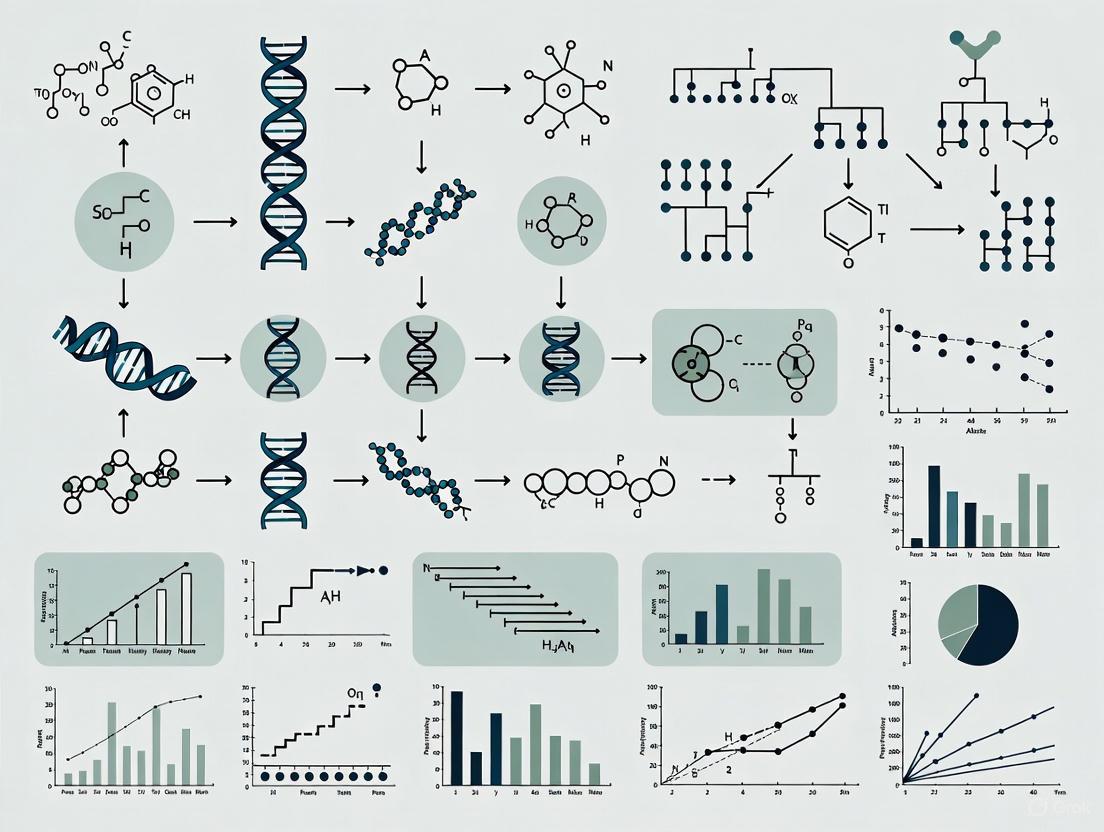
This article synthesizes the molecular foundations of evolutionary ecology and their critical applications in drug discovery and biomedical research.
Molecular Evolutionary Ecology: From Genomic Mechanisms to Biomedical Innovation
Abstract
This article synthesizes the molecular foundations of evolutionary ecology and their critical applications in drug discovery and biomedical research. It explores the genetic mechanisms driving speciation and adaptation, examines methodologies for translating evolutionary principles into therapeutic strategies, addresses key research challenges, and establishes validation frameworks. Aimed at researchers and drug development professionals, the content highlights how evolutionary concepts can inform target identification, combat antibiotic resistance, and leverage natural products, ultimately providing a roadmap for harnessing evolutionary principles to solve complex biomedical problems.
Genetic Mechanisms of Speciation and Ecological Adaptation
Hybrid incompatibility, the phenomenon where offspring from interspecific crosses are inviable or sterile, constitutes a fundamental reproductive barrier in evolutionary biology [1]. Charles Darwin himself recognized the paradox that natural selection tolerates the development of these highly disadvantageous traits, a puzzle that continues to drive research today [2]. The genetic basis of these incompatibilities provides critical insight into the mechanisms of speciation and the evolutionary forces that drive reproductive isolation [3] [4].
The Dobzhansky-Muller model represents the cornerstone of our modern understanding of how these incompatibilities evolve without passing through unfit intermediate stages [5] [3]. This model explains how alleles that are functionally fine within their respective species genomes can cause catastrophic failures when brought together in hybrid organisms [5] [6]. Recent advances in genomics, molecular biology, and biochemistry have revolutionized our understanding of these processes, revealing complex interactions from the molecular to the organismal level [7] [4] [2].
This review synthesizes nearly a century of research on hybrid incompatibilities, from the foundational Dobzhansky-Muller model to contemporary genomic investigations. We examine the genetic architecture of reproductive isolation, explore molecular mechanisms underlying hybrid breakdown, and detail experimental approaches for identifying and characterizing speciation genes. The integration of evolutionary genetics with modern molecular techniques continues to unveil the intricate processes through which genetic incompatibilities arise and drive species formation.
Historical Foundations and Theoretical Framework
The Dobzhansky-Muller Model
The Dobzhansky-Muller model, independently formulated by Theodosius Dobzhansky and Hermann Joseph Muller in the 1930s and early 1940s, provided an elegant solution to a fundamental evolutionary puzzle: how could hybrid inviability or sterility evolve without passing through unfit intermediate stages [3]? The model emerged from their genetic studies on Drosophila species, where they recognized that hybrid incompatibility was unlikely to arise from a single genetic change [3].
The core insight of the Dobzhansky-Muller model is that hybrid incompatibility results from interactions between multiple genetic changes that accumulate in diverging populations [5] [3]. In the simplest scenario, consider an ancestral population with genotype AABB at two loci. If this population splits into two isolated populations, one might fix the derived allele A* while the other fixes B* through independent evolutionary paths. While the evolutionary trajectories AAbb and aaBB remain viable within their respective populations, hybrids with the AaBb genotype (or Aa if we consider diploid organisms) experience the first-ever combination of A* and B* alleles, which may prove incompatible [5] [3].
This model elegantly resolves the evolutionary paradox because neither population passes through an unfit heterozygous stage during their divergence [3]. The incompatible combination only appears when previously isolated genotypes are brought together through hybridization, explaining how reproductive barriers can emerge as a by-product of divergence rather than through direct selection for incompatibility itself [3] [1].
Figure 1: The Dobzhansky-Muller Model of Hybrid Incompatibility. Two populations diverge from a common ancestor through independent evolutionary paths. While each derived genotype remains viable within its population, their hybrid expresses a novel, incompatible combination of alleles.
Theoretical Extensions and the "Snowball Effect"
The original two-locus Dobzhansky-Muller model has been expanded through theoretical work that explores more complex genetic scenarios. A pivotal extension is the "snowball effect," which predicts that the number of genetic incompatibilities between diverging taxa increases faster than linearly with time [7] [8]. Specifically, the probability of speciation increases at least as fast as the square of the time since separation [8].
This non-linear accumulation occurs because as genomes diverge, each new incompatible substitution has the potential to interact negatively not only with its specific partner locus but with multiple loci across the genome [7]. The snowball model has received empirical support from genetic mapping data in Drosophila and Solanum species, demonstrating that weak Dobzhansky-Muller incompatibilities can indeed accumulate and strengthen genetic barriers between species [7].
Another significant theoretical extension addresses the role of natural selection in driving the evolution of incompatibilities. When populations adapt to identical environments, the probability of evolving Dobzhansky-Muller incompatibilities depends on the selection coefficients among beneficial alleles [6]. If one locus is under much stronger selection than another, both populations are likely to substitute the same allele first, precluding the development of an incompatibility [6]. This mathematical insight helps explain why adaptation to identical environments may less frequently yield hybrid incompatibilities compared to adaptation to different environments.
Molecular Mechanisms of Hybrid Incompatibility
Protein Complexes and Multi-Locus Incompatibilities
Multi-protein complexes represent a fundamental organizational principle of cellular function, and their disruption provides a powerful mechanism for hybrid incompatibility [7]. Proteins typically execute their functions through interactions with other proteins, forming complexes whose composition can change in response to environmental cues or evolutionary pressures [7]. When species diverge, compensatory mutations may accumulate in different components of these complexes, maintaining function within species but causing failure in hybrids where novel combinations occur [7].
This perspective helps explain why many hybrid incompatibilities involve multiple genes rather than simple pairwise interactions [7]. The admixture of protein subunits from different parental origins in hybrids can disrupt the precise stoichiometries and interaction interfaces required for proper complex assembly and function [7]. Understanding the dynamics of protein-protein interactions leading to multi-protein complexes thus provides a framework for characterizing multi-locus incompatibilities that are difficult to study with traditional genetic approaches [7].
Cyto-Nuclear Incompatibilities
Cyto-nuclear incompatibilities, particularly those involving mitochondrial-nuclear interactions, represent a major category of hybrid dysfunction [7]. In yeast, almost all known cases of Dobzhansky-Muller incompatibilities involve mitochondrial-nuclear interactions [7]. These incompatibilities often become evident only under specific environmental conditions, such as when hybrids of obligate fermentative yeast are forced to respire in non-fermentative carbon sources [7].
The prevalence of cyto-nuclear incompatibilities stems from the intimate functional integration between nuclear-encoded genes and their mitochondrial targets [7]. As mitochondrial genomes and nuclear genomes co-evolve, they accumulate compensatory changes that maintain respiratory function. When hybridization disrupts these co-adapted complexes, oxidative phosphorylation may fail, leading to hybrid inviability or sterility [7]. Similar cyto-nuclear incompatibilities have been documented across diverse taxa including plants and animals, highlighting their general importance in reproductive isolation [7].
Genomic Conflicts and Epigenetic Regulation
Genomic conflicts, particularly those involving selfish genetic elements, represent another potent source of hybrid incompatibility [7] [4] [2]. These conflicts can drive rapid coevolution between suppressors and driving elements within populations, resulting in divergent evolutionary trajectories between species [4]. When hybrids form, the finely balanced systems of suppression may break down, leading to hybrid dysfunction [4].
Epigenetic mechanisms have also emerged as important contributors to hybrid incompatibility [1] [4]. The Lynch-Force model proposes that gene duplication followed by divergent resolution can lead to hybrid problems [1]. When redundant genes become non-functional through mutations in different lineages, hybrids may lack functional copies of essential genes [1]. Epigenetic regulation, particularly through small RNA pathways, can further contribute to hybrid incompatibility when the precise regulatory balance is disrupted in hybrids [1] [4]. Studies in Capsella have demonstrated that dosage of maternal small-interfering RNAs can cause hybrid incompatibility between closely related plant species [1].
Table 1: Molecular Mechanisms of Hybrid Incompatibility
| Mechanism | Molecular Basis | Example Systems | Key References |
|---|---|---|---|
| Protein Complex Disruption | Altered stoichiometry or interaction interfaces in multi-protein complexes | Yeast, Drosophila | [7] |
| Cyto-Nuclear Incompatibility | Disrupted co-adaptation between mitochondrial and nuclear genomes | Yeast, plants, animals | [7] |
| Genomic Conflict | Breakdown of suppression systems for selfish genetic elements | Drosophila, mice | [7] [4] |
| Epigenetic Dysregulation | Disruption of imprinting or small RNA pathways | Arabidopsis, Capsella | [1] [4] |
| Gene Duplication & Divergence | Loss of essential function through complementary gene loss | Plants, animals | [1] |
Genetic Architecture and Experimental Approaches
Genetic Architecture of Speciation
The genetic architecture of hybrid incompatibility—the number, effect sizes, and interactions of genes involved—has profound implications for speciation dynamics [3] [9]. Early genetic mapping studies in Drosophila revealed that even between closely related species, dozens or even hundreds of genes can contribute to hybrid sterility [3]. For instance, in the Drosophila simulans clade, an estimated 100 genes contribute to male hybrid sterility [3].
The relationship between genetic architecture and reproductive isolation is complex. Research using polygenic models has shown that populations evolving independently under stabilizing selection experience suites of compensatory allelic changes that maintain high fitness within populations but cause incompatibilities in hybrids [9]. Interestingly, reduced fitness in F1 hybrids evolves primarily at intermediate strengths of epistatic interactions, while F2 and backcross hybrids show reduced fitness across weak and moderate strengths of epistasis due to segregation variance [9].
Another important architectural feature is that hybrid incompatibilities are often asymmetric—they affect hybrid fitness differently depending on the direction of the cross [4]. This asymmetry reflects the complex epistatic interactions underlying reproductive isolation and has important implications for gene flow between species [4].
The Introgression Approach
The introgression approach, pioneered by Jerry Coyne, H. Allen Orr, and Chung-I Wu, enables fine-scale genetic mapping of factors contributing to hybrid incompatibility [3]. This method involves creating a series of introgression lines where small chromosomal segments from one species are placed into the genetic background of another through repeated backcrosses [3].
The process begins with the creation of F1 hybrids between two species, which are then repeatedly backcrossed to one parental species while using genetic markers to track introgressed segments [3]. The fertility or viability of males from these introgression lines is then quantitatively assessed [3]. Because males from a given introgression line are relatively genetically homogeneous, this approach allows researchers to associate specific chromosomal regions with hybrid incompatibility phenotypes [3].
This technique has been refined over time with increasingly precise molecular markers, from visible markers to restriction fragment length polymorphisms (RFLPs) and microsatellites, and more recently to whole-genome sequencing [3]. The introgression approach ultimately enables researchers to map hybrid incompatibility factors to increasingly smaller genomic regions, facilitating the identification of specific genes involved [3].
Figure 2: Introgression Mapping Workflow. This experimental approach enables fine-scale genetic mapping of hybrid incompatibility factors through repeated backcrossing and marker-assisted selection.
Deficiency Mapping and Positional Cloning
Deficiency mapping provides a complementary approach to identify hybrid incompatibility genes [3]. This method utilizes strains with known chromosomal deletions to map the location of incompatibility factors [3]. When a deletion fails to complement a hybrid incompatibility phenotype, the responsible gene must reside within the deleted region [3].
The process involves crossing hybrids with various overlapping chromosomal deficiencies and assessing the resulting phenotypes [3]. Viable and inviable hybrids with different chromosome deletions are typed for molecular markers that are polymorphic between the species [3]. The pattern of marker distribution among different hybrids allows researchers to map the location of hybrid incompatibility genes with resolution dependent on the concentration of informative markers in the region [3].
With the advent of next-generation sequencing, positional cloning has become increasingly powerful for pinpointing specific genes responsible for hybrid incompatibilities [3] [4]. After mapping a region to a small interval using introgression or deficiency mapping, researchers can sequence the candidate region, identify genes, and validate candidates through transgenic approaches [4].
Table 2: Experimental Methods for Identifying Hybrid Incompatibility Genes
| Method | Principle | Resolution | Applications | Limitations |
|---|---|---|---|---|
| Introgression Mapping | Repeated backcrossing with marker selection | ~1 cM | Drosophila species, plants | Time-consuming, limited to viable backcrosses |
| Deficiency Mapping | Complementation testing with deletions | Gene-level | Drosophila, other model systems | Requires deficiency stocks |
| Positional Cloning | Fine mapping followed by sequencing | Nucleotide-level | Systems with genomic resources | Requires high-quality genomes |
| GWAS Approaches | Genome-wide association in hybrid zones | Varies | Natural hybrid zones | Requires large sample sizes |
| Transcriptomics | Gene expression profiling in hybrids | System-level | Any system | Correlation vs. causation |
The Scientist's Toolkit: Research Reagent Solutions
Table 3: Essential Research Reagents for Hybrid Incompatibility Studies
| Reagent/Category | Function/Application | Examples/Specifics |
|---|---|---|
| Introgression Lines | Fine-scale mapping of incompatibility factors | Drosophila simulans/mauritiana lines [3] |
| Deficiency Stocks | Deletion mapping to localize incompatibility genes | Drosophila deletion kits [3] |
| Molecular Markers | Tracking genomic segments in mapping studies | RFLPs, microsatellites, SNPs [3] |
| Genomic Resources | Reference sequences for positional cloning | Genome assemblies for model systems [4] |
| Transgenic Systems | Functional validation of candidate genes | P-element transformations (Drosophila), CRISPR-Cas9 [4] |
| Protein Interaction Assays | Testing molecular mechanisms of incompatibility | Yeast two-hybrid, co-immunoprecipitation [7] |
| Transcriptomic Tools | Assessing gene expression in hybrids | RNA-seq, microarrays [4] |
| Mitochondrial Mutants | Studying cyto-nuclear incompatibilities | ρ⁰ strains in yeast [7] |
Evolutionary Forces and Future Directions
Evolutionary Drivers of Incompatibility
The evolutionary forces driving the accumulation of hybrid incompatibilities have been extensively debated [6] [4]. Both neutral and selective processes can contribute, with molecular evolutionary analyses of identified speciation genes increasingly revealing signatures of positive selection [6] [4].
Natural selection can drive the evolution of Dobzhansky-Muller incompatibilities in two primary ways [6]. First, allopatric populations may adapt to different environments, with hybrid problems arising as a pleiotropic side effect [6]. Second, populations adapting to identical environments may arrive at different genetic solutions to the same selective challenge, resulting in incompatible gene combinations in hybrids [6]. However, mathematical models show that when selection coefficients among beneficial alleles differ substantially, both populations are likely to substitute the same allele first, reducing the probability of incompatibility [6].
Recent genomic analyses have highlighted the importance of intragenomic conflicts, particularly meiotic drive systems, as drivers of rapid evolution that can result in hybrid incompatibilities [4] [2]. These conflicts create perpetual evolutionary arms races that lead to divergent changes between populations, which may become incompatible upon hybridization [4].
Emerging Research Frontiers
Several exciting frontiers are emerging in hybrid incompatibility research. The role of biomolecular condensates—membrane-less organelles that organize cellular processes—represents a promising new direction [2]. These molecular structures may be responsible for incompatibilities between species, as their proper assembly often depends on precise interaction networks that can be disrupted in hybrids [2].
The integration of modern genomic tools with traditional genetic approaches is accelerating the pace of discovery [4]. As genomic resources become available for more non-model organisms, researchers can leverage natural variation to identify incompatibility genes across diverse taxonomic groups [7] [4]. This expansion beyond traditional model systems will provide a more comprehensive understanding of the general principles governing hybrid incompatibility.
Finally, the development of more sophisticated theoretical models that incorporate complex genomic architectures, selection regimes, and demographic histories will enhance our ability to interpret empirical findings [10] [9]. These models, informed by growing datasets of identified incompatibility genes, will help reconcile theoretical predictions with molecular observations, ultimately providing a unified framework for understanding how reproductive isolation evolves [4] [9].
The study of hybrid incompatibilities has progressed dramatically from the foundational insights of Dobzhansky and Muller to contemporary molecular investigations. The Dobzhansky-Muller model remains the central paradigm for understanding how reproductive isolation evolves without passing through unfit intermediates, while modern genomics has revealed the astonishing complexity of genetic architectures underlying speciation.
Key advances include the recognition that protein complexes, cyto-nuclear interactions, genomic conflicts, and epigenetic regulation all contribute to hybrid breakdown. Experimental approaches such as introgression mapping and deficiency analysis have enabled the identification of specific genes involved, revealing signatures of positive selection and diverse molecular mechanisms. The "snowball effect" theory has been validated empirically, showing that incompatibilities accumulate non-linearly with divergence time.
Future research will likely focus on emerging areas such as biomolecular condensates, expand to non-model organisms using genomic tools, and develop more sophisticated theoretical models. As these efforts proceed, our understanding of hybrid incompatibility will continue to refine, providing deeper insights into one of nature's most fundamental processes: the origin of species.
Intragenomic Conflict and Arms Races as Drivers of Molecular Evolution
Intragenomic conflict arises when selfish genetic elements evolve mechanisms to bias their transmission at a cost to organismal fitness, triggering evolutionary arms races that shape fundamental aspects of genome architecture and function. This whitepaper examines the molecular mechanisms and evolutionary consequences of these conflicts, focusing on meiotic drive systems as primary models. We synthesize findings from recent studies in Drosophila that reveal how genetic conflicts drive rapid evolution of heterochromatin regulation, centromere function, and DNA repair pathways. The documented molecular diversity stems from repeated cycles of adaptation and counter-adaptation between selfish elements and host suppressor systems, representing a significant engine of evolutionary innovation with implications for understanding genome stability and developmental processes.
Intragenomic conflict represents a fundamental departure from standard Mendelian inheritance, where certain genetic elements "cheat" by manipulating cellular processes to enhance their transmission. These selfish genetic elements, including transposable elements, meiotic drivers, and selfish chromosomes, gain transmission advantages often at the expense of organismal fitness [11]. The resulting conflicts create persistent evolutionary tensions that fuel rapid molecular evolution through several mechanisms:
- Evolutionary Arms Races: Selfish elements and host genomes engage in reciprocal adaptation, driving accelerated evolution of proteins involved in genome defense [11] [12].
- Genome Restructuring: Conflicts often lead to chromosomal rearrangements, gene duplications, and expansion of repetitive elements as byproducts of the struggle between drive and suppression [11].
- Molecular Innovation: The need to control selfish elements can lead to the evolution of novel regulatory mechanisms, including RNAi pathways and epigenetic silencing systems [13].
Within evolutionary ecology, understanding these conflicts provides a mechanistic explanation for the surprising molecular diversity underlying conserved cellular functions across taxa, challenging the notion of optimized, singular solutions to biological problems [13].
Molecular Mechanisms of Meiotic Drive
The Paris Sex-Ratio System inDrosophila simulans
The Paris sex-ratio (SR) system represents a well-characterized example of meiotic drive where X-linked elements manipulate gametogenesis to achieve transmission advantage. This system demonstrates the complex molecular interplay characteristic of intragenomic conflicts [11] [12].
Table 1: Key Genetic Elements in the Paris SR System
| Genetic Element | Location | Molecular Identity | Proposed Function |
|---|---|---|---|
| HP1D2SR | X chromosome | Dysfunctional allele of heterochromatin protein HP1D2 | Originates from duplication of autosomal HP1D/Rhino; binds Y chromosome in spermatogonia |
| DPSR | X chromosome | Tandem duplication (~6 genes + junction region) | Contains Trf2 gene and Hosim1 transposable element repeats; potential regulator of Y heterochromatin |
| rIST | Within DPSR | Rearranged segment of second intron of Trf2 | Unknown regulatory function |
The molecular mechanism involves epistatic interactions between HP1D2SR and elements within the DPSR duplication. Current evidence suggests these components collectively mis-regulate Y chromosome heterochromatin during spermatogenesis, leading to non-disjunction of Y sister chromatids during meiosis II and consequent failure of Y-bearing sperm to develop into functional gametes [11]. The result is a strongly female-biased progeny (>90%), providing the transmission advantage to the driving X chromosome.
Figure 1: Molecular pathway of the Paris sex-ratio meiotic drive system. The driving X chromosome (XSR) carries two key elements (HP1D2SR and DPSR) that interact to disrupt Y chromosome heterochromatin, ultimately leading to elimination of Y-bearing sperm.
Emerging Themes in Drive Mechanisms
Research across multiple Drosophila drive systems reveals consistent molecular themes despite diverse genetic origins:
- Heterochromatin Targeting: Multiple drive systems, including Paris SR and Segregation Distorter, interface with heterochromatin regulation, suggesting this represents an evolutionary vulnerability in gametogenesis [12].
- Gene Duplication Origins: Most known meiotic drivers originate from gene duplication events, allowing one copy to maintain original function while the other evolves selfish properties [12].
- Small RNA Pathways: Several drive systems implicate small RNA pathways in their mechanisms, connecting selfish elements to conserved genomic defense systems [12].
- Developmental Timing: Drivers often act during specific developmental windows, with some expressed in spermatogonia but effects manifesting later during meiosis or spermiogenesis [12].
Experimental Approaches for Studying Genetic Conflict
Evolutionary Repair Experiments
Evolutionary repair experiments represent a powerful methodology for studying how molecular diversity emerges in response to genetic perturbation. This approach uses laboratory evolution to compensate for deleted or altered genes, revealing alternative molecular pathways that can perform essential cellular functions [13].
Table 2: Experimental Design Parameters for Evolutionary Repair Studies
| Parameter | Options | Considerations |
|---|---|---|
| Genetic Perturbation | Gene deletion, Gene swap (paralog/ortholog), Hypomorphic mutation | Determines severity of initial fitness defect and evolutionary constraints |
| Replication | 4-12 populations (standard), Hundreds (high-throughput) | Higher replication enables detection of parallel evolution |
| Duration | 100-1000 generations | Balance between adaptation to perturbation versus general lab conditions |
| Phenotypic Analysis | Growth rate, Competitive fitness, Metabolic flux, Gene expression | Multiple assays provide comprehensive view of adaptation |
| Genetic Analysis | Whole-genome sequencing, Bulk segregant analysis, Genetic reconstruction | Identifies causal mutations and epistatic interactions |
The general workflow involves: (1) introducing a defined genetic perturbation that reduces fitness by 10-90%, (2) evolving multiple replicate populations for hundreds of generations under controlled conditions, (3) sequencing evolved lineages to identify compensatory mutations, and (4) functionally validating causal mutations and their phenotypic effects [13].
Figure 2: Workflow for evolutionary repair experiments. This approach uses laboratory evolution to identify compensatory mutations that restore fitness after genetic perturbation, revealing alternative molecular implementations of conserved functions.
Molecular Phylogenetics in Conflict Studies
Molecular phylogenetic analyses provide essential tools for reconstructing the evolutionary history of conflict systems:
- Sequence Alignment and Model Testing: Multi-sequence alignment of conflict-associated genes followed by statistical testing to identify best-fitting substitution models [14].
- Tree Building Methods: Utilization of both distance-based (Neighbor-Joining) and character-based (Maximum Likelihood, Bayesian Inference) approaches to reconstruct phylogenetic relationships [14].
- Horizontal Gene Transfer Detection: Implementation of algorithms to identify and exclude sequences potentially affected by horizontal transfer, which can confound phylogenetic analysis of conflict systems [14].
These methods have been instrumental in tracing the evolutionary origins of meiotic drive components and understanding how conflict shapes gene family evolution across related species.
The Scientist's Toolkit: Essential Research Reagents
Table 3: Key Research Reagents for Studying Intragenomic Conflict
| Reagent / Method | Function/Application | Example Use in Conflict Research |
|---|---|---|
| CUT&Tag | Chromatin profiling using targeted tagmentation | Mapping protein-DNA interactions in drive systems [11] |
| RNA-seq | Transcriptome analysis | Identifying differentially expressed genes in drive-associated tissues [11] |
| Transgenesis | Introduction of modified genetic elements | Testing driver and suppressor function in native genomic context [11] |
| NanoCUT&RUN | High-resolution chromatin profiling | Visualizing telomeric and heterochromatic chromatin states [11] |
| Population Genomics | Analysis of genetic variation in natural populations | Tracking spread of drive elements and suppressor alleles [11] |
| Comparative Genomics | Cross-species sequence comparison | Identifying rapidly evolving regions under conflict-driven selection [11] |
| Cytological Analysis | Microscopy-based examination of cellular structures | Visualizing meiotic defects in drive systems [11] [12] |
Evolutionary and Ecological Implications
Centromere Evolution and Genetic Conflict
Centromeres represent a prime example of how intragenomic conflict shapes essential cellular structures. Despite their conserved function in chromosome segregation, both centromeric histone (CENP-A/CID) and the underlying DNA sequences evolve rapidly [11]. The centromere drive hypothesis proposes that stronger centromeres can bias their transmission during female meiosis, leading to evolutionary arms races between:
- Selfish Centromeres: Expanding centromeric repeats that enhance microtubule attachment [11].
- Suppressor Systems: Kinetochore proteins that evolve to neutralize transmission bias [11].
- Epigenetic Regulation: Changes in chromatin modification systems that stabilize centromere function [11].
This conflict explains the paradoxical combination of conserved function and rapid molecular evolution observed at centromeres across eukaryotes.
Impact on Genome Architecture
Intragenomic conflicts leave distinctive signatures on genome organization and structure:
- Heterochromatin Expansion: Repeats associated with drive targets (e.g., Responder locus in SD system) often expand due to their role in conflict [12].
- Chromosomal Inversions: Suppressed recombination through inversions maintains linkage between driver and resistant alleles [12].
- Gene Family Evolution: Duplication and diversification of conflict-related genes (e.g., HP1 family) creates genetic raw material for arms races [11] [12].
These genomic signatures provide paleontological records of past conflicts, even in systems where the active conflict has been resolved through fixation or suppression.
Research Applications and Future Directions
The study of intragenomic conflict provides not only fundamental insights into evolutionary processes but also practical applications:
- Gene Drive Development: Understanding natural drive mechanisms informs engineered gene drives for pest control and public health applications [12].
- Genome Stability Research: Conflict systems reveal vulnerabilities in chromosome segregation and DNA repair pathways relevant to disease states [11].
- Molecular Tool Development: Proteins evolved in conflict contexts (e.g., DNA-binding domains) provide novel reagents for biotechnology [13].
Future research directions should focus on integrating evolutionary repair experiments with natural variation studies, developing high-resolution methods for analyzing heterochromatic regions, and applying single-cell approaches to understand how conflicts play out within developing tissues.
The Role of Gene Duplication and Divergent Evolution in Creating New Functions
Gene duplication is a fundamental evolutionary mechanism supplying the raw genetic material for functional innovation. By creating genetic redundancy, where one gene copy can maintain the original function, duplication allows the other copy to accumulate mutations that may lead to the emergence of novel functions or the subdivision of ancestral functions [15]. This process of duplication and divergence has fueled biological complexity since the dawn of life, expanding the genome of the last universal common ancestor (LUCA), which contained approximately 500 genes, to the thousands of genes found in extant free-living organisms [16]. Within evolutionary ecology, understanding these molecular mechanisms is crucial for explaining how organisms adapt to changing environments, develop new ecological interactions, and evolve phenotypic diversity. This whitepaper provides a technical examination of the models, patterns, and experimental approaches for studying functional divergence after gene duplication, with particular relevance to ecological adaptation.
Theoretical Models of Gene Duplication and Divergence
Several mechanistic models explain how duplicated genes escape silencing or loss and instead acquire distinct functions over evolutionary time. These models differ primarily in the sequence of mutation events and the nature of selective pressures involved.
Classical and Contemporary Models
- Ohno's Neofunctionalization Model (MDN): The classical model proposes that after duplication, one copy remains under purifying selection to maintain the ancestral function, while the other accumulates mutations neutrally. Rarely, a beneficial mutation confers a novel, advantageous function, leading to its preservation [15]. A significant criticism is that non-functionalization through accumulation of deleterious mutations is far more likely than acquiring a beneficial new function [16] [17].
- Innovation-Amplification-Divergence (IAD) Model: This model addresses the limitations of Ohno's model. It posits that a promiscuous, low-level side activity of an enzyme first becomes physiologically relevant due to an environmental change or mutation elsewhere in the genome. Selection for this "innovation" favors gene amplification (increased copy number) to boost the beneficial activity. Subsequently, divergence occurs as mutations improve the efficiency of the new function in some copies, while others maintain the original activity [16] [15]. Amplification thus provides a temporary buffer, allowing divergence without loss of the original function.
- Subfunctionalization Models: These models involve the partitioning of the ancestral gene's functions between duplicates.
- Duplication-Degeneration-Complementation (DDC): In this neutral model, the ancestral gene is multifunctional. After duplication, both copies accumulate degenerative, loss-of-function mutations in different functional domains (e.g., regulatory elements or protein domains). Eventually, both copies become necessary to complement the full set of ancestral functions, preserving the duplication [15].
- Escape from Adaptive Conflict (EAC): This adaptive model applies when the ancestral gene is under simultaneous selection to optimize two distinct, incompatible functions—a state of "adaptive conflict." Gene duplication releases this conflict by allowing each copy to specialize and improve one of the two functions independently [15].
Table 1: Comparison of Major Evolutionary Models for Gene Duplication Fate
| Model | Key Mechanism | Selective Pressure | Key Distinguishing Feature |
|---|---|---|---|
| Neofunctionalization (Ohno) | One copy acquires a new function | Positive selection on new function | Novel function arises post-duplication |
| Innovation-Amplification-Divergence (IAD) | Preexisting promiscuous activity is amplified and refined | Positive selection on preexisting minor function | Requires gene amplification before divergence |
| Subfunctionalization (DDC) | Complementary degeneration of subfunctions | Neutral mutations, then purifying selection | No novel functions; ancestral functions are partitioned |
| Escape from Adaptive Conflict (EAC) | Specialization resolves functional conflict | Positive selection for specialization | Ancestral gene was under conflicting selective pressures |
The following diagram illustrates the key steps and outcomes of the primary evolutionary models.
Genomic Patterns and Quantifying Divergence
Empirical genomic studies reveal the extensive role of duplication in evolution. In plants, over 50% of genes arose from segmental or whole-genome duplication [16]. In E. coli, 68% of enzymes, 82% of transporters, and 79% of regulatory proteins belong to paralogous groups, illustrating the pervasive nature of this process across life [16].
Detecting and Measuring Evolutionary Forces
The fate of duplicated genes is governed by the interplay of different types of mutations, which can be quantified using molecular evolutionary techniques.
- Synonymous (dS) and Non-synonymous (dN) Substitutions: The ratio ω = dN/dS is a key metric for detecting selection. ω ≈ 1 indicates neutral evolution; ω < 1 suggests purifying selection; and ω > 1 is evidence of positive selection [18] [19].
- Asymmetric Evolution: A common signature of divergence is asymmetric evolution, where one duplicate copy accumulates amino acid changes at a significantly faster rate than the other. A study on teleost fish duplicates found that 50-65% of gene pairs evolved asymmetrically when analyzed with a sensitive Fisher's Exact Test (FET), often with the asymmetry localized to specific protein domains [19]. This is consistent with one copy undergoing neofunctionalization or specializing one subfunction.
Table 2: Molecular Evolutionary Analysis of Duplicated CDPK Genes CPK7 and CPK12 in Grasses
| Analysis Feature | TaCPK7 (Wheat) | TaCPK12 (Wheat) | Evolutionary Interpretation |
|---|---|---|---|
| dN/dS (ω) Ratio | Lower | Higher | Relaxed selective constraints on CPK12 |
| Selection Test (PAML) | Purifying selection | Purifying selection | No positive selection detected |
| Rapidly Evolving Regions | - | N-terminal, EF-hand domains | Structural/functional divergence in calcium-binding domains |
| Expression Response | Drought, salt, cold, H₂O₂ | Abscisic acid (ABA) only | Divergence in stress signaling pathways |
| Proposed Mechanism | Subfunctionalization, not neofunctionalization |
Lineage-Specific Gene Loss and Its Consequences
Not all duplicates are retained. Lineage-specific gene loss is a major evolutionary force that shapes the functional repertoire of genomes. The loss of one paralog can drive functional evolution in the surviving copy, which may compensate by acquiring or maintaining the expression domains of the lost gene [20]. For example, the loss of the aldh1a1 ohnolog in teleost fish is associated with functional changes in the remaining Aldh1a paralogs, allowing the preservation of ancestral developmental programs like retinoic acid signaling in eye development despite the simplification of the gene family [20].
Experimental Methodologies and Research Toolkit
Studying the evolution of new functions requires a combination of computational analyses, directed evolution experiments, and detailed functional characterization.
Computational and Comparative Genomics Protocols
Protocol 1: Phylogenetic and Selection Analysis
- Sequence Acquisition and Alignment: Identify paralogous gene pairs of interest and a suitable outgroup ortholog (e.g., from a closely related non-duplicated species). Perform multiple sequence alignment using tools like MUSCLE or MAFFT.
- Phylogenetic Tree Reconstruction: Construct a gene tree using maximum likelihood (e.g., with RAxML or IQ-TREE) or Bayesian methods (e.g., MrBayes) [21].
- Test for Selection: Use the CodeML module in the PAML package to fit different evolutionary models [18] [19].
- Fit a model where both duplicates evolve under the same ω ratio (null model).
- Fit a model where each duplicate lineage is allowed its own ω ratio (alternative model).
- Use a Likelihood Ratio Test (LRT) to determine if the alternative model fits significantly better, indicating asymmetric evolution.
- Domain-Centric Analysis: Repeat the selection analysis on annotated protein domains separately to identify if asymmetry is localized, which can provide functional insights [19].
Protocol 2: Synteny Analysis to Identify Gene Loss
- Genomic Context Mapping: For the gene family of interest, identify the genomic locations and surrounding genes in multiple species.
- Identify Conserved Syntenic Blocks: Use genomic browsers and tools like MCScanX to find regions in different genomes that originated from a common ancestral chromosomal segment.
- Infer Ohnologs and Losses: In lineages known to have undergone whole-genome duplication (e.g., teleost fishes), identify the expected co-orthologous genomic regions. The absence of an expected paralog in one region, while present in its counterpart, provides evidence for lineage-specific gene loss [20].
Laboratory-Based Directed Evolution Protocol
This protocol tests the IAD model by mimicking evolution in a controlled laboratory setting [16] [15].
- Innovation (Starting Point): Begin with a bacterial strain expressing a single enzyme that has a weak, promiscuous activity alongside its native function.
- Selection: Grow the bacteria under conditions where both the native and the promiscuous activities are required for fitness (e.g., in a medium where the substrate of the promiscuous activity is essential).
- Amplification and Divergence:
- Amplification Phase: Screen for mutants with improved growth. This often first selects for gene amplification events (e.g., via plasmids) that increase enzyme dosage and thereby the level of the poor promiscuous activity.
- Divergence Phase: Continue serial passaging under selection over many generations. Sequence the amplified gene arrays periodically. Mutations that specifically enhance the efficiency of the new activity will be enriched.
- Stabilization: Eventually, mutations that improve the new function may make some amplified copies redundant. The genome may stabilize with one specialized copy for the original function and another for the new function, with loss of the extra amplified copies [16].
The Scientist's Toolkit: Key Research Reagents and Solutions
Table 3: Essential Reagents and Resources for Studying Gene Duplication and Divergence
| Reagent / Resource | Function / Application | Example Use Case |
|---|---|---|
| PAML (Phylogenetic Analysis by Maximum Likelihood) | Software package for molecular evolution analysis, including CodeML for detecting selection. | Calculating dN/dS ratios and testing for positive selection in paralogous lineages [18] [19]. |
| Model Organism Genomes (Zebrafish, Medaka, Yeast) | Provides comparative genomic data from species with known duplication histories (e.g., teleost-specific WGD). | Synteny analysis to identify ohnologs and infer gene loss events [20] [19]. |
| ZFIN / Expression Atlases | Databases of spatio-temporal gene expression patterns (e.g., ZFIN for zebrafish). | Correlating sequence divergence with expression divergence in duplicates [19]. |
| Directed Evolution Setup (Chemostats, Selective Media) | Laboratory apparatus for applying controlled selective pressure to microbial populations. | Experimentally testing the IAD model by selecting for improved promiscuous enzyme activities [16]. |
| Site-Directed Mutagenesis Kits | Introducing specific mutations into gene sequences. | Functionally validating the effect of candidate residues identified in fast-evolving domains of a duplicate gene. |
Gene duplication, followed by divergent evolution through mechanisms like neofunctionalization, subfunctionalization, and the IAD pathway, is a primary engine for generating genetic novelty. The interplay of mutation, selection, and genetic drift on duplicated genes leads to the functional diversification of enzymes, regulators, and entire metabolic pathways. This molecular innovation provides the substrate for ecological adaptation, allowing organisms to explore new niches, develop new traits, and respond to environmental challenges. For researchers in drug development, understanding these principles is critical. Gene families expanded by duplication, such as cytochrome P450 enzymes or various transporter families, are often central to drug metabolism and resistance. Analyzing their evolutionary history can inform predictions of drug cross-reactivity, patient-specific metabolism, and the potential for the evolution of resistance mechanisms. Continued research integrating comparative genomics, molecular evolution, and experimental genetics will further illuminate how new genes are forged from old, deepening our understanding of life's diversity and our ability to intervene in biological processes.
Mitochondrial-Nuclear Co-evolution and Its Impact on Hybrid Fitness
Mitochondrial-nuclear (mitonuclear) co-evolution represents a fundamental evolutionary process driven by the obligate functional interactions between nuclear-encoded proteins and their mitochondrial-encoded counterparts within the oxidative phosphorylation (OXPHOS) system. This co-evolution maintains cellular bioenergetic efficiency but creates potential for hybrid incompatibility when previously co-adapted genomes are separated through hybridization. This review synthesizes current understanding of the molecular mechanisms, evolutionary consequences, and experimental evidence for mitonuclear co-evolution, highlighting its significance as a speciation mechanism and its implications for evolutionary ecology research. We present comprehensive quantitative data from diverse taxonomic groups, detailed experimental methodologies for studying mitonuclear interactions, and essential research tools that enable this growing field of investigation.
The eukaryotic cell is a chimeric entity whose energy metabolism depends on the functional integration of two distinct genomes: the nuclear genome and the mitochondrial genome. This interdependence necessitates precise coordination, as the mitochondrial oxidative phosphorylation system requires the direct interaction of protein subunits encoded by both genomes. In most animals, 13 mitochondrial-encoded proteins must properly assemble with approximately 80 nuclear-encoded subunits to form functional OXPHOS complexes [22]. This intimate biochemical relationship creates selective pressure for co-adapted allelic combinations that optimize energy production while minimizing cellular stress.
Mitonuclear co-evolution occurs through two primary, non-mutually exclusive mechanisms: compensatory coevolution, where deleterious mutations in one genome are offset by changes in the other, and adaptive coevolution, where both genomes accumulate changes that enhance fitness under specific environmental conditions [23] [24]. The mitochondrial genome's higher mutation rate (10-100 times greater than nuclear DNA) creates constant selective pressure on nuclear genes to maintain compatibility with evolving mitochondrial sequences [25]. This dynamic interaction has profound implications for hybrid fitness, as crosses between divergent populations can disrupt co-adapted mitonuclear complexes, leading to reduced respiratory function, decreased ATP production, and increased reactive oxygen species (ROS) generation.
Molecular Mechanisms of Mitonuclear Co-evolution
OXPHOS Complex Assembly and Function
The structural basis of mitonuclear co-evolution lies in the physical interactions between nuclear and mitochondrial-encoded subunits within the OXPHOS complexes. Complex I (NADH dehydrogenase) provides a particularly illustrative example, as it contains seven mitochondrial-encoded subunits (ND1-6, ND4L) that form the core proton-pumping module, which must precisely interface with numerous nuclear-encoded subunits in the electron transfer arm [26] [22]. The assembly of these complexes requires coordinated expression, import, and assembly of subunits from both genetic compartments, with incompatibilities potentially disrupting proton gradient formation and reducing ATP synthesis efficiency.
Recent atomic-resolution structures of OXPHOS complexes have revealed that positively selected amino acid changes often cluster at protein-protein interfaces between mitochondrial and nuclear subunits, suggesting these interfaces are hotspots for co-evolutionary adaptation [22]. For example, in the cytochrome c oxidase complex (Complex IV), adaptive variation frequently occurs at interfaces between mitochondrial and nuclear-encoded subunits, reflecting selective pressure to maintain proper assembly and function despite sequence divergence [26].
Molecular Pathways to Hybrid Incompatibility
Table 1: Molecular Mechanisms of Mitonuclear Hybrid Incompatibility
| Mechanism | Molecular Basis | Consequence | Example Organism |
|---|---|---|---|
| Structural Mismatch | Improper folding/assembly of OXPHOS complexes | Reduced respiratory capacity, decreased ATP production | Marine copepods (Tigriopus) [22] |
| Regulatory Disruption | Impaired mitochondrial protein import or translation | Disrupted mitochondrial biogenesis, proteostatic stress | Yeast (Saccharomyces) [27] [28] |
| Pentatricopeptide Repeat (PPR) Protein Mismatch | Reduced binding affinity to mitochondrial RNAs | Defective mitochondrial translation, respiratory defects | Yeast (Saccharomyces) [27] |
| ROS Signaling Disruption | Altered reactive oxygen species signaling | Impaired cellular signaling, oxidative damage | Fruit flies (Drosophila) [22] |
Signatures of Selection on Mitochondrial and Nuclear Genomes
Genomic analyses across diverse taxa reveal consistent patterns of positive selection on both mitochondrial and nuclear genes involved in OXPHOS. In mammals, mitochondrial proteins involved in proton pumping (particularly ND2, ND4, and ND5) show elevated signals of adaptive evolution, especially in species with specialized metabolic requirements such as diving marine mammals, high-altitude inhabitants, and species with extreme body sizes [26]. These adaptive changes frequently occur in loop regions of transmembrane proteins that likely function as proton pumps, directly affecting the efficiency of energy conversion.
The nuclear compensatory hypothesis suggests that deleterious mitochondrial mutations drive selection for restorative nuclear mutations. Recent evidence from human populations supports this model, showing that nuclear genes with signatures of mitonuclear disequilibrium are enriched for functions related to neurological processes and mitochondrial import signals [24]. This suggests that mitonuclear co-evolution may be particularly relevant for energy-intensive tissues and specialized physiological adaptations.
Quantitative Evidence for Mitonuclear Co-evolution
Phylogenetic Discordance Between Mitochondrial and Nuclear Genomes
Comparative analyses across vertebrate clades reveal widespread discordance between mitochondrial and nuclear phylogenetic trees, with 30-70% of nodes showing conflicting relationships depending on the taxonomic group [29]. This discordance is not uniformly distributed across the tree; conflicts resolved in favor of nuclear DNA tend to occur at deeper nodes, while mitochondrial-inferred relationships often dominate at shallower nodes. Surprisingly, mitochondrial data does not necessarily dominate combined phylogenetic analyses despite often having larger numbers of variable characters, suggesting that nuclear data can provide stronger phylogenetic signal when substantial mitonuclear discordance exists [29].
Table 2: Patterns of Mitonuclear Discordance Across Vertebrate Clades
| Taxonomic Group | Percentage of Discordant Nodes | Conflict Resolution in Combined Analysis | Strongly Supported Conflicts |
|---|---|---|---|
| Plethodon salamanders | 30-70% | Typically resolved in favor of mtDNA | Unusually high number |
| Other vertebrate clades | 30-70% | Often resolved in favor of nucDNA | Generally weakly supported |
| Deep phylogenetic nodes | Variable | Preferentially resolved with nucDNA | Less frequent |
| Shallow phylogenetic nodes | Variable | Preferentially resolved with mtDNA | More frequent |
Fitness Consequences of Mitonuclear Mismatches
Experimental studies systematically exchanging mitochondrial DNAs between divergent strains provide direct evidence for the fitness consequences of mitonuclear mismatches. In Saccharomyces cerevisiae, creation of 225 unique mitonuclear genotypes through mitochondrial replacement revealed that mitonuclear interactions explain 10.8-31.5% of total phenotypic variance in growth phenotypes, with the strongest effects observed in conditions requiring mitochondrial respiration [28]. Environmental stress, particularly temperature extremes, amplified these effects, demonstrating the context-dependent nature of mitonuclear compatibility.
Strikingly, strains with their original, co-evolved mitonuclear combinations generally outperformed synthetic combinations when grown in media resembling their original isolation habitats, providing direct evidence for local adaptation of mitonuclear genotypes [28]. This pattern held true regardless of whether the mitochondrial exchanges occurred between closely or distantly related strains, suggesting that mitonuclear co-adaptation can occur relatively rapidly during population divergence.
Diagram: Molecular pathways from mitonuclear mismatch to hybrid fitness consequences. Disruption of co-adapted mitochondrial and nuclear gene combinations in hybrids leads to functional defects in oxidative phosphorylation system, ultimately reducing fitness and promoting reproductive isolation.
Experimental Approaches and Methodologies
Model Systems for Mitonuclear Research
Several model systems have been developed to experimentally investigate mitonuclear interactions, each offering distinct advantages for different research questions. Yeast systems, particularly Saccharomyces cerevisiae, provide powerful platforms due to their ease of genetic manipulation, ability to survive without mitochondrial DNA, and capacity for high-throughput phenotypic screening [28]. The development of conplastic mouse strains (animals with identical nuclear genomes but different mitochondrial haplotypes) enables researchers to isolate the specific contributions of mitochondrial variation to complex phenotypes [25]. Similar approaches have been developed in other model organisms, including Drosophila, nematodes, and cell culture systems.
Mitochondrial Replacement Protocols
The core experimental approach for studying mitonuclear interactions involves replacing mitochondrial genomes between divergent strains or populations while controlling for nuclear genetic background. The following protocol, adapted from systematic studies in yeast [28], provides a robust methodology for creating defined mitonuclear combinations:
Protocol: Systematic Mitochondrial DNA Replacement in Yeast
Strain Selection and Validation: Select parental strains representing divergent populations or species. Verify mitochondrial and nuclear genomic sequences to identify polymorphic sites. For Saccharomyces cerevisiae, 15 isolates from diverse ecological niches provided substantial mitochondrial sequence diversity (nucleotide diversity = 0.01) [28].
mtDNA Transfer: Cross haploid strains using standard mating techniques. For yeast, take advantage of biparental mitochondrial inheritance followed by rapid fixation of a single mitotype in progeny. Select for recombinant clones containing the desired nuclear background but alternative mitochondrial genomes.
Genotype Verification: Confirm mitochondrial genome sequences through whole mitochondrial genome sequencing. Verify nuclear background using nuclear genetic markers. Exclude strains with unexpected recombination events.
Phenotypic Screening: Assess fitness of both original and synthetic mitonuclear genotypes across multiple environmental conditions. Key parameters include:
- Growth in media requiring mitochondrial respiration (e.g., ethanol/glycerol as carbon source)
- Temperature stress conditions (e.g., 20°C, 30°C, 37°C)
- Media resembling natural isolation habitats
- Quantitative growth measurements (colony size, growth rate)
Statistical Analysis: Employ ANOVA models with mitochondrial genotype, nuclear genotype, and their interaction as factors: yij = μ ~ mti + nj + (mt × n)ij + εij. Calculate proportion of phenotypic variance explained by mitonuclear interaction terms.
Detection of Mitonuclear Epistasis in Natural Populations
For non-model organisms and natural populations, alternative approaches detect signatures of mitonuclear co-evolution:
Genome-Wide Association of Mitochondrial and Nuclear Variation
- Sequence mitochondrial and nuclear genomes from multiple individuals across populations
- Identify mitochondrial and nuclear SNPs with adequate frequency
- Test for non-random associations (mitonuclear disequilibrium) using statistics such as Goodman-Kruskal's tau
- Control for population structure through simulations and null model comparisons
- Identify nuclear genes with significant mitonuclear associations and test for functional enrichment [24]
Analysis of Somatic Mutation Patterns
- Use ultrasensitive sequencing (e.g., duplex sequencing) to detect low-frequency somatic mutations
- Compare mutation spectra and frequencies across tissues and ages
- Identify signatures of selection in protein-coding regions (e.g., excess of non-synonymous mutations)
- Test for enrichment of mutations that restore mitonuclear ancestral alignment [25]
Diagram: Experimental workflow for systematic analysis of mitonuclear interactions. The approach involves creating defined mitochondrial-nuclear combinations followed by comprehensive phenotyping to identify epistatic interactions.
Table 3: Key Research Reagents and Methods for Mitonuclear Studies
| Resource/Method | Function/Application | Key Features | Example Use |
|---|---|---|---|
| Conplastic Strains | Isolate mitochondrial genetic effects | Identical nuclear genome with divergent mtDNA | Mouse strains with different mt-haplotypes on C57BL/6J background [25] |
| Cytoplasmic Hybrid (Cybrid) Cells | Study mitonuclear interactions in cellular context | Fused cells containing nuclear and mitochondrial components from different sources | Human cell lines with matched/discordant mitonuclear backgrounds [30] |
| Duplex Sequencing | Detect ultra-rare somatic mutations | Error-corrected sequencing with very low false-positive rates | Identification of mitochondrial somatic mutations during ageing [25] |
| Mitochondrial Replacement Protocols | Create defined mitonuclear combinations | Systematic exchange of mtDNA between strains | 225 unique yeast mitonuclear genotypes [28] |
| OXPHOS Activity Assays | Measure mitochondrial function | Direct assessment of respiratory complex performance | Functional validation of mitonuclear incompatibilities [22] |
| Goodman-Kruskal's Tau | Quantify mitonuclear disequilibrium | Measures predictive power between mitochondrial and nuclear genotypes | Genome-wide detection of MTD in human populations [24] |
Mitonuclear co-evolution represents a fundamental evolutionary process with far-reaching implications for speciation, hybrid fitness, and adaptive evolution. The accumulating evidence from diverse taxonomic groups demonstrates that incompatibilities between co-adapted mitochondrial and nuclear genomes can contribute significantly to reproductive isolation and reduced hybrid fitness. The molecular dissection of these interactions has revealed specific protein complexes, particularly within the oxidative phosphorylation system, as hotspots for co-evolutionary dynamics.
Future research in this field will likely focus on several key areas: (1) understanding how mitonuclear interactions influence complex diseases and aging processes in humans, (2) elucidating the role of mitonuclear co-evolution in climate adaptation and conservation biology, and (3) developing more sophisticated experimental models that capture the complexity of mitonuclear interactions across different tissues and environmental contexts. The continued development of genomic technologies, particularly those enabling precise manipulation of mitochondrial genomes and high-resolution analysis of mitochondrial function, will further accelerate discovery in this integrative field of evolutionary ecology.
Epigenetic Regulation in Ecological Adaptation and Phenotypic Plasticity
Epigenetics, the study of heritable changes in gene function that do not involve alterations to the underlying DNA sequence, represents a crucial mechanistic link between environmental cues and phenotypic expression [31] [32]. In evolutionary ecology, epigenetic regulation provides a molecular basis for understanding how organisms rapidly adapt to changing environments and display phenotypic plasticity—the ability of a single genotype to produce multiple phenotypes in response to environmental conditions [33] [31]. The three primary epigenetic mechanisms include DNA methylation, histone modifications, and non-coding RNA (ncRNA) activity, which collectively regulate gene expression by modulating chromatin accessibility and structure [34].
The integration of epigenetics into ecological and evolutionary theory forms part of the "Extended Synthesis," expanding upon the Modern Synthesis framework by incorporating mechanisms of heredity and variation beyond DNA sequence changes [32]. This paradigm acknowledges that environmentally induced epigenetic variation can provide an important source of phenotypic diversity upon which natural selection may act, particularly over ecological timescales [33] [32]. This technical guide examines the core epigenetic mechanisms driving ecological adaptation, details methodologies for their investigation, and explores implications for evolutionary ecology research.
Core Epigenetic Mechanisms in Ecological Adaptation
DNA Methylation
DNA methylation involves the addition of a methyl group to cytosine bases, primarily at cytosine-phosphate-guanine (CpG) dinucleotides [33] [34]. This modification typically suppresses gene expression when it occurs in promoter regions, while intragenic methylation may have more variable effects [33]. In ecological contexts, DNA methylation patterns dynamically respond to environmental stressors, enabling phenotypic adjustments without genetic changes [31].
Table 1: Ecological Stressors and Associated DNA Methylation Responses in Plants
| Stress Type | Species Example | Methylation Response | Functional Outcome |
|---|---|---|---|
| Drought | Maize (Zea mays) | Changes in promoter regions of water-conservation genes [31] | Optimized water use efficiency [31] |
| Salinity | Mangroves (Bruguiera gymnorhiza) | Genome-wide hypermethylation targeting transposable elements [31] | Genomic stability maintenance & ionic balance [31] |
| Cold Stress | Cassava (Manihot esculenta) | Tissue-specific decrease in petiole methylation [31] | Altered expression of cold-responsive genes [31] |
| Long-term Drought | Oak (Quercus ilex) | Distinct methylation patterns after prolonged exposure [31] | Enhanced drought tolerance [31] |
Methylated cytosines are prone to spontaneous deamination into thymine, potentially leading to permanent genetic mutations over evolutionary time [33]. This positions DNA methylation not only as a regulator of phenotypic plasticity but also as a potential mutagenic force in evolutionary adaptation [33].
Histone Modifications
Histone modifications constitute another critical epigenetic mechanism involving post-translational chemical alterations to histone proteins, including acetylation, methylation, phosphorylation, and ubiquitination [34]. These modifications influence chromatin structure by changing how tightly DNA is packaged, thereby regulating gene accessibility to transcriptional machinery [34].
- Histone acetylation: Typically associated with transcriptional activation by neutralizing positive charges on histones, reducing DNA-histone affinity [34]
- Histone methylation: Exhibits context-dependent effects; H3K4me3 often marks active genes, while H3K9me3 typically denotes repressed chromatin [34]
- Environmental integration: Histone modification patterns serve as molecular interfaces translating environmental signals into gene expression changes [31]
Non-Coding RNAs
Non-coding RNAs (ncRNAs), including microRNAs (miRNAs), small interfering RNAs (siRNAs), and long non-coding RNAs (lncRNAs), regulate gene expression at transcriptional and post-transcriptional levels [34]. These molecules can guide epigenetic complexes to specific genomic loci, participate in RNA interference pathways, and modulate chromatin architecture [34]. In tropical and subtropical plants, ncRNAs fine-tune stress response efficiency, balancing growth and defense investments under challenging conditions [31].
Epigenetic Regulation Pathway: This diagram illustrates how environmental stimuli are transduced into phenotypic changes through epigenetic mechanisms.
Methodological Approaches in Ecological Epigenetics
DNA Methylation Analysis
Contemporary DNA methylation analysis techniques range from bisulfite conversion-based methods to enzyme-sensitive approaches and emerging third-generation sequencing technologies [34].
Bisulfite Sequencing Methods rely on the principle that bisulfite treatment converts cytosine to uracil, while 5-methylcytosine (5mC) remains unaffected [34]. This chemical modification enables the mapping of methylated positions across the genome:
- Whole Genome Bisulfite Sequencing (WGBS): Provides single-base resolution methylation maps of the entire genome [35] [34]
- Reduced Representation Bisulfite Sequencing (RRBS): Offers a cost-effective alternative by targeting CpG-rich regions [35] [34]
- Enzymatic Methyl-seq (EM-seq): A newer enzymatic approach that avoids DNA degradation associated with bisulfite treatment [35]
Microarray-Based Platforms like the Illumina Infinium MethylationEPIC BeadChip array Interrogate over 850,000 CpG sites, providing a balanced approach between coverage and throughput for population-level studies in ecological epigenetics [35] [36].
Third-Generation Sequencing technologies from PacBio and Oxford Nanopore enable direct detection of base modifications without bisulfite conversion, offering long-read capabilities that can haplotype methylation patterns [34].
Table 2: DNA Methylation Analysis Techniques and Applications
| Method | Resolution | Throughput | Key Applications in Ecology |
|---|---|---|---|
| WGBS | Single-base | High | Reference methylomes, species with unknown genomes [34] |
| RRBS/EM-seq | CpG-rich regions | Medium | Population epigenomics, screening multiple individuals [35] |
| MethylationEPIC Array | Pre-defined sites | Very High | Large population studies, ecological gradients [35] [36] |
| Oxidative Bisulfite Sequencing | 5mC vs 5hmC | Medium | Distinguishing methylation states, developmental studies [34] |
| Nanopore Sequencing | Single-base with long reads | Variable | Methylation haplotype, structural variation correlation [34] |
Histone Modification Analysis
Chromatin Immunoprecipitation (ChIP) represents the cornerstone technique for investigating histone modifications and protein-DNA interactions [34]. The method utilizes specific antibodies to enrich chromatin fragments bearing particular histone marks:
Traditional ChIP-seq involves cross-linking proteins to DNA, chromatin fragmentation, antibody-based immunoprecipitation, and high-throughput sequencing of bound DNA fragments [34]. Quality control metrics are critical, including metrics like FRiP (Fraction of Reads in Peaks) scores, which should ideally be ≥0.1 for high-quality data [36].
ChIPmentation integrates tagmentation (simultaneous fragmentation and adapter tagging) using Tn5 transposase into the ChIP workflow, streamlining library preparation [36]. This method requires ≥60% uniquely mapped reads for passable quality [36].
Mint-ChIP-seq enables multiplexed indexing T7-based ChIP sequencing, particularly valuable when working with limited biological material, such as samples from rare or endangered species [36]. This method requires a minimum of 2M uniquely mapped reads for adequate data quality [36].
Chromatin Accessibility Assessment
Assay for Transposase-Accessible Chromatin using sequencing (ATAC-seq) identifies genomically regions with nucleosome-free or loosely packaged chromatin, indicating regulatory activity [36]. The technique utilizes a hyperactive Tn5 transposase to insert adapters into accessible chromatin regions:
- Library Preparation: Transposition reaction simultaneously fragments and tags accessible DNA
- Sequencing: High-throughput sequencing reveals open chromatin regions
- Quality Metrics: TSS (Transcription Start Site) enrichment scores ≥6 indicate high-quality data, while scores <4 suggest poor sample preparation or quality [36]
Single-cell ATAC-seq (scATAC-seq) extends this approach to resolve chromatin accessibility heterogeneity within cell populations from ecological samples [36].
Non-Coding RNA Analysis
RNA sequencing technologies facilitate comprehensive profiling of ncRNA populations:
- Small RNA-seq: Specifically captures miRNAs, siRNAs, and piRNAs through size selection protocols [35]
- Long RNA-seq: Enriches for lncRNAs through ribosomal RNA depletion and polyA selection strategies [35]
- Single-cell RNA-seq: Resolves cell-type-specific ncRNA expression patterns in heterogeneous tissues [36]
Experimental Workflow: This diagram outlines the comprehensive workflow from sample collection to ecological interpretation in epigenetic studies.
Bioinformatic Analysis and Quality Control
Data Processing Pipelines
Robust bioinformatic pipelines are essential for transforming raw sequencing data into biologically meaningful epigenetic information:
DNA Methylation Analysis:
- DMRichR: An R package for statistical analysis and visualization of differentially methylated regions (DMRs) from CpG count matrices [35]
- methylKit: A Bioconductor package focused on single CpG statistics from high-throughput bisulfite sequencing data [35]
- RnBeads: Comprehensive analysis suite for DNA methylation data from both bisulfite sequencing and array platforms [35]
Histone Modification & Chromatin Analysis:
- MACS2: Model-based Analysis of ChIP-Seq for peak calling [35]
- nf-core/chipseq: A robust, community-maintained pipeline for ChIP-seq data analysis [35]
- deepTools: Suite for exploratory analysis and visualization of chromatin data [35]
ncRNA Analysis:
- STAR: Spliced-aware aligner for RNA-seq data [35]
- DESeq2 and edgeR: Bioconductor packages for differential expression analysis [35]
- DIANA Tools and miRWalk: miRNA target prediction algorithms [35]
Critical Quality Control Metrics
Rigorous quality control is paramount for ensuring reliable epigenetic data, particularly with challenging ecological samples [36]:
Table 3: Quality Control Thresholds for Epigenetic Assays
| Assay | Key QC Metric | Threshold (Pass) | Threshold (High Quality) | Mitigation for Failed QC |
|---|---|---|---|---|
| ATAC-seq | Sequencing Depth | ≥25M reads | ≥40M non-duplicate reads | Increase cell input; repeat library prep [36] |
| ATAC-seq | TSS Enrichment | ≥4 | ≥6 | Pre-treat with DNase; sort viable cells [36] |
| ChIPmentation | Uniquely Mapped | ≥60% | ≥80% | Increase cell numbers [36] |
| MethylationEPIC | Failed Probes | ≤10% | ≤1% | Ensure optimal DNA input [36] |
| MeDIP-seq | CpG Coverage | ≥40% | ≥60% | Optimize antibody incubation [36] |
| RNA-seq | Library Complexity | Varies by protocol | >80% of expected genes | Check RNA integrity; avoid degradation [36] |
The Scientist's Toolkit: Essential Research Reagents and Materials
Table 4: Essential Research Reagents for Ecological Epigenetics
| Reagent Category | Specific Examples | Function & Application |
|---|---|---|
| DNA Methylation Kits | Bisulfite conversion kits (Zymo, Qiagen) | Convert unmethylated cytosines to uracil for methylation detection [34] |
| Methylation Arrays | Illumina Infinium MethylationEPIC | Genome-wide methylation profiling at pre-defined CpG sites [36] |
| Histone Antibodies | H3K4me3, H3K27ac, H3K9me3 | Target-specific histone modifications for ChIP assays [34] |
| Chromatin Assay Kits | ATAC-seq kits (Illumina) | Profile accessible chromatin regions [36] |
| RNA Library Preps | smRNA-seq, lncRNA-seq kits | Profile different classes of non-coding RNAs [35] |
| Cross-linkers | Formaldehyde, DSG | Fix protein-DNA interactions for ChIP assays [34] |
| Tn5 Transposase | Custom-loaded or commercial | Simultaneous fragmentation and tagging for ATAC-seq [36] |
| Methylation Enzymes | M.SssI (CpG methyltransferase) | Positive controls for methylation assays [34] |
| DNA Demethylases | TET enzymes | Tool compounds for functional validation [34] |
Transgenerational Inheritance and Evolutionary Implications
Epigenetic variation provides an evolutionarily and ecologically important source of phenotypic variation among individuals, with potential implications for adaptation [32]. The field distinguishes between:
- Intergenerational inheritance: Epigenetic marks consistent between parent and offspring who were directly exposed to environmental conditions as embryos or germ cells [33]
- Transgenerational inheritance: Epigenetic marks transmitted to offspring never exposed to the inducing environment—the F3 generation in females and F2 in males [33]
Plants generally demonstrate more permissive transgenerational epigenetic inheritance compared to vertebrates, particularly placental mammals [33]. Examples from ecological studies include:
- Drought-induced DNA methylation patterns in tropical plants associated with enhanced drought tolerance in offspring [31]
- Genetically identical dandelion (Taraxacum officinale) plants developing heritable DNA methylation variation in response to stressors [32]
- Invasive Japanese knotweed populations showing significant DNA methylation differences correlated with different habitats [32]
The potential for epigenetic mechanisms to contribute to evolutionary processes includes both direct effects through stable inheritance of epigenetic marks and indirect effects through enhanced phenotypic plasticity that shapes selective environments [32].
Epigenetic regulation provides mechanistic explanations for previously enigmatic ecological phenomena, including rapid adaptation to novel environments, transgenerational plasticity, and fine-tuned phenotypic responses to environmental heterogeneity [33] [31] [32]. The integration of epigenetic mechanisms into evolutionary ecology enriches our understanding of adaptation, moving beyond purely sequence-based genetic models to incorporate additional dimensions of heritable variation [32].
Future research directions in ecological epigenetics include:
- Moving from summarized epigenome analyses to nucleotide-level resolution of epigenetic variation [33]
- Integrating multiple epigenetic modalities (methylation, chromatin, ncRNAs) with genetic and transcriptomic data [33] [34]
- Developing more sophisticated bioinformatic tools specifically designed for non-model organisms [35]
- Exploring the causal relationships between specific epigenetic modifications and fitness outcomes in natural populations [33] [31]
As methodological advances make epigenetic profiling increasingly accessible for non-model organisms, ecological epigenetics promises to fundamentally advance understanding of the molecular basis of adaptation and phenotypic plasticity in natural systems [33] [34].
Translating Evolutionary Principles into Drug Discovery Pipelines
Harnessing Co-evolutionary Principles for Antibiotic and Antifungal Development
The ongoing struggle between hosts and pathogens represents a profound co-evolutionary arms race that has shaped the molecular arsenals of both sides over millennia. This dynamic interplay is particularly evident in the context of antimicrobial compounds, where host defense mechanisms and microbial resistance strategies have evolved in tandem [37]. Understanding these co-evolutionary dynamics provides a crucial framework for addressing the current antimicrobial resistance crisis, which claims an estimated 0.9-1.7 million lives annually—a figure projected to rise to 10 million by 2050 without intervention [38] [39]. The molecular basis of these evolutionary interactions offers untapped potential for drug discovery, particularly as conventional approaches have yielded diminishing returns, with only 8 new antibiotic classes approved since 1970 [40]. By decoding the evolutionary principles that govern host-pathogen interactions and resistance development, researchers can develop more sustainable antimicrobial strategies that anticipate and circumvent resistance mechanisms before they emerge in clinical settings.
Theoretical Foundation: Co-evolutionary Dynamics at the Molecular Level
Host-Pathogen Molecular Arms Races
The continuous molecular arms race between hosts and pathogens represents one of the most powerful examples of reciprocal evolution. Host organisms have developed sophisticated defense mechanisms including cationic antimicrobial peptides (CAMPs), which represent among the most ancient and efficient components of host defense [37]. These peptides have been conserved throughout evolution precisely because they target fundamental microbial structures that cannot be easily modified without fitness costs. The enigma that bacteria have not developed highly effective resistance mechanisms against CAMPs—unlike their rapid evolution of resistance to therapeutic antibiotics—suggests that CAMPs and CAMP-resistance mechanisms have co-evolved to maintain a transient host-pathogen balance [37]. This evolutionary balance has profound implications for drug discovery, suggesting that targeting essential microbial functions with compounds that have already undergone evolutionary optimization through host-pathogen interactions may yield more durable therapeutic approaches.
Evolutionary Trajectories of Resistance Development
Experimental evolution studies have revealed that resistance development follows predictable evolutionary trajectories shaped by selective pressures and fitness constraints. When fungal pathogens are exposed to antifungal drugs, they frequently evolve resistance, but the specific molecular mechanisms and their impact on pathogen fitness vary significantly across different environments [41]. The fitness costs associated with resistance mutations create evolutionary trade-offs that can be exploited therapeutically. For instance, some resistance mechanisms that enhance survival in drug-rich environments impair microbial function in natural environments, creating vulnerabilities that can be targeted with novel therapeutic strategies [41]. Understanding the full spectrum of potential resistance mutations and the interactions among combinations of divergent mechanisms provides critical insights for predicting resistance before new drugs are prescribed clinically and for designing evolutionary "dead ends" that trap pathogens in maladaptive states [41].
Table 1: Key Co-evolutionary Concepts and Their Therapeutic Implications
| Co-evolutionary Concept | Molecular Mechanism | Therapeutic Application |
|---|---|---|
| Evolutionary Arms Race | Host CAMPs vs. microbial resistance mechanisms [37] | Develop antibiotics mimicking optimized host defenses |
| Fitness Trade-offs | Resistance mutations impairing environmental survival [41] | Exploit collateral sensitivities in resistant strains |
| Evolutionary Dead Ends | Combinations of mutations with negative epistasis [41] | Design drug sequences that trap pathogens |
| Ancestral State Targeting | Targeting evolutionarily conserved structures [37] | Develop resistance-resistant drugs |
Current Challenges in Antimicrobial Development
The Antibiotic Discovery Pipeline Crisis
The antibiotic discovery pipeline has experienced a dramatic slowdown since the end of the "Golden Age of Antibiotics" (1940s-1960s), during which almost two-thirds of all current antibiotic classes were developed [40]. This decline stems from both scientific challenges—including the frequent rediscovery of known compounds when screening easily cultured microorganisms—and economic factors, as antibiotics typically offer lower financial returns compared to drugs for chronic conditions [38] [39] [40]. The situation has reached a critical point, with major pharmaceutical companies significantly reducing investment in antibiotic research and development, leaving small and medium-sized enterprises to struggle with high attrition rates and insufficient funding [39]. Compounding this problem, the vast majority of the global microbial diversity (>99%) remains uncultured and unexplored for its antibiotic potential [38], representing both a challenge and an opportunity for reinvigorating the discovery pipeline.
Antifungal Development Barriers
The development of new antifungal agents faces unique challenges rooted in evolutionary biology. Fungi are eukaryotes, making the identification of fungus-specific targets that avoid host toxicity particularly difficult [42]. Only three structural classes of antifungal drugs (polyenes, azoles, and echinocandins) are currently available for systemic infections, with just one new class (echinocandins) introduced in the past 30 years [42]. This limited arsenal stands in stark contrast to the growing population of immunocompromised patients at risk for invasive fungal infections, which now cause approximately 1.6 million deaths annually [43]. The evolutionary capacity of fungal pathogens further complicates treatment, as they can rapidly develop resistance through multiple mechanisms, including overexpression of efflux pumps, target site modifications, and biofilms [41] [43]. The mortality rates reflect these challenges, with 90-day survival following candidemia at just 55-70%, and even worse outcomes for aspergillosis [42].
Table 2: Comparison of Antibiotic vs. Antifungal Development Challenges
| Development Challenge | Antibiotics | Antifungal Agents |
|---|---|---|
| Novel classes since 1980 | One new class [39] | One new class (echinocandins) [42] |
| Current drug classes | Approximately 20 classes total [40] | 3 classes for systemic use [42] |
| Primary cellular target | Prokaryote-specific processes | Eukaryotic cells with limited fungus-specific targets |
| Mortality burden | ~1.7 million/year [38] | ~1.6 million/year [43] |
| Resistance development | Rapid through horizontal gene transfer | Rapid through adaptive evolution |
Co-evolutionary Approaches to Antibiotic Discovery
Exploiting Evolutionary-Optimized Host Defense Molecules
The co-evolutionary perspective suggests that host defense molecules like cationic antimicrobial peptides (CAMPs) represent particularly promising templates for new antibiotics, as they have been refined through millions of years of host-pathogen arms races [37]. Unlike conventional antibiotics, which often target a single bacterial pathway, CAMPs frequently employ multiple mechanisms of action, including membrane disruption, interference with cellular processes, and immunomodulation [37]. This multi-target strategy makes the development of resistance more difficult, as microbes would need to simultaneously evolve multiple resistance mechanisms—a evolutionary challenge that likely explains why highly effective CAMP resistance has not emerged despite ample opportunity [37]. Modern drug discovery approaches can build upon these evolutionarily-optimized scaffolds by developing synthetic analogs with improved pharmacokinetics and reduced toxicity while preserving their resistance-resistant properties.
Tapping into Microbial Dark Matter
The overwhelming majority (>99%) of microbial diversity has never been cultured in the laboratory, creating vast "microbial dark matter" that represents an untapped reservoir of novel antibiotic compounds [38]. This dark matter includes bacterial phyla that are only distantly related to the well-studied Actinomycetes (especially Streptomyces) that have traditionally been the source of most antibiotics [38]. Exploring these neglected phyla requires innovative cultivation approaches, such as the iChip technology, which enables growth of uncultured organisms by maintaining them in their natural environmental conditions [38]. This approach has already yielded promising results, including the discovery of teixobactin from Eleftheria terrae—a novel antibiotic with activity against Gram-positive pathogens and a low resistance development profile [38]. The iChip and similar technologies effectively leverage co-evolutionary principles by recognizing that microbial compounds have evolved in complex ecological contexts that cannot be replicated in standard laboratory monocultures.
Figure 1: Microbial Dark Matter Discovery Workflow Using iChip Technology
Co-evolutionary Approaches to Antifungal Development
Leveraging Experimental Evolution for Resistance Forecasting
Experimental evolution represents a powerful approach for anticipating and circumventing antifungal resistance before it emerges in clinical settings [43]. This methodology involves propagating fungal pathogens under controlled selective pressure from antifungal agents, allowing researchers to directly observe the evolutionary trajectories of resistance development [43]. These studies have revealed that resistance emerges through temporally dynamic processes, with different mutation types appearing at different stages of adaptation [43]. By comparing experimentally evolved strains with clinical isolates, researchers can validate the clinical relevance of specific resistance mechanisms and identify common evolutionary pathways [43]. This approach also enables the systematic investigation of how factors such as genome stability, ploidy, non-genetic adaptation, and antifungal tolerance influence the evolution of resistance [43]. The knowledge gained can inform the development of combination therapies that simultaneously target multiple vulnerabilities or create evolutionary traps that limit pathogen adaptability.
Targeting Evolutionary Vulnerabilities in Fungal Pathways
Co-evolutionary principles can identify evolutionarily constrained pathways in fungal pathogens that represent promising targets for new antifungals. Unlike current antifungal targets, which pathogens have repeatedly evolved ways to circumvent, evolutionarily vulnerable pathways contain essential functions that cannot be easily modified without severe fitness costs [41] [42]. Several such targets have recently emerged, including heat shock proteins (HSPs), calcineurin, the trehalose biosynthetic pathway, and the glyoxylate cycle [44]. Inhibitors of HSP proteins and echinocandins have demonstrated fungicidal effects against azole-resistant fungal strains, suggesting that targeting protein folding homeostasis may bypass existing resistance mechanisms [44]. Similarly, enzymes from the glyoxylate cycle have emerged as promising targets, with both natural and synthetic inhibitors demonstrating the ability to reduce fungal virulence by impairing the transition from mycelium to yeast forms [44]. These approaches explicitly acknowledge the evolutionary constraints that limit pathogen adaptability while creating opportunities for novel therapeutic interventions.
Figure 2: Experimental Evolution Workflow for Antifungal Resistance
Methodologies and Experimental Protocols
Cultivation of Previously Uncultured Microbes
Protocol: iChip Implementation for Novel Antimicrobial Discovery
Sample Collection: Collect environmental samples (e.g., soil, marine sediment) from diverse ecological niches. Citizen science initiatives have proven valuable for expanding sample diversity [38].
Sample Processing: Dilute samples to approximately one cell per fraction and mix with molten agar.
iChip Assembly: Load cell suspensions into the iChip device, consisting of multiple miniature diffusion chambers separated by semi-permeable membranes [38].
In Situ Incubation: Place assembled iChips back into the original environment or simulate natural conditions in the laboratory, allowing microorganisms to grow in chemical communication with their native environment [38].
Recovery and Isolation: After sufficient growth (typically 2-4 weeks), disassemble iChips and transfer individual colonies to conventional culture media.
Metabolite Extraction and Screening: Extract secondary metabolites from cultured organisms and screen for antimicrobial activity against priority pathogens.
Hit Validation and Identification: Confirm antimicrobial activity, determine spectrum of activity, and identify active compounds through bioassay-guided fractionation and structural elucidation.
This protocol has successfully identified novel antimicrobial compounds, including teixobactin, by accessing the vast previously uncultured microbial diversity [38].
Experimental Evolution for Resistance Mechanism Identification
Protocol: Laboratory Evolution of Antifungal Resistance
Strain Selection: Select clinically relevant fungal strains with genetic tractability and sequencing resources available.
Evolution Setup: Establish multiple replicate populations in controlled environments with subinhibitory concentrations of antifungal agents [43].
Serial Passaging: Regularly transfer populations to fresh media containing antifungal compounds, maintaining detailed records of population dynamics and morphological changes.
Resistance Monitoring: Periodically assess MIC (Minimum Inhibitory Concentration) changes against the selective antifungal and related compounds to track resistance development.
Whole-Genome Sequencing: Sequence evolved strains showing significant resistance changes to identify causal mutations through comparison with ancestral genotypes [43].
Fitness Assessment: Compare growth rates and competitive abilities of evolved strains with ancestral strains in both drug-containing and drug-free environments to quantify fitness costs [41].
Cross-Resistance Profiling: Test evolved strains against diverse antifungal classes to identify collateral sensitivities (increased susceptibility to unrelated drugs) that could inform combination therapy approaches [41].
This systematic approach allows researchers to anticipate clinical resistance mechanisms and design evolutionary-informed treatment strategies that minimize resistance development.
Table 3: Essential Research Reagents for Co-evolutionary Antimicrobial Discovery
| Research Reagent | Specification/Function | Application Context |
|---|---|---|
| iChip Device | Miniature diffusion chamber with semi-permeable membranes | Cultivation of uncultured microorganisms [38] |
| Diverse Soil Samples | Source of microbial dark matter | Discovery of novel antimicrobial producers [38] |
| Myxobacteria Isolation Media | Selective media for predatory bacteria | Isolation of myxobacteria with high biosynthetic potential [38] |
| Cationic Antimicrobial Peptides | Evolutionarily-optimized host defense molecules | Templates for novel antibiotic design [37] |
| Antifungal Tolerance Assay Kits | Standardized assays for fungistatic vs. fungicidal activity | Assessment of antifungal compound efficacy [43] |
| Fitness Cost Assessment Media | Environments with/without drug pressure | Quantification of resistance-associated fitness costs [41] |
The integration of co-evolutionary principles into antimicrobial discovery represents a paradigm shift from reactive to proactive drug development. By understanding the molecular dynamics of host-pathogen arms races, researchers can design interventions that are not only effective against current pathogens but also resistant to future evolutionary adaptation. This approach requires sustained investment in fundamental evolutionary ecology research, coupled with innovative methodologies for exploring microbial dark matter and forecasting resistance evolution. The promising developments in both antibiotic and antifungal discovery—from the exploration of neglected bacterial phyla to the targeting of evolutionarily constrained fungal pathways—demonstrate the transformative potential of this approach. As the global threat of antimicrobial resistance continues to escalate, harnessing co-evolutionary principles may provide the key to developing a new generation of sustainable antimicrobial therapies that remain effective against even the most adaptable pathogens.
Evolutionary Computation and In Vitro Selection for Biomolecule Engineering
The integration of evolutionary computation (EC) with experimental techniques for biomolecule engineering represents a paradigm shift in synthetic biology and biotechnology. This technical guide examines how heuristic optimization algorithms, inspired by Darwinian evolution, are revolutionizing the directed evolution of biological macromolecules. By framing these advances within the broader context of evolutionary ecology, we demonstrate how computational models of evolutionary processes can be reverse-translated to enhance laboratory evolution, creating a virtuous cycle between computational prediction and biological validation. This whitepaper provides researchers and drug development professionals with both the theoretical foundations and detailed experimental protocols needed to implement these cross-disciplinary approaches.
Evolutionary computation has traditionally drawn inspiration from biological evolution, but recent years have witnessed a reverse transfer of computational approaches back to experimental biology [45] [46]. This bidirectional flow has been particularly fruitful in the domain of directed evolution, where laboratory artificial selection generates biomolecules or organisms with desirable functional traits [47]. The core premise uniting these fields is that evolutionary processes constitute a powerful general-purpose search engine that can be harnessed to solve complex problems, whether computational or biological [47].
Within molecular evolutionary ecology, a fundamental challenge lies in understanding how genotypic variation translates into phenotypic variation that can be selected upon in specific ecological contexts [48]. This genotype-phenotype map directly parallels the fitness function in evolutionary computation, where the effectiveness of evolutionary search depends on correctly specifying this mapping [45] [46]. Research in molecular ecology increasingly focuses on interspecies and cell-environment interactions, with a special emphasis on bacteria, microbial eukaryotes, and viruses [48]. Similarly, directed evolution experiments must account for complex molecular interactions while navigating vast sequence spaces to discover functional biomolecules.
Theoretical Foundations: From Building Blocks to Fitness Landscapes
Schema Theory and Molecular Building Blocks
John Holland's Schema Theorem provides the theoretical foundation for understanding why genetic algorithms (GAs) work effectively [45] [46]. According to this framework, effective evolutionary search proceeds through the identification of short, high-fitness "schemata" (genetic patterns) that subsequently recombine into larger building blocks (BBs) with increasingly higher fitness [45]. This process has a clear analogy in the evolutionary biology of macromolecules, where hierarchical, evolutionarily conserved functional motifs, modules, and domains serve as biological BBs [45] [46].
The multimodularity of functional biological macromolecules enables evolution to proceed through the recombination of individual motifs and domains into composite structures with novel functions [45]. This modular organization is evident in functional RNA molecules such as aptazymes, which integrate aptamer domains (for ligand binding) with catalytic ribozyme domains through connector/communication modules [45]. The successful evolutionary search for such multidomain molecules benefits from computational approaches that preserve already-discovered functional modules during subsequent search rounds—a challenge addressed in EC through specialized algorithms that protect BBs from destructive crossover and mutations [45] [46].
Fitness Landscapes in Sequence Space
In directed evolution, nucleic acid sequences occupy points in the discrete space of all possible sequences (4^L, where L is sequence length) [49]. A fitness landscape maps each point to a fitness value, with highly active sequences forming peaks in this multidimensional landscape [49]. The topology of these landscapes governs evolutionary dynamics, determining the accessibility of functional sequences through mutational pathways.
Table 1: Key Computational Approaches for Fitness Landscape Analysis
| Method | Application | Key Features | Reference |
|---|---|---|---|
| Biological Royal Staircase (BioRS) | In vitro evolution of RNA devices (aptazymes) | Extends Royal Roads function to biological contexts; tests BB-preserving algorithms | [45] [46] |
| High-Throughput Sequencing (HTS) Analysis | Delineating local fitness landscapes | Enables base-by-base resolution of fitness contributions; identifies evolutionary pathways | [49] |
| Semi-Empirical Synthesis Modeling | Estimating pre-selection sequence abundances | Uses 80-parameter model of oligonucleotide synthesis biases; enables fitness inference | [49] |
| Evolutionary Patterning (EP) | Identifying drug target sites to minimize resistance | Uses ω (dN/dS) ratio to find residues under extreme purifying selection | [50] |
High-throughput sequencing has revolutionized our ability to delineate molecular fitness landscapes [49]. By comparing sequence frequencies before and after selection, researchers can infer fitness values for thousands to millions of variants simultaneously. However, technical challenges remain, as sequencing depth typically undersamples the diversity of pre-selection pools, necessitating statistical models to estimate true pre-selection abundances [49]. For random pools longer than approximately 24 nucleotides, direct measurement of all sequence abundances becomes impossible, requiring synthetic bias correction models that account for differential nucleotide coupling efficiencies during oligonucleotide synthesis [49].
Experimental Methodologies: Bridging Computation and Laboratory Evolution
Main Experimental Platforms
SELEX and Variants
Systematic Evolution of Ligands by Exponential Enrichment (SELEX) represents the foundational methodology for in vitro evolution of nucleic acid aptamers [45] [51]. The standard SELEX procedure begins with synthesis of a diverse nucleic acid library (typically 10^12–10^14 sequences), followed by iterative cycles of selection for binding or function, amplification of survivors, and mutation introduction [45] [51]. SELEX naturally parallels a standard genetic algorithm with point mutation but without crossover [45].
Key Protocol: Standard SELEX
- Library Synthesis: Create a single-stranded DNA or RNA library with random region (typically 20–40 nt) flanked by constant primer binding sites
- Incubation: Expose library to target (e.g., immobilized protein, cells) under defined buffer conditions
- Partitioning: Separate bound from unbound sequences (e.g., through filtration, affinity chromatography)
- Amplification: PCR (DNA) or reverse transcription-PCR (RNA) amplification of binding clones
- Mutation: Introduce variation through error-prone PCR (error rate ~10^−2) [45]
- Repetition: Conduct typically 5–15 selection rounds with increasing stringency
Modern SELEX variants have substantially expanded capabilities:
- AEGIS-SELEX: Uses artificially expanded genetic information systems incorporating non-standard nucleotides (e.g., P and Z bases with novel hydrogen-bonding patterns) to increase sequence diversity and functional potential [51]
- Cell-SELEX: Employs whole cells as selection targets to generate aptamers against complex surface profiles [51]
- Microfluidic SELEX: Enables high-throughput screening with minimal reagent use and enhanced partitioning efficiency
DNA Shuffling and StEP Recombination
Unlike SELEX, DNA shuffling incorporates homologous recombination between parent sequences, mimicking sexual reproduction [45] [52]. The staggered extension process (StEP) represents a simplified in vitro recombination method that efficiently recombines parental genes [52].
Key Protocol: StEP Recombination
- Template Preparation: Combine parent genes (typically with >70% sequence identity) in equimolar ratios
- Priming: Add primers flanking the gene of interest
- StEP Cycling: Conduct repeated cycles of:
- Denaturation (95°C, 30s)
- Very brief annealing/extension (50–55°C, 5–10s)
- Full-Length Formation: Continue until full-length chimeric genes accumulate through template switching
- Cloning and Screening: Insert library into expression system and screen for desired functions
StEP recombination has successfully generated enzymes with significantly improved properties, such as subtilisin E variants with 50-fold increased thermal half-life compared to wild-type [52].
Computational Selection Algorithms for Directed Evolution
Evolutionary computation has developed sophisticated parent selection algorithms that can enhance directed evolution outcomes, particularly when selecting for multiple traits simultaneously [47].
Table 2: Selection Algorithms from Evolutionary Computing for Directed Evolution
| Algorithm | Selection Mechanism | Advantages | Performance in Microbial Evolution |
|---|---|---|---|
| Tournament Selection | Randomly selects small groups, chooses best from each | Maintains higher diversity than pure elitism; simple implementation | Moderate performance for multi-trait selection |
| Lexicase Selection | Selects based on random sequences of trait performance cases | Excellent for diverse specialist evolution; maintains population diversity | Outstanding for producing specialized microbial populations |
| Non-Dominated Elite (NDE) | Identifies Pareto-optimal individuals across multiple traits | Effective for multi-objective optimization; balances trade-offs | High performance for complex trait combinations |
| Standard Elite Selection | Selects top-performing individuals only | Simple; works well for single traits | Poor for multiple traits; premature convergence |
Agent-based modeling of directed microbial evolution has demonstrated that multiobjective selection techniques from evolutionary computing (lexicase and non-dominated elite selection) generally outperform conventional directed evolution approaches (elite and top 10% selection) [47]. These algorithms excel by maintaining population diversity and balancing selection pressure across multiple objectives, preventing premature convergence to suboptimal solutions [47].
Advanced Applications and Implementation
Research Reagent Solutions
Table 3: Essential Research Reagents for Evolutionary Computation-Guided In Vitro Evolution
| Reagent/Category | Function/Description | Application Examples |
|---|---|---|
| Artificially Expanded Genetic Information Systems (AEGIS) | Non-standard nucleotides (e.g., P, Z) that form additional base pairs | Increases chemical diversity of nucleic acid libraries; enhances aptamer affinity and specificity [51] |
| Error-Prone PCR Kits | Polymerase chain reaction with optimized mutation rates through biased nucleotide pools or error-prone polymerases | Introduces genetic variation during selection cycles; typical error rates 10^−2–10^−3 per position [45] |
| High-Throughput Sequencing Platforms | Deep sequencing of pre- and post-selection pools | Fitness landscape mapping; identification of functional sequences; analysis of selection dynamics [49] |
| Microfluidic/Automated Culture Devices | Enables high-throughput screening and continuous culture with environmental control | Maintains constant selection pressure; allows automated population handling and monitoring [47] |
| Specialized Polymerases for AEGIS | Engineered DNA polymerases capable of replicating expanded genetic alphabets | PCR amplification of AEGIS-containing libraries with minimal loss of non-standard nucleotides [51] |
Workflow Integration and Experimental Design
The power of evolutionary computation in biomolecule engineering emerges from the tight integration of computational and experimental workflows. The following diagram illustrates this synergistic relationship:
Integrated Computational-Experimental Workflow for Biomolecule Engineering
This workflow creates a virtuous cycle where computational models guide experimental design, while experimental results refine computational models through iterative feedback. Key integration points include:
- Fitness Landscape-Informed Library Design: Computational models of fitness landscapes guide the design of initial libraries, focusing diversity on promising regions of sequence space [49]
- Algorithm-Informed Selection Strategies: Multiobjective selection algorithms from evolutionary computing (e.g., lexicase selection) determine which populations or clones propagate to subsequent generations [47]
- Building Block Preservation: Computational identification of BBs informs experimental protocols to preserve functional modules during recombination steps [45] [46]
- Data-Driven Model Refinement: High-throughput sequencing data from selection experiments feeds back into computational models, progressively improving their predictive accuracy [49]
Implementation in Drug Discovery Programs
Evolutionary patterning (EP) represents a powerful application of evolutionary principles to drug target identification [50]. This approach uses the ratio of non-synonymous to synonymous substitutions (ω = dN/dS) to identify codons under extreme purifying selection (ω ≤ 0.1) in pathogen genes [50]. Such evolutionarily constrained residues represent attractive drug targets because the intense selective pressure to maintain them implies that resistance mutations would be unlikely to evolve [50].
In a proof-of-concept study, EP analysis of Plasmodium falciparum glycerol kinase (PfGK) identified six regions containing residues under extreme purifying selection that differed from human GK [50]. Structural modeling then evaluated the functional importance and drug accessibility of these sites, narrowing candidate targets while addressing the critical problem of drug resistance minimization [50].
The integration of evolutionary computation with in vitro selection methodologies creates a powerful framework for biomolecule engineering that mirrors fundamental processes in molecular evolutionary ecology. By viewing evolution as a general-purpose search strategy, researchers can harness sophisticated algorithms developed over decades of computational research to enhance laboratory evolution outcomes. The bidirectional flow of concepts and methodologies between these fields—from biological inspiration for computational algorithms to reverse translation of these algorithms back to experimental biology—exemplifies the fertile cross-pollination possible at disciplinary interfaces.
As both fields advance, several emerging trends promise to further accelerate progress: the development of more sophisticated multiobjective optimization algorithms specifically designed for biological constraints; the expansion of genetic codes with novel chemical functionalities; and the integration of high-throughput phenotypic screening with deep sequencing and machine learning. These advances will continue to blur the boundaries between computation and experimentation, ultimately enabling more efficient exploration of sequence-function spaces for biomolecules with tailored properties.
Ancestral Protein Resurrection and its Applications in Understanding Protein Function
Ancestral protein resurrection (ASR) has emerged as a powerful technique in evolutionary biochemistry, enabling researchers to infer, synthesize, and experimentally characterize proteins from deep evolutionary history. This approach provides unique insights into molecular evolution, functional adaptation, and the relationship between protein sequence and function. By studying resurrected ancestral proteins, scientists can reconstruct evolutionary trajectories, identify key functional substitutions, and understand how proteins have adapted to historical environmental conditions and biological challenges. This technical review examines the methodological framework of ASR, highlights key case studies across diverse protein families, and discusses its applications in understanding protein function within the context of evolutionary ecology.
Ancestral sequence reconstruction (ASR) represents a computational and experimental technique that uses extant protein sequences to infer and resurrect ancestral genes that existed at various evolutionary nodes [53]. First proposed by Linus Pauling and Emile Zuckerkandl in 1963, ASR has evolved from early theoretical concept to robust experimental approach thanks to advancements in sequencing technology, bioinformatics algorithms, and gene synthesis techniques [53]. The fundamental premise of ASR is that closely related species share similar DNA sequences, and by analyzing patterns of variation and conservation across multiple extant sequences, one can statistically infer the most probable sequences of ancestral proteins with reasonable confidence [53].
ASR operates on the principle of the "neutral network" model of protein evolution, which posits that at evolutionary junctions, populations of genotypically different but phenotypically similar protein sequences existed [53]. While ASR does not claim to recreate the exact historical sequence, it generates a sequence that likely represents the functional phenotype of the ancestral protein [53]. This approach has enabled scientists to study molecular evolution with unprecedented precision, bridging the gap between computational predictions and experimental validation.
The resurrection of ancestral proteins provides a unique window into evolutionary history, allowing researchers to test hypotheses about ancestral functions, environmental adaptations, and molecular mechanisms that shaped modern protein diversity. This approach has transformed our understanding of protein evolution and opened new avenues for protein engineering and biotechnology.
Methodological Framework
Computational Reconstruction Pipeline
The ASR pipeline begins with the careful selection of extant protein sequences from diverse organisms representing the evolutionary breadth of the protein family of interest. These sequences are aligned using multiple sequence alignment algorithms to identify conserved and variable regions [53]. The quality of this alignment critically impacts all downstream analyses.
Phylogenetic tree construction follows alignment, typically using maximum likelihood (ML) or Bayesian methods. ML methods work by generating sequences where the residue at each position is predicted to be most likely to occupy that position, using scoring matrices calculated from extant sequences [53]. Bayesian methods complement ML approaches but typically produce more ambiguous sequences. Maximum parsimony methods, which construct sequences based on the minimum number of nucleotidal changes, are considered less reliable as they oversimplify evolutionary processes [53].
Table 1: Comparison of Ancestral Sequence Reconstruction Methods
| Method | Key Principle | Advantages | Limitations |
|---|---|---|---|
| Maximum Likelihood | Calculates most probable sequence using evolutionary models | Handles multiple substitutions; most accurate for deep reconstruction | Computationally intensive; dependent on model selection |
| Bayesian Methods | Incorporates prior knowledge and uncertainty | Provides posterior probabilities for alternative reconstructions | Produces more ambiguous sequences; complex interpretation |
| Maximum Parsimony | Minimizes number of assumed changes | Computationally simple; intuitive | Poor performance with deep reconstruction; oversimplifies evolution |
Once ancestral sequences are computationally inferred, the corresponding genes are synthesized and cloned into expression vectors. The proteins are expressed, purified, and subjected to comprehensive biochemical and structural characterization. This experimental validation is crucial for verifying computational predictions and understanding functional properties [53].
Experimental Validation and Characterization
Resurrected ancestral proteins undergo rigorous experimental characterization to determine their biochemical properties, including stability, catalytic activity, substrate specificity, and structural features. Techniques such as X-ray crystallography, kinetic assays, thermal denaturation studies, and ligand binding assays provide quantitative data on protein function [54] [55].
For enzymes, kinetic parameters (KM, kcat) are determined and compared across ancestral and extant variants. Structural studies reveal conformational changes and structural adaptations. For binding proteins, affinity and specificity measurements illuminate evolutionary trajectories in molecular recognition [54] [55]. This experimental phase transforms computational predictions into empirically verified functional insights.
Figure 1: ASR workflow diagram showing the sequential steps from sequence selection to evolutionary insights.
Case Studies in Evolutionary Analysis
Fungal Metabolic Enzymes and Gene Duplication
A landmark study on fungal maltase enzymes (MALS family) demonstrated how ASR can illuminate the molecular mechanisms following gene duplication events [54]. Researchers resurrected ancestral fungal glucosidases that underwent several duplication events and characterized their substrate specificity. The pre-duplication ancestor exhibited primary activity on maltose-like substrates with trace activity toward isomaltose-like sugars, indicating functional promiscuity [54].
Following duplication events, daughter genes diverged through mutations that optimized either maltase or isomaltase activity, often through different evolutionary routes. Structural analysis revealed that both activities could not be fully optimized in a single enzyme, creating adaptive conflict that was resolved through gene duplication and subsequent specialization [54]. This study illustrated how the classic models of gene duplication (dosage effect, subfunctionalization, and neofunctionalization) can co-occur and intertwine in natural systems.
Table 2: Key Case Studies in Ancestral Protein Resurrection
| Protein Family | Evolutionary Insight | Experimental Approach | Key Finding |
|---|---|---|---|
| Fungal Maltases [54] | Gene duplication mechanisms | Enzyme kinetics, structural analysis | Duplication resolved adaptive conflict in substrate specificity |
| Mamba Aminergic Toxins [55] | Functional diversification | Receptor binding assays, crystallography | Identified key epistatic residues governing receptor specificity |
| RIG-like Receptors [56] [57] | Arms race dynamics | RNA binding kinetics, molecular dynamics | Repeated binding pocket reorganization in response to viral threats |
| Malate Dehydrogenases [58] | Haloadaptation in Archaea | Enzyme stability assays, oligomeric state analysis | Various evolutionary processes led to differential salt adaptation |
| Dicer Helicase [59] | Functional loss in vertebrates | ATPase assays, dsRNA binding measurements | Loss of ATPase function correlated with reduced dsRNA affinity |
Immune Receptors in Host-Pathogen Arms Races
Studies on RIG-like receptors (RLRs) provide compelling examples of how ASR reveals evolutionary dynamics in rapidly evolving immune systems. RLRs are viral RNA sensors that underwent repeated functional shifts throughout animal evolution [56]. Researchers resurrected ancestral RLRs and demonstrated how a small number of adaptive changes repeatedly reorganized the shape and electrostatic distribution of RNA-binding pockets, altering hydrogen bonding networks with RNA targets [57].
Unlike metabolic enzymes that show gradual functional optimization, RLR-RNA preference "flip-flopped" between functional states, with shifts not always coupled to gene duplications or speciation events [56]. This pattern reflects continuous adaptation in response to rapidly evolving viral pathogens, where evolutionary trajectories are less constrained by structural epistasis and historical contingency compared to more stable biological systems [57].
Venom Toxins and Biotherapeutic Engineering
ASR of mamba aminergic toxins demonstrated the biotechnological potential of ancestral resurrection [55]. Six ancestral toxins (AncTx) were resurrected, revealing key functional substitutions at positions 28, 38, and 43 that modulated affinity for α1 and α2C adrenoceptor subtypes [55]. AncTx1 was identified as the most α1A-adrenoceptor selective peptide known, while AncTx5 represented the most potent inhibitor of the three α2 adrenoceptor subtypes [55].
This study illustrated how ASR can efficiently guide protein engineering by generating small but functionally diverse libraries. The approach identified epistatic phenomena and provided novel scaffolds for developing therapeutic agents, showcasing the practical applications of evolutionary principles in drug discovery.
Experimental Protocols
Ancestral Maltase Enzyme Characterization
The fungal maltase study employed comprehensive enzyme kinetics to characterize resurrected ancestors [54]. The protocol included:
Gene Synthesis and Expression: Ancestral MAL genes were synthesized based on computationally inferred sequences and expressed in S. cerevisiae using standard molecular biology techniques.
Protein Purification: Enzymes were purified using affinity chromatography with tags incorporated into the synthetic genes.
Enzyme Kinetics: Michaelis-Menten parameters (KM and Vmax) were determined for various substrates including maltose, isomaltose, and other α-glucosides. Reactions were conducted in appropriate buffers with controlled pH and temperature.
Structural Analysis: Molecular modeling based on the Ima1 crystal structure identified residues near the active site that influenced substrate specificity. Site-directed mutagenesis validated the functional role of specific residues.
Growth Assays: Yeast growth assays on different carbon sources provided physiological context for the enzymatic differences observed in vitro.
This multi-faceted approach connected sequence changes to structural modifications, biochemical function, and ultimately organismal fitness, providing a comprehensive view of evolutionary mechanisms.
RIG-like Receptor RNA Binding Studies
The RLR study employed sophisticated biophysical techniques to characterize ancestral protein-RNA interactions [56] [57]:
Kinetic Binding Assays: Surface plasmon resonance or similar techniques measured association and dissociation rates for various RNA ligands.
Molecular Dynamics Simulations: All-atom simulations of ancestral RLR-RNA complexes provided mechanistic insights into how historical substitutions altered binding pocket organization and hydrogen bonding patterns.
Mutagenesis Studies: Site-directed mutagenesis introduced historical amino acid substitutions into ancestral backgrounds, confirming their functional effects through kinetic analysis.
This integrated approach connected specific historical substitutions to structural changes and ultimately to functional shifts in RNA preference, revealing the molecular mechanisms driving immune receptor evolution.
Figure 2: Molecular mechanism of RLR evolution showing how substitutions altered RNA specificity.
The Scientist's Toolkit
Table 3: Essential Research Reagents and Solutions for ASR Studies
| Reagent/Solution | Function | Application Examples |
|---|---|---|
| Heterologous Expression Systems (E. coli, yeast, mammalian cells) | Protein production | Expression of ancestral enzymes, receptors, and toxins [54] [60] |
| Affinity Chromatography Materials (Ni-NTA, antibody resins) | Protein purification | Purification of tagged ancestral proteins for biochemical studies [54] |
| Kinetic Assay Reagents (substrates, cofactors, buffers) | Functional characterization | Determination of enzyme parameters (KM, kcat) and receptor-ligand interactions [54] [55] |
| Crystallization Screening Kits | Structural studies | X-ray crystallography of ancestral proteins to determine 3D structures [55] |
| Molecular Biology Kits (site-directed mutagenesis, cloning) | Sequence manipulation | Introduction of historical substitutions to test functional hypotheses [56] |
| Stable Isotope-labeled Compounds (N15, C13) | NMR spectroscopy | Structural dynamics studies of ancestral proteins [53] |
Implications for Evolutionary Ecology
ASR provides direct insights into historical environmental conditions and ecological relationships. The resurrection of ancestral malate dehydrogenases from halophilic Archaea revealed how these enzymes adapted to extreme salinity through various evolutionary processes, including amino acid replacement, gene duplication, and horizontal gene transfer [58]. These molecular adaptations reflect historical environmental challenges and provide proxies for reconstructing paleoenvironments.
Similarly, studies of ancestral visual pigments have illuminated the visual ecology of extinct vertebrates, connecting spectral tuning changes to historical shifts in light environments and behavioral adaptations [60]. The resurrection of ancestral alcohol dehydrogenases in yeast revealed that functional specialization coincided with the emergence of fleshy fruits in the Cambrian Period, connecting molecular evolution with ecological innovation [53].
These examples demonstrate how ASR bridges molecular biology and evolutionary ecology, transforming proteins into historical documents that record ancient environmental conditions and ecological relationships. This approach enables researchers to test hypotheses about historical selective pressures and adaptive responses at the molecular level.
Ancestral protein resurrection has transformed evolutionary biochemistry from a speculative discipline into an experimental science. By combining computational biology with empirical characterization, ASR provides unique insights into protein evolution, functional adaptation, and historical ecology. The case studies discussed demonstrate how this approach reveals evolutionary mechanisms across diverse protein families, from metabolic enzymes engaged in ancient biochemical adaptations to immune receptors involved in continuous arms races with pathogens.
As sequencing technologies advance and computational methods improve, ASR will increasingly illuminate the deep evolutionary history of protein families. The integration of ASR with high-throughput screening methods and structural biology will further enhance our understanding of sequence-function relationships. Moreover, the application of ASR principles to protein engineering promises to generate novel enzymes and therapeutics with enhanced properties. By resurrecting ancestral proteins, researchers not only reconstruct molecular history but also expand the toolbox for addressing current challenges in biotechnology and medicine.
Natural products (NPs) represent a prevalidated chemical space shaped by evolutionary pressures over millennia, making them exceptional starting points for drug discovery. The integration of high-throughput screening (HTS) methodologies has enabled the systematic investigation of these complex molecules, revealing novel bioactivities and mechanisms of action. This review examines the molecular evolution of NPs, details how HTS platforms leverage this evolutionary optimization, and presents quantitative data on their success in drug discovery. We provide detailed experimental protocols for HTS campaigns targeting NPs and visualize key workflows and signaling pathways. By framing NP discovery within evolutionary ecology, we offer a cohesive framework for understanding and exploiting Nature's chemical ingenuity for therapeutic development.
Natural products are specialized metabolites produced by organisms through secondary metabolic pathways [61]. From an evolutionary ecology perspective, these molecules represent adaptations that confer selective advantages to producers in their specific environmental contexts, such as defense against predators, antimicrobial protection, or signaling functions [62] [63]. This evolutionary optimization process has resulted in chemical structures with inherent biological relevance, making NPs particularly valuable for drug discovery.
The molecular evolution of NPs occurs through a two-step model [62]. The initial step involves the slow emergence of novel bioactive scaffolds and compound classes. The second, more rapid step involves the continuous modification of these ancestral pathways, fine-tuning biological activities in response to changing environmental conditions and selection pressures. Key mechanisms driving this evolution include enzyme promiscuity, gene duplication, horizontal gene transfer, and recombination events [62]. These processes allow for the functional diversification of biosynthetic pathways without compromising essential cellular functions, enabling organisms to explore chemical space while maintaining fitness.
High-throughput screening serves as a bridge between this evolutionarily refined chemical diversity and modern drug discovery, enabling rapid assessment of bioactivity across vast compound libraries [64] [65]. By applying HTS to NP collections, researchers can efficiently identify "hits" with desirable pharmacological properties, leveraging Nature's evolutionary experimentation while accelerating the drug discovery pipeline.
High-Throughput Screening Platforms for Natural Product Discovery
Core HTS Methodology and Automation
High-throughput screening is defined as the automated testing of potential drug candidates at rates exceeding 10,000 compounds per week [64] [65]. Modern HTS systems utilize integrated robotic platforms that transport assay microplates through multiple stations for sample and reagent addition, mixing, incubation, and final detection [65]. These systems can prepare, incubate, and analyze numerous plates simultaneously, dramatically accelerating data collection.
The fundamental laboratory vessel for HTS is the microtiter plate, typically featuring 96, 384, 1536, or even 3456 wells [65]. A screening facility maintains a library of stock plates whose contents are carefully cataloged. Assay plates are created from these stock plates by pipetting nanoliter volumes of compounds into empty plates [65]. Each well then receives biological material relevant to the assay, such as proteins, cells, or entire model organisms. Following incubation, measurements are taken across all wells either manually (e.g., via microscopy) or using specialized automated analysis machines that can measure dozens of plates within minutes [65].
Table 1: Key HTS Platform Configurations and Capabilities
| Parameter | Traditional HTS | Quantitative HTS (qHTS) | Ultra-HTS (uHTS) |
|---|---|---|---|
| Throughput | 10,000-50,000 compounds/day | 100,000+ compounds/day | >100,000 compounds/day |
| Testing Concentration | Single concentration (typically 10µM) | Multiple concentrations | Single or multiple concentrations |
| Data Output | Active/Inactive classification | Concentration-response curves | Varies by platform |
| Well Formats | 96, 384, 1536-well | 1536-well and higher | 3456, 6144-well |
| Primary Advantage | Rapid screening of large libraries | Detailed pharmacological profiling | Extreme throughput |
| Hit Information | Basic activity data | EC50, efficacy, Hill coefficient | Basic activity or full curves |
Advanced HTS Modalities
Recent technological advances have expanded HTS capabilities beyond traditional approaches. Quantitative HTS (qHTS) represents a significant evolution, profiling compound libraries through full concentration-response curves, thereby yielding more comprehensive pharmacological data immediately after screening [66]. This approach generates half-maximal effective concentration (EC50), maximal response, and Hill coefficient (nH) values for entire libraries, enabling nascent structure-activity relationship assessment directly from primary screens [65].
Drop-based microfluidics has enabled screening at unprecedented scales, with systems capable of conducting 100 million reactions in 10 hours at one-millionth the cost of conventional techniques [65]. These systems replace microplate wells with fluid drops separated by oil, allowing continuous analysis and hit sorting during flow through microchannels. Recent innovations include silicon lens arrays that enable simultaneous fluorescence measurement of 64 different output channels, allowing analysis of approximately 200,000 drops per second [65].
Experimental Protocols for Natural Product HTS
Primary Screening Protocol
The following protocol outlines a standard HTS procedure for natural product libraries, with specific adaptations for NP characteristics:
Library Preparation:
- Prefer qHTS approach to obtain concentration-response data directly [66].
- For natural product extracts, include dereplication steps using LC-MS or NMR to identify known compounds early.
- For pure compounds, prepare stock solutions in DMSO at 10mM concentration, with final assay concentration typically at 10µM [66].
Assay Plate Design:
- Utilize 384 or 1536-well plates for optimal throughput and reagent conservation [65].
- Include controls in each plate: positive controls (known inhibitors/activators), negative controls (vehicle only), and blank controls (no cells/enzymes) [67].
- Distribute controls across the plate to monitor and correct for positional effects [67].
Liquid Handling and Automation:
- Employ automated liquid handlers to transfer 10-100 nL of compound solutions to assay plates [65].
- Add biological reagents (cells, enzymes, substrates) in volumes of 5-50 µL depending on plate format.
- Include edge effect mitigation strategies such as pre-incubation of plates under high humidity or using specialized plate seals [67].
Incubation and Detection:
- Incubate plates under appropriate conditions (temperature, CO₂) for the required duration.
- Read plates using appropriate detection methods: fluorescence intensity, fluorescence polarization, time-resolved fluorescence, luminescence, or absorbance [66].
- For cell-based assays, consider high-content imaging or Cell Painting assays for morphological profiling [68].
Statistical Analysis and Hit Identification
Robust statistical analysis is crucial for distinguishing true hits from assay noise in HTS:
Quality Control Metrics:
- Calculate Z-factor to assess assay quality: Z-factor = 1 - (3σ₊ + 3σ₋)/|μ₊ - μ₋|, where σ₊ and σ₋ are standard deviations of positive and negative controls, and μ₊ and μ₋ are their means [67].
- Use strictly standardized mean difference (SSMD) for more accurate quality assessment, particularly in RNAi screens [65].
- Acceptable assays typically have Z-factor > 0.5, indicating sufficient separation between positive and negative controls [67].
Hit Selection Methods:
- For screens without replicates: Use z-score method or SSMD*, which assume each compound has similar variability to negative controls [65].
- For screens with replicates: Employ t-statistic or SSMD with direct variability estimation [65].
- Apply robust methods (z*-score, B-score) to minimize outlier effects [67].
- Establish hit thresholds based on biological relevance, typically 3 standard deviations from mean activity for single-concentration screens [67].
Follow-up Procedures:
- Perform cherry-picking of hits into new assay plates for confirmation [65].
- Conduct dose-response curves for confirmed hits to determine potency (EC50/IC50).
- Implement counter-screens to assess specificity and eliminate false positives.
Table 2: Key Research Reagent Solutions for Natural Product HTS
| Reagent/Equipment | Function | Application Notes |
|---|---|---|
| Microtiter Plates (384/1536-well) | High-density assay vessel | Enable testing of thousands of compounds with minimal reagent use |
| Robotic Liquid Handlers | Automated compound/reagent transfer | Essential for precision and reproducibility at microliter volumes |
| Multimode Plate Readers | Detection of various signal types | Configured for absorbance, fluorescence, luminescence, FRET, etc. |
| Cell Painting Assay Reagents | Morphological profiling | Uses 6 fluorescent dyes to mark cellular components for phenotypic screening |
| HTS-Compatible Natural Product Libraries | Source of evolutionarily optimized compounds | Include pure compounds, fractions, and characterized extracts |
| Quality Control Compounds | Assay validation | Known inhibitors/activators and controls for normalization |
Pseudo-Natural Products: Mimicking Evolutionary Principles
The pseudo-natural product (pseudo-NP) concept represents an innovative approach that merges the biological relevance of NPs with efficient exploration of chemical space through fragment-based compound development [68]. This strategy involves the de novo combination of NP fragments in arrangements not found in nature, creating novel scaffolds that retain biological relevance while exploring new regions of chemical space.
Design Principles for Pseudo-Natural Products
The pseudo-NP approach is guided by several key design principles:
Fragment Selection:
- Utilize approximately 2,000 defined NP fragment groups representing known NP chemical space [68].
- Select fragments with molecular weight between 120-350 Da, AlogP < 3.5, ≤3 hydrogen bond donors, and ≤6 hydrogen bond acceptors [68].
- Prioritize fragments from different biosynthetic origins and with varied heteroatom content to maximize diversity.
Connection Strategies:
- Implement various connectivity patterns: fusion (spiro, edge, bridged) and non-fusion (monopodal, bipodal, tripodal) [68].
- Explore different regioisomeric arrangements of similar fragments.
- Employ complexity-generating reactions for scaffold diversification.
Biological Evaluation:
- Utilize target-agnostic assays to identify novel bioactivities [68].
- Implement phenotypic assays monitoring glucose uptake, autophagy, Wnt and Hedgehog signaling, T-cell differentiation, and ROS induction.
- Apply morphological profiling via Cell Painting to capture comprehensive phenotypic responses [68].
Quantitative Analysis of Natural Product Drug Discovery Success
Natural products and their derivatives have made substantial contributions to pharmacopeias, particularly in anti-infective and anticancer therapies. The evolutionary optimization of NPs is reflected in their high hit rates in HTS campaigns compared to purely synthetic compounds.
Table 3: Natural Products in Drug Discovery: Quantitative Impact Assessment
| Parameter | Natural Products | Synthetic Compounds | References |
|---|---|---|---|
| Approved Drugs (1981-2014) | ~50% of all small molecule drugs | ~50% (including NP derivatives) | [62] |
| Anti-infective Drugs | ~75% of approved agents | ~25% | [62] |
| Anticancer Drugs (1940s-2014) | ~50% of all approved agents | ~50% | [62] |
| Chemical Diversity | 50,000-130,000 known phytochemicals | Millions of synthesized compounds | [61] |
| HTS Hit Rates | Generally higher | Variable, often lower | [64] |
| Scaffold Complexity | Higher fraction of sp³ carbons, more stereocenters | Generally flatter, less stereocomplexity | [68] |
| Bioactivity Spectrum | Broader polypharmacology | Often more target-specific | [68] [62] |
The structural complexity of NPs contributes significantly to their success as drug candidates. NPs typically contain a higher fraction of sp³-hybridized carbons and stereogenic centers compared to synthetic compounds, features that correlate with improved clinical success rates [68]. This structural complexity enables interactions with multiple biological targets, potentially leading to enhanced efficacy and reduced resistance development, particularly in antimicrobial and anticancer applications.
Natural products represent evolutionary-optimized chemical entities that continue to provide invaluable starting points for drug discovery. The integration of HTS methodologies with NP screening has created a powerful platform for identifying novel bioactive compounds, while the pseudo-NP approach offers a strategic method for expanding beyond naturally occurring chemical space while maintaining biological relevance.
Future directions in this field will likely include increased integration of cheminformatics and evolutionary biology to predict NP bioactivity based on biosynthetic pathway analysis. Combined genomics-HTS approaches will enable the prioritization of NP producers with genetically encoded potential for novel compound production. Additionally, continued advancement in HTS technologies, including further miniaturization, increased automation, and more sophisticated detection methods, will enhance our ability to efficiently probe Nature's chemical diversity.
The conceptual framework of evolutionary ecology provides valuable insights for drug discovery, suggesting that mimicking natural evolutionary processes through fragment recombination, biosynthetic pathway engineering, and continuous compound optimization may be the most effective strategy for discovering new therapeutics. As HTS technologies continue to evolve and our understanding of NP biosynthesis deepens, this integrated approach will undoubtedly yield new therapeutic agents addressing unmet medical needs.
Evolutionary Inspirations for Combating Drug Resistance in Pathogens and Cancer
The relentless emergence of drug resistance in pathogenic microorganisms and cancer cells represents one of the most significant challenges in modern medicine. From an evolutionary ecology perspective, resistant populations represent successful adaptations to powerful selective pressures imposed by therapeutic interventions. Understanding the molecular basis of these adaptations provides crucial insights for designing more durable treatment strategies. This whitepaper synthesizes current research on the evolutionary patterns of drug resistance across biological scales, highlighting how principles derived from pathogen evolution can inform cancer therapy and vice versa. The complex dynamics of resistance evolution—whether through single-step mutations or multi-step pathways—reveal fundamental constraints and opportunities that can be exploited to manage adaptative treatment failure [69] [70].
The molecular basis of evolutionary ecology research provides a unified framework for investigating these phenomena across different disease contexts. By examining how selective pressures, population bottlenecks, fitness costs, and environmental heterogeneity shape resistance trajectories, researchers can identify evolutionary vulnerabilities in rapidly adapting cell populations. This approach has gained renewed urgency as resistance continues to erode therapeutic efficacy against both infectious diseases and cancers, threatening to reverse decades of medical progress [71] [41].
Patterns of Resistance Evolution: Single-Step versus Multi-Step Pathways
Quantitative Analysis of Resistance Evolution Patterns
Resistance evolution typically follows one of two distinct patterns with profound implications for treatment strategy. Single-step resistance occurs when a single mutation provides substantial resistance benefit, while multi-step resistance requires the accumulation of multiple mutations, each conferring a small benefit, that combine to yield high-level resistance [69]. The table below summarizes the key characteristics of these evolutionary pathways:
Table 1: Comparative Analysis of Single-Step versus Multi-Step Resistance Evolution
| Characteristic | Single-Step Resistance | Multi-Step Resistance |
|---|---|---|
| Mutational benefit | Single mutation provides large resistance benefit | Each mutation provides small benefit; cumulative effect required |
| Probability of emergence | High risk of treatment failure | Risk drops dramatically if >2 mutations required |
| Population diversity | Lower diversity due to selective sweep | Higher diversity maintained during evolution |
| Impact of drug type | Less influenced by drug pharmacokinetics | Strongly dependent on drug type and pharmacokinetic profile |
| Optimal treatment approach | Aggressive elimination may be preferred | Adaptive suppression more effective at delaying treatment failure |
Experimental evidence confirms both pathways occur in natural systems. A systematic review of antibiotic resistance mutations revealed a wide range of effects, with many mutations providing benefits below typical clinical breakpoint values, thus necessitating multiple mutations for clinically significant resistance [69]. The corresponding fitness costs ranged from minimal to a 25% reduction in population growth rate, with only a weak correlation between benefit and cost across studies.
Molecular Mechanisms and Evolutionary Trade-Offs
At the molecular level, resistance mechanisms reflect evolutionary trade-offs that constrain adaptive pathways. In antifungal drug resistance, well-characterized molecular mechanisms include drug efflux pump overexpression, drug target modification, and compensatory mutations that mitigate fitness costs [41]. Similar patterns emerge in cancer therapy resistance, where mechanisms include upregulation of drug efflux pumps, mutation of drug targets, activation of alternative signaling pathways, and epigenetic adaptations [72] [73].
The fitness landscape of resistance mutations creates opportunities for evolutionary trapping strategies. For instance, certain drug sequences or combinations can steer evolving populations toward evolutionary dead ends where resistance mutations carry insurmountable fitness costs in the absence of the drug [41]. This approach requires detailed knowledge of the fitness costs associated with specific resistance mechanisms across different environmental conditions.
Experimental Approaches for Studying Resistance Evolution
Methodologies for Quantifying Evolutionary Dynamics
Research into resistance evolution employs diverse methodological approaches to quantify evolutionary dynamics and identify constraints. The following experimental protocols represent key methodologies in the field:
Protocol 1: Stochastic Pharmacokinetic-Pharmacodynamic (PKPD) Modeling of Multi-Step Resistance
- Parameterization: Collect experimental data on mutation benefits, costs, and rates from evolution experiments under drug selection [69].
- Model Structure: Implement a stochastic model incorporating bacterial population dynamics with multiple resistance states (sensitive through highly resistant).
- PK Integration: Incorporate clinically relevant pharmacokinetic profiles (e.g., fluctuating concentrations, increasing concentrations, constant concentrations).
- Treatment Simulation: Model different treatment strategies (aggressive elimination vs. adaptive suppression) across various drug types (antibiotics vs. antimicrobial peptides).
- Outcome Measurement: Quantify time to treatment failure, population diversity, and resistance frequency across 1000+ stochastic simulations for each parameter set.
Protocol 2: Measuring Fitness Landscapes of Resistance Mutations
- Strain Construction: Generate isogenic strains carrying single and combination resistance mutations using genetic engineering techniques.
- Growth Quantification: Measure growth rates of each strain in both drug-free and drug-containing environments using automated turbidimetry or flow cytometry.
- Competition Assays: Co-culture resistant mutants with wild-type strains in varying ratios to measure relative fitness.
- Environmental Modulation: Test fitness across different environmental conditions (nutrient availability, pH, temperature) to identify condition-dependent fitness costs.
- Parameter Calculation: Calculate growth rate deficits and fitness costs relative to wild-type strains under each condition.
Protocol 3: Bioanalytical Methods for Tracking Resistance Evolution
- Sample Collection: Implement microsampling protocols to obtain sufficient material from limited samples (e.g., rare patient populations, serial sampling during treatment) [72].
- High-Sensitivity Detection: Apply next-generation immunoassay platforms (Immuno-PCR/Imperacer, Simoa) capable of detecting low-abundance resistance biomarkers at sub-pg/mL concentrations.
- Multiplexed Analysis: Simultaneously quantify multiple molecular species (e.g., intact drug conjugates, free payloads for ADCs) to resolve complex resistance mechanisms.
- Data Integration: Correlate pharmacokinetic/pharmacodynamic data with emerging resistance markers using AI/ML approaches.
- Validation: Confirm resistance mechanisms using orthogonal methods (e.g., sequencing, functional assays).
Research Reagent Solutions for Resistance Evolution Studies
Table 2: Essential Research Reagents for Studying Resistance Evolution
| Reagent/Category | Specific Examples | Research Application |
|---|---|---|
| High-Sensitivity Immunoassays | Immuno-PCR (Imperacer), Simoa, MSD | Quantifying low-abundance drug concentrations and resistance biomarkers in limited sample volumes [72] |
| Cell Culture Models | 3D organoids, co-culture systems, persister cell enrichment | Modeling tumor microenvironment and bacterial persistence in resistance evolution |
| Sequencing Technologies | Single-cell RNA sequencing, spatial transcriptomics, whole-genome sequencing | Identifying rare resistant subpopulations and mapping evolutionary trajectories [73] |
| Pharmacokinetic Modeling | PKPD modeling software (e.g., NONMEM, Monolix) | Simulating drug concentration profiles and predicting resistance emergence under different treatment regimens [69] |
| Animal Models | Patient-derived xenografts, hollow-fiber infection models | Studying resistance evolution in complex physiological environments |
Visualization of Resistance Evolution Pathways and Therapeutic Strategies
Diagram 1: Evolutionary Pathways and Therapeutic Strategies for Managing Drug Resistance
Evolutionary-Informed Therapeutic Strategies
Leveraging Multi-Step Resistance Requirements
The number of mutations required for high-level resistance dramatically influences the probability of treatment failure. Stochastic modeling reveals that while single-mutation resistance poses a high risk of treatment failure, the risk drops to almost zero when more than two mutations are necessary for clinical resistance [69]. This fundamental constraint creates opportunities for drug development targeting multi-step resistance requirements:
Table 3: Strategic Approaches for Exploiting Multi-Step Resistance Evolution
| Strategy | Mechanistic Basis | Therapeutic Examples |
|---|---|---|
| Adaptive therapy | Maintains population of drug-sensitive cells that compete with resistant variants | Dose modulation based on tumor burden or pathogen load to preserve competitive interference [69] |
| Higher-order drug combinations | Increases the number of mutations required for full resistance | Triple antibiotic therapy for tuberculosis; multi-targeted kinase inhibitors in cancer |
| Sequential therapy | Exploites fitness costs and collateral sensitivities | Antibiotic cycling in clinical settings; treatment sequencing in oncology based on evolutionary trajectories |
| Biodiversity preservation | Maintains ecological competition within tumor or pathogen population | Lower-intensity dosing that controls but does not eradicate the population |
Pharmacokinetic Optimization Against Resistance
The interaction between drug pharmacokinetics and resistance evolution reveals another strategic dimension. Multi-step resistance evolution shows distinct responses to different pharmacokinetic profiles compared to single-step resistance [69]. For drugs where resistance typically evolves through multiple steps, specific PK profiles can create temporal windows that favor extinction of partially resistant subpopulations between doses.
For cancer therapeutics, the analytical challenge has intensified with complex therapeutic modalities like antibody-drug conjugates (ADCs), which require monitoring multiple molecular species (intact ADC, conjugated payload, and unconjugated payload) to properly understand resistance emergence [72]. Next-generation bioanalytical platforms like Immuno-PCR and Simoa provide the sensitivity needed to detect emerging resistance at earlier stages through pharmacokinetic/pharmacodynamic monitoring.
Emerging Frontiers and Research Priorities
Technological Innovations for Tracking Resistance Evolution
Recent advances in analytical technologies are revolutionizing our ability to monitor resistance evolution in real time. Spatial transcriptomics and single-cell sequencing enable researchers to identify rare, pre-existing resistant subpopulations and map evolutionary trajectories within heterogeneous tumors and pathogen populations [73]. Circulating tumor DNA (ctDNA) analysis offers promise for non-invasive monitoring of resistance emergence during cancer treatment, though correlation with long-term outcomes requires further validation [73].
The integration of artificial intelligence and machine learning with high-resolution spatial technologies and digital pathology may identify novel predictive biomarkers for treatment response and resistance [73]. These approaches are particularly valuable for immunotherapies, where validated biomarkers beyond PD-L1, microsatellite instability, and tumor mutational burden remain limited.
Evolutionary Insights for Novel Therapeutic Classes
Emerging therapeutic classes show distinct resistance evolution patterns that can be informed by evolutionary principles. Antibody-drug conjugates (ADCs) represent a promising approach where resistance might be delayed through their multi-component nature (antibody, linker, and payload) [72]. Similarly, bispecific antibodies usher in an "immuno-oncology renaissance" by specifically guiding T-cells to tumor cells, potentially requiring multiple resistance mutations for immune evasion [72].
The field of antimicrobial peptides (AMPs) reveals how drug mechanism influences resistance evolution. AMPs, which disrupt bacterial membranes, significantly reduce the risk of resistance evolution compared to conventional antibiotics, partly due to their distinct pharmacodynamics and higher killing rates [69]. This principle might extend to cancer therapeutics targeting essential cellular structures rather than specific signaling pathways.
The molecular basis of evolutionary ecology provides a powerful framework for understanding and combating drug resistance across pathological contexts. By recognizing that resistance evolution follows predictable patterns constrained by mutation supply, fitness landscapes, and population dynamics, researchers can design therapeutic strategies that proactively manage rather than react to resistance emergence. The integration of evolutionary principles with advanced analytical technologies creates unprecedented opportunities to extend the therapeutic lifespan of existing agents and develop next-generation treatments with higher evolutionary barriers to resistance. As these approaches mature, they promise to transform our fundamental approach to managing adaptable diseases in both infectious disease and oncology.
Overcoming Research Challenges in Molecular Evolutionary Ecology
{Abstract} The "antioxidant paradox"—the observation that reactive oxygen species (ROS) are implicated in numerous human diseases, yet high-dose antioxidant supplements largely fail to prevent or treat them—remains a critical challenge in biomedicine [74]. This whitepaper reframes this paradox through the lens of evolutionary ecology, arguing that the complex, context-dependent roles of oxidative stress are fundamental forces that have shaped organismal physiology, life-history trade-offs, and molecular evolution. We synthesize evidence from molecular ecology, comparative physiology, and clinical studies to propose that oxidative stress is not merely a damaging process but a key signaling mechanism and selective pressure. The document provides a comprehensive toolkit for researchers, including standardized experimental protocols, essential reagent solutions, and data visualization frameworks, to advance the study of oxidative stress within an evolutionary context and inform more effective therapeutic strategies.
{1. Introduction: The Paradox and Its Evolutionary Roots} The term "antioxidant paradox" highlights a significant contradiction: while oxidative damage is a well-established contributor to pathologies like cancer and neurodegeneration, interventions with dietary antioxidant supplements have yielded largely disappointing results in clinical settings [74] [75]. An evolutionary perspective reveals that this paradox may stem from a fundamental misunderstanding of oxidative stress. Rather than being solely a destructive force, ROS and the resulting oxidative stress are deeply embedded in biological systems as agents of selection that have influenced everything from cellular anatomy to life-history strategies [76] [77].
Life originated in an anoxic environment, and the rise of atmospheric oxygen presented a profound challenge. This forced the evolution of not just defensive antioxidant systems, but also adaptive mechanisms that incorporated oxidative molecules into signaling pathways and regulatory circuits [77]. Furthermore, in wild animals, oxidative stress is a documented physiological cost associated with life-history traits such as reproduction, intense physical activity, and immune response [78]. Therefore, the failure of simplistic antioxidant supplementation can be attributed to a disregard for this evolutionary context—including the compartmentalization of redox environments, the concept of hormesis (where low-level stress can be beneficial), and the pro-oxidant roles of certain "antioxidants" like uric acid [76] [79].
{2. The Molecular Ecological Framework: Oxidative Stress as a Selective Force} Molecular ecology, which uses genetic techniques to answer ecological questions, provides powerful tools for understanding how oxidative stress has shaped biodiversity and evolutionary trajectories [80].
{2.1. Shaping Life-History Trade-offs} Studies in avian models demonstrate that oxidative stress represents a key physiological mediator of life-history trade-offs. For instance:
- Reproduction vs. Self-Maintenance: Experimental manipulations in birds show that increased reproductive effort can lead to higher susceptibility to oxidative stress, suggesting a proximate cost of reproduction [78].
- Sexual Signals: Carotenoid-dependent sexual signals may honestly reflect an individual's ability to manage oxidative stress, though the direct role of carotenoids as significant antioxidants is debated [78].
{2.2. Influencing Molecular Evolution} Evidence suggests that the pervasive presence of ROS has directly influenced the molecular composition of organisms. A hypothesis-driven analysis of the E. coli proteome revealed that the amino acid composition of proteins across different cellular compartments (cytoplasm, periplasm, outer membrane) is biased by their susceptibility to oxidative damage [77]. Amino acids highly prone to oxidation, such as cysteine, histidine, and arginine, are significantly less frequent in proteins located in more oxidative extracellular environments, reflecting an evolutionary adaptation to minimize irreversible protein damage [77].
{2.3. Comparative Physiology and Longevity} Comparative studies across species reveal surprising patterns that challenge a simple "oxidative damage = aging" model. For example, despite high metabolic rates, many bird species are long-lived and exhibit lower mitochondrial free radical production per unit oxygen consumption compared to mammals [78]. Similarly, the naked mole-rat, a long-lived rodent, shows high levels of oxidative damage yet exceptional longevity, indicating that evolved resistance to oxidative damage, not just its avoidance, is a critical mechanism [78].
{3. Quantitative Data in Evolutionary Ecology} The table below summarizes key quantitative findings from ecological and evolutionary studies on oxidative stress, illustrating its role as a selective agent and a mediator of trade-offs.
{Table 1: Key Quantitative Findings in Evolutionary Ecology of Oxidative Stress}
| Observation / Finding | Study System / Model | Quantitative Result / Correlation | Evolutionary Implication |
|---|---|---|---|
| Cost of Reproduction | Zebra Finches (Taeniopygia guttata) | Increased brood size led to higher oxidative damage in parents [78]. | Oxidative stress is a proximate cost that can trade off with investment in offspring. |
| Mitochondrial Efficiency | Comparative Bird vs. Mammal Studies | Birds show lower mitochondrial free radical production per unit O₂ consumption [78]. | Evolved mechanisms for efficient energy metabolism underpin extended lifespans. |
| Amino Acid Composition Bias | Escherichia coli Proteome | Cysteine frequency significantly decreases from cytoplasm to outer membrane/extracellular proteins (Kruskal-Wallis test: p=2.20×10⁻¹⁶) [77]. | The oxidative environment of cellular compartments has acted as a selective pressure on protein sequences. |
| Uric Acid Paradox | Human Plasma & Cell Cultures | Uric acid acts as an antioxidant in plasma but as a pro-oxidant intracellularly, activating NADPH oxidase [79]. | The same molecule can have antagonistic pleiotropic effects, contributing to disease in later life. |
| Immune Activation Cost | Zebra Finches (Taeniopygia guttata) | Immune challenge increases susceptibility to oxidative tissue damage [78]. | A robust immune response carries an oxidative cost, potentially trading off with other traits. |
{4. Experimental Methodologies for a Multi-Level Assessment} A robust investigation of the antioxidant paradox requires a multi-faceted experimental approach, from in vitro assays to in vivo models. The following protocols are standardized for reproducibility.
{4.1. In Vitro Antioxidant Capacity Assessment} In vitro methods are favored for initial screening due to their simplicity and cost-effectiveness [81].
- DPPH (2,2-Diphenyl-1-picrylhydrazyl) Radical Scavenging Assay: This is a common colorimetric assay to measure the free radical scavenging ability of compounds.
- Principle: The purple-colored DPPH radical is reduced to a yellow-colored diphenylpicrylhydrazine in the presence of an antioxidant.
- Protocol:
- Prepare a 0.1 mM DPPH solution in methanol.
- Mix 2 mL of the DPPH solution with 0.5 mL of the antioxidant sample at various concentrations.
- Incubate the mixture in the dark at room temperature for 30 minutes.
- Measure the absorbance at 517 nm against a methanol blank.
- Calculate the percentage of radical scavenging activity:
% Inhibition = [(A_control - A_sample) / A_control] * 100.
- FRAP (Ferric Reducing Antioxidant Power) Assay: This measures the reducing capacity of an antioxidant.
- Principle: Antioxidants reduce the ferric-tripyridyltriazine (Fe³⁺-TPTZ) complex to a blue-colored ferrous (Fe²⁺) form at low pH.
- Protocol:
- Prepare the FRAP reagent by mixing 300 mM acetate buffer (pH 3.6), 10 mM TPTZ solution in 40 mM HCl, and 20 mM FeCl₃·6H₂O in a 10:1:1 ratio.
- Mix 0.1 mL of the sample with 3 mL of the FRAP reagent.
- Incubate at 37°C for 30 minutes in a water bath.
- Measure the absorbance at 593 nm.
- Express results as µM Fe²⁺ equivalent from a standard curve prepared with ferrous sulfate.
{4.2. In Vivo and Ex Vivo Models in an Ecological Context} In vivo models are crucial for understanding the holistic physiological response within a living organism [78] [81].
- Animal Models (e.g., Zebra Finches, Rodents):
- Oxidative Challenge: Subjects can be subjected to controlled stressors (e.g., increased physical activity, immune challenge via lipopolysaccharide injection, or manipulation of brood size) to investigate the physiological costs of life-history traits [78].
- Biomarker Measurement: Euthanize subjects and collect tissues (e.g., liver, blood). Homogenize tissues in appropriate buffer and analyze for biomarkers.
- Lipid Peroxidation: Measure thiobarbituric acid reactive substances (TBARS), notably malondialdehyde (MDA).
- Enzymatic Antioxidants: Assess activity of Superoxide Dismutase (SOD), Catalase (CAT), and Glutathione Peroxidase (GPx) using commercial kits.
- Non-Enzymatic Antioxidants: Measure levels of glutathione (GSH) and vitamins.
- Protein Carbonylation: A key marker of irreversible protein oxidation, detectable using 2,4-dinitrophenylhydrazine (DNPH) [77].
- Alternative Models (e.g., Caenorhabditis elegans, Drosophila melanogaster):
- These organisms are powerful for high-throughput screening of antioxidant compounds and genetic screens for oxidative stress resistance genes, linking directly to lifespan and aging studies [81].
{4.3. Molecular Ecological Techniques}
- Population Genomics & Gene Flow Analysis:
- Method: Use microsatellites or single nucleotide polymorphisms (SNPs) to genotype individuals from different populations [80].
- Application: Test for "isolation by distance" using a Mantel test, correlating genetic distance with geographic distance. This can reveal how landscape features limit dispersal and gene flow, potentially creating sub-populations with varying levels of genetic diversity in antioxidant or stress-response genes [80].
- Metapopulation Genetics:
- Method: Quantify genetic diversity (e.g., allelic richness) and population structure (Fst) across subpopulations [80].
- Application: Monitor how repeated extinction and recolonization events (bottlenecks) affect the genetic load and adaptive potential of populations to oxidative stressors.
The logical workflow for a comprehensive investigation is summarized in the following diagram.
{Figure 1: A unified experimental workflow for evolutionary studies of oxidative stress, integrating methods from biochemistry, physiology, and molecular ecology.}
{5. Case Study: The Uric Acid Oxidant-Antioxidant Paradox} Uric acid provides a quintessential example of an evolutionarily grounded paradox. In humans and great apes, a mutation led to the loss of urate oxidase, resulting in higher serum uric acid levels. It is hypothesized that this provided an evolutionary advantage by making uric acid a major antioxidant in human plasma, capable of scavenging multiple radicals [79].
However, high uric acid levels are now epidemiologically linked to pathological conditions like hypertension and cardiovascular disease, which are associated with oxidative stress. This paradox is resolved by recognizing the context-dependent duality of uric acid:
- Antioxidant Role: In the hydrophilic environment of plasma, particularly with ascorbic acid present, uric acid effectively neutralizes radicals [79].
- Pro-Oxidant Role: Within cells (e.g., adipocytes, vascular smooth muscle cells), uric acid can activate NADPH oxidase, leading to increased ROS generation, activation of pro-inflammatory p38 MAPK signaling, and induction of lipid oxidation [79].
The signaling pathway underlying its detrimental effects is detailed below.
{Figure 2: The intracellular pro-oxidant and pro-inflammatory signaling pathway activated by uric acid, explaining its role in disease pathogenesis.}
{6. The Scientist's Toolkit: Essential Research Reagents and Materials} {Table 2: Key Research Reagent Solutions for Oxidative Stress Research}
| Reagent / Material | Function / Application | Brief Protocol Note / Context |
|---|---|---|
| DPPH (2,2-Diphenyl-1-picrylhydrazyl) | In vitro assessment of free radical scavenging activity. | Dissolve in methanol for a stable radical solution. Measure decay at 517nm [81]. |
| FRAP Reagent | In vitro assessment of reducing antioxidant power. | Freshly prepare from acetate buffer, TPTZ, and FeCl₃. Measure formation of blue complex at 593nm [81]. |
| TBARS Assay Kit | Measurement of lipid peroxidation end-products (e.g., Malondialdehyde). | Use on tissue homogenates or plasma. Reacts with thiobarbituric acid to form a pink chromogen [78] [81]. |
| Anti-DNP Antibody | Detection of protein carbonylation via Western Blot or ELISA. | Carbonylated proteins are derivatized with DNPH to form DNP-hydrazone [77]. |
| SOD, CAT, GPx Activity Kits | Quantification of key enzymatic antioxidant defenses. | Commercial kits are available. Use with tissue cytosolic fractions. Activities are often normalized to total protein content [78] [81]. |
| Reduced Glutathione (GSH) | Measurement of a critical non-enzymatic antioxidant. | Levels can be measured spectrophotometrically or with fluorescent probes in cell extracts or tissues. |
| Microsatellite or SNP Panels | Genotyping for population genomics and gene flow studies. | Used to assess genetic diversity and structure in wild populations in relation to environmental stressors [80]. |
| NADPH Oxidase Inhibitors (e.g., Apocynin) | Mechanistic probes for studying pro-oxidant pathways. | Used in cell culture or animal models to inhibit enzyme activity and confirm its role, as in uric acid signaling [79]. |
{7. Conclusion and Future Directions in Therapeutic Development} The evolutionary perspective dictates that oxidative stress is an integral, unavoidable component of life that has shaped physiological and molecular evolution. The failure of blanket antioxidant supplementation is a testament to the sophistication and context-dependency of the redox system. Future research and therapeutic development must move beyond the simplistic "antioxidant = good" paradigm.
Promising avenues include:
- Targeting Hormesis: Developing interventions that gently upregulate the body's endogenous antioxidant defenses rather than overwhelming the system with external antioxidants [74] [76].
- Context-Specific Interventions: Designing drugs that act as antioxidants in one compartment (e.g., plasma) while avoiding pro-oxidant effects in others (e.g., within specific cell types).
- Personalized Medicine: Utilizing molecular ecological and genomic techniques to understand individual and population-level genetic variations in redox regulation, which could predict responses to oxidative stressors and treatments [80].
- Embracing Complexity: Integrating data from in vitro, in vivo, and molecular ecological studies using advanced tools like AI and omics technologies will be crucial for building predictive models of redox biology [81].
By acknowledging that the antioxidant paradox arises from our incomplete evolutionary understanding, we can reframe oxidative stress not as a problem to be eliminated, but as a fundamental regulatory system to be modulated with precision. This shift is essential for developing effective strategies in medicine, conservation, and understanding the very mechanisms of life.
Navigating Context Dependence and Generalizability in Evolutionary Findings
The pursuit of generalizable principles in evolutionary biology is consistently challenged by the pervasive influence of context-dependent effects. These effects manifest across all biological levels, from molecular interactions within genomes to species interactions within ecosystems, creating a complex framework that determines evolutionary trajectories. Understanding these context dependencies is not merely an academic exercise but a fundamental prerequisite for translating evolutionary findings into predictive models and practical applications in fields such as conservation biology and drug development. The molecular basis of evolutionary ecology provides both the source of these context-dependent challenges and the tools for addressing them, revealing that what appears as a general pattern often fractures into context-specific mechanisms upon closer inspection.
Recent research has demonstrated that even fundamental evolutionary processes once considered universal are subject to significant context dependence. For instance, population genetics simulations and experimental evolution in yeast have revealed that beneficial mutations are abundant but often transient, as they can become deleterious after environmental turnover—a phenomenon known as antagonistic pleiotropy [82]. This results in populations continuously adapting to changing environments through "adaptive tracking," yet most mutations that reach fixation appear neutral over long timescales, creating a discrepancy between short-term observations and long-term evolutionary patterns [82]. This paradox highlights the critical importance of temporal context in interpreting evolutionary data and underscores the limitations of extrapolating findings across different timescales.
Quantitative Foundations: Measuring Context Dependence Across Biological Scales
Molecular Context Dependencies
Table 1: Context-Dependent Evolutionary Patterns at Molecular Level
| Context Type | Evolutionary Effect | Example System | Impact Magnitude |
|---|---|---|---|
| CpG Dinucleotide Context | Increased C→T transition mutations due to methyl-cytosine deamination | Primate non-coding sequences [83] | 10-15x higher substitution rate |
| Neighboring Base Influence | Substitution rates vary significantly based on immediate sequence context | Laurasiatheria and Primate genomes [83] | 4-8x rate variation across contexts |
| Genomic Position Effects | Gene duplication enabling selfish evolution | Caenorhabditis tropicalis tRNA-synthetase [82] | Emergence of novel toxin-antidote elements |
| Structural Hierarchy | Interaction between primary sequence and higher-order folding | DNA synthetic ecosystems [84] | Shift from individual to interaction-based selection |
Organismal and Ecological Context Dependencies
Table 2: Context-Dependent Patterns in Ecological Systems
| Stressors/Contexts | Biodiversity Response | Organism Group | Generalizability Limitations |
|---|---|---|---|
| Salinity elevation | Consistent negative impact | Multiple riverine organism groups [82] | Highly generalizable across freshwater taxa |
| Oxygen depletion | Consistent negative impact | Multiple riverine organism groups [82] | Highly generalizable across aquatic systems |
| Fine sediment accumulation | Consistent negative impact | Multiple riverine organism groups [82] | Highly generalizable across benthic organisms |
| Nutrient enrichment | Variable response | Different riverine groups [82] | Taxon-specific thresholds and responses |
| Warming temperatures | Variable response | Different riverine groups [82] | Strong dependence on thermal adaptation scope |
| Urban environments | Divergent selection on chemical defenses | White clover [82] | Population-specific evolutionary responses |
Methodological Framework: Experimental Approaches for Context-Dependent Analysis
Synthetic Eco-Evolutionary Dynamics (SEED) Protocol
The Affinity-based DNA Synthetic Evolution (ADSE) system provides a controlled experimental framework for investigating context dependence in evolutionary processes [84]. This approach utilizes a molecular ecosystem of ~1015 single-strand DNA oligonucleotides competing for fixed resources, enabling high-resolution tracking of evolutionary dynamics with minimal confounding variables.
Experimental Workflow:
- Seed Population Initialization: Create initial pool of 50-base-long single-strand DNA individuals with random sequences, flanked by fixed 25-base primer binding sites
- Selection Phase: Incubate population with magnetic beads carrying single-stranded DNA filaments of fixed sequence (L=20) as resources
- Survivor Isolation: Extract beads and release bound oligomers for amplification
- Amplification: PCR-amplify survived oligomers approximately 1000x to recover initial molarity using high-fidelity polymerase
- Sequencing: Analyze 1-3×10^6 molecules via massive parallel sequencing each generation
- Iteration: Repeat selection-amplification-sequencing cycle for multiple generations (up to 24 cycles in published protocols)
This system enables quantitative fitness analysis through statistical examination of binding energies, revealing how selection criteria shift from individual resource binding strength in early generations to complex inter- and intra-individual interactions in later stages [84]. The emergence of prototypical mutualism and parasitism in this minimal system demonstrates how ecological interactions evolve as context-dependent phenomena.
Context-Dependent Evolutionary Modeling
Advanced computational approaches have been developed to address context dependence in evolutionary analysis, particularly for non-coding sequences where neighbor-dependent mutation processes significantly influence substitution patterns [83]. Non-reversible context-dependent evolutionary models have demonstrated substantially improved model fit compared to independent models when applied to primate genomic datasets [85].
Key Methodological Considerations:
- Model Selection: Bayes Factors obtained via thermodynamic integration provide robust comparison of context-dependent versus independent models
- Parameter Estimation: Accurate sampling of substitution histories under context-dependent models requires specialized algorithms
- Lineage-Specific Effects: Context dependencies can vary significantly across evolutionary lineages, requiring branch-specific modeling approaches
- Computational Efficiency: Context-dependent models are computationally intensive, often requiring clustering of similar parameters across contexts to improve tractability
The CpG-methylation-deamination process represents a well-characterized example where non-reversible context-dependent models substantially outperform standard models, capturing the inherent directionality of this mutagenic process in mammalian evolution [85].
Research Toolkit: Essential Reagents and Methodologies
Table 3: Research Reagent Solutions for Context-Dependence Studies
| Reagent/Method | Function in Experimental Design | Specific Application Example | Technical Considerations |
|---|---|---|---|
| High-fidelity PCR enzymes | Amplification with minimal mutation introduction | ADSE protocol generation cycling [84] | Critical for maintaining sequence integrity across generations |
| Massive parallel sequencing platforms | High-resolution tracking of population dynamics | Monitoring oligotype frequency changes [84] | Enables detection of rare variants and precise frequency estimation |
| Magnetic affinity beads | Selective capture based on binding affinity | Resource competition in synthetic ecosystems [84] | Surface density and presentation affect selection stringency |
| Context-dependent evolutionary models | Incorporating neighbor-dependent substitution processes | Analyzing primate non-coding sequence evolution [83] [85] | Computationally intensive; requires specialized statistical frameworks |
| Ancestral sequence reconstruction | Inferring historical evolutionary contexts | Modeling historical substitution patterns [83] | Accuracy depends on model adequacy and taxon sampling |
| Thermodynamic integration | Bayesian model comparison across complex parameter spaces | Evaluating context-dependent model fit [85] | Computationally demanding but provides robust model selection |
Analytical Visualization: Mapping Context-Dependent Evolutionary Pathways
Translational Applications: From Context Dependence to Predictive Frameworks
Implications for Drug Development and Disease Modeling
Understanding context dependence in evolutionary processes has profound implications for therapeutic development and resistance management. The demonstration that selfish genetic elements can arise from essential cellular machinery through gene duplication, as observed in Caenorhabditis tropicalis where tRNA-synthetase subunits evolved into toxin-antidote systems [82], reveals how therapeutic targets might evolve context-dependent functions. This insight necessitates screening potential drug targets across multiple biological contexts and genetic backgrounds to identify robust interventions less susceptible to evolutionary bypass.
The discovery that antagonistic pleiotropy drives continuous adaptation through "adaptive tracking" [82] provides a framework for understanding how pathogens and cancer cells maintain evolutionary potential in fluctuating environments. This suggests that combination therapies targeting multiple context-dependent vulnerabilities may prove more durable than single-target approaches, as they impose stronger evolutionary constraints on potential escape pathways.
Conservation Biology and Climate Change Response
Meta-analyses of stressor-biodiversity relationships in riverine ecosystems demonstrate how context dependence determines vulnerability to environmental change [82]. While some stressors like salinity elevation show consistent negative impacts across organismal groups, others like warming produce highly variable responses dependent on taxonomic identity and historical exposure. This context dependence necessitates location-specific conservation strategies informed by local evolutionary contexts rather than one-size-fits-all approaches.
The observation of urban-rural divergence in white clover antiherbivore defenses, with associated eco-evolutionary feedbacks on herbivory and pollination [82], illustrates how anthropogenic environments create novel evolutionary contexts with predictable ecological consequences. Understanding these context-dependent evolutionary responses enables more targeted management interventions that work with, rather than against, local evolutionary dynamics.
The integration of molecular, experimental, and computational approaches reveals context dependence not as noise obscuring general principles, but as a fundamental determinant of evolutionary outcomes that follows its own discoverable rules. The research frameworks and methodologies outlined here provide a pathway for systematically mapping this complex landscape, transforming context dependence from a analytical challenge into a source of biological insight. As evolutionary ecology continues to develop more sophisticated models of context-dependent processes, the field moves closer to a truly predictive science capable of informing solutions to pressing challenges in medicine, conservation, and climate response.
Implementing Preregistration and Registered Reports for Enhanced Research Reliability
The molecular basis of evolutionary ecology seeks to understand how genetic and biochemical mechanisms drive evolutionary adaptations in natural populations. However, this field faces a significant reproducibility crisis, where high-impact findings often fail to replicate in subsequent studies. Questionable research practices—including p-hacking, selective reporting, and hypothesis after results are known (HARKing)—undermine the reliability of research outcomes [86]. Preregistration and Registered Reports represent transformative methodological innovations designed to combat these issues by distinguishing confirmatory, hypothesis-driven research from exploratory analyses. For molecular evolutionary ecology, which integrates complex 'omics' data, environmental variables, and phylogenetic comparative methods, these practices offer a robust framework to enhance the transparency and credibility of research findings. By pre-specifying hypotheses, experimental designs, and analytical pipelines before data collection, researchers can produce more reliable evidence regarding the genetic mechanisms underlying evolutionary processes.
Core Concepts: Preregistration and Registered Reports
Defining Preregistration
Preregistration is an open science practice wherein researchers publicly archive a time-stamped research plan before conducting their study. This plan explicitly details the research question, hypotheses, methodology, and the complete data analysis pipeline [86]. The primary function of preregistration is to protect against cognitive biases, such as hindsight bias, that can influence how study outcomes are interpreted after the results are known. Crucially, preregistration does not prohibit researchers from conducting unplanned, exploratory analyses; rather, it mandates that such analyses be clearly identified as post hoc, thereby preserving the distinction between confirmatory and exploratory research [87].
The Registered Reports Publication Model
Registered Reports (RRs) are a publication format that embeds the principles of preregistration into the peer-review process. Unlike traditional manuscripts, which are reviewed after data collection and analysis, RRs undergo a two-stage peer review [87].
- Stage 1: Authors submit their introduction, methods, and any pilot data. Reviewers assess the importance of the research question and the rigor of the proposed methodology and analysis plan.
- In-Principle Acceptance (IPA): If the study design is sound, the journal grants an IPA, guaranteeing publication regardless of the study's ultimate results, provided the authors adhere to their registered protocol.
- Stage 2: After data collection, authors submit the complete manuscript, including results and discussion. Reviewers then verify that the pre-registered plan was followed and that the conclusions are data-driven.
This format directly addresses publication bias, as the decision to publish is based on methodological soundness rather than the novelty or statistical significance of the findings [87].
Methodological Framework for Preregistration
Adaptive Preregistration for Model-Based Research
A significant barrier to preregistration in fields like evolutionary ecology has been the perception that it is incompatible with iterative, model-based research. Adaptive preregistration has been developed to address this challenge [86]. This methodology aligns the internal logic of preregistration with the non-linear process of ecological modelling. It allows for the pre-specification of a modelling workflow, including decision points and criteria for transitioning between different model types or structures. This ensures transparency even in complex analytical processes where the final model may not be known at the outset.
Essential Components of a Preregistration Document
A high-quality preregistration must provide a comprehensive and unambiguous research plan. The following table summarizes the core components, with specific considerations for molecular evolutionary ecology.
Table 1: Core Components of a Preregistration Document for Molecular Evolutionary Ecology Research
| Component | Description | Domain-Specific Example |
|---|---|---|
| Research Question & Hypotheses | A clear, focused question and falsifiable hypotheses. | "Does positive selection (dN/dS > 1) act on the MC1R gene in rock pocket mice from lava-dwelling populations?" |
| Sample Characteristics | Inclusion/exclusion criteria, sample sourcing, and sample size justification. | "Wild-caught mice from 5 lava and 5 adjacent sandy sites; whole-genome sequencing data with ≥30x coverage; exclusion of samples with >10% missing data." |
| Experimental Procedures | Sufficient detail for exact replication of data generation. | "DNA extraction protocol (Qiagen DNeasy Blood & Tissue Kit), library prep (Illumina TruSeq DNA PCR-Free), sequencing (NovaSeq 6000, 150bp paired-end)." |
| Analysis Pipeline | A precise description of all planned analyses, from preprocessing to inference. | "Variant calling pipeline (BWA-MEM, GATK best practices); phylogenetic reconstruction (IQ-TREE); tests of selection (PAML site models)." |
| Statistical Power Analysis | Justification of sample size based on effect size estimates and desired power. | "Power analysis via PAML's evolver module, based on an estimated ω (dN/dS) of 2.0 under the alternative hypothesis, aiming for 90% power." |
| Outcome-Neutral Criteria | Quality checks and positive controls orthogonal to the hypotheses. | "Sequence alignment quality (no internal stop codons); convergence of MCMC chains in Bayesian analysis (ESS > 200)." |
| Data Handling | Plans for managing missing data and outlier exclusion. | "Criteria for excluding loci with abnormally high heterozygosity (>99th percentile) indicative of paralogy." |
Workflow for Preregistration and Registered Reports
The following diagram illustrates the standardized workflow for conducting research under the preregistration and Registered Reports framework, highlighting the critical decision points and stage-gates.
The Scientist's Toolkit: Essential Research Reagent Solutions
Molecular evolutionary ecology relies on a suite of specialized reagents and computational tools to generate and analyze genetic data. The selection of these materials is critical for the reproducibility of the research.
Table 2: Key Research Reagent Solutions for Molecular Evolutionary Ecology
| Reagent / Tool | Function | Application in Evolutionary Ecology |
|---|---|---|
| Qiagen DNeasy Blood & Tissue Kit | Silica-membrane-based purification of high-quality genomic DNA from diverse sample types. | Extracting DNA from non-traditional specimens (e.g., feathers, fins, fecal samples, herbarium specimens) for population genomics. |
| Illumina TruSeq DNA PCR-Free Library Prep Kit | Prepares genomic DNA for sequencing without PCR amplification bias, providing more uniform coverage. | Whole-genome sequencing for variant discovery and demographic inference, critical for detecting selection. |
| PAML (Phylogenetic Analysis by Maximum Likelihood) | A software package for phylogenetic analysis of DNA or protein sequences using maximum likelihood. | Fitting codon substitution models (e.g., site-models) to estimate the dN/dS ratio (ω) and test for signatures of natural selection. |
| GATK (Genome Analysis Toolkit) | A structured software library for variant discovery in high-throughput sequencing data. | Identifying single nucleotide polymorphisms (SNPs) and indels from raw sequencing reads of natural populations. |
| Bayesian Serial SimCoal (BayeSSC) | Software for inferring population demographic histories from genetic data using approximate Bayesian computation. | Reconstructing past population size changes, divergence times, and gene flow between ecologically divergent lineages. |
Experimental Protocols for Key Methodologies
Protocol 1: Testing for Positive Selection using Codon-Based Models
Objective: To identify sites within a protein-coding gene that have evolved under positive selection (dN/dS > 1) [87].
Data Preparation:
- Obtain coding DNA sequence alignments for the gene of interest from multiple species or populations.
- Ensure sequences are in-frame and codon-aligned. Visually inspect for internal stop codons.
Phylogeny Reconstruction:
- Reconstruct a phylogenetic tree using a program like IQ-TREE under the best-fit nucleotide substitution model.
- This tree will be fixed in the subsequent selection analysis.
PAML Codeml Analysis:
- Run the
codemlprogram from the PAML package. - Specify two key site models for hypothesis testing:
- Null Model (M1a/Model 7): Allows for sites with dN/dS ≤ 1 (purifying and neutral evolution).
- Alternative Model (M2a/Model 8): Adds an additional site class with dN/dS > 1 (positive selection).
- Execute both analyses using the same fixed tree and alignment.
- Run the
Statistical Testing:
- Perform a Likelihood Ratio Test (LRT) by comparing twice the log-likelihood difference (2Δℓ) between the alternative and null models to a chi-squared distribution. The degrees of freedom are the difference in the number of parameters between models.
- If the test is significant (e.g., p < 0.05), accept the alternative model indicating positive selection.
- Use Bayes Empirical Bayes (BEB) analysis in the alternative model to identify specific codon sites under positive selection (posterior probability > 0.95).
Protocol 2: A Two-Stage Registered Report for a Gene Expression Study
Objective: To preregister and publish a study investigating the differential gene expression in response to an environmental stressor using the Registered Reports format [87].
Stage 1: Protocol Submission and In-Principle Acceptance
- Introduction: A literature review establishing the ecological context and the hypothesized role of specific stress-response pathways (e.g., heat shock proteins). Must state clear, falsifiable hypotheses.
- Methods:
- Sample Collection: Detail organism source, acclimation conditions, and sample size per treatment group (n=15, determined by power analysis on pilot data).
- Experimental Design: Describe the stressor application (e.g., temperature ramp), duration, and control conditions. Specify randomization and blinding procedures.
- RNA Extraction & Sequencing: Specify the kit (e.g., Qiagen RNeasy), RNA quality thresholds (RIN > 8), and library preparation protocol (e.g., Illumina Stranded mRNA).
- Bioinformatic Analysis:
- Preprocessing: Trimming (Trimmomatic), alignment (STAR), and quantification (featureCounts).
- Differential Expression: Planned statistical test (DESeq2 Wald test), significance threshold (FDR-adjusted p-value < 0.1), and minimum fold-change (log2FC > |1|).
- Pilot Data: (Optional) Present data demonstrating feasibility of RNA extraction and sequencing from the study organism.
Stage 2: Complete Study Submission
- Results: Report the outcome of all pre-registered analyses, even if null or non-significant. Include exact p-values and effect sizes.
- Exploratory Analyses: Any unplanned analyses (e.g., pathway enrichment, co-expression network analysis) must be reported in a separate section, clearly labeled as exploratory, and conclusions must not be based solely on them.
- Discussion: Interpret the results in the context of the pre-specified hypotheses and the broader literature. Acknowledge limitations and discuss the implications of both confirmatory and exploratory findings.
Analysis of Quantitative Data and Reporting Standards
Effective reporting of quantitative data is a cornerstone of reproducible research. The following table outlines the key metrics and standards that must be reported in publications stemming from preregistered studies.
Table 3: Quantitative Data Reporting Standards for Preregistered Research
| Metric Category | Specific Metric | Reporting Standard | Purpose in Interpretation |
|---|---|---|---|
| Effect Size & Uncertainty | Hedge's g, Odds Ratio, Regression Coefficient, dN/dS (ω) | Report with 95% Confidence Intervals. | Provides magnitude and precision of the biological effect, independent of sample size. Critical for meta-analyses. |
| Inferential Statistics | p-values, Bayes Factors | Report exact values (e.g., p=0.027, BF₁₀=8.5), not inequalities (e.g., p<0.05). | Allows for nuanced interpretation of evidence against the null hypothesis. |
| Data & Model Quality | Sequencing Depth & Coverage, Missing Data %, MCMC Effective Sample Size (ESS) | Report summary statistics (mean, median) and adherence to pre-registered quality thresholds. | Ensures the underlying data and model fits are of sufficient quality to support the biological inferences. |
| Reliability & Validity | Intra-class Correlation Coefficient (ICC), Cronbach's Alpha, Technical Replicate CV | Report relative (ICC) and/or absolute (CV) measures of reliability [88]. | Demonstrates that the measurements (e.g., gene expression levels, enzyme activity assays) are consistent and truthful. |
The implementation of preregistration and Registered Reports presents a paradigm shift for research in molecular evolutionary ecology. By moving the point of peer review to before data collection, these frameworks actively discourage questionable research practices and mitigate publication bias, ensuring that the literature reflects the true distribution of scientific findings, not just statistically significant results. The development of adaptive preregistration specifically addresses the iterative nature of model-based research common in the field, proving that the mantra "I can't preregister my research" is no longer tenable [86]. For a discipline seeking to uncover the fundamental molecular mechanisms of evolution, adopting these rigorous and transparent practices is not merely an academic exercise; it is an essential step towards building a more robust, reliable, and cumulative body of scientific knowledge.
Strategies for Improving Computational Reproducibility in Evolutionary Genomics
Computational reproducibility is the ability to independently verify the results of a computational study using the same data and methods, ensuring the transparency and credibility of scientific findings [89]. In evolutionary genomics, which leverages comparative analysis to understand the molecular basis of evolutionary processes, validating a scientific discovery hinges on the reproducibility of its experimental and computational results [90] [91]. The field is characterized by its reliance on vast, genome-scale data sets to infer evolutionary relationships, detect signals of natural selection, and understand functional divergence [92] [93] [91]. However, this reliance on complex computational analyses across diverse biological systems introduces significant challenges for reproducibility. The multifaceted nature of reproducibility in genomics research is reflected in its dependence on both experimental procedures and computational methods [90]. Inaccurate or non-reproducible results can have severe consequences, ranging from wasted resources to flawed biological interpretations that misdirect future research and even drug development efforts [89].
Within the context of molecular evolutionary ecology—which seeks to understand how ecological factors influence evolutionary processes at the molecular level—the challenges of computational reproducibility are particularly acute. Studies in this domain often integrate heterogeneous data types, from genomic sequences to environmental variables, using complex, multi-step analytical workflows [94] [93]. Without robust reproducibility practices, the foundational insights into how species adapt to changing environments, host-pathogen co-evolution, and molecular basis of speciation remain on unstable ground [95] [92]. This guide outlines comprehensive strategies to address these challenges, providing researchers with practical methodologies to enhance the computational reproducibility of their evolutionary genomics research.
Defining Reproducibility in Genomic Context
In genomics, precise definitions of reproducibility and related concepts are crucial for developing appropriate standards and assessment methods. Genomic reproducibility specifically refers to the ability of bioinformatics tools to maintain consistent results when analyzing genomic data obtained from different library preparations and sequencing runs, but for fixed experimental protocols [90]. This concept differs from related terms that are often used interchangeably but have distinct meanings:
- Repeatability: Obtaining identical results when re-running the same analysis with the same code and data on the same computational infrastructure.
- Reproducibility: The ability to independently verify results using the same data and methods, which may involve different computational environments [89].
- Replicability: Achieving consistent results when applying the same methods to new, independent datasets [90].
- Robustness: The ability of analytical methods to produce consistent biological conclusions despite technical variations in data generation or processing parameters.
A critical consideration in evolutionary genomics is the distinction between biological replicates (multiple biological samples sharing identical conditions to quantify inherent biological variation) and technical replicates (multiple sequencing runs of the same biological sample using identical procedures) [90]. When assessing bioinformatics tools for genomic reproducibility, the focus should be on technical replicates that capture variations among sequencing runs and library preparations, intentionally controlling for other potential confounding factors [90]. This approach allows researchers to evaluate whether their computational methods can tolerate expected technical variation while still producing consistent results—a fundamental requirement for reliable evolutionary inference.
Key Challenges for Reproducibility in Evolutionary Genomics
Technical and Analytical Variability
The path from sample collection to biological insight in evolutionary genomics is paved with potential sources of irreproducibility. Technical variability can emerge during pre-sequencing and sequencing steps, including differences between sequencing platforms, individual flow cells, random sampling variance of the sequencing process, and variations in library preparation [90]. During computational analysis, stochastic algorithms can introduce uncertainties that further impact reproducibility [90]. For example, alignment tools employ different strategies to handle multi-mapped reads in repetitive regions, which are particularly relevant in evolutionary studies comparing genomes with different repeat contents [90].
The impact of bioinformatics tools on genomic reproducibility is profound. These tools can remove but also introduce unwanted variation through both deterministic biases (e.g., algorithmic preferences for certain sequences) and stochastic variations (e.g., those stemming from Markov Chain Monte Carlo and genetic algorithms) [90]. One study demonstrated that random shuffling of reads—a seemingly innocuous preprocessing step—affected Bowtie2 and BWA-MEM differently, with BWA-MEM showing variability in results when read order was altered [90]. Similarly, structural variant calling tools produced 3.5% to 25.0% different variant call sets with randomly shuffled data compared to original data [90]. Such variations directly impact evolutionary inferences about genome architecture and structural evolution.
Data and Metadata Management
Effective reuse of genomic data, essential for comparative evolutionary studies, is frequently hampered by inadequate data management practices. As highlighted by the International Microbiome and Multi'Omics Standards Alliance (IMMSA) and the Genomic Standards Consortium (GSC), data reuse is complicated by diverse data formats, inconsistencies in metadata, data quality variability, and substantial storage and computational demands [94]. The problem is compounded when data is submitted to public archives with limited or incomplete metadata, making it difficult or impossible to interpret results or reproduce analyses even when primary sequence data is available [94].
From the perspective of evolutionary ecology, missing, partial, or incorrect metadata can lead to faulty conclusions about the evolutionary history and adaptive significance of genetic variation. For example, understanding the environmental context of samples (e.g., temperature, pH, host association) is often critical for interpreting putative signals of selection in molecular ecological studies. Without standardized capture of this contextual information, the power of comparative analyses is substantially diminished. The laboratory methods and kits used to process samples can also impact resulting taxonomic community profiles and genomic measurements, further complicating integration of datasets from different studies [94].
Computational Frameworks for Enhancing Reproducibility
Workflow Management Systems
Implementing robust workflow management systems is essential for achieving computational reproducibility in evolutionary genomics. These systems capture the complete data flow from raw input to final results, ensuring that analyses can be exactly repeated and easily shared. The following diagram illustrates the core components of a reproducible computational workflow:
This reproducible workflow framework depends on three critical pillars: version-controlled workflow scripts (e.g., Snakemake, Nextflow) that define analytical steps, containerized environments (e.g., Docker, Singularity) that capture software dependencies, and comprehensive documentation that enables reuse. The seminar series by SwissRN emphasizes that tools like Snakemake specifically help researchers implement these reproducible workflows by defining computational steps in a structured, repeatable manner [89]. Containerization addresses the critical problem of software dependency management, ensuring that tools run consistently across different computational environments [89].
For evolutionary genomic studies, which often involve multi-step analyses spanning sequence quality control, genome alignment, variant calling, phylogenetic inference, and selection tests, workflow management systems provide particular value. They enable researchers to systematically manage complex analytical pipelines while maintaining a complete record of parameters and processing steps. This becomes especially important in evolutionary ecology where analyses may be repeated across multiple populations or species to identify conserved and divergent evolutionary patterns.
Version Control and Containerization
Version control systems (particularly Git) provide fundamental infrastructure for tracking changes to analytical code, documentation, and in some cases, even small datasets. When integrated with platforms like GitHub or GitLab, they facilitate collaboration while maintaining a complete history of how analyses evolved over time. For evolutionary genomic analyses that typically develop iteratively as new data or methods become available, this historical record is invaluable for understanding how conclusions were reached.
Containerization through tools like Docker and Singularity addresses dependency management challenges by packaging software with all its dependencies into standardized units [89]. As noted in the SwissRN seminar series, "Singularity Containers in Bioinformatics" help ensure that analyses run consistently across different computational environments, from personal computers to high-performance computing clusters [89]. For evolutionary genomics, where analyses may rely on specific versions of specialized software (e.g., PAML for selection tests, BEAST2 for phylogenetic dating, STRUCTURE for population assignment), containers provide a mechanism to preserve the exact software environment needed to reproduce results.
The REANA platform, highlighted in SwissRN's computational reproducibility resources, exemplifies how these principles can be integrated into a complete system for reproducible computational data analyses [89]. Such platforms allow researchers to define, run, and share containerized computational workflows while tracking all components needed for future reproducibility.
Standards for Data and Metadata Management
Metadata Standards and Reporting
Comprehensive metadata documentation is essential for meaningful data reuse in evolutionary genomics. The Genomic Standards Consortium (GSC) has developed the MIxS (Minimal Information about Any (x) Sequence) standards as a unifying resource for reporting the information associated with genomics studies [94]. These standards provide a framework for capturing critical contextual data about samples, sequencing methods, and analytical processing. For evolutionary ecology studies, key metadata should include:
- Environmental context: Biogeographic location, habitat type, abiotic factors
- Biological context: Taxonomy, life history traits, phenotypic measurements
- Temporal context: Collection date, seasonality, developmental stage
- Methodological context: DNA extraction protocol, sequencing technology, library preparation kit
Adherence to community standards enables the integration of datasets from different studies, which is particularly valuable for evolutionary genomics research seeking to understand broad patterns across multiple species or populations. The "Year of Data Reuse" seminar series emphasized that standardized metadata reporting facilitates data reuse by making it possible to properly interpret and integrate datasets [94].
FAIR Data Principles
The FAIR Data Principles (Findable, Accessible, Interoperable, and Reusable) provide a framework for enhancing the reusability of genomic data [94]. Implementing these principles requires attention to both technical and social challenges. From a technical perspective, data should be deposited in recognized repositories with rich metadata and persistent identifiers. From a social perspective, researchers need recognition for data sharing and clear guidelines on responsible reuse.
For evolutionary genomic data to be truly reusable, several key questions must be addressed [94]:
- Can the sequence and associated metadata be attributed to a specific sample?
- Where is the data and metadata found? (Supplementary files, public or private archives)
- Have the data access details been clearly communicated?
- Are the data and metadata in standardized formats?
- Is the computational code accessible and well-documented?
Addressing these questions requires careful data management throughout the research lifecycle, from project design through publication and long-term preservation. The FAIR principles emphasize machine-actionability, recognizing that as datasets grow increasingly large, computational access and interpretation become essential for effective reuse.
Experimental Design and Benchmarking
Strategic Use of Technical Replicates
Incorporating technical replicates into experimental designs provides a powerful approach for assessing and improving genomic reproducibility. Technical replicates—multiple sequencing runs of the same biological sample using the same experimental and computational procedures—allow researchers to quantify variability arising from the experimental process itself [90]. In evolutionary genomics studies, where biological variation is often the primary focus, technical replicates help distinguish biologically meaningful variation from technical artifacts.
The process for assessing bioinformatics tools using technical replicates involves:
This approach intentionally uses technical replicates acquired under the same sequencing protocols to evaluate bioinformatics tools' impact on genomic reproducibility [90]. When generating new technical replicates is financially or logistically prohibitive, existing reference datasets from consortia like the Genome in a Bottle (GIAB) consortium or the MAQC/SEQC projects can provide alternative resources for benchmarking [90].
Community Benchmarking Initiatives
Several community initiatives provide resources for benchmarking bioinformatics tools and assessing reproducibility in genomic analyses. The Genome in a Bottle (GIAB) consortium, hosted by the National Institute of Standards and Technology (NIST), develops reference materials and data for benchmarking genome sequencing and analysis methods [90]. Similarly, the MAQC/SEQC (MicroArray/Sequencing Quality Control) project aims to assess the technical performance of next-generation sequencing platforms by generating benchmark datasets with reference samples and evaluating various bioinformatics strategies [90].
These initiatives are particularly valuable for evolutionary genomics because they provide standardized datasets with known properties that can be used to evaluate how different analytical tools might impact evolutionary inferences. For example, using these resources, researchers can assess whether different alignment or variant calling approaches consistently recover known variants or introduce systematic biases that might affect population genetic statistics or phylogenetic reconstruction.
Research Reagents and Computational Tools
Essential Tools for Reproducible Evolutionary Genomics
The following table summarizes key tools and resources that support computational reproducibility in evolutionary genomics research:
| Tool Category | Representative Tools | Reproducibility Function |
|---|---|---|
| Workflow Management | Snakemake, Nextflow [89] | Define and execute reproducible analytical workflows |
| Containerization | Docker, Singularity [89] | Package software and dependencies for consistent execution |
| Version Control | Git, GitHub, GitLab | Track changes to code and documentation |
| Reproducible Platforms | REANA [89], Renku [89] | Integrated platforms for reproducible computational analyses |
| Genomic Standards | MIxS standards [94] | Standardized metadata reporting for genomic data |
| Data Repositories | INSDC resources (NCBI, ENA, DDBJ) [94] | Public archives for genomic data and metadata |
| Benchmarking Resources | GIAB, SEQC [90] | Reference datasets for method validation |
These tools collectively address different aspects of the reproducibility challenge, from managing computational environments to documenting analytical procedures. Their implementation creates a technological foundation upon which reproducible evolutionary genomic research can be built.
Implementation Protocols
Protocol for Reproducible Phylogenomic Analysis
Objective: Implement a reproducible phylogenomic analysis pipeline for inferring evolutionary relationships across multiple species.
Materials: Whole genome sequencing data from multiple species or populations, high-performance computing resources, workflow management system (Snakemake or Nextflow), containerization software (Docker or Singularity).
Methods:
- Data Acquisition and Documentation
- Obtain raw sequencing data from public repositories or generate new data
- Document sample provenance, sequencing methodology, and library preparation using MIxS standards [94]
- Create a data manifest with sample identifiers, file locations, and metadata
Workflow Implementation
- Implement a Snakemake or Nextflow workflow with the following steps:
- Quality control of raw reads using FastQC and MultiQC
- Read alignment using BWA-MEM or Bowtie2 [90]
- Variant calling using GATK or bcftools
- Phylogenetic inference using IQ-TREE or RAxML
- Selection tests using CodeML or similar tools
Containerization
- Create Docker or Singularity containers with all necessary software dependencies
- Specify exact software versions in container definitions
- Execute workflow steps within containerized environments
Version Control and Documentation
- Maintain workflow code, configuration files, and documentation in a Git repository
- Use informative commit messages to document changes
- Include a detailed README with setup and execution instructions
Validation: Execute the workflow on a technical replicate or benchmark dataset to assess consistency of results. Compare topological features of resulting phylogenies across multiple runs to quantify analytical variance.
Protocol for Reproducible Selection Analysis
Objective: Identify signals of positive selection across orthologous gene sequences in multiple species using a reproducible computational approach.
Materials: Coding sequences for orthologous genes from multiple species, phylogenetic tree, computational resources.
Methods:
- Data Preparation
- Perform multiple sequence alignment using MAFFT or Clustal Omega [96]
- Annotate alignment with structural and functional information where available
- Document alignment parameters and software versions
Selection Analysis Implementation
- Implement a containerized workflow for selection analysis:
- Run site-specific selection tests using FEL or MEME
- Run branch-specific tests using REL or BUSTED
- Run branch-site tests using aBSREL or similar methods
- Store all configuration files and parameters with the analysis code
Result Documentation and Visualization
- Generate standardized reports of selection test results
- Visualize sites under selection on protein structures using PyMOL or ChimeraX [96]
- Document all visualization parameters and create reproducible visualization scripts
Validation: Compare results obtained from different random seeds to assess stability of selection inferences. Re-run analyses with subsets of species to evaluate robustness to taxonomic sampling.
Achieving computational reproducibility in evolutionary genomics requires a multifaceted approach addressing technical, methodological, and social dimensions. By implementing robust workflow management systems, adhering to community standards for data and metadata, strategically using replicates and benchmarks, and adopting containerization and version control practices, researchers can significantly enhance the reliability and credibility of their findings. These practices are particularly crucial in molecular evolutionary ecology, where complex interactions between ecological factors and evolutionary processes demand particularly rigorous analytical approaches.
The strategies outlined in this guide provide a roadmap for evolutionary genomic researchers seeking to strengthen the computational reproducibility of their work. As the field continues to evolve with increasingly sophisticated analytical methods and larger datasets, maintaining commitment to these principles will ensure that evolutionary inferences remain robust and building upon them will accelerate progress in understanding the molecular basis of biodiversity.
Aligning Institutional Incentives with Robust Evolutionary Research Practices
Evolutionary ecology research stands at a fruitful crossroads, where rapid technological progress in molecular genetics is transforming our ability to investigate genetic variation within and between species [97]. This field seeks to understand the molecular basis of adaptive traits, from the selfish evolution of tRNA synthetases in Caenorhabditis tropicalis to the cellular mechanisms behind seahorse male pregnancy [82]. However, the robustness of this research is often challenged by institutional incentive structures that inadequately support the long-term, methodologically rigorous studies essential for meaningful discovery. Long-term research projects are fundamental for predicting ecological and evolutionary responses to global change, yet their continuity is consistently threatened by funding uncertainties [82]. This whitepaper provides a framework for aligning institutional incentives with research practices that ensure the reliability, reproducibility, and translational potential of molecular evolutionary ecology.
Core Concepts: Linking Molecular Data to Evolutionary Phenomena
Key Molecular Processes in Evolutionary Ecology
Robust research practices require a clear understanding of the fundamental molecular pathways connecting genetic variation to ecological fitness. The following pathway outlines a generalized workflow from genetic variation to functional phenotypic characterization, a common sequence in evolutionary genetics research.
This workflow demonstrates the critical pathway from genotype to phenotype that underpins molecular evolutionary ecology. For instance, studies of stickleback fish have identified functional mutations in the thyroid-stimulating hormone receptor at sites identical to human disease-causing mutations, providing direct links between genetic variation, physiological function, and adaptive phenotypes [98].
Quantitative Framework for Assessing Research Robustness
Institutional incentives must prioritize methodological rigor across molecular, analytical, and ecological dimensions. The following table summarizes key quantitative metrics that funders and institutions should evaluate when assessing research robustness.
Table 1: Quantitative Metrics for Assessing Robustness in Evolutionary Ecology Research
| Research Dimension | Robustness Metric | Minimum Threshold | Exemplary Performance |
|---|---|---|---|
| Molecular Validation | Experimental replication rate | 75% of key findings | >90% independent validation |
| Genomic Coverage | Sequencing depth (whole genome) | 30X coverage | ≥50X coverage with >95% breadth |
| Population Sampling | Individuals per population | ≥20 individuals | ≥50 individuals across multiple habitats |
| Temporal Resolution | Generations/longitudinal data | Single generation | Multigenerational (≥3 generations) |
| Statistical Power | Effect size detection limit | Medium effects (d=0.5) | Small effects (d=0.2) with power ≥0.8 |
| Data Availability | Public repository compliance | Minimum data types | Full raw data + analysis code |
These metrics align with emerging best practices exemplified by recent high-impact studies. For example, research on "adaptive tracking with antagonistic pleiotropy" in yeast, Drosophila, and E. coli required population genetics simulations and analysis of large experimental datasets to demonstrate how beneficial mutations become transient due to environmental change [82]. Similarly, comprehensive studies like the genomic characterization of antiviral SAMD9/9L across kingdoms reveal evolutionary arms races through species-specific genomic signatures [82].
Implementing Robust Research Practices: Methodological Guide
Essential Research Reagents and Molecular Tools
Cutting-edge evolutionary genetics relies on specialized reagents and methodologies for characterizing genetic variation and testing gene function. The following toolkit details essential resources for robust molecular evolutionary research.
Table 2: Research Reagent Solutions for Evolutionary Genetics
| Reagent/Method | Specific Function | Application in Evolutionary Ecology |
|---|---|---|
| Fosmid Genomic Libraries | Stable propagation of large DNA inserts (40kb) in E. coli | Comparative genomics and cross-species transgenesis to test gene function [99] |
| RAD Sequencing | SNP discovery and genotyping without reference genome | Genetic mapping of adaptive traits in non-model organisms [99] |
| Quantitative RT-PCR | Precise measurement of transcript levels | Analysis of gene expression differences between ecotypes or in response to selection [99] |
| Degenerate PCR Primers | Amplification of homologous genes from diverse species | Candidate gene identification across divergent lineages [99] |
| RNAi (Double-stranded RNA) | Gene knockdown by post-transcriptional silencing | Functional testing of candidate genes in non-model organisms [99] |
| Sequenom Genotyping | High-throughput SNP genotyping | Population genetic studies of variation and selection [99] |
Experimental Protocol: Linking Genotype to Phenotype
The following detailed protocol outlines a comprehensive approach for identifying and validating the genetic basis of adaptive traits, integrating both molecular and ecological validation.
Protocol: Identification and Validation of Adaptive Genetic Variants
I. Genome-Wide Association and QTL Mapping
- Step 1: Perform reduced-representation sequencing (RAD-seq) or whole-genome sequencing on a minimum of 50 individuals from naturally occurring populations [99].
- Step 2: Conduct parallel phenotyping for the putatively adaptive trait(s) across multiple environments or conditions.
- Step 3: Identify significant marker-trait associations using appropriate statistical models (e.g., mixed models to account for population structure).
- Step 4: Validate associations in an independent biological sample using targeted genotyping methods (e.g., Sequenom mass array) [99].
II. Transcriptional Analysis of Candidate Regions
- Step 5: Isolate RNA from relevant tissues and developmental stages contrasting extreme phenotypes.
- Step 6: Measure transcript abundance of candidate genes using quantitative RT-PCR with normalization to multiple reference genes [99].
- Step 7: For cis-regulatory analysis, implement pyrosequencing to measure allele-specific mRNA abundance in F1 hybrids [99].
III. Functional Validation via Genetic Manipulation
- Step 8: Isolate candidate cis-regulatory elements using comparative genomics and construct reporter genes to test regulatory function [99].
- Step 9: For protein-coding mutations, introduce specific changes via overlap extension PCR or yeast recombinational cloning [99].
- Step 10: Assess phenotypic consequences of candidate mutations through transgenic approaches (e.g., fosmid recombineering) or gene knockdown (RNAi) [99].
The experimental workflow for this comprehensive protocol can be visualized as follows:
This rigorous approach reflects methodologies used in groundbreaking studies, such as those examining the evolutionary characterization of antiviral SAMD9/9L across kingdoms, which identified convergent evolution through comparative genomics [82].
Strategic Alignment of Institutional Incentives
Funding Structures Supporting Robust Research Practices
Funding agencies and research institutions must develop incentive structures that explicitly reward methodological robustness rather than solely emphasizing novel findings. The CNRS SEE-LIFE program in France exemplifies this approach by specifically supporting long-term monitoring and research to predict ecological and evolutionary responses to global change [82]. Strategic realignment should include:
- Funding for Methodological Validation: Dedicated funding streams for experimental replication, technical validation, and methodological development rather than exclusive focus on novel discovery.
- Long-term Research Programs: Commitment to sustained funding cycles (5+ years) for systems with established molecular tools, enabling research on evolutionary processes that operate across generations.
- Support for Data Curation: Specific budgetary allocations for comprehensive data management, including raw data deposition in public repositories with detailed metadata.
Institutional Recognition and Reward Systems
Academic promotion and recognition systems must be reformed to value contributions to research robustness:
- Credit for Methodological Development: Explicit recognition of novel method development in hiring, promotion, and resource allocation decisions.
- Team Science Recognition: Recognition frameworks that appropriately credit all contributors to large-scale collaborative projects, including those performing replication studies.
- Transparency Metrics: Incorporation of data sharing, code availability, and methodological transparency as formal criteria in research assessment.
Aligning institutional incentives with robust research practices requires a fundamental shift in how we value and support molecular evolutionary ecology. By implementing the quantitative metrics, methodological standards, and incentive structures outlined here, the field can enhance the reliability and translational potential of its findings. Such alignment is particularly crucial as evolutionary genetics increasingly informs applications in conservation, agriculture, and even human health, where robust molecular understanding of adaptive processes enables more effective interventions. The continued fruitful period in evolutionary genetics [97] depends not only on technological advances but equally on institutional frameworks that prioritize robust, reproducible, and meaningful science.
Validation Frameworks and Comparative Evolutionary Analysis
The Critical Role of Replication Studies Across Different Biological Contexts
Replication is a cornerstone of the scientific method, providing the confidence that observed findings represent reliable claims to new knowledge rather than mere isolated coincidences [100]. In the life sciences, particularly in fields spanning molecular biology to evolutionary ecology, the replication of results across independent studies is fundamental for building a cumulative body of knowledge [101]. The molecular basis of evolutionary ecology research often investigates complex biological systems with inherent variability, making the role of replication particularly critical for distinguishing robust, generalizable patterns from context-specific phenomena. This technical guide examines the principles, methodologies, and challenges of replication studies across diverse biological contexts, providing researchers with frameworks to enhance the reliability and interpretability of scientific findings in evolutionary and molecular research.
Theoretical Foundations and Definitions
Core Concepts of Replicability
The National Academies of Sciences, Engineering, and Medicine defines replicability as "obtaining consistent results across studies aimed at answering the same scientific question, each of which has obtained its own data" [100]. This distinguishes it from reproducibility, which typically involves obtaining consistent results using the same input data, computational methods, and conditions of analysis. A successful replication does not guarantee that original results are correct, nor does a single failure conclusively refute them; rather, validity is assessed through an entire body of evidence [100].
Hierarchy of Replication Design
Replication efforts in biological research exist along a spectrum of methodological similarity to the original study [101]:
- Exact (or Direct) Replication: Attempts to duplicate experimental methods and conditions as precisely as possible. True exact replication is rarely attainable in biological systems due to biological variability and environmental differences.
- Partial (or Close) Replication: Maintains the core methodology while potentially incorporating minor procedural differences. These replications are most effective for assessing the validity of original findings.
- Conceptual Replication: Uses distinctly different experimental designs to test the same underlying hypothesis. These help establish the generality of phenomena across methodological approaches.
- Quasi-Replication (Cross-System): Extends testing to different species, populations, or environmental conditions. These are valuable for determining the boundary conditions and generality of findings.
Table 1: Replication Levels and Their Primary Functions in Biological Research
| Replication Level | Primary Function | Strength for Assessing Validity | Strength for Establishing Generality |
|---|---|---|---|
| Exact/Direct | Verify the original specific finding | High | Low |
| Partial/Close | Assess validity under highly similar conditions | High | Medium |
| Conceptual | Test the underlying hypothesis with different methods | Medium | High |
| Quasi-Replication | Probe the boundaries of a finding across systems | Low | High |
Replication in Practice: Methodological Considerations
Assessing Replication Success
Determining whether a replication attempt is successful is not always straightforward and requires judgment beyond simple binary success/failure classifications [100]. Core principles for assessment include:
- Proximity and Uncertainty: Assessments must consider both the closeness of results (e.g., mean values) and the uncertainty (variability) in measurements [100].
- Specified Attributes of Interest: Researchers must define precisely which aspect of the result is of interest—direction of effect, magnitude of effect, or surpassing a specific threshold [100].
- Beyond Statistical Significance: Relying solely on "repeated statistical significance" (e.g., both studies achieving p < 0.05) is a restrictive and unreliable approach. A more informative method involves examining the similarity of distributions, including summary measures (proportions, means, standard deviations) and subject-matter specific metrics [100].
- Symmetry: The judgment that "Result A replicates Result B" must be identical to the judgment that "Result B replicates Result A" [100].
Quantitative Frameworks for Replication
In quantitative genetics, replication failures in Genome-Wide Association Studies (GWAS) have been systematically investigated. One analysis of 332 quantitative trait GWAS papers found that apparent replication variability was largely explained by statistical artifacts and methodological reporting issues, rather than fundamental unreliability [102]. Key factors included:
- Winner's Curse: The systematic overestimation of effect sizes for associations that barely exceed significance thresholds in discovery cohorts. Statistical correction for this bias is essential for predicting replication rates accurately [102].
- Reporting Quality: Replication success matched expectations when studies reported accurate per-locus cohort sizes and maintained similar ancestry between discovery and replication cohorts, controlling for differences in linkage disequilibrium [102].
Table 2: Factors Influencing Replication Success in Genetic Association Studies
| Factor | Impact on Replication | Recommended Mitigation |
|---|---|---|
| Winner's Curse | Effect sizes in discovery are overestimated, leading to underpowered replication attempts. | Apply statistical correction models to adjust effect size estimates from discovery data [102]. |
| Sample Size & Power | Underpowered replication studies produce indeterminate results. | Conduct power analysis based on bias-corrected effect sizes from discovery. |
| Ancestry Differences | Differing linkage disequilibrium patterns between populations can disrupt replication of non-causal variants. | Perform replication in samples with similar ancestry or conduct trans-ancestry fine-mapping [102]. |
| Analytical Flexibility | Selective reporting of analyses ("p-hacking") inflates false positive rates. | Pre-register analysis plans and implement blinded data analysis protocols [101]. |
Replication in Evolutionary and Molecular Contexts: Case Studies
DNA Replication Origins in Archaea
Research on archaeal DNA replication initiation provides a compelling example of how replication studies can refine fundamental biological concepts. Initially assumed to mirror bacterial systems, studies revealed that archaea employ a hybrid system incorporating features from both bacteria and eukaryotes [103]. Key replicated findings include:
- Multiple Origins: Archaeal species possess between one to four origins of replication, in contrast to the single origin typical in bacteria and hundreds to thousands in eukaryotes [103].
- Initiator Proteins: Archaea and eukaryotes share homologous Orc1/Cdc6 initiator proteins, distinct from the bacterial DnaA protein, supporting the evolutionary relationship between these domains [103].
A striking discovery challenging conventional models was that some archaea, like Haloferax volcanii, can perform DNA replication independent of defined origins of replication by utilizing Recombination-Dependent Replication (RDR) [103]. This homologous recombination-based mechanism was subsequently replicated in other Euryarchaeota (Thermococcus barophilus and Thermococcus kodakarensis), where reduced expression of the RadA recombinase increased origin utilization [103]. This demonstrates how replication studies across related species can confirm the existence of alternative biological mechanisms.
Replication Challenges in Ecology and Evolution
Ecological and evolutionary studies present particular replication challenges due to the diversity of species and the difficulty of controlling environmental variables [101]. Meta-analyses in model systems like zebra finches and blue tits have revealed that positive findings are often laboratory- or population-specific, or potentially due to Type I error [101]. For instance, a series of four close replications failed to confirm the original finding that red colour rings increased male zebra finch courtship and body mass, leading to a re-evaluation of this previously accepted phenomenon [101]. Such cases underscore that replication within species and systems, though rare, is essential for validating ecological hypotheses.
The Scientist's Toolkit: Essential Reagents and Materials
Table 3: Key Research Reagent Solutions for Replication Studies in Molecular Evolution
| Reagent/Material | Function in Experimental Replication |
|---|---|
| Orc1/Cdc6 Proteins | Archaeal initiator proteins used to identify and characterize origins of replication in evolutionary biology studies [103]. |
| RadA/RecA Recombinase | Homologous recombination enzyme essential for Recombination-Dependent Replication (RDR) in archaea; used to investigate alternative replication mechanisms [103]. |
| MCM Helicase Complex | Replicative helicase recruited in archaeal and eukaryotic systems; a key marker for DNA replication initiation studies [103]. |
| Defined Origin Sequences | Specific DNA sequences recognized by initiator proteins; used as positive controls in replication initiation assays [103]. |
| Population-Genomic Libraries | Sample collections from diverse populations and species; essential for quasi-replication studies to test the generality of evolutionary findings [101]. |
Experimental Workflows and Signaling Pathways
The following diagram illustrates the logical workflow and key decision points for designing and interpreting a replication study in biological research, integrating both molecular and ecological considerations.
Replication Study Design and Interpretation Workflow
The molecular mechanism of DNA replication initiation in archaea, a key model system in evolutionary biology, involves a defined protein-DNA interaction pathway, as visualized below.
Archaeal DNA Replication Initiation Pathways
Replication studies are indispensable for building a robust, cumulative science of evolutionary ecology and molecular biology. Moving beyond singular, potentially context-dependent findings requires a concerted effort to value and conduct replication research at multiple levels—from exact to conceptual. By adopting rigorous methodological standards, including appropriate statistical corrections for effect size bias, clear pre-definition of replication criteria, and systematic reporting, researchers can significantly enhance the reliability and generalizability of biological knowledge. The integration of replication frameworks across molecular, organismal, and ecological scales will ultimately provide a more integrated and valid understanding of life's evolutionary processes.
Comparative Genomics for Identifying Evolutionarily Conserved Drug Targets
The pursuit of novel therapeutic agents is a fundamental objective in biomedical research, yet it remains constrained by the challenge of identifying molecular targets that are both essential to the pathogen and sufficiently distinct from host physiology to minimize collateral toxicity. Within this context, comparative genomics has emerged as a transformative methodology, enabling a systematic, genome-scale interrogation of evolutionary relationships between pathogenic and host organisms. This approach is intrinsically linked to the core principles of evolutionary ecology, which posits that genes essential for survival under specific ecological constraints—such as the host environment for a pathogen—are subject to strong purifying selection and are therefore conserved across related pathogenic species. By analyzing the genomic landscapes of pathogens through an evolutionary lens, researchers can pinpoint these evolutionarily conserved cores, effectively distinguishing the indispensable genetic machinery of the pathogen from the biological background of the host. This whitepaper provides an in-depth technical guide to the methodologies and analytical frameworks that leverage comparative genomics for the identification of high-value, conserved drug targets, positioning this approach within the broader thesis that understanding molecular evolution is paramount to disrupting pathogenic life cycles.
Core Methodological Framework: A Step-by-Step Workflow
The identification of evolutionarily conserved drug targets follows a structured pipeline designed to filter a pathogen's entire proteome down to a select few high-priority candidates. The workflow, depicted in Figure 1, involves sequential comparative analyses against host and non-pathogenic genomes.
The following diagram illustrates the core bioinformatics pipeline for identifying conserved drug targets.
Detailed Experimental Protocols
Step 1: Genome Retrieval and Core Proteome Determination The initial phase involves collating complete genome sequences for the pathogen of interest from public databases such as NCBI GenBank, Ensembl, or the EDGAR platform [104]. The core proteome—the set of proteins shared across all, or nearly all, strains of the pathogen—is then determined. This evolutionary conserved core represents genes critical for basic survival and pathogenesis. For instance, a study on Bordetella pertussis analyzed 554 completed genomes to establish its core proteome, providing a robust foundation for subsequent filtering [104].
Step 2: Subcellular Localization Prediction Proteins are categorized by their subcellular location using prediction tools like PSORTb [104]. This step is crucial for determining the "druggability" of a target; cytoplasmic proteins involved in essential metabolic pathways are often preferred for small-molecule drug discovery, while surface-exposed or secreted proteins may be candidates for vaccine development.
Step 3: Sequence Similarity Analysis Against the Host A critical subtractive step involves comparing the pathogen's core proteome against the human proteome (taxid: 9606) using sequence homology search tools like PSI-BLAST [104]. Proteins exhibiting significant similarity to human proteins are excluded to reduce the risk of cross-reactivity and adverse effects in a clinical setting. The criteria for exclusion typically follow default BLAST parameters, discarding proteins with any significant homology.
Step 4: Identification of Essential Genes Candidate proteins are then screened against a Database of Essential Genes (DEG) to identify those required for pathogen survival [104]. Essentiality can be validated experimentally in model organisms via techniques like conditional promoter replacement (CPR) or gene replacement and conditional expression (GRACE) [105]. For example, in a study on fungal pathogens, 55 genes experimentally confirmed as essential in Candida albicans or Aspergillus fumigatus served as a primary filter [105].
Step 5: Metabolic Pathway and Human Mitochondrial Homology Analysis The remaining proteins are analyzed for their involvement in pathogen-specific metabolic pathways using tools like the KEGG Automatic Annotation Server (KAAS) [104]. This helps identify proteins in pathways absent in humans. An additional check is performed against human mitochondrial proteins using the MITOMASTER database to eliminate homologs that could interfere with host cell function [104].
Table 1: Key Criteria for Prioritizing Novel Drug Targets
| Criterion | Description | Rationale | Example Tools |
|---|---|---|---|
| Essentiality | Gene is required for pathogen survival. | Directly impacts viability upon inhibition. | DEG, CRISPR screens |
| Conservation | Protein is present in all strains/species of the pathogen. | Ensures broad-spectrum applicability of a drug. | BLAST, OrthoMCL |
| Non-Human Homology | Absence of significant sequence similarity in the human host. | Minimizes potential for off-target effects and toxicity. | PSI-BLAST |
| Druggability | Protein is an enzyme or receptor with a binding pocket. | Allows for the design of effective small-molecule inhibitors. | PDB, structure prediction |
| Pathogen-Specific Pathway | Involvement in a metabolic pathway unique to the pathogen. | Provides a selective mechanism of action. | KAAS, MetaCyc |
Case Studies in Practice
Application to Bacterial Pathogens:Bordetella pertussis
A 2025 study on B. pertussis exemplifies the modern application of this workflow. The investigation identified six cytoplasmic proteins as excellent potential drug targets after applying the filters of core proteome, non-homology to human and human mitochondrial proteins, and essentiality [104]. The targets included elongation factor P, aspartate kinase, and homoserine dehydrogenase, all of which are involved in fundamental processes like translation and amino acid biosynthesis [104]. This demonstrates the pipeline's efficacy in pinpointing vulnerable, conserved metabolic nodes in a re-emerging bacterial pathogen.
Application to Human Fungal Pathogens
A seminal comparative genomics analysis of eight human fungal pathogens (C. albicans, A. fumigatus, etc.) against the human genome identified 10 genes conserved across all pathogens and absent in humans [105]. From this list, four high-priority targets were selected based on additional criteria: thioredoxin reductase (trr1), a critical enzyme for managing oxidative stress; rim8, a protein involved in pH sensing; and two genes (kre2, erg6) important for fungal survival within the host [105]. This study underscores the utility of the approach for identifying targets for anti-fungal therapies, a field with a limited and toxic arsenal.
Table 2: Exemplary Drug Targets Identified via Comparative Genomics
| Target Protein | Pathogen | Function | Rationale for Selection |
|---|---|---|---|
| Elongation Factor P | Bordetella pertussis [104] | Translation efficiency | Essential cytoplasmic protein; absent in human proteome. |
| Thioredoxin Reductase (Trr1) | Various Fungal Pathogens [105] | Redox homeostasis | Essential gene; conserved across fungi; absent in human genome. |
| 50S Ribosomal Protein L21 | Bordetella pertussis [104] | Protein synthesis | Part of core proteome; essential for survival; no human homolog. |
| Δ(24)-sterol C-methyltransferase (Erg6) | Various Fungal Pathogens [105] | Sterol biosynthesis | Important for survival in host; enables selective targeting. |
Successful implementation of a comparative genomics pipeline relies on a suite of specialized databases and software tools. The following table details essential resources and their functions in the discovery process.
Table 3: Research Reagent Solutions for Comparative Genomics
| Resource Name | Type | Primary Function in Target Discovery |
|---|---|---|
| EDGAR 3.0 [104] | Bioinformatics Platform | Rapid comparative analysis and core proteome determination from hundreds of bacterial genomes. |
| PSORTb [104] | Prediction Tool | Accurately predicts subcellular localization of bacterial proteins to prioritize cytoplasmic targets. |
| Database of Essential Genes (DEG) [104] | Database | Repository of genes experimentally determined to be essential for bacterial and archaeal survival. |
| KEGG KAAS [104] | Annotation Server | Automated annotation of protein sequences against KEGG pathways to identify pathogen-specific metabolism. |
| ConPlex [106] | Web Server | Evolutionary conservation analysis of protein-protein interfaces, useful for characterizing target complexes. |
| ConSeq/ConSurf [106] | Bioinformatics Tool | Calculates evolutionary conservation scores for amino acid residues in a protein sequence or structure. |
Advanced Analytical Techniques: Conservation and cis-Regulatory Analysis
Beyond identifying target genes, understanding the evolutionary constraints on their protein products and regulatory sequences is vital. Evolutionary conservation analysis tools like ConSurf and ConPlex calculate position-specific conservation scores from multiple sequence alignments of homologs, helping to characterize functionally critical residues in a protein, such as active sites or protein-protein interfaces [106]. This information is invaluable for rational drug design, as it highlights the regions where inhibition is most likely to disrupt function.
Furthermore, the principle of conservation can be extended to non-coding regions. Tools like cis-Decoder discover constellations of conserved DNA sequences (conserved sequence blocks, CSBs) shared among tissue-specific enhancers [107]. While traditionally used in developmental biology, this "evo-centric" approach can be applied to pathogens to identify conserved regulatory logic that could be exploited to disrupt virulence networks, opening another front in the search for novel therapeutic strategies.
Phylodynamic Approaches in Viral Evolution and Epidemic Tracking
Phylodynamics represents a powerful synthesis of evolutionary biology and epidemiology that investigates how immunological, epidemiological, and evolutionary processes interact to shape the phylogenetic trees of viruses [108]. This field has emerged as a critical discipline for understanding the dynamics of viral epidemics, leveraging genetic data to infer transmission patterns, population dynamics, and evolutionary trajectories. For researchers investigating the molecular basis of evolutionary ecology, phylodynamics provides a quantitative framework to connect microevolutionary processes occurring at the genetic level with macroevolutionary patterns observed across populations and ecosystems.
The foundational principle of phylodynamics rests on the concept that rapidly evolving pathogens, particularly RNA viruses, accumulate genetic variation on a timescale comparable to epidemiological processes, allowing their phylogenies to serve as historical records of epidemic spread [108]. This alignment of evolutionary and ecological timescales enables researchers to extract vital information about population history, spatial spread, and selective pressures directly from genetic sequences. Within evolutionary ecology research, phylodynamic approaches offer unprecedented opportunities to test hypotheses about pathogen adaptation, host-pathogen coevolution, and the ecological factors driving disease emergence and persistence.
Core Principles and Theoretical Framework
Foundational Concepts
Viral phylodynamics is defined by several key principles that link phylogenetic patterns to underlying biological processes. The field operates on three primary rules of thumb that connect specific phylogenetic features to epidemiological and evolutionary dynamics [108]:
Population Size Changes: The relative lengths of internal versus external branches on phylogenetic trees reflect changes in viral population size over time. Rapid epidemic expansion produces "star-like" trees with long external branches relative to internal branches, as seen in early HIV epidemics, while constant population sizes result in more balanced branch lengths [108].
Host Population Structure: The clustering of taxa on viral phylogenies reveals structure in host populations. Viruses circulating within specific host subgroups (e.g., geographic regions, risk behaviors) exhibit stronger phylogenetic clustering when transmission occurs more frequently within these groups than between them [108].
Selection Pressures: Tree balance and shape are influenced by selective pressures, particularly immune escape. Strong directional selection produces ladder-like phylogenies, as observed in influenza A/H3N2 hemagglutinin evolution, while more balanced trees suggest neutral evolution or diversifying selection [108].
Methodological Foundations
The theoretical underpinnings of phylodynamics are largely based on coalescent theory, which provides a probabilistic framework for relating the demographic history of a population to genealogies of sampled individuals [109]. Recent methodological advances have extended coalescent theory to accommodate complex epidemiological scenarios, including structured populations and nonlinear population dynamics [109]. These developments enable phylodynamic methods to address key questions in evolutionary ecology, such as how landscape features shape pathogen dispersal or how host heterogeneity influences transmission dynamics.
Birth-death models represent another cornerstone of phylodynamic inference, modeling population processes through rates of birth (transmission) and death (recovery or mortality) [110]. Multi-type birth-death models further extend this framework to incorporate population heterogeneity by assigning individuals to discrete types, such as different host species, geographic locations, or disease stages [110]. This flexibility makes them particularly valuable for investigating complex ecological interactions in multi-host systems or meta-populations.
Table 1: Key Phylodynamic Models and Their Applications in Evolutionary Ecology
| Model Type | Key Parameters | Ecological Applications | Methodological Considerations |
|---|---|---|---|
| Coalescent-based | Effective population size through time, growth rates | Historical demographic inference, population bottlenecks | Sensitive to sampling schemes; computationally efficient |
| Birth-Death | Transmission rates, recovery rates, sampling proportions | Epidemic spread, reproduction number (R0) estimation | Naturally incorporates sampling times; models becoming extinct |
| Structured Coalescent | Migration rates, subpopulation sizes | Spatial spread, host switching, cross-species transmission | Computationally intensive; requires careful model specification |
| Multi-type Birth-Death | Type-specific birth/death rates, type transition rates | Pathogen adaptation, stage-structured infections | Can infer trajectories of type-specific population sizes [110] |
Methodological Workflow and Experimental Protocols
Data Collection and Sequencing
Phylodynamic analysis begins with comprehensive data collection, requiring both genetic sequences and associated metadata. The minimum dataset includes:
Viral Genomic Sequences: Whole genome sequences or sequences of specific marker genes, obtained through high-throughput sequencing platforms. For RNA viruses, reverse transcription followed by PCR amplification is typically required [111].
Temporal Data: Precise collection dates for all sequences, enabling the application of molecular clock models.
Spatial and Ecological Metadata: Geographic location of sample collection, host species, and any relevant clinical or environmental data [112].
Protocol considerations include achieving representative sampling across time, space, and host populations to minimize biases in phylodynamic inference. For emerging outbreaks, real-time sequencing during epidemic progression provides the highest temporal resolution [111].
Phylogenetic Inference and Molecular Dating
Reconstructing evolutionary relationships and dating divergence events forms the core of phylodynamic analysis. The standard protocol involves:
Sequence Alignment: Multiple sequence alignment using tools such as ClustalW or MAFFT, followed by manual inspection and refinement [113].
Evolutionary Model Selection: Identifying the best-fitting nucleotide substitution model using tools like bModelTest or ModelFinder, based on statistical criteria such as AIC or BIC [113].
Phylogenetic Inference: Constructing time-scaled phylogenies using Bayesian methods implemented in software packages such as BEAST 2, which simultaneously estimates tree topology and divergence times [113]. This involves:
- Running Markov chain Monte Carlo (MCMC) simulations for adequate generations (typically 10-100 million)
- Assessing MCMC convergence using effective sample size (ESS) diagnostics (>200 for all parameters)
- Combining results from multiple independent runs
- Generating a maximum clade credibility tree from the posterior tree distribution
Molecular Clock Calibration: Applying strict or relaxed molecular clock models to convert genetic distances into time, using sampling dates as calibration points [108].
Diagram 1: Phylogenetic Inference Workflow
Phylodynamic Inference and Hypothesis Testing
Advanced phylodynamic methods enable researchers to move beyond descriptive analyses to formally test epidemiological and evolutionary hypotheses. The landscape phylogeography approach illustrated in West Nile virus studies provides a powerful framework for hypothesis testing [112]:
Environmental Association Testing: Testing whether viral lineage dispersal locations are associated with specific environmental conditions by:
- Extracting environmental values (elevation, land cover, temperature) at tree node positions
- Computing test statistics measuring the mean environmental values along lineages
- Comparing empirical distributions against null distributions generated through stochastic mapping
- Identifying environmental factors that significantly attract or repulse viral lineages [112]
Dispersal Velocity Analysis: Quantifying how quickly viral lineages move through space and testing associations with environmental predictors:
- Estimating lineage dispersal velocities from phylogeographic reconstructions
- Comparing velocities across different epidemic phases or viral genotypes
- Testing correlations with temporal environmental variation [112]
Population Genetic Diversity Analysis: Investigating how environmental factors influence viral genetic diversity through time using phylodynamic models that incorporate external covariates [112].
Table 2: Statistical Tests in Landscape Phylogeography
| Test Type | Null Hypothesis | Test Statistic | Interpretation | Application Example |
|---|---|---|---|---|
| Environmental Association | Lineage locations are independent of environmental factor | Mean environmental value at node positions (E) | Significant deviation indicates attraction/repulsion | WNV avoidance of high elevation [112] |
| Dispersal Velocity | Dispersal speed is constant across conditions | Mean/weighted lineage velocity | Higher/lower velocity under specific conditions | Faster WNV dispersal in higher temperatures [112] |
| Flyway Restriction | Dispersal occurs randomly regardless of flyways | Proportion of dispersal within versus between flyways | Significant clustering indicates flyway restriction | No evidence for WNV dispersal along bird flyways [112] |
Analytical Framework and Visualization
Structured Phylodynamic Models
Complex epidemiological scenarios often require structured phylodynamic models that account for population heterogeneity. The structured coalescent framework allows for inference in scenarios where hosts are divided into distinct subpopulations, such as different geographic locations or stages of infection [109]. The key innovation in these methods is modeling how lineages move between populations while simultaneously tracking population size changes.
For evolutionary ecology studies, these models enable investigation of fundamental questions about host-pathogen interactions, spatial ecology, and cross-species transmission. The statistical framework for fitting these models combines particle filtering methods with Bayesian Markov chain Monte Carlo to efficiently handle the high-dimensional parameter space [109]. This approach can incorporate stochastic, nonlinear epidemiological dynamics with various forms of population structure, providing a powerful tool for testing ecological hypotheses.
Diagram 2: Structured Model Inference
Visualization Approaches
Effective visualization is essential for interpreting and communicating phylodynamic results, with advanced tools now offering interactive capabilities for exploring complex datasets [114]. Key visualization modalities include:
Annotated Phylogenies: Displaying phylogenetic trees with associated metadata such as sampling location, collection date, or host species using color coding and other visual markers [114].
Spatio-temporal Reconstructions: Animating phylogenetic trees across geographic landscapes to visualize the spread of lineages through time and space [114].
Skyline Plots: Illustrating changes in effective population size through time, derived from phylogenetic branch lengths [111].
Network Visualizations: Representing complex transmission patterns or recombination events using phylogenetic networks rather than strictly bifurcating trees [113].
Modern visualization platforms such as Dendroscope, IcyTree, and web-based tools like phylotree.js enable researchers to interactively explore large phylogenetic trees and integrate multiple data layers [114] [113]. These tools have become increasingly important as phylodynamic analyses grow in complexity and dataset size.
Applications in Evolutionary Ecology and Epidemic Tracking
Tracking Viral Spread and Evolution
Phylodynamic approaches have illuminated the ecological and evolutionary dynamics of numerous viral pathogens, providing insights with direct implications for public health interventions. Key applications include:
West Nile Virus in North America: Analysis of over 800 WNV genomes revealed that viral lineages dispersed at approximately 1200 km/year during the initial expansion phase, with higher velocities in areas with elevated temperatures [112]. The analysis found no evidence for preferential dispersal along migratory bird flyways, suggesting important roles for non-migratory birds or mosquito dispersal [112].
MERS-CoV Spillover Dynamics: Application of multi-type birth-death models to MERS-CoV genomes enabled reconstruction of transmission dynamics between camel reservoirs and human populations, quantifying the frequency and timing of spillover events [110]. This approach inferred the numbers of infected humans and camels through time directly from genetic data, revealing stable infection rates in camels contrasted with sporadic human outbreaks [110].
Experimental Evolution in Natural Settings: Mesocosm experiments introducing Salinibacter ruber strains into their native hypersaline environment demonstrated how viral genotypes from the rare biosphere can rapidly expand to infect specific host strains [115]. This approach bridges laboratory studies with natural community contexts, providing insights into virus-host coevolutionary dynamics in ecologically realistic settings [115].
Integrating Experimental and Genomic Approaches
Combining phylodynamic analysis with experimental validation provides a powerful framework for testing evolutionary hypotheses. The integrated protocol involves:
Phylogenetic Identification: Identifying mutations or viral lineages of interest through phylogenetic analysis of field samples [111].
Functional Genomics: Testing the phenotypic impact of identified mutations through reverse genetics, in vitro assays, and animal models to confirm effects on viral pathogenicity, transmission, or host range [111].
Experimental Evolution: Recapitulating evolutionary trajectories in controlled laboratory settings to understand the selective pressures and genetic constraints shaping viral evolution [111].
Fitness Landscape Mapping: Quantifying the fitness effects of mutations across genetic backgrounds and environmental conditions to predict evolutionary trajectories [111].
This integrated approach was successfully applied to identify the chikungunya virus E1-A226V mutation that facilitated a host switch to A. albopictus mosquitoes, and to recapitulate the evolutionary pathway to virulence of oral polio vaccine strains [111].
Research Reagents and Computational Tools
Table 3: Essential Research Reagents and Computational Resources
| Resource Type | Specific Tools/Reagents | Primary Function | Application Context |
|---|---|---|---|
| Phylogenetic Software | BEAST 2, RevBayes, IQ-TREE | Bayesian evolutionary analysis | Phylogenetic inference, molecular dating, phylodynamic analysis [113] |
| Sequence Alignment | ClustalW, MAFFT, DIALIGN-TX | Multiple sequence alignment | Preprocessing of genetic data for phylogenetic analysis [113] |
| Visualization Tools | Dendroscope, IcyTree, ggtree | Tree visualization and annotation | Exploring and communicating phylogenetic results [114] [113] |
| Model Selection | bModelTest, ModelFinder | Evolutionary model selection | Choosing appropriate substitution models for analysis [113] |
| Experimental Evolution | Mesocosm systems, animal models | Recapitulating natural evolution | Testing evolutionary hypotheses in controlled settings [115] [111] |
| Reverse Genetics | Infectious clones, site-directed mutagenesis | Engineering specific mutations | Functional validation of phylogenetically identified mutations [111] |
Phylodynamic approaches have transformed our ability to investigate viral evolution and track epidemics within an evolutionary ecology framework. By integrating genetic data with mathematical models and statistical inference, these methods enable researchers to reconstruct transmission dynamics, identify ecological drivers of viral spread, and test evolutionary hypotheses. The continuing development of more sophisticated models, particularly for structured populations and complex demographic scenarios, promises to further enhance our understanding of pathogen ecology and evolution. As these methods become increasingly integrated with experimental approaches and real-time sequencing during outbreaks, they offer powerful tools for addressing fundamental questions in evolutionary ecology while informing public health interventions and pandemic preparedness.
Benchmarking Evolutionary Models Against Experimental Evolution Data
Understanding the molecular basis of evolutionary processes represents a central challenge in evolutionary ecology research. Traditionally, the development of evolutionary models has relied heavily on computational simulations and statistical inferences derived from naturally occurring sequences. However, these approaches often incorporate simplifying assumptions that fail to capture the complex, site-heterogeneous selection pressures governing actual molecular evolution [116]. The resulting models, while mathematically tractable, may lack biological realism, limiting their predictive power in both basic research and applied drug development contexts.
Benchmarking—the systematic evaluation of computational methods against standardized datasets and metrics—provides a critical framework for assessing model performance and identifying areas for improvement. In evolutionary biology, benchmarking enables researchers to quantify how well different models explain observed phylogenetic relationships or predict evolutionary outcomes [117]. Unfortunately, traditional benchmarking approaches in evolutionary computation have often relied on artificial benchmark functions with optima located in the center of the feasible set, which can introduce bias when evaluating algorithms that do not share this center-bias [117]. This highlights the fundamental importance of using biologically realistic benchmarks grounded in empirical data.
This technical guide outlines rigorous methodologies for benchmarking evolutionary models against experimental evolution data, with a specific focus on approaches relevant to molecular evolutionary ecology and pharmaceutical development. By integrating high-throughput experimental measurements with computational model evaluation, researchers can develop more accurate, parameter-free evolutionary models that transform our ability to analyze genetic data and predict evolutionary trajectories.
Foundations of Evolutionary Model Benchmarking
The Benchmarking Paradigm in Evolutionary Studies
Effective benchmarking of evolutionary models requires carefully designed experimental systems that capture essential evolutionary processes while enabling high-throughput data collection. Synthetic biological systems provide particularly powerful platforms for this purpose, as they allow researchers to control ecological variables and monitor evolutionary dynamics with unprecedented resolution [84]. One such approach is the Affinity-based DNA Synthetic Evolution (ADSE) protocol, which employs a population of approximately 10^15 single-strand DNA oligonucleotides evolving through cycles of selection, amplification, and sequencing [84]. In this system, survival is determined by hybridization to fixed-sequence DNA resources, creating a simplified yet quantitatively tractable evolutionary landscape where fitness can be statistically analyzed through binding energies.
The benchmarking process typically involves comparing model predictions against experimental outcomes across multiple dimensions, including:
- Phylogenetic accuracy: How well the model recovers known evolutionary relationships
- Predictive power: The model's ability to forecast evolutionary trajectories
- Parameter efficiency: Whether the model achieves its performance without overfitting
- Biological realism: How well the model captures known biological constraints
Quantitative Metrics for Model Evaluation
Robust benchmarking requires a comprehensive set of metrics that collectively capture different aspects of model performance. The table below summarizes key evaluation metrics adapted from benchmarking practices in evolutionary computation and molecular phylogenetics.
Table 1: Quantitative Metrics for Evolutionary Model Benchmarking
| Metric Category | Specific Metrics | Interpretation |
|---|---|---|
| Phylogenetic Fit | Statistical likelihood, Mean average precision (mAP) [118] | Quantifies how well the model explains the evolutionary relationships in the data |
| Predictive Accuracy | Precision, Recall [118] | Measures the model's ability to correctly predict evolutionary outcomes |
| Computational Efficiency | Processing time, GFLOPs count [118] | Assesses the computational resources required for inference |
| Parameter Efficiency | Model size, Number of free parameters [116] | Evaluates whether the model achieves good performance without overfitting |
Experimental Systems for Generating Benchmark Data
Synthetic Molecular Ecosystems
Synthetic eco-evolutionary systems provide idealized test benches for generating high-quality benchmark data. The ADSE system exemplifies this approach, beginning with a seed population of random-sequence DNA oligonucleotides that compete for binding to fixed-sequence DNA resources immobilized on magnetic beads [84]. Each selection cycle (generation) involves:
- Incubation of the DNA pool with capture beads
- Extraction and recovery of bound oligomers
- PCR amplification of survivors to replenish the population
- Massive parallel sequencing to monitor evolutionary dynamics
This experimental framework enables quantitative investigation of fitness through statistical analysis of binding energies and reveals how ecological interactions shape evolutionary outcomes. Initially, selection is dominated by the strength of individual resource binding, but as evolution proceeds, inter- and intra-individual interactions become increasingly important, leading to the emergence of prototypical mutualism and parasitism [84].
Experimentally Determined Evolutionary Models
An alternative approach involves the direct experimental measurement of evolutionary parameters for specific genes. As demonstrated with influenza nucleoprotein (NP), this strategy combines:
- Mutation rate quantification through limiting-dilution passage experiments with reporter genes under minimal selection
- Site-specific selection measurement via deep mutational scanning - a combination of high-throughput mutagenesis, functional selection, and deep sequencing [116]
This experimentally determined evolutionary model can be described mathematically as:
[ P{r,xy} = Q{xy} \times F_{r,xy} ]
Where ( P{r,xy} ) is the substitution rate from codon x to y at site r, ( Q{xy} ) is the mutation rate, and ( F_{r,xy} ) is the site-specific fixation probability [116]. This parameter-free model dramatically improves phylogenetic fit compared to traditional models with dozens or even hundreds of free parameters.
Genome Replication Origin Evolution
For studying the evolution of genome-replication profiles, researchers have developed evolutionary models based on birth-death processes for replication origins. Using yeast species from the Lachancea clade as a benchmark system, these models identify two key evolutionary pressures:
- Penalization of events leading to higher double-stall probability of replication forks
- Increased evolutionary loss of less efficient origins [119]
This system provides a quantitative framework for understanding how fundamental biophysical constraints shape the evolution of genome architecture.
Benchmarking Methodologies and Workflows
Integrated Experimental-Computational Pipeline
The most effective benchmarking approaches tightly integrate experimental and computational components. The following workflow diagram illustrates this integrated approach:
Standardized Benchmarking Datasets
To facilitate fair model comparisons, standardized benchmarking datasets are essential. Initiatives such as TraitGym provide rigorously curated datasets of causal and control non-coding variants across 113 Mendelian traits and 83 complex traits, enabling systematic evaluation of predictive models in a binary classification framework [120]. Similarly, the YOLO Evolution benchmark provides a comprehensive framework for evaluating object detection algorithms using metrics including Precision, Recall, mAP, Processing Time, GFLOPs count, and Model Size [118] - approaches that can be adapted for evolutionary model evaluation.
When designing benchmark experiments, it is crucial to avoid the "center-bias" problem identified in evolutionary computation, where benchmark functions have their optima in the center of the feasible set, thereby favoring algorithms with built-in center-biased search operators [117]. This can be addressed by using shifted problems or more advanced benchmark problems that reflect realistic biological constraints.
Quantitative Comparison of Evolutionary Models
Performance Across Model Types
Different evolutionary model architectures exhibit distinct strengths and limitations when benchmarked against experimental data. The table below summarizes the performance characteristics of major model classes based on benchmarking studies:
Table 2: Performance Comparison of Evolutionary Model Types
| Model Type | Representative Examples | Strengths | Limitations |
|---|---|---|---|
| Experimentally Determined | Influenza NP model [116] | Superior phylogenetic fit, parameter-free | Experimentally intensive, protein-specific |
| Alignment-Based | CADD, GPN-MSA [120] | Effective for Mendelian and disease traits | Limited for non-disease complex traits |
| Functional-Genomics-Supervised | Enformer, Borzoi [120] | Excellent for complex non-disease traits | Lower performance on disease traits |
| Ensemble Methods | Model combinations [120] | Complementary strengths, improved prediction | Increased computational complexity |
| Birth-Death Process Models | Replication origin evolution [119] | Captures biophysical constraints | Domain-specific application |
Benchmarking Outcomes in Experimental Systems
Rigorous benchmarking against experimental evolution data has revealed substantial differences in model performance:
- Experimentally determined models for influenza nucleoprotein improved phylogenetic fit by more than 10,000 log-likelihood units compared to standard models like MG94, and outperformed even the most parameter-rich empirical models [116]
- Alignment-based models (CADD, GPN-MSA) achieved superior performance for Mendelian and disease-related complex traits due to their ability to capture signals of purifying selection [120]
- Functional-genomics-supervised models (Borzoi, Enformer) excelled in predicting variants for complex non-disease traits, likely because of their capacity to capture gene expression effects [120]
- Ensemble approaches that combine multiple model types consistently outperform individual models, highlighting the complementary strengths of different approaches [120]
Research Reagent Solutions
Successful implementation of evolutionary model benchmarking requires specific research reagents and computational tools. The following table details essential materials and their functions:
Table 3: Essential Research Reagents and Tools for Evolutionary Model Benchmarking
| Category | Specific Reagent/Tool | Function | Example Application |
|---|---|---|---|
| Experimental Systems | DNA oligonucleotide library [84] | Provides evolving molecular population | Synthetic eco-evolutionary dynamics |
| Magnetic capture beads [84] | Selection based on affinity binding | ADSE experimental protocol | |
| Sequencing & Analysis | Massive parallel sequencing [84] | Monitoring evolutionary dynamics | Population sequencing across generations |
| Deep mutational scanning [116] | Measuring site-specific selection | Experimental evolutionary models | |
| Computational Tools | TraitGym benchmark dataset [120] | Standardized model evaluation | Causal variant prediction |
| FLAMES framework [120] | Gene prioritization | GWAS effector gene identification | |
| doubletrouble R package [120] | Gene duplication analysis | Genome evolution studies | |
| Specialized Reagents | GFP-carrying influenza viruses [116] | Mutation rate quantification | Experimental mutation accumulation |
Advanced Protocols
Deep Mutational Scanning for Site-Specific Selection Measurement
Protocol for experimental determination of site-specific selection parameters:
- Design and synthesize a comprehensive mutant library covering all single amino acid substitutions in the protein of interest
- Clone mutant variants into an appropriate expression system using high-throughput methods
- Perform functional selection by applying a relevant biological assay with sufficient selective pressure
- Recover selected variants and prepare for deep sequencing
- Sequence pre-selection and post-selection libraries using massive parallel sequencing
- Quantify enrichment ratios for each mutation by comparing pre- and post-selection frequencies
- Calculate site-specific fixation probabilities based on enrichment ratios and known mutation rates
This protocol enables direct measurement of ( F_{r,xy} ) in equation (1), providing experimental constraints for evolutionary models without parameter estimation from natural sequences [116].
Synthetic Molecular Ecosystem Experimentation
Protocol for generating benchmark data using synthetic DNA ecosystems:
- Design initial pool of 50-base random sequence DNA oligonucleotides with fixed flanking sequences for amplification
- Synthesize and amplify initial seed population to achieve approximately 10^15 individual molecules
- Prepare affinity capture beads by immobilizing 20-base target DNA sequences (resources) on magnetic beads
- Perform selection cycle:
- Incubate DNA pool with capture beads for predetermined time
- Extract beads and wash to remove unbound DNA
- Elute specifically bound DNA molecules
- Amplify survivors using high-fidelity PCR to replenish population
- Sequence population using massive parallel sequencing at each generation
- Repeat cycles for multiple generations (typically 10-24 cycles) [84]
This protocol generates high-resolution data on evolutionary dynamics including species emergence, diversification, and ecological interactions.
Benchmarking evolutionary models against experimental evolution data represents a transformative approach in molecular evolutionary ecology research. By integrating high-throughput experimental measurements with rigorous computational evaluation, researchers can develop more accurate, biologically realistic models that escape the limitations of traditional parameter-heavy approaches. The methodologies outlined in this technical guide provide a framework for rigorous model evaluation, enabling more powerful predictions of evolutionary trajectories with significant applications in basic research and pharmaceutical development. As high-throughput experimental strategies become increasingly accessible, the integration of empirical data with computational modeling will continue to enhance the sensitivity and reliability of evolutionary analyses across biological domains.
Assessing Predictive Power of Evolutionary Principles in Clinical Outcomes
Evolutionary medicine provides a critical framework for understanding human disease vulnerability by examining ultimate, rather than merely proximate, causes of illness. This whitepaper explores how evolutionary principles—including evolutionary mismatch, antagonistic pleiotropy, and life history theory—enhance predictive capabilities in clinical outcomes research. By integrating molecular evolutionary ecology with clinical science, we demonstrate how evolutionary perspectives illuminate disease mechanisms, inform drug development strategies, and predict treatment responses across diverse populations. The principles outlined herein enable researchers to move beyond mechanistic explanations of how diseases occur to evolutionary explanations of why humans remain vulnerable to particular pathologies despite millennia of natural selection.
Evolutionary medicine represents a paradigm shift in clinical thinking, asking not just how diseases operate mechanistically but why natural selection has left humans vulnerable to particular pathologies [121]. This approach provides uniquely predictive power by examining disease through the lenses of Tinbergen's four levels of explanation: mechanism, ontogeny, phylogeny, and function [122]. Where traditional medical research focuses predominantly on proximate (mechanistic) causes, evolutionary medicine adds ultimate (evolutionary) explanations that substantially enhance predictive modeling in clinical outcomes.
The foundational principle of evolutionary medicine is that natural selection acts on fitness, not health or longevity [121]. This evolutionary reality creates inherent trade-offs that manifest as disease vulnerabilities, particularly in modern environments that differ dramatically from those in which humans evolved. The mismatch hypothesis posits that many contemporary diseases arise from disparities between our current environments and those to which we are adapted [123]. When combined with insights from molecular evolutionary ecology, these principles provide powerful predictive frameworks for understanding clinical outcomes across diverse populations and environmental contexts.
Core Evolutionary Principles with Clinical Predictive Value
Key Evolutionary Concepts and Their Clinical Applications
Table 1: Evolutionary Principles with Predictive Power in Clinical Contexts
| Evolutionary Principle | Clinical Predictive Application | Molecular/Evidence Basis |
|---|---|---|
| Evolutionary Mismatch | Predicts elevated risk for metabolic disorders, autoimmune diseases, and certain psychiatric conditions in populations undergoing rapid environmental change [121] [123]. | Genomic signatures of selection in metabolism genes; discordance between ancient adaptations and modern environments [121]. |
| Antagonistic Pleiotropy | Predicts late-life disease vulnerabilities (e.g., cancer, neurodegeneration) as trade-offs for traits that enhance early-life fitness [121]. | Gene variants associated with both enhanced reproductive success and increased cancer risk; cellular senescence pathways [121]. |
| Life History Theory | Predicts variation in disease susceptibility and aging trajectories based on evolved responses to early-life environmental cues [121]. | Epigenetic programming of stress response systems; developmental plasticity mechanisms [121]. |
| Host-Pathogen Coevolution | Predicts antibiotic resistance patterns and emerging infectious disease threats; informs vaccine development strategies [123]. | Rapid evolution of pathogen genomes under drug selection pressure; arms race dynamics in immune genes [123]. |
| Evolutionary Trade-offs | Predicts unintended consequences of interventions that alter evolutionary constraints (e.g., immune activation costs) [121]. | Resource allocation conflicts in gene expression networks; metabolic costs of immune function [121]. |
Molecular Evolutionary Ecology Framework
The emerging field of evolutionary ecology examines how interactions between species evolve, particularly through molecular mechanisms [63]. This perspective is crucial for clinical applications as it reveals how humans have evolved in constant interaction with microbiomes, pathogens, and environmental pressures. Research in symbiotic associations demonstrates how microorganisms confer protective functions—such as pathogen defense in insects—through specific molecular mechanisms [124]. Similar evolutionary relationships undoubtedly exist in human-microbiome interactions that affect clinical outcomes.
Molecular evolutionary ecology investigates the genomic consequences of symbiotic lifestyles and the mechanisms ensuring partner specificity [124]. These same processes operate in human host-microbe relationships, potentially offering predictive insights into susceptibility to infectious diseases, metabolic conditions, and inflammatory disorders. The evolutionary history of these interactions creates phylogenetic constraints and opportunities that can predict clinical outcomes across different populations.
Quantitative Assessment of Evolutionary Predictions in Clinical Domains
Table 2: Validated Clinical Predictions from Evolutionary Principles
| Clinical Domain | Evolutionary Prediction | Empirical Validation | Effect Magnitude |
|---|---|---|---|
| Metabolic Disease | Western diets high in processed sugars and fats create mismatch with evolved metabolism, predicting elevated diabetes risk [121] [123]. | Global epidemiological data show 2-5x higher diabetes incidence in populations undergoing rapid nutritional transition [121]. | Strong quantitative support across diverse populations |
| Infectious Disease | Pathogens will evolve resistance to single-mechanism antibiotics, predicting treatment failure without combination therapy or evolutionary-informed dosing [123]. | Multicenter surveillance shows 40-90% resistance rates for single-drug regimens versus <10% for evolutionarily-informed combinations [123]. | Well-validated with consistent effect sizes |
| Age-Related Disease | Antagonistic pleiotropy predicts genes enhancing early reproduction will increase cancer risk later in life [121]. | Genomic studies identify pleiotropic variants with 15-30% increased reproductive success and 20-40% elevated cancer risk [121]. | Moderate support with growing evidence |
| Autoimmune Disease | Reduced microbial exposure in modern environments (hygiene hypothesis) creates immune mismatch, predicting elevated autoimmune and allergic conditions [121]. | Migrant studies show 3-8x increased autoimmune incidence in populations moving from high to low pathogen environments [121]. | Strong epidemiological support |
| Mental Health | Mismatch between modern social environments and evolved social structures predicts increased stress-related disorders [122]. | Cross-cultural studies show 2-4x variation in depression/anxiety prevalence correlated with environmental mismatch metrics [122]. | Moderate support with active research |
Experimental Methodologies for Testing Evolutionary Clinical Hypotheses
Genomic Signature Analysis for Evolutionary Prediction
Title: Genomic Analysis for Evolutionary Clinical Prediction
Protocol Overview: This methodology identifies evolutionarily relevant genetic variants and assesses their predictive power for clinical outcomes.
Sample Collection and Sequencing
- Collect genomic DNA from diverse population cohorts with detailed clinical phenotyping
- Perform whole-genome sequencing at minimum 30x coverage
- Include populations with varying environmental exposures to detect mismatch effects
Selection Scan Analysis
- Apply composite likelihood ratio tests (e.g., SweepFinder2) to identify recent positive selection
- Use branch-site models in PAML to detect gene-specific positive selection
- Calculate integrated haplotype scores (iHS) for recent selective sweeps
Pleiotropy Assessment
- Map identified variants to clinical phenotypes through genome-wide association
- Test for antagonistic pleiotropy by assessing age-specific effects on fitness components
- Apply Mendelian randomization to establish causal pathways
Mismatch Quantification
- Develop environmental mismatch indices based on evolutionary history
- Test gene-environment interactions using multiplicative models
- Validate predictions in prospective cohort studies
Experimental Evolution of Pathogen Drug Resistance
Title: Predicting Pathogen Evolutionary Escape Routes
Protocol Overview: This approach uses experimental evolution to predict clinical failure of antimicrobial therapies before they occur.
Experimental Evolution Setup
- Establish replicate populations of target pathogen in controlled laboratory conditions
- Apply sublethal drug pressures mimicking clinical dosing regimens
- Passage populations for 100-500 generations with frozen timepoints
Genomic Monitoring
- Perform whole-genome sequencing on populations at regular intervals
- Identify de novo mutations and track frequency changes over time
- Use barcoding strategies to quantify clonal interference
Resistance Mechanism Characterization
- Isolate evolved clones and quantify resistance levels (MIC determination)
- Measure fitness costs of resistance in drug-free environments
- Test cross-resistance to other therapeutic agents
Evolutionary Prediction and Intervention Design
- Identify constrained evolutionary pathways using population genetics models
- Design combination therapies that block multiple evolutionary escape routes
- Validate predictions in animal infection models before clinical testing
Essential Research Toolkit for Evolutionary Clinical Studies
Table 3: Research Reagent Solutions for Evolutionary Clinical Investigations
| Reagent/Tool Category | Specific Examples | Research Application | Evolutionary Context |
|---|---|---|---|
| Genomic Sequencing | Whole genome sequencing platforms (Illumina NovaSeq, PacBio HiFi), target enrichment kits | Identification of selection signatures, phylogenetic reconstruction, ancient DNA analysis | Enables detection of evolutionary forces acting on disease-associated genes [121] [124] |
| Population Genetics Software | PLINK, ADMIXTURE, PAML, SweepFinder2, BEAST2 | Selection scans, demographic inference, phylogenetic dating | Quantifies historical evolutionary pressures and population divergence [121] |
| Epigenetic Analysis | Bisulfite sequencing kits (WGBS), ChIP-seq kits, ATAC-seq reagents | Developmental plasticity mapping, environmental epigenetic inheritance studies | Links evolutionary mismatch to molecular mechanisms of disease risk [121] |
| Microbiome Tools | 16S/ITS sequencing primers, metagenomic kits, gnotobiotic animal systems | Host-symbiont coevolution studies, microbiome therapeutic development | Models evolutionary relationships between hosts and their microbiomes [124] |
| Experimental Evolution Systems | Chemostats, animal infection models, serial passage protocols | Pathogen evolution prediction, resistance management strategy testing | Direct observation of evolutionary processes relevant to clinical outcomes [123] |
Evolutionary Ecology Perspectives on Personalized Medicine
Evolutionary ecology emphasizes that organisms adapt to their specific environmental contexts through complex interactions at multiple biological levels [63] [124]. This perspective fundamentally enhances personalized medicine by predicting how an individual's evolutionary history—including ancestral environments, phylogenetic constraints, and coevolutionary relationships—interacts with their current context to determine disease risk and treatment response.
The molecular basis of evolutionary ecology research demonstrates how symbiotic associations between insects and microorganisms confer specific adaptive functions through precisely regulated molecular mechanisms [124]. Similar evolutionary principles apply to human-microbiome interactions, where our coevolutionary history with commensal microbes significantly influences drug metabolism, immune function, and disease susceptibility. Understanding these evolved relationships enables more accurate prediction of individual treatment responses and adverse effect profiles.
Research in evolutionary ecology further reveals how life history strategies evolve in response to ecological pressures [124]. These strategies create predictable variation in how individuals allocate resources to growth, reproduction, and maintenance processes—fundamental determinants of disease susceptibility and aging trajectories. By quantifying these evolved life history parameters, clinicians can better predict an individual's risk profile for various classes of disease and their likely response to different intervention strategies.
Evolutionary principles provide powerful, often unique predictive power for understanding clinical outcomes across diverse populations and environmental contexts. The integration of evolutionary medicine with molecular evolutionary ecology creates a robust framework for predicting disease vulnerabilities, understanding treatment response variability, and designing evolutionarily-informed interventions. As recognition grows that many modern diseases represent evolutionary mismatches or trade-offs, clinical research must increasingly incorporate evolutionary perspectives to accurately predict outcomes and develop effective interventions.
Future advances will require deeper integration of evolutionary theory with molecular medicine, particularly in understanding how evolutionary forces have shaped human physiological systems and their interactions with modern environments. The most productive research will combine detailed molecular mechanisms with ultimate evolutionary explanations, creating a comprehensive understanding of human health and disease that leverages both proximate and ultimate causation. This evolutionary approach promises to enhance the predictive power of clinical science, ultimately leading to more effective, personalized medical interventions that account for our species' deep evolutionary history.
Conclusion
The integration of molecular evolutionary ecology with biomedical research provides a powerful framework for addressing fundamental challenges in drug discovery and disease treatment. Key takeaways include the utility of evolutionary principles for identifying novel drug targets from natural products, developing strategies to combat rapidly evolving resistance mechanisms, and improving research reliability through evolutionary-informed methodologies. Future directions should focus on leveraging large-scale genomic data to predict evolutionary trajectories of pathogens and cancers, developing evolutionary-based clinical trial designs, and creating interdisciplinary collaborations that fully harness evolutionary theory to drive biomedical innovation. The synthesis of these fields promises to accelerate the development of more durable and effective therapeutic interventions.
References
- 1. - Wikipedia Hybrid incompatibility [https://en.wikipedia.org/wiki/Hybrid_incompatibility]
- 2. The evolution of incompatibilities - Faculty of Medicine - LMU Munich [https://www.med.lmu.de/en/latest-news/news-overview/news/the-evolution-of-incompatibilities.html]
- 3. Evolutionary Genetics of Hybrid Incompatibility | Learn Science at Scitable [https://www.nature.com/scitable/topicpage/hybrid-incompatibility-and-speciation-820/]
- 4. The molecular evolutionary basis of species formation revisited - ScienceDirect [https://www.sciencedirect.com/science/article/abs/pii/S0168952525001672]
- 5. Bateson– Dobzhansky – Muller - Wikipedia model [https://en.wikipedia.org/wiki/Bateson%E2%80%93Dobzhansky%E2%80%93Muller_model]
- 6. – Dobzhansky incompatibilities and adaptation to a shared... Muller [https://www.nature.com/articles/hdy2008129?error=cookies_not_supported&code=f3eecff4-bc5d-4848-aa1c-72ee8d463e28]
- 7. Frontiers | Protein Complexes Form a Basis for Complex Hybrid ... [https://www.frontiersin.org/journals/genetics/articles/10.3389/fgene.2021.609766/full]
- 8. The Population Genetics of Speciation: The Evolution of Hybrid Incompatibilities - PMC [https://pmc.ncbi.nlm.nih.gov/articles/PMC1206504/]
- 9. Genetic architecture and postzygotic reproductive isolation: evolution ... [https://pubmed.ncbi.nlm.nih.gov/19817852/]
- 10. Reproductive Isolation of Hybrid Populations Driven by Genetic Incompatibilities | PLOS Genetics [https://journals.plos.org/plosgenetics/article?id=10.1371/journal.pgen.1005041]
- 11. Equipe Courret – Institute for Integrative Biology of the Cell [https://www.i2bc.paris-saclay.fr/equipe-intragenomic-conflict-and-evolution/]
- 12. Meiotic drive mechanisms: lessons from Drosophila - PMC [https://pmc.ncbi.nlm.nih.gov/articles/PMC6834043/]
- 13. Evolutionary repair experiments as a window to the molecular diversity of life - PMC [https://pmc.ncbi.nlm.nih.gov/articles/PMC7295036/]
- 14. Molecular phylogenetics - Wikipedia [https://en.wikipedia.org/wiki/Molecular_phylogenetics]
- 15. by Evolution - Wikipedia gene duplication [https://en.wikipedia.org/wiki/Evolution_by_gene_duplication]
- 16. of Evolution enzymes by new and gene - PMC duplication divergence [https://pmc.ncbi.nlm.nih.gov/articles/PMC9306413/]
- 17. Mutational effects and the evolution of new protein functions [https://www.nature.com/articles/nrg2808?error=cookies_not_supported&code=23cd221b-704b-4038-8bfe-23f280f66093]
- 18. Molecular evolution of two duplicated CDPK genes CPK7 and... [https://pubmed.ncbi.nlm.nih.gov/21241786/]
- 19. divergence of Functional – a domain-centric view gene duplicates [https://bmcecolevol.biomedcentral.com/articles/10.1186/1471-2148-12-126]
- 20. Consequences of Lineage-Specific Gene Loss on Functional ... [https://journals.plos.org/plosgenetics/article?id=10.1371/journal.pgen.1000496]
- 21. (PDF) Evolutionary fate of duplicate encoding aspartic... genes [https://www.academia.edu/58979787/Evolutionary_fate_of_duplicate_genes_encoding_aspartic_proteinases_Nothepsin_case_study]
- 22. Frontiers | Integrative Approaches for Studying Mitochondrial and... [https://www.frontiersin.org/journals/genetics/articles/10.3389/fgene.2017.00025/full]
- 23. [2403.10411] Nuclear compensatory evolution driven by mito- nuclear ... [https://arxiv.org/abs/2403.10411]
- 24. Genome-wide analysis in human populations reveals mitonuclear... [https://www.nature.com/articles/s41598-025-11696-2?error=cookies_not_supported&code=8164280f-3b8d-449c-a8e1-cd887f66bbad]
- 25. Mitochondrial somatic mutation and selection throughout ageing | Nature Ecology & Evolution [https://www.nature.com/articles/s41559-024-02338-3]
- 26. The adaptive evolution of the mammalian mitochondrial genome | BMC Genomics | Full Text [https://bmcgenomics.biomedcentral.com/articles/10.1186/1471-2164-9-119]
- 27. - Mitochondrial - nuclear leads to co incompatibility... evolution hybrid [https://pubmed.ncbi.nlm.nih.gov/27920033/]
- 28. - Mitochondrial coadaptation revealed through mtDNA... nuclear [https://bmcecolevol.biomedcentral.com/articles/10.1186/s12862-020-01685-6]
- 29. What are the consequences of combining nuclear and mitochondrial data for phylogenetic analysis? Lessons from Plethodonsalamanders and 13 other vertebrate clades | BMC Ecology and Evolution | Full Text [https://bmcecolevol.biomedcentral.com/articles/10.1186/1471-2148-11-300]
- 30. Frontiers | Preclinical models of mitochondrial dysfunction: mtDNA and nuclear-encoded regulators in diverse pathologies [https://www.frontiersin.org/journals/aging/articles/10.3389/fragi.2025.1585508/full]
- 31. Mechanisms Driving Epigenetic in Tropical and... Adaptation [https://pmc.ncbi.nlm.nih.gov/articles/PMC11963486/]
- 32. The Role of Epigenetics in Evolution : The Extended Synthesis - PMC [https://pmc.ncbi.nlm.nih.gov/articles/PMC3335599/]
- 33. Frontiers | Epigenetics in Ecology , Evolution , and Conservation [https://www.frontiersin.org/journals/ecology-and-evolution/articles/10.3389/fevo.2022.871791/full]
- 34. Modern Epigenetics Methods in Biological Research - PMC [https://pmc.ncbi.nlm.nih.gov/articles/PMC7785612/]
- 35. Epigenetic Tools and Databases for Bioinformatic Analyses [https://epigenie.com/epigenetic-tools-and-databases/]
- 36. Comprehensive guide for epigenetics and transcriptomics data quality control - PMC [https://pmc.ncbi.nlm.nih.gov/articles/PMC11799959/]
- 37. The co - evolution of host cationic antimicrobial peptides and microbial... [https://pubmed.ncbi.nlm.nih.gov/16778838/]
- 38. Current developments in antibiotic discovery: Global microbial diversity as a source for evolutionary optimized anti‐bacterials - PMC [https://pmc.ncbi.nlm.nih.gov/articles/PMC9827545/]
- 39. Towards the sustainable discovery and development of new antibiotics | Nature Reviews Chemistry [https://www.nature.com/articles/s41570-021-00313-1]
- 40. What was the Golden Age of Antibiotics , and how... - Our World in Data [https://ourworldindata.org/golden-age-antibiotics]
- 41. of Evolution -drug resistance: mechanisms and pathogen... antifungal [https://pubmed.ncbi.nlm.nih.gov/15953931/]
- 42. Antifungal Drug Development: Challenges, Unmet Clinical Needs, and New Approaches - PMC [https://pmc.ncbi.nlm.nih.gov/articles/PMC3996373/]
- 43. Frontiers | Experimental evolution and anti - fungal resistance [https://www.frontiersin.org/research-topics/31493/experimental-evolution-and-anti-fungal-resistance]
- 44. Setting New Routes for Antifungal Drug Discovery Against Pathogenic Fungi - PubMed [https://pubmed.ncbi.nlm.nih.gov/32183659/]
- 45. Heuristic algorithms in evolutionary and modular... computation [https://pmc.ncbi.nlm.nih.gov/articles/PMC8794168/]
- 46. Heuristic algorithms in evolutionary and... | PLOS One computation [https://journals.plos.org/plosone/article?id=10.1371/journal.pone.0260497]
- 47. Artificial selection methods from evolutionary show... computing [https://elifesciences.org/articles/79665]
- 48. Molecular mechanisms in evolution and ecology – Course and Conference Office [https://www.embl.org/about/info/course-and-conference-office/events/eae24-01/]
- 49. analysis of fitness landscapes and Computational ... evolutionary [https://pmc.ncbi.nlm.nih.gov/articles/PMC12054381/]
- 50. Evolutionary Patterning: A Novel Approach to the Identification of Potential Drug Target Sites in Plasmodium falciparum | PLOS One [https://journals.plos.org/plosone/article?id=10.1371/journal.pone.0003685]
- 51. In vitro selection with artificial expanded genetic information systems - PMC [https://pmc.ncbi.nlm.nih.gov/articles/PMC3910645/]
- 52. Molecular evolution by staggered extension process (StEP) in ... vitro [https://www.nature.com/articles/nbt0398-258?error=cookies_not_supported&code=3e3b759c-76dd-4c09-a2e2-1a6d8ffc13c7]
- 53. Ancestral sequence reconstruction - Wikipedia [https://en.wikipedia.org/wiki/Ancestral_sequence_reconstruction]
- 54. Reconstruction of Ancestral Metabolic Enzymes Reveals Molecular ... [https://pmc.ncbi.nlm.nih.gov/articles/PMC3519909/]
- 55. and engineering opportunities of the... Ancestral protein resurrection [https://www.nature.com/articles/s41598-017-02953-0?error=cookies_not_supported&code=81d025ba-2365-4cbf-b53e-475cf8976ebb]
- 56. structural dynamics of an antiviral immune... Resurrecting ancestral [https://pmc.ncbi.nlm.nih.gov/articles/PMC5101713/]
- 57. structural dynamics of an antiviral immune... Resurrecting ancestral [https://bmcecolevol.biomedcentral.com/articles/10.1186/s12862-016-0818-6]
- 58. of Resurrection Malate Dehydrogenases Reveals the... Ancestral [https://pubmed.ncbi.nlm.nih.gov/33974066/]
- 59. reconstruction reveals Ancestral events... protein evolutionary [https://elifesciences.org/articles/85120]
- 60. Areas | Belinda Chang's Lab Research [https://chang.eeb.utoronto.ca/research/]
- 61. Phytochemical - Wikipedia [https://en.wikipedia.org/wiki/Phytochemical]
- 62. A pharmaceutical model for the molecular evolution of microbial natural products - PubMed [https://pubmed.ncbi.nlm.nih.gov/31693795/]
- 63. - Latest Evolutionary and news | Nature ecology research [https://www.nature.com/subjects/evolutionary-ecology?error=cookies_not_supported&code=bb1ba28f-fc81-40a8-a5a1-4d2174de4f33]
- 64. A review of high technology for the throughput of screening ... natural [https://pubmed.ncbi.nlm.nih.gov/17692498/]
- 65. High-throughput screening - Wikipedia [https://en.wikipedia.org/wiki/High-throughput_screening]
- 66. High Throughput Screening - an overview | ScienceDirect Topics [https://www.sciencedirect.com/topics/chemistry/high-throughput-screening]
- 67. Statistical practice in high-throughput screening data analysis | Nature Biotechnology [https://www.nature.com/articles/nbt1186]
- 68. Chemical Evolution of Natural Product Structure - PMC [https://pmc.ncbi.nlm.nih.gov/articles/PMC8895405/]
- 69. Multi-step vs. single-step resistance under different evolution ... drugs [https://elifesciences.org/articles/64116]
- 70. Frontiers | Editorial: Mechanisms driving drug in... resistance [https://www.frontiersin.org/journals/cellular-and-infection-microbiology/articles/10.3389/fcimb.2025.1692516/full]
- 71. World AMR Awareness Week urges action to turn political... [https://www.who.int/news/item/17-11-2025-world-amr-awareness-week-2025-urges-action-to-turn-political-commitments-into-life-saving-interventions]
- 72. The Evolution of Cancer : How the Therapy Approval Wave Sets... 2025 [https://www.linkedin.com/pulse/evolution-cancer-therapy-how-2025-approval-wave-sets-new-t65ie]
- 73. Experts Forecast Cancer Research and Treatment Advances in 2025 [https://www.aacr.org/blog/2025/01/10/experts-forecast-cancer-research-and-treatment-advances-in-2025/]
- 74. The antioxidant : less paradox now? paradoxical [https://pubmed.ncbi.nlm.nih.gov/22420826/]
- 75. Oxidative stress and human diseases: Origin, link, measurement, mechanisms, and biomarkers - PubMed [https://pubmed.ncbi.nlm.nih.gov/19958214/]
- 76. and Hormesis in Oxidative and... Stress Evolutionary Ecology [https://link.springer.com/book/10.1007/978-3-642-54663-1]
- 77. Frontiers | A hypothesis about the influence of oxidative on... stress [https://www.frontiersin.org/journals/ecology-and-evolution/articles/10.3389/fevo.2023.1172785/full]
- 78. in Oxidative and stress : lessons from avian studies ecology evolution [https://www.academia.edu/17761740/Oxidative_stress_in_ecology_and_evolution_lessons_from_avian_studies]
- 79. Uric Acid: The Oxidant - Antioxidant -Bohrium Paradox [https://www.bohrium.com/paper-details/uric-acid-the-oxidant-antioxidant-paradox/811914611937771523-98158]
- 80. Molecular ecology - Wikipedia [https://en.wikipedia.org/wiki/Molecular_ecology]
- 81. How to assess antioxidant activity? Advances, limitations, and... [https://fppn.biomedcentral.com/articles/10.1186/s43014-025-00326-z]
- 82. Articles in 2025 | Nature Ecology & Evolution [https://www.nature.com/natecolevol/articles?year=2025&error=cookies_not_supported&code=ed9b9dbd-5d9c-4e18-8070-9fddd0663bdd]
- 83. - Context Models for Non-Coding Sequences... Dependent Evolutionary [https://link.springer.com/article/10.1007/s11692-011-9139-2]
- 84. Synthetic eco- evolutionary dynamics in simple molecular environment [https://elifesciences.org/articles/90156]
- 85. Using non-reversible context - dependent models to... evolutionary [https://pubmed.ncbi.nlm.nih.gov/20623275/]
- 86. “But I can’t preregister my research ”: Improving the reproducibility and... [https://ecoevorxiv.org/repository/view/9884/]
- 87. | BMC Registered Reports Biology [https://bmcbiol.biomedcentral.com/about/registered-reports]
- 88. and Validity – Reliability Analysis in Exercise and Sport... Quantitative [https://openbooks.library.unt.edu/quantitative-analysis-exss/chapter/reliability-and-validity/]
- 89. – SwissRN Computational Reproducibility [https://www.swissrn.org/contents/activities/computational%20reproducibility/]
- 90. in the bioinformatics era | Genomic Biology reproducibility Genome [https://genomebiology.biomedcentral.com/articles/10.1186/s13059-024-03343-2]
- 91. A case for evolutionary genomics and the comprehensive examination of sequence biodiversity - PubMed [https://pubmed.ncbi.nlm.nih.gov/11110893/]
- 92. Evolutionary Genomics - PMC [https://www.ncbi.nlm.nih.gov/pmc/articles/PMC4841156/]
- 93. Frontiers in Molecular Biosciences | Molecular Evolution [https://www.frontiersin.org/journals/molecular-biosciences/sections/molecular-evolution/about]
- 94. Frontiers | A standards perspective on genomic data reusability and... [https://www.frontiersin.org/journals/bioinformatics/articles/10.3389/fbinf.2025.1572937/full]
- 95. The molecular of... | Nature Reviews Genetics evolutionary basis [https://www.nature.com/articles/nrg2718?error=cookies_not_supported&code=a44dba6f-b6ad-4714-bb2e-4c8a060e42e4]
- 96. Biological data visualization - Wikipedia [https://en.wikipedia.org/wiki/Biological_data_visualization]
- 97. for Molecular Genetics | SpringerLink Methods Evolutionary [https://link.springer.com/book/10.1007/978-1-61779-228-1]
- 98. Articles | BMC Ecology and Evolution [https://bmcecolevol.biomedcentral.com/articles]
- 99. Book: Molecular in Methods Evolutionary Biology [https://www.normalesup.org/~vorgogoz/book-contents.html]
- 100. 5 Replicability | Reproducibility and Replicability in Science [https://nap.nationalacademies.org/read/25303/chapter/8]
- 101. in Replicating and research : feasibility, incentives... ecology evolution [https://bmcbiol.biomedcentral.com/articles/10.1186/s12915-015-0196-3]
- 102. Statistical correction of the Winner’s Curse explains replication ... [https://journals.plos.org/plosgenetics/article?id=10.1371/journal.pgen.1006916]
- 103. Frontiers | Archaeal DNA replication initiation: bridging LUCA's legacy... [https://www.frontiersin.org/journals/microbiology/articles/10.3389/fmicb.2025.1561973/full]
- 104. Frontiers | Exploiting subtractive genomics to identify novel drug ... [https://www.frontiersin.org/journals/bioinformatics/articles/10.3389/fbinf.2025.1570054/full]
- 105. allowed the identification of Comparative ... genomics drug targets [https://bmcgenomics.biomedcentral.com/articles/10.1186/1471-2164-12-75]
- 106. ConPlex: a server for the evolutionary of... conservation analysis [https://pmc.ncbi.nlm.nih.gov/articles/PMC2896159/]
- 107. cis-Decoder discovers constellations of conserved DNA sequences ... [https://genomebiology.biomedcentral.com/articles/10.1186/gb-2007-8-5-r75]
- 108. Phylodynamics | PLOS Computational Biology Viral [https://journals.plos.org/ploscompbiol/article?id=10.1371/journal.pcbi.1002947]
- 109. Inference for Structured Phylodynamic Models Epidemiological [https://journals.plos.org/ploscompbiol/article?id=10.1371/journal.pcbi.1003570]
- 110. : A Deep Dive into Population Dynamics Tracking Viruses [https://scisimple.com/en/articles/2025-05-22-tracking-viruses-a-deep-dive-into-population-dynamics--akxpgm0]
- 111. Monitoring and redirecting virus evolution | PLOS Pathogens [https://journals.plos.org/plospathogens/article?id=10.1371/journal.ppat.1006979]
- 112. hypothesis testing using... | Nature Communications Epidemiological [https://www.nature.com/articles/s41467-020-19122-z?error=cookies_not_supported]
- 113. 91 Free Phylogenetics Tools - Software and Resources [https://bioinformaticshome.com/db/collection/phylogenetics]
- 114. Advances in Visualization Tools for Phylogenomic and Phylodynamic Studies of Viral Diseases - PMC [https://pmc.ncbi.nlm.nih.gov/articles/PMC6688121/]
- 115. Experimental evolution at ecological scales allows linking of viral genotypes to specific host strains - PMC [https://pmc.ncbi.nlm.nih.gov/articles/PMC11631230/]
- 116. An Experimentally Determined Evolutionary Model Dramatically Improves Phylogenetic Fit - PMC [https://pmc.ncbi.nlm.nih.gov/articles/PMC4104320/]
- 117. A critical problem in benchmarking and analysis of evolutionary ... [https://www.nature.com/articles/s42256-022-00579-0?error=cookies_not_supported&code=ff9e4e89-b97d-4e0f-b8b7-c11b41808027]
- 118. [2411.00201] YOLO Evolution : A Comprehensive Benchmark and... [https://arxiv.org/abs/2411.00201]
- 119. An evolutionary model identifies the main evolutionary biases for the evolution of genome-replication profiles | eLife [https://elifesciences.org/articles/63542]
- 120. Weekly Recap (April , part 2) - by Stephen Turner [https://blog.stephenturner.us/p/weekly-recap-april-2025-part-2]
- 121. How evolutionary improve the understanding of human... principles [https://pmc.ncbi.nlm.nih.gov/articles/PMC3352556/]
- 122. Frontiers | The uniquely predictive of power approaches... evolutionary [https://www.frontiersin.org/journals/psychology/articles/10.3389/fpsyg.2014.01372/full]
- 123. and their practical application - PMC Evolutionary principles [https://pmc.ncbi.nlm.nih.gov/articles/PMC3352551/]
- 124. | Research Evolutionary Ecology [https://www.blogs.uni-mainz.de/fb10-zoo-ecology/research/]