Overcoming Insoluble and Gaseous Product Challenges in Directed Enzyme Evolution
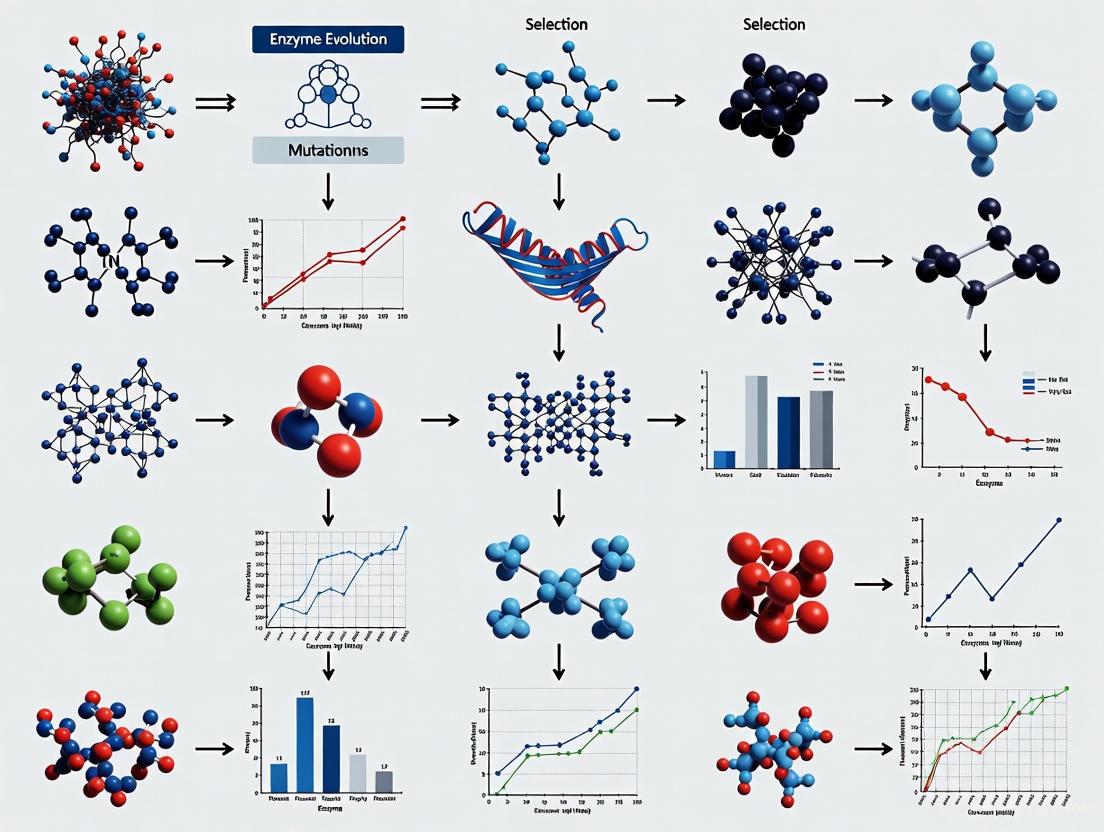
Directed evolution is a powerful tool for engineering enzymes, but its application is significantly hindered when target products are insoluble or gaseous, making them difficult to detect and link to...
Overcoming Insoluble and Gaseous Product Challenges in Directed Enzyme Evolution
Abstract
Directed evolution is a powerful tool for engineering enzymes, but its application is significantly hindered when target products are insoluble or gaseous, making them difficult to detect and link to cellular fitness. This article addresses the unique challenges posed by such products, like aliphatic hydrocarbons, in high-throughput screening. It explores foundational obstacles in detection and dynamic coupling, details advanced methodological solutions including biosensor development and AI-driven design, and provides troubleshooting strategies for assay optimization. By synthesizing current computational and experimental advances, this review offers a strategic framework for researchers and drug development professionals to engineer next-generation biocatalysts for sustainable chemistry and pharmaceutical applications.
The Invisible Hurdle: Why Insoluble and Gaseous Products Challenge Conventional Enzyme Evolution
Troubleshooting Guides and FAQs
Frequently Asked Questions
Q1: What makes certain enzymatic products like aliphatic hydrocarbons particularly difficult to detect and measure in vivo? Aliphatic hydrocarbons, which are target molecules for sustainable "drop-in" biofuels, present unique detection challenges due to their intrinsic physicochemical properties. These molecules are often chemically inert, insoluble in aqueous systems, and can be gaseous (e.g., butane, propane) at biological reaction temperatures. This makes it difficult to dynamically couple their production to cellular fitness in a selection-based directed evolution platform, and complicates the development of high-throughput screening assays [1].
Q2: Are there specific strategies for detecting gaseous enzymatic products? Yes, a primary strategy involves coupling product abundance directly to cellular fitness, a concept known as growth coupling. However, establishing this link for gaseous products is non-trivial. Alternative approaches focus on sensitive analytical techniques that can capture and quantify these molecules, though adapting them for high-throughput screening remains a significant challenge in directed evolution campaigns [1].
Q3: How can I detect and analyze transient reactive intermediates during enzymatic catalysis? Capturing reactive intermediates is challenging due to their fleeting lifespans. Online (real-time) mass spectrometry (MS) combined with microfluidic sampling has proven effective. This method allows for continuous, temporally resolved monitoring of enzymatic reactions. For instance, one study transposed a P450 enzyme reaction into an ammonium acetate buffer and sprayed it directly into a mass spectrometer, enabling the detection and temporal evaluation of multiple transient intermediate species, including resonating radical forms [2].
Q4: My enzyme produces an insoluble product that fouls my reactor or column. What can I do? Enzyme immobilization on a solid support can mitigate issues caused by insoluble products. Screening different immobilization strategies is crucial, as the method directly impacts biocatalyst kinetics, operational stability, and long-term performance. For example, CDI-agarose and NHS-agarose resins have been identified as effective supports for urease in continuous flow reactors, helping to maintain activity and stability [3].
Troubleshooting Common Experimental Issues
Problem: Low detected yield of an insoluble enzymatic product.
- Potential Cause: Product precipitation and adhesion to vessel surfaces or cell membranes, leading to inaccurate measurement.
- Solution:
- Extraction with organic solvents: Incorporate a step using a biocompatible organic solvent (e.g., dodecane, octanol) to continuously extract the product from the aqueous reaction mixture.
- Use of surfactants: Introduce detergents or biosurfactants to help solubilize the product, preventing its loss onto surfaces.
- Headspace analysis: For semi-volatile products, use techniques like Solid-Phase Microextraction (SPME) coupled to Gas Chromatography (GC) to capture and quantify volatilized molecules.
Problem: Inability to dynamically link product formation to host cell fitness for selection.
- Potential Cause: The product is inert in metabolism or even toxic to the host cell, preventing the establishment of a growth-based selection.
- Solution:
- Biosensor integration: Engineer a transcription factor that responds to the target product and links its presence to the expression of a selectable marker (e.g., an antibiotic resistance gene). This turns product concentration into a survival advantage [1].
- Product utilization pathways: Introduce a metabolic pathway that allows the host cell to use the problematic product as a carbon or energy source, directly coupling production to growth.
Problem: Need to capture and identify short-lived reactive intermediates.
- Potential Cause: Conventional spectroscopic techniques are too slow or lack the sensitivity to detect low-concentration, transient species.
- Solution:
- Real-time Mass Spectrometry: Utilize a custom-built pressurized sample infusion setup for online electrospray ionization mass spectrometry (ESI-MS). This allows you to continuously monitor the reaction mixture and capture intermediates stabilized in charged microdroplets [2].
- Radical Trapping: Employ radical markers like TEMPO, which can react with and "trap" radical intermediates. The trapped adducts are more stable and can be easily identified using tandem mass spectrometry (MS/MS) [2].
Experimental Protocols & Data Presentation
Protocol 1: Real-Time Capture of Reactive Intermediates via Online Mass Spectrometry
This protocol is adapted from a study investigating a P450-catalyzed oxidation reaction [2].
- Enzyme Preparation: Express and purify the enzyme of interest. Perform a buffer exchange into a volatile ammonium acetate buffer (e.g., 500 mM, pH 7.5) suitable for mass spectrometric analysis. Verify enzyme stability in this buffer using UV-Vis spectroscopy.
- Reaction Setup: In a reaction vial, combine the substrate (e.g., 1 mM 1-methoxynaphthalene) and enzyme (e.g., 5 μM CYP175A1) in the ammonium acetate buffer.
- Online MS Integration: Use a custom-built pressurized infusion setup to continuously draw from the reaction vial, diluting it via a mixing tee if necessary, and deliver it to a home-built electrospray ion source.
- Initiate Reaction: Inject a reactant (e.g., 40 μL of 250 mM H₂O₂) to start the catalysis while the MS is continuously operating.
- Data Acquisition: Operate the high-resolution mass spectrometer in real-time to detect analytes from the onset of the reaction. Monitor the time-dependent abundance of substrate, postulated intermediates, and final product.
- Intermediate Validation: Use tandem mass spectrometry (MS/MS) to fragment detected intermediates and confirm their structures based on fragmentation patterns.
Table 1: Key Reagents for Real-Time Intermediate Analysis [2]
| Reagent / Material | Function / Specification |
|---|---|
| Ammonium Acetate Buffer | Volatile buffer for MS compatibility; high concentration (500 mM) required for enzyme stability. |
| Custom Pressurized Infusion Setup | Continuously delivers the reaction mixture to the ESI source for real-time monitoring. |
| High-Resolution Mass Spectrometer | Accurately measures mass-to-charge (m/z) ratios of reactants, intermediates, and products. |
| TEMPO (Radical Marker) | Traps and stabilizes radical intermediates for identification via MS/MS. |
Protocol 2: Screening Enzyme Immobilization for Handling Problematic Products
This protocol provides a framework for evaluating immobilization methods to improve enzyme performance in flow reactors, which can be particularly useful for managing insoluble products [3].
- Immobilization Screening: Test various immobilization strategies (e.g., covalent binding on CDI-agarose or NHS-agarose, affinity binding, adsorption) focusing on immobilization efficiency and protocol simplicity.
- Kinetic Assay: Measure the kinetics (e.g., Michaelis-Menten constant (Km), maximum turnover (k{cat})) of the immobilized enzyme compared to the free enzyme.
- Scale-Up: Scale the best-performing immobilized biocatalyst preparation for reactor integration.
- Reactor Evaluation: Apply the immobilized enzyme to a continuous flow reactor. Evaluate key performance metrics such as product yield, operational stability (activity over time under reaction conditions), and long-term stability.
Table 2: Quantitative Comparison of Immobilization Methods for Urease [3]
| Performance Metric | Free Enzyme | CDI-Agarose-Urease | NHS-Agarose-Urease |
|---|---|---|---|
| Immobilization Efficiency | Not Applicable (N/A) | >90% (High) | >90% (High) |
| Relative Activity Retention | 100% (Baseline) | >80% | >80% |
| Operational Stability (in flow) | Low (washes away) | High | High |
| Long-term Stability | Low | Significantly Improved | Significantly Improved |
The Scientist's Toolkit: Research Reagent Solutions
Table 3: Essential Reagents and Materials for Troubleshooting Problematic Products
| Item | Function / Application |
|---|---|
| Covalent Immobilization Resins (e.g., CDI-agarose, NHS-agarose) | Solid supports for enzyme immobilization to enhance stability, allow reuse, and mitigate issues from insoluble products in continuous flow systems [3]. |
| Volatile Salts (e.g., Ammonium Acetate) | Essential for preparing enzyme samples for direct analysis by electrospray ionization mass spectrometry (ESI-MS) without interfering with ionization [2]. |
| Radical Trappers (e.g., TEMPO) | Chemical agents that react selectively with radical intermediates, forming stable adducts that can be identified via LC-MS/MS to elucidate reaction mechanisms [2]. |
| Deep Learning Models (e.g., CataPro) | Computational tools that predict enzyme kinetic parameters ((k{cat}), (Km)). Used for in silico screening and engineering of enzymes for improved activity before experimental work [4]. |
| Physics-Based Modeling Software | Molecular mechanics and quantum mechanics software for simulating enzyme structure, dynamics, and catalysis. Provides atom-level insights for rational design, especially when experimental data is scarce [5]. |
Workflow Visualization
Diagram: Workflow for Handling Problematic Products
Diagram: Real-Time Intermediate Analysis Workflow
Technical Support Center
Troubleshooting Guide: FAQs on Hydrocarbon-Producing Enzymes
Q1: Why is it so difficult to detect the activity of hydrocarbon-producing enzymes in vivo?
A: Detecting the activity of enzymes that produce aliphatic hydrocarbons presents unique challenges due to the physiochemical properties of the target molecules [6]. These compounds are often insoluble, gaseous, and chemically inert, making them difficult to measure using conventional biological assays [6]. Common issues include:
- Poor solubility of aliphatic hydrocarbons in aqueous systems limits accumulation in culture media [6]
- Gaseous products (e.g., butane, propane) readily escape cultivation systems and are difficult to contain and quantify [6]
- Lack of functional groups prevents easy detection using colorimetric or fluorescent assays [6]
- Difficulty coupling product abundance to cellular fitness for selection-based methods [6]
Q2: What strategies can improve screening efficiency for hydrocarbon-producing enzyme variants?
A: Successful directed evolution campaigns require creative solutions to overcome detection limitations [6] [7]:
- Use of surrogate substrates that generate detectable products while maintaining catalytic relevance [8]
- In vitro compartmentalization to physically separate variants and retain gaseous or insoluble products [8]
- Biosensor development that can dynamically respond to hydrocarbon production [6]
- Growth-coupling strategies where hydrocarbon production is linked to essential cellular processes [6]
- High-throughput analytical methods like mass spectrometry or chromatography for direct product quantification [8]
Q3: How can we address the fundamental challenge of linking genotype to phenotype for these enzymes?
A: This represents the primary bottleneck in directed evolution of hydrocarbon-producing enzymes [7]. Solutions include:
- Product entrapment systems using overlays or adsorbents to capture volatile compounds [8]
- Emulsion-based technologies that create microenvironments for reaction and detection [8]
- FACS-based methods using fluorescent reporters or product-specific probes [8]
- Microfluidic platforms for high-throughput single-cell analysis [7]
- MS-based screening that doesn't rely on specific substrate properties [8]
Table 1: Directed Evolution Methodologies for Hydrocarbon-Producing Enzymes
| Method Category | Specific Techniques | Throughput | Key Advantages | Key Limitations for Hydrocarbons |
|---|---|---|---|---|
| Diversity Generation | Error-prone PCR [7], DNA shuffling [7], Site-saturation mutagenesis [7] | Library size: 10³-10⁸ variants [7] | Access novel sequence space; no structural data needed [7] | Methodological biases (e.g., epPCR favors transitions) [7] |
| Screening Methods | Plate-based assays [7], Colorimetric/fluorimetric analysis [8], FACS [8] | 10³-10⁴ variants [7] | Quantitative data; well-established protocols [7] | Limited by hydrocarbon detectability; requires surrogate substrates [6] |
| Selection Methods | Growth coupling [6], Display techniques [8], QUEST [8] | 10⁵-10⁸ variants [7] | Ultra-high throughput; automatic enrichment [7] | Difficult to design for hydrocarbons; prone to artifacts [6] |
| Analytical Verification | GC/HPLC [8], MS-based methods [8], Biosensors [6] | 10¹-10³ variants/day | Direct product quantification; accurate measurement [8] | Low throughput; expensive equipment; specialized expertise [8] |
Table 2: Hydrocarbon Products and Their Detection Challenges
| Hydrocarbon Type | Example Molecules | Physical State | Key Detection Challenges | Potential Solutions |
|---|---|---|---|---|
| Gaseous Alkanes | Propane, Butane [6] | Gas at room temperature | Containment; quantification at low concentrations [6] | Headspace analysis; adsorption tubes; mass spectrometry [6] |
| Liquid Alkanes (C5-C15) | n-Octane, n-Dodecane [6] | Liquid; low water solubility | Partitioning into cell membranes; extraction efficiency [6] | Organic overlays; solid-phase microextraction; emulsion systems [6] |
| Terminal Alkenes | 1-Alkenes (C8-C16) [6] | Liquid; low water solubility | Lack of chromophores/fluorophores [6] | Chemical derivatization; surrogate substrates with detectable groups [6] |
| Branched Hydrocarbons | Isoprenoids [6] | Liquid; variable solubility | Structural complexity; isomer differentiation [6] | Advanced chromatography; tandem mass spectrometry [8] |
Experimental Workflow Visualization
Directed Evolution Workflow for Hydrocarbon Enzymes
Hydrocarbon Detection Challenge Pathways
The Scientist's Toolkit: Research Reagent Solutions
Table 3: Essential Research Materials for Hydrocarbon Enzyme Engineering
| Reagent/Category | Specific Examples | Function/Purpose | Application Notes |
|---|---|---|---|
| Diversity Generation | Error-prone PCR kits [7], DNaseI (for DNA shuffling) [7], Saturation mutagenesis primers [7] | Create genetic variation in target enzyme genes | Control mutation rate with Mn²⁺ concentration [7]; Use family shuffling for homologous genes [7] |
| Screening Aids | Surrogate substrates with chromophores [8], Fluorescent biosensors [6], Organic overlays (e.g., decane) [6] | Enable detection of enzyme activity despite hydrocarbon properties | Validate that surrogate results correlate with natural substrates [8]; Use overlays to capture insoluble products [6] |
| Selection Tools | Growth-coupling strain backgrounds [6], Antibiotics for selection pressure [7], Indicator dyes [8] | Link desired enzyme activity to cellular survival or visible phenotype | Design must ensure tight coupling between production and fitness [6] |
| Analytical Standards | Authentic hydrocarbon standards [8], Internal standards (e.g., deuterated alkanes) [8], Derivatization reagents [6] | Quantify and identify reaction products accurately | Essential for GC/MS, HPLC quantification; use for method calibration [8] |
| Expression Systems | Specialized vectors (e.g., for cytochrome P450 expression) [6], Engineered host strains [6], Cofactor supplementation systems [6] | Support functional expression of hydrocarbon-producing enzymes | Critical for enzymes like OleTJE (P450) that require specific cofactors [6] |
Directed evolution (DE) of enzymes for sustainable fuel and chemical synthesis often targets aliphatic hydrocarbons. However, a significant challenge arises when engineering enzymes to produce other insoluble, gaseous, or chemically inert molecules [6]. The physiochemical properties of these target molecules—such as low water solubility, volatility, and low chemical reactivity—make them difficult to detect in vivo. This complicates the establishment of high-throughput screening or selection methods, which are the cornerstones of successful DE campaigns [6]. This guide addresses the specific troubleshooting needs for researchers expanding their enzyme evolution work beyond alkanes to a broader range of challenging targets.
Troubleshooting Guides & FAQs
FAQ: Detection and Assay Development
Q: What are the main challenges in developing high-throughput screens for enzymes producing gaseous products?
A: The primary challenge is dynamically coupling the intracellular concentration of a gaseous product to a measurable signal or cellular fitness [6]. Gases like butane or propane can quickly diffuse out of the cell, preventing accumulation to a local concentration high enough to be detected by a biosensor or to trigger a genetic circuit. Furthermore, many of these molecules are chemically inert, making them poor substrates for secondary enzymatic reactions that could generate a detectable chromophore [6].
Q: How can I improve the stability and activity of my enzyme when working with insoluble substrates?
A: Maintaining enzyme stability is paramount. Keep enzymes cold and in optimal pH buffers to prevent denaturation, which is more likely when cellular chaperones are absent in vitro [9]. For insoluble substrates, consider enzyme engineering strategies like miniaturization. Smaller enzymes often demonstrate enhanced thermostability and resistance to proteolysis, which can be beneficial in harsh reaction conditions sometimes used to improve substrate solubility [10]. Furthermore, coupling your primary reaction to a secondary reaction that produces a detectable chromophore is a classic and effective solution for assaying enzymes where the primary substrates or products are hard to detect [9].
Q: My enzyme variant library shows promise in vitro, but fails in vivo. What could be wrong?
A: This is a common issue. The in vitro assay conditions may not accurately reflect the complex intracellular environment, including differences in pH, ionic strength, or the presence of inhibitors. The enzyme may also be misfolding or forming inclusion bodies in vivo. Strategies to address this include:
- Optimizing Expression: Use lower induction temperatures or different expression strains.
- Enzyme Engineering: Consider engineering smaller, more robust enzyme variants. Miniature enzymes frequently show improved folding efficiency and a higher probability of soluble expression, which can directly translate to better in vivo performance [10].
- Coupling to Fitness: Develop a selection strategy where production of the target molecule is essential for growth, forcing the host to solve folding and stability issues [6].
FAQ: Host Engineering and Selection
Q: What host organisms are suitable for evolving enzymes that produce toxic or insoluble products?
A: The choice of host is critical. For toxic products, robust bacterial hosts like E. coli or B. subtilis with engineered efflux pumps or stress-response pathways can be used. For insoluble products, hosts with altered membrane composition or the ability to form storage structures (e.g., lipid droplets) may be beneficial. A promising strategy is to use hosts that can utilize the target molecule as a carbon or energy source, creating a direct link between product synthesis and cellular fitness [6].
Q: How can I create a selection for an inert gaseous product that doesn't interact with any known biosensor?
A: This is a non-trivial problem. One approach is to use the gas as a substrate for a second enzyme in a biosynthetic pathway that produces a essential metabolite. Alternatively, you can engineer a biosensor from scratch. This involves identifying a transcription factor that naturally responds to a structurally similar molecule and then using directed evolution to rewire its specificity to recognize your target gas [6]. Computational tools, including physics-based modeling, can help identify potential binding pockets and key residues to mutate for this purpose [5].
Experimental Protocols
Protocol 1: Coupled Assay for Detecting Chemically Inert Products
This protocol provides a methodology for detecting a target product by coupling its formation to a secondary enzymatic reaction that generates a measurable signal.
1. Principle: The primary reaction (catalyzed by your engineered enzyme) produces a molecule (C). Molecule C serves as a substrate for a highly active, commercial coupling enzyme, which then produces a chromophore (Z) that can be detected spectrophotometrically [9].
A + B « Enzyme of interest » C + D (No wavelength change)
C + X « Coupling enzyme » Y + Z (Z absorbs at a specific wavelength, e.g., 340 nm)
2. Reagents:
- Purified enzyme variants
- Substrates A and B
- Coupling enzyme
- Substrate X
- Appropriate reaction buffer
- Spectrophotometer
3. Procedure: 1. Prepare a master mix containing buffer, substrates A, B, and X, and the coupling enzyme. 2. Dispense the master mix into a multi-well plate. 3. Initiate the reaction by adding different purified enzyme variants to each well. 4. Immediately place the plate in a plate reader and monitor the absorbance at the wavelength specific to chromophore Z (e.g., 340 nm) over time. 5. The rate of change in absorbance is proportional to the activity of your primary enzyme of interest.
4. Troubleshooting:
- No Signal: Ensure the coupling enzyme is active and that its substrate X is present in excess.
- High Background: Purify your enzyme variants to remove any contaminants that might react with the coupling system. Test the coupling system without your primary enzyme to establish the background signal.
Protocol 2: In Vivo Selection Strategy for Gaseous Products
This protocol outlines a strategy for linking the production of a gaseous product to host cell survival.
1. Principle: Engineer the host strain to be auxotrophic for a metabolite that can be synthesized from the gaseous target. Alternatively, use a strain that can use the gas as a sole carbon or energy source. Only cells expressing enzyme variants that produce the gas above a certain threshold will survive and proliferate under selective conditions [6].
2. Reagents:
- Engineered auxotrophic or specialized microbial host strain
- Selective growth medium (lacking the essential metabolite, or with the gas as the sole carbon source)
- Library of enzyme variants
- Anaerobic chamber or sealed bioreactor (for gaseous products)
3. Procedure: 1. Transform the library of enzyme variants into your engineered host strain. 2. Plate the transformed cells onto selective medium. 3. Incubate the plates or cultures under controlled atmospheric conditions (e.g., in a sealed vessel with a defined headspace for gases). 4. Collect the growing colonies after a period of selection. These colonies harbor enzyme variants with enhanced activity for producing the target molecule. 5. Isolate the plasmid DNA from these colonies and sequence the gene of interest to identify beneficial mutations.
4. Troubleshooting:
- No Growth: The selective pressure may be too strong. Titrate the concentration of the essential metabolite in the medium to find a level that allows a clear distinction between high and low producers. Verify the functionality of the engineered metabolic pathway in the host.
- Background Growth: The host strain may have leaky expression or an alternative pathway. Further engineer the host to tighten metabolic control and eliminate bypass routes.
Data Presentation
Table 1: Comparison of Detection Methods for Challenging Enzyme Products
| Product Type | Key Challenge | Example Detection Method | Throughput | Key Limitations |
|---|---|---|---|---|
| Gaseous (e.g., Propane) | Volatility, low solubility, chemical inertness [6] | Headspace analysis (GC), in vivo selection [6] | Low to Medium | Requires specialized equipment; difficult to couple to fitness dynamically [6] |
| Insoluble Alkanes (Liquid) | Low aqueous solubility, partitioning into cell membranes [6] | Extraction & GC-MS, coupled enzyme assays [9] | Medium | Destructive sampling; complex multi-step assays [9] |
| Chemically Inert Molecules | Lack of reactive functional groups [6] | Coupled enzyme assays, biosensors [6] [9] | Medium to High | Requires identification/engineering of a specific coupling enzyme or biosensor [6] |
Workflow Visualization
Decision Workflow for Enzyme Engineering Projects
The Scientist's Toolkit: Research Reagent Solutions
Table 2: Essential Reagents for Evolving Enzymes for Challenging Targets
| Reagent / Material | Function in Research | Key Considerations |
|---|---|---|
| Coupled Enzyme Systems | Provides a detectable output (e.g., chromophore) for reactions with non-detectable substrates/products [9]. | Must be highly active and specific; can be expensive. Requires optimization of ratios. |
| Specialized Microbial Hosts | Engineered chassis for in vivo selection (e.g., auxotrophs, gas-utilizing strains) [6]. | Host engineering can be complex; must ensure compatibility with enzyme expression and product pathway. |
| Sealed Bioreactors / Multi-well Plates | Contains gaseous products, allowing for build-up of headspace concentration for analysis or selection [6]. | Critical for handling volatile targets. Enables controlled atmospheric conditions. |
| Fast Protein Liquid Chromatography (FPLC) | Purifies enzyme variants to homogeneity for accurate in vitro biochemical characterization [9]. | Essential for removing cellular contaminants that can interfere with sensitive assays. |
| Chromatography Columns (Ion Exchange, Size Exclusion) | Separates proteins based on charge or size during purification [9]. | A combination of techniques is often needed for high-purity enzyme preparation. |
In vitro enzyme evolution strategies, such as directed evolution, often rely on a fundamental principle: creating a direct link (or "coupling") between an enzyme's improved function and the host organism's survival or growth advantage (fitness). However, this approach hits a critical roadblock—the Fitness Coupling Bottleneck—when the desired enzymatic reaction produces insoluble or gaseous products. These products fail to generate a detectable growth signal within the host, making natural selection mechanisms ineffective for screening and optimization. This technical support center provides targeted troubleshooting guides and methodologies to help researchers overcome these specific challenges in enzyme evolution experiments.
Understanding the Core Problem
Why Natural Selection Fails with Insoluble or Gaseous Products
In a typical directed evolution experiment, an enzyme's enhanced activity is coupled to the host cell's growth rate or survival. For example, an enzyme that more efficiently metabolizes a carbon source allows the host to grow faster, enabling easy screening of superior variants. This coupling breaks down when the reaction products are insoluble or gaseous:
- No Detectable Fitness Signal: Insoluble products precipitate out of solution and cannot be utilized in subsequent cellular metabolic pathways that generate growth signals. Gaseous products simply diffuse away [11] [12].
- Cellular Toxicity: The accumulation of insoluble products as inclusion bodies can be toxic to the host cell, actively selecting against the most active enzyme variants rather than for them [13].
- Uncoupled Phenotype: The cell's growth rate becomes completely uncoupled from the enzyme's catalytic activity, rendering natural selection powerless [12].
The diagram below illustrates this central bottleneck in the evolutionary workflow.
Diagram Title: Fitness Coupling Bottleneck in Enzyme Evolution
Troubleshooting Guides & FAQs
Frequently Asked Questions
Q1: My desired enzyme reaction produces a gaseous product. How can I detect positive clones without a growth signal? A1: Growth-based selection is ineffective. Implement a high-throughput screening (HTS) method instead. Techniques like Fluorescence-Activated Cell Sorting (FACS) combined with product entrapment are ideal. A fluorescent substrate that can freely diffuse into and out of cells is used. When your active enzyme variant converts this substrate, the fluorescent product is physically trapped inside the cell due to its size or polarity. FACS can then sort these brightly fluorescent cells, enabling isolation of active enzyme variants without relying on growth [14].
Q2: The enzyme I am evolving forms insoluble inclusion bodies in E. coli. What strategies can improve soluble expression? A2: Inclusion body formation is a common challenge in recombinant enzyme expression. Consider these strategies systematically [13]:
- Modify Expression Conditions: Lower the induction temperature (e.g., to 18-25°C) and reduce inducer concentration (e.g., IPTG). This slows protein synthesis, allowing more time for proper folding.
- Use Fusion Tags: Fuse your enzyme with solubility-enhancing tags like maltose-binding protein (MBP) or thioredoxin (Trx).
- Co-express Chaperones: Co-express molecular chaperones (e.g., GroEL/GroES) in the host strain to assist with folding.
- Try Different Host Strains: Use specialized E. coli strains like Origami(DE3) or BL21(DE3)pLysS, which enhance disulfide bond formation or reduce basal expression, respectively.
Q3: How can I create novel enzyme functions that nature has not evolved, especially for non-natural substrates? A3: Traditional directed evolution is constrained by natural evolutionary history. To escape this, use AI-driven generative models for de novo enzyme design [12]. These models learn the sequence-structure-function relationships of proteins and can be conditioned on a desired chemical reaction—even one without a known natural enzyme—to generate novel protein sequences predicted to catalyze it. This shifts the paradigm from searching for existing solutions to designing new ones from scratch.
Q4: What are the best practices for performing restriction enzyme digestion to avoid incomplete digestion or star activity that could ruin my cloning for enzyme library construction? A4: Incomplete digestion or star activity (cleavage at non-canonical sites) can compromise your genetic constructs. Adhere to these guidelines [15] [16]:
- Avoid Excess Glycerol: Keep the final glycerol concentration in the reaction below 5%. Do not add more than 1-2 μL of enzyme to a 20 μL reaction.
- Use Recommended Buffers: Always use the manufacturer's supplied buffer, which contains optimal Mg²⁺ and salt concentrations.
- Limit Enzyme Amount and Time: Use the minimum units of enzyme per μg DNA and the shortest incubation time needed for complete digestion to minimize star activity.
- Ensure Pure DNA: Remove contaminants like SDS, EDTA, or salts from your DNA preparation using spin-column purification.
Advanced Methodologies for Specific Challenges
High-Throughput Screening (HTS) Methods for Insoluble Products
When products are insoluble, you must move beyond growth selection to HTS. The table below compares key methods.
Table 1: High-Throughput Screening Methods for Insoluble Product Scenarios
| Method | Principle | Throughput | Best For | Key Considerations |
|---|---|---|---|---|
| FACS with Product Entrapment [14] | Fluorescent product is trapped inside cells expressing active enzymes. | Very High (up to 30,000 cells/sec) | Intracellular enzymes; reactions with fluorogenic substrates. | Requires a substrate that changes properties (size/polarity) upon reaction. |
| In Vitro Compartmentalization (IVTC) [14] | Reactions are confined in water-in-oil emulsion droplets, linking gene and product. | Very High | Any enzyme, especially where substrate diffusion is an issue. | Requires optimization of cell-free transcription/translation systems. |
| Cell Surface Display [14] | Enzyme is displayed on the cell surface; product is captured and detected via fluorescence. | High | Secreted or surface-anchored enzymes; bond-forming enzymes. | Compatible with FACS. Efficient for enrichment; demonstrated 6,000-fold clone enrichment in one round. |
| Digital Imaging (DI) [14] | Colorimetric assay on solid-phase (e.g., agar plates) to detect colony coloration changes. | Medium | Hydrolytic enzymes (e.g., glycosidases, proteases). | Relies on simple colorimetric assays; excellent for initial, lower-cost screening. |
| Resonance Energy Transfer (RET) [14] | Enzymatic cleavage separates a fluorophore-quencher pair, increasing fluorescence. | High | Proteases, nucleases, and other bond-cleaving enzymes. | Requires specific fluorescent substrate design. |
Directed Evolution Protocol Using MutaT7 for Improved Enzymes
Traditional directed evolution using error-prone PCR is slow and introduces limited mutations. The following protocol uses the MutaT7 continuous evolution system to rapidly improve enzyme efficiency, as demonstrated for the Rubisco enzyme [17].
1. Objective: To rapidly generate and select for enzyme variants with enhanced catalytic efficiency (e.g., higher kcat) or altered specificity (e.g., reduced activity with an interfering substrate like oxygen).
2. Reagents and Equipment:
- MutaT7 System: Plasmid(s) encoding the T7 RNA polymerase mutant and the gene of interest under a T7 promoter.
- Host Strain: An appropriate E. coli expression strain (e.g., BL21(DE3)).
- Selection Media: Growth media that applies selective pressure (e.g., minimal media where improved enzyme activity confers a growth advantage).
- Shaking Incubators: For cell growth at various temperatures.
- Sequencing Reagents: For Sanger or NGS of evolved gene variants.
3. Experimental Workflow:
Diagram Title: MutaT7 Continuous Directed Evolution Workflow
4. Key Steps:
- Step 1: Construct the initial library by cloning your gene of interest into the MutaT7 system.
- Step 2: Culture the cells in conditions that apply the desired selective pressure. For example, to reduce Rubisco's oxygenation activity, cells were grown in an oxygen-rich atmosphere [17]. The MutaT7 system continuously introduces random mutations in vivo during this growth phase.
- Step 3: Over multiple generations (e.g., 6 rounds as in the Rubisco study [17]), beneficial mutations that improve fitness under the selection pressure will enrich in the population.
- Step 4-6: Isolate clones, sequence their genes to identify mutations, and biochemically validate the improvements.
5. Critical Notes:
- This protocol is powerful for overcoming fitness bottlenecks where a clear growth coupling can be established.
- If growth coupling is impossible (e.g., with insoluble products), this method must be combined with a high-throughput pre-screening step (like FACS) to isolate active clones before applying growth pressure on a smaller, pre-enriched library.
The Scientist's Toolkit: Essential Research Reagents
Successful enzyme evolution requires a suite of specialized reagents and tools. The following table details key solutions for constructing and screening enzyme libraries.
Table 2: Key Research Reagent Solutions for Enzyme Evolution
| Reagent / Tool | Function | Example Use Case | Specific Examples |
|---|---|---|---|
| MutaT7 System [17] | Enables continuous in vivo mutagenesis during host cell growth. | Rapid directed evolution without manual mutagenesis rounds. | Used to evolve Rubisco, achieving 25% higher catalytic efficiency. |
| Specialized Polymers for Solubility [18] | Enhance solubility and stability of enzymes or products in amorphous solid dispersions. | Improving solubility of hydrophobic enzyme substrates or products. | HPMC, HPMCAS, PVP, PVP-VA (e.g., in NORVIR, INCIVEK). |
| Fluorogenic Substrates [14] | Generate a fluorescent signal upon enzymatic conversion. | FACS-based screening via product entrapment or FRET assays. | Substrates for glycosyl-transferases, proteases. |
| rAlbumin Buffers [16] | BSA-free restriction enzyme buffers to prevent unwanted side reactions. | Clean, efficient DNA digestion for precise library construction. | NEB's BSA-free restriction enzyme buffers. |
| Solubility-Enhancing Fusion Tags [13] | Improve soluble expression of recombinant enzymes in E. coli. | Overcoming inclusion body formation of target enzymes. | Maltose-Binding Protein (MBP), Thioredoxin (Trx). |
| Chaperone Plasmid Kits [13] | Co-express molecular chaperones to assist with protein folding. | Co-expression to prevent aggregation of difficult-to-express enzymes. | Plasmids encoding GroEL/GroES, DnaK/DnaJ/GrpE. |
| High-Fidelity (HF) Restriction Enzymes [16] | Engineered enzymes that cut with high specificity and reduced star activity. | Reliable cloning of enzyme variant genes into expression vectors. | NEB's HF restriction enzymes (e.g., NdeI-HF, EcoRI-HF). |
The Fitness Coupling Bottleneck presents a significant but surmountable challenge in enzyme evolution. By understanding its roots in the physical properties of reaction products and employing the advanced troubleshooting guides, screening methodologies, and specialized reagents outlined in this technical support center, researchers can systematically overcome these limitations. The future of overcoming this bottleneck lies in integrating these classical methods with emerging AI-driven design frameworks [12], which promise to move the field from merely searching the limited space of natural enzymes to designing entirely new biocatalysts from scratch.
Advanced Toolkits: Methodologies for Screening and Selecting Evolved Enzymes with Challenging Products
Biosensor-driven selection represents a paradigm shift in directed evolution and metabolic engineering. This approach dynamically links the intracellular concentration of a target molecule, such as an enzyme product, directly to host cell survival or fitness. Unlike traditional screening methods that require individual analysis of clones, biosensor-based selection enables automatic and continuous enrichment of high-performing variants from vast libraries simply by growing the culture. This method is particularly invaluable for engineering enzymes that produce challenging molecules, including insoluble or gaseous hydrocarbons, which are difficult to detect using conventional high-throughput methods [6]. The core principle relies on a genetically encoded biosensor that detects a specific product and, in response, activates the expression of a essential gene for survival, thereby creating a direct growth-based selection pressure for improved producers [19].
Technical Support & FAQs
This section addresses common experimental challenges encountered when implementing biosensor-driven selection systems.
Biosensor Functionality Issues
Q: My biosensor shows no activation even when the target product is added externally. What could be wrong? A: This can result from several factors. First, verify that your product can cross the cell membrane and accumulate intracellularly; some products may require specific transporters. Second, confirm the biosensor's genetic components—promoter, transcription factor, and reporter—are all functional by testing with a known positive control ligand if available. Third, ensure the biosensor is expressed in a compatible host; factors like host-specific methylation or transcription machinery can affect performance. Finally, consider the biosensor's dynamic range and limit of detection; your added product concentration may be outside its operational range [19].
Q: The biosensor has a high background signal in the absence of the product, reducing the selection window. How can this be improved? A: High background noise often stems from leaky expression from the biosensor's promoter. To address this, you can:
- Optimize the ribosome binding site (RBS) downstream of the promoter to reduce basal translation.
- Employ a dual-operator system to strengthen repression in the uninduced state.
- Use a degradation tag on the reporter protein (e.g., an essential survival factor) to lower its half-life and reduce accumulation during leaky expression.
- Re-evolve the transcription factor for tighter DNA binding in the absence of the ligand [19].
Challenges with Insoluble or Gaseous Products
Q: How can I use a biosensor for products that are insoluble or form aggregates inside the cell? A: Insoluble products may not be accessible to the biosensor if it is expressed in the cytoplasm. Consider these strategies:
- Relocalize the biosensor: Target the transcription factor or the entire biosensor system to the site of aggregation or to membrane compartments.
- Employ a surrogate sensor: Develop a biosensor for a soluble, pathway-intermediate metabolite that is in metabolic equilibrium with your final, insoluble product.
- Engineer product solubility: Co-express chaperones or introduce mutations in the product synthase to alter the product's physicochemical properties, promoting solubility [6].
Q: My target product is gaseous (e.g., propane, butane). How can a biosensor detect it? A: Gaseous products present a unique challenge as they can rapidly diffuse out of the cell. Potential solutions include:
- High-density culturing: Performing selections in sealed, high-density cultures can increase the local concentration of the gaseous product in the headspace and media, facilitating re-uptake.
- Two-phase systems: Using a hydrophobic organic overlay (e.g., decane) in the culture can capture gaseous products, maintaining a reservoir for the biosensor to detect.
- Indirect sensing: Evolve a biosensor to detect a soluble, chemically-stable precursor or a cellular stress response induced by the gaseous product [6].
Selection System Performance
Q: The selection pressure is too weak, and low-performing variants are not being efficiently killed. How can I increase the stringency? A: The strength of selection can be tuned by:
- Weakening the essential gene's promoter: Reduce the expression level of the survival factor, making cells more dependent on strong biosensor activation.
- Using a more critical essential gene: Replace the survival factor with a gene essential for fundamental processes like ATP production or cell wall integrity.
- Gradually increasing selection pressure: Perform successive rounds of selection while progressively diluting the external supplementation of the product or survival factor, forcing cells to produce more of the target product to survive [20].
Q: During selection, I observe the emergence of "cheater" mutants that survive without producing the product. How can I prevent this? A: Cheaters often arise from mutations that decouple survival from product detection. Mitigation strategies include:
- Incorporating a negative selection: Include a toxin gene that is expressed in the absence of the biosensor signal. This actively kills cells that inactivate the biosensor.
- Using multiple essential genes: Place two different essential genes under the control of distinct promoters that are both activated by the biosensor, reducing the probability of simultaneous inactivation.
- Minimizing serial passaging: Perform fewer, more stringent selection cycles to limit the time for cheater evolution [19].
Troubleshooting Common Experimental Problems
The table below summarizes frequent issues, their potential causes, and recommended solutions.
Table 1: Troubleshooting Guide for Biosensor-Driven Selection Experiments
| Problem | Potential Causes | Recommended Solutions |
|---|---|---|
| No cell growth after selection | 1. Essential gene is non-functional.2. Biosensor is cytotoxic.3. General host toxicity from product or pathway. | 1. Test essential gene function in a complementation assay.2. Check growth with and without biosensor plasmid.3. Assess product tolerance and use a more robust host. |
| All cells grow, no selection | 1. Survival factor is leakily expressed.2. Contamination with antibiotics or nutrients.3. Biosensor is unresponsive. | 1. Strengthen promoter repression; use degradation tags.2. Use defined media and fresh antibiotics.3. Validate biosensor function with a positive control. |
| Low enrichment factor | 1. Weak selection pressure.2. Low biosensor sensitivity (high EC50).3. Product diffusion/export from cell. | 1. Tune down survival factor expression.2. Evolve biosensor for higher sensitivity and lower EC50 [19].3. Engineer product retention or use sealed cultures. |
| Unstable sensor performance | 1. Genetic instability of plasmid.2. Host mutations that silence the system. | 1. Use genomic integration for key components.2. Use neutral sites for integration; employ a negative selection against cheaters. |
Key Experimental Protocols
Protocol 1: Developing a Product-Specific Transcription Factor Biosensor
This protocol outlines the directed evolution of a biosensor for a novel small molecule, based on the successful evolution of a RamR-based sensor for 4'-O-methylnorbelladine [19].
1. Materials and Reagents:
- Plasmids: (i) Regulator plasmid (e.g., pReg-RamR) for constitutive expression of the TF. (ii) Reporter plasmid with the TF's cognate promoter driving a reporter gene (e.g.,
sfGFPfor screening, or an essential gene for selection). - Host Strain: An appropriate microbial host (e.g., E. coli).
- Libraries: Site-saturated mutagenesis libraries targeting residues in the ligand-binding pocket of the TF.
- Media: Defined growth media suitable for the host.
2. Procedure:
- Step 1: Initial Screening. Transform the wild-type TF and reporter plasmids into the host. Induce with the target product and measure reporter signal (e.g., fluorescence) to confirm baseline responsiveness.
- Step 2: Positive Selection for Function. Transform the TF mutant library into cells harboring the reporter plasmid with the essential survival gene. Grow cells without the target product. This enriches for library members that can repress the essential gene and survive, ensuring functional TFs.
- Step 3: Negative Selection/Screening for Specificity. Take the enriched pool from Step 2 and grow it in the presence of a high concentration of an off-target molecule (e.g., a pathway precursor). Cells whose biosensors are activated by this off-target molecule will express the survival gene and live. To counter-select these, you can use a toxin gene instead of a survival gene in this step, or simply use fluorescence-activated cell sorting (FACS) to collect non-fluorescent cells.
- Step 4: Final Screening for Sensitivity. Isolate clones from the previous step and assay their fluorescence response across a range of target product concentrations. Identify variants with the lowest effective concentration for 50% activation (EC50) and highest fold-induction [19].
- Step 5: Validation. Characterize the top biosensor variants for dynamic range, specificity, and limit of detection before deploying them in selection experiments.
The workflow for this directed evolution process is illustrated below.
Protocol 2: Implementing Biosensor-Driven Selection for Enzyme Evolution
This protocol describes how to use an evolved biosensor to engineer an enzyme for improved production of a target molecule [19].
1. Materials and Reagents:
- Evolved Biosensor System: Genomically integrated or on a stable plasmid.
- Enzyme Library: A library of the enzyme you wish to evolve, generated via random or targeted mutagenesis.
- Selection Media: Minimal media lacking the essential nutrient whose rescue is linked to the biosensor, or containing a toxin for negative selection.
2. Procedure:
- Step 1: Library Transformation. Transform the enzyme variant library into the host strain equipped with the biosensor-driven selection system.
- Step 2: Selection Phase. Plate the transformed cells on solid selection media or grow them in liquid selection culture. Only cells that produce enough of the target molecule to activate the biosensor and express the survival factor will grow.
- Step 3: Enrichment and Analysis. Harvest the growing cells after an appropriate selection period. This population is enriched for beneficial enzyme variants. The selected pool can be subjected to further rounds of mutagenesis and selection to accumulate improvements.
- Step 4: Characterization. Isolate individual clones from the final selected pool and quantitatively measure their product titers using analytical methods like HPLC or LC-MS to confirm improved performance.
The logical flow of the selection system is shown in the diagram below.
The Scientist's Toolkit: Essential Research Reagents
Table 2: Key Research Reagent Solutions for Biosensor-Driven Selection
| Reagent / Tool | Function in Experiment | Examples / Notes |
|---|---|---|
| Malleable Transcription Factors | Core biosensor component; binds product and regulates transcription. | RamR [19], TetR, LacI. Chosen for known structure and evolvability. |
| Reporter Genes | Provides measurable output for biosensor activity. | Fluorescent Proteins (sfGFP): For screening. Antibiotic Resistance: For steady-state selection. Essential Metabolic Genes: For growth-coupled selection. |
| Liquid Handling Robots | Automates repetitive steps like library transformation and screening. | Critical for achieving high throughput in directed evolution pipelines (e.g., DRIVER platform) [21]. |
| Flow Cytometer (FACS) | Enables high-throughput screening and sorting of cell libraries based on biosensor fluorescence. | Allows isolation of cells based on biosensor activation level from large libraries (>10^8 cells) [19]. |
| Next-Generation Sequencing (NGS) | For characterizing library diversity and identifying enriched mutations after selection. | Used in methods like CleaveSeq to count cleaved and uncleaved reads for ribozyme-based sensors [21]. |
| Nanostructured Supports | Used for enzyme immobilization to enhance stability and reusability during in vitro selection schemes. | Nanoparticles, nanofibres, carbon nanotubes. Offer large surface area and high mechanical strength [22]. |
Visualization of a CysGA Tripartite Biosensor for Protein Stability
While this article focuses on product-sensing, biosensor architectures are highly versatile. The diagram below illustrates a tripartite CysGA biosensor used for in vivo monitoring of protein stability, demonstrating another powerful application of biosensor technology. In this system, the stability of a Protein of Interest (POI) directly influences the reconstitution of a fluorescent enzyme [20].
Troubleshooting Guides
HPLC Troubleshooting Guide
Problem: Erratic Flow or Pressure Fluctuations
- Q: My HPLC pump is showing highly erratic flow or pressure, or no flow at all. What could be the cause?
- A: This is frequently caused by gas bubbles within the high-pressure pump system. A gas bubble can interfere with the function of the pump's check valves, leading to unstable flow. This is most common in systems with low-pressure mixing, where two solvents are mixed before the pump. The mixture can have a lower gas solubility than the individual solvents, causing bubbles to form out of solution [23] [24].
- Diagnosis and Solutions:
- Confirm Degasser Function: Ensure your instrument's inline vacuum degasser is operating correctly. Modern LC systems predominantly use this method for its robustness [23] [24].
- Offline Degassing Test: As a diagnostic step, degas your mobile phase offline using a combination of sonication and applying a vacuum. If the problem resolves, the issue likely lies with your instrument's degassing system [24].
- Sparge Solvents: For a temporary fix or with older systems, helium sparging can be used to "scrub" dissolved gases from the solvents [24].
Problem: Unstable Baselines and Spiking in Detection
- Q: I am observing an unstable baseline with spiking patterns in my UV detector. What should I check?
- A: This is often a result of bubble formation within the optical flow cell of the detector. As the mobile phase pressure drops to atmospheric pressure in the detector, dissolved gases can reach their solubility limit and form tiny bubbles. These bubbles disrupt the light path, causing baseline noise and spikes [23] [24].
- Diagnosis and Solutions:
- Ensure Mobile Phase is Degassed: Proper degassing is the primary solution.
- Apply Backpressure: Installing a backpressure restrictor after the detector can maintain a sufficiently high pressure to keep gases dissolved in solution until the mobile phase exits the system [24].
Problem: High Backpressure
- Q: The backpressure in my HPLC system is consistently high or continues to climb. How can I address this?
- A: High backpressure typically indicates a clog or obstruction somewhere in the flow path, most commonly at the column inlet or in inline components [25].
- Diagnosis and Solutions:
- Check Inline Filter: If your system has one, the inline filter may be clogged. Replace the filter or its frit [26] [25].
- Use a Guard Column: Particulate matter or strongly adsorbed compounds from the sample can clog the analytical column inlet. Always use a guard column between the injector and the analytical column to trap these contaminants. A guard column contains a small amount of the same stationary phase and is much cheaper to replace than the analytical column [26].
- Reverse Flush Column: If the column is already clogged, carefully reversing the flow direction during a wash procedure can sometimes dislodge debris from the inlet frit [25].
Microfluidic Platform Troubleshooting Guide
Problem: Channel Blockage in Droplet Generation
- Q: The microchannels in my droplet-based microfluidics chip are getting blocked, disrupting droplet formation. What can I do?
- A: Channel blockage is a common issue that can halt high-throughput screening.
- Diagnosis and Solutions:
- Filter Solutions: Always filter all aqueous and oil phase solutions using a syringe filter (e.g., 0.2 or 0.45 µm) before introducing them to the chip to remove particulates [27].
- Use Surfactants: In droplet-based systems, surfactants are essential. They stabilize the formed droplets, preventing them from coalescing and adhering to the channel walls, which can lead to blockages [27].
- Design Considerations: Use chips fabricated from materials like Polydimethylsiloxane (PDMS), which is biocompatible and transparent, allowing for real-time observation of blockages [27].
Frequently Asked Questions (FAQs)
Q1: Why is degassing still a critical step in modern HPLC, and what is the best technique? A: Despite advancements, degassing remains critical because bubble formation can cause pump failure and detector instability. Inline vacuum degassing has become the dominant method due to its robustness, ease of use, and continuous operation. It pulls a vacuum around a polymer tube through which the solvent flows, efficiently removing dissolved gases [23] [24].
Q2: How can I protect my expensive HPLC column from complex biological samples? A: A multi-layer protection strategy is recommended:
- Inline Filter: Install a 0.2-2.0 µm inline filter between the injector and the column to trap particulate matter shed from the injector rotor seal [26].
- Guard Column: Use a guard column containing the same stationary phase as your analytical column. It will trap chemically active contaminants that strongly adsorb to the stationary phase, preserving the life and performance of your analytical column [26].
Q3: My research involves screening enzyme mutants against gaseous substrates. Which high-throughput platform is most suitable? A: Droplet-based microfluidics (DBM) is an excellent platform for this challenge. You can generate thousands of picoliter-to-nanoliter droplets per second, each acting as an isolated microreactor. A gaseous substrate can be pre-dissolved in the aqueous or oil phase, or the gas-permeability of certain chip materials (like PDMS) can be leveraged to control the gaseous microenvironment within each droplet, enabling high-throughput screening of enzymatic activity under relevant conditions [27] [28].
Q4: How can I combine a functional enzymatic screen with the identification of novel products in a single workflow? A: You can integrate a microfluidic chip-based enzymatic assay directly with capillary liquid chromatography and mass spectrometry (LC-MS). The chip performs the enzymatic reaction in a continuous-flow microreactor, and the effluent is directly injected into the LC-MS system. This allows for simultaneous measurement of biological activity (e.g., enzyme inhibition or product formation) and chemical identification of the products or inhibitors [29].
Experimental Protocols
Protocol 1: Offline Vacuum Degassing of Mobile Phases (for troubleshooting)
This protocol is useful when diagnosing degassing issues or when preparing mobile phases for instruments without inline degassers.
- Prepare Solvent: Pour the solvent or mobile phase into a clean, sturdy-sided glass flask (e.g., a sidearm flask).
- Apply Vacuum: Seal the flask with a stopper connected to a vacuum source. A house vacuum system or a dedicated vacuum pump is suitable.
- SAFETY: Ensure the flask is free of cracks. Use a safety shield to protect against implosion, especially with volatile solvents.
- Sonicate: While under vacuum, place the flask in an ultrasonic bath for 5-10 minutes. You will observe a vigorous rush of bubbles as gases come out of solution.
- Release Vacuum: Slowly release the vacuum before turning off the sonicator. The solvent is now degassed and can be used [24].
Protocol 2: Setting Up a Droplet-Based Microfluidic Screen for Enzyme Activity
This protocol outlines the key steps for creating a high-throughput enzyme screen using droplet microfluidics.
- Chip Priming: Select a PDMS-based droplet generation chip with a flow-focusing or T-junction geometry. Prime the channels with the continuous phase (e.g., a fluorinated oil with a compatible surfactant) to ensure all channels are filled and to prevent unwanted droplet formation during setup.
- Library Preparation: Prepare your library of enzyme variants (e.g., in E. coli cells or as lysates) in an aqueous buffer containing a fluorogenic or chromogenic substrate.
- Droplet Generation: Connect the aqueous phase (enzyme + substrate) and the continuous phase (oil + surfactant) to the chip inlets using syringes and tubing. Use syringe pumps to control the flow rates precisely. Stable, monodisperse droplets will form at the junction.
- Incubation and Analysis: Collect the droplets in a capillary tube or off-chip reservoir for incubation. Analyze the droplets for the desired signal (e.g., fluorescence) using an on-chip or off-chip detector to identify hits [27].
Workflow Visualization
Research Reagent Solutions
The following table details key materials and reagents essential for the experiments and troubleshooting covered in this guide.
Table: Essential Reagents for HPLC and Microfluidic Applications
| Item | Function/Application | Key Considerations |
|---|---|---|
| Inline Filter (0.2-2.0 µm) | Traps particulate matter in HPLC flow path to protect the column. | Place between injector and column. Replace regularly as part of maintenance [26]. |
| Guard Column | Traps chemically active contaminants from samples; contains same phase as analytical column. | Length typically 5-10 mm. Cost-benefit is favorable for dirty samples [26]. |
| C18 Trap Column | Removes lipophilic contaminants from mobile phase, crucial for trace analysis (e.g., PFAS). | Can be placed on aqueous solvent line (high-pressure mixing) or after mixer [26]. |
| Polydimethylsiloxane (PDMS) | Polymer for fabricating microfluidic chips. | Biocompatible, transparent, gas-permeable. Ideal for cell culture and gaseous substrates [27]. |
| Fluorinated Oil + Surfactant | Continuous phase in droplet-based microfluidics. | Stabilizes droplets, prevents coalescence, and enables long-term incubation of reactions [27]. |
| Hydrophilic Interaction Chromatography (HILIC) Column | Complementary separation mechanism to RPLC. | Retains very polar metabolites poorly retained in RPLC, providing orthogonal separation for metabolomics [30]. |
FAQs: Core Concepts and Definitions
What is the role of machine learning in enzyme engineering for gaseous substrates? Machine learning (ML), a subset of Artificial Intelligence (AI), provides the predictive capabilities crucial for enzyme engineering [31]. For gaseous substrates, ML models can predict how enzyme variants might interact with insoluble or gaseous molecules, helping researchers prioritize which mutants to synthesize and test physically. This is a powerful alternative to traditional rational design, which often requires extensive prior structural knowledge [6].
How can AlphaFold assist in designing enzymes with altered substrate tunnels? AlphaFold can predict the 3D structures of enzymes with high accuracy, revealing the architecture of molecular tunnels that gases use to travel to deeply buried active sites [32] [33]. By analyzing these predicted structures, researchers can identify key residues lining these tunnels. This information allows for the targeted engineering of tunnels to improve substrate access or to hinder the entry of inhibitor molecules, a process known as tunnel engineering [33].
What is the difference between a general-purpose ML library and a specialized one? General-purpose machine learning libraries serve as broad frameworks for building ML projects. In contrast, specialized libraries are designed for specific tasks or stages of an ML project [34]. For instance, a general-purpose library like PyTorch might form the foundation for a custom prediction model, while a specialized library like pandas would be used exclusively for data manipulation and analysis [34].
My enzyme produces an insoluble product. How can in silico methods help? In silico methods can help in several ways. You can use structure prediction tools like AlphaFold to model your enzyme's 3D conformation and identify pockets or surfaces where hydrophobic, insoluble products might accumulate [32] [35]. Furthermore, ML-driven design pipelines can be used to generate enzyme variants with more hydrophilic surfaces or altered active site environments, which could help solubilize the product or prevent it from causing enzyme inhibition [35].
Troubleshooting Guides
Problem: High Background in Screening Assays
Issue: When screening a library of enzyme variants, a high background signal makes it difficult to distinguish truly improved mutants from the noise.
Potential Causes and Solutions:
| Cause | Diagnostic Check | Solution |
|---|---|---|
| Endogenous Enzyme Interference | Run assay with substrate but no enzyme variant. If signal develops, endogenous activity is present. | Quench endogenous enzymes with specific inhibitors (e.g., H₂O₂ for peroxidases, levamisole for phosphatases) [36]. |
| Non-specific Secondary Antibody Binding | Use a negative control without the primary antibody. High signal indicates secondary antibody issue. | Increase the concentration of blocking serum (up to 10%) from the secondary antibody species or reduce the secondary antibody concentration [36]. |
| Primary Antibody Concentration Too High | Titrate the primary antibody. Signal should correlate with concentration; if it plateaus or decreases at high concentration, it's too concentrated. | Systematically reduce the final concentration of the primary antibody used in the assay [36]. |
Problem: Poor Expression or Solubility of Designed Variants
Issue: Enzyme variants generated through in silico design pipelines show poor expression or aggregate in solution.
Potential Causes and Solutions:
| Cause | Diagnostic Check | Solution |
|---|---|---|
| Overly Hydrophobic Protein Surface | Analyze the surface hydrophobicity of the predicted structure. Compare to stable, natural proteins. | Use surface optimization in your design pipeline to introduce hydrophilic residues, creating a more natural surface [35]. |
| Unstable Hydrophobic Core | Check the in silico predicted packing of the hydrophobic core. | Employ computational protein design tools to optimize core packing for stability during the sequence generation phase [35]. |
| Insufficient In Silico Validation | Relying on a single structure prediction metric. | Validate designs with multiple metrics and tools, such as protein MPNN for sequence design and MD simulations for stability checks [35]. |
Problem: Low Activity on Gaseous Substrates
Issue: An enzyme variant, despite being stable and soluble, shows low catalytic activity for a gaseous substrate like CO₂ or H₂.
Potential Causes and Solutions:
| Cause | Diagnostic Check | Solution |
|---|---|---|
| Inefficient Substrate Tunnel | Use tunnel prediction software (e.g., CAVER) on the enzyme's structure to identify and characterize tunnels from the surface to the active site. | Engineer the substrate tunnel using site-directed mutagenesis on residues lining the tunnel to improve gas diffusion rates [33]. |
| Inhibitor Blocking Active Site | Identify byproduct gases or other molecules that could act as inhibitors and map their potential access routes. | Perform tunnel engineering to specifically hinder the entry of inhibitor molecules while maintaining or improving substrate flow [33]. |
| Low Intrinsic Hydration | Review literature on enzyme activity at low hydration levels, which can be relevant for gas-phase substrates. | While a threshold hydration was once thought necessary, studies show activity is possible at very low hydrations. Optimization may be needed for maximal activity [37]. |
Essential Experimental Protocols
Protocol 1: A Basic Workflow for AF2-Driven Enzyme Design
This protocol outlines a method for generating enzyme sequences that fit a desired target structure by inverting the AlphaFold2 network [35].
Key Research Reagent Solutions
| Item | Function in the Protocol |
|---|---|
| AlphaFold2 Software | The core neural network used for structure prediction and, when inverted, for sequence generation [35]. |
| Target Backbone Structure | The 3D protein structure (fold) you want to design a new enzyme sequence for. This can be a natural fold or a de novo design. |
| Frame Aligned Point Error (FAPE) Loss | A loss function that measures the difference between the predicted and target structures, guiding the sequence optimization [35]. |
| Gradient Descent & MCMC Optimization | Computational methods used to adjust the input sequence to minimize the structural loss function [35]. |
Methodology:
- Define Target: Start with a target protein backbone structure you wish to design a sequence for.
- Initialize Sequence: Begin with a random or homologous amino acid sequence.
- Predict Structure: Use AlphaFold2 in "single sequence mode" (without MSA or templates) to predict the structure of your initialized sequence.
- Calculate Loss: Compute the Frame Aligned Point Error (FAPE) between the predicted structure and your target structure.
- Backpropagate: Invert the AF2 network by backpropagating the structural loss to calculate how much each residue in the input sequence contributes to the error.
- Optimize Sequence: Use a combination of gradient descent and Markov Chain Monte Carlo (MCMC) sampling to update the amino acid sequence, minimizing the loss.
- Iterate: Repeat steps 3-6 for multiple rounds until the sequence converges and the predicted structure closely matches the target.
- Post-Design Analysis: Analyze the resulting sequence for potential issues, such as an overly hydrophobic surface, and perform computational optimization if needed [35].
Protocol 2: Tunnel Identification and Engineering for Gaseous Substrates
This protocol describes how to identify and engineer substrate tunnels in gas-converting enzymes to improve performance [33].
Methodology:
- Obtain Enzyme Structure: Acquire a high-resolution 3D structure of your enzyme through experimental methods (e.g., X-ray crystallography) or via high-accuracy prediction using tools like AlphaFold 3 [32] [33].
- Identify and Map Tunnels: Use specialized tunnel prediction software (e.g., CAVER, MOLE) to identify and characterize all potential tunnels leading from the enzyme surface to the active site [33].
- Analyze Tunnel Lining Residues: Analyze the amino acid residues that line the identified tunnels. Note their properties (size, charge, hydrophobicity).
- Rational Design: Based on the analysis, select candidate residues for mutation to alter tunnel properties. For example, introduce larger residues to sterically hinder an inhibitor or replace hydrophobic residues with polar ones to alter gas diffusion kinetics.
- Generate Mutant Library: Create a focused library of enzyme variants based on the rational design.
- Screen for Improved Activity: Express the variants and screen them for improved activity on the target gaseous substrate or for reduced inhibition.
The Scientist's Toolkit: Key Machine Learning Libraries
This table summarizes essential machine learning libraries relevant to building in silico design pipelines [34].
| Library | Category | Primary Function in Enzyme Design |
|---|---|---|
| PyTorch [34] | General-Purpose Framework | A flexible, Pythonic deep learning library ideal for research prototyping and building custom models, including those that might interface with AlphaFold. |
| TensorFlow [34] | General-Purpose Framework | A robust, scalable framework well-suited for deploying large-scale machine learning models in production environments. |
| Keras [34] | General-Purpose API | A high-level API that runs on top of TensorFlow (or others), simplifying model building and enabling fast experimentation. |
| scikit-learn [34] | General-Purpose Library | Provides simple and efficient tools for data mining, analysis, and traditional ML algorithms (e.g., clustering, regression) for pre-processing and analyzing enzyme data. |
| pandas [34] | Specialized Library | Offers data structures and operations for manipulating numerical tables and time series, essential for handling large datasets of enzyme sequences and properties. |
Enzymatic synthesis of pharmaceutical intermediates and advanced biofuels represents a frontier in green chemistry. However, a significant technical challenge persists: the efficient handling of insoluble substrates (like plastic polymers) and gaseous or insoluble products (such as aliphatic hydrocarbons) [38] [6]. These compounds pose unique problems in directed evolution campaigns because they are difficult to deliver to the enzyme's active site or to detect and measure in high-throughput screens.
This technical support article details success stories and provides actionable protocols for researchers developing enzymes that operate on these challenging molecules. The core of the issue lies in designing experimental systems that can overcome low mass transfer, solubility limitations, and the lack of sensitive, high-throughput analytical methods, which are the main bottlenecks in the directed evolution of these enzymes [38] [6].
Troubleshooting Guides & FAQs
Troubleshooting Guide for Enzymes with Insoluble Substrates (e.g., Plastics)
This guide addresses common issues when engineering enzymes like PET-hydrolyzing cutinases [38].
| Problem | Possible Cause | Recommended Solution |
|---|---|---|
| Low or No Detectable Activity | Low substrate accessibility due to high polymer crystallinity. | • Pre-treat polymer (e.g., thermal, amorphous) to reduce crystallinity.• Increase reaction temperature to enhance polymer chain mobility. |
| Enzyme inhibition by reaction products (e.g., TPA). | • Use continuous-flow reactors to remove products [39].• Engineer enzyme to reduce product binding affinity via directed evolution. | |
| Suboptimal reaction conditions (pH, temperature). | • Perform a factorial design of experiments (DoE) to optimize buffer, pH, and temperature. | |
| Low Throughput in Screening | Lack of a high-throughput assay for insoluble substrates. | • Use soluble substrate analogues (e.g., pNP-esters) for initial screening [38].• Develop a fluorometric or colorimetric assay for released soluble products.• Employ ultra-high-performance liquid chromatography (UPLC) for faster analysis [38]. |
| Poor Enzyme Stability | Enzyme unfolding at required high reaction temperatures. | • Use thermostable enzyme homologs as starting points (e.g., LCC).• Run directed evolution campaigns with heat challenge steps to select for thermostable variants [7]. |
| Enzyme Binding to Substrate | Enzyme adheres to the insoluble polymer, confounding analysis. | • Add SDS (0.1–0.5%) to the gel loading buffer to dissociate the enzyme from the DNA post-reaction [40]. |
Troubleshooting Guide for Enzymes Producing Gaseous/Insoluble Products (e.g., Hydrocarbons)
This guide assists in troubleshooting enzymes like hydrocarbon-producing P450s (e.g., OleTJE) or alkane/alkene synthases [6].
| Problem | Possible Cause | Recommended Solution |
|---|---|---|
| Low Product Yield | Loss of volatile/gaseous products (e.g., propane, butane) from the reaction vessel. | • Use sealed, pressurized bioreactors.• Implement in-situ product removal (ISPR) techniques, such as gas stripping or adsorption to traps. |
| Poor mass transfer of gaseous substrates (e.g., O₂, C₂H₂) to the active site. | • Engineer substrate delivery tunnels via rational design to improve gas channeling [41].• Increase reactor agitation rate or use spray reactors to enhance gas-liquid transfer. | |
| Low enzyme activity or specificity. | • Apply directed evolution with a growth-coupled selection or a sensitive screen for the target hydrocarbon [6]. | |
| Difficulty in Product Detection & Screening | Inability to link product formation to host cell survival (selection). | • Develop biosensors that respond to the target product and activate a survival gene [6].• Use fluorescently labeled antibodies or aptamers that bind the product in a microtiter plate assay. |
| Low throughput of analytical methods (e.g., GC-MS). | • Use high-throughput FTIR or Raman spectroscopy for culture plates.• Employ a surrogate, colorimetric reaction that correlates with product formation. | |
| Cellular Toxicity of Products | Hydrocarbon products disrupt cell membranes. | • Engineer efflux pumps or enhance cell membrane robustness in the host organism.• Use two-phase partitioning bioreactors with a biocompatible organic solvent. |
Frequently Asked Questions (FAQs)
Q1: What are the best high-throughput screening (HTS) methods for plastic-degrading enzymes? While HPLC is accurate, it is low-throughput. For HTS, consider:
- Soluble chromogenic analogues: Use substrates like p-nitrophenyl esters (pNP-esters) that release a colored product upon hydrolysis [38].
- Fluorogenic assays: Employ substrates that generate a fluorescent signal upon cleavage.
- Advanced chromatography: Ultra-high-performance liquid chromatography (UPLC) can significantly speed up analysis, allowing for the screening of thousands of variants in a few days [38].
- Emulsion-based assays: Create stable emulsions of the plastic and use a pH indicator to detect acid release from hydrolysis.
Q2: How can I engineer better gas transport into an enzyme's active site? The key is to focus on molecular tunnels [41].
- Identify existing tunnels: Use computational tools (e.g., CAVER) on crystal structures or AlphaFold2 models to map potential tunnels.
- Analyze tunnel lining: Hydrophobic tunnels are suited for non-polar gases like methane and ethane. Introduce or select for mutations that create a more hydrophobic tunnel environment [41].
- Manage gate residues: Identify and engineer residues that act as "gates" to control substrate entry and product release. For example, in soluble methane monooxygenase, specific residues move to open a hydrophobic tunnel for methane and oxygen upon regulatory protein binding [41].
Q3: Our evolved enzyme is highly active but suffers from severe product inhibition. What can we do? This is a common issue, for example, with PETases inhibited by terephthalic acid (TPA) [38].
- Process engineering: Implement a continuous-flow reactor system. This constantly removes inhibitory products from the reaction zone, maintaining high reaction rates [39].
- Enzyme engineering: Use directed evolution to apply selective pressure under high product concentration conditions. This directly selects for mutants with reduced product affinity.
- Enzyme immobilization: Immobilizing the enzyme on a carrier (e.g., magnetic nanoparticles, mesoporous silica) can sometimes reduce inhibition effects and enhance stability, allowing for reuse [39].
Q4: What is a practical strategy for a directed evolution campaign when no high-throughput screen is available? A selection-based strategy is the most powerful alternative.
- Growth-coupled selection: Engineer a microbial host where the production of the target molecule (or a surrogate) is essential for survival under specific conditions. For example, enable growth on a unique carbon source only if the enzyme is active.
- Biosensor-linked selection: Employ a transcription factor that specifically activates a selectable marker (e.g., antibiotic resistance) in the presence of the desired product [6]. This allows you to select improved variants from libraries of millions of cells.
The Scientist's Toolkit: Essential Reagents & Materials
| Item | Function / Application | Example in Context |
|---|---|---|
| p-Nitrophenyl Esters (pNP-esters) | Soluble, chromogenic substrate analogues for high-throughput screening of esterase/lipase activity [38]. | Screening PET-hydrolyzing enzyme libraries for general hydrolytic activity. |
| Mesoporous Silica Foam (MCF) | A high-surface-area carrier for covalent enzyme immobilization, improving stability and reusability [39]. | Used in fixed-bed millireactors for the continuous synthesis of statin precursors [39]. |
| Magnetic Nanoparticles (MNPs) | Paramagnetic carriers for easy enzyme immobilization and separation via external magnetic fields [39]. | Creating fluidized bed millireactors for biocatalysis, enabling efficient mixing and catalyst retention [39]. |
| Chloroacetaldehyde (CAA) & Acetaldehyde (AA) | Substrates for the DERA enzyme, which catalyzes a key double aldol reaction in statin precursor synthesis [39]. | Synthesis of a lactol intermediate for atorvastatin and rosuvastatin. |
| Error-Prone PCR (epPCR) Kit | A kit to introduce random mutations into a target gene during the library creation phase of directed evolution [7]. | Creating an initial diverse library of protein variants for a first round of evolution. |
| DNA Shuffling Reagents | Reagents (e.g., DNaseI) to recombine beneficial mutations from different parent genes [7]. | Combining beneficial mutations from multiple first-generation variants to create a second-generation library. |
Detailed Experimental Protocols
Protocol: Directed Evolution of a PET-Hydrolase for Enhanced Thermostability and Activity
This protocol uses a combination of random mutagenesis and screening with a soluble surrogate substrate, followed by validation on solid PET [38] [7].
Workflow Overview:
Materials:
- Gene of interest (e.g., IsPETase gene in an expression plasmid)
- Error-Prone PCR kit (e.g., with Taq polymerase and Mn²⁺)
- E. coli expression strain
- LB-agar plates with appropriate antibiotic
- pNP-butyrate (or other pNP-ester) solution in DMSO
- Buffer (e.g., 100 mM Tris-HCl, pH 8.0)
- Amorphous PET film
- UPLC system
Step-by-Step Method:
- Library Generation:
- Perform error-prone PCR on the target gene using the kit's protocol. Adjust Mn²⁺ concentration to aim for 1-3 mutations per kilobase [7].
- Clone the mutated PCR product back into your expression vector and transform into an E. coli expression strain. Plate on large LB-agar plates to yield ~10,000 colonies.
Primary Screening with Surrogate Substrate:
- Pick colonies into 96-well deep-well plates containing LB medium and antibiotic. Grow to mid-log phase, induce protein expression, and continue growth.
- Centrifuge plates to pellet cells. Lyse cells (e.g., with lysozyme, freeze-thaw, or permeabilization buffers).
- Transfer a portion of the lysate to a clear 96-well assay plate. Add reaction buffer and initiate the reaction by adding pNP-butyrate.
- Monitor the increase in absorbance at 405-410 nm (from released p-nitrophenol) using a plate reader. Select the top 5-10% of variants showing the highest activity for the next step [38].
Secondary Validation with Solid PET:
- Express and purify the selected hit variants.
- In a standard reaction, incubate the purified enzyme with amorphous PET film in a suitable buffer at the optimal temperature (e.g., 50-70°C) with agitation.
- At timed intervals, analyze the reaction supernatant by UPLC to quantify the release of soluble monomers (terephthalic acid and ethylene glycol) [38].
- Select the variant with the highest monomer release rate.
Iterative Evolution:
- Use the best variant(s) from the first round as the template for a second round of epPCR or DNA shuffling to combine beneficial mutations [7].
- Introduce a heat challenge step to improve thermostability. Incubate lysates at an elevated temperature (e.g., 55°C) for 10 minutes before performing the pNP-butyrate assay. This inactivates less stable variants, ensuring only thermostable ones are selected [7].
Protocol: Continuous-Flow Synthesis of a Statin Intermediate Using Immobilized DERA
This protocol describes the use of an immobilized enzyme in a millireactor for efficient, continuous production [39].
Workflow Overview:
Materials:
- DERA enzyme (purified)
- Mesoporous Silica Foam (MCF) or Magnetic Nanoparticles (MNPs)
- Glutaraldehyde or other coupling reagents for covalent immobilization [39]
- Substrate solution: 400 mM acetaldehyde (AA) and 200 mM chloroacetaldehyde (CAA) in buffer [39]
- Syringe pumps
- Custom-made fixed-bed or fluidized-bed millireactor (volume ~300-1000 µL)
- HPLC system for analysis
Step-by-Step Method:
- Enzyme Immobilization:
- For MCF: Activate the MCF surface with an appropriate silane (e.g., aminopropyltriethoxysilane). Then, activate the amino groups with glutaraldehyde. Finally, incubate with the purified DERA enzyme in a phosphate buffer for several hours to allow for covalent binding. Wash thoroughly to remove unbound enzyme [39].
- For MNPs: Coat MNPs with silica, then follow a similar activation and binding procedure as for MCF.
Reactor Setup:
- Fixed-bed reactor: Pack the MCF-immobilized DERA into a tubular millireactor.
- Fluidized-bed reactor: Place the MNP-immobilized DERA into a chamber where an oscillating magnetic field keeps the particles fluidized [39].
- Connect the reactor to a syringe pump loaded with the substrate solution.
Continuous Biocatalysis:
- Initiate the flow of the substrate solution through the reactor. A critical parameter is the residence time (reactor volume / flow rate). For the DERA reaction, a residence time of 70 minutes has been shown to be effective [39].
- Maintain the reaction temperature at 25-30°C.
- Collect the effluent from the reactor outlet continuously.
Monitoring and Analysis:
- Analyze the effluent regularly by HPLC to determine the conversion of substrates and the yield of the desired 6C-Cl lactol intermediate (the double aldol adduct).
- Monitor for enzyme leaching (e.g., using the Bradford assay on the effluent) and for a drop in conversion over time, which indicates the need for reactor regeneration [39]. The MNP-based system has demonstrated >95% yield and high operational stability for extended periods [39].
Practical Strategies for Optimizing Assays and Overcoming Low-Throughput Bottlenecks
Technical Support Center: Troubleshooting Guides and FAQs
Frequently Asked Questions (FAQs)
Q1: What are the primary benefits of automating and miniaturizing assays in a biofoundry?
Automating and miniaturizing assays within a biofoundry's Design-Build-Test-Learn (DBTL) cycle offers several key advantages [42] [43]. The most significant benefits are summarized in the table below.
| Benefit | Key Impact |
|---|---|
| Cost Reduction | Reagent consumption can be decreased by up to a factor of 10, drastically lowering experiment costs [42]. |
| Increased Throughput | Enables parallel processing and high-throughput screening, allowing thousands of compounds to be tested rapidly [42] [44]. |
| Enhanced Reproducibility | Automated liquid handling removes human error and minimizes batch effects, ensuring more reliable and reproducible data [42] [43]. |
| Improved Sustainability | Reduces single-use plastic waste (e.g., pipette tips) and the volume of hazardous waste requiring disposal [42] [43]. |
| Sample Preservation | Allows more data points to be gathered from a single, precious sample, which is crucial for single-cell analyses or when sample material is limited [43]. |
Q2: My automated, miniaturized assay is producing inconsistent results. What could be wrong?
Inconsistent results in miniaturized formats often stem from liquid handling or reaction homogeneity issues. Below is a troubleshooting guide for common problems.
| Problem | Possible Causes | Recommended Solutions |
|---|---|---|
| Inconsistent data between plates or wells | Pipetting inaccuracy with viscous or volatile reagents [43]. | Use a liquid handler with positive displacement tips for viscous reagents and ensure proper calibration for the specific liquid type [43]. |
| Incomplete mixing of reagents at low volumes [43]. | Leverage turbulent mixing (high-velocity dispensing) and the enhanced effects of diffusion at low volumes. Avoid mixing by pipetting when using the same tip for repeat dispensing [43]. | |
| Low or no signal in detection | Signal dilution due to low substrate concentration in soluble product assays [45]. | Increase substrate concentration or switch to a more sensitive detection method (e.g., fluorometric instead of colorimetric) [45]. |
| Incorrect liquid class calibration on acoustic liquid handlers [43]. | Recalibrate the instrument for the specific viscosity and surface tension of your reagents [43]. | |
| High background noise | Carryover contamination between wells. | Implement stringent wash protocols for liquid handler tips and use fresh running buffers and agarose gels for analysis [46]. |
Q3: How can I detect and quantify insoluble or gaseous enzymatic products in a high-throughput screen?
This is a central challenge in enzyme evolution for products like aliphatic hydrocarbons, which can be insoluble, gaseous, and chemically inert [47]. Standard soluble-product detection methods are not applicable.
- The Core Challenge: The physiochemical properties of these molecules make detection in vivo difficult and complicate efforts to dynamically couple their abundance to cellular fitness for easy screening [47].
- Emerging Solutions: Research is focused on developing novel screening and selection procedures specifically designed to overcome these hurdles [47]. This includes engineering sophisticated biosensors that can respond to the presence of these challenging products or developing sensitive physical methods compatible with microtiter plate formats.
Troubleshooting Guide for Insoluble and Gaseous Products
Problem: Difficulty in detecting and quantifying insoluble enzymatic products (e.g., precipitates).
- Cause: Signal localization. Unlike soluble products that diffuse evenly, insoluble products form precipitates that can be inhomogeneously deposited, making quantification difficult [45].
- Solution: Utilize detection methods suited for localized signals.
- Imaging-based analysis is ideal. Use high-content scanners or microscopes to capture the precipitated signal across the well [45].
- Spatial resolution allows for qualitative comparisons and can be semi-quantified based on precipitate area or intensity [45].
- This approach is well-suited for miniaturized formats like microarrays or microbial screening on agar plates within automated platforms [45].
Problem: Difficulty in detecting and quantifying gaseous enzymatic products (e.g., short-chain hydrocarbons).
- Cause: Product loss. Gaseous molecules can escape from the liquid reaction mixture or permeate through seals, leading to underestimation of activity [47].
- Solution: Implement sealed assay formats and specialized detection.
- Use of sealed vessels is critical. Perform reactions in gas-tight, multi-well plates (e.g., with pierceable seals) to prevent product loss [47].
- Headspace analysis can then be performed. Automate sampling from the headspace of the reaction vessel using a gas chromatograph (GC) coupled to the biofoundry's analytical systems [47].
- Biosensor development is a promising long-term strategy. Engineer microbial hosts with regulatory circuits that trigger a measurable signal (e.g., fluorescence) in response to the intracellular concentration of the target gaseous molecule, enabling growth-coupled selection [47].
Experimental Protocols for Key Workflows
Protocol 1: Miniaturized NGS Library Preparation using Magnetic Beads
This protocol is adaptable to automated liquid handlers and can reduce reagent volumes to 1/10th of manufacturer suggestions [42] [43].
- Fragmentation and End-Prep: Combine the miniaturized reaction mixture containing your DNA sample with enzymatic fragmentation and end-repair reagents. Incubate on the robotic deck according to the thermal cycler protocol.
- Adapter Ligation: Add a miniaturized volume of sequencing adapters to the reaction. The turbulent mixing from the liquid handler's dispensing is sufficient for homogenization at these small volumes [43].
- Size Selection and Purification (Bead-Based):
- Add a calibrated volume of magnetic beads to bind the DNA.
- Engage a magnetic rack on the deck to separate beads from the supernatant.
- Remove supernatant and wash the beads with ethanol while they are immobilized.
- Elute the purified library in a small volume of elution buffer.
- PCR Amplification: Add the miniaturized PCR mix to the eluted library and transfer the plate to an integrated thermal cycler for amplification.
- Final Clean-up: Perform a final bead-based clean-up to remove excess primers and enzymes before quantification and sequencing.
Protocol 2: Workflow for Evolving Enzymes with Insoluble or Gaseous Products
This protocol integrates the troubleshooting solutions above into a DBTL cycle for enzyme engineering [44] [47] [48].
Diagram: DBTL Cycle for Challenging Products. This workflow integrates specialized "Test" methods for insoluble or gaseous products into an iterative biofoundry cycle.
- Design: Use computational tools (e.g., Cameo, SynBiopython) to design a diverse library of enzyme variants [44] [48].
- Build: Automate the construction of genetic designs (e.g., using robotic DNA assembly like RoboMoClo) and transform them into a suitable microbial host cultured in microtiter plates [44] [48].
- Test - Primary Screen:
- For gaseous products: Grow cultures in sealed, gas-tight microplates. Induce enzyme expression. Potentially use an integrated biosensor readout (fluorescence, growth) if available [47].
- For insoluble products: Use an assay format where the insoluble product is immobilized (e.g., on a membrane) or can be visualized in situ. Detection can be via a chromogenic signal or automated imaging [45].
- Test - Secondary Analysis: For hits from the primary screen, automate a more precise analysis.
- For gaseous products: Use a robotic system to sample the headspace of the culture vessel and inject it into a Gas Chromatograph-Mass Spectrometer (GC-MS) for accurate identification and quantification [47].
- For insoluble products: Use high-content imaging to quantify the amount and distribution of the precipitate on a per-well basis [45].
- Learn: Analyze the high-quality data from the "Test" phase using machine learning models. Correlate enzyme variant sequences with performance to identify superior mutants and inform the next "Design" cycle [44] [48].
The Scientist's Toolkit: Key Research Reagent Solutions
The following table details essential materials used in automated, miniaturized enzyme evolution campaigns.
| Item | Function in the Workflow |
|---|---|
| Positive Displacement Tips | Accurate dispensing of viscous reagents (e.g., glycerol stocks, concentrated DNA) in liquid handlers, unaffected by air pressure or liquid properties [43]. |
| Magnetic Beads | Used for DNA/RNA clean-up and size selection in NGS and cloning; replace centrifugation and filtration in automated protocols [43]. |
| Gas-Tight Microplates | Sealed vessels with pierceable seals are essential for containing and analyzing gaseous enzymatic products without loss [47]. |
| Specialized Enzyme Substrates | Designed to yield soluble (for quantification) or insoluble (for localization) products, chosen based on the assay's detection method [45]. |
| Biosensor Strains | Engineered microbial hosts that produce a measurable signal (fluorescence, luminescence) in response to intracellular product concentration, enabling high-throughput growth-coupled selection [47]. |
Troubleshooting Guide: Common Experimental Issues
FAQ: How can I prevent or break emulsions during liquid-liquid extraction of biological samples?
Problem: Emulsion formation during Liquid-Liquid Extraction (LLE), which prevents clean phase separation and leads to analyte loss [49].
Solutions:
- Prevention: Gently swirl the separatory funnel instead of shaking it vigorously to reduce agitation while maintaining extraction efficiency [49].
- Disruption Techniques:
- Salting Out: Add brine or salt water to increase the ionic strength of the aqueous layer, forcing surfactant-like molecules into one phase and breaking the emulsion [49].
- Filtration: Pass the emulsion through a glass wool plug or a specialized phase separation filter paper to isolate the desired layer [49].
- Centrifugation: Use centrifugation to isolate the emulsion material in the residue [49].
- Solvent Adjustment: Add a small amount of a different organic solvent to alter the solvent properties and break the emulsion [49].
- Alternative Method: Use Supported Liquid Extraction (SLE), where the aqueous sample is applied to a solid support (e.g., diatomaceous earth). An organic solvent is then passed over it, partitioning the analytes without emulsion formation [49].
FAQ: What can I do if my recombinant enzyme is expressed in E. coli as insoluble inclusion bodies?
Problem: Formation of inclusion bodies (aggregated masses of misfolded protein) during heterologous expression in E. coli, leading to inactive enzyme [50].
Solutions and Considerations:
- Preventive Strategies: Before expression, optimize system variables such as the promoter, plasmid backbone, E. coli expression strain, incubation temperature, inducer concentration, and co-express chaperone proteins to promote correct folding and solubility [50].
- Solubilization and Refolding: If inclusion bodies form, a solubilization and refolding protocol is required. This involves purifying the inclusion bodies, solubilizing them with strong denaturants (e.g., urea, guanidine-HCl), and then carefully refolding the protein. This process is often case-specific, can result in significant loss of bioactive product (up to 50% or more), and may not be feasible for industrial scale due to high costs [50].
- Systematic Approach: A structured, holistic approach using bioinformatics, modeling, and systems-level analysis is recommended to design a soluble expression system from the start, as no single standardized method exists [50].
FAQ: Which volatile trapping technique should I use for comprehensive analysis of flavor compounds or metabolites?
Problem: Selecting the most appropriate volatile trapping method for a comprehensive analysis, as each technique has different extraction profiles [51].
Guidance Based on Target Analytes: The table below summarizes the comprehensiveness of different trapping techniques for various compound classes, based on a comparative study [51].
Table 1: Comparison of Volatile Trapping Techniques for GC-MS Analysis
| Trapping Technique | Most Suitable For (Compound Classes) | Key Findings |
|---|---|---|
| Stir Bar Sorptive Extraction (SBSE) | Polysulfides, Pyrazines, Terpene alcohols | Provides a broader chemical spectrum overall [51]. |
| Solid-Phase Microextraction (SPME) | Sesquiterpenes | Adding salt to the sample had only quantitative effects on volatiles as detected by SPME [51]. |
| Dynamic Headspace (DHS) | Monoterpenes | Specialized for this class of compounds [51]. |
Experimental Protocols for Key Techniques
Protocol 1: Formulation Strategies for Poorly Soluble Compounds
Enhancing the solubility of poorly water-soluble compounds is crucial for accurate in vivo pharmacokinetic and pharmacodynamic studies. The following strategies are commonly employed in preclinical formulation optimization [52].
1. Solvent Selection: Choosing appropriate solvents or combinations is a primary method. The major categories are [52]:
- pH Modification: Use buffer solutions (e.g., citrate, phosphate) to ionize weak acid or base drug molecules. Note: pH for IV administration should be 3-9 to avoid vascular irritation [52].
- Co-solvents: Use water-miscible organic solvents like DMSO, ethanol, or polyethylene glycol (PEG). The proportion must be controlled to avoid adverse reactions [52].
- Inclusion Complexes: Use cyclodextrins (e.g., HP-β-CD, SBE-β-CD). Their cage-like structure encapsulates non-polar drug molecules, enhancing solubility and stability [52].
- Surfactants: Use agents like Tween 80 or Solutol HS-15. Surfactants form micelles that incorporate the drug, aiding solubilization and stabilizing suspensions [52].
- Lipids: Use lipid-based delivery systems (oils, triglycerides) for lipophilic drugs. Lipids enhance solubility and promote absorption via the lymphatic system, bypassing first-pass metabolism [52].
2. Particle Size Reduction: Reducing particle size increases the specific surface area, thereby enhancing the dissolution rate [52].
- Methods: Micronization (1-10 μm) can be achieved by mortar grinding, ultrasonic fragmentation, or ultra-high-speed homogenization. Nanoparticles can be produced via ball milling [52].
The following workflow outlines the decision process for selecting a solubilization strategy:
Protocol 2: Comprehensive Volatile Profiling Using Multiple Trapping Techniques
This protocol is adapted from a comparative study analyzing food flavourings and can be applied to volatile metabolites in enzyme evolution research [51].
Method:
- Sample Preparation: Prepare the sample in a headspace vial. For SPME, consider testing the effect of adding salt to the mixture, which can quantitatively change volatile detection [51].
- Volatile Trapping: Apply different trapping techniques in parallel to the same sample to ensure a comprehensive profile [51]:
- Stir Bar Sorptive Extraction (SBSE)
- Solid-Phase Microextraction (SPME)
- Dynamic Headspace (DHS)
- GC-MS Analysis: Analyze the trapped volatiles using Gas Chromatography-Mass Spectrometry (GC-MS) [51].
- Data Analysis: Use (un)targeted metabolomic approaches to compare the volatile profiles obtained from each technique. SBSE generally provides a broader chemical spectrum, while SPME and DHS are more specific for certain compound classes (see Table 1) [51].
The relationship between the goals, methods, and outcomes of a comparative volatile analysis is shown below:
The Scientist's Toolkit: Research Reagent Solutions
Table 2: Key Reagents for Solubilization and Formulation
| Reagent Category | Example | Primary Function |
|---|---|---|
| Co-solvents | DMSO, Ethanol, PEG, Propylene Glycol | Water-miscible organic solvents that enhance solubility by altering the polarity of the aqueous medium [52]. |
| Surfactants | Tween 80, Solutol HS-15 | Form micelles that encapsulate poorly soluble drugs, improving solubility and formulation stability [52]. |
| Complexing Agents | Hydroxypropyl-β-Cyclodextrin (HP-β-CD) | Forms host-guest inclusion complexes, enclosing non-polar drug molecules within a polar external structure to enhance water solubility [52]. |
| Lipid Excipients | Labrafac PG, Maisine CC, Transcutol HP | Dissolve lipophilic drugs, promote absorption via the lymphatic system, and help maintain the drug in a dissolved state in the GI tract [52]. |
| Salts (for LLE) | Sodium Chloride (Brine) | Increases the ionic strength of the aqueous phase to break emulsions during liquid-liquid extraction ("salting out") [49]. |
For researchers in enzyme evolution, a central challenge is the efficient navigation of vast protein sequence spaces. This process involves creating diverse libraries of enzyme variants and then screening them to find improved clones. The core conflict is between the need for library diversity (exploring a wide range of mutations to find optimal solutions) and screening throughput (the practical number of variants that can be tested in a reasonable time). This balance becomes critically important when evolving enzymes that act on challenging substrates like insoluble plastics or gaseous products, where conventional assay methods often fail. This guide provides practical troubleshooting advice and FAQs to help optimize your enzyme evolution campaigns.
FAQs on Library Design and Diversity
What is the practical difference between a "diverse" and a "focused" library?
A diverse library aims for broad coverage of sequence space, maximizing the chance of discovering novel solutions or improving enzymes for functions with no known starting point. In contrast, a focused library targets specific regions of the protein, such as the active site or substrate tunnels, based on prior structural or mechanistic knowledge. Focused libraries are more efficient when some structure-activity relationship is available, but they risk overlooking beneficial distal mutations [53] [54].
How can I computationally reduce library size without sacrificing beneficial mutations?
A powerful strategy is to use computational tools to filter out destabilizing mutations before library construction. One study demonstrated that approximately 50% of all possible single-site mutations could be removed by calculating the change in free energy (ΔΔG) upon mutation and excluding variants predicted to be significantly destabilizing. This pre-filtering allows you to concentrate screening efforts on the remaining ~50% of variants that are more likely to be folded and functional, dramatically accelerating the evolution process [54].
Why is scaffold or chemotype diversity important?
Assessing diversity based on molecular scaffolds (core chemical structures) ensures that a variety of different chemotypes are represented in your library. This is crucial because current screening collections are often biased toward specific scaffold types. Increasing scaffold coverage helps ensure that a wider range of chemical space is explored, which may not be apparent from descriptor-based diversity measures alone [53].
Troubleshooting Guide: Screening Challenging Substrates
Enzymes that produce insoluble or gaseous products present unique hurdles for high-throughput screening. The table below summarizes common issues and practical solutions.
| Problem | Possible Cause | Recommended Solution |
|---|---|---|
| Low or No Signal | Insoluble substrate (e.g., plastic) not accessible to enzyme in assay. | Use substrate mimics (e.g., soluble esters for polyesterases) [38]. Emulsify substrates [38]. |
| Gaseous product (e.g., alkane) diffuses away and is not detected. | Use closed-system assays with headspace analysis (e.g., SPME-GC/MS) [6]. Develop a biosensor that responds to the product [6]. | |
| Product inhibition retarding reaction. | Use a coupled enzyme system to consume the product [38]. Increase assay temperature to enhance product release [38]. | |
| High Background Noise | Substrate precipitation causing light scattering or non-specific binding. | Use fluorescently-tagged substrates [38]. Incorporate detergents to maintain homogeneity [38]. |
| Low Throughput | Assay relies on slow chromatography (HPLC). | Switch to UPLC methods for faster analysis (e.g., 2 min/sample) [38]. Adapt assay to 96- or 384-well microtiter plate formats using colorimetric/fluorometric outputs [38]. |
| Inconsistent Results | Heterogeneous reaction mixture (solid substrate). | Ensure vigorous and consistent mixing/shaking. Use uniform substrate particle size [38]. |
Experimental Protocols for Key Scenarios
Protocol 1: High-Throughput Screening for Plastic-Degrading Enzymes Using a Fluorescent Assay
This protocol is adapted for enzymes like PET hydrolases, which act on insoluble polymeric substrates.
- Substrate Preparation: Suspend a finely ground plastic powder or a fluorescently-tagged polymeric substrate (e.g., emulsified polyester nanoparticles) in a suitable buffer. Surfactants may be added to improve dispersion.
- Assay Setup: In a 96- or 384-well microtiter plate, aliquot the substrate suspension. Add the library variant lysates (e.g., from induced E. coli cells) to initiate the reaction.
- Incubation: Seal the plate to prevent evaporation and incubate with continuous shaking at the desired temperature for a set time (e.g., 1-4 hours).
- Detection: Measure the increase in fluorescence (e.g., excitation/emission ~360/465 nm for common tags) using a plate reader. The release of soluble, fluorescent cleavage products is proportional to enzyme activity.
- Validation: Confirm hits from the primary screen using a secondary, quantitative method like UPLC to measure the formation of specific monomers (e.g., terephthalic acid) [38].
Protocol 2: Handling Gaseous Products from Hydrocarbon-Producing Enzymes
Screening for enzymes like OleTJE (which produces alkenes) or aldehyde decarbonylases (which produce alkanes) requires capturing volatile products.
- Closed-Vessel Reaction: Express enzyme variants in a deep-well plate or small culture vials. Seal each vessel with a gas-tight septum.
- Induction and Production: Induce enzyme expression and allow the biocatalytic reaction to proceed for several hours. The gaseous products will accumulate in the headspace.
- Headspace Sampling: Use a solid-phase microextraction (SPME) fiber, which is inserted through the septum to adsorb volatile organic compounds from the headspace.
- Product Quantification: Inject the SPME fiber into a Gas Chromatograph coupled to a Mass Spectrometer (GC-MS) for the separation and identification of the alkane or alkene products [6].
- Throughput Consideration: While lower in throughput than plate readers, this method can be semi-automated. As an alternative, invest in developing a transcription factor-based biosensor that responds to the target hydrocarbon and links its production to a fluorescent output for true high-throughput screening [6].
Workflow Visualization
The following diagram illustrates the strategic decision-making process for balancing diversity and throughput in an enzyme evolution campaign, incorporating solutions for challenging substrates.
Research Reagent Solutions
The table below lists key reagents and tools mentioned in this guide that are essential for setting up robust screening workflows.
| Reagent / Tool | Function in Experiment | Key Consideration |
|---|---|---|
| Fluorescent Substrate Mimics | Soluble proxy for insoluble polymers; enables high-throughput plate reader detection [38]. | Ensure kinetic parameters and enzyme specificity are comparable to the native substrate. |
| SPME Fibers | Adsorbs volatile products (alkanes/alkenes) from culture headspace for GC-MS analysis [6]. | Fiber coating must be selected for affinity to the target hydrocarbon. |
| UPLC Systems | Provides rapid, quantitative analysis of reaction products (e.g., monomers); higher throughput than HPLC [38]. | Ideal for validating hits from a primary screen. |
| Microtiter Plates (384-well) | Miniaturizes reaction volumes, dramatically increasing screening throughput [38]. | Requires compatible liquid handling automation for efficiency. |
| Biosensor Strains | Links desired product to a selectable or fluorescent reporter gene, enabling ultra-high-throughput selection [6]. | Development is complex but offers the highest screening capacity. |
| Computational Stability Tools (e.g., Rosetta) | Predicts ΔΔG of mutations to pre-filter libraries, removing destabilizing variants [54]. | Reduces library size by ~50%, focusing resources on functional variants. |
Integrating Semi-Rational Design to Reduce Reliance on Purely Random Mutagenesis
Technical Troubleshooting Guides
Troubleshooting Common Experimental Failures
Problem: Low functional diversity in designed library
- Potential Cause: Overly restrictive selection of target residues for mutagenesis.
- Solution: Expand the semi-rational analysis. Combine information from Multiple Sequence Alignments (MSA) of homologous proteins with computational tools like HotSpot Wizard or 3DM databases to identify evolutionarily allowed substitutions and co-evolving residues, increasing the chance of discovering beneficial mutations [55] [56].
- Protocol: Run your target enzyme sequence through the HotSpot Wizard server. It integrates sequence and structural data to generate a mutability map, suggesting promising positions and amino acid variations for mutagenesis [55].
Problem: Poor enzyme expression or solubility after mutation
- Potential Cause: Introduced mutations destabilize the protein fold or cause aggregation.
- Solution: Prioritize "back-to-consensus" mutations. In your MSA, identify sites where your wild-type sequence differs from the most frequent amino acid in homologs. Mutating these to the consensus amino acid can often improve stability and soluble expression without compromising activity [57] [56].
- Protocol: Perform a MSA with hundreds of homologous sequences. Use tools like CSR-SALAD for cofactor engineering or general consensus analysis to identify key residues for stabilizing mutations [58].
Problem: Failed prediction for altering cofactor specificity
- Potential Cause: Mutations focused only on the cofactor-binding pocket, disrupting the catalytic efficiency.
- Solution: Employ a structure-guided, semi-rational strategy. Use a tool like CSR-SALAD which follows a three-step protocol: structural analysis to identify specificity-determining residues, designing focused libraries to reverse preference, and finally, identifying distal compensatory mutations to recover catalytic efficiency [58].
- Protocol: Input your enzyme structure and desired cofactor switch into the CSR-SALAD automated online tool. It will provide a list of target residues for site-saturation mutagenesis to create focused libraries [58].
Specific Challenges with Insoluble or Gaseous Products
Problem: No detectable activity for hydrocarbon-producing enzymes in vivo
- Potential Cause: The physiochemical properties of target molecules (e.g., aliphatic hydrocarbons) are insoluble, gaseous, and chemically inert, making detection in vivo and dynamic coupling to cell fitness extremely challenging [6].
- Solution: Develop a high-throughput screen-based method instead of a selection-based method. Move away from growth-coupled selection and employ sensitive analytical techniques like Ultra-High-Performance Liquid Chromatography (UPLC) that can rapidly detect and quantify small amounts of product [6] [38].
- Protocol: For a bacterial culture expressing your enzyme variant, use a method like that described for plastic-degrading enzymes. UPLC can be used to measure catalytic activity, allowing analysis of over 2000 variants in two days [38].
Problem: Lack of a high-throughput screen for insoluble products
- Potential Cause: Standard colorimetric or fluorescent assays are not available for inert hydrocarbons.
- Solution: Adapt assays from other fields. For products analogous to plastic degradation, UV absorption-based or fluorometric assays in microtiter plates can be developed using soluble substrate analogues [38].
- Protocol: Use a microtiter plate-based assay to monitor enzyme kinetics. If a direct assay is impossible, develop a coupled assay that detects a co-product or a change in pH (titrimetric assay) [38].
Frequently Asked Questions (FAQs)
Q1: What is the primary advantage of semi-rational design over traditional directed evolution?
- A: Semi-rational design creates small, focused libraries by using knowledge of protein sequence, structure, and function to preselect promising target sites. This dramatically reduces library size (often to fewer than 1000 variants) and eliminates the need for ultra-high-throughput screening, making the engineering process faster and more efficient [55] [59].
Q2: When should I use a purely random mutagenesis approach?
- A: Purely random mutagenesis is a last resort when there is a complete lack of structural information, sequence homologs, or understanding of the catalytic mechanism for your enzyme. However, given advancements in computational tools like AlphaFold for structure prediction, this scenario is becoming increasingly rare [6] [55].
Q3: What computational tools are essential for starting a semi-rational design project?
- A:
- For Structure Prediction: AlphaFold for highly accurate protein structure models if an experimental structure is unavailable [6].
- For Sequence Analysis: Multiple Sequence Alignment (MSA) tools to identify conserved and variable regions [6] [56].
- For Target Residue Identification: HotSpot Wizard or the 3DM database to analyze superfamilies and find functional hotspots and evolutionarily allowed substitutions [55].
Q4: How can I engineer an enzyme if my target product is gaseous and difficult to detect?
- A: This is a significant challenge. The key is to develop a sensitive, analytical high-throughput screening method. Techniques like UPLC can be automated for rapid analysis. Alternatively, investigate if the product can be captured or converted in a way that produces a detectable signal, or use a biosensor that responds to the product concentration [6] [38].
Workflow Diagram: Semi-Rational Enzyme Engineering
The diagram below outlines the core workflow for a semi-rational enzyme design campaign, highlighting the iterative and knowledge-driven process.
Semi-Rational Enzyme Design Workflow
Key Reagents and Tools for Semi-Rational Design
The following table summarizes essential resources for planning and executing semi-rational enzyme engineering projects.
Table 1: Essential Research Reagents and Computational Tools
| Item Name | Function/Benefit | Key Application in Semi-Rational Design |
|---|---|---|
| HotSpot Wizard [55] | Web server that combines sequence and structure data to generate a mutability map. | Identifies promising residues and amino acid substitutions for targeted mutagenesis. |
| 3DM Database [55] | Superfamily-specific database integrating protein sequence and structure data. | Allows filtering for evolutionary features like correlated mutations to guide library design. |
| CSR-SALAD [58] | Automated online tool for reversing coenzyme preference. | Provides a structured, three-step protocol for switching cofactor specificity (e.g., NADPH to NADH). |
| Ultra-High-Performance Liquid Chromatography (UPLC) [38] | Rapid analytical chromatography method. | Enables high-throughput screening of thousands of enzyme variants for activity, especially for challenging products. |
| Site-Saturation Mutagenesis Kits | Commercial kits for mutating a codon to all possible amino acids. | The core experimental method for building focused libraries on residues identified by bioinformatics. |
Detailed Experimental Protocols
Protocol: Semi-Rational Design for Altered Cofactor Specificity
This protocol is adapted from the strategy implemented in the CSR-SALAD tool [58].
Structural Analysis:
- Obtain a high-resolution structure of your enzyme, preferably in complex with the native cofactor (e.g., NADPH).
- Identify the Rossmann fold or cofactor-binding pocket.
- Using a tool like CSR-SALAD, analyze the structure to pinpoint the key residues that determine cofactor specificity. These are typically located in the region that interacts with the 2'-phosphate group of NADPH.
Design and Screening of Focused Libraries:
- Perform site-saturation mutagenesis individually on the 3-5 key residues identified in Step 1.
- Screen each library (typically a few hundred clones) for the desired change in cofactor preference. This can be done by measuring activity with both NADH and NADPH in a microtiter plate assay.
- Combine the beneficial mutations from the individual libraries into a single variant.
Recovery of Catalytic Efficiency:
- The combined variant may have reduced catalytic efficiency. To recover activity, use the computational predictions from CSR-SALAD to identify positions with a high probability of harboring compensatory mutations.
- Perform a final round of site-saturation mutagenesis at these predicted positions and screen for variants with restored or improved activity using the new cofactor.
Protocol: Engineering Activity via Consensus Sequence Analysis
This method uses evolutionary information to enhance enzyme function [56].
Multiple Sequence Alignment (MSA):
- Collect a large number of homologous sequences (hundreds to thousands) from public databases.
- Perform a robust MSA.
Identification of "Conserved but Different" (CbD) Sites:
- Scrutinize the active site and substrate-binding pocket in your MSA.
- Identify positions that are highly conserved across the homologs but where your wild-type enzyme has a different amino acid. These CbD sites are prime targets for mutagenesis.
Site-Directed Mutagenesis and Screening:
- Use site-directed mutagenesis to change the CbD sites in your wild-type enzyme to the consensus amino acid.
- Test the activity of the consensus mutant(s) compared to the wild-type. A successful example is the EstA esterase, where a single mutation to the consensus glycine (GGS→GGG) in the oxyanion hole increased activity 26-fold [56].
Benchmarking Success: Validating and Comparing Engineered Enzyme Variants
Quantitative KPI Tables for Enzyme Performance
Evaluating enzyme performance requires tracking specific, quantifiable indicators. The tables below summarize key metrics for catalytic efficiency, stability, and solubility.
Table 1: Key Performance Indicators for Catalytic Efficiency
| KPI | Description | Formula / Typical Measurement | Notes |
|---|---|---|---|
| Conversion Rate | The extent to which a substrate is converted to a product over a specified time [60]. | Percentage of substrate consumed. | High conversion indicates effective catalyst performance [60]. |
| Product Yield | The quantity of final desired product obtained from a given input of substrate [60]. | Mass or moles of product per mass or mole of substrate. | Maximizing yield ensures efficient resource utilization [60]. |
| Turnover Number (kcat) | The maximum number of substrate molecules converted to product per enzyme molecule per unit time [61]. | kcat = Vmax / [Etotal] | Measures the intrinsic efficiency of the catalyst when saturated with substrate [61]. |
| Specificity Constant (kcat/KM) | A measure of catalytic efficiency for a specific substrate at low substrate concentrations [61]. | kcat / KM | Also known as catalytic efficiency; higher values indicate more efficient enzyme utilization [61]. |
| Selectivity | The catalyst's ability to favor the formation of a desired product over undesired by-products [60]. | Ratio of desired product to total products. | High selectivity reduces waste and improves product quality [60]. |
Table 2: Key Performance Indicators for Stability & Solubility
| KPI | Description | Typical Measurement | Importance |
|---|---|---|---|
| Half-life (t1/2) | The time required for the enzyme to lose half of its initial activity under operational conditions [61]. | Time (e.g., hours, days) at a defined temperature/pH. | A longer half-life reduces operational costs and is critical for industrial application [61]. |
| Melting Temperature (Tm) | The temperature at which 50% of the enzyme is unfolded, indicating its conformational (thermodynamic) stability [61]. | Temperature (°C) measured via differential scanning calorimetry. | Necessary but not sufficient to predict operational stability under process conditions [61]. |
| Total Turnover Number (TTN) | The total number of product molecules formed per enzyme molecule over its operational lifespan [61]. | Moles of product / moles of enzyme. | Critical for cost-effectiveness, especially for lower-priced products [61]. |
| Operational Stability | The ability of an enzyme to maintain its activity and structure over time under specific process conditions, including pH, temperature, and solvent exposure [61]. | Residual activity after multiple reaction cycles or extended operation. | The most relevant stability metric for industrial processes [61]. |
| Solubility / Aggregation State | The proportion of enzyme remaining in a monodisperse, non-aggregated state under the solution conditions of the experiment or process [62]. | Measured via light scattering, analytical ultracentrifugation, or supernatant activity after centrifugation. | Low solubility or high aggregation can lead to loss of activity, increased viscosity, and handling issues [62]. |
Experimental Protocols for KPI Measurement
Protocol: Measuring Operational Stability and Total Turnover Number (TTN)
This protocol is essential for determining an enzyme's lifetime and economic viability, particularly in processes involving insoluble or gaseous substrates where interfacial stress can cause denaturation [62] [61].
- Reaction Setup: Prepare the reaction mixture containing the desired buffer, substrate (including gaseous substrates in sealed reactors or insoluble substrates in suspension), and the enzyme. The enzyme concentration ([E]) must be accurately known.
- Initial Activity Assay: Incubate the reaction under defined operational conditions (temperature, pH, agitation). Measure the initial reaction rate (vinitial) by quantifying product formation or substrate depletion over a short, linear time period.
- Long-Term Incubation / Recycling: Continue the reaction or subject the enzyme to multiple batches. For immobilized enzymes or those in multi-phase systems, this involves separating the enzyme from the reaction mixture (e.g., by centrifugation, filtration, or for immobilized systems, draining the reactor) and re-introducing it to a fresh substrate solution [63].
- Residual Activity Measurement: At regular time intervals or after each reaction cycle, withdraw a sample and measure the residual enzymatic activity under standard assay conditions.
- Data Calculation:
- Operational Stability: Plot residual activity (%) versus time or cycle number. The half-life (t1/2) can be determined from this decay curve.
- Total Turnover Number (TTN): Calculate the total moles of product formed over the entire experiment and divide by the total moles of enzyme used. TTN = (Total moles of product) / (Moles of enzyme).
Protocol: High-Throughput Screening for Improved Solubility and Stability in Directed Evolution
Directed evolution relies on creating genetic diversity and identifying improved variants [7]. This protocol uses a plate-based screen to find variants resistant to aggregation and denaturation.
- Library Creation: Generate a diverse library of enzyme variants using methods like error-prone PCR (epPCR) or gene shuffling [7].
- Expression in Host: Transform the library into a suitable microbial host (e.g., E. coli) and plate on agar to grow individual colonies.
- Culture and Lysate Preparation:
- Inoculate individual clones into 96- or 384-well deep-well plates containing culture medium.
- Induce protein expression.
- Lyse cells, either chemically or enzymatically, to release the enzymes.
- Stress Application and Assay:
- For Solubility/Aggregation: Transfer a portion of each lysate to a clear assay plate. Induce aggregation (e.g., by heat shock) and then measure light scattering at 340 nm or via fluorescence with a hydrophobic dye; lower signals indicate less aggregation.
- For Thermostability: Heat the lysates to a temperature that denatures the parent enzyme (e.g., 60°C for 30 minutes). Cool, then add substrate and measure residual activity. Variants with higher residual activity are more stable.
- Hit Identification: Using a plate reader, quantify the signal (e.g., absorbance, fluorescence) for each well. Select clones from the highest percentiles of performance for further characterization and sequencing.
Troubleshooting Guides and FAQs
Troubleshooting Guide: Common Enzyme Issues in Evolution Campaigns
| Problem | Possible Cause | Solution |
|---|---|---|
| Low Catalytic Efficiency | Non-optimal active site for new substrate, low substrate affinity, or incorrect reaction mechanism [64]. | Use semi-rational design targeting the active site; perform saturation mutagenesis at hotspot residues; employ computational modeling to understand substrate binding [64] [7]. |
| Rapid Loss of Activity (Low Stability) | Enzyme unfolding due to high temperature, incompatible pH, or denaturation at interfaces (e.g., air-liquid, with insoluble substrates) [62] [61]. | Screen for thermostable variants under heat stress; add stabilizing excipients (sucrose, trehalose); engineer surface residues to enhance rigidity; immobilize the enzyme [62] [63]. |
| Enzyme Aggregation / Low Solubility | Exposure of hydrophobic patches due to mutation, high concentration, or stress leading to protein-protein interactions [62]. | Introduce surface charge mutations to improve solubility; use surfactants (e.g., polysorbates) to shield interfaces; optimize buffer conditions and include additives like amino acids [62]. |
| Incomplete Digestion or Reaction | Inhibition by contaminants (salt, PCR components), incorrect buffer, or methylation blocking the recognition/active site [65]. | Clean up DNA/reaction components prior to assay; use the manufacturer's recommended buffer; check enzyme sensitivity to Dam/Dcm methylation [65]. |
| Unexpected Reaction Products | Enzyme star activity or substrate promiscuity leading to side reactions [65] [66]. | Reduce enzyme units and incubation time to prevent star activity; use High-Fidelity (HF) enzyme variants; engineer for higher selectivity [65] [66]. |
Frequently Asked Questions (FAQs)
Q1: How does an AI-driven approach differ from traditional Design of Experiments (DoE) in enzyme engineering?
A traditional DoE systematically tests combinations across a broad, pre-defined space. An AI-driven approach uses initial screening data to build predictive models. These models then guide a more targeted DoE, focusing only on the formulation space with the highest probability of success, making the experimental process more intelligent and efficient [62].
Q2: Can formulation and immobilization save an enzyme that is inherently unstable when handling gaseous substrates?
Formulation cannot change an enzyme's primary sequence, but it can create an ideal microenvironment to maximize its stability. By using protective excipients and immobilization on a solid support, a well-designed formulation can dramatically extend shelf life and ensure the enzyme remains active, turning a "difficult" molecule into a viable biocatalyst, even in challenging environments [62] [63].
Q3: What is the biggest mistake you see teams make in enzyme formulation for industrial processes?
A common mistake is delaying formulation development. Often, teams focus solely on activity and wait until late in preclinical development to think about stability. This can lead to rushed decisions and suboptimal formulations that cause problems during scale-up or long-term storage. Thinking about formulation early helps ensure the selected candidate is truly "developable" for industrial use [62].
Q4: In the context of enzyme evolution, what does the "Innovation-Amplification-Divergence" (IAD) model describe?
The IAD model explains how new enzyme functions evolve. It starts with Innovation, where a mutation gives an enzyme a low, promiscuous activity for a new reaction. Amplification follows, where gene duplication increases the copy number, boosting the flux through the new reaction. Finally, Divergence occurs, where the duplicated genes independently mutate and specialize for the original and new functions, resolving evolutionary conflicts [66].
Workflow and Relationship Diagrams
The Scientist's Toolkit: Research Reagent Solutions
Table 3: Essential Reagents for Enzyme Evolution and Analysis
| Reagent / Material | Function / Application |
|---|---|
| Error-Prone PCR (epPCR) Kit | A modified PCR system (e.g., using Mn2+) to intentionally introduce random mutations throughout a gene, creating genetic diversity for directed evolution [7]. |
| Stabilizing Excipients (Sucrose, Trehalose) | Protect enzymes from denaturation and aggregation by forming a stabilizing hydration shell, crucial for maintaining solubility and activity in liquid formulations and during stress [62]. |
| Surfactants (Polysorbates) | Shield enzymes from interfacial stresses (air-liquid, solid-liquid) during agitation and in multi-phase systems, preventing denaturation and loss of activity [62]. |
| Immobilization Supports | Solid carriers (e.g., porous silica, functionalized polymers) for attaching enzymes. Immobilization enhances operational stability, allows easy recovery and reuse, and is key for continuous flow biocatalysis [61] [63]. |
| Chromatography Resins (e.g., Ni-NTA) | For purifying recombinant His-tagged enzymes. Pure enzyme preparations are essential for accurate KPI measurement, kinetic studies, and crystallization. |
| Colorimetric/Fluorogenic Substrates | Used in high-throughput screening assays to rapidly detect enzyme activity. The signal generated allows for quick quantification of catalytic efficiency in plate-based screens [7]. |
FAQs & Troubleshooting Guides
Frequently Asked Questions
Q1: What is the fundamental difference between computational and experimental evolution strategies? Computational Evolution Strategies (ES) are a class of black-box optimization algorithms inspired by biological evolution. They maintain a population of candidate solutions (e.g., potential enzyme variants) and iteratively improve them using operators like mutation and recombination based on a fitness function [67] [68]. Experimental evolution strategies, often referred to as Directed Evolution in a laboratory context, involve the actual creation and physical screening of a library of mutant genes or proteins to identify variants with improved properties [69]. The core difference is that one is an in silico optimization process, while the other is an in vitro or in vivo experimental process.
Q2: When should a researcher choose a computational strategy over an experimental one? The choice depends on data availability and project goals. Computational strategies are highly effective when you have existing sequence, structural, or mutant fitness data that can be used to build predictive models. They are ideal for exploring a vast sequence space in a resource-efficient manner before committing to lab work [69]. Experimental strategies are necessary when such data is lacking, when the system is too complex to model accurately, or for the final empirical validation of computationally predicted variants.
Q3: Our experimental directed evolution for an enzyme is stalling, showing no fitness improvement for several generations. What could be the issue? This is a common problem known as convergence to a local optimum. In experimental terms, your population may have lost genetic diversity. To troubleshoot:
- Experimental Approach: Introduce diversity by using error-prone PCR with a higher mutation rate or by performing DNA shuffling from previously successful but diverse variants to create new combinations.
- Hybrid Approach: Use a computational tool to analyze your current mutant library (a retrospective strategy) to identify beneficial mutations that may be hidden in a sub-optimal genetic background. Tools like ProSAR can help pinpoint these features [69].
- Adjust Selection Pressure: The selection pressure in your screen or assay might be too high, eliminating all but a single dominant variant too early.
Q4: How can we handle the evolution of enzymes that produce insoluble or gaseous products, which complicate high-throughput screening? This is a significant challenge in enzyme evolution for biomanufacturing. Potential solutions include:
- Coupling Reactions: Develop a coupled enzyme assay where the insoluble or gaseous product is consumed by a second enzyme, generating a detectable signal (e.g., a color change).
- pH Indicators: For reactions that consume or produce acids/bases, use pH-sensitive dyes to monitor the reaction progress in microtiter plates.
- Chromatographic or Sensor-Based Assays: Use specialized equipment, such as GC-MS for volatile products or enzyme-linked immunosorbent assays (ELISA) for precipitated products, though these are often lower throughput.
- Computational Pre-screening: Use computational tools to narrow down the vast number of potential mutants to a smaller, more promising subset that can be tested with lower-throughput, more direct methods [69].
Troubleshooting Common Experimental & Computational Issues
| Problem Area | Specific Issue | Potential Causes | Solutions |
|---|---|---|---|
| Experimental Evolution | Low immobilization efficiency of enzyme variants on solid supports. | Incorrect resin choice, pH during binding is unsuitable, or enzyme loading is too high. | Screen different immobilization resins (e.g., CDI-agarose, NHS-agarose); optimize binding buffer pH and ionic strength; reduce enzyme-to-resin ratio [3]. |
| Experimental Evolution | Rapid loss of enzyme activity in a continuous flow reactor. | Enzyme leaching from the support, or deactivation under operational conditions (e.g., temperature, shear stress). | Ensure covalent immobilization instead of adsorption; check operational stability of free enzyme; consider different support materials or cross-linking agents [3]. |
| Computational Evolution | Algorithm converges prematurely to a sub-optimal solution. | Population diversity is too low; mutation strength is too small [67] [68]. | Increase the population size (μ) and offspring number (λ); use a more disruptive recombination operator; implement parameter self-adaptation (e.g., in CMA-ES) [67]. |
| Computational Evolution | High computational cost per fitness evaluation. | The objective function is a complex, multi-step simulation. | Use surrogate models to approximate fitness; parallelize fitness evaluations across multiple CPUs [68]. |
| Hybrid Strategies | Computationally predicted top-performing variants show poor experimental activity. | The computational model's fitness function does not accurately reflect the real-world biochemical constraints. | Incorporate more biophysical properties into the model (e.g., stability, solubility); use experimental data from a small subset of variants to retrain and improve the model [69]. |
Quantitative Data & Methodologies
Comparison of Computational Evolution Strategy Algorithms
The table below summarizes key algorithms, highlighting their strategic approach and data requirements.
| Algorithm | Core Strategy | Key Parameters | Data Requirements | Best Use Cases |
|---|---|---|---|---|
| Simple ES [67] | Greedy selection; samples solutions from a normal distribution with a fixed standard deviation. | Mean (μ), fixed standard deviation (σ). | None; black-box. | Simple, low-dimensional optimization problems. |
| Simple GA [67] | Maintains a population; uses selection, crossover, and mutation. | Population size, mutation rate, elite fraction (e.g., top 10%). | None; black-box. | Problems where maintaining a diverse set of ideas is beneficial. |
| CMA-ES [67] | Adapts the full covariance matrix of the search distribution. | Population size, initial mean, initial step size. | None; black-box. | Complex, non-convex landscapes; where adaptive search space scaling is needed. |
| SCHEMA [69] | Prospective: Uses protein structures to predict optimal recombination points. | PDB structure, multiple sequence alignment. | Protein 3D structure and homologous sequences. | Designing hybrid proteins from homologous parents. |
| ProSAR [69] | Retrospective: Analyzes mutant library data to link mutations to fitness. | Property data (fitness) from a mutant library. | A library of characterized mutants. | Identifying beneficial mutations from a directed evolution campaign. |
Experimental Protocol: Enzyme Immobilization for Continuous Flow Evolution
This protocol is adapted from workflows used to evaluate immobilized enzymes for manufacturing [3].
Objective: To immobilize an enzyme on a solid support and assess its performance and stability in a continuous flow reactor, relevant for handling various reaction products.
Materials:
- Purified enzyme solution.
- Immobilization resins (e.g., CDI-agarose, NHS-agarose).
- Binding Buffer (e.g., 0.1 M Sodium Phosphate, pH 8.0).
- Empty chromatography column for packed-bed reactor.
- Substrate solution.
- Equipment: HPLC system, spectrophotometer, peristaltic pump.
Method:
- Immobilization: Incubate the enzyme solution with the selected resin in binding buffer for a set period (e.g., 2 hours) with gentle mixing.
- Washing: Wash the resin extensively with binding buffer to remove unbound enzyme.
- Efficiency Check: Measure the protein concentration in the initial solution and the flow-through/wash fractions to calculate immobilization efficiency.
- Kinetics Assay: Measure the kinetic parameters (e.g., V~max~, K~M~) of the immobilized enzyme in a batch system and compare to the free enzyme.
- Reactor Setup: Pack the immobilized enzyme into a chromatography column to create a packed-bed reactor.
- Continuous Flow Operation: Pump substrate solution through the reactor at a fixed flow rate.
- Performance Monitoring: Collect the effluent and measure product yield over time to assess operational stability and long-term performance.
Experimental Parameters for Polymer-Breaking Enzymes in Hydraulic Fracturing
The table below details key parameters measured when developing enzymes to break down polymers, a field with parallels to handling challenging products in enzyme evolution [70].
| Parameter | Measurement Method | Significance in Enzyme Performance |
|---|---|---|
| Viscosity Reduction | Rheometer | Indicates cleavage of the polymer backbone, reducing molecular weight and fluid thickness [70]. |
| Molecular Weight Change | Size Exclusion Chromatography (SEC) / Gel Filtration HPLC | Directly measures the breakdown of large polymer molecules into smaller fragments [70]. |
| Total Organic Carbon (TOC) | Infrared Gas Analyzer (after oxidation) | Measures the amount of carbon dioxide produced, indicating mineralization of the polymer [70]. |
| Enzyme Activity (e.g., Cellulase) | Dinitrosalicylic Acid (DNS) Assay | Measures the amount of reducing sugars (e.g., glucose) released from the polymer (e.g., CMC) [70]. |
Workflow Visualizations
DOT Script: Computational vs. Experimental Evolution Strategy Workflow
DOT Script: Hybrid Strategy for Challenging Products
The Scientist's Toolkit: Research Reagent Solutions
| Item | Function & Application |
|---|---|
| CDI-Agarose/NHS-Agarose Resin | Activated chromatographic resins for the covalent immobilization of enzymes via amine groups. Used to create stable biocatalysts for continuous flow reactors [3]. |
| Viridis Color Palette | A color palette for data visualization in R/ggplot2. Ensures plots are perceptually uniform and accessible to readers with color vision deficiencies [71]. |
| ProSAR (Protein Sequence Activity Relationship) | A computational retrospective tool that uses data from mutant libraries to statistically identify which mutations contribute positively or negatively to fitness, guiding further library design [69]. |
| SCHEMA | A computational prospective tool that uses protein 3D structures to predict optimal crossover sites for recombination, minimizing structural disruption when creating chimeric proteins [69]. |
| Dinitrosalicylic Acid (DNS) Assay | A colorimetric method to measure the concentration of reducing sugars, commonly used to assay the activity of carbohydrate-active enzymes like cellulases [70]. |
| Size Exclusion Chromatography (SEC) | A technique to separate molecules by their size and measure molecular weight distribution. Critical for assessing the degradation of polymers by enzymes [70]. |
Frequently Asked Questions (FAQs)
Q1: Why is scale-up from microtiter plates (MTPs) to larger bioreactors so critical in bioprocess development?
Scaling up from MTPs to production-scale bioreactors is a cornerstone of efficient bioprocess development. It enables the high-throughput screening of clones and culture conditions at a microscale, which is both time-efficient and cost-effective, before committing to large, expensive runs. The primary goal is to achieve identical growth and product formation kinetics across scales. Research has successfully demonstrated a 7000-fold scale-up from 200 μL MTPs to 1.4 L stirred tank fermenters for microbial expression systems, confirming that the economical MTP platform can be directly scaled to larger bioreactors under defined engineering conditions [72].
Q2: What is the most important engineering parameter to match during scale-up for aerobic processes?
The volumetric mass transfer coefficient (kLa), which quantifies the rate of oxygen transfer into the culture, is a paramount scale-up factor for aerobic fermentations. Matching kLa values between scales helps ensure that cells receive comparable oxygen levels. In MTPs, kLa values can range from 100 to 350 1/h. While these conditions might be suboptimal compared to a stirred tank fermenter (kLa = 370-600 1/h), studies have shown that identical growth and protein expression kinetics can still be achieved in bacteria and yeast [72].
Q3: Our research involves evolving enzymes that produce gaseous hydrocarbons. What are the specific scale-up challenges for these products?
Gaseous products, such as aliphatic hydrocarbons, present unique challenges for both detection and scale-up. Their inherent properties—being insoluble, gaseous, and chemically inert—make it difficult to detect them in vivo and to dynamically couple their abundance to cell fitness in a selection system [6]. During scale-up, these challenges translate to difficulties in online product monitoring and increased risk of stripping the product from the culture or creating unwanted pressure build-up. Specialized gas-tight systems and off-gas analysis techniques are often required [6].
Q4: We frequently encounter issues with recombinant enzyme insolubility (inclusion bodies) in E. coli. How does this impact scale-up?
The formation of inclusion bodies is a major bottleneck. While inclusion bodies can contain a high percentage of the recombinant protein, an extra solubilization and refolding step is often necessary to obtain a functional enzyme. This step is typically case-by-case, can lead to significant loss of bioactive product (up to 50% or more), and adds substantial complexity and cost at an industrial scale. Therefore, a key goal during process development and scale-up is to optimize conditions to maximize the yield of soluble protein from the outset [50].
Q5: What are common operational issues encountered when moving from a shaken MTP to a stirred-tank bioreactor?
The transition from simple shaken systems to stirred reactors introduces several new operational considerations [73] [74]:
- Mixing and Aeration: Inefficient mixing can lead to gradients in nutrients, pH, and dissolved oxygen. This is addressed by optimizing impeller design and agitation speed.
- Foam Control: High agitation and aeration speeds can cause excessive foaming, which is typically managed with antifoam agents or mechanical foam breakers.
- Sensor Drift: pH and dissolved oxygen sensors require regular calibration to prevent malfunctions and ensure stable control of the culture environment.
- Contamination: The larger, more complex system has more potential contamination sources, requiring strict sterile techniques and regular checks of seals and filters.
Troubleshooting Common Scale-Up Issues
Table 1: Troubleshooting Guide for Common Scale-Up Problems
| Problem | Possible Cause | Recommended Solution |
|---|---|---|
| Lower productivity at larger scale | Inadequate mixing creating nutrient/gas gradients [74] | Implement a multi-parameter scale-up strategy (e.g., combine kLa and P/V), not just a single parameter like tip speed [74]. |
| Suboptimal mass transfer (kLa) [72] | Measure and match kLa values between scales where possible. Adjust aeration and agitation [72] [75]. | |
| Increased protein insolubility | Rate of protein synthesis surpasses cellular folding capacity [50] | Lower induction temperature, use a weaker promoter, or reduce inducer concentration [50]. |
| Lack of specific chaperones or co-factors [50] | Co-express molecular chaperones or adjust media composition [50]. | |
| Unmanageable foam formation | High agitation speeds or certain media components [73] | Use antifoam agents (carefully, as they can affect purification) or install mechanical foam breakers [73]. |
| Inconsistent culture performance | Variations in critical process parameters (CPPs) not identified during small-scale development [74] | Employ Quality by Design (QbD) principles to identify and control CPPs that impact Critical Quality Attributes (CQAs) early in development [74]. |
| Difficulty detecting or quantifying gaseous products | Lack of appropriate online or at-line analytical methods [6] | Develop and validate methods for off-gas analysis (e.g., mass spectrometry) to enable real-time monitoring of gaseous hydrocarbons [6]. |
Quantitative Data for Scale-Up
Table 2: Key Engineering Parameters Across Scales
This table summarizes critical parameters to consider when scaling from microtiter plates to laboratory and production bioreactors. The data is compiled from scientific literature on microbial and cell culture systems [72] [76] [75].
| Parameter | Microtiter Plate (96-well) | Shake Flask | Lab-Scale Stirred Tank Reactor (STR) | Pilot/Production STR |
|---|---|---|---|---|
| Working Volume | 0.2 - 1 mL [72] [76] | 50 - 500 mL | 1 - 20 L | 50 - 20,000 L |
| Volumetric Mass Transfer Coefficient (kLa, 1/h) | 100 - 350 [72] | 10 - 150 | 370 - 600 [72] | Varies with scale and design |
| Oxygen Transfer Rate (OTR) | Varies with shaking speed and fill volume | Varies with shaking speed and baffles | Controlled via aeration and agitation | Controlled via aeration and agitation |
| Power Input per Volume (P/V) | N/A (shaken system) | N/A (shaken system) | Key scaling factor (e.g., 20 ±5 W/m³) [75] | Key scaling factor |
| Mixing Time | Very fast (seconds) | Fast (seconds) | Controlled by impeller design/speed | Longer, requires careful design |
| Scale-Up Factor | 1x (Baseline) | ~250-2500x | ~5000-7000x [72] | >100,000x |
Experimental Protocols
Protocol 1: Establishing a Scalable High-Throughput Screening in Microtiter Plates
This protocol is adapted from studies on scaling protein production with E. coli and yeast [72] [76].
Objective: To optimize fermentation parameters in a microtiter plate (MTP) to establish a scalable process for recombinant protein production.
Materials:
- Microorganism: Recombinant E. coli or yeast strain.
- Media: Appropriate sterile growth medium (e.g., Terrific Broth, defined synthetic medium).
- Equipment: 96-deep well plates, gas-permeable sealing film, microplate shaker/incubator capable of high shaking frequencies (e.g., 1000 rpm), microplate reader or online monitoring device (e.g., BioLector).
- Inducer: e.g., Isopropyl β-D-1-thiogalactopyranoside (IPTG).
Method:
- Inoculum Preparation: Grow a seed culture from a glycerol stock in a shake flask for 16 hours.
- Inoculation: Transfer the seed culture to the MTP wells using sterile technique. A common inoculum size is 2-8% (v/v) [76].
- Fermentation Parameters:
- Working Volume: Test different volumes (e.g., 50-80% of well capacity). Lower volumes typically improve oxygen transfer [76].
- Agitation Speed: Systematically test a range (e.g., 400 to 1000 rpm) to determine the optimal oxygen transfer [76].
- Induction Profiling: Induce protein expression at different cell densities (OD600) or times post-inoculation (e.g., 4-10 hours) [76].
- Online Monitoring: If available, use online monitoring for biomass (light scattering) and fluorescence (for reporter proteins like GFP) to obtain real-time kinetic data [72].
- Harvesting: Harvest cells at the stationary phase by centrifugation.
- Analysis: Analyze cell growth (OD600), target protein concentration (e.g., ELISA, activity assay), and solubility.
Key Consideration: The optimal condition in the MTP (e.g., highest protein titer at 1000 rpm) may not scale perfectly to a shake flask (250 rpm) but provides a validated starting point for scaling to stirred bioreactors where parameters like kLa and P/V can be more directly controlled [76].
Protocol 2: A Strategy for Scaling Aeration in Stirred-Tank Bioreactors
This protocol is based on modern research that integrates aeration pore size into the scale-up strategy [75].
Objective: To determine the appropriate initial aeration rate (vvm) and agitation speed (via P/V) when transferring a process to a bioreactor with a different aeration pore size.
Materials:
- Cell Line: The production cell line of interest.
- Bioreactors: Small-scale parallel bioreactors (e.g., 500 mL) or a single bench-top bioreactor.
- Spargers: Spargers with different, defined aeration pore sizes (e.g., 0.3 mm, 0.5 mm, 0.8 mm, 1.0 mm).
Method:
- Design of Experiment (DoE): Set up an orthogonal test to examine the combined effects of:
- P/V: Test a range, e.g., 8.8, 18.8, 23.8, and 28.8 W/m³.
- Vvm: Test a range based on initial culture volume, e.g., 0.003, 0.0075, and 0.012 m³/min.
- Aeration Pore Size: Test at least 3-4 different pore sizes within the range of 0.3 mm to 1.0 mm [75].
- Culture Performance: Run the cultures and monitor key performance indicators like final cell density, product titer, and metabolite levels (e.g., pCO₂).
- Model Building: Use statistical software to analyze the DoE results and build a model that defines the quantitative relationship between aeration pore size, optimal initial vvm, and P/V.
- Validation: Validate the model by running the process in your target production bioreactor using the vvm and P/V predicted by the model for its specific aeration pore size.
Workflow and Strategy Diagrams
Scale-Up and Validation Workflow
Handling Insoluble and Gaseous Products
The Scientist's Toolkit: Essential Research Reagents & Materials
Table 3: Key Reagents and Equipment for Scale-Up Validation
| Item | Function/Benefit | Example Use Case |
|---|---|---|
| Online Monitoring MTP System (e.g., BioLector) | Provides real-time, online data on biomass and fluorescence in microtiter plates, delivering high information content for high-throughput fermentation [72]. | Tracking growth and GFP-tagged protein expression kinetics online in 96-well plates during clone screening [72]. |
| Gas-Permeable Sealing Film | Allows oxygen and CO₂ exchange while preventing contamination and evaporation in MTP and deep-well plate cultures [76]. | Sealing 96-deep well plates during fermentation to ensure adequate oxygen supply for microbial growth [76]. |
| High-Throughput Microfluidic Enzyme Kinetics (HT-MEK) | Emerging technology enabling the measurement of Michaelis-Menten parameters (kcat, KM) for hundreds of enzyme variants in parallel under consistent conditions [77]. | Systematically mapping the sequence-catalysis landscape of orthologous enzymes to understand functional variation [77]. |
| Design of Experiments (DoE) Software | Statistical tool for designing efficient experiments to study the effect of multiple factors and their interactions with a minimal number of runs [75]. | Optimizing multiple bioreactor parameters (P/V, vvm, pore size) simultaneously to build a predictive scale-up model [75]. |
| Single-Use Bioreactors | Pre-sterilized, disposable bioreactor bags that eliminate cleaning and reduce cross-contamination risk, ideal for multi-product facilities and tech transfer [75]. | Rapidly switching between production campaigns for different monoclonal antibodies in a CDMO facility [75]. |
Engineering enzymes like isoprene synthase (IspS) presents unique challenges, particularly when the product is a gaseous compound like isoprene (2-methyl-1,3-butadiene). This technical support center addresses common experimental issues in IspS variant research, framed within the broader thesis context of handling insoluble or gaseous products in enzyme evolution. The content is structured to help researchers troubleshoot problems related to protein solubility, expression, and the quantification of volatile products.
A primary challenge in this field is the inherent nature of many engineered proteins to aggregate or become insoluble. It is estimated that approximately 30% of cellular proteins are "wastefully synthesized" and aggregate immediately after synthesis [78]. Furthermore, when these proteins are overexpressed for biotechnological applications, they often become "recalcitrant to conventional solubilization techniques such as refolding" [79]. For IspS specifically, modifications to the N- or C-terminus have historically resulted in significantly reduced enzyme activity or complete inactivation [80]. The following sections provide targeted guidance to navigate these complex experimental hurdles.
Troubleshooting Guide: Common Experimental Issues
Protein Solubility and Expression
Problem: Low yield or insolubility of engineered IspS variants.
| Problem Cause | Recommended Solution |
|---|---|
| Incorrect folding/aggregation | Use fusion reporter tags (e.g., GFP) to monitor folding success in vivo [79]. |
| N-/C-terminal modifications | Employ insertion-engineering: add heterologous domains at the γ-site (e.g., after amino acid 47 in poplar IspS) to avoid terminal disruption [80]. |
| Unrefoldable intrinsic insolubility | Solubilize in unsalted water, as ions can act as "dark mediators" for aggregation; re-buffer post-solubilization [78]. |
| Expression system stress | Use low-temperature expression and leverage host cell stress responses (e.g., heat shock promoter-driven GFP) to monitor folding [79]. |
Activity and Quantification of Gaseous Product
Problem: Low or undetectable isoprene production from engineered IspS variants.
| Problem Cause | Recommended Solution |
|---|---|
| Sub-optimal reaction conditions | Ensure sufficient Mg²⁺ (essential cofactor), but avoid excess which can be inhibitory [80]. Optimize pH and temperature. |
| Low catalytic efficiency | Screen variants for improved ( k{cat} ) and ( KM ). Recent semi-automated workflows identified variants with a 4.5-fold increase in catalytic efficiency [81]. |
| Difficulty quantifying volatile isoprene | Use real-time, in-line mass spectrometry coupled to parallel photobioreactors for accurate, high-throughput gas analysis [82]. |
| Substrate inhibition | Screen variant libraries for reduced inhibition by dimethylallyl diphosphate (DMADP) [80]. |
Molecular Biology and DNA Handling
Problem: Difficulty cloning or verifying IspS mutant libraries.
| Problem Cause | Recommended Solution |
|---|---|
| Incomplete restriction digest | Clean up PCR fragments before digestion to remove inhibitors. Use recommended buffers and ensure DNA is not methylated (e.g., dam/dcm) in a way that blocks the enzyme [83]. |
| Unexpected DNA bands | Reduce enzyme units and incubation time to prevent "star activity" (non-specific cleavage). Use High-Fidelity (HF) restriction enzymes [83]. |
| Low transformation efficiency | Ensure digested DNA is clean and concentrated properly for ligation. Verify that PCR primers add sufficient bases (e.g., 6+ nucleotides) beyond the restriction site [83]. |
| Variant library verification | Implement high-throughput verification using DNA barcoding and Nanopore sequencing for reliable sequence-activity mapping [81]. |
Frequently Asked Questions (FAQs)
Q1: What are the key benefits of a semi-automated biofoundry workflow for IspS engineering? A1: Semi-automated workflows significantly streamline the enzyme engineering cycle. They enable the processing of approximately 100 variants per round of mutagenesis and screening, which can be scaled to thousands with minimal optimization. This approach reduces time and resource demands while facilitating the identification of variants with improved catalytic efficiency (up to 4.5-fold increase) and thermostability [81].
Q2: How can I add functional domains (e.g., tags, reporter proteins) to IspS without disrupting its activity? A2: Traditional N- or C-terminal modifications often impair IspS function. Instead, use an insertion-engineering (Ie-TS) approach. Mimic natural three-domain terpene synthases by inserting heterologous domains (e.g., GFP, SpyCatcher) into a specific surface-accessible loop (the γ-site, after residue 47 in poplar IspS), flanked by flexible GS linkers. This strategy preserves, and can sometimes even increase, catalytic turnover [80].
Q3: Our IspS variants are expressed in E. coli but are largely insoluble. What are our options? A3: You can address this through two parallel strategies:
- Use directed evolution: Create diversity libraries and screen for soluble variants using methods like GFP-fusion reporters or immunological detection, which do not require functional protein [79].
- Alter the solubilization buffer: For proteins that are intrinsically insoluble in standard buffers, try solubilizing them in unsalted water before adding back necessary ions and cofactors, as ions can mediate aggregation [78].
Q4: What is a major industrial application of engineered IspS, and what is its current Technology Readiness Level (TRL)? A4: A key application is methane-based isoprene biomanufacturing. Engineered IspS expressed in the methanotroph Methylococcus capsulatus Bath has achieved a titer of 319.6 mg/L from methane, the highest reported to date. This process has reached TRL 4, demonstrating successful proof-of-concept in a relevant environment [81].
Q5: Why is it crucial to carefully control O2 levels in oxidase-coupled systems for isoprenoid pathway engineering? A5: Many precursor pathways for isoprene synthesis rely on O2-dependent enzymes. In porous cell or enzyme immobilization systems, O2 supply from gas-liquid transfer becomes limited. Spatiotemporally controlled, bubble-free O2 supply strategies—such as the enzymatic release of O2 from H2O2 by co-immobilized catalase—can prevent O2 limitation, enhance reaction rates, and avoid gas formation within solid matrices [84].
Comparative Performance Data of Engineered IspS Variants
The table below summarizes key performance metrics from recent studies engineering isoprene synthase, providing a benchmark for experimental outcomes.
Table: Performance Metrics of Engineered Isoprene Synthase Variants and Systems
| Engineering Strategy / System | Key Performance Outcome | Experimental Context | Source |
|---|---|---|---|
| Sequence Coevolution-Guided Engineering | Up to 4.5-fold increase in catalytic efficiency; Improved thermostability | In vitro enzyme assay | [81] |
| Expression in Methylococcus capsulatus | Isoprene titer of 319.6 mg/L from methane | Gas fermentation with methanotrophic cells | [81] |
| Insertion Engineering (Ie-ISPS-GFP) | Maintained or increased catalytic turnover | In vitro enzyme assay with modified IspS | [80] |
| Algal Engineering (C. reinhardtii) | Yield of ~334 mg/L isoprene (organic carbon); ~51 mg/L/day (CO2-fed) | Photobioreactor cultivation | [82] |
Essential Experimental Workflows and Protocols
Key Workflow: Semi-Automated IspS Engineering Cycle
The following diagram illustrates the core iterative process for engineering improved IspS variants, integrating computational design and high-throughput screening.
Key Workflow: Insertion-Engineering of IspS
This diagram outlines the rational design strategy for inserting functional domains into IspS without disrupting its native activity, a solution to terminal modification problems.
Detailed Protocol: Activity Assay for IspS Variants
This protocol measures the kinetic parameters of purified IspS variants.
Protein Purification:
- Express IspS variants in E. coli BL21(DE3) with induction (e.g., 3 mM rhamnose) at low temperature (18°C for 16 hours) to enhance solubility [80].
- Lyse cells and clarify the lysate by centrifugation.
- Purify the soluble protein fraction using anion-exchange chromatography (e.g., HiTrap Q HP column).
Enzyme Reaction Setup:
- Prepare reaction buffer (e.g., 50 mM Tris-HCl, pH ~8.0, 10 mM MgCl₂, 10% glycerol). Mg²⁺ is an essential cofactor.
- Use dimethylallyl diphosphate (DMADP) as substrate across a concentration range (e.g., 0.1 - 5 mM) to determine ( KM ) and ( k{cat} ).
- Start the reaction by adding the purified enzyme and incubate at 30-37°C.
Isoprene Quantification:
- For real-time gas analysis, use a sealed reaction vessel coupled to an in-line mass spectrometer to monitor isoprene (m/z 68) in the headspace [82].
- Alternatively, sample the headspace gas with a gas-tight syringe and inject into a Gas Chromatograph (GC) equipped with a flame ionization detector (FID).
Data Analysis:
- Calculate initial reaction rates at different substrate concentrations.
- Plot the data and fit to the Michaelis-Menten equation to determine ( KM ) and ( V{max} ).
- Calculate ( k_{cat} ) using the enzyme concentration.
The Scientist's Toolkit: Research Reagent Solutions
Table: Essential Reagents and Materials for IspS Engineering Research
| Item | Function / Application | Key Notes |
|---|---|---|
| Populus alba IspS Gene | Model enzyme for engineering αβ terpene synthases. | Remove chloroplastic targeting peptide for expression in E. coli; Uniprot A9Q7C9 [80]. |
| pD881 or pBbE2K Vectors | Plasmid backbones for gene expression in E. coli. | Use inducible promoters (e.g., rhamnose) for controlled expression [80]. |
| ReliSorb SP400 Carrier | Porous polymethacrylate carrier for enzyme immobilization. | Anionic sulfonate surface groups for binding cationic fusion tags (e.g., Zbasic2) [84]. |
| High-Fidelity (HF) Restriction Enzymes | Molecular cloning for vector construction. | Engineered to reduce star activity (non-specific cleavage) [83]. |
| Dam-/Dcm- E. coli Strains | Host for propagating plasmid DNA to avoid methylation. | Prevents blockage of methylation-sensitive restriction enzymes [83]. |
| Ru(dpp)₃ Luminophore | Optical O₂ sensor for immobilized enzyme systems. | Co-immobilize to monitor internal [O₂] in porous carriers during reactions [84]. |
| Real-time Mass Spectrometer | Analytical device for high-throughput gas analysis. | Couple to parallel photobioreactors for real-time isoprene monitoring from cultures [82]. |
Conclusion
The directed evolution of enzymes for insoluble or gaseous products is transitioning from a significant challenge to a tractable problem through the integration of interdisciplinary strategies. The convergence of advanced biosensors, automated biofoundries, and powerful AI-driven computational models creates a robust framework for navigating this complex design space. Future progress hinges on generating high-quality, assay-labeled data to train machine learning models and developing more general, automated protein design systems. For biomedical research, these advancements promise not only more efficient synthesis of drug precursors and complex therapeutics like antibody-drug conjugates but also open doors to novel enzyme replacement therapies and genetically encoded cellular therapies, ultimately accelerating the development of sustainable and precise medical treatments.
References
- 1. Directed evolution of hydrocarbon-producing enzymes - PMC [https://pmc.ncbi.nlm.nih.gov/articles/PMC12344977/]
- 2. Real-time capture of reactive intermediates in an enzymatic ... [https://pubs.rsc.org/en/content/articlehtml/2025/sc/d5sc02240a]
- 3. Workflow for evaluating enzyme immobilization and ... [https://www.sciencedirect.com/science/article/pii/S2590262825000589]
- 4. Robust enzyme discovery and engineering with deep ... [https://www.nature.com/articles/s41467-025-58038-4]
- 5. Physics-based Modeling in the New Era of Enzyme Engineering [https://pmc.ncbi.nlm.nih.gov/articles/PMC12239909/]
- 6. Directed evolution of hydrocarbon-producing enzymes [https://biotechnologyforbiofuels.biomedcentral.com/articles/10.1186/s13068-025-02689-4]
- 7. A Technical Guide to Directed Evolution for Enhancing ... [https://www.ranomics.com/a-technical-guide-to-directed-evolution-for-enhancing-protein-stability-and-function]
- 8. A primer to directed evolution: current methodologies and ... [https://pmc.ncbi.nlm.nih.gov/articles/PMC10074555/]
- 9. Working with Enzymes: Stability, Purification and Activity [https://bitesizebio.com/6249/working-with-enzymes-stability-purification-and-activity/]
- 10. Enzyme Miniaturization: Revolutionizing Future Biocatalysts [https://pmc.ncbi.nlm.nih.gov/articles/PMC12226312/]
- 11. How adaptive evolution reshapes metabolism to improve fitness [https://pmc.ncbi.nlm.nih.gov/articles/PMC6319959/]
- 12. AI Unlocks a Universe of Enzyme Catalysis Beyond Evolution [https://www.ailurus.bio/post/ai-unlocks-a-universe-of-enzyme-catalysis-beyond-evolution]
- 13. Recombinant expression of insoluble enzymes in Escherichia ... [https://microbialcellfactories.biomedcentral.com/articles/10.1186/s12934-021-01698-w]
- 14. High Throughput Screening and Selection Methods for ... [https://pmc.ncbi.nlm.nih.gov/articles/PMC4461044/]
- 15. Restriction enzyme troubleshooting guide [https://www.thermofisher.com/us/en/home/life-science/cloning/cloning-learning-center/invitrogen-school-of-molecular-biology/molecular-cloning/restriction-enzymes/restriction-enzyme-troubleshooting-guide.html]
- 16. Restriction Enzyme Troubleshooting Guide [https://www.neb.com/en-us/tools-and-resources/troubleshooting-guides/restriction-enzyme-troubleshooting-guide?srsltid=AfmBOoohJTCldIUKKtJgGkcw0iCCiwdnwHtIJ1UMO-k9C4EQ29Gmfa28]
- 17. MIT chemists boost the efficiency of a key enzyme in ... [https://news.mit.edu/2025/mit-chemists-boost-efficiency-key-enzyme-photosynthesis-0707]
- 18. Bioavailability Enhancement Techniques for Poorly Aqueous ... [https://pmc.ncbi.nlm.nih.gov/articles/PMC9495787/]
- 19. Biosensor and machine learning-aided engineering of an ... [https://www.nature.com/articles/s41467-024-46356-y]
- 20. An enzyme-based biosensor for monitoring and engineering ... [https://pmc.ncbi.nlm.nih.gov/articles/PMC8020752/]
- 21. A multiplexed, automated evolution pipeline enables scalable ... [https://pmc.ncbi.nlm.nih.gov/articles/PMC7933316/]
- 22. An overview of technologies for immobilization of enzymes ... [https://pmc.ncbi.nlm.nih.gov/articles/PMC4434042/]
- 23. Troubleshooting degassing problems in HPLC [https://biotechfluidics.com/troubleshooting-degassing-problems-in-hplc/]
- 24. The Evolution of LC Troubleshooting: Degassing [https://www.chromatographyonline.com/view/the-evolution-of-lc-troubleshooting-degassing]
- 25. HPLC troubleshooting [http://www.chromforum.org/viewtopic.php?t=92634]
- 26. The Evolution of LC Troubleshooting: Protective Devices ... [https://www.chromatographyonline.com/view/the-evolution-of-lc-troubleshooting-protective-devices-and-column-repair]
- 27. Microfluidic chips: recent advances, critical strategies in ... [https://pmc.ncbi.nlm.nih.gov/articles/PMC8547131/]
- 28. Accelerating enzyme discovery and engineering with high ... [https://pubs.rsc.org/en/content/articlehtml/2025/np/d4np00031e]
- 29. A Microfluidic-Based Enzymatic Assay for Bioactivity ... [https://pubmed.ncbi.nlm.nih.gov/16234953/]
- 30. mass spectrometry for metabolomics and proteomics: state- ... [https://www.sciencedirect.com/science/article/pii/S0026265X21010729]
- 31. AI & Machine Learning in Libraries - GitHub Pages [https://libereurope.github.io/ds-topic-guides/ai-ml.html]
- 32. Accurate structure prediction of biomolecular interactions ... [https://www.nature.com/articles/s41586-024-07487-w]
- 33. Tunnel engineering of gas-converting enzymes for inhibitor ... [https://www.sciencedirect.com/science/article/pii/S0960852423016760]
- 34. Top Machine Learning Libraries [https://www.ibm.com/think/topics/machine-learning-libraries]
- 35. De novo protein design by inversion of the AlphaFold ... [https://pmc.ncbi.nlm.nih.gov/articles/PMC10204179/]
- 36. IHC Troubleshooting Guide [https://www.thermofisher.com/us/en/home/life-science/protein-biology/protein-biology-learning-center/protein-biology-resource-library/pierce-protein-methods/ihc-troubleshooting-guide.html]
- 37. The use of gas-phase substrates to study enzyme catalysis ... [https://pubmed.ncbi.nlm.nih.gov/15306385/]
- 38. Improving plastic degrading enzymes via directed evolution [https://pmc.ncbi.nlm.nih.gov/articles/PMC11091475/]
- 39. Flow Synthesis of Pharmaceutical Intermediate Catalyzed ... [https://pmc.ncbi.nlm.nih.gov/articles/PMC12156222/]
- 40. Restriction Enzyme Troubleshooting Guide [https://www.neb.com/en-us/tools-and-resources/troubleshooting-guides/restriction-enzyme-troubleshooting-guide?srsltid=AfmBOorqZIYZ9J8yrkkLo72EiM0_T1n6K1LEiXvyOofyNkvOlmCx5ZhN]
- 41. Tunnel Architectures in Enzyme Systems that Transport ... [https://pmc.ncbi.nlm.nih.gov/articles/PMC8674909/]
- 42. Guide to Reaction Miniaturization: The Key to Next- ... [https://dispendix.com/blog/guide-to-reaction-miniaturization-the-key-to-next-generation-high-throughput-workflows]
- 43. Miniaturization in Genomics, NGS and PCR [In-Depth Guide] [https://www.sptlabtech.com/miniaturization-genomics-ngs-pcr-complete-guide]
- 44. Frontiers in biofoundry: opportunities and challenges [https://www.frontiersin.org/journals/synthetic-biology/articles/10.3389/fsybi.2025.1630026/full]
- 45. Choosing the Right Enzyme Substrate: Soluble vs. ... [https://www.biosynth.com/blog/enzyme-substrates-soluble-vs-insoluble-products]
- 46. Restriction Enzyme Troubleshooting Guide [https://www.neb.com/en-us/tools-and-resources/troubleshooting-guides/restriction-enzyme-troubleshooting-guide?srsltid=AfmBOooAiCrk_IIdAiY868EZXIQx9VcJoUdGdKYOn2kVbqRSQ9ACrpFs]
- 47. Directed evolution of hydrocarbon-producing enzymes [https://pubmed.ncbi.nlm.nih.gov/40796908/]
- 48. Architectures of emerging biofoundry platforms for synthetic ... [https://www.sciencedirect.com/science/article/abs/pii/S0958166925001235]
- 49. Tips for Troubleshooting Liquid–Liquid Extractions [https://www.chromatographyonline.com/view/tips-troubleshooting-liquid-liquid-extractions]
- 50. Recombinant expression of insoluble enzymes in ... [https://pmc.ncbi.nlm.nih.gov/articles/PMC8557517/]
- 51. Comparison of volatile trapping techniques for the ... [https://pubmed.ncbi.nlm.nih.gov/32540059/]
- 52. Enhancing the Bioavailability of Poorly Soluble Compounds [https://dmpkservice.wuxiapptec.com/articles/46-enhancing-the-bioavailability-of-poorly-soluble-compounds-strategies-for-formulation-optimization-in-preclinical-studies/]
- 53. New directions in library design and analysis [https://www.sciencedirect.com/science/article/abs/pii/S1367593108000380]
- 54. Enriching productive mutational paths accelerates enzyme evolution [https://www.nature.com/articles/s41589-024-01712-3?error=cookies_not_supported&code=a98dd57f-f7f5-4ab6-84e2-c8aad3baa884]
- 55. Beyond directed evolution - semi-rational protein ... [https://pmc.ncbi.nlm.nih.gov/articles/PMC2982887/]
- 56. Rational design of enzyme activity and enantioselectivity [https://www.frontiersin.org/journals/bioengineering-and-biotechnology/articles/10.3389/fbioe.2023.1129149/full]
- 57. Redesigning enzymes based on adaptive evolution for ... [https://pmc.ncbi.nlm.nih.gov/articles/PMC4030648/]
- 58. 2.2. Semi-rational design [https://bio-protocol.org/exchange/minidetail?id=2857106&type=30]
- 59. Enzyme optimization: moving from blind evolution to ... [https://www.sciencedirect.com/science/article/abs/pii/S0167779908000206]
- 60. Key performance indicators (KPIs) for refinery catalysts [https://eureka.patsnap.com/article/key-performance-indicators-kpis-for-refinery-catalysts]
- 61. Considerations when Measuring Biocatalyst Performance [https://pmc.ncbi.nlm.nih.gov/articles/PMC6804192/]
- 62. Why Is Enzyme Formulation So Difficult? Unpack Stability [https://www.leukocare.com/blog/why-is-enzyme-formulation-so-difficult]
- 63. A Comprehensive Guide to Enzyme Immobilization: All You ... [https://pmc.ncbi.nlm.nih.gov/articles/PMC11857967/]
- 64. Q&A: An Evolution in Enzyme Engineering with Zymvol's ... [https://www.biopharminternational.com/view/q-a-evolution-enzyme-engineering-zymvol-marina-canellas]
- 65. Restriction Enzyme Troubleshooting Guide [https://www.neb.com/en-us/tools-and-resources/troubleshooting-guides/restriction-enzyme-troubleshooting-guide?srsltid=AfmBOoqUY6pwVA6OV0PrDw-vQjAzn4T3cBPd9wEqiN3xZkwTUk5Hsdo4]
- 66. Enzyme function and evolution through the lens of bioinformatics [https://pmc.ncbi.nlm.nih.gov/articles/PMC10754289/]
- 67. A Visual Guide to Evolution Strategies | 大トロ [https://blog.otoro.net/2017/10/29/visual-evolution-strategies/]
- 68. Evolution Strategies [https://algorithmafternoon.com/strategies/evolution_strategies/]
- 69. Computational tools for directed evolution: a comparison of ... [https://pubmed.ncbi.nlm.nih.gov/25055787/]
- 70. Biodegradation of Polymers Used in Oil and Gas Operations [https://www.mdpi.com/2073-4360/14/9/1871]
- 71. How can I set a text color to always contrast with the fill ... [https://stackoverflow.com/questions/62800823/how-can-i-set-a-text-color-to-always-contrast-with-the-fill-color-of-a-chart]
- 72. Scale-up from microtiter plate to laboratory fermenter [https://pmc.ncbi.nlm.nih.gov/articles/PMC2806293/]
- 73. Troubleshooting Common Issues in Bioreactor System ... [https://www.ask.com/culture/troubleshooting-common-issues-bioreactor-system-operations]
- 74. Comprehensive Guide to Process Scale-up, Validation and ... [https://www.linkedin.com/pulse/comprehensive-guide-process-scale-up-validation-technology-singh-dctvf]
- 75. A new strategy in bioreactor scale-up and process transfer ... [https://www.frontiersin.org/journals/bioengineering-and-biotechnology/articles/10.3389/fbioe.2024.1461253/full]
- 76. Microtiter miniature shaken bioreactor system as a scale-down ... [https://bmcmicrobiol.biomedcentral.com/articles/10.1186/s12866-017-1145-9]
- 77. Evolutionary-scale enzymology enables exploration of a ... [https://pmc.ncbi.nlm.nih.gov/articles/PMC12333904/]
- 78. Why do proteins aggregate? “Intrinsically insoluble proteins ... [https://pmc.ncbi.nlm.nih.gov/articles/PMC3869494/]
- 79. Genetic screens and directed evolution for protein solubility [https://www.sciencedirect.com/science/article/abs/pii/S1367593102000170]
- 80. Validation of an insertion-engineered isoprene synthase as ... [https://pmc.ncbi.nlm.nih.gov/articles/PMC9041124/]
- 81. Semi-automated biofoundry workflows for sequence ... [https://www.sciencedirect.com/science/article/pii/S0167779925003439]
- 82. Engineered isoprene production from Chlamydomonas ... [https://www.sciencedirect.com/science/article/pii/S2211926425005053]
- 83. Restriction Enzyme Troubleshooting Guide [https://www.neb.com/en-us/tools-and-resources/troubleshooting-guides/restriction-enzyme-troubleshooting-guide?srsltid=AfmBOoqO5S5zo9Q8_gU73Ee2oHphoSgI8-br3PqcyRg1Q-tqteU6Tgt6]
- 84. Monitoring and control of the release of soluble O2 from H2O2 ... [https://pmc.ncbi.nlm.nih.gov/articles/PMC9545842/]