Somatic Cell Molecular Evolution: From Foundational Mechanisms to Clinical Applications in Disease and Aging
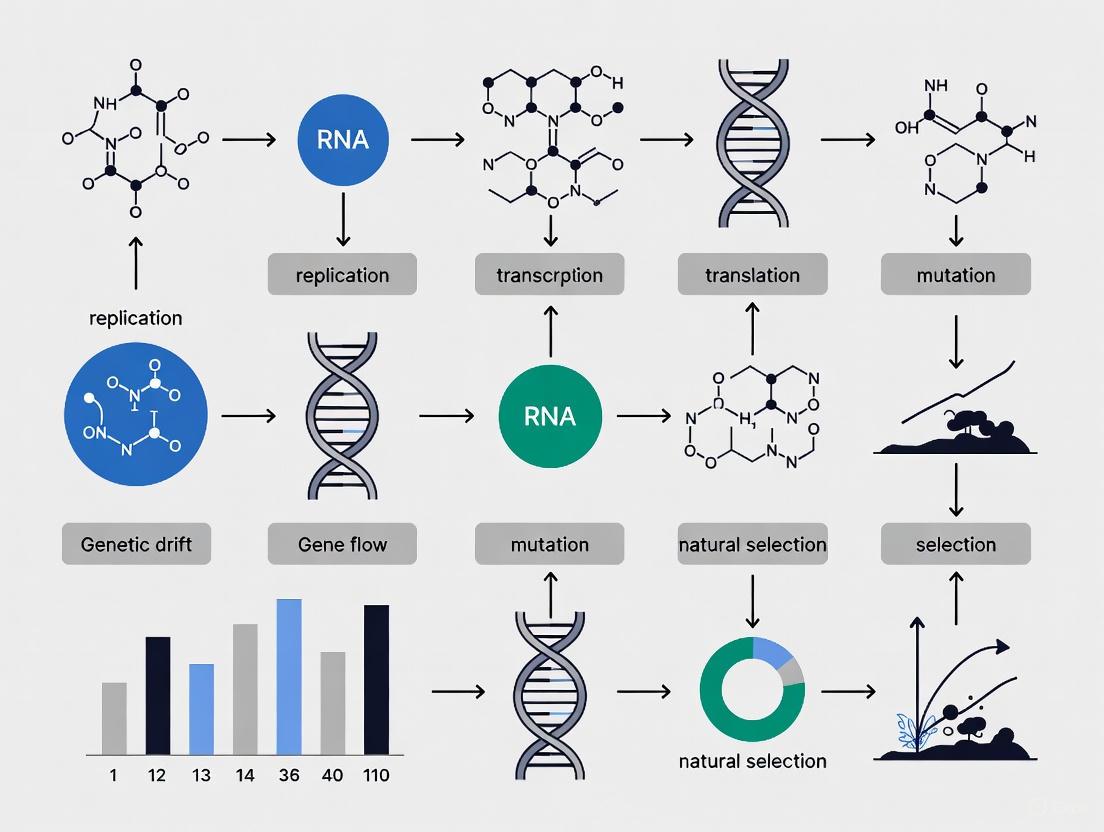
This article provides a comprehensive analysis of the molecular mechanisms driving somatic cell evolution, a fundamental process with profound implications for cancer, aging, and regenerative medicine.
Somatic Cell Molecular Evolution: From Foundational Mechanisms to Clinical Applications in Disease and Aging
Abstract
This article provides a comprehensive analysis of the molecular mechanisms driving somatic cell evolution, a fundamental process with profound implications for cancer, aging, and regenerative medicine. We explore the foundational principles of somatic mutation and selection in normal tissues, detailing how clonal expansions shape organismal health. The scope extends to cutting-edge methodologies like single-molecule sequencing and cellular reprogramming that are revolutionizing our ability to study and manipulate somatic evolution. We further examine the translational applications of this knowledge, from interpreting complex genomic data in cancer to developing novel anti-aging and drug discovery strategies. Designed for researchers, scientists, and drug development professionals, this review synthesizes recent breakthroughs to illuminate both the pathological consequences and therapeutic potential of somatic cell evolution.
The Somatic Mosaic: Unraveling Core Mechanisms of Mutation and Selection in Normal Tissues
Somatic evolution represents the fundamental process by which accumulated genetic alterations and subsequent cellular selection drive clonal expansion within non-germline tissues. This whitepaper examines the molecular mechanisms of somatic evolution, with particular focus on clonal hematopoiesis (CH) as a paradigmatic model system. We explore how somatic mutations acquired throughout an organism's lifespan shape tissue architecture, contribute to aging phenotypes, and create precursors to malignancy. Through integrated analysis of high-throughput sequencing data, evolutionary modeling, and clinical validation, we delineate the progression from neutral mutation accumulation to positive selection of driver mutations. The findings presented herein offer a framework for understanding somatic evolution's role in human disease and identify potential therapeutic targets for interrupting malignant transformation.
Somatic evolution describes the process by which proliferating cells accumulate genetic mutations over time, leading to clonal expansions that shape tissue architecture and function. This process occurs across all dividing tissues, with particularly profound implications in aging and cancer biology [1]. The conceptual foundation rests on evolutionary principles applied at the cellular level: mutations provide the substrate for selection, while cellular proliferation and differential fitness determine which clones expand [2].
The molecular basis of somatic evolution involves both intrinsic and extrinsic determinants. Intrinsic factors include germline cancer risk loci and acquired somatic mutations that alter cellular fitness, while extrinsic factors encompass environmental mutagens, therapeutic interventions, and immune-mediated selection pressures [1]. These forces collectively drive the clonal dynamics observed in various tissues, with recent technological advances enabling unprecedented resolution in tracking these changes temporally and spatially [2].
Within this broader context, clonal hematopoiesis represents an ideal model system for studying somatic evolution due to its well-characterized hierarchy, accessibility for sampling, and clinical significance across both malignant and non-malignant conditions.
Clonal Hematopoiesis: A Paradigm for Somatic Evolution
Definitions and Clinical Significance
Clonal hematopoiesis (CH) occurs when hematopoietic stem cells (HSCs) acquire driver mutations that promote clonal proliferation, resulting in certain cell lineages constituting a disproportionate fraction of circulating blood cells without causing abnormal blood cell counts or other hematologic disease symptoms [3]. The condition known as clonal hematopoiesis of indeterminate potential (CHIP) is specifically diagnosed when individuals carry somatic mutations in hematological malignancy-associated driver genes at a variant allele frequency (VAF) of ≥2%, yet lack clinical evidence of hematological disease [3].
CHIP is associated with a moderately increased risk of hematological cancer (approximately 0.5-1% per year, representing a 10-fold increase over the general population) and greater likelihood of cardiovascular disease and pulmonary pathology [3]. The prevalence of CH increases dramatically with age, affecting >10% of individuals over 70 years old, with recent high-sensitivity sequencing suggesting it may be nearly ubiquitous in elderly populations [3] [4].
Genetic Landscape and Driver Genes
The mutational landscape of CH is dominated by a growing set of driver genes under positive selection in the hematopoietic system. These can be categorized as follows:
Table 1: Gene Categories in Clonal Hematopoiesis
| Category | Description | Representative Genes |
|---|---|---|
| Classical Fitness-Inferred Drivers | Genes in canonical CH sets showing significant positive selection in population studies | DNMT3A, TET2, ASXL1, PPM1D, JAK2, TP53, SRSF2, SF3B1, BRCC3, PHIP, CBL, KDM6A, GNB2, GNAS [4] |
| Classical Non-Fitness-Inferred Drivers | Genes in canonical CH sets not under significant positive selection in UK Biobank data | RUNX1, PTEN, CUX1 [4] |
| New Fitness-Inferred Drivers | Novel genes identified through population-level selection analysis | ZBTB33, ZNF318, ZNF234, SPRED2, SH2B3, SRCAP, SIK3, SRSF1, CHEK2, CCDC115, CCL22, BAX, YLPM1, MYD88, MTA2, MAGEC3, IGLL5 [4] |
Analysis of 200,618 UK Biobank exomes revealed that approximately 23% of individuals (47,026 people) carried a detectable mutation in either a classical or new CH driver gene, with non-"DTA" (DNMT3A, TET2, ASXL1) CH increased by >50% when including these novel drivers [4]. The dN/dS ratios (nonsynonymous to synonymous mutation ratios) for these genes ranged from 5 to 660, indicating strong positive selection with 5-660 times more nonsynonymous mutations than expected by chance [4].
Quantitative Models and Evolutionary Dynamics
Mathematical Framework for Somatic Evolution
The dynamics of somatic evolution can be modeled using population genetics theory and stochastic processes. A fundamental approach models stem cell dynamics as a collection of individual cells that divide, differentiate, and die stochastically at predefined rates [5]. In this framework, novel mutations occur with each cell division, with each daughter cell acquiring a random number of mutations drawn from a Poisson distribution with rate μ [5].
The time-dynamical expected value of the distribution of variant allele frequencies (VAF spectrum) follows the partial differential equation:
∂v/∂t + ∂/∂κ [v · (λ(κ - 1) - γ(κ + 1) - ρκ)] = μN(t) · δ(κ - 1)
where κ = fN(t) denotes the number of cells sharing a variant, δ(x) is the Dirac delta function, and λ, γ, and ρ represent birth, death, and differentiation/replacement rates respectively [5].
This model incorporates three developmental phases: (1) early developmental exponential growth through symmetric divisions; (2) growth and maintenance with population turnover through asymmetric divisions; and (3) mature phase with constant population size and continued turnover [5].
Age-Associated Changes in Clonal Dynamics
Analysis of healthy tissues reveals distinctive signatures of somatic evolution across the lifespan. In young tissues, the VAF spectrum typically follows a f⁻² power law characteristic of exponentially growing populations [5]. With aging, tissues transition toward a f⁻¹ power law distribution, reflecting homeostatic maintenance of a constant cell population size [5].
Table 2: Age-Related Changes in VAF Spectrum in Healthy Oesophagus Epithelium
| Age Group | VAF Spectrum Characteristics | Interpretation |
|---|---|---|
| Young | Closest to f⁻² distribution | Dominant signature of ontogenic growth |
| Middle | Sigmoidal shape transitioning toward f⁻¹ | Establishment of tissue homeostasis |
| Older | Closer to f⁻¹ homeostatic scaling | Mature homeostatic equilibrium |
This transition occurs as a wavelike front moving from low to high frequency variants, with convergence toward homeostatic equilibrium slowing over time [5]. Similar dynamics are observed in hematopoietic systems, where mutation burden and clone number increase with age [4].
Methodologies for Investigating Somatic Evolution
Sequencing Approaches and Experimental Workflows
Multiple sequencing methodologies provide complementary insights into somatic evolution:
Bulk sequencing approaches enable detection of clonal variants through analysis of variant allele frequency (VAF) spectra, typically identifying one to two small clones per individual at conventional sequencing depths [4]. In contrast, single-cell sequencing reveals dozens of parallel clonal expansions in most individuals by late adulthood, with the majority lacking known driver mutations [4].
For CH studies, sample processing typically involves:
- Blood collection and buffy coat separation for DNA extraction
- Whole exome or whole genome sequencing at appropriate depth (typically >100x for bulk, >30x for single-cell)
- Somatic variant calling using specialized algorithms (e.g., Mutect2, Shearwater)
- Variant filtering to remove germline polymorphisms and artifacts
- Clonal reconstruction and evolutionary analysis [4]
Detection of Positive Selection
The dN/dS methodology quantifies positive selection by comparing the ratio of nonsynonymous to synonymous mutations observed in a gene versus the expected ratio under neutral evolution [4]. A dN/dS ratio significantly greater than 1 indicates positive selection, with the magnitude reflecting selection strength.
Application of this approach to 200,618 UK Biobank exomes revealed a global dN/dS ratio of 1.13 (95% CI 1.11-1.16), suggesting approximately one in every eight nonsynonymous mutations was under positive selection [4]. Selection strength varied by mutation type:
- Missense mutations: 1 in every 8-11 mutations under selection
- Truncating mutations: 1 in every 4-5 mutations under selection
- Splicing mutations: 1 in approximately 3 mutations under selection [4]
The Scientist's Toolkit: Essential Research Reagents
Table 3: Essential Research Reagents for Somatic Evolution Studies
| Reagent/Resource | Function/Application | Technical Specifications |
|---|---|---|
| Whole Blood Samples | Source DNA for clonal hematopoiesis studies | Collected in EDTA tubes; buffy coat separation for leukocyte isolation [4] |
| Next-Generation Sequencers | High-throughput DNA sequencing | Platforms enabling whole-exome or whole-genome sequencing at minimum 100x depth for bulk samples [3] |
| Single-Cell DNA Sequencing Kits | Library preparation for single-cell genomics | Protocols enabling whole-genome amplification and sequencing of individual cells [5] |
| Somatic Variant Callers | Identification of somatic mutations from sequencing data | Algorithms optimized for different contexts (e.g., Mutect2, Shearwater) [4] |
| dNdScv R Package | Statistical detection of positive selection | Quantifies gene-level selection using dN/dS ratios [4] |
Clinical Implications and Therapeutic Perspectives
The characterization of somatic evolution, particularly through CH, has profound clinical implications. CH represents a premalignant state that can progress to hematological malignancies, most commonly acute myeloid leukemia (AML) [3]. AML development involves progressive accumulation of cooperating mutations in HSCs, leading to blocked differentiation and accumulation of immature myeloblasts in bone marrow [3].
Beyond hematological malignancies, CH associates with all-cause mortality, cardiovascular disease, and increased infection risk [4]. These associations likely reflect both direct effects of mutated hematopoietic cells and indirect effects on inflammatory processes.
Emerging therapeutic approaches aim to:
- Eliminate fit clones through selective targeting of mutant cells
- Alter selective environments to disadvantage mutant clones
- Interrupt clonal expansion through anti-inflammatory interventions
- Monitor high-risk individuals for early malignant transformation
Risk stratification remains challenging, with current approaches considering clone size (VAF), specific gene mutations (e.g., TP53, IDH1, IDH2, JAK2 confer higher risk), mutation multiplicity, and patient age [3].
Somatic evolution represents a fundamental biological process with far-reaching implications for human health and disease. Clonal hematopoiesis serves as an accessible model for understanding broader principles of somatic evolution across tissues. Through integrated molecular profiling, evolutionary analysis, and clinical correlation, researchers are developing increasingly sophisticated models of how somatic mutations accumulate, spread, and ultimately contribute to age-associated diseases.
Future directions include comprehensive mapping of all CH drivers, understanding functional consequences of mutations in novel driver genes, developing interception strategies for high-risk clones, and extending these principles to epithelial and other somatic tissues. As our understanding of somatic evolution deepens, it promises to transform approaches to cancer prevention, aging biology, and personalized risk assessment.
Endogenous and Exogenous Drivers of Somatic Mutation Accumulation
Somatic mutations, defined as alterations in the DNA sequence that occur in any cell of the body after conception, represent a fundamental driver of cellular evolution. These changes arise from a complex interplay between endogenous processes originating within the cell itself and exogenous insults from external environmental factors [6]. The systematic accumulation of these genetic alterations throughout an organism's lifespan contributes significantly to aging, functional decline in tissues, and the development of various diseases, most notably cancer [6] [7]. Understanding the precise mechanisms and relative contributions of these mutagenic drivers provides crucial insights into the molecular evolution of somatic cells and opens avenues for therapeutic intervention.
Within the context of somatic cell molecular evolution, somatic mutations create genetic heterogeneity among cells, serving as the substrate upon which selection acts. While the majority of these mutations have minimal functional consequences, certain variants can confer selective advantages, leading to clonal expansions that may eventually dominate tissue landscapes [8] [9]. This process mirrors evolutionary principles at the cellular level, where mutation rates, selective pressures, and population dynamics jointly shape tissue homeostasis and disease progression. The framing of somatic mutation accumulation through this evolutionary lens provides researchers with a powerful conceptual framework for investigating tissue aging, carcinogenesis, and the development of targeted therapeutic strategies.
Quantitative Landscape of Somatic Mutation Accumulation
Patterns Across Tissues and Time
The development of advanced sequencing technologies has revealed that somatic mutations accumulate in a remarkably linear fashion with age across numerous human tissues [6]. This linear relationship suggests a relatively constant rate of mutation accumulation during adult life, providing a quantitative foundation for studying somatic evolution. However, significant differences exist in both the burden and patterns of mutations across different tissue types, reflecting tissue-specific variations in cell turnover, exposure to mutagens, and efficiency of DNA repair mechanisms.
Table 1: Somatic Mutation Accumulation Rates Across Human Tissues
| Tissue/Cell Type | Mutation Rate (SNVs/year) | Key Mutational Processes | Notable Characteristics |
|---|---|---|---|
| Bile Duct | 9 | SBS1, SBS5 | Lowest rate among studied tissues |
| Liver | 11.7 | SBS1, SBS5 | Rate increases to 56.6/year with SBS40 contribution |
| Blood/Hematopoietic Stem Cells | 16 | SBS1, SBS5 | Basis for clonal hematopoiesis |
| Brain Neurons | 14.7-17.1 | SBS1, SBS5 | Post-mitotic cells accumulating mutations without replication |
| Colon/Appendix | 56 | SBS1, SBS5, SBS88 | Higher rate linked to microbiome and rapid turnover |
| Oral Epithelium | 18-23 | SBS1, SBS5, tobacco/exposure signatures | Rich clonal selection landscape |
The mutation rates presented in Table 1 demonstrate that while all tissues accumulate mutations within the same order of magnitude, specific tissues can exhibit up to a six-fold difference in their annual mutation accumulation rates [6] [8]. This variation highlights how tissue-specific biology and microenvironmental exposures shape mutational landscapes. Notably, even post-mitotic cells such as neurons accumulate mutations at rates comparable to proliferative tissues, indicating that cell division is not the sole determinant of mutagenesis [6] [7].
Early Life versus Adult Mutagenesis
Recent lineage-tracing studies have revealed that the rate of mutation accumulation is not constant throughout the entire lifespan. A particularly accelerated phase of mutagenesis occurs during early development before birth, contrasting with the more constant rates observed during adult life [6]. This developmental period of heightened mutagenesis may have disproportionate impacts on long-term health outcomes, as mutations acquired during early development can be shared by many cells throughout the body, potentially affecting large tissue territories. Furthermore, cancer driver mutations have been documented to arise decades before clinical detection of malignancy, emphasizing the long latency and early origins of some somatic evolutionary processes [6].
Endogenous Drivers of Somatic Mutations
Endogenous mutagenesis originates from internal cellular processes, including DNA replication errors, spontaneous molecular decay, and metabolic byproducts. These processes create characteristic mutational signatures that have been systematically cataloged and can be identified in sequencing data from various tissues.
Universal Clock-like Mutational Processes
Two mutational signatures—Single Base Substitution (SBS) 1 and SBS5—have been identified as nearly universal "clock-like" signatures across human tissues [6]. SBS1 is characterized by C>T transitions and is primarily caused by the spontaneous deamination of methylated cytosine residues to thymine. In contrast, the etiology of SBS5 remains less well-defined but likely represents a composite of multiple endogenous background mutational processes. The constant activity of these processes throughout life results in the linear accumulation of mutations with age, providing a molecular clock that tracks cellular aging [6].
Tissue-Specific Endogenous Processes
Beyond the universal clock-like processes, certain endogenous mutational mechanisms exhibit tissue-specific patterns. The APOBEC family of cytidine deaminases, which normally function in antiviral defense, can become misregulated and cause clustered mutagenesis in specific tissues [6] [10]. This activity generates SBS2 and SBS13 signatures and often occurs in sporadic bursts, affecting subsets of cells within a tissue [6]. APOBEC-mediated mutagenesis has been associated with various cancer types and represents an important example of how physiological processes can be co-opted to drive somatic evolution.
Table 2: Characterized Endogenous and Exogenous Mutational Drivers
| Driver Category | Specific Process/Exposure | Mutational Signature(s) | Associated Tissues/Cancers |
|---|---|---|---|
| Endogenous | Spontaneous cytosine deamination | SBS1 | All tissues |
| Endogenous | Background processes | SBS5 | All tissues |
| Endogenous | APOBEC cytidine deaminase activity | SBS2, SBS13 | Lung, colorectal, breast, gynecological |
| Endogenous | Defective homologous recombination repair | SBS3 | Ovarian, other gynecological cancers |
| Endogenous | Mismatch repair deficiency | MSI, SBS6, SBS14, SBS15, SBS21, SBS26, SBS44 | Colorectal, endometrial |
| Exogenous | Ultraviolet (UV) radiation | SBS7 | Skin, melanocytes |
| Exogenous | Alcohol consumption | SBS16 | Esophagus |
| Exogenous | Tobacco smoking | SBS4 | Lung, oral epithelium |
| Exogenous | Colibactin (E. coli strain) | SBS88 | Colon |
Reactive oxygen species (ROS), generated as byproducts of cellular metabolism, represent another significant endogenous mutagen. ROS can cause oxidative damage to DNA, leading to point mutations and structural variants. The brain, with its high metabolic activity, is particularly susceptible to oxidative damage, contributing to the mutation burden observed in neurons during aging and neurodegeneration [7].
DNA Repair Deficiencies
Deficiencies in DNA repair pathways represent a different class of endogenous mutagenesis, where the failure to correct DNA damage leads to accelerated mutation accumulation. Two particularly important repair deficiencies in the context of cancer include homologous recombination deficiency (HRd) and mismatch repair deficiency (MMRd) [11]. These deficiencies create characteristic mutational signatures and have significant implications for both cancer evolution and therapy. Interestingly, these two deficiency states often show an inverse relationship across cancer types, suggesting possible functional interactions or mutually exclusive evolutionary paths [11].
Exogenous Drivers of Somatic Mutations
Exogenous mutagens originate from external environmental sources and contribute to somatic mutation accumulation through direct DNA damage or interference with DNA repair processes. The relative contribution of exogenous factors varies significantly across tissues, primarily depending on their exposure to the external environment.
Environmental Carcinogens
Ultraviolet (UV) radiation represents one of the most well-characterized exogenous mutagens, primarily affecting skin cells. UV exposure causes characteristic DNA lesions that result in the SBS7 mutational signature, dominated by C>T transitions at dipyrimidine sites [6] [12]. The impact of UV radiation is clearly demonstrated by comparative studies of sun-exposed versus protected skin sites, which show significantly higher mutation loads in exposed areas [12].
Tobacco smoke contains numerous carcinogenic compounds that create a distinct mutational signature (SBS4) in exposed tissues such as lung and oral epithelium [8]. Similarly, alcohol consumption has been associated with SBS16 mutations in esophageal tissues [6]. The effect of these exogenous exposures is not uniform across all individuals, as genetic differences in metabolic pathways can modulate their ultimate mutagenic impact.
Microbiome-Associated Mutagens
The human microbiome represents an underappreciated source of exogenous mutagenesis. Specific bacterial strains, such as colibactin-producing E. coli, have been directly linked to mutational signature SBS88 in colon crypts [6]. This finding highlights how commensal microorganisms can directly influence somatic evolution in their host tissues, creating a complex interplay between microbiome composition and cancer risk.
Methodological Approaches for Studying Somatic Mutations
Advanced Sequencing Technologies
The detection of somatic mutations in normal tissues presents significant technical challenges due to their low variant allele frequency in bulk tissue samples. Several sophisticated approaches have been developed to address this limitation:
Single-cell Derived Clonal Lineages: This method involves expanding single cells into clonal populations in culture, followed by whole-genome sequencing. This approach allows for accurate mutation detection without amplification artifacts and enables independent validation of identified mutations [12]. The minimal propagation in culture preserves the native mutation burden accumulated in vivo.
Duplex Sequencing (NanoSeq): NanoSeq represents a major technological advancement that achieves error rates below 5 × 10^{-9} errors per base pair by sequencing both strands of DNA molecules independently [8]. This ultra-low error rate enables the detection of mutations present in single DNA molecules, allowing comprehensive profiling of driver mutations and mutational signatures in highly polyclonal samples without the need for single-cell isolation or clonal expansion.
Single-cell Whole Genome Sequencing: Direct sequencing of single cells after whole-genome amplification provides another approach for studying somatic mutations, particularly in non-dividing cells. While historically limited by high error rates, recent technical and bioinformatic innovations have significantly improved accuracy [6].
Analytical Frameworks
Mutational Signature Analysis: This analytical approach decomposes the patterns of mutations observed in sequencing data into characteristic signatures associated with specific mutational processes [6] [11]. The method relies on non-negative matrix factorization and compares extracted signatures to reference sets in databases such as COSMIC.
Selection Analysis (dNdScv): The dNdScv algorithm detects genes under positive selection by comparing the ratio of non-synonymous to synonymous mutations (dN/dS) while accounting for mutational heterogeneity across genes [8] [9]. This approach has been instrumental in identifying cancer driver genes from normal tissue sequencing data.
Regional Enrichment Methods (iSiMPRe): Methods like iSiMPRe identify significantly mutated protein regions by detecting clusters of missense mutations and in-frame indels beyond random expectation [13]. This approach provides higher resolution than gene-level analyses and can pinpoint specific functional domains targeted by selection.
Experimental Workflows in Somatic Mutation Research
The Scientist's Toolkit: Essential Research Reagents and Solutions
Table 3: Key Research Reagents and Methodological Solutions
| Category/Reagent | Specific Application | Function/Rationale |
|---|---|---|
| NanoSeq Protocols | Genome-wide mutation detection in polyclonal samples | Ultra-low error rate sequencing enables single-molecule sensitivity for comprehensive variant profiling |
| Single-cell RNA-seq | Cellular heterogeneity assessment | Characterizes transcriptional diversity and cell states in mutated clones |
| APOBEC3B Inhibitors (e.g., 3,5-diiodotyrosine) | Experimental intervention studies | Specifically inhibits APOBEC3B deaminase activity to assess its role in mutagenesis |
| FoldX Algorithm | Protein stability prediction | Computes ΔΔG values to evaluate structural impact of missense mutations |
| dNdScv Algorithm | Selection analysis in coding sequences | Identifies genes under positive selection using dN/dS ratios with mutational context modeling |
| iSiMPRe | Regional mutation enrichment analysis | Detects significantly mutated protein regions beyond gene-level signals |
| COSMIC Mutational Signatures | Reference database | Curated catalog of mutational signatures for comparative analysis |
| Organoid Culture Systems | Functional validation | Enables experimental study of mutation impact in near-physiological tissue contexts |
The accumulation of somatic mutations throughout life represents a complex interplay between endogenous biological processes and exogenous environmental exposures. The linear increase of mutations with age across diverse tissues, coupled with tissue-specific variations in mutation rates and patterns, reveals a dynamic landscape of somatic evolution. Endogenous processes, including clock-like mutagenesis and DNA repair deficiencies, create a baseline mutation rate that is further modulated by exogenous factors such as UV radiation, tobacco smoke, and microbiome-derived genotoxins.
Technological advances in sequencing methodologies, particularly single-molecule approaches like NanoSeq, have revolutionized our ability to study somatic mutations at unprecedented resolution. These tools, combined with sophisticated analytical frameworks for detecting selection and mutational signatures, provide researchers with powerful means to investigate the fundamental mechanisms of somatic evolution. The continuing refinement of these approaches promises to deepen our understanding of how somatic mutations contribute not only to cancer but also to aging and other diseases, potentially opening new avenues for prevention and therapeutic intervention.
Mutational Drivers and Their Biological Consequences
Landscape of Positive and Negative Selection in Non-Cancerous Tissues
Somatic evolution, the accumulation of mutations in body cells throughout a lifetime, represents a fundamental process in human biology and disease. While extensively studied in cancer, the landscape of positive and negative selection operating in non-cancerous tissues remains a critical area of investigation for understanding tissue homeostasis, aging, and carcinogenesis. This technical guide examines the mechanisms, measurement approaches, and functional significance of selection pressures acting on somatic cells in normal tissues, framed within the broader context of somatic cell molecular evolution research.
The evolutionary dynamics in somatic tissues differ substantially from canonical species evolution. In non-cancerous tissues, negative selection plays a predominant role in eliminating deleterious mutations that compromise cellular function, while positive selection occasionally promotes advantageous mutations that enhance cellular fitness within specific contexts. Understanding the balance between these opposing forces provides crucial insights into tissue maintenance mechanisms and the earliest stages of malignant transformation [14] [15].
Theoretical Framework of Somatic Selection
Fundamental Principles
Somatic evolution in non-cancerous tissues operates under three necessary and sufficient conditions for natural selection: (1) variation exists through genetic and epigenetic alterations accumulating in somatic cells; (2) these alterations are heritable through cellular replication; and (3) the variations affect cellular fitness, influencing proliferation or survival capabilities [15]. Unlike germline evolution, somatic selection occurs within individual organisms, creating complex mosaics of genetically distinct cell populations.
The selection landscape varies significantly across tissue types and developmental stages. Tissues with high cellular turnover experience stronger selective pressures due to increased replication-associated mutations, while post-mitotic tissues may accumulate mutations through alternative mechanisms. The selection intensity correlates with both the mutation rate and the functional consequences of genetic alterations in specific cellular contexts [14] [16].
Distinguishing Selection Types
Positive selection enhances the frequency of somatic mutations that confer fitness advantages, such as increased proliferation, resistance to apoptosis, or improved stress adaptation. In contrast, negative selection (purifying selection) eliminates deleterious mutations that compromise essential cellular functions or reduce competitive fitness [16].
In non-cancerous tissues, negative selection predominates to maintain tissue function and architecture, though its efficacy varies across tissue types and genetic loci. Quantitative analyses reveal that negative selection operates with varying strength across the genome, with essential genes and tumor suppressor genes experiencing particularly strong purifying selection to prevent functional compromise [17] [16].
Quantitative Landscape of Somatic Selection
Selection Metrics and Patterns
Advanced sequencing technologies have enabled quantitative assessment of selection pressures in non-cancerous tissues. The metrics for evaluating selection strength include mutation frequency comparisons, dN/dS ratios adapted for somatic evolution, and functional consequence analyses.
Table 1: Quantitative Measures of Selection in Somatic Tissues
| Measure | Application | Interpretation | Technical Considerations |
|---|---|---|---|
| dN/dS ratio | Comparing non-synonymous to synonymous mutation rates | dN/dS >1 indicates positive selection; dN/dS <1 indicates negative selection | Requires sufficient mutation burden for statistical power |
| Mutation recurrence | Identifying genomic regions with unexpectedly high/low mutation frequencies | Recurrent mutations suggest positive selection; mutation deserts indicate negative selection | Confounded by regional mutation rate variation |
| Functional impact bias | Assessing enrichment of mutations with predicted functional consequences | Excess of high-impact mutations suggests positive selection; depletion indicates negative selection | Depends on accurate functional prediction algorithms |
| Clonal expansion | Tracking size and persistence of mutant cell populations | Large clones indicate fitness advantage; restricted clones suggest negative selection | Influenced by tissue organization and stem cell dynamics |
Analyses across multiple tissue types demonstrate that negative selection predominates in most non-cancerous somatic contexts, with dN/dS ratios typically below 1.0. However, the strength of purifying selection varies substantially across gene categories, with essential genes showing the strongest signals of negative selection [16].
Tissue-Specific Selection Patterns
Selection pressures operate differently across tissues due to variations in cellular turnover, environmental exposures, and functional constraints. Tissues with high regenerative capacity (e.g., intestinal epithelium, skin) demonstrate more pronounced positive selection for mutations enhancing proliferation and survival. In contrast, tissues with limited cellular turnover (e.g., nervous tissue) exhibit different selective landscapes focused on maintaining functional integrity.
Table 2: Tissue-Specific Selection Patterns in Non-Cancerous Human Tissues
| Tissue Type | Dominant Selection Pressure | Characteristic Features | Implications for Disease |
|---|---|---|---|
| Blood/Immune | Balanced positive and negative selection | Age-related clonal hematopoiesis driven by positive selection | Predisposition to hematologic malignancies |
| Intestinal Epithelium | Moderate positive selection | Crypt competition and clonal expansions | Field cancerization in inflammatory bowel disease |
| Skin | Environment-dependent selection | UV-induced mutations with context-dependent fitness | Selection of p53 mutants in sun-exposed skin |
| Liver | Regeneration-associated selection | Clonal expansions during chronic injury | Cirrhosis as precursor to hepatocellular carcinoma |
| Nervous Tissue | Predominantly negative selection | Limited clonal expansion due to post-mitotic state | Neurodegeneration associated with mutation accumulation |
Recent studies utilizing machine learning approaches have revealed that tissue-specific gene expression patterns significantly influence aneuploidy tolerance and selection pressures. Chromosome arms enriched for genes essential in specific tissues experience stronger negative selection when disrupted, demonstrating how functional context shapes somatic evolution [17].
Experimental Methodologies
Flow Cytometry-Based Analysis of Thymic Selection
The thymus provides a well-characterized model for studying negative selection in non-cancerous tissue. The following protocol enables quantitative assessment of positive and negative selection during T cell development [18]:
Tissue Dissection and Cell Preparation
- Euthanize mice using CO₂ according to approved ethical guidelines
- Secure mouse ventral side up and sterilize with 70% ethanol
- Make ventral incision from genitalia to chin, then extend incisions along limbs
- Harvest thymus by carefully removing rib cage to expose mediastinal contents
- Identify bilobed thymus above heart, gently remove using flat-edged forceps
- Place thymus on sterile steel mesh screen in Petri dish with 5ml Hank's Balanced Salt Solution (HBSS) on ice
- Mechanically dissociate tissue using 3ml syringe plunger until only connective tissue remains
- Rinse mesh screen with HBSS and collect cell suspension
- Pellet cells by centrifugation at 335 × g for 5 minutes at 4°C
- Resuspend thymocytes at 20 × 10⁶ cells/ml in FACS buffer (PBS, 1% FCS, 0.02% sodium azide)
Cell Staining and Flow Cytometry
- Aliquot 4 × 10⁶ thymocytes per sample into 96-well plate
- Block Fc receptors with anti-CD16/32 (clone 2.4G2) for 10 minutes on ice
- Wash cells twice with FACS buffer
- Prepare antibody cocktails in FACS buffer:
- For polyclonal repertoire: anti-TCRβ, anti-CD4, anti-CD8, anti-CD69 or anti-CD5, anti-CD24
- For TCR transgenic models: anti-clonotypic TCR, anti-CD4, anti-CD8, anti-CD69 or anti-CD5, anti-CD24
- Incubate cells with antibody cocktails for 30 minutes on ice in dark
- Wash cells twice with FACS buffer
- Resuspend in FACS buffer for acquisition on flow cytometer
- Include FSC-A and FSC-W parameters for doublet discrimination
Data Analysis Strategy
- Gate lymphocytes using FSC-A versus SSC
- Exclude doublets using FSC-A versus FSC-W (select FSC-Wlo population)
- For polyclonal T cells: analyze CD4/CD8 expression to identify DN, DP, CD4SP, and CD8SP populations
- Assess positive selection using TCRβ versus CD24 or TCRβ versus CD69 staining
- For TCR transgenic models: first gate on TCR-transgenic cells before CD4/CD8 analysis
- Quantify cellular subsets by multiplying organ cellularity by sequential gating frequencies
Figure 1: Thymic T Cell Selection Pathways. Diagram illustrates the developmental progression and selection checkpoints during T cell maturation in the thymus.
Detection of Negative Selection in Human Autoreactive T Cells
Novel humanized mouse models enable the study of negative selection mechanisms relevant to human autoimmunity. The following approach demonstrates negative selection of insulin-reactive T cells [19]:
Humanized Mouse Model Development
- Generate HLA-DQ8⁺ human immune systems from hematopoietic stem cells
- Introduce Clone 5 TCR transgene specific for insulin B:9-23/HLA-DQ8
- Track thymocyte development at double positive and single positive stages
- Compare selection efficiency with and without hematopoietic HLA expression
Assessment of Selection Efficiency
- Analyze thymic cellularity and subset distribution by flow cytometry
- Quantify autoreactive T cell frequencies in thymus and periphery
- Evaluate requirement for intrathymic antigen presenting cell types
- Assess medullary thymic epithelial cell contribution to negative selection
This experimental system demonstrates that efficient negative selection of human autoreactive T cells requires antigen presentation by both hematopoietic cells and medullary thymic epithelial cells, with defects leading to autoimmune potential.
Research Reagent Solutions
Table 3: Essential Research Reagents for Studying Somatic Selection
| Reagent/Category | Specific Examples | Research Application | Selection Context |
|---|---|---|---|
| Immunomagnetic Separation Kits | EasySep Human/Mouse Negative Selection Kits | Isolation of unlabeled target cells by depleting unwanted populations | Negative selection without antibody binding to cells of interest |
| Flow Cytometry Antibodies | Anti-CD4, CD8, TCRβ, CD24, CD69, CD5 | Immunophenotyping of developmental stages and activation states | Assessment of positive and negative selection in thymocyte development |
| TCR Transgenic Models | HYcd4 model, Clone 5 TCR model | Study of antigen-specific selection with physiological timing | Analysis of negative selection mechanisms in autoreactive T cells |
| Cell Culture Media | HBSS, FACS buffer, sterile RPMI + 10% FCS | Maintenance of cell viability during processing | Preservation of native cell states for selection analysis |
| Magnetic Particles | EasySep Magnetic Particles | Positive or negative selection via antibody conjugation | Flexible separation approaches for different downstream applications |
Technical and Analytical Considerations
Method Selection Guidelines
The choice between positive and negative selection approaches depends critically on downstream applications. Negative selection is preferable when unlabeled, unaffected cells are required, particularly for functional assays or transcriptional analyses where antibody binding might alter cellular physiology. This approach provides minimal sample manipulation and avoids potential activation artifacts [20].
Positive selection offers higher purity when targeting specific populations and enables isolation of rare cell subsets. However, researchers must consider potential impacts of antibody binding on cell function, including unintended intracellular signaling or interference with subsequent assays. For complex isolation strategies, sequential positive and negative selection can achieve purification of populations defined by multiple markers [20].
Quantitative Constraints on Negative Selection
The efficacy of negative selection in somatic tissues faces fundamental biological constraints. The limited duration of selective phases restricts the number of self-antigens that can be effectively screened. Computational models indicate that negative selection operates most efficiently on antigens presented by dendritic cells, which may define the practical scope of central tolerance [21].
In non-cancerous tissues, the balance between negative selection efficiency and the number of potential target antigens creates quantitative trade-offs. Tissues with exceptionally diverse antigen repertoires may experience incomplete negative selection, permitting some autoreactive cells to escape central tolerance mechanisms. This constraint has important implications for understanding autoimmune disease pathogenesis [21] [19].
Computational Approaches and Data Integration
Machine Learning Applications
Recent advances in interpretable machine learning enable comprehensive analysis of selection patterns across tissues. These approaches integrate multiple genomic features to model aneuploidy landscapes and selection pressures [17]:
Feature Categories for Selection Models
- Chromosome-arm features: OG density, TSG density, essential gene density
- Cancer tissue features: gene expression in primary tumors, gene essentiality scores
- Normal tissue features: gene expression in matched normal tissues, tissue-specific protein interactions, paralog compensation
Model Interpretation Strategies
- SHAP (Shapley Additive exPlanations) analysis for feature importance quantification
- Relative contribution estimation for positive versus negative selection drivers
- Tissue-specific feature weighting to identify context-dependent selection pressures
These analyses demonstrate that negative selection plays a more significant role in shaping somatic evolution landscapes than previously appreciated, with tumor suppressor gene density emerging as a better predictor of aneuploidy patterns than oncogene density [17].
Integration of Multi-Omics Data
Comprehensive understanding of somatic selection requires integration of genomic, epigenomic, transcriptomic, and proteomic data. The heterogeneous nature of somatic mutations necessitates specialized analytical approaches that account for tissue architecture, cellular lineage relationships, and spatial organization.
Advanced algorithms that reconstruct clonal phylogenies from sequencing data enable retrospective inference of selection pressures operating during tissue development and maintenance. These approaches reveal that negative selection efficiently removes most deleterious mutations, while positive selection acts sporadically on driver mutations in specific tissue contexts [14] [16].
The landscape of positive and negative selection in non-cancerous tissues represents a dynamic equilibrium that maintains tissue function while permitting adaptive responses to environmental challenges. Quantitative assessment of these selection pressures provides crucial insights into tissue homeostasis, aging, and the earliest stages of malignant transformation. Continued development of sophisticated experimental models and computational approaches will further elucidate the complex evolutionary dynamics operating within somatic tissues, with important implications for understanding human health and disease.
The Role of Somatic Evolution in Aging and Age-Related Functional Decline
Somatic evolution refers to the process by which accumulating mutations and clonal expansions alter the cellular composition of tissues throughout an organism's lifetime. Recent advances in high-resolution sequencing technologies have revealed that normal tissues become extensively colonized by somatic clones carrying cancer-associated mutations in an aging-dependent fashion [22]. This phenomenon represents a fundamental biological process that contributes significantly to both age-related functional decline and increased disease susceptibility. The understanding that older individuals possess over 100 billion cells with cancer-associated mutations underscores the magnitude of this process and its potential impact on tissue homeostasis [22]. This whitepaper examines the mechanisms, measurement approaches, and implications of somatic evolution in aging, providing researchers with technical frameworks for investigating this emerging field.
Molecular Mechanisms Linking Somatic Evolution to Aging
Fundamental Evolutionary Forces in Aging Tissues
Somatic evolution in aging tissues operates through principles of natural selection at the cellular level, where mutations conferring proliferative advantages lead to clonal expansions. The evolutionary theory of antagonistic pleiotropy posits that genetic variants beneficial during early life stages may become detrimental in post-reproductive ages [22]. In somatic evolution, this manifests as mutations that enhance cellular fitness or survival in aged microenvironments but ultimately compromise tissue function. The life-history theory framework explains how natural selection favors somatic maintenance strategies that maximize reproductive success, with protective mechanisms waning as reproduction becomes less likely [22]. This evolutionary perspective provides a foundation for understanding why somatic evolution becomes increasingly prevalent in later life.
The dynamics of somatic evolution are further shaped by cellular fitness landscapes that change with age. Young, healthy tissues actively suppress the outgrowth of malignant clones through cell competition mechanisms, while aged tissue microenvironments often promote the initiation and progression of malignancies [22]. Key factors influencing these dynamics include:
- Declining immune surveillance reduces elimination of aberrant cells
- Altered niche signaling creates permissive environments for clonal expansion
- Accumulated senescent cells secrete inflammatory factors that promote somatic evolution
- Tissue architecture breakdown removes physical barriers to clonal spread
Key Mutational Processes and Driver Genes
Somatic evolution is fueled by both continuous mutational processes and specific driver events. Studies measuring the distribution of fitness effects (DFE) have quantified the selective advantages conferred by specific mutations in normal tissues [23] [24]. The ratio of non-synonymous to synonymous mutations (dN/dS) has emerged as a powerful method to detect selection in somatic cells, with values >1 indicating positive selection, =1 indicating neutral evolution, and <1 indicating negative selection [23].
Research on normal esophagus and skin tissues has revealed a broad distribution of fitness effects, with the largest fitness increases found for TP53 and NOTCH1 mutants, conferring proliferative advantages of approximately 1-5% [23] [24]. The table below summarizes key driver genes and their fitness effects across tissues:
Table 1: Key Driver Genes in Somatic Evolution and Their Fitness Effects
| Gene | Tissue | Fitness Effect | Biological Consequence |
|---|---|---|---|
| TP53 | Esophagus, Skin | 1-5% proliferative advantage | Disrupted apoptosis, genomic instability |
| NOTCH1 | Esophagus, Skin | 1-5% proliferative advantage | Altered differentiation signaling |
| DNMT3A | Blood | ~2% VAF associated with CHIP | Epigenetic dysregulation, clonal hematopoiesis |
| TET2 | Blood | ~2% VAF associated with CHIP | DNA hypomethylation, inflammatory signaling |
| PPM1D | Blood, Oral epithelium | Clonal expansion | Altered stress response signaling |
Recent large-scale studies applying ultra-sensitive sequencing methods like NanoSeq have expanded our understanding of the somatic evolution landscape. A 2025 study analyzing 1,042 non-invasive samples of oral epithelium identified 46 genes under positive selection, with more than 62,000 driver mutations detected across the cohort [25]. This rich selection landscape demonstrates the extensive molecular heterogeneity that emerges in aging tissues.
Quantitative Assessment of Somatic Evolution
Mutation Rates and Clonal Dynamics Across Tissues
Somatic mutations accumulate linearly with age in a tissue-specific manner, largely due to endogenous mutational processes but also influenced by mutagen exposures, germline variation, and disease states [25]. Quantitative measurements across tissues reveal distinct patterns of mutational accumulation:
Table 2: Age-Associated Mutation Rates Across Human Tissues
| Tissue | Mutation Rate (per cell per year) | Key Influencing Factors | Technical Measurement Approach |
|---|---|---|---|
| Oral epithelium | ~23 SNVs (whole genome) [25] | Tobacco, alcohol, age | Targeted NanoSeq, whole-genome NanoSeq |
| Blood | ~15 SNVs (whole genome) [25] | Age, clonal hematopoiesis | Duplex sequencing, single-cell sequencing |
| Esophagus | Comparable to oral epithelium [22] | Age, gastroesophageal reflux | Deep sequencing, dN/dS analysis |
| Skin | Tissue-specific rates [23] | UV exposure, age | Targeted sequencing, lineage tracing |
The development of error-corrected sequencing methods has been crucial for accurately quantifying these mutation rates. The recent introduction of enhanced nanorate sequencing (NanoSeq) achieves error rates lower than five errors per billion base pairs, enabling detection of mutations present in single cells [25]. This technological advancement has revealed that previous methods significantly underestimated the prevalence of somatic mutations due to detection limits.
Clonal Expansion Metrics and Tissue Colonization
The extent of clonal expansions can be quantified through several metrics, including variant allele frequency (VAF) distributions, clone size distributions, and clone number diversity. Studies of clonal hematopoiesis demonstrate that the fraction of leukocytes occupied by mutant clones increases exponentially starting at approximately 40 years of age [22]. In epithelial tissues such as esophagus, endometrium, and skin, mutant clones come to dominate the tissue architecture in older individuals [22].
Application of mathematical models to clone size distributions enables estimation of selective coefficients for driver mutations. The relationship between clone size and selective advantage follows principles of population genetics, adapted for somatic cell populations [23]. For stem cell-maintained tissues, the long-term population dynamics are controlled by an approximately fixed-size set of equipotent stem cells undergoing a process of neutral competition, which can be modeled using branching processes [23].
Figure 1: Logical Framework of Somatic Evolution in Aging. This diagram illustrates the causal relationships between age-associated mutation accumulation, selection forces, clonal expansion, and functional decline.
Methodological Approaches for Studying Somatic Evolution
Advanced Sequencing Technologies
The study of somatic evolution in aging requires specialized methodologies capable of detecting low-frequency mutations in complex tissue samples. Key technological advances include:
Duplex Sequencing Methods: Techniques such as NanoSeq achieve ultra-low error rates (below 5 × 10^-9 errors per base pair) by tracking both strands of DNA molecules, effectively eliminating sequencing artifacts [25]. Recent improvements have enabled whole-exome and targeted capture applications while maintaining single-molecule sensitivity. The protocol uses restriction enzyme fragmentation without end repair and dideoxynucleotides during A-tailing to prevent error transfer between strands [25].
Single-Cell Sequencing Approaches: Methods for detecting somatic variants using single-cell RNA sequencing (scRNA-seq) enable reconstruction of cell lineage trees whose structure correlates with chronological age [26]. The "Cell Tree Rings" approach uses de novo single-nucleotide variants detected in human peripheral blood mononuclear cells to construct phylogenetic trees that serve as biological aging timers [26].
Targeted Sequencing Panels: Application of targeted NanoSeq to specific gene panels (e.g., 239 genes covering 0.9 Mb) enables cost-effective profiling of large cohorts [25]. This approach has been successfully applied to 1,042 individuals in buccal swab samples, demonstrating scalability for population-level studies of somatic evolution.
Computational and Mathematical Frameworks
Quantitative interpretation of somatic evolution data requires specialized computational approaches:
dN/dS Analysis Adapted for Somatic Evolution: The ratio of non-synonymous to synonymous mutations, originally developed for species evolution, has been adapted for somatic evolution with modifications to account for rapid evolution, lack of recombination, and complex clonal dynamics [23]. Mathematical frameworks now link dN/dS values to selective coefficients in somatic tissues, enabling quantification of fitness effects.
Interval dN/dS (i-dN/dS): To address limitations of sparse data and measurement uncertainties, interval dN/dS aggregates mutation counts over frequency ranges, providing robust inference of selection coefficients [23]. The formula is defined as:
[ i\frac{dN}{dS} = \frac{\mup}{\mud} \frac{\int{f{min}}^{f{max}} g(\theta, \mud, s, f) df}{\int{f{min}}^{f{max}} g(\theta, \mup, s=0, f) df} ]
Where (\mup) and (\mud) represent passenger and driver mutation rates, (g) is the expected number of mutations, and (s) is the selection coefficient [23].
Clone Size Distribution Modeling: Mathematical descriptions of population dynamics predict the shape of clone size distributions under different evolutionary models, enabling inference of stem cell dynamics and selection strengths from sequencing data [23].
Figure 2: Experimental Workflow for Studying Somatic Evolution. This diagram outlines the key steps from sample collection through computational analysis in somatic evolution research.
The Scientist's Toolkit: Key Research Reagents and Methods
Table 3: Essential Research Reagents and Platforms for Somatic Evolution Studies
| Category | Specific Tools/Reagents | Function/Application | Technical Considerations |
|---|---|---|---|
| Sequencing Technologies | NanoSeq [25], Duplex Sequencing [25], scRNA-seq [26] | Ultra-low error variant detection, single-cell analysis | Error rates <5×10^-9, compatibility with damaged DNA |
| Computational Tools | dNdScv [25], Interval dN/dS [23] | Detection of selection, fitness effect quantification | Adaptation to somatic evolution assumptions |
| Targeted Panels | Custom gene panels (239 genes, 0.9 Mb) [25] | Cost-effective driver screening | Optimized for clonal hematopoiesis, epithelial drivers |
| Biological Samples | Buccal swabs [25], Peripheral blood mononuclear cells [26] | Non-invasive longitudinal sampling | Protocols to minimize contamination (saliva, blood) |
| Model Systems | Mouse models [22], in vitro culture systems [22] | Experimental perturbation studies | Lineage tracing, barcoding approaches |
Implications for Age-Related Functional Decline and Disease
Non-Malignant Consequences of Somatic Evolution
While somatic evolution represents a first step toward cancer development, its impact extends beyond malignancy to contribute directly to age-related functional decline. Clonal hematopoiesis of indeterminant potential (CHIP) is associated with substantial increases in the risk of not only leukemia but also cardiovascular disease, lung diseases, frailty, and overall mortality [22]. These non-malignant consequences arise through several mechanisms:
Inflammatory Priming: Expanded clones frequently promote and are promoted by inflammation, creating feed-forward loops that accelerate tissue dysfunction [22]. For example, TET2 mutations in hematopoietic cells enhance production of pro-inflammatory cytokines such as IL-6 and IL-1β, contributing to atherosclerosis and cardiac dysfunction.
Tissue Architecture Disruption: In epithelial tissues, clonal expansions can disrupt normal tissue organization and function. Studies of esophageal and endometrial tissues show that older individuals become dominated by mutant clones that alter tissue homeostasis without necessarily progressing to cancer [22].
Stem Cell Exhaustion: Clonal expansions can deplete the functional stem cell pool or alter stem cell differentiation capacity, leading to impaired tissue regeneration and functional decline [27].
Somatic Evolution as a Biomarker of Aging
The quantitative relationship between somatic mutation accumulation and chronological age suggests potential applications as aging biomarkers. The "Cell Tree Rings" concept demonstrates that cell lineage tree structure constructed from somatic mutations correlates with chronological age (Pearson correlation = 0.81) and predicts certain clinical biomarkers better than chronological age alone [26]. Specific metrics derived from phylogenetic trees, including tree balance, depth, and branching patterns, capture information about the history of clonal dynamics and selective pressures throughout the lifespan.
Somatic evolution represents a fundamental mechanism driving aging and age-related functional decline. The integration of ultra-sensitive sequencing technologies, sophisticated computational models, and large-scale population studies has revealed the astonishing scale and complexity of this process. Future research directions should focus on:
- Longitudinal Studies: Tracking clonal dynamics over time within individuals to understand the tempo and mode of somatic evolution
- Spatial Mapping: Characterizing the geographic distribution of clones within tissues to understand microenvironmental influences
- Intervention Strategies: Developing approaches to modulate somatic evolutionary processes, potentially through altering selective landscapes or enhancing immune surveillance
- Multi-Omic Integration: Combining mutational data with epigenetic, transcriptomic, and proteomic profiles to understand functional consequences of clonal expansions
The field of somatic evolution in aging represents a convergence of evolutionary biology, cancer research, and geroscience, offering novel insights into the fundamental mechanisms of aging and potential strategies for extending healthspan.
Chromatin Remodeling and Epigenetic Alterations as Key Regulators of Cell Fate
Chromatin remodeling and epigenetic modifications constitute the primary regulatory layer governing cell fate decisions, from somatic cell reprogramming to oncogenic transformation. This whitepaper synthesizes current research demonstrating how ATP-dependent chromatin remodelers and chemical modifications to DNA and histones dynamically control chromatin accessibility, thereby directing transcriptional programs that determine cellular identity. Within somatic cell molecular evolution, these epigenetic mechanisms facilitate phenotypic plasticity without altering underlying DNA sequences, enabling both adaptive responses and pathological transitions in cancer and aging. Emerging therapeutic strategies now target these systems, with inhibitors of chromatin remodeling complexes showing promising preclinical efficacy against transcription factor-dependent cancers. The integration of advanced sequencing technologies and imaging approaches provides unprecedented resolution of epigenetic dynamics, offering novel diagnostic and therapeutic avenues for manipulating cell fate in regenerative medicine and oncology.
The eukaryotic genome is packaged into chromatin, a complex of DNA and histone proteins whose fundamental unit is the nucleosome—approximately 147 base pairs of DNA wrapped around an octamer of core histones (H2A, H2B, H3, and H4) [28]. Chromatin exists in dynamic states that regulate DNA accessibility to transcriptional machinery, with this plasticity governed by two interconnected mechanisms: epigenetic modifications and ATP-dependent chromatin remodeling. Epigenetic modifications encompass chemical alterations to DNA (e.g., cytosine methylation) and histones (e.g., acetylation, methylation, phosphorylation) that influence chromatin structure and function without changing the DNA sequence itself [29]. Chromatin remodeling complexes are multi-protein machines that utilize ATP hydrolysis to physically reposition, eject, or restructure nucleosomes, thereby controlling DNA accessibility [28] [30]. Together, these systems establish heritable epigenetic states that guide cell fate decisions during development, tissue homeostasis, and disease progression, particularly in the context of somatic cell evolution where environmental influences can trigger molecular reprogramming events.
Major Chromatin Remodeling Complexes and Their Mechanisms
ATP-dependent chromatin remodeling complexes are categorized into four evolutionarily conserved families based on their catalytic subunits and functional characteristics. These complexes perform distinct but complementary roles in regulating nucleosome positioning and composition.
Table 1: Major Chromatin Remodeling Complex Families and Their Functions
| Complex Family | Key ATPase Subunits | Primary Functions | Biological Roles |
|---|---|---|---|
| SWI/SNF | BRG1, BRM | Nucleosome sliding, ejection; creates irregular nucleosome spacing | Transcriptional activation, differentiation, tumor suppression [28] [31] |
| ISWI | SMARCAD1, SNFL2 | Nucleosome assembly, sliding; establishes regular nucleosome spacing | Chromatin compaction, transcription repression, DNA repair [28] [30] |
| CHD | CHD1-CHD9 | Nucleosome positioning, histone variant exchange | Transcriptional regulation, embryonic development [28] [30] |
| INO80 | INO80, EP400/p400 | Histone variant exchange (H2A.Z), nucleosome spacing | DNA repair, transcriptional regulation, stem cell maintenance [28] [32] |
These complexes employ three fundamental mechanisms to modify chromatin structure: (1) editing assembled nucleosomes through replacement, movement, or removal; (2) assembling and organizing nucleosomes from random deposition into regularly spaced arrays; and (3) altering chromatin architecture to enhance DNA accessibility for transcription factors and other regulatory proteins [30]. The TIP60 complex exemplifies this integrated functionality, combining histone acetyltransferase activity (through its TIP60/KAT5 subunit) with chromatin remodeling capability (via its EP400 ATPase subunit) to facilitate histone acetylation and incorporation of the H2A.Z variant in a coordinated manner [32].
Key Epigenetic Modifications and Detection Methodologies
Beyond nucleosome positioning, chemical modifications to DNA and histones constitute a critical layer of epigenetic regulation. Over 100 distinct histone modifications have been identified, including acetylation, methylation, phosphorylation, and ubiquitylation, which collectively influence chromatin accessibility and transcription factor binding [29]. DNA methylation primarily occurs at cytosine bases in CpG dinucleotides, forming 5-methylcytosine (5mC), which typically represses transcription when located in promoter regions [33] [29]. Recent technological advances have enabled precise mapping of these modifications across the genome.
Table 2: Advanced Sequencing Methods for Epigenetic Modifications
| Modification Type | Sequencing Method | Resolution | Key Applications |
|---|---|---|---|
| Histone Modifications | ChIP-Seq [29] | ~200 bp | Genome-wide mapping of histone marks |
| CUT&RUN [29] | ~20 bp | High-resolution protein-DNA interactions | |
| CUT&Tag [29] | Single-cell | Single-cell epigenomic profiling | |
| DNA Methylation (5mC/5hmC) | Whole-Genome Bisulfite Sequencing (WGBS) [29] | Base-level | Gold standard for 5mC/5hmC mapping |
| EM-Seq [29] | Base-level | Bisulfite-free methylation detection | |
| TAPS [29] | Base-level | Quantitative, bisulfite-free mapping | |
| Chromatin Accessibility | ATAC-Seq [34] [33] | Single-nucleosome | Genome-wide accessibility profiling |
| DNase-Seq | ~100 bp | Sensitive nuclease accessibility mapping |
The development of CUT&RUN and CUT&Tag technologies represents a significant advancement over traditional ChIP-Seq, offering higher resolution with lower background signal and requiring substantially less input material [29]. For DNA methylation, emerging bisulfite-free methods like EM-Seq and TAPS overcome the substantial DNA degradation associated with traditional bisulfite treatment, enabling more accurate quantification of methylation patterns [29]. These technological improvements provide researchers with increasingly powerful tools to decipher the epigenetic code governing cell fate decisions.
Experimental Approaches for Investigating Chromatin Dynamics
Chromatin Accessibility Dynamics During Somatic Cell Reprogramming
Plant somatic embryogenesis provides an excellent model for investigating chromatin dynamics during cell fate transitions. Research demonstrates that the phytohormone auxin rapidly rewires the totipotency network by altering chromatin accessibility [34]. The experimental workflow involves:
- Induction: Treat somatic explants with auxin to initiate reprogramming
- Time-series sampling: Collect cells at critical transition points (0, 12, 24, 48 hours post-induction)
- ATAC-Seq: Perform assay for transposase-accessible chromatin using sequencing to map accessibility dynamics
- RNA-Seq: Conduct transcriptome analysis in parallel to correlate accessibility with gene expression
- Network analysis: Construct hierarchical transcriptional regulatory networks from integrated data
This approach revealed that embryonic explant competence is prerequisite for reprogramming, with the B3-type transcription factor LEC2 directly activating early embryonic patterning genes WOX2 and WOX3 to promote somatic embryo formation [34]. The methodology can be adapted to mammalian systems by replacing auxin with appropriate reprogramming factors (e.g., OSKM factors).
High-Content Nanoscopy of Epigenetic Marks
The EDICTS (Epi-mark Descriptor Imaging of Cell Transitional States) methodology enables quantitative analysis of histone modification organization at the single-cell level using super-resolution microscopy [35]. The protocol comprises:
Cell preparation and labeling:
- Fix cells and perform immunolabeling for bivalent histone marks (H3K4me3/H3K27me3)
- Use validated primary antibodies and fluorescent secondary antibodies
Super-resolution imaging:
- Acquire images using gated STED (G-STED) nanoscopy
- Achieve resolution below the diffraction limit (~30-50 nm)
Image analysis and feature extraction:
- Apply Haralick texture feature algorithms to quantify organizational patterns
- Calculate 104 unique quantitative descriptors from grey-level co-occurrence matrices (GLCMs)
- Generate organizational signatures predictive of lineage commitment
This approach successfully discriminates stem cell phenotypes based on spatial organization of bivalent domains, even when global modification levels remain constant [35]. The technique is particularly valuable for predicting lineage progression in response to biophysical cues such as substrate nanotopography and stiffness.
Pharmacological Modulation of Chromatin States
Small molecule inhibitors enable experimental manipulation of epigenetic states to establish causal relationships between chromatin modifications and cell fate outcomes:
KMT inhibition:
- Apply 3-Deazaneplanocin A (DZNep) to inhibit H3K27 methylation
- Use Deoxy-methylthioadenosine (MTA) to target H3K4 methylation
- Treat human mesenchymal stem cells (hMSCs) with concentration gradients (0.1-10 μM) for 24-72 hours
Chromatin remodeling complex inhibition:
- Employ FHD286 or FHT2344 to inhibit BAF complex ATPase activity [31]
- Treat uveal melanoma cells with inhibitors (1-100 nM) for 48 hours
- Assess chromatin accessibility changes via ATAC-Seq and transcriptional outcomes by RNA-Seq
Validation assays:
- Perform immunocytochemistry for modified histones
- Conduct qRT-PCR for lineage-specific markers
- Assess functional differentiation potential
Pharmacological inhibition studies demonstrate that BAF complex targeting specifically reduces chromatin accessibility at promoter-distal enhancers co-occupied by SOX10, MITF, and TFAP2A transcription factors, leading to subsequent transcriptional shutdown and apoptosis in cancer models [31].
The Scientist's Toolkit: Essential Research Reagents
Table 3: Key Research Reagents for Chromatin and Epigenetics Research
| Reagent Category | Specific Examples | Primary Function | Application Notes |
|---|---|---|---|
| Chromatin Remodeling Inhibitors | FHD286, FHT1015, FHT2344 [31] | Dual inhibition of BAF complex ATPase subunits (BRG1/BRM) | Preclinical models of uveal melanoma; induces tumor regression |
| Histone Methyltransferase Inhibitors | 3-Deazaneplanocin A (DZNep) [35] | Inhibition of H3K27 methylation | Promotes "open" chromatin state; 0.1-10 μM concentration range |
| DNA Methyltransferase Inhibitors | 5-azacytidine, decitabine [29] | Inhibition of DNMT enzymes; DNA hypomethylation | FDA-approved for MDS/AML; reprograms cell identity |
| Histone Modification Antibodies | Anti-H3K4me3, Anti-H3K27me3 [35] [29] | Immunodetection of specific histone marks | Validation via immunoelectron microscopy; essential for ChIP-Seq |
| ATP-Dependent Chromatin Assays | BRG1/BRM ATPase activity assays | Quantify remodeling complex activity | Monitor kinetic parameters (Km, Vmax) of nucleosome remodeling |
Clinical Implications and Therapeutic Applications
Dysregulation of chromatin remodeling and epigenetic mechanisms contributes significantly to human diseases, particularly cancer and developmental disorders. Somatic mutations in chromatin remodeling complex subunits occur frequently in cancers, with BAP1 loss strongly associated with metastatic uveal melanoma [31]. The TIP60 complex functions as a haploinsufficient tumor suppressor, with cancer-associated mutations identified in its EP400 ATPase domain that impair complex assembly and function [32]. Epigenetic alterations also drive cellular senescence and aging, where senescence-associated secretory phenotype (SASP) creates a pro-inflammatory microenvironment that promotes tissue dysfunction and oncogenesis [36].
Therapeutic targeting of epigenetic regulators shows promising clinical potential. BAF complex inhibitors (FHD286, FHT2344) demonstrate efficacy in preclinical uveal melanoma models, causing dose-dependent tumor regression by selectively reducing chromatin accessibility at key transcription factor binding sites [31]. DNA methyltransferase inhibitors (5-azacytidine, decitabine) have received FDA approval for myelodysplastic syndromes and acute myeloid leukemia, validating epigenetic targeting as a viable treatment strategy [29]. Emerging approaches focus on combination therapies that simultaneously target multiple epigenetic mechanisms or pair epigenetic drugs with conventional chemotherapy, immunotherapy, or targeted agents.
In the context of aging, partial reprogramming approaches using transient expression of Yamanaka factors (OCT4, SOX2, KLF4, c-MYC) demonstrate potential to reverse age-associated epigenetic alterations without inducing tumorigenesis, effectively rejuvenating aged cells while maintaining cellular identity [36]. The interplay between cellular senescence and reprogramming represents a promising therapeutic axis, where selective elimination of senescent cells with senolytic drugs or modulation of the SASP with senomorphics may ameliorate age-related functional decline and reduce cancer incidence.
Chromatin remodeling and epigenetic modifications constitute a master regulatory system governing cell fate decisions in development, homeostasis, and disease. The integrated activities of ATP-dependent remodeling complexes and chemical modifications to DNA and histones establish accessible chromatin landscapes that determine transcriptional programs and cellular identity. In somatic cell molecular evolution, these epigenetic mechanisms enable phenotypic plasticity and adaptive responses to environmental cues without altering genomic sequences.
Future research directions will focus on deciphering the combinatorial logic of epigenetic modifications, understanding context-specific functions of chromatin remodeling complex subunits, and developing increasingly precise epigenetic editing technologies. The application of single-cell multi-omics approaches will reveal heterogeneity in epigenetic states within cell populations, while advanced imaging techniques like EDICTS will enable spatial analysis of chromatin organization in intact tissues. Artificial intelligence and machine learning approaches are being leveraged to design novel chemical modulators of epigenetic regulators, potentially yielding more specific therapeutics with reduced off-target effects [30].
As our understanding of epigenetic regulation deepens, so too does our ability to manipulate these systems for therapeutic benefit. Targeting the chromatin remodeling and epigenetic machinery holds exceptional promise for treating diverse conditions, from cancer to age-related degenerative diseases, potentially enabling precise control of cell fate decisions to achieve regenerative outcomes or suppress pathological states.
Advanced Tools and Translational Applications: From NanoSeq to Cellular Rejuvenation
The study of somatic cellular evolution is fundamentally constrained by a central technical challenge: the accurate detection of extremely rare mutations present in microscopic clones against a background of sequencing errors. As we age, our tissues become colonized by microscopic clones carrying somatic driver mutations, some of which represent initial steps toward cancer while others may contribute to ageing and various diseases [37]. However, until recently, our understanding of this phenomenon has remained severely limited because conventional next-generation sequencing (NGS) platforms exhibit systematic error rates of approximately 0.005-0.02 (0.5%-2%), making them incapable of reliably distinguishing true low-frequency somatic variants from technical artifacts, particularly for variants present at frequencies below 1% [38] [39]. This technological limitation has obstructed detailed investigation of the earliest stages of carcinogenesis and the role of somatic mutations in ageing and disease.
The emergence of ultra-accurate error-corrected sequencing methodologies represents a transformative advancement for studying somatic evolution at the molecular level. Among these techniques, nanorate sequencing (NanoSeq) has established new standards for detection sensitivity through its unique molecular approach that dramatically reduces error rates [40]. Originally introduced in 2021 by researchers at the Wellcome Sanger Institute, NanoSeq implements a duplex sequencing method with exceptional precision, enabling the detection of somatic mutations present in single DNA molecules within complex polyclonal tissue samples [41]. The subsequent refinement of this technology, particularly through the development of versions compatible with whole-exome and targeted capture, has opened unprecedented opportunities for population-scale studies of somatic mutation accumulation and clonal selection [37].
Core Technological Advancements in NanoSeq
Fundamental Principles of Error Correction
The exceptional accuracy of NanoSeq stems from its implementation of duplex sequencing principles combined with specific biochemical modifications that minimize error introduction during library preparation. In standard duplex sequencing, each original DNA molecule is tagged with a unique molecular identifier (UMI) before amplification, allowing bioinformatic consensus building to eliminate sequencing errors [38]. However, conventional duplex methods still suffer from error transfer between strands during library preparation, typically achieving error rates of around 10⁻⁷ errors per base pair [37].
The groundbreaking innovation of NanoSeq addresses this limitation through two alternative fragmentation methods that avoid error transfer: (1) sonication followed by exonuclease blunting, and (2) enzymatic fragmentation in a specially optimized buffer that eliminates interstrand error copying [37]. Additionally, the protocol incorporates dideoxynucleotides during A-tailing to prevent the extension of single-stranded nicks, and uses quantitative PCR followed by a library bottleneck to optimize duplicate rates for cost efficiency [37]. Through extensive optimization, these modifications enable NanoSeq to achieve error rates below 5 × 10⁻⁹ errors per base pair, making it two orders of magnitude more accurate than the typical mutation burden of normal adult cells (approximately 10⁻⁷) [37].
Evolution of NanoSeq Methodology
The original NanoSeq protocol utilized restriction enzyme fragmentation, which provided only partial coverage of the human genome, making it unsuitable for comprehensive driver mutation discovery [37]. The latest iteration, termed "full-genome nanorate sequencing," represents a significant methodological evolution that maintains ultra-low error rates while achieving complete genome coverage through the two alternative fragmentation strategies mentioned above [37].
When applied to cord blood DNA as a negative control, both new versions of NanoSeq (sonication-based MB-NanoSeq and enzymatic US-NanoSeq) yielded mutation loads and spectra consistent with previous knowledge, whereas standard duplex sequencing using the same fragmentation methods showed substantially higher error rates (1.5 × 10⁻⁷ errors per bp for sonication and 4 × 10⁻⁸ errors per bp for enzymatic fragmentation) [37]. Crucially, when tested on samples with high levels of DNA damage (formalin-fixed pancreas biopsies), standard duplex sequencing error rates increased roughly tenfold due to error transfer at damaged sites, while both NanoSeq versions maintained comparable mutation loads to control formalin-free biopsies [37]. This robustness to DNA damage significantly expands the range of sample types amenable to ultra-deep sequencing.
Table 1: Comparison of NanoSeq Versions and Performance Characteristics
| NanoSeq Version | Fragmentation Method | Error Rate (errors per bp) | Genome Coverage | Key Applications |
|---|---|---|---|---|
| Original NanoSeq | Restriction enzyme | <5 × 10⁻⁹ | Partial | Mutation rate studies in accessible regions |
| MB-NanoSeq | Sonication with exonuclease blunting | <5 × 10⁻⁹ | Full genome | Driver discovery, population studies |
| US-NanoSeq | Enzymatic in optimized buffer | <5 × 10⁻⁹ | Full genome | Driver discovery, population studies |
| Targeted NanoSeq | Hybrid capture of targeted regions | <5 × 10⁻⁹ | Selected genomic regions | High-throughput population screening |
Performance Specifications and Validation
Quantitative Sensitivity and Accuracy Metrics
The exceptional sensitivity of NanoSeq enables the detection of somatic mutations present at extremely low variant allele frequencies (VAFs). In a landmark study applying targeted NanoSeq to 1,042 non-invasive buccal swab samples and 371 blood samples, approximately 95% of mutations were detected in just one molecule, with 99% exhibiting unbiased VAFs under 1% and 90% below 0.1% [37]. This detection threshold represents a dramatic improvement over standard sequencing approaches, which are typically only sensitive to clones with VAFs exceeding 1-5% [37].
The accuracy of NanoSeq has been rigorously validated across multiple studies and applications. In blood samples, targeted NanoSeq recapitulated known mutation rates, signatures, and drivers previously established through whole-genome sequencing of haematopoietic stem cell colonies [37]. The method demonstrated sufficient sensitivity to identify 14 genes under positive selection in blood, all recognized clonal haematopoiesis drivers, with 4,406 non-synonymous mutations across these genes detected in just 371 samples (averaging 11.9 mutations per donor) [37]. For comparison, a recent study of clonal haematopoiesis in over 200,000 individuals using standard sequencing (sensitive only to clones with >1% VAF) found 0.029 and 0.012 DNMT3A and TET2 mutations per donor—roughly 100-200-fold lower yield of driver mutations per sample than achieved with NanoSeq [37].
Comparison with Alternative Error-Corrected Sequencing Methods
While NanoSeq represents a cutting-edge approach, other error-corrected sequencing strategies have also been developed with varying performance characteristics. Molecular barcoding with unique molecular identifiers (UMIs) can reduce error rates from 0.005-0.02 to as low as 0.0001 (0.01%), enabling sensitive detection of variants at frequencies appropriate for minimal residual disease (MRD) monitoring in hematological malignancies [38] [39]. One study of error-corrected ultradeep NGS for clonal haematopoiesis demonstrated a lower limit of detection of ≥0.004 (0.4%) at sequencing depths exceeding 3,000× [39].
More recently, error-corrected flow-based sequencing at whole-genome scale has been applied to circulating cell-free DNA (ccfDNA) profiling, achieving error rates of 7.7 × 10⁻⁷ [42]. While this represents impressive performance for liquid biopsy applications, it remains approximately two orders of magnitude higher than the error rate achieved by NanoSeq, highlighting the exceptional precision of the latter technology [37] [42].
Table 2: Performance Comparison of Error-Corrected Sequencing Methods
| Method | Theoretical Error Rate | Practical Error Rate | Limit of Detection (VAF) | Key Advantages |
|---|---|---|---|---|
| Standard NGS | N/A | 0.005-0.02 | ~0.01 (1%) | Low cost, established protocols |
| UMI-based Error Correction | <0.0001 | ~0.0001 | 0.0008-0.001 | Good balance of sensitivity and cost |
| NanoSeq | <10⁻⁸ | <5×10⁻⁹ | Single molecule detection | Ultra-high accuracy, minimal error transfer |
| Error-Corrected WGS | N/A | 7.7×10⁻⁷ | ~0.000001 | Whole-genome coverage, good for liquid biopsy |
Experimental Design and Implementation
Sample Collection and Processing Workflows
The application of NanoSeq to population-scale studies requires careful experimental design and sample processing. In the landmark TwinsUK study, self-collected buccal swabs were received by post from 1,042 volunteers, with a protocol specifically designed to reduce saliva and blood contamination [37]. The cohort had a median age of 68 years (range 21-91), with 79% women, 37% smokers, and 332 pairs of twins (214 monozygotic, 118 dizygotic) [37]. Methylation and mutation analyses confirmed a mean epithelial fraction exceeding 90% in these samples, ensuring tissue-specific mutation profiling [37].
For targeted NanoSeq applications, the methodology combines the ultra-low error rate protocols with bait capture, enabling accurate quantification of somatic mutation rates, signatures, and driver landscapes in any tissue [37]. In the TwinsUK buccal swab study, researchers applied targeted NanoSeq using a panel of 239 genes (0.9 Mb), sequencing samples to an average depth of 665 duplex coverage (dx), achieving 693,208 dx coverage across all samples [37]. This extensive coverage enabled the detection of 341,682 somatic mutations across donors, including 160,708 coding single-nucleotide variants (SNVs) and 29,333 coding indels [37].
Bioinformatic Processing and Variant Calling
The computational analysis of NanoSeq data involves specialized pipelines designed to leverage the duplex sequencing information. Following sequencing, raw reads undergo quality assessment and adapter trimming before alignment to the reference genome [38]. For NanoSeq data, the critical bioinformatic step involves consensus building using the unique molecular identifiers to generate error-corrected sequences for each original DNA molecule [37].
Variant calling from the error-corrected data employs statistical models that account for the unique characteristics of duplex sequencing. In the TwinsUK study, researchers used dNdScv to detect genes under positive selection, identifying 46 genes under positive selection in oral epithelium [37]. Additional hotspot dN/dS (the ratio of non-synonymous to synonymous substitutions) analyses provided evidence of selection on several extra drivers [37]. The comprehensive dataset generated through this approach enabled high-resolution maps of selection across coding and non-coding sites, effectively creating a form of in vivo saturation mutagenesis [37].
The Scientist's Toolkit: Essential Research Reagents and Materials
Table 3: Key Research Reagent Solutions for NanoSeq Experiments
| Reagent/Equipment | Specification | Function in Workflow | Implementation in Cited Studies |
|---|---|---|---|
| DNA Extraction Kit | Qiagen DNeasy Blood & Tissue Kit | High-quality DNA extraction from tissue samples | Used for DNA extraction from buccal swabs and blood samples [37] |
| Fragmentation Reagents | Sonication or enzymatic fragmentation reagents | DNA fragmentation minimizing interstrand error transfer | Critical for achieving full-genome coverage with low error rates [37] |
| UMI Adapters | Unique Molecular Identifiers | Molecular barcoding for error correction | Enables consensus sequencing and artifact removal [37] [38] |
| Target Capture Panel | Custom gene panels (e.g., 239 genes) | Targeted sequencing of genomic regions of interest | Enables focused sequencing of cancer-related genes [37] |
| Sequencing Platform | Illumina NovaSeq 6000 | High-throughput sequencing | Provides sufficient depth for rare variant detection [37] [43] |
| dideoxynucleotides | Specialized nucleotides | Prevents extension of single-stranded nicks during library prep | Critical for minimizing errors during library construction [37] |
Key Findings from Landmark NanoSeq Studies
Rich Landscape of Somatic Selection in Normal Tissues
The application of NanoSeq to population-scale studies has revealed an unprecedented richness in somatic selection landscapes. Analysis of 1,042 buccal swab samples identified 49 genes under positive selection in oral epithelium, with over 90,000 non-synonymous mutations across clones, of which approximately 62,000 are estimated to be drivers [37]. While the most common oral drivers matched those previously identified in skin and oesophagus, 31 of the oral drivers were novel discoveries, highlighting the tissue-specific nature of somatic evolution [37].
The data also enabled precise quantification of mutation accumulation over time, revealing that mutations in oral epithelium accumulate linearly with age at rates of approximately 18.0 SNVs per cell per year (95% CI 16.7-19.4) and roughly 2.0 indels per cell per year (95% CI 1.7-2.4) [37]. Follow-up whole-genome sequencing using RE-NanoSeq on 16 samples established a genome-wide rate for oral epithelium of approximately 23 SNVs per cell per year, providing a comprehensive picture of mutational load in this tissue [37].
Impact of Environmental Exposures on Somatic Evolution
The sensitivity of NanoSeq has enabled mutational epidemiology studies examining how exposures and cancer risk factors alter the acquisition and selection of somatic mutations. Multivariate regression models applied to the extensive dataset revealed how factors such as age, tobacco, and alcohol consumption specifically influence mutation patterns [37] [41]. Smoking, for example, correlated with increased mutations in the NOTCH1 gene and an expanded population of mutant clones, consistent with enhanced cellular proliferation [41]. Similarly, alcohol exposure produced unique mutational profiles, highlighting the multifaceted relationship between environmental exposures and mutational processes in normal tissue [41].
Despite the extensive mutation burden observed, the majority of mutant clones detected were small and did not exhibit continuous growth over time, suggesting intrinsic mechanisms act to limit clonal expansion and progression toward malignancy [41]. This dynamic equilibrium between mutation acquisition and clonal restriction appears to shape tissue homeostasis and may influence the onset of aging-related decline and disease susceptibility beyond cancer.
Future Applications and Research Directions
The unprecedented sensitivity of NanoSeq opens numerous avenues for future research in somatic cell evolution. The technology provides a powerful tool to study early carcinogenesis, cancer prevention, and the role of somatic mutations in ageing and disease [37]. By enabling non-invasive detection of somatic mutations indicative of carcinogenic exposures, NanoSeq could empower precision screening and earlier interventions for cancer prevention [41].
Beyond cancer research, the methodology is readily adaptable to other areas of investigation. An allied study applied NanoSeq to interrogate sperm genomes, revealing how mutation accumulation in the male germline is shaped by positive selection and increases with paternal age [41]. Such findings broaden the scope of somatic mutation research, implicating heritable mutation processes in genetic risk propagated to future generations.
The integration of ultra-high-fidelity sequencing with broad epidemiological data will likely refine our understanding of cancer's earliest origins, revealing how genetic alterations accumulate silently and are modulated by lifestyle and environment [41]. As the technology continues to evolve and become more accessible, it promises to transform our approach to preventive medicine and public health strategies aimed at intercepting cancer and other mutation-driven diseases at their inception.
Single-Cell Multi-Omics for Deconstructing Clonal Architecture and Transcriptional Bursting
Cancer progression represents an evolutionary process driven by growing malignant populations that genetically diversify, leading to tumour progression, relapse, and therapy resistance [44] [45]. While genetic diversity provides the fundamental substrate for evolutionary selection, pervasive somatic mutations identified across healthy tissues suggest that genetic mechanisms alone may be insufficient to drive malignant transformation [44]. The cell-to-cell variation that fuels evolutionary selection also manifests in cellular states, epigenetic profiles, spatial distributions, and interactions with the microenvironment [44] [45]. Therefore, the comprehensive study of cancer requires integrating multiple heritable dimensions at the resolution of the single cell—the atomic unit of somatic evolution [44]. Single-cell multi-omics technologies have emerged as transformative approaches that enable the capture and integration of multiple data modalities from individual cells, revealing the complex interplay between genetic and non-genetic determinants of cancer evolution [45] [46].
Technical Foundations of Single-Cell Multi-Omics
Core Technological Principles
Single-cell multi-omics analysis involves two fundamental components: (1) technologies for single-cell isolation, barcoding, and sequencing to measure multiple types of molecules from the same cells, and (2) integrative analysis of the molecules measured at the single-cell level to identify cell types and their functions related to pathophysiological processes based on molecular signatures [47]. The core challenge lies in isolating multiple types of molecules from the same cells while maintaining cellular integrity and minimizing sample loss [47].
Several strategic approaches have been developed to address this challenge. Physical separation methods involve separating the cytoplasm (containing mRNAs) from the nucleus (containing gDNA) through centrifugation after treatment with a plasma membrane-selective lysis buffer [47]. Bead-based separation utilizes oligo-dT-coated magnetic beads to selectively capture mRNAs, allowing separation from gDNA through magnetic pull-down [47]. Simultaneous amplification methods employ quasilinear whole-genome amplification with primers similar to MALBAC adapters to simultaneously amplify gDNA and cDNA without physical separation [47].
Platform Comparison and Capabilities
Table 1: Comparison of Single-Cell Multi-Omics Platforms
| Platform/Method | Measured Modalities | Key Technical Approach | Applications | Limitations |
|---|---|---|---|---|
| Tapestri (Mission Bio) | Targeted DNA + Gene Expression | Simultaneous profiling at single-cell level | Connecting genotype with transcriptional phenotype [48] | Limited to targeted regions |
| GoT-Multi | Multiple somatic genotypes + Whole transcriptomes | High-throughput, FFPE-compatible | Clonal architecture reconstruction linked to transcriptional programs [49] | Optimization required for genotyping accuracy |
| scTrio-seq | Genome + Transcriptome + DNA Methylation | Physical separation of cytoplasm and nucleus | Lineage tracing in CLL after treatment [47] | Potential sample loss during separation |
| G&T-seq | Genome + Transcriptome | Bead-based separation using oligo-dT magnetic beads | Clonal dynamics and evolution studies [47] | Requires specialized bead preparation |
| DR-seq | gDNA + mRNA | Simultaneous MALBAC-like quasilinear preamplification | Genotype-phenotype correlation studies [47] | Limited WGS options; cannot sequence full-length transcripts |
Recent advancements include the Tapestri platform's expansion to simultaneously profile targeted DNA and gene expression at the single-cell level, enabling researchers to connect genotype with transcriptional phenotype and unlock a richer understanding of disease biology, clonal fitness, and therapeutic response [48]. The GoT-Multi platform represents another significant advancement, enabling high-throughput, formalin-fixed paraffin-embedded (FFPE) tissue-compatible single-cell multi-omics for co-detection of multiple somatic genotypes and whole transcriptomes, which has been applied to study Richter transformation—a progression of chronic lymphocytic leukemia to therapy-resistant large B cell lymphoma [49].
Deconstructing Clonal Architecture Through Multi-Omics
Resolving Genetic Heterogeneity and Lineage Relationships
The clonal architecture of genetically heterogeneous cancer populations has been traditionally inferred through bulk next-generation sequencing, which integrates read depth and variant allele frequencies of somatic mutations to determine cancer cell fractions (CCFs) harboring specific mutations [44]. While these approaches can resolve clonal and subclonal relationships to a limited extent, they are fundamentally constrained in resolving phylogenetic relationships, especially at low CCFs [44]. Single-cell multi-omics overcomes these limitations by enabling direct observation of co-occurring mutations within individual cells, providing unambiguous resolution of clonal relationships.
Applications in hematologic malignancies have been particularly revealing. Studies led by Dr. Wencke Walter and Dr. Masanori Motomura have explored how somatic mutations like NPM1, DNMT3A, and TET2 arise in early progenitor cells and shape disease heterogeneity [48]. Tapestri's ability to simultaneously genotype and profile chromatin accessibility at the single-cell level has revealed co-mutation patterns and epigenetic landscapes that bulk sequencing fails to resolve, highlighting the early evolution of AML and the importance of tracking not just mutations but their epigenetic context, especially in preleukemic conditions and clonal hematopoiesis [48].
Multi-Sampling and Dynamic Tracking
Multi-sampling at different time points during clonal evolution provides higher-resolution phylogenetic relationships even for subclones with low CCFs due to coordinated patterns of CCF fluctuations over time [44]. With a greater number of sampling time points, individual subclones can be identified at a CCF significantly different from other subclones, especially if they have distinct growth dynamics [44]. Serial sequencing not only enhances clonal decomposition but also enables clone-specific fitness measurements [44].
In the context of minimal residual disease (MRD) monitoring, Tapestri has enabled deeper profiling of MRD in distinct clinical contexts. In AML treated with Venetoclax + Azacitidine, Professor Jiří Mayer identified three unique MRD kinetic patterns associated with relapse risk and therapeutic efficacy [48]. Similarly, in the SAL BLAST trial, Dr. Enise Ceran used single-cell MRD profiling to demonstrate that CXCR4 expression in AML blasts predicts resistance to CXCR4 inhibitors and correlates with relapse [48]. Both studies demonstrate how single-cell MRD assessment provides more actionable insight than standard bulk methods, especially when timing and clonal shifts matter most [48].
Diagram 1: Clonal Evolution in AML. This diagram illustrates the evolutionary trajectory from normal hematopoietic stem cells to pre-leukemic clones, founding leukemia clones, and therapy-resistant subclones, highlighting the branching evolution that leads to relapse.
Computational Analysis Framework
The computational analysis of single-cell multi-omics data involves sophisticated bioinformatics pipelines. The standard workflow typically includes data preprocessing (quality control, normalization, batch correction), feature selection (highly variable genes), dimensionality reduction (PCA, UMAP, t-SNE), and advanced analyses including clustering and cell type annotation, differential expression analysis, gene set enrichment analysis, and trajectory inference [46]. For clonal architecture specifically, computational approaches must integrate variant calling from genomic data with transcriptional phenotypes from transcriptomic data.
GoT-Multi employs an ensemble-based machine learning pipeline to optimize genotyping, enabling clonal architecture reconstruction linked with transcriptional programs [49]. This approach has been applied to frozen or FFPE samples of Richter transformation, detecting heterogeneous cancer cell states with genotypic data of 27 mutations and revealing how distinct subclonal genotypes, including therapy-resistant mutations, can converge on similar transcriptional states to mediate therapy resistance [49].
Transcriptional Bursting and Cellular Heterogeneity
Defining Transcriptional Dynamics
Transcriptional bursting refers to the stochastic process of gene expression characterized by alternating active and inactive states of transcription, resulting in pulses of mRNA synthesis. This phenomenon represents a fundamental source of non-genetic cellular heterogeneity that can fuel evolutionary selection in cancer populations [44]. While scRNA-seq traditionally provides static snapshots of gene expression, emerging multi-omics approaches are enabling new insights into these dynamic processes.
Single-cell multi-omics analysis has revealed that distinct genotypic identities may converge on similar transcriptional states to mediate therapy resistance [49]. In Richter transformation, despite heterogeneous genetic backgrounds, different subclones displayed convergent transcriptional programs including enhanced proliferation and MYC activation, suggesting that therapeutic resistance may emerge through multiple genetic routes that ultimately activate common transcriptional pathways [49].
Connecting Epigenetic Regulation to Transcriptional Heterogeneity
The integration of chromatin accessibility data with transcriptomic profiling has been particularly powerful for understanding the regulatory landscape underlying transcriptional heterogeneity. Single-cell multi-omics enables researchers to examine regulatory relationships between epigenetic changes and gene expression, identifying cell type-specific gene regulation [47].
For example, Jia et al. integrated single-cell transcriptome and chromatin accessibility data to study the developmental trajectories of mouse embryonic cardiac progenitor cells and identified marker genes linking transcriptional and epigenetic regulation during development [47]. Similarly, Gaiti et al. integrated single-cell transcriptome and DNA methylome data and identified a lineage tree of human chronic lymphocytic leukemia (CLL) after ibrutinib treatment and its link to the transcriptional transition after therapy [47]. By projecting transcriptome data onto lineage trees constructed from epigenome data based on stochastic DNA methylation changes (epimutations), they found that different CLL lineages were preferentially affected by ibrutinib and expelled from the lymph nodes after treatment [47].
Integrated Experimental Protocols
GoT-Multi Protocol for Co-mapping Clonal and Transcriptional Heterogeneity
The GoT-Multi protocol represents a cutting-edge approach for simultaneous genotyping and transcriptome profiling. The methodology involves several key steps:
- Sample Preparation: Compatible with both frozen and FFPE tissue samples, enabling analysis of archival clinical specimens [49].
- Single-Cell Isolation: Utilization of microfluidic platforms for high-throughput single-cell capture.
- Library Preparation: Simultaneous capture of DNA and RNA molecules through barcoding strategies that preserve molecular origin.
- Targeted Genotyping: Amplification and sequencing of targeted genomic regions (up to 27 mutations demonstrated) alongside full transcriptome coverage [49].
- Sequencing: High-throughput sequencing on platforms such as Illumina NovaSeq.
- Computational Analysis: Ensemble-based machine learning pipeline for optimal genotyping accuracy and integration with transcriptional data [49].
This protocol has been successfully applied to Richter transformation samples, enabling clonal architecture reconstruction linked with transcriptional programs and revealing convergent evolution of distinct genotypes toward inflammatory and proliferative states [49].
Tapestri Platform for Targeted DNA and Gene Expression
The Tapestri platform workflow for simultaneous DNA and protein profiling includes:
- Single-Cell Suspension: Preparation of viable single-cell suspensions from fresh or frozen samples.
- Microfluidic Partitioning: Isolation of individual cells into nanoliter-scale reaction chambers.
- Multiplex PCR: Simultaneous amplification of targeted DNA regions and cDNA synthesis.
- Barcoding and Sequencing: Incorporation of cell barcodes and unique molecular identifiers (UMIs) before library pooling and sequencing.
- Data Analysis: Custom pipelines for variant calling, expression quantification, and integrated analysis.
The platform has been utilized for studying clonal architecture and early mutation events in AML, MRD and treatment response across disease stages, and precision medicine in myeloproliferative neoplasms [48].
Table 2: Key Research Reagent Solutions for Single-Cell Multi-Omics
| Reagent/Kit | Function | Application Context | Key Features |
|---|---|---|---|
| CROP-seq-CAR Vector | Co-delivery of CAR and gRNA sequences | CRISPR screening in CAR T cells [50] | Supports high CAR expression with gRNA readout |
| CELLFIE Platform | High-content CRISPR screening | Human primary CAR T cell optimization [50] | Enables genome-wide, multi-readout screens |
| ClickTags | Sample multiplexing with DNA barcodes | Live-cell multiplexed scRNA-seq [46] | "Click chemistry" for live-cell applications |
| Oligo-dT Magnetic Beads | mRNA separation from gDNA | G&T-seq protocols [47] | Selective poly-A tail capture |
| Smart-seq2 Reagents | Full-length transcript amplification | scRNA-seq with high sensitivity [47] | Template-switching chemistry |
| MALBAC Primers | Quasilinear whole-genome amplification | DR-seq protocols [47] | Simultaneous gDNA and cDNA amplification |
Signaling Pathways in Clonal Evolution and Transcriptional Regulation
Key Pathways in Somatic Evolution
Single-cell multi-omics studies have identified several critical pathways involved in clonal evolution and transcriptional regulation:
Inflammatory Signaling Convergence: In Richter transformation, distinct subclonal genotypes, including therapy-resistant mutations, converge on an inflammatory state, suggesting a common transcriptional pathway for resistance development [49].
MYC Regulatory Programs: Subclones in transformed lymphomas display enhanced MYC program activation, linking genetic alterations to transcriptional regulatory networks that drive proliferation [49].
Epigenetic Regulatory Networks: Integration of chromatin accessibility data with transcriptomic profiles has revealed the importance of epigenetic regulators in shaping transcriptional heterogeneity and cellular states in cancer evolution [47].
Diagram 2: Signaling Integration in Somatic Evolution. This diagram illustrates the interplay between genetic alterations, epigenetic regulation, transcriptional states, and cellular phenotypes under selective pressure, highlighting the multi-layered nature of cancer evolution.
Technical Validation and Functional Studies
The connection between clonal architecture and transcriptional bursting requires rigorous technical validation. Several approaches have been developed:
In Vivo Validation Models: The CROP-seq method has been adapted for in vivo screening in xenograft models of human leukemia, establishing gene knockouts that boost CAR T cell efficacy [50]. This approach has identified RHOG knockout as a potent and unexpected CAR T cell enhancer, validated across multiple in vivo models, CAR designs, and sample donors, including patient-derived cells [50].
Combinatorial Perturbation Screening: Combinatorial CRISPR screens enable identification of synergistic gene pairs, as demonstrated by the discovery that RHOG-and-FAS double knockout strongly enhances anti-tumor activity in CAR T cells [50].
Base Editing Screens: Saturation base-editing screens in human primary CAR T cells help map functional variants and identify missense mutations for clinical translation without double-strand breaks [50].
Single-cell multi-omics technologies have fundamentally transformed our ability to deconstruct clonal architecture and interrogate transcriptional bursting in somatic evolution. By enabling the simultaneous capture of multiple molecular modalities from individual cells, these approaches reveal the complex interplay between genetic and non-genetic determinants of cancer evolution [44] [45]. The integration of genomic, transcriptomic, and epigenomic data at single-cell resolution has demonstrated that distinct genotypic identities may converge on similar transcriptional states to mediate therapy resistance, while identical genotypes can yield diverse transcriptional phenotypes through bursting dynamics [49].
As these technologies continue to advance, we anticipate several key developments: increased multiplexing capabilities for measuring additional molecular dimensions from single cells; improved computational methods for integrating multimodal datasets and inferring causal relationships; enhanced spatial multi-omics approaches that preserve tissue architecture information; and expanded applications in clinical diagnostics and therapeutic monitoring. The ongoing refinement of platforms like Tapestri [48] and GoT-Multi [49] suggests that single-cell multi-omics will increasingly transition from research tool to clinical application, ultimately enabling more precise characterization of clonal evolution and transcriptional heterogeneity in cancer and other somatic disorders.
The comprehensive understanding afforded by single-cell multi-omics will continue to illuminate the fundamental mechanisms of somatic evolution, revealing not only which clones dominate and when, but how their transcriptional dynamics and epigenetic states shape their evolutionary trajectories and therapeutic vulnerabilities.
The discovery of induced pluripotent stem cells (iPSCs) represents a paradigm shift in regenerative medicine and biomedical research, demonstrating that adult somatic cells can be reprogrammed to an embryonic-like pluripotent state through the enforced expression of specific transcription factors [51]. This breakthrough, building upon John Gurdon's seminal somatic cell nuclear transfer experiments in 1962, has fundamentally altered our understanding of cellular plasticity and epigenetic regulation [52]. The technology provides researchers with a powerful tool to derive disease-specific stem cells for studying pathological mechanisms and developing therapeutic interventions [51]. Within the broader context of somatic cell molecular evolution, iPSC technology offers a unique window into the molecular processes that govern cell fate decisions, epigenetic memory, and cellular reprogramming trajectories [53] [52]. This technical guide examines the mechanisms, methodologies, and applications of iPSC technology with particular emphasis on its relevance for disease modeling and therapy development.
Historical Development and Key Discoveries
The conceptual foundation for cellular reprogramming was established through decades of pioneering research. John Gurdon's 1962 demonstration that specialized somatic cells retain the genetic information needed to generate entire organisms challenged the prevailing view of terminal differentiation [54] [52]. The subsequent isolation of embryonic stem cells (ESCs) from mice (1981) and humans (1998) provided critical reference points for understanding pluripotency [52]. The direct precursor to iPSC technology emerged from cell fusion experiments showing that mouse and human ESCs could reprogram somatic cells in heterokaryons [52].
The pivotal breakthrough came in 2006 when Takahashi and Yamanaka identified a combination of four transcription factors—Oct4, Sox2, Klf4, and c-Myc (OSKM)—sufficient to reprogram mouse fibroblasts into pluripotent stem cells [54] [52]. This discovery was rapidly extended to human cells in 2007 by both Yamanaka's group and James Thomson's laboratory, the latter using an alternative combination (OCT4, SOX2, NANOG, and LIN28) [55] [52]. These findings demonstrated that somatic cell identity could be reversed through defined factors, earning Gurdon and Yamanaka the 2012 Nobel Prize in Physiology or Medicine.
Table 1: Historical Milestones in Cellular Reprogramming
| Year | Discovery | Key Researchers | Significance |
|---|---|---|---|
| 1962 | Somatic cell nuclear transfer in frogs | John Gurdon | Demonstrated somatic cell nuclei retain totipotency |
| 1981 | Isolation of mouse embryonic stem cells | Evans, Kaufman, Martin | Established in vitro pluripotent cell model |
| 1998 | Isolation of human embryonic stem cells | James Thomson | Enabled study of human pluripotency |
| 2006 | Generation of mouse iPSCs | Takahashi and Yamanaka | First reprogramming with defined factors |
| 2007 | Generation of human iPSCs | Takahashi/Yamanaka and Thomson/Yu | Extended technology to human cells |
| 2009-2013 | Development of non-integrating methods | Multiple groups | Improved safety profile for clinical applications |
Molecular Mechanisms of iPSC Induction
Core Transcriptional Networks
The reprogramming of somatic cells to pluripotency involves profound remodeling of the epigenetic landscape and gene expression networks. The Yamanaka factors (OSKM) function cooperatively to activate endogenous pluripotency circuits while suppressing somatic cell-specific programs [54]. Oct4 and Sox2 serve as pivotal regulators of the pluripotency network, binding to numerous target genes and recruiting chromatin-modifying complexes [54] [52]. Klf4 contributes to both suppression of somatic genes and activation of pluripotency factors, while c-Myc enhances global histone acetylation, making chromatin more accessible to other transcription factors [54].
The process occurs in two broad phases: an early, stochastic phase characterized by silencing of somatic genes and initiation of metabolic reprogramming, followed by a more deterministic phase where stable pluripotency networks become established [52]. Mesenchymal-to-epithelial transition (MET) represents a critical early event in fibroblast reprogramming [52]. Throughout this process, the cells undergo comprehensive biological remodeling affecting metabolism, cell signaling, intracellular transport, and proteostasis [54] [52].
Epigenetic Remodeling
Reprogramming involves extensive epigenetic modifications, including DNA demethylation at pluripotency gene promoters and histone modification changes that create a more open chromatin configuration [52]. The process requires erasure of somatic epigenetic memory while establishing a new pluripotent epigenome. Recent studies have revealed that complete epigenetic resetting often represents a bottleneck in reprogramming efficiency, with many partially reprogrammed cells retaining epigenetic marks of their somatic origin [54].
Experimental Methods and Protocols
Reprogramming Factor Delivery Systems
Multiple methods have been developed for introducing reprogramming factors into somatic cells, each with distinct advantages and limitations. Early approaches relied on integrating retroviral vectors, which raised concerns about insertional mutagenesis and tumorigenesis [54]. Subsequent advances have focused on non-integrating methods including:
- Episomal vectors: DNA plasmids that replicate independently of the host genome and are gradually diluted through cell divisions [54].
- Sendai virus: An RNA virus that does not integrate into the host genome and is eventually cleared from the cells [54].
- mRNA transfection: Direct delivery of in vitro transcribed mRNAs encoding reprogramming factors [54].
- Protein transduction: Cell-permeant recombinant reprogramming proteins [54].
- Small molecule approaches: Chemical compounds that can replace some or all reprogramming factors, with fully chemical reprogramming first reported in 2013 [52].
Standard Reprogramming Protocol
A typical reprogramming experiment using episomal vectors follows this workflow:
- Source cell isolation: Obtain somatic cells (typically dermal fibroblasts or peripheral blood mononuclear cells) from human donors [51] [54].
- Cell culture expansion: Culture cells in appropriate media (DMEM with 10% FBS for fibroblasts) until sufficient numbers are obtained (typically 1-2×10^5 cells per reprogramming) [54].
- Vector transfection: Transfect with episomal plasmids containing OSKM factors using electroporation or chemical methods [54].
- Culture transition: Transfer transfected cells to feeder-free conditions on Matrigel-coated plates with essential reprogramming media including bFGF [54].
- Colony identification and picking: Monitor for emergence of iPSC colonies (typically appearing after 2-3 weeks) based on morphological criteria (tightly packed cells with defined edges, high nucleus-to-cytoplasm ratio) [54].
- Expansion and characterization: Expand candidate colonies and validate pluripotency through immunocytochemistry (OCT4, NANOG, SSEA-4), gene expression analysis, and trilineage differentiation potential [54].
Table 2: Comparison of Reprogramming Methods
| Method | Efficiency | Integration Risk | Technical Difficulty | Best Applications |
|---|---|---|---|---|
| Retroviral | 0.01-0.1% | High | Moderate | Basic research |
| Lentiviral | 0.1-1% | High (excisable systems available) | Moderate | Basic research |
| Episomal | 0.001-0.01% | Low | Moderate | Clinical applications |
| Sendai virus | 0.1-1% | None | Moderate | Clinical applications |
| mRNA | 1-4% | None | High | Clinical applications |
| Protein | <0.001% | None | High | Clinical applications |
| Small molecules | Varies | None | Moderate | Clinical applications, mechanistic studies |
The Scientist's Toolkit: Essential Research Reagents
Successful iPSC generation and differentiation requires carefully selected reagents and quality control measures. Key components include:
Table 3: Essential Research Reagents for iPSC Work
| Reagent Category | Specific Examples | Function | Considerations |
|---|---|---|---|
| Reprogramming Factors | OSKM factors (Oct4, Sox2, Klf4, c-Myc) | Induce pluripotency | Alternative combinations: OSNL (Oct4, Sox2, Nanog, Lin28) |
| Delivery System | Episomal vectors, Sendai virus, mRNA | Introduce reprogramming factors | Balance efficiency vs. safety; clinical applications require non-integrating methods |
| Culture Matrix | Matrigel, Vitronectin, Laminin-521 | Support iPSC attachment and growth | Define components preferred for clinical applications |
| Base Media | mTeSR, StemFlex, E8 | Maintain pluripotency | Chemically defined formulations reduce batch variability |
| Growth Factors | bFGF, TGF-β | Support self-renewal | Concentrations optimized for different media formulations |
| Characterization Antibodies | OCT4, SOX2, NANOG, SSEA-4, TRA-1-60 | Validate pluripotency | Use multiple markers for comprehensive characterization |
| Differentiation Inducers | BMP4, Activin A, FGFs, Wnt agonists | Direct lineage specification | Stage-specific application critical for efficiency |
Disease Modeling Applications
Neurodegenerative Diseases
iPSC technology has revolutionized modeling of neurological disorders by providing access to live human neurons and glial cells. For Parkinson's disease (PD), iPSCs derived from patients have been differentiated into ventral midbrain dopaminergic neurons, revealing disease-specific phenotypes including α-synuclein accumulation, mitochondrial dysfunction, and increased oxidative stress [55]. Similarly, Alzheimer's disease models using iPSC-derived neurons have recapitulated key pathological features such as amyloid-β accumulation, tau hyperphosphorylation, and endoplasmic reticulum stress [55]. These models have enabled drug screening platforms that identified compounds capable of ameliorating disease phenotypes, including docosahexaenoic acid for Alzheimer's models [55].
Cardiovascular Diseases
iPSC-derived cardiomyocytes have created unprecedented opportunities for modeling cardiac disorders and screening for cardiotoxicity. Disease models have been established for long QT syndrome (types 1-3), hypertrophic cardiomyopathy, dilated cardiomyopathy, and arrhythmogenic right ventricular cardiomyopathy [55]. These models recapitulate functional abnormalities observed in patients and have enabled mechanistic studies and drug discovery. For example, LQTS type 2 models revealed abnormal action potential duration that could be corrected with experimental potassium channel enhancers, while DCM models with RBM20 mutations identified all-trans retinoic acid as a potential therapeutic [55].
Cancer Modeling
iPSCs provide a unique platform for cancer research by enabling the generation of normal cell types from patients with cancer predisposition syndromes. Additionally, cancer cells can be reprogrammed to pluripotency and then differentiated to study the contribution of genetic background to tumorigenesis [56]. This approach helps distinguish driver mutations from passenger mutations and model early events in cancer progression within the context of somatic evolution [57] [53].
Therapeutic Applications and Clinical Translation
Drug Development and Screening
iPSC technology has transformed drug discovery by providing human-relevant cells for compound screening, target validation, and toxicity assessment. The technology addresses a critical limitation of traditional drug development, where over 90% of candidates fail clinical trials largely due to inadequate animal models [55]. iPSC-derived cardiomyocytes enable cardiotoxicity screening, while iPSC-derived hepatocytes facilitate assessment of hepatotoxicity—two major causes of drug attrition [55] [56]. High-throughput screens using iPSC-derived cells have identified potential therapeutics for various conditions, including candidate compounds for spinal muscular atrophy that have advanced to clinical trials [56].
Cell Therapy and Regenerative Medicine
The therapeutic potential of iPSCs extends to cell replacement strategies for degenerative conditions. Several iPSC-based therapies have entered clinical trials, targeting conditions including age-related macular degeneration, Parkinson's disease, spinal cord injuries, and heart failure [54] [58]. Both autologous (patient-specific) and allogeneic (donor-derived) approaches are being pursued, with each offering distinct advantages. Allogeneic approaches using HLA-matched iPSC banks enable cost-effective, off-the-shelf therapies, while autologous approaches eliminate immune rejection concerns [54].
Table 4: iPSC-Based Therapies in Clinical Development
| Condition | Cell Type | Development Stage | Institution/Company | Approach |
|---|---|---|---|---|
| Age-related macular degeneration | Retinal pigment epithelium | Phase 1/2 completed | RIKEN, Healios K.K. | Allogeneic |
| Parkinson's disease | Dopaminergic progenitors | Phase 1/2 | Kyoto University, Aspen Neuroscience | Both allogeneic and autologous |
| Spinal cord injury | Neural progenitor cells | Phase 1 | Keio University | Allogeneic |
| Heart failure | Cardiomyocytes | Phase 1 | Heartseed Inc. | Allogeneic |
| Graft-versus-host disease | Mesenchymal stem cells | Phase 1 | Cynata Therapeutics | Allogeneic |
Current Challenges and Future Perspectives
Despite significant progress, several challenges remain in the iPSC field. Reprogramming efficiency, while improved, remains relatively low, particularly when using non-integrating methods [54]. The functional maturity of iPSC-derived cells often resembles fetal rather than adult phenotypes, limiting their utility for modeling late-onset diseases [55]. Concerns about genomic instability and tumorigenic potential necessitate comprehensive safety profiling [54].
Future directions include improving differentiation protocols through co-culture systems and three-dimensional organoid models that better recapitulate tissue architecture [55]. The integration of CRISPR-based genome editing with iPSC technology enables precise disease modeling and correction of mutations for autologous therapies [58]. Large-scale iPSC banking initiatives, such as the one at Kyoto University's Center for iPS Cell Research and Application, aim to create HLA-matched cell repositories to facilitate allogeneic therapies [54]. As the field matures, iPSC-based approaches are poised to become integral components of drug discovery pipelines and regenerative medicine applications, potentially transforming treatment strategies for numerous intractable diseases.
Induced pluripotency has emerged as a transformative technology with profound implications for disease modeling, drug development, and regenerative medicine. By enabling the reprogramming of somatic cells to pluripotent stem cells, this technology provides unprecedented access to human disease-relevant cells and tissues. The molecular mechanisms underlying reprogramming offer insights into fundamental processes of cellular identity and epigenetic regulation within the broader context of somatic evolution. While technical challenges remain, ongoing advances in reprogramming methods, differentiation protocols, and safety assessment are accelerating clinical translation. As iPSC technology continues to mature, it holds exceptional promise for advancing our understanding of disease mechanisms and developing novel therapeutic interventions.
Somatic Cell Nuclear Transfer (SCNT) and its Role in Elucidating Totipotency
Somatic cell nuclear transfer (SCNT) represents a pivotal reproductive engineering technology that endows somatic cell genomes with totipotency, the ability of a single cell to generate an entire organism including both embryonic and extraembryonic tissues [59]. This in-depth technical guide examines SCNT's unique role in elucidating molecular mechanisms underlying totipotency within the broader context of somatic cell molecular evolution. We detail how SCNT forces direct reprogramming of differentiated nuclei through epigenetic remodeling, zygotic genome activation (ZGA), and cytoplasmic signaling pathways. Comprehensive experimental protocols, quantitative analyses, and molecular visualization provide researchers with essential frameworks for investigating the fundamental principles of cellular potency and reprogramming. The technical insights presented herein establish SCNT as an indispensable experimental system for dissecting the molecular basis of totipotency with significant implications for regenerative medicine, disease modeling, and developmental biology.
Defining Totipotency in Mammalian Development
Totipotency represents the highest order of cellular potency, defined as the ability of a single cell to give rise to all differentiated cell types in an organism, including both embryonic and extraembryonic tissues [60] [61]. In mammals, only the zygote (fertilized egg) and early blastomeres (cells of the 2-cell stage embryo in mice) are considered truly totipotent under strict definitions [60] [62]. This contrasts with pluripotency, a more limited capacity possessed by inner cell mass cells of the blastocyst and embryonic stem cells (ESCs), which can generate all embryonic lineages but not extraembryonic tissues like the placenta [61] [63]. The acquisition of totipotency coincides with major embryonic events, particularly zygotic genome activation (ZGA), the initial transcriptional awakening of the embryonic genome following fertilization [60] [62]. In mice, ZGA occurs prominently at the 2-cell stage, while in humans it primarily occurs at the 4-8 cell stage [62].
SCNT as a Unique Tool for Investigating Totipotency
Somatic cell nuclear transfer (SCNT) is the sole reproductive technology that enables direct reprogramming of differentiated somatic cells into a totipotent state [59]. Unlike induced pluripotent stem cell (iPSC) technology, which reprograms somatic cells to pluripotency through defined transcription factors, SCNT utilizes oocyte cytoplasmic factors to achieve complete epigenetic resetting, potentially restoring full totipotency to somatic nuclei [59] [64]. This unique capacity positions SCNT as an unparalleled experimental system for investigating the molecular mechanisms that establish and maintain totipotent potential. The SCNT process involves transferring a nucleus from a donor somatic cell into an enucleated oocyte, followed by activation of the reconstructed embryo [64] [65]. Successful development of SCNT embryos demonstrates that oocyte cytoplasm contains necessary factors to reverse the epigenetic landscape of differentiated cells back to a developmentally primitive, totipotent state.
Molecular Mechanisms of Totipotency Elucidated Through SCNT
Epigenetic Reprogramming in SCNT
The low efficiency of SCNT (typically 1-5% for live births) primarily stems from incomplete epigenetic reprogramming of donor somatic nuclei [64]. Successful SCNT requires comprehensive erasure of somatic epigenetic marks and establishment of embryonic patterns through several interconnected mechanisms:
Table 1: Epigenetic Reprogramming Events During SCNT
| Epigenetic Modification | Reprogramming Challenge in SCNT | Molecular Players | Developmental Consequences |
|---|---|---|---|
| DNA Methylation | Delayed demethylation and incomplete remethylation | DNMT1, DNMT3A/B, TET enzymes [64] | Aberrant silencing/expression of developmentally critical genes |
| Histone Modifications | Incorrect resetting of activation/repression marks | H3K9ac, H3K9me3, H3K27me3 [64] | Failed zygotic genome activation; developmental arrest |
| Genomic Imprinting | Disruption of parent-specific methylation patterns | H19/Igf2 locus [64] | Cloned offspring syndromes; placental abnormalities |
| X-Chromosome Inactivation | Faulty establishment in female clones | Xist gene [64] | Embryonic lethality; skewed X-linked gene expression |
Zygotic Genome Activation and Totipotency Markers
ZGA represents a cornerstone event in the establishment of totipotency, and SCNT has been instrumental in identifying key molecular regulators of this process. Studies of SCNT embryos have revealed that successful development depends on proper activation of endogenous retroviral elements and stage-specific transcriptional programs [60] [62]:
- MERVL Activation: Murine endogenous retrovirus-like elements are transiently upregulated during ZGA in mouse embryos and serve as markers of totipotent cells [62]. SCNT studies show that MERVL activation is essential for the totipotent state.
- DUX Function: The double homeobox transcription factor DUX has been identified as a key regulator of ZGA in both natural embryos and SCNT contexts [60]. DUX activates a broad transcriptional program including MERVL and ZSCAN4.
- ZSCAN4 Cluster: This gene cluster is transiently expressed during ZGA and in "2-cell-like cells" (2CLCs) that appear spontaneously in mouse ESC cultures [60]. ZSCAN4 plays crucial roles in telomere maintenance and genomic stability.
The investigation of rare 2-cell-like cells (2CLCs) in mouse ESC cultures and 8-cell-like cells (8CLCs) in human systems has provided accessible models for studying totipotency mechanisms, with DUX identified as a master regulator capable of inducing these totipotent-like states [60] [62].
Technical Framework: SCNT Experimental Protocols
Standard SCNT Methodology
The following protocol details the essential steps for somatic cell nuclear transfer in mammalian systems, compiled from established methodologies [64] [65]:
Table 2: Comprehensive SCNT Experimental Protocol
| Step | Procedure | Technical Specifications | Critical Parameters |
|---|---|---|---|
| 1. Oocyte Collection & Maturation | Recover oocytes from ovaries or live donors via ultrasound-guided aspiration | In vitro maturation (IVM) to Metaphase II (MII) stage [65] | MII oocytes possess high MPF activity essential for reprogramming |
| 2. Oocyte Enucleation | Remove metaphase II spindle-chromosome complex | Microsurgical removal using cytochalasin B pretreatment [65] | Confirm complete enucleation via DNA-specific staining |
| 3. Donor Cell Preparation | Isolate and synchronize donor somatic cells | Serum starvation or confluent culture for G0/G1 arrest [65] | Cell type selection significantly impacts reprogrammability |
| 4. Nuclear Transfer | Insert donor cell under zona pellucida | Subzonal placement using micromanipulation pipettes [65] | Maintain close contact between donor cell and oolemma |
| 5. Fusion & Activation | Fuse components and activate reconstructed embryo | Electrofusion followed by chemical activation (ionomycin/6-DMAP) [66] [65] | Timing critical for proper cell cycle coordination |
| 6. Embryo Culture | Support preimplantation development | Sequential media systems (KSOM, G1/G2) [65] | Optimized conditions species-specific |
| 7. Embryo Transfer | Implant into synchronized recipients | Surgical or non-surgical transfer to pseudopregnant females [65] | Recipient synchronization ±0.5 days critical |
Advanced SCNT Variations
Recent technical innovations have expanded SCNT capabilities for specialized applications:
Mitomeiosis for Ploidy Reduction: An experimental reductive cell division process where non-replicated (2n2c) somatic genomes are forced to divide following transplantation into enucleated MII oocytes [66]. This approach enables generation of haploid gametes from somatic cells, demonstrating potential for in vitro gametogenesis. The process involves:
- Transplantation of G0/G1-arrested somatic nuclei into enucleated MII oocytes
- Premature spindle formation with single-chromatid chromosomes
- Artificial activation using cyclin-dependent kinase inhibitors
- Segregation of somatic chromosomes into pronucleus and polar body
- Fertilization with sperm to generate diploid embryos [66]
Serial NT Cloning: Involves multiple rounds of SCNT using embryonic stem cells derived from previous clones as nuclear donors. This approach has demonstrated enhanced cloning efficiency compared to direct somatic cell cloning, suggesting additional reprogramming occurs during the ES cell intermediate stage [59].
Research Reagent Solutions for SCNT Experiments
Table 3: Essential Research Reagents for SCNT Investigations
| Reagent/Category | Specific Examples | Function in SCNT | Technical Applications |
|---|---|---|---|
| Epigenetic Modulators | Trichostatin A (TSA), Scriptaid, 5-azacytidine [60] [64] | Enhance histone acetylation, reduce DNA methylation | Improve reprogramming efficiency; overcome epigenetic barriers |
| Cell Cycle Synchronizers | Nocodazole, serum starvation, confluent culture [59] [65] | Arrest donor cells in G0/G1 phase | Coordinate donor and recipient cell cycles |
| Activation Agents | Ionomycin, strontium chloride, 6-DMAP [66] [65] | Induce exit from metaphase arrest | Initiate embryonic development in reconstructed oocytes |
| Oocyte Markers | Hoechst 33342, Oosight imaging system [66] [65] | Visualize spindle apparatus and chromosomes | Guide enucleation with precision; minimize cytoplasmic loss |
| Reprogramming Factors | DUX, DPPA3, NANOG, ESRRB [60] [62] | Master regulators of totipotency and pluripotency | Enhance reprogramming in SCNT; induce totipotent-like states |
| Culture Media Components | KSOM, G1/G2 sequential media, fetal bovine serum [65] | Support preimplantation development | Optimize conditions for cloned embryo development |
Signaling Pathways and Molecular Relationships in SCNT
The molecular pathways governing SCNT-mediated reprogramming involve complex interactions between cytoplasmic factors, epigenetic modifiers, and transcriptional regulators. The following diagram illustrates key signaling relationships and molecular events in the acquisition of totipotency through SCNT:
Figure 1: Molecular pathway from somatic cell to totipotent state through SCNT. The process initiates when donor somatic cell nuclei are exposed to oocyte cytoplasmic factors following nuclear transfer, triggering extensive epigenetic resetting including histone modifications and DNA demethylation. These changes enable activation of key totipotency regulators including DUX transcription factor, which stimulates MERVL retrotransposons and ZSCAN4 expression. The coordinated action of these elements drives zygotic genome activation, ultimately establishing the totipotent state characteristic of early embryonic cells.
Experimental Workflow for SCNT
The technical procedure for somatic cell nuclear transfer involves multiple precision steps from oocyte preparation to embryo transfer, as visualized in the following experimental workflow:
Figure 2: SCNT experimental workflow. The process begins with parallel preparation of recipient oocytes (green) and donor somatic cells (yellow). Following enucleation and nuclear transfer (blue), the reconstructed embryos undergo fusion and activation. Finally, embryos are cultured for molecular analysis or transferred to recipients for development (red). Each stage requires precise technical execution and quality control to ensure successful reprogramming.
Discussion and Future Perspectives
SCNT remains the only established technology capable of directly reprogramming somatic cells to a totipotent state, providing an unparalleled window into the molecular basis of cellular potency [59]. The experimental frameworks outlined in this technical guide provide researchers with essential methodologies for investigating the fundamental mechanisms underlying totipotency. Future research directions will likely focus on several key areas:
Enhancing Reprogramming Efficiency: Current limitations in SCNT efficiency stem primarily from incomplete epigenetic reprogramming [64]. Future efforts will focus on optimizing epigenetic modifier treatments and identifying novel small molecules that enhance reprogramming completeness without compromising genomic integrity.
Single-Cell Omics Applications: Advanced single-cell sequencing technologies enable unprecedented resolution in tracing reprogramming trajectories in SCNT embryos [60]. These approaches will illuminate the heterogeneous nature of nuclear reprogramming and identify critical bottlenecks in totipotency acquisition.
IVG Therapeutic Development: In vitro gametogenesis (IVG) through SCNT-based approaches represents a promising avenue for addressing infertility [66]. The recent demonstration of "mitomeiosis" for experimental ploidy reduction in human oocytes establishes proof-of-concept for generating functional gametes from somatic cells.
Chemical Reprogramming Strategies: Emerging evidence suggests that small molecule cocktails alone can induce totipotent-like states from somatic cells without genetic manipulation [62]. These approaches may eventually complement or supplement SCNT for both basic research and therapeutic applications.
As these technical advancements converge, SCNT will continue to serve as a foundational experimental system for elucidating the molecular principles of totipotency, with far-reaching implications for regenerative medicine, assisted reproduction, and fundamental developmental biology.
Note: This technical guide synthesizes information from peer-reviewed sources cited throughout the document. Researchers are encouraged to consult the original publications for complete methodological details.
Molecular Hallmarks as Targets for Anti-Aging and Anti-Cancer Interventions
Aging and cancer represent two of the most significant challenges in modern biomedical science. While superficially distinct, these processes share fundamental molecular mechanisms rooted in the somatic evolution of cells. Aging is characterized by a progressive decline in cellular and physiological function, increasing vulnerability to chronic diseases and mortality [67]. Cancer, in contrast, represents uncontrolled cellular proliferation driven by evolutionary selection of fitter clones. Both processes involve the accumulation of molecular damage, altered signaling pathways, and breakdown of homeostatic mechanisms—essentially, different manifestations of somatic evolution where cellular populations change over time through mutation and selection [1] [68].
The hallmarks framework provides a powerful lens through which to examine these interconnected processes. First systematically described for cancer and later for aging, these hallmarks represent core biological mechanisms that, when disrupted, drive functional decline and disease susceptibility [67] [69]. Understanding these shared pathways provides unprecedented opportunities for developing interventions that simultaneously target multiple age-related conditions, including cancer. This whitepaper examines the key molecular hallmarks common to both aging and cancer, explores emerging therapeutic strategies, and provides technical guidance for researchers developing interventions within this convergent framework.
Shared Molecular Hallmarks: Mechanisms and Assessment
Genomic Instability and DNA Damage
Genomic instability manifests as permanent and transmissible changes in DNA sequence, serving as a fundamental driver of both aging and carcinogenesis [27]. The continuous accumulation of DNA damage triggers cell death, senescence, and malignant transformation. Approximately 10^5 DNA damage events occur in mammalian cells daily, with unrepaired or misrepaired lesions accumulating over time [27]. This damage includes various structural alterations: single-strand and double-strand breaks, base modifications, DNA-protein crosslinks, and abnormal DNA structures like G-quadruplexes and R-loops.
Experimental Assessment Methods:
- Comet assay: Quantifies single-cell DNA damage levels under alkaline (SSBs) or neutral (DSBs) conditions
- γH2AX immunofluorescence staining: Measures DNA double-strand break repair foci formation and resolution
- Immunoblotting for DNA damage response proteins: Phospho-ATM, phospho-Chk2, PARP cleavage
- Long-range PCR for mitochondrial DNA damage: Assesses lesion frequency in mtDNA
- Micronucleus formation assay: Detects chromosomal instability in cultured cells or cytochalasin-blocked binucleated cells
Telomere Attrition
Telomeres, the protective nucleoprotein complexes at chromosome ends, shorten with each cellular division in somatic cells without sufficient telomerase activity [27]. This progressive attrition eventually triggers replicative senescence or apoptosis. Critically shortened telomeres can also fuse, creating unstable chromosomal arrangements that drive carcinogenesis. The shelterin complex (TRF1, TRF2, TPP1, POT1, TIN2, and RAP1) maintains telomere structure and regulates length [27].
Experimental Assessment Methods:
- Quantitative fluorescence in situ hybridization (Q-FISH): Measures telomere length in individual chromosomes and cells
- Flow-FISH: High-throughput telomere length measurement in cell populations
- Southern blot terminal restriction fragment (TRF) analysis: Determines mean telomere length distribution
- Quantitative PCR-based methods: Compare telomere length to single-copy gene reference
- Telomerase repeat amplification protocol (TRAP) assay: Measures telomerase activity
Epigenetic Alterations
Aging and cancer both feature profound epigenetic dysregulation, including DNA methylation changes, histone modifications, and chromatin remodeling [67]. These alterations affect gene expression patterns without changing the underlying DNA sequence. Age-related epigenetic changes typically involve global hypomethylation with site-specific hypermethylation, particularly at tumor suppressor gene promoters. The replicative clock is partially encoded in epigenetic markers, with specific methylation patterns strongly correlating with biological age [67].
Experimental Assessment Methods:
- Whole-genome bisulfite sequencing: Maps DNA methylation patterns at single-base resolution
- Chromatin immunoprecipitation sequencing (ChIP-seq): Identifies genome-wide histone modification landscapes and transcription factor binding sites
- Assay for Transposase-Accessible Chromatin with sequencing (ATAC-seq): Maps open chromatin regions and nucleosome positioning
- Epigenetic clock analysis: Uses predefined CpG sites to estimate biological age (e.g., Horvath, Hannum clocks)
- Mass spectrometry for histone modifications: Quantifies global levels of specific histone marks
Loss of Proteostasis
Both aging and cancer involve disruption of protein homeostasis (proteostasis), encompassing folding, trafficking, and degradation systems [67]. Misfolded proteins accumulate with age, contributing to neurodegenerative diseases, while cancer cells often exploit proteostatic mechanisms to support rapid proliferation under stress. The key proteostatic systems include the ubiquitin-proteasome system, autophagy-lysosomal pathway, and molecular chaperones.
Experimental Assessment Methods:
- Western blot analysis of ubiquitinated proteins and autophagy markers: LC3-I/II conversion, p62/SQSTM1 degradation
- Proteasome activity assays: Fluorogenic substrate cleavage (chymotrypsin-, trypsin-, and caspase-like activities)
- Immunofluorescence microscopy for protein aggregates: Using amyloid-binding dyes (thioflavin T, Congo red) or aggregate-specific antibodies
- Live-cell imaging with GFP-LC3: Monitors autophagosome formation and turnover in real time
- Thermal protein profiling (TPP): Assesses global protein stability and folding states
Table 1: Core Hallmarks of Aging and Cancer
| Hallmark | Role in Aging | Role in Cancer | Therapeutic Targeting Approaches |
|---|---|---|---|
| Genomic Instability | Accumulated damage drives functional decline and senescence | Mutations activate oncogenes, inactivate tumor suppressors | PARP inhibitors, DNA repair enhancers, targeting synthetic lethalities |
| Telomere Attrition | Replicative senescence, stem cell exhaustion | Genomic instability, telomerase reactivation | Telomerase inhibitors (cancer), telomerase activation (aging) |
| Epigenetic Alterations | Transcriptional drift, loss of cellular identity | Altered gene expression, tumor suppressor silencing | HDAC inhibitors, DNMT inhibitors, epigenetic reprogramming |
| Loss of Proteostasis | Toxic protein aggregate accumulation | Enhanced stress adaptation, drug resistance | Proteasome inhibitors, autophagy modulators, HSP90 inhibitors |
| Deregulated Nutrient Sensing | Metabolic dysfunction, compromised stress resistance | Metabolic reprogramming for growth | mTOR inhibitors, AMPK activators, caloric restriction mimetics |
| Mitochondrial Dysfunction | Reduced energy production, increased ROS | Metabolic adaptation, apoptosis evasion | Mitochondrial antioxidants, mitophagy inducers |
| Cellular Senescence | Chronic inflammation, tissue dysfunction | Tumor suppression (early), tumor promotion (late) | Senolytics, senomorphics, SASP modulation |
| Stem Cell Exhaustion | Impaired tissue regeneration and repair | Cancer stem cell persistence | Stem cell therapies, niche targeting |
Somatic Evolution: The Unifying Framework
Somatic evolution provides the theoretical foundation connecting aging and cancer biology. This framework recognizes that cellular populations within multicellular organisms undergo evolutionary processes through mutation and selection, analogous to species evolution but occurring within a single lifespan [1] [68]. The molecular hallmarks represent the phenotypic manifestations of these evolutionary processes.
Mechanisms of Somatic Evolution
The somatic evolution of cancer occurs through a sequence of genetic and epigenetic alterations that provide fitness advantages to certain cellular clones. This process follows Darwinian principles, with variation arising through mutation, followed by selection based on differential reproductive success [1]. Key aspects include:
- Mutation acquisition: Arising from DNA replication errors, environmental mutagens, or compromised DNA repair systems
- Clonal expansion: Selective outgrowth of advantageous variants through increased proliferation or decreased death
- Microenvironment interaction: Evolutionary pressure from tissue context, immune surveillance, and therapeutic interventions
- Metastatic dissemination: Evolution of traits enabling survival in foreign tissue environments
In aging, somatic evolution manifests differently, with selection often favoring stress-resistant, senescent, or apoptosis-resistant cells that may contribute to tissue dysfunction without forming overt tumors [68].
Experimental Models for Studying Somatic Evolution
Lineage Tracing and Barcoding:
- DNA barcoding: Introduces heritable genetic tags enabling high-resolution lineage reconstruction
- CRISPR-Cas9-based lineage tracing: Uses induced mutations as natural barcodes tracked through single-cell sequencing
- Fluorescent reporter systems: Visualizes clonal dynamics in real time in transparent organisms or through imaging windows
Longitudinal Genomic Analysis:
- Multi-region sequencing: Maps spatial heterogeneity within tumors or aged tissues
- Serial biopsy analysis: Tracks temporal evolution through repeated sampling
- Liquid biopsy approaches: Monitors clonal dynamics through circulating tumor DNA analysis
Computational Reconstruction:
- Phylogenetic tree building: Infers evolutionary relationships from mutation patterns
- Selection strength estimation: Quantifies selective advantage of specific mutations
- Evolutionary simulation modeling: Predicts trajectories using parameters from empirical data
Figure 1: Somatic Evolution Pathways in Aging and Cancer. This diagram illustrates the shared evolutionary trajectory wherein normal cells acquire mutations that undergo selection, leading to clonal expansion and divergent phenotypic outcomes in aging and cancer.
Emerging Therapeutic Strategies
Senolytics and Senomorphics
Cellular senescence represents a paradoxical hallmark—initially tumor-suppressive but ultimately tissue-destructive through the senescence-associated secretory phenotype (SASP) [67]. Senescent cells accumulate with age and in premalignant lesions, creating a pro-inflammatory microenvironment that drives both aging and carcinogenesis.
Senolytic Compounds:
- Dasatinib and Quercetin: Combination targeting BCL-2 and PI3K pathways in senescent cells
- Navitoclax (ABT-263): BCL-2/BCL-xL inhibitor inducing apoptosis in senescent cells
- Fisetin: Natural flavonoid with demonstrated senolytic activity in mouse models
- FOXO4-p53 interfering peptide: Disrupts p53 sequestration, triggering senescent cell apoptosis
Experimental Senolytic Screening Protocol:
- Induce senescence in primary human fibroblasts using 10Gy irradiation or 10µM etoposide for 48 hours
- Verify senescence status 7-10 days post-treatment using SA-β-gal staining, p16/p21 immunoblotting, and SASP factor ELISA
- Treat senescent cultures with candidate compounds across 5-point dilution series (typically 0.1-10µM) for 48 hours
- Quantify viability using ATP-based assays and apoptosis using caspase-3/7 activation or Annexin V staining
- Calculate selective index as (viability of non-senescent cells)/(viability of senescent cells) at each concentration
- Validate hits in co-culture models containing mixed senescent and non-senescent populations
Metabolic Pathway Modulators
Deregulated nutrient sensing represents a key antagonistic hallmark with profound implications for both aging and cancer [67]. The mTOR, AMPK, and sirtuin pathways integrate metabolic signals to control growth, repair, and survival decisions.
Key Therapeutic Agents:
- Rapamycin and analogs (Rapalogs): Allosteric mTORC1 inhibitors that extend lifespan and have anticancer properties
- Metformin: AMPK activator that improves metabolic health and may reduce cancer incidence
- NAD+ precursors (NMN, NR): Boost sirtuin activity, improving mitochondrial function and genomic stability
- AICAR: AMP mimetic that directly activates AMPK
mTOR Inhibition Experimental Protocol:
- Culture cells in low-glucose (5mM) DMEM with 10% dialyzed FBS for 24 hours before treatment
- Treat with rapamycin (1-100nM) or vehicle control (DMSO) for 2-48 hours depending on readout
- For signaling analysis: harvest cells in RIPA buffer with protease and phosphatase inhibitors, perform immunoblotting for phospho-S6K (T389), total S6K, phospho-4E-BP1 (T37/46), and total 4E-BP1
- For autophagy assessment: transfect with GFP-LC3 plasmid or use LC3-I/II immunoblotting with/without lysosomal inhibitors (chloroquine 50µM)
- For proliferation assays: measure EdU incorporation or perform colony formation assays over 10-14 days
- For metabolic profiling: measure extracellular acidification rate (ECAR) and oxygen consumption rate (OCR) using Seahorse analyzer
Table 2: Metabolic Targets in Aging and Cancer
| Target/Pathway | Aging Context | Cancer Context | Experimental Compounds | Biomarkers |
|---|---|---|---|---|
| mTORC1 | Hyperactivity accelerates aging; inhibition extends lifespan | Frequently hyperactive; drives growth and translation | Rapamycin, Everolimus, RapaLink-1 | p-S6K, p-4E-BP1, LC3-I/II |
| AMPK | Declines with age; activation improves healthspan | Metabolic switch regulator; context-dependent effects | Metformin, AICAR, A-769662 | p-AMPK, p-ACC, p-RAPTOR |
| Sirtuins | NAD+-dependent decline with age; associated with longevity | Both tumor suppressive and promoting roles | Resveratrol, SRT1720, NAD+ precursors | Acetylated p53, FOXO, PGC-1α |
| Insulin/IGF-1 | Reduced sensitivity with age; lower signaling extends lifespan | Promotes growth and proliferation; therapeutic target | Linsitinib, BMS-754807 | p-AKT, p-FOXO, p-ERK |
Epigenetic Reprogramming
Epigenetic alterations represent potentially reversible drivers of both aging and cancer. Therapeutic strategies aim to reset youthful gene expression patterns or correct cancer-associated epigenetic dysregulation.
Partial Reprogramming Approach: The transient expression of Yamanaka factors (Oct4, Sox2, Klf4, c-Myc) can reverse age-associated epigenetic marks without completely dedifferentiating cells. This approach has shown promise in restoring youthful gene expression patterns and function in aged mouse models.
Detailed Experimental Protocol for In Vitro Reprogramming:
- Generate doxycycline-inducible OSKM (Oct4, Sox2, Klf4, c-Myc) polycistronic lentiviral construct
- Transduce primary human fibroblasts at MOI 5-10 in the presence of 8µg/mL polybrene
- 48 hours post-transduction, select with appropriate antibiotic (e.g., 2µg/mL puromycin) for 5-7 days
- Induce reprogramming with 2µg/mL doxycycline for specific durations:
- 5-7 days for partial reprogramming
- 14-21 days for complete iPSC generation
- Monitor reprogramming efficiency daily using:
- Alkaline phosphatase staining
- Stage-specific embryonic antigen (SSEA)-1 flow cytometry
- Endogenous pluripotency gene expression (Nanog, Rex1) by qRT-PCR
- Assess aging markers:
- Senescence-associated β-galactosidase staining
- Telomere length by Q-FISH
- Transcriptomic aging signatures by RNA-seq
- DNA methylation clocks using EPIC array or bisulfite sequencing
The Scientist's Toolkit: Essential Research Reagents
Table 3: Key Research Reagents for Hallmark Investigation
| Reagent Category | Specific Examples | Research Applications | Technical Notes |
|---|---|---|---|
| Senescence Detection | SA-β-gal substrate (X-gal), p16INK4a antibody, SASP cytokine ELISA kits | Identification and quantification of senescent cells | SA-β-gal optimal at pH 6.0; use 1-5% formaldehyde fixation |
| DNA Damage Assessment | γH2AX antibody, Comet assay kit, 8-oxo-dG ELISA | Quantifying genomic instability and repair capacity | γH2AX foci appear 1-3min post-damage, peak at 30min |
| Autophagy Modulators | Chloroquine, Bafilomycin A1, Rapamycin, 3-Methyladenine | Inducing or inhibiting autophagic flux | Always include lysosomal inhibitors for LC3 turnover assays |
| Epigenetic Tools | 5-Azacytidine, Trichostatin A, JQ1, A366 (G9a inhibitor) | Modifying DNA methylation and histone acetylation | Include appropriate controls for epigenetic drift in long-term culture |
| Metabolic Probes | 2-NBDG, MitoTracker dyes, TMRE, Seahorse XF kits | Measuring glucose uptake, mitochondrial membrane potential, respiration | Optimize loading concentrations for each cell type (typically 100-500nM) |
| Lineage Tracing | Lentiviral barcode libraries, Cre-lox systems, CellTrace dyes | Tracking clonal dynamics and population relationships | Use low MOI (<0.3) for barcode library delivery to ensure single integration |
| Viability Assays | PrestoBlue, CellTiter-Glo, Annexin V/PI apoptosis kit | Quantifying cell viability, proliferation, and death | Avoid serum starvation before metabolic-based viability assays |
Signaling Pathways and Intervention Points
Figure 2: Key Signaling Pathways and Intervention Points. This diagram illustrates the core nutrient-sensing and stress-response pathways shared by aging and cancer biology, highlighting strategic points for therapeutic intervention.
The molecular hallmarks of aging and cancer provide a robust framework for understanding the shared biology of these processes and developing targeted interventions. The somatic evolution perspective unifies these fields, recognizing that cellular populations change over time through mutation and selection. This convergence suggests that therapies targeting fundamental aging mechanisms may simultaneously impact cancer risk and progression, and vice versa.
Future research should prioritize the development of more sophisticated models of somatic evolution, improved biomarkers for tracking hallmark progression, and combinatorial approaches that target multiple hallmarks simultaneously. The integration of single-cell technologies, functional genomics, and computational modeling will accelerate the translation of these concepts into clinical applications that extend healthspan and reduce cancer mortality. As these fields continue to converge, a new generation of interventions will emerge that target not just individual diseases but the fundamental processes of aging and somatic evolution themselves.
Navigating Technical and Biological Complexities in Somatic Evolution Research
Overstanding Technical Noise and Error Correction in Ultra-Sensitive Sequencing
The study of somatic evolution revolves around deciphering the molecular alterations that enable cancer cells to acquire malignant phenotypes, driven by a complex interplay of intrinsic and extrinsic selection pressures [1]. High-throughput sequencing (HTS) has revolutionized our ability to characterize this genomic landscape with unprecedented resolution, enabling the detection of rare subclones that may determine clinical outcomes, therapeutic resistance, and disease progression [70]. However, the very sensitivity that makes HTS powerful also exposes its fundamental limitation: the confounding effect of technical noise. This noise, introduced at various stages of library preparation and sequencing, creates a stochastic background that can obscure true biological signal, particularly when investigating low-frequency variants characteristic of minimal residual disease (MRD) or early clonal expansion [71].
In the context of somatic evolution, distinguishing genuine somatic mutations from technical artifacts is paramount. Technical noise manifests as random variations that lack the consistency of biological signals, potentially leading to false interpretation of clonal dynamics and evolutionary trajectories [71]. Error-corrected sequencing (ECS) strategies have emerged as essential tools to overcome these limitations, enabling researchers to achieve the ultra-sensitive detection thresholds required for accurate somatic evolution mapping. These approaches are particularly crucial for applications like MRD monitoring, where detecting rare variants below 0.001% allele frequency can provide critical insights into treatment efficacy and disease recurrence [72]. By mitigating technical artifacts, ECS provides a clearer window into the molecular mechanisms driving somatic evolution, ultimately enhancing both biological understanding and clinical translation.
Understanding Technical Noise in Sequencing Data
Technical noise in sequencing data originates from multiple sources throughout the experimental workflow, creating stochastic fluctuations that can be misinterpreted as biological variation. The predominant sources include:
- Library Preparation Artifacts: DNA damage during fragmentation, biases in adapter ligation efficiency, and PCR amplification errors introduced during pre-amplification steps [71].
- Sequencing Chemistry Errors: Inherent inaccuracies in polymerase fidelity during sequencing-by-synthesis, phasing/pre-phasing in Illumina platforms, and signal decay in long-read technologies [70].
- Low-Abundance Gene Bias: Genes expressed at low levels demonstrate greater inconsistency in transcript coverage due to sampling stochasticity, making them particularly vulnerable to technical variation [71].
The impact of technical noise is especially pronounced in somatic evolution research, where detecting rare variants is essential for understanding tumor heterogeneity and evolutionary dynamics. Standard next-generation sequencing (NGS) platforms exhibit systematic error rates of approximately 0.5-2.0%, effectively establishing a detection floor that obscures low-frequency somatic variants [70]. This limitation fundamentally constrains investigations of intratumor heterogeneity, early carcinogenesis, and minimal residual disease—all processes characterized by rare variant populations. Furthermore, technical noise introduces systematic biases that can distort mutational signature analyses, a key tool for inferring the evolutionary history and selective pressures acting on somatic cell populations [1].
Table 1: Characterizing Sources and Impacts of Technical Noise in Sequencing Applications
| Noise Category | Primary Sources | Impact on Somatic Evolution Studies | Typical Frequency Range |
|---|---|---|---|
| Amplification Errors | PCR duplicates, polymerase infidelity | False positive SNVs, clonal representation artifacts | 0.1% - 1.0% |
| Oxidative Damage | 8-oxoguanine lesions, cytosine deamination | C>A and C>T transversions, aged sample artifacts | 0.01% - 0.1% |
| Sequence-Specific Bias | GC-content effects, homopolymer regions | Coverage gaps, missed regional mutations | Varies by context |
| Low-Input Effects | Whole-genome amplification, material limitations | Allele dropout, false loss of heterozygosity | 0.1% - 5.0% |
Computational tools like noisyR have been developed specifically to characterize and mitigate random technical noise by assessing signal distribution variation across replicates and samples [71]. This approach employs a comprehensive noise filtering pipeline that quantifies technical noise based on correlation of expression across gene subsets or distribution of signal across transcripts, establishing sample-specific signal/noise thresholds to exclude stochastic artifacts from downstream analyses [71]. The implementation of such computational approaches is particularly valuable for bulk sequencing experiments where low numbers of replicates limit the effectiveness of imputation-based alternatives.
Error Correction Strategies: Methodologies and Applications
Error-corrected sequencing encompasses both molecular and computational approaches designed to distinguish true biological variants from technical artifacts. These strategies have become indispensable for somatic evolution research, each offering distinct advantages for specific applications.
Molecular Barcoding (Unique Molecular Identifiers)
Molecular barcoding, also known as Unique Molecular Identifier (UMI) technology, involves tagging individual DNA or RNA molecules with random oligonucleotide sequences before PCR amplification [70]. This approach enables bioinformatic consensus building to correct for errors introduced during amplification and sequencing:
- Workflow: Each original molecule receives a unique barcode during library preparation; after sequencing, reads sharing identical barcodes are grouped into families; a consensus sequence is generated for each family, effectively filtering random errors [70].
- Sensitivity: This approach achieves a limit of detection (LOD) of ≥0.001 for point mutations and structural variants like FLT3 internal tandem duplications (ITDs), making it suitable for MRD monitoring in leukemias [70].
- Applications in Somatic Evolution: Molecular barcoding has enabled comprehensive detection of leukemic mutations relevant for diagnosis and MRD monitoring, identifying previously unknown copy number losses and novel gene fusions like SPANT-ABL in ALL patients [70].
Duplex Sequencing
Duplex sequencing represents a more advanced approach that tracks both strands of the original DNA molecule independently, providing enhanced error correction:
- Principle: Individual DNA molecules are tagged with dual-stranded barcodes; after sequencing, complementary strands are compared; true mutations exhibit concordance between strands, while technical errors appear in only one strand [72].
- Limitations: Traditional duplex sequencing discards singleton reads without complementary strand information, requiring massive oversequencing to capture sufficient duplex molecules, which proved prohibitively expensive for whole-genome applications [72].
ppmSeq: Paired Plus-Minus Sequencing
The ppmSeq technology, developed by Ultima Genomics, represents a significant advancement in error correction by encoding both strands of DNA molecules in a single sequencing read [72]:
- Mechanism: Building on Ultima's ultra-low error, flow-based sequencing chemistry, ppmSeq enables dual-strand encoding within individual reads, eliminating the singleton read discard problem of conventional duplex sequencing [72].
- Performance: This approach demonstrates ultrasensitive SNV detection with error rates down to 0.8 × 10⁻⁷ (0.8 parts-per-ten million) for both genomic DNA and cell-free DNA [72].
- Efficiency Advantages: ppmSeq shows superior double-stranded DNA recovery rates, reducing sequencing requirements by 10- to 100-fold while enabling cost-effective whole-genome approaches [72].
- Clinical Applications: The technology enables tumor-informed circulating tumor DNA (ctDNA) detection down to 1×10⁻⁷ in cancers with high mutation burden at 30x sequencing depth, significantly extending beyond the limits of current MRD assays [72].
Computational Noise Filtering
Computational approaches like noisyR provide a complementary strategy that doesn't require specialized library preparation [71]:
- Methodology: This approach quantifies technical noise based on correlation of expression across subsets of genes or distribution of signal across transcripts in different samples/replicates [71].
- Application Scope: noisyR is applicable to both bulk and single-cell sequencing data, operating on either unnormalized count matrices or alignment data (BAM format) [71].
- Impact: Implementation of noisyR has been shown to improve consistency in downstream analyses including differential expression calls, enrichment analyses, and inference of gene regulatory networks [71].
Table 2: Comparative Analysis of Error Correction Sequencing Technologies
| Technology | Error Rate | Detection Limit | Key Advantages | Ideal Applications |
|---|---|---|---|---|
| Standard NGS | 0.5% - 2.0% | ~1% - 5% | Low cost, widely accessible | High-frequency variant detection, bulk sequencing |
| Molecular Barcoding | 0.001 - 0.01 | ≥0.001 | Compatible with targeted panels, established protocols | MRD monitoring, fusion detection, targeted sequencing [70] |
| Duplex Sequencing | ~10⁻⁶ - 10⁻⁷ | ~0.0001% | Extremely high accuracy, gold standard for validation | Liquid biopsy, ultra-rare variant detection [72] |
| ppmSeq | 8×10⁻⁸ | 1×10⁻⁷ | Whole-genome approach, 10-100x less sequencing depth | Tumor-informed MRD, tumor-naïve monitoring, somatic mosaicism [72] |
| Computational (noisyR) | Varies by dataset | Data-dependent | No library modification, preserves all original molecules | Bulk RNA-seq, scRNA-seq, expression quantitative trait loci mapping [71] |
Diagram 1: Error Correction Sequencing Workflow Comparison
Experimental Protocols for Error-Corrected Sequencing
Implementing robust error-corrected sequencing requires careful attention to experimental design and protocol optimization. Below are detailed methodologies for key ECS approaches cited in recent literature.
DNA-ECS Library Preparation for Leukemia Mutation Detection
This protocol, adapted from the BMC Medical Genomics study, enables comprehensive detection of leukemic mutations relevant for diagnosis and MRD monitoring [70]:
- Input Material: 250 ng of high-quality genomic DNA (Qubit quantification; A260/A280 ratio 1.8-2.0; minimal degradation on TapeStation analysis) [70].
- Custom Targeted Panel: Design based on genes affiliated with pediatric leukemia (1395 primer pairs; >95% primer amplification uniformity) [70].
- Molecular Barcoding: Incorporation of unique molecular indices (UMIs) during library preparation using ArcherDx VariantPlex chemistry [70].
- Sequencing Parameters: Minimum read depth of 100× after error correction; base quality score (Phred) ≥20; variant calling requires support from ≥3 error-corrected sequencing bins [70].
- Bioinformatic Processing: Quality trimming, UMI-aware error correction, alignment to hg19 using bwa mem/bowtie2/mummer3, and variant detection using freeBayes/Lofreq for SNVs/short InDels, with custom de novo assembly for large InDels [70].
RNA-ECS Library Preparation for Structural Variant Detection
This approach enables quantitative characterization of structural variation in mRNA, including fusions, aberrant splice isoforms, and retained introns [70]:
- Input Requirements: 50 ng of total RNA (RIN ≥7.0; minimal degradation) [70].
- cDNA Synthesis: First-strand cDNA synthesis using QIAseq kit with UMI incorporation during reverse transcription [70].
- Library Preparation Options:
- Validation: Droplet digital PCR confirmation of ECS-RNA results to single mRNA molecule quantities [70].
ppmSeq Whole-Genome Sequencing for Ultra-Sensitive ctDNA Detection
This protocol, based on Ultima Genomics' ppmSeq technology, enables parts-per-ten-million detection sensitivity for circulating tumor DNA [72]:
- Input Material: 1-30 ng of cell-free DNA or high-quality genomic DNA [72].
- Library Preparation: Native ppmSeq workflow on Ultima UG 100 platform, encoding both strands of DNA molecules in single sequencing reads [72].
- Sequencing: UG 100 Solaris Free workflow; 30× whole-genome sequencing coverage; yield >20× coverage per ng of cfDNA [72].
- Variant Calling: Ultra-sensitive SNV detection with error rates of 8×10⁻⁸ for gDNA and cell-free DNA; tumor-informed ctDNA detection down to 1×10⁻⁷ [72].
Table 3: Research Reagent Solutions for Error-Corrected Sequencing
| Reagent/Kit | Manufacturer | Primary Function | Key Features | Compatible Applications |
|---|---|---|---|---|
| ArcherDx VariantPlex | ArcherDx | Targeted DNA-ECS | Custom gene panels, UMI incorporation, 1395 primer pairs | Leukemia mutation profiling, MRD monitoring [70] |
| ArcherDX FusionPlex HemeV2 | ArcherDx | RNA-ECS for structural variants | Fusion detection, isoform characterization, UMI barcoding | Gene fusion discovery, splice variant analysis [70] |
| QIAseq Human Cancer Transcriptome | Qiagen | Targeted RNA-ECS | 416 cancer-related genes, absolute quantification | Transcript copy number, cancer gene expression [70] |
| ppmSeq Reagents | Ultima Genomics | Whole-genome ECS | Dual-strand encoding, ultra-low error rates | ctDNA detection, somatic mosaicism, MRD [72] |
| noisyR Software | Open Source | Computational noise filtering | Data-driven thresholds, no library modification | Bulk/single-cell RNA-seq, count matrix filtering [71] |
Applications in Somatic Evolution Research and MRD Monitoring
Error-corrected sequencing technologies have opened new frontiers in somatic evolution research by enabling unprecedented sensitivity for detecting rare variants and reconstructing evolutionary trajectories. These applications are particularly transformative for understanding cancer progression, therapeutic resistance, and minimal residual disease.
In leukemia diagnostics and monitoring, ECS strategies have demonstrated remarkable utility for comprehensive mutation detection across disease stages. Research has shown that matched patient samples analyzed at diagnosis, end of induction, and relapse can be tracked with high sensitivity, detecting point mutations and structural variants with a limit of detection ≥0.001—comparable to flow cytometry but with the added advantage of specific mutation identification [70]. The ability to simultaneously monitor multiple clonal mutations across disease states provides a powerful tool for understanding the evolutionary dynamics of treatment resistance and relapse. Furthermore, ECS in RNA has identified novel gene fusions like SPANT-ABL in ALL patients, with potential implications for altering therapeutic strategies [70].
For solid tumor applications, technologies like ppmSeq enable tumor-informed ctDNA detection down to one-in-ten-million, significantly extending beyond the limits of current MRD assays [72]. This ultra-sensitive detection capability provides a window into the earliest stages of somatic evolution and metastatic seeding, allowing researchers to track the emergence of resistant clones long before clinical manifestation. The same technology also demonstrates potential for tumor-naïve disease monitoring, identifying disease-specific signals in plasma cell-free DNA without matched tumor tissue—a capability that could revolutionize cancer screening and early detection [72].
The impact of error correction extends to fundamental studies of somatic evolution mechanisms. By reducing technical noise, researchers can more accurately characterize mutational signatures, distinguish driver from passenger mutations, and reconstruct phylogenetic relationships between subclones [1]. Computational noise filtering approaches like noisyR improve consistency in downstream analyses including differential expression calls, enrichment analyses, and inference of gene regulatory networks—all essential tools for understanding the molecular basis of somatic evolution [71]. As these technologies continue to evolve, they promise to illuminate previously inaccessible aspects of somatic cell evolution, from the earliest pre-malignant lesions to the complex ecosystem of metastatic disease.
Diagram 2: Research Applications of Error Correction Technologies
The rapid advancement of error-corrected sequencing technologies represents a paradigm shift in somatic evolution research, transforming our ability to detect rare variants and reconstruct evolutionary trajectories with unprecedented precision. Molecular barcoding approaches have established the foundation for sensitive MRD monitoring, while next-generation technologies like ppmSeq push detection limits to parts-per-ten-million, enabling entirely new applications in liquid biopsy and early cancer detection [70] [72]. Computational approaches like noisyR complement these wet-bench strategies by providing accessible noise filtering for diverse sequencing applications [71].
Looking forward, the integration of error-corrected sequencing with single-cell multi-omics promises to revolutionize our understanding of somatic evolution by enabling high-resolution tracking of clonal dynamics across genomic, transcriptomic, and epigenetic dimensions [1]. As these technologies become more accessible and cost-effective, they will increasingly illuminate the complex molecular mechanisms driving cancer evolution, therapeutic resistance, and metastasis. The ongoing refinement of error correction methodologies will continue to lower detection thresholds, potentially revealing previously invisible aspects of somatic evolution and opening new frontiers for precision oncology and therapeutic intervention.
Strategies for Cross-Species Comparison in Rapidly Evolving Tissues
Comparative analysis across species represents a powerful approach for understanding fundamental biological processes, yet it confronts particular challenges when applied to rapidly evolving tissues. The molecular basis of somatic evolution—the process by which cells within an organism acquire genetic alterations—directly shapes disease phenotypes, therapeutic resistance, and cellular fitness [1] [73]. In cancer, for instance, somatic evolution drives the selection of highly proliferative, metastatic, and treatment-resistant clones through both intrinsic and extrinsic selection pressures [1]. These evolutionary processes create dynamic, heterogeneous cellular populations that complicate comparative analyses across species boundaries.
The integration of cross-species comparison with somatic evolution research enables scientists to distinguish conserved biological mechanisms from species-specific adaptations, particularly in tissues with high mutation rates such as tumors. Understanding these patterns is crucial for precision medicine, as the most frequent mutations often represent the most prevalent clones in somatic evolution and determine cellular fitness [73]. Emerging technologies in multi-omics and single-cell analysis now provide unprecedented resolution for tracing clonal formation and consequential intra- and inter-tumor heterogeneity across species [1] [74].
Conceptual Framework: Somatic Evolution and Cross-Species Design
The molecular basis of somatic evolution operates through both intrinsic and extrinsic determinants. Intrinsic factors include germline cancer risk loci that shape early tumorigenesis and somatic mutations that function as cancer drivers [73]. For example, BRCA1 deficiency generates diverse genomic lesions leading to homologous recombination deficiency signatures, while germline MC1R status influences somatic C>T mutation burden in melanoma [1]. Extrinsic selection encompasses environmental mutagens, therapeutic interventions, and immune microenvironment processes that shape evolutionary trajectories [73].
In rapidly evolving tissues, several conceptual considerations must guide comparative strategies:
- Evolutionary divergence times: Closely related species (e.g., human-nonhuman primate) enable more straightforward genomic alignment but may lack phenotypic diversity for studying adaptation.
- Tissue-specific evolutionary rates: Rapidly evolving tissues (e.g., immune system, reproductive tissues, tumors) exhibit accelerated molecular divergence that must be accounted for in analyses.
- Conserved core processes versus adaptive innovations: Distinguishing between these elements helps identify functionally significant molecular pathways.
- Mutation-selection balance: The equilibrium between acquired mutations and selective pressures differs across tissues and species, influencing evolutionary outcomes [73].
The "dirty work hypothesis" provides a conceptual model for understanding how somatic tissues evolve to perform metabolically demanding or mutagenic functions, thereby protecting germline integrity [75]. This evolutionary trade-off between functional performance and genomic preservation manifests differently across species and tissue types.
Computational Methodologies for Cross-Species Analysis
Single-Cell Cross-Species Prediction with Icebear
The Icebear neural network framework represents a significant methodological advancement for cross-species comparison at single-cell resolution [74]. This approach decomposes single-cell measurements into factors representing cell identity, species, and batch effects, enabling direct comparison and prediction of gene expression profiles across evolutionary distances.
Table 1: Icebear Framework Components and Functions
| Component | Function | Application in Rapidly Evolving Tissues |
|---|---|---|
| Species Factor | Encodes species-specific expression patterns | Identifies evolutionary adaptations in gene regulation |
| Cell Identity Factor | Captures cell-type-specific expression conserved across species | Distinguishes cell type from evolutionary effects |
| Batch Factor | Removes technical variation from biological signals | Enables integration of diverse datasets |
| Cross-species Predictor | Imputes missing cellular profiles across evolutionary distances | Models expression in inaccessible tissues (e.g., human brain samples) |
Icebear addresses critical limitations in conventional cross-species approaches, which typically rely on cell-type-level matching rather than single-cell comparison [74]. This method facilitates investigation of evolutionary questions such as X-chromosome upregulation in mammals by enabling direct expression comparison of conserved genes that reside on different chromosomal contexts across species (e.g., autosomal in chicken versus X-chromosomal in eutherian mammals) [74].
Diagram Title: Icebear Framework for Cross-Species Single-Cell Analysis
Orthology Mapping and Comparative Genomics
Accurate orthology mapping forms the foundation of reliable cross-species comparison, particularly for rapidly evolving tissues where gene duplication and functional diversification are prevalent. The Icebear pipeline employs a multi-species reference genome constructed by concatenating reference genomes from all species in the analysis [74]. This approach enables precise species assignment at the single-cell level while filtering species-doublet cells.
Key computational steps include:
- Multi-species reference construction: Combining reference genomes from all studied species
- Unique read mapping: Using aligners like STAR with parameters optimized for cross-species specificity
- Species-doublet detection: Eliminating cells with significant reads mapping to multiple species
- Orthology reconciliation: Establishing one-to-one orthology relationships to focus on conserved transcriptional changes [74]
Table 2: Quantitative Metrics for Cross-Species Computational Methods
| Method | Resolution | Data Requirements | Applications in Rapidly Evolving Tissues |
|---|---|---|---|
| Bulk Tissue Comparison | Tissue-level | Bulk RNA-seq from matched tissues | Limited utility for heterogeneous tissues |
| Cell Type-Level Alignment | Cell population | Annotated single-cell data from matched cell types | Fails to capture intra-population heterogeneity |
| Icebear Framework | Single-cell | Multi-species single-cell data | Enables single-cell evolutionary trajectory mapping in tumors |
| Phylogenetic Expression Mapping | Species-level | Multi-species transcriptomes | Reconstructs evolutionary history of gene expression |
Experimental Design and Workflow Integration
Mixed-Species Single-Cell RNA-seq Experimental Design
Mixed-species experimental designs provide robust controls for technical variation in cross-species comparisons. The sci-RNA-seq3 (single-cell combinatorial indexing RNA sequencing) approach enables parallel processing of cells from multiple species, significantly reducing batch effects [74]. This methodology involves:
- Sample preparation: Tissues from multiple species (e.g., mouse, opossum, chicken) are processed simultaneously
- Species-specific barcoding: Reverse transcriptase barcoding identifies species origin before pooling
- Joint processing: Pooled samples undergo library preparation and sequencing together
- Bioinformatic demultiplexing: Computational separation of species using genetic differences
This experimental strategy is particularly valuable for studying rapidly evolving tissues because it:
- Minimizes technical confounding when comparing mutation rates and expression profiles
- Enables precise normalization based on conserved cellular processes
- Provides internal controls for identifying tissue-specific evolutionary patterns
Diagram Title: Mixed-Species Single-Cell Experimental Workflow
Veterinary Models in Comparative Oncology
Naturally occurring cancers in companion animals provide unique models for cross-species comparison in rapidly evolving tissues [76]. These models share significant similarities with human cancers regarding spontaneous development, tumor microenvironment, immune evasion, and therapeutic resistance.
Key veterinary models include:
- Canine osteosarcoma: Recapitulates pediatric human osteosarcoma with similar metastatic patterns and genetic alterations (TP53, RB1, SETD2)
- Feline mammary carcinoma: Mirrors human breast cancer in hormonal receptor status and HER2 expression
- Equine sarcoids: Bovine papillomavirus-driven tumors resembling human papillomavirus-associated cancers
- Canine melanoma: Parallels human melanoma in genetic mutations and immune responses [76]
These naturally occurring tumors develop in immunocompetent hosts with intact tumor microenvironments, providing clinically relevant models for studying somatic evolution and therapeutic response. The comparative immuno-oncology approach leverages these models to understand conserved immune responses and test novel therapies, including oncolytic viruses and immune checkpoint inhibitors [76].
Research Reagent Solutions for Cross-Species Studies
Table 3: Essential Research Reagents for Cross-Species Tissue Analysis
| Reagent/Category | Function | Application in Cross-Species Studies |
|---|---|---|
| Species-Specific Barcodes (e.g., RT barcodes) | Labels cell origin before pooling | Enables mixed-species experiments with minimized batch effects [74] |
| Cross-Reactive Antibodies (e.g., anti-PD-L1) | Detects conserved epitopes across species | Facilitates comparison of immune checkpoint expression in tumor microenvironments [76] |
| Orthology-Validated Probes | Targets conserved genomic regions | Ensures specific detection in fluorescence in situ hybridization (FISH) across species |
| Multi-Species Reference Panels | Genomic alignment standards | Provides framework for cross-species read mapping and mutation detection [74] |
| Single-Cell Combinatorial Indexing Kits | High-throughput cell labeling | Enables processing of thousands of cells from multiple species simultaneously [74] |
Analytical Framework for Evolutionary Inference in Somatic Tissues
Mutational Signature Analysis Across Species
The analysis of mutational signatures provides powerful insights into evolutionary processes operating in rapidly evolving tissues. Cross-species comparison of these signatures can reveal conserved mutagenic processes and species-specific adaptations [1] [73].
Analytical approaches include:
- Signature extraction: Using non-negative matrix factorization to identify characteristic mutational patterns
- Evolutionary conservation testing: Determining whether mutational processes are shared across species
- Association with phenotypic traits: Linking signatures to environmental exposures, DNA repair deficiencies, or replication timing
- Temporal ordering: Reconstructing the sequence of mutational processes during somatic evolution [1]
Phylogenetic Reconstruction of Somatic Evolution
Single-cell DNA sequencing enables phylogenetic reconstruction of somatic evolution within tissues, providing insights into the dynamics of mutation accumulation and clonal expansion. Cross-species comparison of these evolutionary patterns can identify conserved developmental constraints and tissue-specific selective pressures.
Methodological considerations include:
- Variant calling optimization for different species' genomic characteristics
- Convergent evolution analysis to identify parallel evolutionary trajectories
- Selection strength estimation using ratio of nonsynonymous to synonymous mutations
- Migration history inference for metastatic cancers using phylogenetic approaches [73]
Validation and Integration Strategies
Cross-Species Prediction Validation
Validating predictions derived from cross-species comparisons requires orthogonal experimental approaches:
- Functional assays: Testing predicted gene functions in model organisms
- Spatial transcriptomics: Verifying conserved expression patterns in tissue architecture
- CRISPR screening: Validating predicted essential genes across species
- Pharmacological perturbation: Testing conservation of therapeutic responses [76] [74]
The Icebear framework has demonstrated predictive accuracy for translating findings from mouse models to human contexts, such as predicting transcriptomic alterations in human Alzheimer's disease based on mouse models [74]. This validation approach is particularly relevant for rapidly evolving tissues, where evolutionary distances may introduce species-specific modifications to core biological processes.
Clinical Translation Through Comparative Oncology
The ultimate validation of cross-species comparison strategies comes through successful clinical translation. Comparative oncology approaches using naturally occurring cancers in companion animals provide a critical bridge between preclinical models and human patients [76]. These models enable:
- Evaluation of therapeutic efficacy in complex tumor microenvironments
- Assessment of oncolytic virus tropism and immune activation across species
- Identification of conserved resistance mechanisms
- Development of biomarker strategies for patient stratification
By leveraging evolutionary relationships and conserved biological mechanisms, cross-species comparison strategies provide powerful approaches for understanding somatic evolution in rapidly evolving tissues. These methodologies continue to advance through improvements in single-cell technologies, computational integration, and experimental design, offering increasingly sophisticated insights into the molecular basis of evolution across species boundaries.
Challenges in Epigenetic Reprogramming and Overcoming Donor Cell Memory
A primary challenge in the field of regenerative medicine is the inherent stability of cellular identity, which is governed by the epigenome. This epigenetic framework often resists complete rewiring, leading to a phenomenon known as donor cell memory. Donor cell memory describes the residual molecular signature of the original cell type that persists in directly converted cells, conferring a metastable state and compromising the fidelity and functionality of the reprogrammed product [77]. Within the broader context of somatic cell molecular evolution, this memory represents a powerful homeostatic mechanism that maintains a cell's differentiated state. Overcoming this barrier is not merely a technical hurdle but is fundamental to producing therapeutically viable cells that will not revert to their original identity or function aberrantly upon transplantation. This whitepaper delves into the mechanistic basis of donor cell memory, outlines experimental strategies to overcome it, and provides a toolkit for researchers aiming to achieve stable epigenetic reprogramming.
The Molecular Basis of Donor Cell Memory
Donor cell memory is rooted in the persistence of the original cell's transcriptomic and epigenomic landscape. During direct reprogramming, the forced expression of transcription factors (TFs) can initiate a new gene expression program, but it often fails to fully erase the pre-existing one.
Epigenetic Landscapes and Cellular Attractors
A powerful metaphor for understanding cell fate is Waddington's epigenetic landscape, where cell fates are depicted as valleys or "attractors" within a rugged terrain [78]. In this model, differentiated cells reside in deep, stable valleys. Reprogramming efforts aim to push the cell out of one valley and into another. However, the cell often settles in an intermediate, metastable state—a spurious attractor—where it co-expresses genes from both the original and target cell fates [78]. This state is characterized by a hybrid epigenome that is neither fully original nor completely reprogrammed, making it prone to reversion, especially upon removal of the initiating reprogramming factors or in a new environmental context [77].
Chromatin State Dynamics
The stability of cell identity is encoded in the chromatin state—the combinatorial pattern of histone modifications, DNA methylation, and chromatin accessibility across the genome. These states define functional elements such as promoters, enhancers, and repressed regions [79] [80]. Donor cell memory is manifest when chromatin marks characteristic of the original cell type, particularly at key lineage-specific genes, resist remodeling. For instance, repressive marks like H3K27me3 may persist at pluripotency genes during the reprogramming of somatic cells, while active enhancer marks of the donor cell may remain, poising the cell for reversion [81]. Computational tools like ChromHMM and ChromstaR have been developed to systematically annotate and compare these chromatin states across different cellular conditions, providing a quantitative measure of incomplete reprogramming [79].
Table 1: Key Chromatin States and Their Functional Enrichments
| State Group | Key Histone Modifications | Primary Genomic Location | Functional Role |
|---|---|---|---|
| Promoter-Associated | H3K4me3, various acetylations | Transcription Start Sites (TSS) | Initiation of transcription [80] |
| Transcription-Associated | H3K79me2/3, H3K36me3 | Gene bodies | Active transcription & exon splicing [80] |
| Active Intergenic | H3K4me1, H3K27ac | Distal to TSS | Enhancer elements [80] |
| Repressed/Poised | H3K27me3 | Intergenic & Promoters | Large-scale repression; developmental genes [80] |
Experimental Evidence and Model Systems
Key studies have illuminated the challenges posed by donor cell memory and provide models for its investigation.
The iOPC Model of Metastability
A seminal study generating induced oligodendrocyte progenitor cells (iOPCs) from fibroblasts via transcription factor transduction revealed that the resulting cells were metastable. When the source fibroblasts were derived from a permissive donor phenotype like pericytes, the resulting PC-iOPCs were expandable and myelinogenic. However, they retained a memory of their pericyte origin, as evidenced by their original transcriptome and epigenome. This memory made their fate context-dependent; they could produce oligodendrocytes or revert to a pericyte-like identity. The study concluded that phenotypic reversion is tightly linked to this persistent donor cell memory [77].
Protocol for Investigating Donor Cell Memory in iOPC Generation
The following methodology outlines the key experiment for studying metastability in directly converted cells [77].
- Cell Source Selection: Isolate primary fibroblasts or pericytes from transgenic reporter mice, if applicable.
- Transduction: Transduce cells with a lentiviral or retroviral vector containing an optimized combination of transcription factors (e.g., SOX10, OLIG2) to drive conversion to iOPCs.
- Culture and Expansion: Maintain transduced cells in a defined OPC culture medium supplemented with mitogens like PDGF-AA to support iOPC proliferation.
- Metastability Challenge:
- In Vitro Differentiation: Induce iOPC differentiation by withdrawing mitogens and adding thyroid hormone (T3) to assess oligodendrocyte maturation.
- In Vivo Transplantation: Transplant purified iOPCs (e.g., O4+ pre-oligodendrocytes) into a hypomyelinated mouse model (e.g., Shiverer mice) to test functional myelination capacity and fate stability.
- Reversion Assay: Culture iOPCs in conditions favoring the original donor cell fate (e.g., pericyte medium) to directly test for phenotypic reversion.
- Memory Analysis:
- Transcriptomics: Perform RNA-seq on purified iOPCs, donor cells, and target OPCs to identify residual donor gene expression.
- Epigenomics: Conduct ChIP-seq or CUT&Tag for histone marks (H3K4me3, H3K27ac, H3K27me3) and ATAC-seq to map chromatin accessibility, comparing the profiles of iOPCs to both donor and native OPCs.
The diagram below illustrates the experimental workflow and the metastable outcome of such a direct conversion protocol.
Strategies to Overcome Donor Cell Memory
Several strategic approaches have been developed to disrupt the resilient epigenome of the donor cell and promote a stable, fully reprogrammed state.
Selection of Permissive Donor Cell Types
The choice of starting cell population is critical. Some somatic cells, or "permissive donor phenotypes," reside in an epigenetic state that is more amenable to reprogramming to a specific target lineage. For example, pericytes were shown to be a more permissive source for generating functional iOPCs than other fibroblast populations, likely due to a closer developmental relationship [77].
Forced Chromatin Remodeling
Actively remodeling chromatin is essential to erase epigenetic memory.
- Utilization of Chromatin-Modifying Factors: Incorporating TFs with inherent chromatin-remodeling activity can enhance reprogramming. For example, Ascl1, a pioneer transcription factor used in neuronal reprogramming, binds to closed chromatin and initiates widespread chromatin accessibility [81].
- Modulation of Epigenetic Enzymes: The Ten-eleven translocation (TET) family of dioxygenases promotes DNA demethylation and is crucial for reprogramming. Vitamin C, a co-factor for TET enzymes, can enhance reprogramming efficiency by facilitating the removal of repressive DNA methylation marks, particularly at loci involved in the mesenchymal-to-epithelial transition (MET) [81]. Conversely, inhibiting enzymes that enforce repression, such as EZH2 (a component of PRC2 that catalyzes H3K27me3), can also help overcome memory barriers [82].
Environmental and Signaling Cues
The cell's microenvironment provides signals that can reinforce or destabilize a specific epigenetic state. Culture conditions can be designed to selectively favor the target cell fate. This involves using specific growth factors, small molecules, and biophysical cues that activate signaling pathways (e.g., BMP, Wnt, FGF) to stabilize the desired cell identity and suppress the donor program [78].
The Scientist's Toolkit: Research Reagent Solutions
The following table details essential reagents and their functions for designing experiments aimed at overcoming donor cell memory.
Table 2: Key Research Reagents for Epigenetic Reprogramming
| Reagent / Tool | Function in Reprogramming | Example Application |
|---|---|---|
| Pioneer TFs (Ascl1, NeuroD1) | Bind compacted chromatin and initiate opening, enabling factor access [81]. | Direct neuronal reprogramming from fibroblasts or glial cells [81]. |
| Lineage-Specifying TFs (Sox10, Gata4, Myf5) | Activate transcriptional programs specific to the target cell type (e.g., oligodendrocyte, cardiomyocyte, myocyte) [77] [81]. | Completing conversion and stabilizing new cell identity. |
| Chromatin Modulators (Vitamin C, TET enzymes) | Promote DNA demethylation, erasing epigenetic memory and enhancing plasticity [81]. | Used in iPSC generation and direct conversion to improve efficiency and stability. |
| Small Molecule Inhibitors (EZH2 inhibitors) | Inhibit repressive histone methyltransferases, loosening chromatin structure [82]. | Potential use in cancer reprogramming and overcoming resistant epigenetic states. |
| Computational Tools (ChromHMM, ChromstaR) | Identify and quantify combinatorial histone marks to annotate chromatin states and detect memory [79] [80]. | Post-reprogramming analysis to assess epigenomic fidelity and identify residual memory regions. |
The challenge of donor cell memory is a central problem in epigenetic reprogramming that sits at the intersection of developmental biology, epigenetics, and regenerative medicine. While significant progress has been made in understanding its molecular basis—persistent transcriptomic and chromatin states—and in developing strategies to mitigate it, the field must now move towards more systematic and quantitative solutions. The application of advanced computational models to map and predict epigenetic landscape dynamics, combined with high-resolution multi-omics profiling, will be crucial for identifying the precise nodes of resistance in donor cell memory. Future efforts should focus on designing combinatorial interventions that simultaneously target multiple layers of epigenetic regulation, such as coupling pioneer transcription factors with small molecules that modulate DNA and histone methylation. Successfully overcoming donor cell memory will not only enhance the safety and efficacy of cell-based therapies but also provide deeper fundamental insights into the mechanisms governing somatic cell identity and evolution.
Interpreting Complex Clonal Dynamics and Phylogenetic Relationships
The study of clonal dynamics and phylogenetic relationships provides a powerful framework for understanding cellular evolution, from the development of cancer to the persistence of viral reservoirs. Clonal dynamics refer to the changes in the prevalence and diversity of distinct cellular lineages (clones) over time, driven by selection, genetic drift, and mutation [83] [84]. Phylogenetic relationships reconstruct the evolutionary history between these lineages, revealing patterns of descent, divergence, and adaptation from a common ancestor [85] [86]. Within the broader thesis on somatic cell molecular evolution, these concepts are essential for deciphering the mechanisms by which somatic cell populations acquire genetic diversity, undergo clonal expansion, and adapt to selective pressures, such as those exerted by drug treatments or environmental stressors [83] [87].
Quantitative Data in Clonal and Phylogenetic Studies
Robust interpretation of clonal and phylogenetic data relies on the collection and analysis of precise quantitative metrics. The following tables summarize key data types and analytical results common in this field.
Table 1: Common Quantitative Data Types in Clonal and Phylogenetic Analysis
| Data Category | Specific Metric | Application Example |
|---|---|---|
| Genetic Diversity | Allele Frequency, Variant Allele Frequency (VAF) | Tracking the expansion of a specific mutant clone (e.g., TET2 in CHIP) [83]. |
| Clone Size & Structure | Clone Size Distribution, Clonality Index | Comparing the dominance of HIV proviruses versus antigen-specific T cells [84]. |
| Selection Pressure | dN/dS Ratio (ω), Negative Selection Strength | Identifying genes under positive selection (e.g., matK and ndhB in high-altitude plants) or quantifying negative selection against HIV-infected cells [84] [86]. |
| Evolutionary Timing | Divergence Time, Mutation Rate | Dating rapid diversification events within plant lineages correlated with geological events [86]. |
| Population Genetics | Nucleotide Diversity (π), Fixation Index (FST) | Measuring genetic variation within and between populations or species [86]. |
Table 2: Exemplary Quantitative Findings from Recent Studies
| Study System | Key Quantitative Finding | Interpretation |
|---|---|---|
| Clonal Haematopoiesis (CHIP) | Statin therapy associated with a statistically significant reduction in TET2 clone expansion [83]. | A commonly prescribed drug can modify the natural history of a specific CHIP driver, potentially mitigating associated health risks. |
| HIV Reservoir Dynamics | Death of cells with intact and defective proviruses due to HIV-specific factors was ∼6% and ∼2% on average [84]. | HIV persistence is primarily driven by the natural dynamics of memory CD4+ T cells, overlain with mild HIV-specific negative selection. |
| Zingiberaceae Phylogenomics | Four hypervariable protein-coding genes (atpH, rpl32, ndhA, ycf1) and one intergenic region (psac-ndhE) identified [86]. | These genomic regions are potential molecular markers for high-resolution phylogenetic and phylogeographic studies. |
| Laboratory Molecular Evolution (PRANCE) | A previously unreported T7 RNAP mutation (M219R) emerged in high-replicate evolution, showing a significantly delayed emergence time compared to the common N748D mutation [88]. | High-throughput replication in evolution experiments is critical for discovering less accessible genotypes and quantifying evolutionary reproducibility. |
Experimental Protocols for Key Methodologies
High-Throughput Continuous Evolution (PRANCE)
The Phage- and Robotics-Assisted Near-Continuous Evolution (PRANCE) platform enables systematic exploration of biomolecular evolution in parallel [88].
Detailed Protocol:
- System Setup: Configure an automated liquid handler integrated with a plate reader and controlled by a custom Python interface for precise timing [88].
- Population Initialization: Inoculate 96-well plates with 500-μL cultures of E. coli host bacteria and evolving M13 bacteriophage, where the phage genome contains the gene of interest (e.g., T7 RNAP) replacing a vital gene (e.g., pIII) [88].
- Continuous Culture and Selection: Serially dilute each phage population with fresh host bacteria twice per hour. The host bacteria supply the missing gene product in trans, but only phage that evolve the desired activity (e.g., T3 promoter recognition) can propagate efficiently [88].
- Environmental Control: Pin accessory molecules (e.g., chemical mutagens, small-molecule stimuli) to individual wells to create tailored environmental conditions for each population [88].
- Real-Time Monitoring: Measure population density (turbidity), fluorescence, and luminescence at 30-minute intervals using the integrated plate reader. A luminescent reporter gene under the control of a target promoter (e.g., T3) provides a real-time readout of molecular activity and fitness [88].
- Sample Preservation and Analysis: Automatically preserve samples from each population at defined intervals in 96-well format for downstream analysis, such as next-generation sequencing to identify accumulated mutations [88].
Phylogenomic Analysis Using Chloroplast Genomes
This protocol outlines a computational approach for reconstructing phylogenetic relationships and inferring selection pressures, as applied to the Zingiberaceae plant family [86].
Detailed Protocol:
- Genome Assembly and Annotation: Assemble complete chloroplast genomes from high-throughput sequencing data (e.g., Illumina) for all taxa in the study. Annotate genes and functional regions using a combination of automated tools and manual curation [86].
- Multiple Sequence Alignment: Perform a whole-genome alignment of all chloroplast sequences. Identify and extract hypervariable regions and protein-coding genes [86].
- Phylogenetic Tree Reconstruction: Use maximum likelihood or Bayesian inference methods on concatenated sequences of protein-coding genes to build a robust phylogenetic tree. Assess branch support using bootstrapping (for maximum likelihood) or posterior probabilities (for Bayesian analysis) [86].
- Divergence Time Estimation: Calibrate the phylogenetic tree using fossil evidence or known geological events to estimate the timing of key divergence events in the lineage [86].
- Selection Pressure Analysis: Calculate the non-synonymous (dN) to synonymous (dS) substitution rate ratio (ω) for each protein-coding gene across the phylogeny using CodeML from the PAML package. Identify genes under positive selection (ω > 1) or negative/purifying selection (ω < 1) [86].
Analyzing Clonal Dynamics in Longitudinal Cohort Studies
This methodology details the computational and statistical approach for tracking clone sizes over time in human cohorts, as used in clonal haematopoiesis research [83].
Detailed Protocol:
- Sample and Data Collection: Collect longitudinal peripheral blood samples from a well-characterized cohort (e.g., the English Longitudinal Study of Ageing). Gather linked clinical data on medication use (e.g., statins), diagnoses, and outcomes [83].
- Genetic Sequencing and Variant Calling: Perform high-depth targeted sequencing or whole-exome sequencing on DNA from blood samples. Identify somatic mutations in genes associated with the process of interest (e.g., CHIP drivers like TET2, DNMT3A, ASXL1) [83].
- Clone Size Quantification: Calculate the Variant Allele Frequency (VAF) for each somatic mutation as a proxy for the size of its corresponding clone [83].
- Statistical Modeling: Use robust regression and logistic regression models to analyze the relationship between clone size dynamics (the outcome variable) and exposure variables (e.g., statin therapy). Models must adjust for potential confounders such as age, sex, and other clinical factors [83].
- Stochastic Modeling (Advanced): Develop and train a stochastic model based on the longitudinal clonal data to infer underlying biological parameters, such as the strength of cell-intrinsic selection or the effects of external interventions [84].
The Scientist's Toolkit: Essential Research Reagents and Materials
Table 3: Key Research Reagent Solutions for Clonal and Phylogenetic Studies
| Reagent/Material | Function and Application |
|---|---|
| Automated Liquid Handling System | Core of the PRANCE platform; enables high-throughput, precise serial dilutions and reagent additions for continuous evolution experiments [88]. |
| Chloroplast Genome Sequences | Primary data source for plant phylogenomics; used for reconstructing evolutionary relationships, identifying hypervariable regions, and analyzing selection pressures [86]. |
| Chemical Mutagens (e.g., MNNG) | Incorporated into evolution experiments to increase mutation rates, allowing populations to traverse fitness valleys and explore a wider genotypic space [88]. |
| Reporter Constructs (LuxAB, Fluorescent Proteins) | Coupled to phage propagation or biomolecule activity in evolution experiments (PRANCE); provide real-time, quantitative readouts of fitness and function [88]. |
| Barcoded Sequencing Libraries | Enable tracking of complex clonal populations over time in vivo or in competitive assays in vitro by allowing high-throughput sequencing of multiple samples simultaneously [83] [84]. |
| Stochastic Modeling Software (Custom Code) | Used to quantify clonal dynamics from longitudinal sequencing data; infers parameters like selection strength and proliferation rates from bulk or single-cell observations [84]. |
Distinguishing Driver from Passenger Mutations in Polyclonal Tissues
In somatic evolution, cancer initiation and progression are driven by the acquisition of mutations that confer fitness advantages to cells. Driver mutations provide a selective growth advantage, while passenger mutations are functionally neutral hitchhikers that accumulate through genetic drift. The complexity of this process is magnified in polyclonal tissues, where multiple independent cell lineages undergo parallel expansion, creating a genetically heterogeneous landscape. Distinguishing drivers from passengers within this context is a fundamental challenge in cancer genomics, essential for understanding tumorigenesis, identifying therapeutic targets, and developing early interception strategies. This guide synthesizes current computational and experimental methodologies to address this challenge, providing researchers with a framework for analyzing mutational patterns in complex tissue ecosystems.
Cancer development is an evolutionary process within somatic tissues, driven by the accumulation of genetic alterations. Within this paradigm, mutations are categorized based on their functional impact on cellular fitness:
Driver Mutations: These genetic alterations provide a selective growth advantage to cells, promoting their clonal expansion. Drivers typically occur in genes regulating critical cellular processes such as proliferation, apoptosis, and DNA repair. They are characterized by recurrent occurrence across different patients and tumor types, indicating positive selection [89] [90]. Examples include activating mutations in oncogenes and inactivating mutations in tumor suppressor genes.
Passenger Mutations: These are biologically inert alterations that do not contribute to cancer development. They accumulate passively during cell division due to genomic instability and are carried along with driver mutations through genetic hitchhiking [89] [90]. Passengers vastly outnumber drivers, representing up to 97% of all mutations in some cancer genomes [89].
The traditional model of cancer evolution has emphasized sequentially acquired driver mutations. However, emerging evidence from high-resolution sequencing reveals that many precancerous lesions, particularly in colorectal cancer, originate from polyclonal expansions where multiple lineages coexist and interact [91]. This polyclonal architecture complicates the distinction between driver and passenger events, as different lineages may harbor distinct driver mutations while sharing a common passenger landscape shaped by the tissue microenvironment.
Computational Methods for Distinguishing Driver and Passenger Mutations
Computational approaches identify driver mutations by detecting signals of positive selection in genomic data. These methods leverage different statistical principles and genomic features.
Signature-Based Analysis of Deletion Patterns
Analysis of deletion patterns can distinguish driver deletions in tumor suppressor genes from passenger deletions at fragile sites. Key distinguishing features include:
Table 1: Signatures of Driver versus Passenger Deletions
| Feature | Driver Deletions (Tumor Suppressors) | Passenger Deletions (Fragile Sites) |
|---|---|---|
| Copy Number Pattern | Both copies typically deleted (homozygous) | Often only one copy deleted (heterozygous) |
| Functional Impact | Inactivates tumor suppressor function | Typically no functional consequences |
| Recurrence | Recurrent across patients | Stochastic occurrence |
| Genomic Context | Can occur anywhere | Concentrated at chromosomal fragile sites |
Studies analyzing approximately 750 cancer cell lines revealed that driver deletions in tumor suppressor genes typically involve homozygous deletion of both gene copies, while passenger deletions at fragile sites frequently display heterozygous deletion patterns [92]. This signature-based approach allows researchers to prioritize genomic regions with homozygous deletion patterns for further investigation as potential tumor suppressor genes.
Phylodynamic Inference from Lineage Trees
Phylodynamic inference applies evolutionary population dynamics models to phylogenetic trees reconstructed from single-cell sequencing data. The topology and branch lengths of cell lineage trees encode information about population growth dynamics and selective pressures [93].
Advanced frameworks like scPhyloX model structured cell populations with time-varying parameters to infer developmental and evolutionary dynamics [93]. This approach enables:
- Estimation of division and differentiation rates for different cell types
- Inference of selection strength acting on subclones
- Reconstruction of temporal changes in evolutionary parameters
By comparing the observed phylogenetic patterns to those expected under neutral evolution, these methods can identify branches in the lineage tree that exhibit signals of positive selection, indicating the presence of driver mutations.
Evolutionary History Models Accounting for Genetic Interference
Sophisticated evolutionary models that account for clonal interference between multiple beneficial mutations can more accurately distinguish drivers from passengers. These models:
- Maximize likelihood functions derived from multilocus evolution models
- Account for background selection and genetic hitchhiking effects
- Analyze time-series sequence data from evolving populations
In simulation studies, such methods have demonstrated >95% accuracy in classifying driver and passenger mutations across a range of conditions, significantly outperforming approaches that ignore genetic interference [94]. The method is particularly effective for identifying drivers evolving under clonal interference and passengers reaching fixation through drift or hitchhiking.
Experimental Protocols for Lineage Tracing and Mutation Analysis
Experimental approaches for mapping mutational histories in polyclonal tissues have advanced significantly with single-cell technologies.
Single-Cell Lineage Tracing with DNA Barcoding
This method reconstructs single-cell phylogenies using heritable DNA barcodes introduced through CRISPR-Cas9 editing [93] [91].
Table 2: Key Research Reagent Solutions for Lineage Tracing
| Reagent/Tool | Function | Application Example |
|---|---|---|
| CRISPR-Cas9 System | Introduces heritable genetic barcodes | Lineage tracing in developing organs [93] |
| Base Editor-enabled DNA Barcoding | Creates diverse, trackable genetic variants | Mapping single-cell phylogenies in intestinal tumorigenesis [91] |
| Microfluidic Devices | Enables single-cell trapping and manipulation | Controlled cell culture for lineage sequencing [95] |
| Single-cell RNA Sequencing | Profiles transcriptional states | Correlating lineage with cell phenotype [93] |
Protocol Workflow:
- Barcode Introduction: Deliver CRISPR-Cas9 system with guide RNAs targeting neutral genomic sites to introduce diverse, heritable insertions/deletions that serve as cellular barcodes.
- Tissue Sampling: Collect tissue samples at specific time points or developmental stages.
- Single-Cell Sequencing: Dissociate tissue and perform single-cell DNA sequencing to read out barcode combinations.
- Phylogeny Reconstruction: Computational reconstruction of lineage relationships based on shared barcode patterns.
- Variant Calling: Identification of somatic mutations co-registered with lineage barcodes.
Application of this approach to mouse models of intestinal tumorigenesis has enabled quantitative analysis of high-resolution phylogenies encompassing over 260,000 single cells, revealing parallel clonal expansions within each lesion [91].
Lineage Sequencing for Somatic Mutation Mapping
Lineage sequencing is a genome sequencing approach that provides quality somatic mutation call sets with resolution approaching the single-cell level [95].
Detailed Methodology:
- Single-Cell Isolation: Sample single cells from a population using microfluidic devices or manual picking.
- Subclonal Expansion: Culture isolated cells to generate subclonal populations, amplifying the genome from each founding cell.
- Shotgun Sequencing: Prepare PCR-free shotgun sequence libraries from subclonal populations; sequence to sufficient coverage (typically >35x).
- Joint Variant Calling: Integrate data from multiple sequence libraries using lineage structure to call variants across the sample set. Tools like MuTect can be adapted for this purpose.
- Mutation Placement: Precisely assign mutations to lineage segments based on their distribution across subclones.
This approach achieves high sensitivity and specificity by requiring that putative somatic variants appear in multiple related subclones but not all, reducing false positives. It has been successfully applied to both hypermutator cancer cell lines (e.g., POLE-mutant HT115) and normal immortalized cell lines (e.g., RPE1) [95].
Analytical Framework for Polyclonal Tissues
The polyclonal origin of many precancerous lesions necessitates specialized analytical approaches.
Identifying Polyclonal-to-Monoclonal Transitions
Advanced analysis of intestinal tumorigenesis has revealed a common polyclonal-to-monoclonal transition during cancer evolution [91]. The analytical steps include:
- Lineage Diversity Quantification: Calculate the number of independent cell lineages within a lesion using phylogenetic methods.
- Clonal Expansion Assessment: Identify lineages undergoing parallel expansion based on their representation in the population.
- Interaction Analysis: Use single-cell RNA sequencing to characterize intercellular communication networks within polyclonal lesions.
- Monoclonal Transition Identification: Detect lesions dominated by a single lineage, indicating a selective sweep.
Genomic and clinical data support that monoclonal lesions represent a more advanced stage of progression, with significant loss of intercellular interactions during the monoclonal transition [91].
Quantifying Selection in Heterogeneous Populations
For polyclonal tissues, selection coefficients must be estimated accounting for:
- Population structure (stem vs. differentiated cells)
- Time-varying parameters (changing mutation rates, selection strengths)
- Cell type-specific dynamics
The scPhyloX framework addresses these challenges by implementing structured population models with maximum likelihood estimation of time-dependent parameters [93]. This approach has revealed patterns such as increasing progenitor-to-stem cell ratios with human aging in hematopoiesis, and strong subclonal selection during early colon tumorigenesis.
Visualization of Analytical Workflows
Discussion and Future Perspectives
The distinction between driver and passenger mutations in polyclonal tissues remains challenging due to the complex interplay of multiple evolving lineages. While current methods have improved accuracy, several frontiers require further development:
Integrative Analysis: Future approaches must better integrate different data modalities, including single-cell DNA sequencing, transcriptomics, and epigenomics, to build comprehensive models of somatic evolution.
Spatial Context: Most current methods discard spatial information during tissue dissociation. Incorporating spatial transcriptomics and imaging data will reveal how tissue architecture shapes selection in polyclonal tissues.
Therapeutic Applications: Understanding the role of passenger mutations opens novel therapeutic avenues. While passengers are not direct drug targets, their collective burden may create vulnerabilities. Research suggests that elevating cellular stress (e.g., through temperature increase) may preferentially affect cancer cells carrying high passenger loads by overwhelming protein folding capacity [90]. Additionally, targeting mechanisms that buffer the effects of deleterious passengers may reduce cancer evolvability.
The emerging recognition that passengers may not be entirely neutral but collectively influence cancer progression represents a paradigm shift [90]. Future research should quantify how passenger load affects clinical outcomes and explore interventions that exploit the mutational burden of cancers to create therapeutic windows.
Validation Frameworks and Comparative Analysis Across Tissues and Species
Somatic evolution, the process by which genetic alterations accumulate and compete within cellular populations of non-reproductive tissues, is a fundamental mechanism driving aging, tissue homeostasis, and cancer initiation. Understanding the dynamics of this process across different tissue types—highly regenerative epithelia, the accessible cellular ecosystem of blood, and the complex architecture of solid organs—is critical for deciphering organ-specific cancer risk, developing early detection biomarkers, and designing novel therapeutic strategies. This whitepaper provides a technical benchmark of somatic evolutionary dynamics across these tissue compartments, synthesizing quantitative data, experimental protocols, and analytical frameworks essential for researchers and drug development professionals. The content is framed within the broader thesis that somatic cell molecular evolution is not a uniform process but is profoundly sculpted by tissue-specific architecture, stem cell population dynamics, and selective pressures [22].
Quantitative Landscape of Somatic Evolution Across Tissues
The distribution and frequency of somatic mutations provide a direct readout of evolutionary dynamics. The table below summarizes key quantitative measures of somatic evolution across various human tissues, derived from recent genomic studies.
Table 1: Quantitative Measures of Somatic Clonal Expansion in Human Tissues
| Tissue/Organ | Clonal Expansion Metric (e.g., Mean MVAF) | Notable Recurrent Driver Genes | Association with Lifetime Cancer Risk |
|---|---|---|---|
| Blood (Clonal Hematopoiesis) | Increases exponentially with age [22] | TET2, DNMT3A, ASXL1, TP53 [22] | Strong; ~10x increased risk of hematological cancer [96] |
| Esophagus | High degree of expansion, dominates epithelium in aging [22] | NOTCH1, TP53, PPM1D [23] [97] | Lower risk than colon, despite higher measured clonal expansion [96] |
| Skin | High, age-associated expansion [22] | NOTCH1, TP53, FAT1 [23] | Data Not Explicitly Provided |
| Colon | Lower degree of expansion than esophagus [96] | KRAS, APC, TP53 [97] [96] | High lifetime risk (~4-5%), ~20x higher than esophagus [96] |
| Liver | Elevated in cirrhosis vs. normal [96] | Data Not Explicitly Provided | Data Not Explicitly Provided |
| Endometrium | High, age-associated expansion [22] | KRAS, PIK3CA [97] | Data Not Explicitly Provided |
A pivotal insight from cross-tissue comparisons is the dissociation between the degree of measured somatic clonal expansion and lifetime cancer risk in solid organs. For instance, the esophagus exhibits a high degree of clonal expansion, yet its lifetime cancer risk is significantly lower than that of the colon [96]. This suggests that additional factors, such as the tissue microenvironment and immune surveillance, play critical roles in malignant transformation beyond the mere presence of expanded clones carrying driver mutations.
Theoretical Models and Analytical Frameworks
Connecting dN/dS Ratios to Fitness Effects
A key methodological advance is the development of a quantitative model that links dN/dS values—a measure of selection pressure—to fitness coefficients in somatic tissues. Unlike species evolution, somatic evolution violates many assumptions of the classical Wright-Fisher model. The proposed model integrates dN/dS with the clone size distribution (Variant Allele Frequency spectrum) [23].
The expected dN/dS as a function of variant frequency (f) is given by: dN/dS = (μp / μd) * [ g(θ, μd, s, f) / g(θ, μp, s=0, f) ] where μ_p and μ_d are passenger and driver mutation rates, s is the selection coefficient, and the function g encapsulates the population dynamics [23]. To handle sparse data, an interval-based dN/dS (i-dN/dS) is used: i-dN/dS = (μp / μd) * [ ∫(fmin to fmax) g(θ, μd, s, f) df / ∫(fmin to fmax) g(θ, μp, s=0, f) df ] [23] Applying this to normal esophagus and skin data revealed a broad distribution of fitness effects (DFE), with NOTCH1 and TP53 mutations conferring proliferative advantages of 1-5% [23].
Modeling Mutation Accumulation and Demographics
Somatic evolution can be modeled as a stochastic process of stem cell divisions, differentiation, and death. Key parameters include the mutation rate per division (μ), and rates of symmetric (γ) and asymmetric (ϕ) cell divisions [5]. The time-dynamics of the variant allele frequency (VAF) spectrum, v(f, t), can be described by a partial differential equation, which helps infer underlying demographic history [5].
For example, the VAF spectrum in a constantly-sized population follows a v(f) ∝ 1/f power law, while an exponentially growing population follows a v(f) ∝ 1/f² law. Analysis of healthy adult esophagus shows a transition from a 1/f² signature (indicative of past growth) in younger donors towards a 1/f signature (indicative of homeostasis) in older donors [5].
Experimental Methodologies for Somatic Mutation Detection
Lineage Sequencing for High-Resolution Variant Calling
Principle: This approach sequences single cells and their subclonal progeny to create a high-fidelity somatic mutation call set, enabling mutation assignment to specific lineage segments [98].
Protocol:
- Single-Cell Sampling: Isolate single cells from a population of interest (e.g., cell line, primary tissue).
- Subclonal Expansion: Culture individual single cells to generate subclonal populations for each sampled progenitor.
- Library Preparation & Sequencing: Perform whole-genome sequencing on the subclonal sample sets. Using multiple libraries per subclone increases variant call confidence.
- Joint Variant Calling: Leverage the known phylogenetic relationships among subclones to call variants jointly across the entire sample set, dramatically improving sensitivity and specificity.
- Mutation Assignment: Precisely assign mutations to specific branches of the reconstructed lineage tree [98].
Application: This method has been applied to human cell lines (e.g., HT115 with POLE deficiency, RPE1) to quantitatively analyze variation in mutation rate, spectrum, and correlation among variants [98].
Somatic Mutation Detection from RNA-Seq Data
Principle: RNA sequencing data can be leveraged to identify somatic single nucleotide variants (SNVs), maximizing the utility of available data [99].
Protocol (GLMVC Workflow):
- Input: BAM files from paired tumor and normal RNA-seq data.
- Initial Screening: Apply Fisher's exact test to identify candidate somatic mutations, requiring:
- Minimum base Phred quality score of 20.
- Minimum read depth of 10 in both tumor and normal samples.
- Minimum alternative allele frequency in tumor (e.g., >10%) and a maximum in normal (e.g., <2%).
- Bias-Reduced Generalized Linear Model (brGLM): Filter false positives using a model that accounts for base quality score, strand bias, and cycle position bias (Allele ~ tumor/normal + Score + Strand + Position).
- Annotation: Annotate surviving candidates using tools like ANNOVAR, adding:
- Distance to nearest splicing junction/indel.
- Mutation density.
- Overlap with known RNA editing sites (e.g., from DARNED database) [99].
Considerations: While specificities can be high, this method prioritizes specificity over sensitivity due to the high false-positive rate inherent to RNA-seq data from alignment complexities and RNA editing [99].
Visualization of Experimental and Analytical Workflows
Lineage Sequencing and Variant Calling Workflow
The following diagram illustrates the multi-step process of lineage sequencing for high-resolution somatic variant detection.
Figure 1: Lineage Sequencing and Variant Calling Workflow
From Sequencing Data to Evolutionary Inference
This diagram outlines the core analytical pipeline for inferring evolutionary parameters from bulk and single-cell sequencing data.
Figure 2: From Sequencing Data to Evolutionary Inference
The Scientist's Toolkit: Key Research Reagents and Solutions
Table 2: Essential Reagents and Tools for Somatic Evolution Research
| Reagent / Tool | Function / Application | Specific Examples / Notes |
|---|---|---|
| Duplex Sequencing | Ultra-deep sequencing method for detecting ultra-rare somatic mutations with extremely low error rates. | Used for tracking TP53 evolution in cervical cytology and blood; enables detection of variants at very low frequencies [100]. |
| GLMVC (Bias-Reduced Generalized Linear Model Variant Caller) | Somatic mutation caller designed for both DNA-seq and RNA-seq data; filters false positives by modeling sequencing biases. | Superior performance on RNA-seq data compared to MuTect or VarScan; accounts for cycle and strand bias [99]. |
| Annovar | Tool for functional annotation of genetic variants detected from sequencing data. | Used in the GLMVC pipeline to annotate amino acid changes, dbSNP IDs, and pathogenicity predictions (e.g., SIFT, PolyPhen) [99]. |
| DARNED Database | A curated repository of known RNA editing sites. | Used to flag and filter potential false positive somatic mutations in RNA-seq data that are actually RNA editing events [99]. |
| Catalogue of Somatic Mutations in Cancer (COSMIC) | A comprehensive resource cataloging somatic mutations and genes implicated in cancer. | Used as a reference for known cancer driver genes (e.g., Cancer Gene Census) in cross-tissue comparisons [97]. |
| Network of Cancer Genes & Healthy Drivers (NCGHD) | An open-access resource compiling drivers of cancer and non-cancer somatic evolution. | Provides literature-supported lists of driver genes and their properties across tissues [97]. |
Benchmarking somatic evolution reveals a complex tapestry of dynamics that vary significantly between blood, epithelial, and solid organ tissues. While blood and highly proliferative epithelia like the esophagus show extensive clonal expansion with age, the relationship between this expansion and malignant transformation is not straightforward, being strongly modulated by tissue-specific context. The integration of sophisticated mathematical models, such as those connecting dN/dS to fitness effects, with high-resolution experimental techniques like lineage sequencing and ultra-deep duplex sequencing, provides a powerful toolkit for quantifying the fundamental parameters of somatic evolution. This rigorous, quantitative approach is essential for advancing our understanding of cancer initiation, aging, and the development of novel diagnostic and therapeutic strategies aimed at manipulating somatic evolutionary pathways.
Cross-Species Analysis of Conserved and Divergent Evolutionary Pathways
Cross-species analysis has emerged as a powerful paradigm for deciphering the fundamental principles of molecular evolution, distinguishing conserved pathways from divergent adaptations across evolutionary lineages. These comparative approaches provide critical insights into the evolutionary mechanisms that shape phenotypic diversity and biological innovation, with profound implications for understanding disease etiology and advancing therapeutic development [101]. By analyzing molecular data across diverse species, researchers can identify evolutionarily constrained genetic elements that often correspond to essential functional components, while also revealing lineage-specific adaptations that underlie specialized traits and disease susceptibilities [102] [103].
The growing importance of cross-species analysis is reflected in its expanding applications across biological domains, from neurobiology and immunology to plant stress adaptation [102] [104] [101]. For researchers investigating somatic cell molecular evolution, these approaches offer a robust framework for tracing the evolutionary history of cellular mechanisms and identifying critical regulatory nodes that may represent promising therapeutic targets. This technical guide synthesizes current methodologies, fundamental findings, and practical protocols to equip researchers with the comprehensive toolkit needed to design and interpret cross-species evolutionary analyses effectively.
Fundamental Principles and Methodological Approaches
Cross-species analysis rests on several foundational principles that guide experimental design and interpretation. The central premise is that evolutionary conservation implies functional importance, while divergence reflects adaptive innovation or relaxation of functional constraints. Several methodological approaches have been developed to exploit these principles at different molecular levels.
Table 1: Core Methodological Approaches in Cross-Species Analysis
| Methodological Approach | Primary Application | Key Output Metrics | Technical Considerations |
|---|---|---|---|
| Comparative Transcriptomics | Identification of conserved gene expression patterns under specific conditions | Differentially expressed genes, co-expression modules | Requires standardized experimental conditions across species [105] |
| Evolutionary Rate Analysis | Quantification of selective pressures on genes and regulatory elements | Synonymous (Ks) and non-synonymous (Ka) substitution rates | Ks distributions identify polyploidization events; Ka/Ks ratios detect selection [106] |
| Single-Cell Cross-Species Analysis | Cell-type identification and comparison across evolutionary lineages | Conserved cell markers, cellular composition differences | Dependent on accurate orthology mapping and integration methods [103] [101] |
| Gene Regulatory Network Inference | Evolution of transcriptional regulatory programs | Conserved transcription factors, network architecture | Combines expression data with orthology information [105] |
| Meta-Analysis of Published Datasets | Identification of conserved stress responses or other adaptive mechanisms | Cross-species conserved gene sets | Must address heterogeneity in experimental designs [104] |
The synonymous nucleotide substitution rate (Ks) serves as a particularly valuable molecular clock for dating evolutionary events and comparing evolutionary paces across lineages. Recent research analyzing whole-genome triplication events in 28 eudicot plants revealed striking differences in evolutionary rates, with some lineages accumulating nucleotide substitutions up to 68.04% faster than others [106]. This variation in evolutionary pace highlights how comparative genomics can uncover fundamental dynamics of genome evolution, with polyploidization events often catalyzing accelerated genetic innovation.
Key Findings from Recent Cross-Species Analyses
Recent applications of cross-species analysis have yielded transformative insights across biological domains, revealing both deeply conserved mechanisms and striking lineage-specific innovations.
Conserved Stress Adaptation Pathways in Plants
A systematic analysis of three hydroponically grown leafy crops (cai xin, lettuce, and spinach) subjected to 24 environmental and nutrient treatments revealed conserved transcriptional responses to abiotic stress. Under stress conditions, all three species exhibited shared downregulation of photosynthesis-related genes and coordinated upregulation of stress response and signaling genes [105]. The study identified highly conserved gene regulatory networks anchored by transcription factor families including WRKY, AP2/ERF, and GARP, illustrating how core stress response mechanisms can be maintained across divergent lineages [105].
Similarly, a cross-species meta-analysis of drought response identified 225 differentially expressed genes shared across Arabidopsis, rice, wheat, and barley. These conserved drought-adaptive genes were predominantly involved in amino acid and carbohydrate metabolism, protein degradation, and transcriptional regulation [104]. When validated in Brachypodium distachyon (a species not included in the original analysis), these conserved genes showed consistent expression patterns, confirming the robustness of this cross-species approach for identifying core adaptive mechanisms [104].
Evolutionary Innovation Following Polyploidization
Analysis of simultaneously duplicated genes produced by whole-genome triplication in 28 eudicot plants revealed that additional polyploidization events drive accelerated evolutionary rates. Genes in plants with extra polyploidization events accumulated 4.75% more nucleotide substitutions compared to those without such events [106]. This finding demonstrates how polyploidization serves as an evolutionary catalyst, generating genetic diversity that can be raw material for innovation. The research further identified fast- and slow-evolving genes with distinct functional associations, suggesting divergent evolutionary paths following genome duplication [106].
Cell-Type Conservation and Divergence in Nervous and Immune Systems
Cross-species single-cell analyses have revolutionized our understanding of cellular evolution. A study of microglia across ten species spanning 450 million years of evolution revealed a conserved core gene program including ligands and receptors essential for neuron-glia interactions [102]. However, notable differences emerged in gene modules related to complement, phagocytosis, and neurodegeneration susceptibility between rodents and primates, with human microglia exhibiting particular heterogeneity [102].
Similarly, single-nucleus RNA sequencing of the primary motor cortex in humans, chimpanzees, and rats revealed conserved neuronal classes but striking differences in their proportions. Excitatory neurons constituted 60-65% of cells in humans and chimpanzees compared to 70-75% in rats [103]. The study also identified a potential novel layer 4-like excitatory neuron population in primates that may facilitate unique corticothalamic communication pathways [103]. These findings highlight how both cellular composition and circuit organization can evolve to support species-specific functions.
A comprehensive analysis of peripheral blood mononuclear cells (PBMCs) across 12 vertebrate species identified universally conserved genes defining immune cell types while revealing that monocytes have maintained a particularly conserved transcriptional program throughout evolution [101]. This conservation underscores their fundamental role in orchestrating immune responses across vertebrates.
Experimental Protocols and Workflows
Implementing robust cross-species analyses requires standardized workflows across multiple experimental and computational phases. Below, we detail key methodological frameworks adopted from recent studies.
Cross-Species Transcriptomic Analysis of Abiotic Stress
A recent investigation of hydroponic leafy vegetables established a comprehensive pipeline for cross-species transcriptomics [105]:
Plant Growth and Stress Treatments:
- Grow plants under controlled hydroponic conditions using half-strength Hoagland's solution [105]
- Apply standardized stress treatments (extreme temperatures, altered photoperiods, macronutrient deficiencies) with appropriate controls
- Harvest tissue for RNA extraction at consistent developmental time points
RNA Sequencing and Data Processing:
- Extract total RNA using validated kits (e.g., TRIzol method)
- Construct and sequence RNA-seq libraries (276 libraries in the referenced study) [105]
- Align reads to respective reference genomes using STAR or HISAT2
- Generate normalized expression matrices (e.g., TPM or FPKM)
Cross-Species Comparative Analysis:
- Identify orthologous genes using OrthoFinder or similar tools
- Perform differential expression analysis with DESeq2 or edgeR
- Construct gene co-expression networks using WGCNA or similar approaches
- Implement regression-based gene network inference merged with orthology information [105]
Cross-Species Single-Cell RNA Sequencing Analysis
The analysis of primary motor cortex across humans, chimpanzees, and rats exemplifies a robust single-cell cross-species workflow [103]:
Sample Preparation and Sequencing:
- Collect tissues from corresponding anatomical regions across species
- Isolate nuclei using standardized protocols to preserve cell representation
- Perform single-nucleus RNA sequencing using 10X Genomics platform
- Sequence to appropriate depth (typically 20,000-50,000 reads per cell)
Quality Control and Preprocessing:
- Process raw data through Cell Ranger for alignment and count matrix generation
- Apply stringent quality control: remove cells with <500-1,000 genes (depending on cell type)
- Filter cells with high mitochondrial gene content (>10-20% depending on species) [103]
- Remove doublets using Scrublet or DoubletFinder [103]
Cross-Species Integration and Clustering:
- Normalize and log-transform gene expression values
- Identify highly variable genes (2,000-3,000 typically)
- Perform dimension reduction (PCA) followed by batch correction using Harmony [103]
- Cluster cells using Leiden algorithm at multiple resolutions
- Annotate cell types using conserved marker genes and reference datasets
Cross-Species Comparison:
- Map orthologous genes using Ensembl or OrthoFinder
- Integrate datasets from multiple species
- Identify conserved and divergent cell types using label transfer approaches
- Compare cellular composition and differentially expressed genes
The Scientist's Toolkit: Essential Research Reagents and Solutions
Table 2: Essential Research Reagents for Cross-Species Analysis
| Category | Specific Reagents/Resources | Function and Application | Example Studies |
|---|---|---|---|
| Sequencing Kits | 10X Genomics Single Cell RNA-seq Kits, BMKMANU DG1000 Library Construction Kits | Generate barcoded scRNA-seq libraries for transcriptome profiling | [103] [101] |
| Cell Isolation Media | Density gradient centrifugation media (e.g., Ficoll) | Isolate specific cell populations (e.g., PBMCs) from whole blood | [101] |
| Growth Media | Half-strength Hoagland's solution, hydroponic systems | Standardized plant growth under controlled conditions | [105] |
| Orthology Databases | Ensembl Compara, OrthoFinder, InParanoid | Identify orthologous genes across species for comparative analysis | [103] [101] |
| Analysis Tools | Seurat, Scanpy, Harmony, WGDI | Single-cell analysis, batch correction, genome evolution analysis | [103] [106] [101] |
| Validation Reagents | qPCR primers, antibodies against conserved epitopes | Experimental validation of computational predictions | [104] |
Data Integration and Visualization Strategies
Effective integration of cross-species data requires sophisticated computational approaches to distinguish biological divergence from technical artifacts. The benchmarking of 12 single-cell data integration tools identified Harmony as achieving the highest overall integration score, making it particularly valuable for cross-species analyses where batch effects can be substantial [101].
Visualization of cross-species relationships typically employs multiple complementary approaches:
Phylogenetic Analysis: Mapping molecular traits onto established species phylogenies to distinguish conservation from convergence [106]
UMAP/t-SNE Projections: Visualizing integrated single-cell data to identify conserved and divergent cell populations [103] [101]
Heatmaps: Displaying expression patterns of conserved gene modules across species and conditions [105] [104]
Network Diagrams: Illustrating conserved gene regulatory networks or protein-protein interactions [105]
These visualization strategies enable researchers to identify patterns of evolutionary conservation and divergence that might be obscured in single-species analyses, providing a more comprehensive understanding of molecular evolution.
Cross-species analysis has matured into an indispensable approach for deciphering the principles of molecular evolution, distinguishing conserved core mechanisms from lineage-specific innovations. The methodologies and findings summarized in this technical guide demonstrate the power of comparative approaches to reveal fundamental biological principles with significant implications for both basic research and therapeutic development. As single-cell technologies, genome sequencing, and computational integration methods continue to advance, cross-species analyses will undoubtedly yield increasingly refined insights into the evolutionary forces that shape biological diversity. For researchers investigating somatic cell molecular evolution, these approaches provide a robust framework for identifying evolutionarily constrained pathways that represent promising targets for therapeutic intervention, while also illuminating the evolutionary context of human disease mechanisms.
Cancer development is not a single event but an evolutionary process within populations of somatic cells. The progression from a normal cell to a malignant tumor is driven by the sequential acquisition of genetic alterations that confer selective advantages to specific subclones. This clonal evolution follows principles of natural selection, where driver mutations enhance cellular fitness, while passenger mutations accumulate without functional consequences [107]. Longitudinal studies that track these changes over time provide critical insights into the dynamics of tumor initiation, progression, and therapeutic resistance. Understanding these mechanisms is fundamental to somatic cell molecular evolution research and forms the basis for developing more effective cancer treatments.
The clonal origin of most tumors is well-established, with neoplasms typically deriving from a single mutated progenitor cell [108]. However, this initial clonal population subsequently diversifies through branching evolution, creating intratumor heterogeneity that represents a major challenge for cancer therapy. This review integrates methodological frameworks, key findings from longitudinal genomic analyses, and experimental protocols to provide a comprehensive technical guide for researchers investigating clonal evolution in cancer.
Methodological Framework for Longitudinal Clonal Evolution Studies
Core Analytical Toolkits and Computational Approaches
Dedicated computational tools are essential for interpreting complex longitudinal genomic data. These platforms process raw sequencing information to reconstruct phylogenetic relationships and clonal architecture.
Table 1: Computational Tools for Analyzing Clonal Evolution
| Tool Name | Primary Function | Methodology | Data Input Requirements |
|---|---|---|---|
| CELLO [109] | Longitudinal data analysis toolbox | Profiles, analyzes, and visualizes dynamic changes in somatic mutational landscapes | Longitudinal genomic sequencing data (targeted-DNA, whole-transcriptome) |
| PhyloWGS [110] | Phylogenetic reconstruction | Infer subclonal evolution and population structure from whole-exome sequencing | Whole-exome sequencing data from serial timepoints |
| CNVkit [109] | Copy number variant detection | Genome-wide copy number detection and visualization from targeted DNA sequencing | Targeted DNA sequencing data |
| SAVI [109] | Variant frequency identification | Statistical algorithm for variant frequency identification | Sequencing data from tumor samples |
| Fishplot [110] | Visualization | Visualizes clonal evolution dynamics over time | Clonal abundance data from sequential samples |
The CELLO (Cancer EvoLution for LOngitudinal data) toolbox exemplifies a comprehensive approach, offering specialized modules for hypermutation detection and adaptation to both targeted-DNA and whole-transcriptome sequencing data [109]. These tools typically process data through standardized pipelines: raw sequence quality control (e.g., FastQC), alignment to reference genomes (e.g., BWA-MEM, STAR), duplicate removal (e.g., FastUniq), variant calling (e.g., MuTect2), and phylogenetic reconstruction.
Experimental Workflow for Longitudinal Study Design
The following diagram illustrates a standardized workflow for designing and executing longitudinal clonal evolution studies:
This workflow encompasses several critical phases. Sample collection involves obtaining serial tumor samples from the same patient at different disease stages (e.g., MGUS/SMM to MM, or HSPC to CRPC) with careful attention to temporal spacing [110] [111]. Cell purification is typically achieved through fluorescence-activated cell sorting (FACS) using lineage-specific markers (e.g., CD138+CD38+ for plasma cells) to ensure high tumor cell purity [110]. Sequencing approaches commonly include whole-exome sequencing (WES) to a minimum depth of 140x, though single-cell methods are increasingly employed [110] [112]. Bioinformatic processing follows established pipelines, while experimental validation confirms the functional significance of identified mutations.
Key Findings from Longitudinal Cancer Evolution Studies
Quantifying Mutational Dynamics Across Cancer Types
Longitudinal analyses have revealed diverse evolutionary patterns across cancer types, challenging simplified linear progression models.
Table 2: Longitudinal Mutational Dynamics Across Cancer Types
| Cancer Type | Study Findings | Temporal Pattern | Key Driver Mutations |
|---|---|---|---|
| Multiple Myeloma [110] | Clonal stability: MM subclones pre-exist in MGUS/SMM; no significant increase in NS-SNV burden at progression (Median: 161 at MGUS/SMM vs 152 at MM) | Branching evolution with early divergence | KRAS, NRAS, TP53, BRAF, FAM46C, DIS3 |
| Pediatric ALL [112] | Substantial undetected diversity at single-cell level (Mean: 3,553 mutations/cell vs 965 in bulk); multiple independent RAS clones in ETV6-RUNX1 samples | Branched convergent evolution | KRAS, NRAS (codons 12, 13, 63, 119, 146) |
| Prostate Cancer [111] | Gain of 8q24.13-8q24.3 in 60% of CRPC cases; novel candidate genes (MYO15A, CHD6, LZTR1) in progression to CRPC | Complex heterogeneous mechanisms | TP53, CDK12, MYO15A, CHD6, LZTR1 |
| Glioblastoma [109] | Clonal evolution under therapy; hypermutation patterns detectable in longitudinal data | Therapy-induced selection | EGFR, PDGFRA, PTEN |
Multiple myeloma exemplifies the phenomenon of clonal stability, where transformed subclonal populations detected at the symptomatic MM stage are already present in preceding asymptomatic MGUS/SMM stages [110]. This challenges the conventional model of linear progression through accumulated mutations and suggests non-genetic or microenvironmental factors may drive clinical progression.
In contrast, pediatric ALL demonstrates branched convergent evolution, where multiple distinct subclones independently acquire activating mutations in RAS pathway genes, indicating strong selective pressure for this specific alteration [112]. Single-cell sequencing has revealed substantially greater genetic diversity in pALL than previously detected by bulk methods, with individual cells harboring a mean of 3,553 mutations compared to 965 detected in bulk samples [112].
Evolutionary Patterns and Their Clinical Implications
The following diagram illustrates the major patterns of clonal evolution identified through longitudinal studies:
These evolutionary patterns have direct clinical implications. Branching evolution creates intratumor heterogeneity, enabling therapeutic resistance through pre-existing minor subclones [111]. Clonal stability in multiple myeloma suggests early detection of aggressive subclones could guide intervention before symptomatic progression [110]. Convergent evolution on key pathways like RAS in pALL indicates these pathways represent critical therapeutic targets [112].
Essential Research Reagents and Experimental Solutions
The Scientist's Toolkit for Clonal Evolution Studies
Table 3: Essential Research Reagents and Experimental Solutions
| Reagent/Category | Specific Examples | Research Application | Technical Function |
|---|---|---|---|
| Cell Sorting Markers | CD138-PE, CD38-PE-Cy7, FluoroGold | Hematologic malignancy studies (e.g., MM) | Purification of viable tumor cells (CD138+CD38+) from bone marrow |
| Nucleic Acid Extraction | All Prep DNA/RNA Micro Kit | Simultaneous DNA/RNA isolation from limited samples | High-quality nucleic acid recovery from sorted cells |
| Targeted Enrichment | SureSelect XT Clinical Research Exome | Whole-exome sequencing | Hybridization-based capture of exonic regions |
| Single-Cell Genomics | Primary Template-Directed Amplification (PTA) | Single-cell genome sequencing | Low-error whole genome amplification from single cells |
| Variant Calling | MuTect2, multiSNV | Somatic mutation identification | Detection of single nucleotide variants and small indels |
| Copy Number Analysis | CNVkit, custom in-house methods | Copy number alteration detection | Segmentation and calculation of log2 changes in highly aneuploid genomes |
This toolkit enables the comprehensive genomic profiling necessary for clonal evolution studies. Cell sorting reagents are particularly critical for hematologic malignancies, where obtaining pure tumor populations from bone marrow aspirates requires specific surface markers [110]. For solid tumors, laser capture microdissection provides analogous purification. Nucleic acid extraction methods must often accommodate limited input material from sorted cell populations, making kits like the All Prep DNA/RNA Micro Kit essential [110].
Single-cell genomics reagents represent a frontier in clonal evolution research. Primary template-directed amplification (PTA) enables error-corrected whole genome sequencing of individual cells, revealing heterogeneity invisible to bulk sequencing [112]. Similarly, targeted error-corrected sequencing approaches can identify low-frequency driver mutations present in minor subclones that may drive resistance.
Advanced Technical Protocols
Whole-Exome Sequencing Protocol for Longitudinal Analysis
This protocol outlines the key steps for generating whole-exome sequencing data from serial patient samples, adapted from methodologies used in multiple myeloma and prostate cancer studies [110] [111]:
Input DNA Preparation: Isolate DNA from purified tumor and matched normal cells. Assess quality and quantity using NanoDrop and Qubit fluorometer. Require minimum 115ng gDNA input.
Library Construction:
- Fragment DNA using Covaris E220 system
- Perform end-repair/A-tailing
- Ligate SureSelect Adapter Oligos
- Conduct pre-capture PCR amplification (10-12 cycles)
Exome Capture: Hybridize 750ng of each library to SureSelect XT Clinical Research Exome probes overnight. Wash to remove non-specific binding.
Post-Capture Amplification: Perform 11 cycles of PCR with index barcodes to enable sample multiplexing.
Sequencing: Sequence on Illumina platforms (HiSeq4000 or NextSeq 500) to minimum 140x mean coverage using 2×100bp or 2×150bp paired-end reads.
Data Processing:
- Align to reference genome (e.g., hs37d5) using Novoalign or BWA-MEM
- Follow GATK best practices for post-processing
- Call somatic variants using MuTect2 and multiSNV with filters: 10+ reads covering variant site, 5+ variant reads in tumor
Single-Cell Sequencing Protocol for Resolving Clonal Architecture
This protocol enables high-resolution analysis of clonal heterogeneity, based on approaches used in pediatric ALL research [112]:
Single-Cell Isolation: Sort individual cells into 96-well plates using FACS, with purity verification.
Whole Genome Amplification:
- Use primary template-directed amplification (PTA) for low-error amplification
- Alternatively, apply multiple displacement amplification (MDA) for exome sequencing
Library Preparation and Sequencing:
- For single-cell exome sequencing: Generate libraries targeting exonic regions
- For single-cell whole genome sequencing: Prepare libraries without targeted enrichment
- Sequence to saturating coverage (mean 82% of target exome with 60 million reads)
Variant Calling and Clonal Assignment:
- Call clonal mutations by requiring identical calls in at least 2 of 3 cells from the same clone
- Construct phylogenetic trees using PTA-based analysis of 150+ single-cell genomes
- Associate heritable phenotypes with specific genetic alterations
This protocol has revealed substantially greater genetic diversity in pediatric ALL than detected by bulk methods, identifying multiple independent RAS clones and APOBEC-driven mutagenesis patterns [112].
Longitudinal studies tracking clonal evolution from initiation to malignancy have fundamentally transformed our understanding of cancer as a dynamic evolutionary process. The integration of advanced sequencing technologies, sophisticated computational tools, and appropriate experimental protocols has enabled researchers to reconstruct phylogenetic relationships and identify critical transitions in disease progression. Key insights include the recognition of diverse evolutionary patterns across cancer types—from the clonal stability observed in multiple myeloma to the branched convergent evolution in pediatric ALL—each with distinct clinical implications.
Future progress in this field will likely come from several promising directions. Multi-omics approaches that integrate genomic, transcriptomic, proteomic, epigenomic, and metabolomic data from longitudinal samples will provide a more comprehensive view of tumor evolution [113]. Liquid biopsy technologies using circulating tumor DNA offer the potential for non-invasive monitoring of clonal dynamics, enabling more frequent temporal sampling [113]. Artificial intelligence and machine learning approaches are increasingly being applied to predict evolutionary trajectories and identify early indicators of resistance [113]. Finally, the development of experimental model systems that better recapitulate the spatial organization and microenvironmental influences on tumor evolution will be essential for validating observations from clinical samples and testing evolutionary-based therapeutic strategies.
Abstract Somatic evolution, the accumulation of genetic alterations in non-germline tissues, is a universal process underpinning both aging and cancer. While cancer results from somatic evolution favoring uncontrolled cell proliferation, aging is characterized by cellular decline and loss of function. Recent advances in genomics have revealed that these processes are deeply interconnected; driver mutations associated with cancer are prevalent in normal, aging tissues and can lead to clonal expansions without immediate malignant transformation. This whitepaper synthesizes current knowledge on the genetic mechanisms, evolutionary dynamics, and experimental methodologies defining somatic evolution in cancer and normal aging. We provide a comparative analysis of driver genes, mutational processes, and tissue microenvironment interactions, offering a framework for researchers investigating early cancer detection and therapeutic interventions.
Somatic evolution is the accumulation of mutations and epimutations in somatic cells throughout an organism's lifetime and the effects of these alterations on cellular fitness [15]. This process is driven by fundamental evolutionary principles: the generation of genetic variation, heritability of traits, and selection based on fitness advantages [15]. In cancer, somatic evolution leads to neoplastic transformation through the stepwise acquisition of driver alterations that promote proliferation, survival, and metastasis [114] [15]. In normal aging, somatic mutations accumulate progressively, contributing to tissue functional decline and increased disease risk, including for neurodegeneration and cardiovascular disease [115] [116]. Although aging involves cellular degeneration and cancer involves uncontrolled proliferation, they are interconnected through shared molecular mechanisms, including the accumulation of DNA damage and the selection of clones with specific driver mutations [114] [117] [118].
Mutational Landscapes and Patterns
2.1 Mutation Accumulation with Age A core feature of aging is the time-dependent accumulation of somatic mutations across tissues. Early studies using targeted genes (e.g., HPRT, HLA-A) demonstrated age-associated increases in mutation frequency in human lymphocytes and renal epithelial cells [116]. Advanced sequencing technologies have since revealed the extensive nature of this phenomenon, showing that cancer-associated mutations are widespread in normal tissues and increase in prevalence and abundance with age [117] [118]. In blood, the prevalence of clonal hematopoiesis driven by leukemia-associated mutations (e.g., in DNMT3A, TET2, ASXL1) rises from <0.5% in individuals under 50 to approximately 10-18% in those over 65 [117] [118]. With highly sensitive error-corrected NGS technologies, these mutations are detectable in nearly all older adults [117] [118].
2.2 Comparative Mutational Patterns The following table summarizes key differences in mutational patterns between aging tissues and cancerous tissues.
Table 1: Comparative Mutational Landscapes in Aging vs. Cancerous Tissues
| Feature | Normal Aging Tissues | Cancerous Tissues |
|---|---|---|
| Primary Designation | Aberrant Clonal Expansion (ACE) / Clonal Hematopoiesis (CHIP) [117] [118] | Tumorigenesis [15] |
| Typical Genetic Alterations | Point mutations (e.g., in DNMT3A, TET2); chromosomal alterations (e.g., loss of Y) [117] [118] [116] | Point mutations, copy-number variations, chromosomal rearrangements, aneuploidy, epigenetic changes [15] [97] |
| Clonal Dynamics | Often slow, stable, and polyclonal expansions; may remain indolent [117] [97] | Rapid, monoclonal or subclonal expansions; strong selective sweeps [15] |
| Primary Consequence | Tissue functional decline; increased risk of hematologic cancer, cardiovascular disease, and all-cause mortality [115] [117] [118] | Uncontrolled proliferation, invasion, and metastasis [15] |
| Prevalence of Driver Mutations | Highly prevalent in aging individuals (near-universal in elderly); lower variant allele frequency [117] [97] | Universal in cancer; high variant allele frequency in tumor cells [97] |
Genes Driving Somatic Evolution
3.1 Overlap and Distinction Between Drivers A comparative assessment of genes driving somatic evolution reveals a significant overlap between cancer drivers and "healthy drivers" found in non-cancerous tissues. A systematic review of 3355 genes identified 95 drivers of non-cancerous clonal expansion, 87 of which were also known cancer drivers [97]. This suggests that the same genetic alterations can initiate clonal expansion in both contexts. Highly recurrent cancer drivers like KRAS, PIK3CA, NRAS, and NF1 are also found in normal tissues, though sometimes they drive expansion in only a subset of the organ systems they affect in cancer [97].
3.2 Properties of Core Driver Genes Despite the overlap, fundamental differences exist. A core set of evolutionarily conserved and essential genes exists whose germline variation is strongly counter-selected. Somatic alteration in even one of these genes is often sufficient to drive clonal expansion but not necessarily malignant transformation [97]. The progression to cancer likely requires a permissive tissue microenvironment and the accumulation of a specific constellation of complementary driver events that collectively enable full malignant transformation [114] [119]. The table below lists frequently mutated genes in both contexts.
Table 2: Key Genes Driving Somatic Evolution in Normal Aging and Cancer
| Gene | Role in Cancer | Role in Normal Aging / Clonal Expansion | Common Alterations |
|---|---|---|---|
| DNMT3A | Tumor suppressor; frequently mutated in AML [117] [97] | One of the most common drivers of clonal hematopoiesis; associated with increased risk of hematologic malignancy and cardiovascular disease [117] [118] | Loss-of-function mutations [117] |
| TET2 | Tumor suppressor; frequently mutated in myeloproliferative neoplasms and AML [117] [97] | Common driver of clonal hematopoiesis; associated with inflammation and atherosclerosis [117] [118] | Loss-of-function mutations [117] |
| TP53 | Tumor suppressor; "guardian of the genome"; mutated in >50% of cancers [97] | Drives clonal expansion in non-cancerous tissues (e.g., esophagus); associated with aging [97] | Loss-of-function mutations [97] |
| KRAS | Oncogene; commonly mutated in pancreatic, colorectal, and lung cancers [97] | Drives clonal expansion in normal epithelial (e.g., skin, lung, esophagus) [97] | Gain-of-function (activating) mutations [97] |
| PIK3CA | Oncogene; commonly mutated in breast, endometrial, and colorectal cancers [97] | Drives clonal expansion in normal epithelial (e.g., skin, esophagus) [97] | Gain-of-function (activating) mutations [97] |
| ASXL1 | Tumor suppressor; mutated in myelodysplastic syndromes and AML [117] [97] | Driver of clonal hematopoiesis; associated with poor prognosis [117] [118] | Loss-of-function mutations [117] |
Evolutionary Dynamics and Selection Pressures
The evolutionary dynamics of somatic cells differ fundamentally between normal homeostasis and cancer. The following diagram illustrates the conceptual models and key differences in their evolutionary trajectories.
4.1 Multilevel Selection and Evolutionary Trade-offs Somatic evolution operates under multilevel selection. At the organism level, selection favors tumor suppressor mechanisms that constrain uncontrolled cell growth, thereby promoting overall fitness and longevity [114] [15]. At the cellular level, however, selection favors individual cells that acquire mutations increasing their own proliferative capacity and survival, potentially leading to cancer [15]. This conflict creates an evolutionary trade-off. Mechanisms that suppress cancer, such as cellular senescence and telomere shortening, can inadvertently promote aging by limiting tissue renewal and regeneration—a concept known as antagonistic pleiotropy [114] [119]. The evolution of longer lifespans in large animals is constrained by the need to develop effective cancer suppression mechanisms [114].
4.2 Impact of the Tissue Microenvironment The tissue microenvironment plays a critical role in shaping somatic evolution. As organisms age, their tissue environments change, which can selectively promote the expansion of pre-existing mutant clones. This is a non-cell-autonomous process [119]. Key age-related changes include:
- Senescence-Associated Secretory Phenotype (SASP): Senescent cells, which accumulate with age, secrete a plethora of factors (e.g., cytokines, growth factors, proteases) that remodel the extracellular matrix, promote inflammation, and can stimulate the invasion and growth of nearby pre-malignant cells [119].
- Immune System Aging (Immunosenescence): The declining efficacy of the immune system with age reduces its ability to clear senescent cells or emerging cancerous clones, allowing them to persist and expand [119].
Experimental and Analytical Methodologies
5.1 Key Experimental Protocols Advanced genomic technologies are essential for dissecting somatic evolution. The workflow below outlines a standard protocol for identifying somatic variants and clonal expansions in tissue samples.
- Sample Collection and Sequencing: Studies typically use bulk tissue samples (e.g., blood, skin biopsies) or single-cell suspensions. For aging studies, longitudinal sampling is ideal to track clonal dynamics over time [117]. Key sequencing methods include:
- Whole-Genome Sequencing (WGS): Provides an unbiased view of all mutation types, including non-coding variants [97].
- Whole-Exome Sequencing (WES): Focuses on protein-coding regions, cost-effective for large cohorts [117] [97].
- Single-Cell Sequencing: Resolves genetic heterogeneity at the ultimate resolution, revealing that essentially all cells carry unshared mutations [117] [118].
- Bioinformatic Analysis:
- Variant Calling: Raw sequencing reads are aligned to a reference genome to identify somatic single nucleotide variants (SNVs), insertions/deletions (indels), and copy number alterations (CNAs) [97].
- Error-Corrected NGS (ecNGS): Techniques like Duplex Sequencing use unique molecular identifiers and sequencing of both DNA strands to achieve ultra-low error rates, enabling detection of variants with frequencies as low as 0.03% [117] [118]. This is crucial for studying low-frequency clones in normal tissues.
- Driver Gene Identification: Statistical methods (e.g., dN/dS ratio, mutational significance) are applied to identify genes mutated more frequently than the background mutation rate, indicating positive selection [97].
5.2 The Scientist's Toolkit: Essential Research Reagents The following table details key reagents and resources used in experiments profiling somatic evolution.
Table 3: Essential Research Reagents for Somatic Evolution Studies
| Reagent / Resource | Function / Application | Key Considerations |
|---|---|---|
| High-Fidelity DNA Polymerases (e.g., Q5, Phusion) | Accurate amplification during library prep to minimize PCR-induced errors. | Critical for maintaining sequence fidelity before sequencing [117]. |
| Unique Molecular Identifiers (UMIs) | Short random nucleotide sequences ligated to each DNA fragment pre-amplification. | Allows bioinformatic correction of PCR and sequencing errors, enabling error-corrected NGS [117] [118]. |
| Pan-Cancer Gene Panels (e.g., for targeted sequencing) | Focused sequencing of known cancer-associated genes. | Cost-effective for screening large cohorts for recurrent drivers in cancer and aging studies [97]. |
| Single-Cell RNA/DNA Sequencing Kits | Profiling transcriptomes or genomes of individual cells. | Essential for deconvoluting cellular heterogeneity and phylogenies in complex tissues [117] [97]. |
| Reference Genomes (e.g., GRCh38) | Baseline for aligning sequencing reads and calling variants. | Accuracy is paramount for correct variant identification [97]. |
| Public Databases (e.g., TCGA, NCGHD) | Repositories of genomic data from cancer and normal samples. | Used for validation, comparison, and meta-analysis (e.g., Network of Cancer Genes and Healthy Drivers) [97]. |
The field of comparative oncogenomics has firmly established that somatic evolution is a continuous process that bridges normal aging and cancer pathogenesis. The discovery that cancer driver mutations are ubiquitous in aging normal tissues and drive clonal expansions (ACE/CHIP) has redefined our understanding of cancer initiation and the aging process itself. The critical difference between a benign clonal expansion and a malignancy lies not merely in the presence of a driver mutation, but in the complex interplay of the specific combination of genetic hits, the permissive or restrictive nature of the tissue microenvironment, and the immune system's surveillance capacity.
Future research must focus on:
- Saturating the Driver Repertoire: Current catalogs of drivers are biased toward coding mutations and are incomplete, especially for non-cancer tissues [97].
- Decoding the Microenvironment's Role: A deeper understanding of how an aged microenvironment provides selective pressure for specific clones is needed [114] [119].
- Translating to Clinical Applications: Detecting and monitoring pre-malignant clones through liquid biopsies or other minimally invasive methods holds promise for early cancer interception. Furthermore, understanding the link between clonal hematopoiesis and non-cancer diseases like atherosclerosis opens new avenues for therapeutic intervention [117] [118].
Ultimately, distinguishing the molecular and evolutionary trajectories that lead to pathology from those that are part of normal aging will be crucial for developing targeted strategies to promote healthy aging and prevent cancer.
Somatic evolution, the accumulation of mutations and epimutations in bodily cells during a lifetime, represents a fundamental biological process with critical implications for aging, disease, and particularly cancer development [15]. The study of somatic evolutionary mechanisms demands research platforms that balance biological relevance with experimental tractability. Drosophila melanogaster testis has emerged as a powerful model system for investigating fundamental mechanisms of cellular evolution, stem cell biology, and meiotic processes [120] [121]. This whitepaper provides a comprehensive technical framework for validating findings from Drosophila testis models through to human clinical specimens, addressing the critical need for rigorous translational pathways in somatic evolution research.
The Drosophila testis offers several distinctive advantages for studying evolutionary processes at the cellular level: its well-defined architecture presents an ordered spatial arrangement of developing germline cells, enabling direct observation of progressive developmental stages; the large size of spermatocytes and their meiotic spindles facilitates cytological analysis; and relaxed cell cycle checkpoints during spermatogenesis permit investigation of mutations in cell cycle genes that might be lethal in other systems [121]. These characteristics, combined with extensive genetic tools, have positioned Drosophila testes as an ideal system for mutational analysis of processes relevant to somatic evolution.
Theoretical Foundation: Somatic Evolutionary Principles
The Mechanisms of Somatic Evolution
Somatic evolution occurs through the accumulation of heritable genetic and epigenetic alterations in somatic cells, leading to clonal expansions driven by natural selection [15]. This process manifests through several key mechanisms:
Natural Selection in Cell Populations: Pre-malignant and malignant neoplasms evolve by natural selection, with three necessary conditions: variation in cellular populations, heritability of variable traits, and fitness differentials affecting survival or reproduction [15]. Cells in neoplasms compete for resources such as oxygen and glucose, and space, whereby a cell acquiring a fitness-increasing mutation will generate more progeny than competitor cells.
Multi-level Selection Pressures: Cancer represents a classic example of multilevel selection, where organism-level selection suppresses cancer through tumor suppressor genes and tissue architecture, while cellular-level selection promotes proliferative advantages [15] [53]. This evolutionary conflict echoes throughout somatic evolutionary processes.
Genetic and Epigenetic Heterogeneity: Neoplasms display substantial genetic heterogeneity through single nucleotide polymorphisms, sequence mutations, microsatellite instability, loss of heterozygosity, copy number variations, and karyotypic variations [15]. Epigenetic alterations, including promoter methylation changes, histone modifications, and chromatin remodeling, further contribute to cellular diversity and evolution, sometimes occurring more frequently than genetic mutations [15].
Somatic Evolution Beyond Cancer
While cancer represents the most extensively studied manifestation of somatic evolution, recent research has revealed these processes operate across diverse physiological contexts:
Immune System Adaptation: Lymphocytes (B cells and T cells) undergo sophisticated somatic evolutionary processes through V(D)J gene rearrangement, clonal selection based on antigen-binding fitness, and germinal center reactions that constitute a form of programmed somatic evolution essential for adaptive immunity [53].
Epithelial Tissue Dynamics: Normal epithelial tissues in esophagus, urothelium, and endometrium exhibit clonal expansions driven by mutations in genes such as NOTCH1, TP53, KMT2D, and KDM6A without necessarily progressing to pathology [53]. Studies of bronchial epithelium in smokers reveal mutations in NOTCH1, TP53, and ARID2 driving clonal expansion, with rapid reversion of these patterns upon smoking cessation demonstrating environmental influences on somatic selection pressures.
Stem Cell Populations: Hematopoietic stem and progenitor cells undergo clonal transformations traceable through phylogenetic trees, with processes like clonal hematopoiesis of indeterminate potential (CHIP) representing aberrant somatic evolution that increases risks of hematologic cancer and cardiovascular disease [53].
Table 1: Key Processes in Somatic Evolution Across Tissues
| Tissue/Cell Type | Evolutionary Process | Key Driver Genes | Functional Outcome |
|---|---|---|---|
| Neoplasms | Natural selection of mutant clones | TP53, KRAS, APC | Tumor progression, therapeutic resistance |
| Lymphocytes | Antigen-driven clonal selection | V(D)J segments, AICDA | Adaptive immunity, immunological memory |
| Esophageal epithelium | Mutation-driven clonal expansion | NOTCH1, TP53 | Tissue maintenance, barrier function |
| Hematopoietic stem cells | Age-related clonal dominance | DNMT3A, TET2 | Clonal hematopoiesis, blood production |
| Epidermal cells | UV-induced selective sweeps | NOTCH1, TP53 | Skin homeostasis, wound healing |
| Hepatocytes | Injury-resistant selection | PKD1, ARID1A | Liver regeneration, stress adaptation |
Drosophila Testis as a Model System: Techniques and Applications
Experimental Protocols for Spermatogenesis Analysis
The Drosophila testis system provides a streamlined model for investigating cellular and evolutionary processes. Below are detailed methodologies for preparation and analysis:
Specimen Preparation: Anesthetize Drosophila males (0-2 days old for early spermatogenesis stages; 2-5 days old for mature sperm) using CO₂ and transfer to a fly pad. Remove wings to prevent floating during dissection.
Dissection Procedure: Immerse flies in phosphate-buffered saline (PBS: 130 mM NaCl, 7 mM Na₂HPO₄, 3 mM NaH₂PO₄) in a silicone-coated dissection dish. Grasp the thorax with one forceps and use another to pull external genitalia posteriorly until detachment from abdomen, typically removing testes, seminal vesicles, and accessory glands together.
Tissue Separation: Separate yellow-colored testes from white accessory glands and genitalia using fine forceps. The distinct coloration of wild-type testes facilitates identification.
Live Sample Preparation: Place 2-3 testes pairs in 4-5 μl PBS on a square glass cover slip. Tear open each testis at specific positions to enrich for desired cell types: apical region (level 1) for spermatogonia and spermatocytes; slightly basal (level 2) for spermatocytes and spermatids; near curvature (level 3) for mature germline cells.
Imaging: Gently place a glass microscope slide over the cover slip without applying pressure. Wick excess liquid using cleaning wipe to flatten preparation. Image immediately (within 15 minutes) using phase-contrast or fluorescence microscopy.
Freezing: Following live preparation, snap-freeze slides using metal tongs for immersion in liquid nitrogen until bubbling ceases.
Cover Slip Removal: Use a razor blade to immediately remove cover slip after freezing.
Fixation: Transfer slides to pre-chilled glass rack in ice-cold 95% ethanol (methanol-free) and store at -20°C for 10 minutes.
Rehydration: Transfer through ethanol series (70%, 50%, 30%) for 5 minutes each, concluding with PBS.
Antibody Staining: Apply primary antibody diluted in PBS with 0.1% Triton X-100 (PBT) and 1% normal goat serum for 1-2 hours at room temperature or overnight at 4°C. Wash 3×5 minutes in PBT, then apply fluorophore-conjugated secondary antibodies for 1 hour at room temperature.
Mounting: After final washes, mount in antifade medium with DAPI for nuclear counterstaining.
The following workflow diagram illustrates the complete experimental pipeline from specimen preparation to data analysis:
The Scientist's Toolkit: Essential Research Reagents
Table 2: Key Research Reagents for Drosophila Testis and Human Specimen Analysis
| Reagent/Category | Specification | Function/Application |
|---|---|---|
| Dissection Solutions | Phosphate-buffered saline (PBS: 130 mM NaCl, 7 mM Na₂HPO₄, 3 mM NaH₂PO₄) | Physiological buffer for tissue dissection and maintenance |
| Fixation Reagents | 95% ethanol (methanol-free, spectrophotometric grade) | Tissue preservation and fixation for structural integrity |
| Permeabilization Agents | Triton X-100 (0.1% in PBS) | Cell membrane permeabilization for antibody access |
| Blocking Solutions | Normal goat serum (1-5% in PBT) | Reduction of non-specific antibody binding |
| Mounting Media | Antifade medium with DAPI | Fluorescence preservation and nuclear counterstaining |
| Quality Assessment | RNA Integrity Number (RIN) metrics | RNA quality verification for omics applications |
| Tissue Microarray | Multiparameter molecular profiling platform | High-throughput analysis of clinical specimens |
| Senescence Assay | SA-β-galactosidase substrate (X-gal) | Detection of cellular senescence in experimental and clinical specimens |
Translational Validation: From Model Systems to Clinical Applications
Human Clinical Specimen Requirements
Validation of findings from model systems requires rigorous approaches using human clinical specimens with careful attention to pre-analytical variables:
Specimen Collection and Processing: Establishment of standardized methods for specimen collection, processing, and storage conditions is essential to ensure molecular integrity. The entire life cycle of the specimen must be considered, from host condition at acquisition (fasting, anesthesia) through collection procedure (surgical excision, core needle biopsy, venipuncture) to processing method (snap-freezing, formalin-fixation) and storage parameters [122].
Quality Assessment Criteria: Implementation of quantitative quality metrics screens for specimens and isolated analytes is critical. For RNA-based assays, RNA Integrity Number (RIN) provides a standardized quality metric, while DNA fragmentation indexes may be essential for DNA-based omics assays. Minimum specimen amount requirements must be established based on analytical validation [122].
Disease-State versus Normal Donor Considerations: Traditional approaches using healthy donor-derived materials may not accurately represent patient-derived starting materials. Disease-state specimens account for the impact of previous treatments, disease progression, and comorbidities on cellular characteristics. For example, T cells from chemotherapy-exposed patients show diminished proliferation levels and reduced transduction efficiency compared to healthy donor cells [123].
Advanced Technologies for Clinical Validation
Tissue Microarray (TMA) Technology: This powerful high-throughput approach enables parallel molecular profiling of hundreds of clinical specimens at DNA, RNA, and protein levels using immunohistochemistry, fluorescence in situ hybridization, or RNA in situ hybridization. TMAs dramatically accelerate validation studies while reducing costs compared to conventional tissue sectioning approaches [124].
Algorithmic Assessment of Cellular Senescence: A two-phase algorithmic approach enables comprehensive quantification of senescence-associated parameters in clinical specimens. The first phase combines lysosomal and proliferative features with general senescence-associated genes to validate senescent cell presence, while the second phase measures pro-inflammatory markers to specify senescence subtypes [125]. This method facilitates clinical validation of senescent cells and anti-senescence therapy effectiveness.
Multi-Omics Profiling Technologies: High-throughput omics technologies (genomics, transcriptomics, proteomics, metabolomics, epigenomics) enable comprehensive molecular characterization when properly validated. Critical considerations include specimen requirements, analytical performance standards, data pre-processing methods, mathematical model development, and clinical interpretation frameworks [122].
The following diagram illustrates the integrated validation pipeline from model organisms to clinical application:
Methodological Considerations for Clinical Specimen Analysis
Table 3: Analytical Methods for Validation Studies
| Method Category | Specific Techniques | Applications in Validation | Critical Parameters |
|---|---|---|---|
| Histological Analysis | Immunofluorescence, Immunohistochemistry, Phase-contrast microscopy | Cellular localization, protein expression, tissue architecture | Antigen preservation, antibody specificity, fixation method |
| Molecular Profiling | Tissue microarrays, RNA in situ hybridization, FISH | High-throughput validation across specimen cohorts | Specimen quality, hybridization efficiency, signal-to-noise ratio |
| Omics Technologies | Genomics, transcriptomics, proteomics, epigenomics | Comprehensive molecular characterization | RNA integrity, library quality, batch effects, normalization |
| Senescence Detection | SA-β-galactosidase staining, lipofuscin detection, p16 expression | Cellular senescence identification in clinical specimens | pH optimization, specificity controls, quantification methods |
| Computational Analysis | Predictor model development, clonal deconvolution, phylogenetic tracing | Mathematical modeling of evolutionary processes | Feature selection, validation approach, overfitting avoidance |
The study of somatic evolution requires an integrated methodological approach that leverages the experimental power of model systems like Drosophila testis while establishing rigorous validation pathways in human clinical specimens. The cytological analysis of Drosophila spermatogenesis provides unparalleled access to fundamental biological processes including stem cell dynamics, meiotic regulation, and cellular differentiation, all within an evolutionary context of mutation and selection. Translation of these insights to human biology demands careful attention to clinical specimen integrity, appropriate disease-state models, and validation through emerging technologies such as tissue microarrays, multi-omics profiling, and algorithmic assessment of cellular phenotypes.
This technical framework underscores the critical importance of maintaining methodological rigor throughout the translational pathway, from initial discovery in model systems through to clinical application. By adopting the standardized protocols, reagent specifications, and validation strategies outlined herein, researchers can advance our understanding of somatic evolutionary mechanisms while developing robust biomarkers and therapeutic approaches with genuine clinical utility. The continuing evolution of these technical approaches promises to illuminate the complex molecular interplay governing somatic evolution in health and disease.
Conclusion
The study of somatic cell molecular evolution has transitioned from a niche field to a central discipline in biomedicine, revealing that our bodies are complex mosaics of evolving cellular populations. The integration of foundational knowledge with advanced methodologies like NanoSeq and single-cell omics provides an unprecedented window into the earliest stages of clonal selection, offering powerful new strategies for cancer prevention, aging intervention, and regenerative therapy. Future research must focus on longitudinal mapping of clonal trajectories, deciphering the functional impact of non-coding drivers, and translating insights from model systems into targeted clinical applications. The ultimate challenge and opportunity lie in learning to strategically guide somatic evolution to delay aging, prevent cancer, and enhance tissue regeneration, thereby opening a new frontier in predictive and personalized medicine.
References
- 1. Editorial: The Molecular Basis of Somatic - PMC Evolution [https://pmc.ncbi.nlm.nih.gov/articles/PMC9207474/]
- 2. The Molecular Basis of Somatic | Frontiers Evolution Topic Research [https://www.frontiersin.org/research-topics/15503/the-molecular-basis-of-somatic-evolution/magazine]
- 3. of indeterminate potential... Defining clonal hematopoiesis [https://pmc.ncbi.nlm.nih.gov/articles/PMC10240836/]
- 4. Analysis of somatic mutations in whole blood from... | Nature Genetics [https://www.nature.com/articles/s41588-024-01755-1?error=cookies_not_supported&code=dab49a83-e0b6-4d58-8c41-c7b786a7a3ed]
- 5. Measures of genetic diversification in somatic tissues at bulk and single cell resolution [https://elifesciences.org/reviewed-preprints/89780]
- 6. The Dynamics of Somatic Mutagenesis During Life in Humans - PMC [https://pmc.ncbi.nlm.nih.gov/articles/PMC9261377/]
- 7. in neurons during aging and neurodegeneration Somatic mutations [https://link.springer.com/article/10.1007/s00401-018-1850-y]
- 8. Somatic mutation and selection at population scale | Nature [https://www.nature.com/articles/s41586-025-09584-w]
- 9. Mutations observed in somatic evolution reveal underlying gene mechanisms | Communications Biology [https://www.nature.com/articles/s42003-023-05136-y]
- 10. Identification of natural product 3, 5-diiodotyrosine as... [https://pubmed.ncbi.nlm.nih.gov/36323433/]
- 11. signatures reveal ternary relationships between... Mutational [https://translational-medicine.biomedcentral.com/articles/10.1186/s12967-022-03259-0]
- 12. The Impact of Environmental and Endogenous Damage on Somatic Mutation Load in Human Skin Fibroblasts | PLOS Genetics [https://journals.plos.org/plosgenetics/article?id=10.1371/journal.pgen.1006385]
- 13. Systematic analysis of somatic driving cancer: uncovering... mutations [https://biologydirect.biomedcentral.com/articles/10.1186/s13062-016-0125-6]
- 14. Universal Patterns of Selection in Cancer and Somatic Tissues [https://pubmed.ncbi.nlm.nih.gov/29056346/]
- 15. Somatic evolution in cancer - Wikipedia [https://en.wikipedia.org/wiki/Somatic_evolution_in_cancer]
- 16. Use of signals of positive and negative selection to distinguish ... [https://ncbi.nlm.nih.gov/pmc/articles/PMC7877913]
- 17. Machine-learning analysis reveals an important role for negative ... [https://genomebiology.biomedcentral.com/articles/10.1186/s13059-024-03225-7]
- 18. Examination of Thymic Positive and Negative Selection by Flow Cytometry - PMC [https://pmc.ncbi.nlm.nih.gov/articles/PMC3490290/]
- 19. Negative selection of human T cells recognizing a naturally-expressed tissue-restricted antigen in the human thymus - PubMed [https://pubmed.ncbi.nlm.nih.gov/32875283/]
- 20. Vs. Negative Positive | Immunomagnetic Cell Separation Selection [https://www.stemcell.com/cell-separation/positive-vs-negative-selection]
- 21. Quantitative constraints on the scope of negative selection - PubMed [https://pubmed.ncbi.nlm.nih.gov/12615208/]
- 22. The sculpting of somatic mutational landscapes by evolutionary ... [https://pmc.ncbi.nlm.nih.gov/articles/PMC9490148/]
- 23. Measuring the distribution of fitness effects in somatic by... evolution [https://elifesciences.org/articles/48714]
- 24. Measuring the distribution of fitness effects in somatic by... evolution [https://pubmed.ncbi.nlm.nih.gov/32223898/]
- 25. mutation and selection at population scale | Nature Somatic [https://www.nature.com/articles/s41586-025-09584-w?error=cookies_not_supported]
- 26. Cell Tree Rings: the structure of somatic evolution as a human aging timer - PubMed [https://pubmed.ncbi.nlm.nih.gov/38172489/]
- 27. Molecular mechanisms of aging and anti- aging strategies [https://biosignaling.biomedcentral.com/articles/10.1186/s12964-024-01663-1]
- 28. in tissue stem Chromatin determination - PMC remodeling cell fate [https://pmc.ncbi.nlm.nih.gov/articles/PMC11442411/]
- 29. Mapping epigenetic modifications by sequencing technologies | Cell Death & Differentiation [https://www.nature.com/articles/s41418-023-01213-1]
- 30. roles of Epigenetic complexes in bone biology... chromatin remodeling [https://www.spandidos-publications.com/10.3892/ijmm.2025.5556?text=fulltext]
- 31. Transcription Factor-Dependent Cancers: Targeting chromatin remodeling complexes to treat uveal melanoma | eLife [https://elifesciences.org/articles/109262]
- 32. The multitalented TIP60 chromatin complex: wearing... remodeling [https://epigeneticsandchromatin.biomedcentral.com/articles/10.1186/s13072-025-00603-8]
- 33. Frontiers | The dynamics of chromatin states mediated by epigenetic... [https://www.frontiersin.org/journals/cell-and-developmental-biology/articles/10.3389/fcell.2023.1097780/full]
- 34. Accessibility Chromatin and a Hierarchical Transcriptional... Dynamics [https://pubmed.ncbi.nlm.nih.gov/32755547/]
- 35. Optical High Content Nanoscopy of Epigenetic Marks Decodes Phenotypic Divergence in Stem Cells | Scientific Reports [https://www.nature.com/articles/srep39406]
- 36. Frontiers | The interplay of cellular senescence and reprogramming shapes the biological landscape of aging and cancer revealing novel therapeutic avenues [https://www.frontiersin.org/journals/cell-and-developmental-biology/articles/10.3389/fcell.2025.1593096/full]
- 37. Somatic mutation and selection at population scale | Nature [https://www.nature.com/articles/s41586-025-09584-w?error=cookies_not_supported&code=3b72da8c-57c0-49a0-abca-ea59ef42c5ff]
- 38. Error-corrected sequencing strategies enable comprehensive detection of leukemic mutations relevant for diagnosis and minimal residual disease monitoring - PMC [https://pmc.ncbi.nlm.nih.gov/articles/PMC7057603/]
- 39. - Error ultradeep next-generation corrected ... | PLOS One sequencing [https://journals.plos.org/plosone/article?id=10.1371/journal.pone.0318300]
- 40. : Nanorate NANOSEQ , sequencing -accurate detection of somatic... ultra [https://www.sanger.ac.uk/technology/nanoseq-nanorate-sequencing-ultra-accurate-detection-of-somatic-mutations/]
- 41. Advanced Genetic Tool Uncovers Hidden Mutations Driving Cancer... [https://bioengineer.org/advanced-genetic-tool-uncovers-hidden-mutations-driving-cancer-progression/]
- 42. Error-corrected flow-based sequencing at whole-genome scale and its application to circulating cell-free DNA profiling | Nature Methods [https://www.nature.com/articles/s41592-025-02648-9]
- 43. Somatic mutation and selection at epidemiological scale... [https://ega-archive.org/datasets/EGAD00001015620]
- 44. Integrating genetic and non-genetic determinants of cancer evolution ... [https://pmc.ncbi.nlm.nih.gov/articles/PMC8450921/]
- 45. Integrating genetic and non-genetic determinants of cancer evolution ... [https://www.nature.com/articles/s41576-020-0265-5?error=cookies_not_supported&code=73c25ea0-ddd6-4fb3-bbaf-4c9fa158e56b]
- 46. - Single sequencing to cell - multi : technologies and applications omics [https://biomarkerres.biomedcentral.com/articles/10.1186/s40364-024-00643-4]
- 47. Single-cell multiomics: technologies and data analysis methods | Experimental & Molecular Medicine [https://www.nature.com/articles/s12276-020-0420-2]
- 48. Advancing Precision Hematology: A Look Back On... | Mission Bio [https://missionbio.com/company/blog/eha-2025-single-cell-highlights/]
- 49. Co-mapping clonal and transcriptional heterogeneity in somatic... [https://pubmed.ncbi.nlm.nih.gov/41075791/]
- 50. Systematic discovery of CRISPR-boosted CAR T cell immunotherapies | Nature [https://www.nature.com/articles/s41586-025-09507-9]
- 51. : history, Induced , and applications pluripotency mechanisms [https://pubmed.ncbi.nlm.nih.gov/20952534/]
- 52. pluripotent stem Induced ( cells ): molecular iPSCs of... mechanisms [https://www.nature.com/articles/s41392-024-01809-0?error=cookies_not_supported&code=ecd9fd26-4be4-4f04-8fab-3cb440fd50ec]
- 53. Struggle within: evolution and ecology of somatic cell populations - PMC [https://pmc.ncbi.nlm.nih.gov/articles/PMC11073125/]
- 54. Frontiers | A comprehensive analysis of induced pluripotent stem cell ... [https://www.frontiersin.org/journals/cell-and-developmental-biology/articles/10.3389/fcell.2025.1593207/full]
- 55. Utility of iPSC-Derived Cells for Disease Modeling, Drug Development, and Cell Therapy - PMC [https://pmc.ncbi.nlm.nih.gov/articles/PMC9180434/]
- 56. iPSC for Drug Development - Creative Biolabs [https://www.creative-biolabs.com/stem-cell-therapy/ipsc-for-drug-development.htm]
- 57. The somatic molecular evolution of cancer: Mutation, selection, and epistasis - PMC [https://pmc.ncbi.nlm.nih.gov/articles/PMC8819680/]
- 58. iPSC Applications in Cell Therapy, Drug Discovery, and Beyond | BioInformant [https://bioinformant.com/ipsc-market/]
- 59. Recent advancements in cloning by somatic cell nuclear transfer - PMC [https://pmc.ncbi.nlm.nih.gov/articles/PMC3539358/]
- 60. underlying Molecular - PMC mechanisms totipotency [https://pmc.ncbi.nlm.nih.gov/articles/PMC10480501/]
- 61. vs Pluripotent Stem Totipotent ( Cells ) 2025 [https://www.dvcstem.com/post/totipotent-vs-pluripotent]
- 62. Totipotent-like reprogramming: Molecular machineries and chemical manipulations - ScienceDirect [https://www.sciencedirect.com/science/article/abs/pii/S0167488925000308]
- 63. Stem Cells Explained: Types and Potency... | Technology Networks [https://www.technologynetworks.com/cell-science/articles/cell-potency-totipotent-vs-pluripotent-vs-multipotent-stem-cells-303218]
- 64. Frontiers | Epigenetic Reprogramming During Somatic Cell Nuclear Transfer: Recent Progress and Future Directions [https://www.frontiersin.org/journals/genetics/articles/10.3389/fgene.2020.00205/full]
- 65. sciencedirect.com/topics/engineering/ somatic - cell - nuclear - transfer [https://www.sciencedirect.com/topics/engineering/somatic-cell-nuclear-transfer]
- 66. Induction of experimental cell division to... | Nature Communications [https://www.nature.com/articles/s41467-025-63454-7?error=cookies_not_supported]
- 67. Frontiers | Targeting the hallmarks of aging : mechanisms and... [https://www.frontiersin.org/journals/cardiovascular-medicine/articles/10.3389/fcvm.2025.1631578/full]
- 68. Papers - Academia.edu Somatic Evolution Research [https://www.academia.edu/Documents/in/Somatic_Evolution]
- 69. Breaking barriers: we need a multidisciplinary approach to tackle cancer drug resistance | BJC Reports [https://www.nature.com/articles/s44276-025-00129-2]
- 70. - Error strategies enable comprehensive... corrected sequencing [https://bmcmedgenomics.biomedcentral.com/articles/10.1186/s12920-020-0671-8]
- 71. noisyR: enhancing biological signal in sequencing datasets by characterizing random technical noise - PMC [https://pmc.ncbi.nlm.nih.gov/articles/PMC8373073/]
- 72. Ultima Genomics' ppmSeq delivers unmatched combination of... [https://www.selectscience.net/article/ultima-genomics-ppmseq-delivers-unmatched-combination-of-sensitivity-and-efficiency-for-whole-genome]
- 73. Frontiers | Editorial: The Molecular Basis of Somatic Evolution [https://www.frontiersin.org/journals/oncology/articles/10.3389/fonc.2022.906068/full]
- 74. - Cross imputation and species of single-cell... comparison [https://genomebiology.biomedcentral.com/articles/10.1186/s13059-025-03493-x]
- 75. The Evolutionary Origin of Somatic under the... | PLOS Biology Cells [https://journals.plos.org/plosbiology/article?id=10.1371/journal.pbio.1001858]
- 76. Frontiers | Insights from veterinary models for advancing oncolytic... [https://www.frontiersin.org/journals/molecular-biosciences/articles/10.3389/fmolb.2025.1615393/full]
- 77. confers a metastable state of directly converted... Donor cell memory [https://pubmed.ncbi.nlm.nih.gov/33848472/]
- 78. Epigenetic Landscapes Explain Partially Reprogrammed Cells and Identify Key Reprogramming Genes | PLOS Computational Biology [https://journals.plos.org/ploscompbiol/article?id=10.1371/journal.pcbi.1003734]
- 79. Computational methods to explore chromatin state dynamics - PMC [https://www.ncbi.nlm.nih.gov/pmc/articles/PMC9677473/]
- 80. Discovery and characterization of chromatin states for systematic annotation of the human genome - PMC [https://pmc.ncbi.nlm.nih.gov/articles/PMC2919626/]
- 81. Epigenetic reprogramming of cell identity: lessons from development for regenerative medicine | Clinical Epigenetics | Full Text [https://clinicalepigeneticsjournal.biomedcentral.com/articles/10.1186/s13148-021-01131-4]
- 82. Epigenetic reprogramming: A key mechanism driving therapeutic resistance - PubMed [https://pubmed.ncbi.nlm.nih.gov/29395951/]
- 83. Analysis of the effects of statin therapy on clonal ... | medRxiv dynamics [https://www.medrxiv.org/content/10.1101/2025.04.15.25325668v1]
- 84. Mild HIV-specific selective forces overlaying... | Johns Hopkins Medicine [https://www.hopkinsmedicine.org/infectious-diseases/research/publications/2025/mild-hiv-specific-selective-forces-overlaying-natural-cd4-t-cell-dynamics-explain-the-clonality-and-decay-dynamics-of-hiv-reservoir-cells]
- 85. Mastering Phylogenetic Analysis in 2025 [https://www.linkedin.com/pulse/mastering-phylogenetic-analysis-2025-djy5e]
- 86. Frontiers | Molecular phylogenetic based on chloroplast... relationships [https://www.frontiersin.org/journals/plant-science/articles/10.3389/fpls.2025.1670568/full]
- 87. The genetic basis for the evolution of soma : mechanistic evidence... [https://pmc.ncbi.nlm.nih.gov/articles/PMC7739920/]
- 88. Systematic molecular evolution enables robust biomolecule discovery - PMC [https://pmc.ncbi.nlm.nih.gov/articles/PMC11655129/]
- 89. in cancer evolution Passenger mutations [https://www.oatext.com/passenger-mutations-in-cancer-evolution.php]
- 90. and Driver in Cancer - Serious Science Passenger Mutation [https://serious-science.org/driver-and-passenger-mutation-in-cancer-3125]
- 91. -to-monoclonal transition in colorectal precancerous... Polyclonal [https://pubmed.ncbi.nlm.nih.gov/39478225/]
- 92. Cancer genomes: Distinguishing between ' driver ' and ' passenger ... [https://www.news-medical.net/news/20100219/Cancer-genomes-Distinguishing-between-driver-and-passenger-mutations.aspx]
- 93. Single-cell phylodynamic inference of stem cell differentiation and tumor evolution - ScienceDirect [https://www.sciencedirect.com/science/article/abs/pii/S2405471225000778]
- 94. and Distinguishing in an evolutionary... driver passenger mutations [https://pubmed.ncbi.nlm.nih.gov/21900272/]
- 95. Quantification of somatic mutation flow across individual cell division events by lineage sequencing - PMC [https://pmc.ncbi.nlm.nih.gov/articles/PMC6280753/]
- 96. Variation in cancer risk between organs can not be explained by the... [https://link.springer.com/article/10.1007/s44307-024-00025-9]
- 97. assessment of genes driving cancer and Comparative ... somatic [https://genomebiology.biomedcentral.com/articles/10.1186/s13059-022-02607-z]
- 98. Quantification of somatic mutation flow across individual cell division events by lineage sequencing - PubMed [https://pubmed.ncbi.nlm.nih.gov/30459213/]
- 99. Practicability of Detecting Somatic Point Mutation from RNA High Throughput Sequencing Data - PMC [https://pmc.ncbi.nlm.nih.gov/articles/PMC5663213/]
- 100. TP53 somatic in cervical liquid-based cytology and evolution ... blood [https://www.nature.com/articles/s41388-024-03089-y?error=cookies_not_supported&code=bee33eb6-dd68-4e55-9a21-48fc4064cfee]
- 101. - Cross single-cell species reveals divergence and... analysis [https://bmcgenomics.biomedcentral.com/articles/10.1186/s12864-024-11030-6]
- 102. - Cross Single-Cell Species Reveals Analysis of the... Divergence [https://pubmed.ncbi.nlm.nih.gov/31835035/]
- 103. - Cross Single-Nucleus RNA Sequencing Species of... - NHSJS Analysis [https://nhsjs.com/2025/cross-species-single-nucleus-rna-sequencing-analysis-of-primary-motor-cortex-insights-from-humans-chimpanzees-and-rats/]
- 104. Identification of conserved drought-adaptive genes using... [https://pubmed.ncbi.nlm.nih.gov/25935420/]
- 105. Frontiers | Cross - species of abiotic stress in hydroponic leafy... analysis [https://www.frontiersin.org/journals/plant-science/articles/10.3389/fpls.2025.1613016/full]
- 106. Frontiers | Divergent paces among eudicot plants... evolutionary [https://www.frontiersin.org/journals/plant-science/articles/10.3389/fpls.2025.1518981/full]
- 107. Cancer in Light of Experimental Evolution - PMC [https://www.ncbi.nlm.nih.gov/pmc/articles/PMC3457634/]
- 108. The clonal origin and clonal evolution of epithelial tumours - PMC [https://pmc.ncbi.nlm.nih.gov/articles/PMC2517717/]
- 109. CELLO: a longitudinal toolbox untangling cancer... data analysis [https://link.springer.com/article/10.1007/s40484-020-0218-1]
- 110. Subclonal evolution in disease progression from MGUS/SMM to... [https://www.nature.com/articles/s41375-018-0206-x?error=cookies_not_supported&code=fb18d114-a3bd-43d3-9e7e-af202ba9df6f]
- 111. Intratumor heterogeneity and clonal revealed in... evolution [https://pubmed.ncbi.nlm.nih.gov/34902740/]
- 112. Measuring Longitudinal Genome-wide Clonal of Pediatric... Evolution [https://pmc.ncbi.nlm.nih.gov/articles/PMC11957134/]
- 113. Decoding Tumor : Insights from Evolution Multi-Omics... Longitudinal [https://blog.crownbio.com/decoding-tumor-evolution-longitudinal-multi-omics-studies]
- 114. The evolution of cancer and ageing ... | Nature Reviews Cancer [https://www.nature.com/articles/s41568-025-00861-4?error=cookies_not_supported&code=34b1ad43-6f09-4824-9267-662f06a863fc]
- 115. Somatic mutations in aging, cancer and neurodegeneration - PubMed [https://pubmed.ncbi.nlm.nih.gov/22079405/]
- 116. Somatic Mutations in Aging, Cancer and Neurodegeneration - PMC [https://pmc.ncbi.nlm.nih.gov/articles/PMC3325357/]
- 117. and the rise of Aging -associated mutations in somatic ... cancer normal [https://journals.plos.org/plosgenetics/article?id=10.1371/journal.pgen.1007108]
- 118. Aging and the rise of somatic cancer-associated mutations in normal tissues - PMC [https://pmc.ncbi.nlm.nih.gov/articles/PMC5754046/]
- 119. Normal Aging and Its Role in Cancer Metastasis - PMC [https://pmc.ncbi.nlm.nih.gov/articles/PMC7461764/]
- 120. Cytological analysis of spermatogenesis: live and fixed preparations of... [https://pubmed.ncbi.nlm.nih.gov/24473184/]
- 121. Cytological Analysis of Spermatogenesis: Live and Fixed Preparations... [https://www.jove.com/t/51058/cytological-analysis-spermatogenesis-live-fixed-preparations]
- 122. Criteria for the use of omics-based predictors in clinical trials... [https://bmcmedicine.biomedcentral.com/articles/10.1186/1741-7015-11-220]
- 123. Disease state primary cells for verification and validation testing [https://www.news-medical.net/whitepaper/20240201/Disease-State-Primary-Cells-for-Verification-and-Validation-Testing.aspx]
- 124. Tissue microarrays: a powerful tool for high-throughput analysis of... [https://pubmed.ncbi.nlm.nih.gov/11893029/]
- 125. Algorithmic assessment of cellular senescence in... | Nature Protocols [https://www.nature.com/articles/s41596-021-00505-5?error=cookies_not_supported&code=44f42e49-9d0a-46e6-89e9-f4b1b60666a3]