Research Articles
From Sequence to Ecology: How PCR-Based Genetic Diversity Surveys Are Revolutionizing Ecological Research and Drug Discovery
This article provides a comprehensive guide for researchers and biopharmaceutical professionals on implementing PCR-based genetic diversity surveys in ecological contexts.
Evolutionary Algorithm USPEX: Revolutionizing Protein Structure Prediction for Biomedical Research
This article explores the application of the evolutionary algorithm USPEX (Universal Structure Predictor: Evolutionary Xtallography) to the critical challenge of protein structure prediction.
Evolutionary Algorithms for Protein Conformational Space Exploration: A Guide for Biomedical Research
The native state of a protein is not a single static structure but an ensemble of interconverting conformations essential for function, ligand binding, and evolution.
Evolutionary Algorithms in Protein Design: Bridging AI and Synthetic Biology for Novel Therapeutics
This article explores the transformative role of evolutionary algorithms (EAs) and artificial intelligence (AI) in de novo protein design, a field poised to revolutionize drug discovery and synthetic biology.
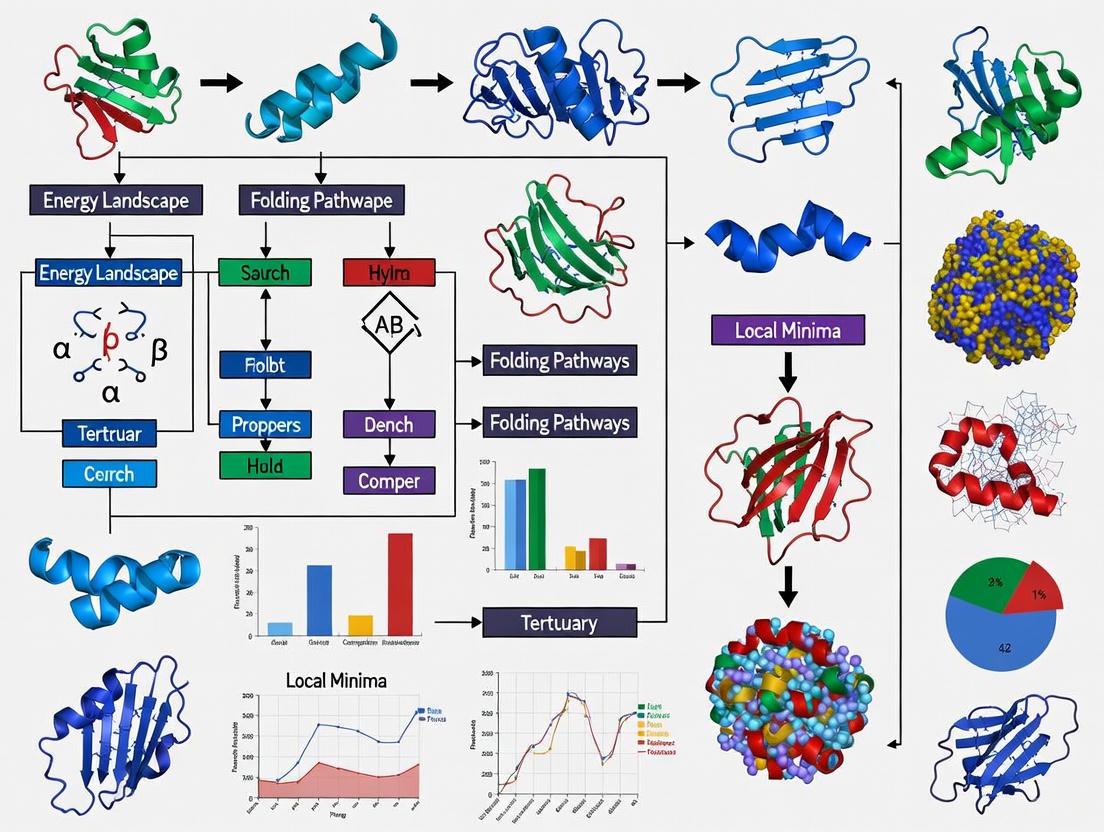
Navigating the Vast Search Space: Challenges and AI Solutions in De Novo Protein Folding
De novo protein design aims to create novel proteins with customized functions, a goal with transformative potential for therapeutics and biotechnology.
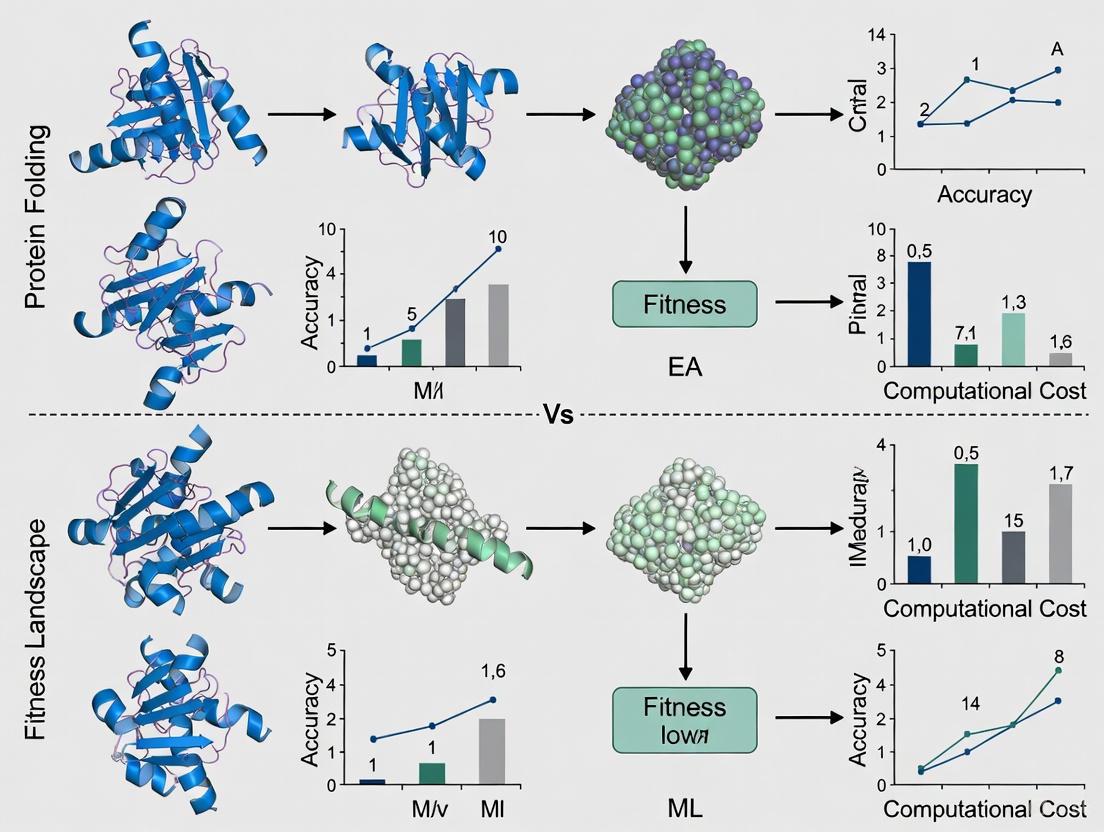
Benchmarking Evolutionary Analysis vs. Machine Learning for Protein Folding: A Comprehensive Overview for Biomedical Research
This article provides a systematic comparison of Evolutionary Analysis (EA) and Machine Learning (ML) methodologies for protein structure prediction, a critical task in drug discovery and synthetic biology.
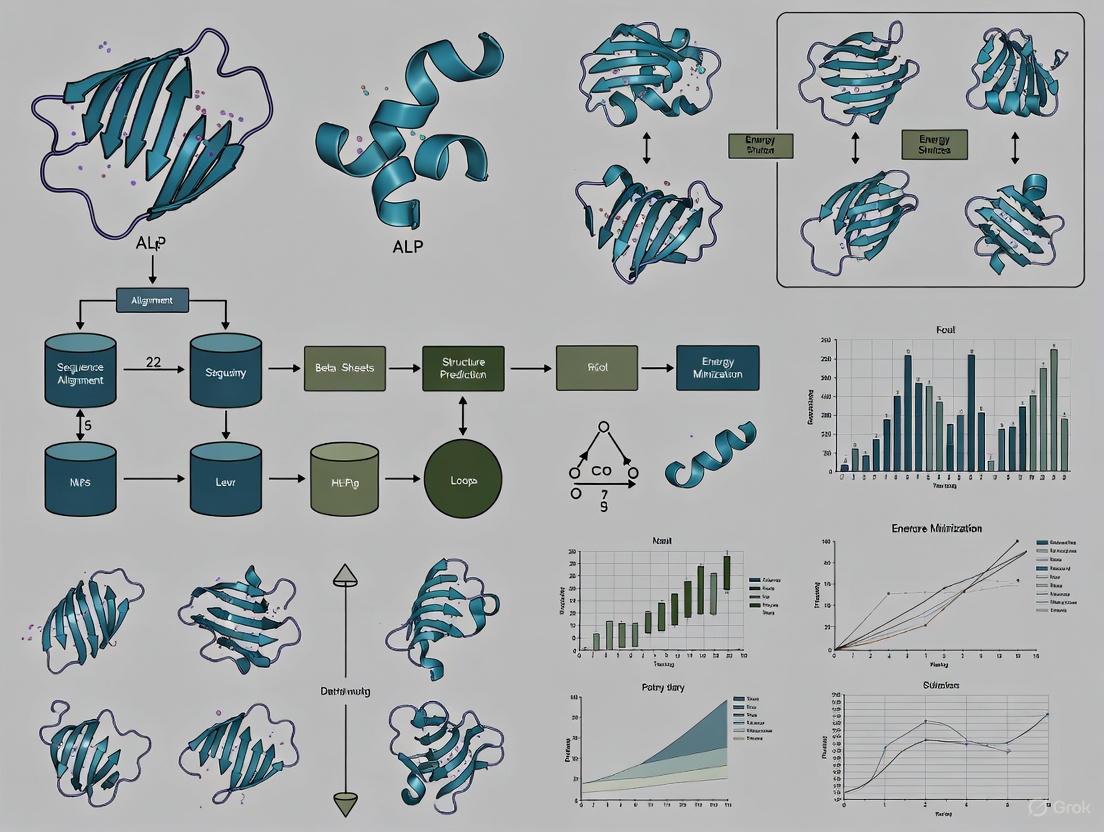
Computational Protein Folding: From AI Revolution to Drug Discovery Applications
This comprehensive review explores the transformative impact of computational methods on protein structure prediction, a fundamental challenge in molecular biology.
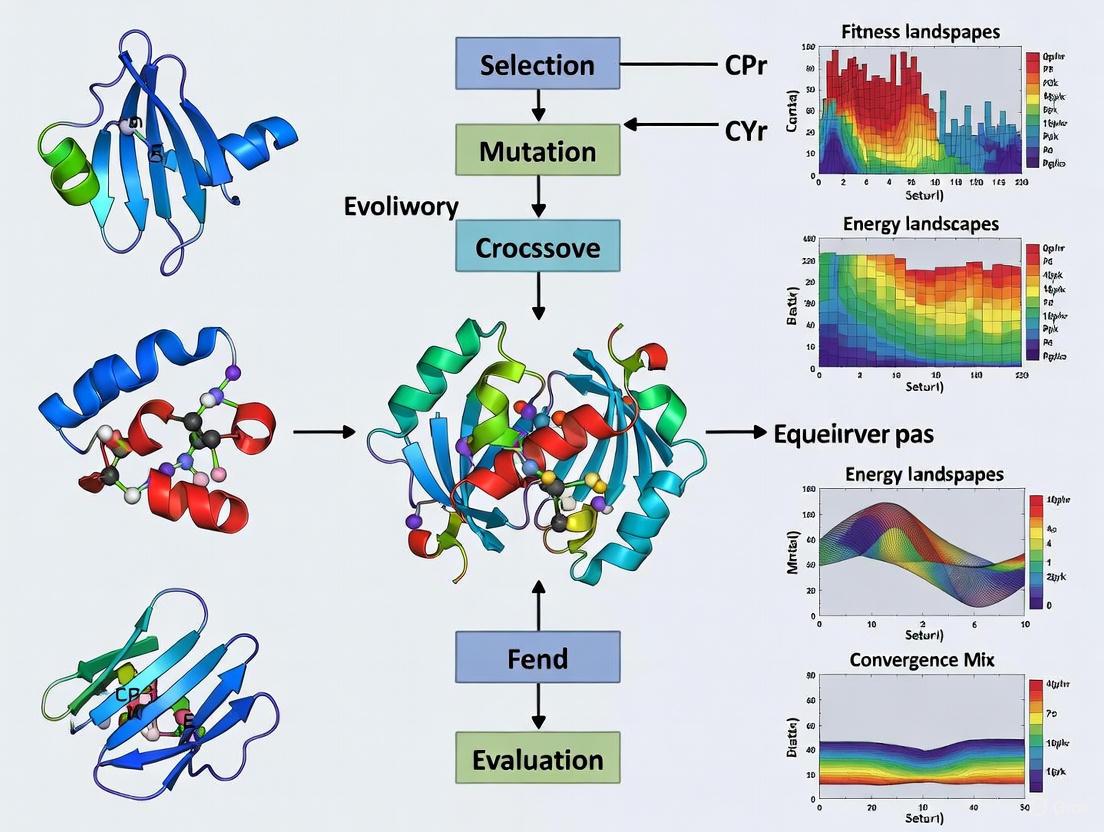
Evolutionary Algorithms in Protein Folding: From Sequence to Functional Structure
This article explores the pivotal role of evolutionary algorithms (EAs) in tackling the complex challenge of protein folding and design.
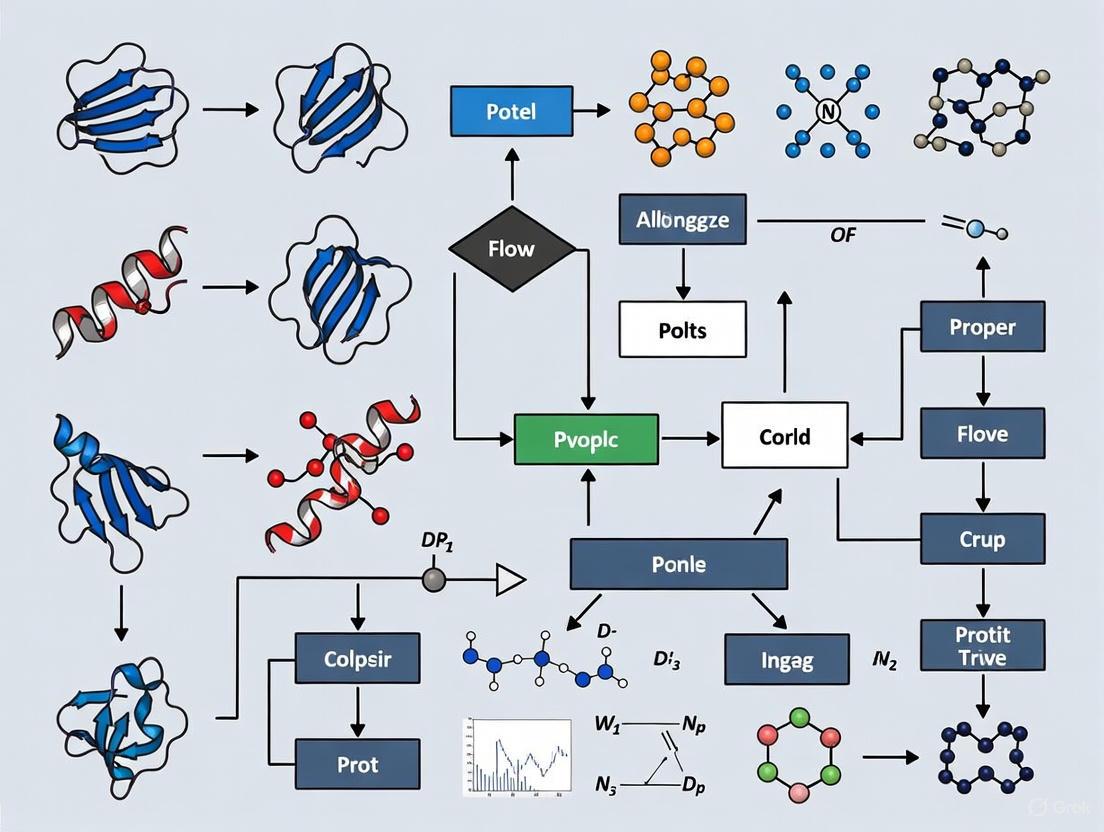
Protein Folding Showdown: Evolutionary Algorithms vs. Machine Learning in Structural Biology
This article provides a comparative analysis for researchers and drug development professionals on two dominant computational approaches for predicting protein tertiary structure: classical evolutionary algorithms and modern machine learning.
Evolutionary Algorithms for Protein Structure Prediction: A Comprehensive Guide for Biomedical Research
This article provides a comprehensive examination of evolutionary algorithms (EAs) in protein structure prediction, a critical challenge in structural bioinformatics.