Research Articles
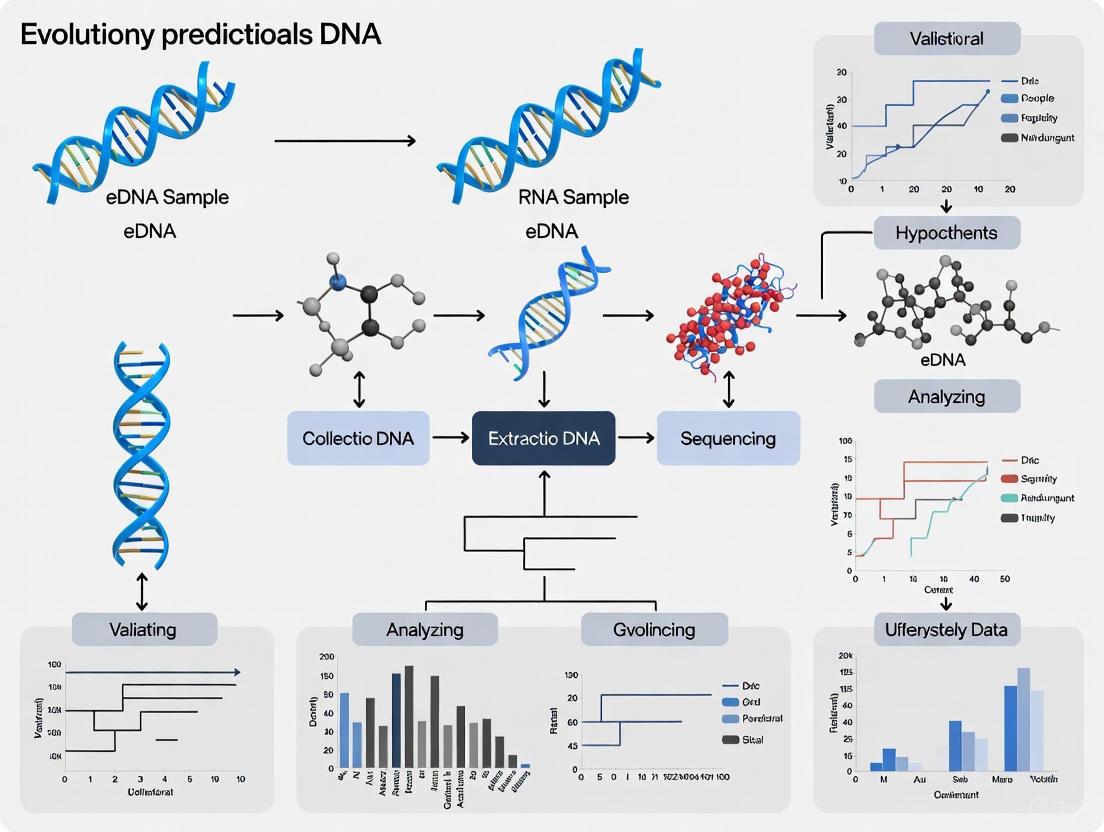
Validating Evolutionary Predictions with Environmental DNA: From Theory to Clinical Applications
This article explores the transformative role of environmental DNA (eDNA) in validating and informing evolutionary predictions, a field rapidly moving from theoretical science to practical application.
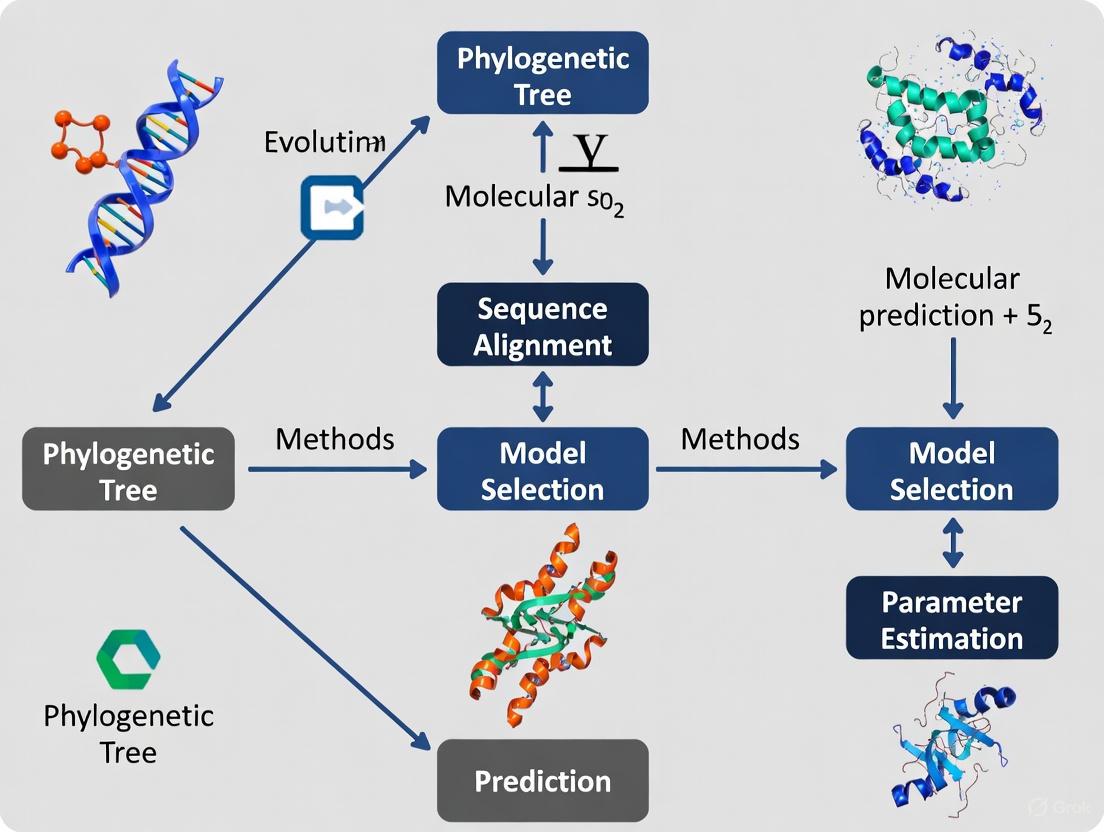
Phylogenetically Informed Prediction: Advanced Comparative Methods for Biomedical Research and Drug Development
This article provides a comprehensive guide to Phylogenetic Comparative Methods (PCMs) for researchers, scientists, and drug development professionals.
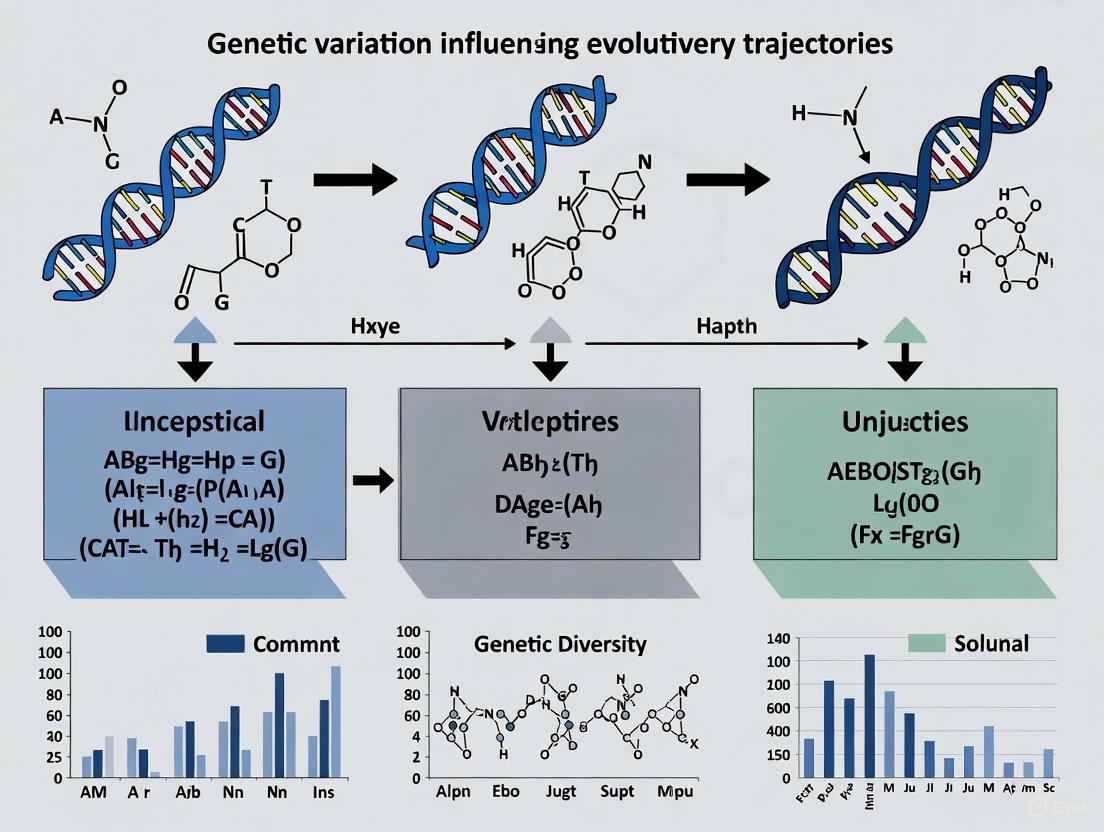
Genetic Variation as the Engine of Evolution: From Foundational Mechanisms to Biomedical Applications
This article synthesizes current research on how genetic variation steers evolutionary trajectories, a subject of paramount importance for researchers and drug development professionals.
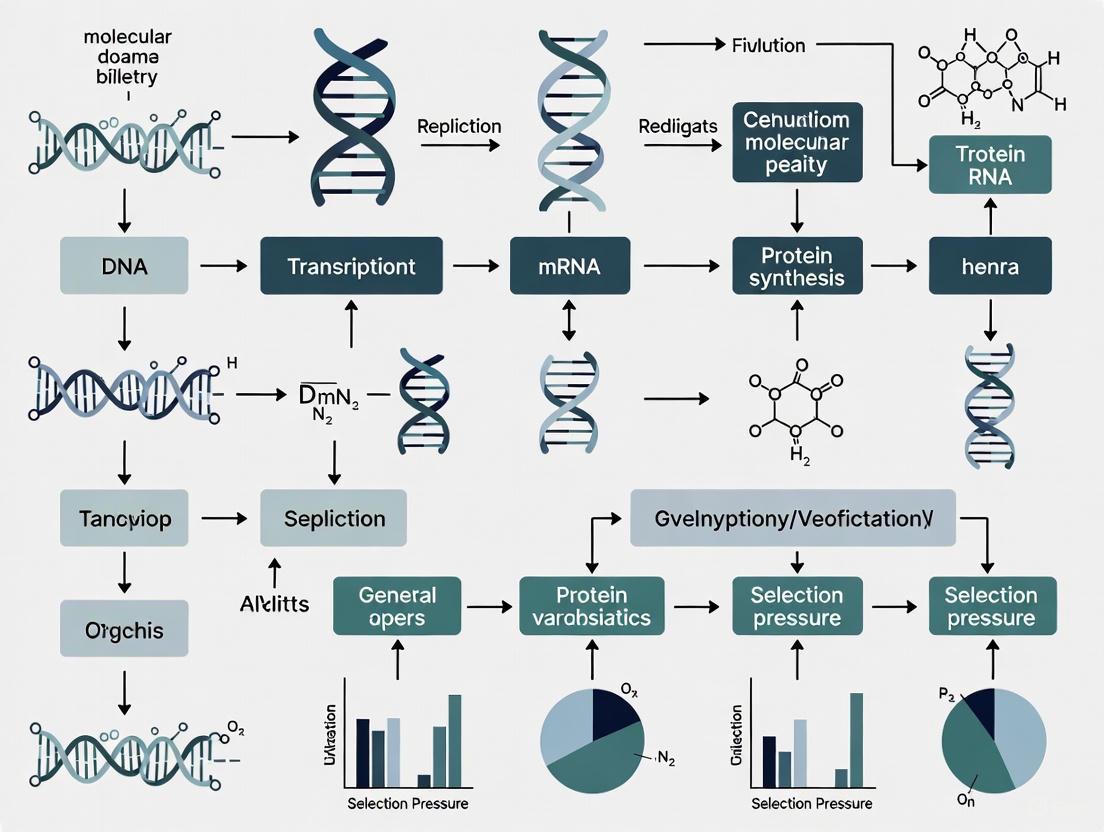
Evolutionary Predictions: From Theoretical Foundations to Biomedical Applications
This article provides a comprehensive examination of the theoretical basis for evolutionary predictions, a field rapidly transforming biomedical research and drug development.
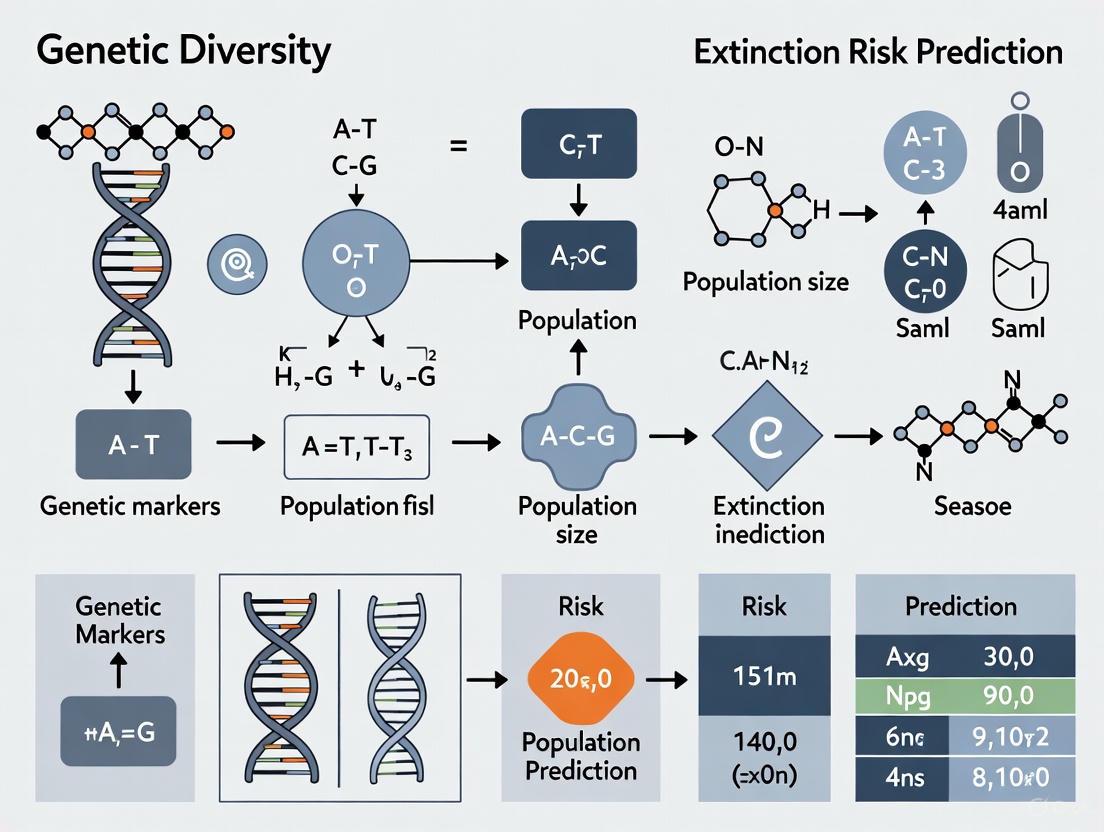
Genetic Diversity as a Critical Predictor of Extinction Risk: From Genomic Insights to Clinical Applications
This article synthesizes the latest research on the critical relationship between genetic diversity and extinction risk prediction, addressing a key concern for researchers and drug development professionals.
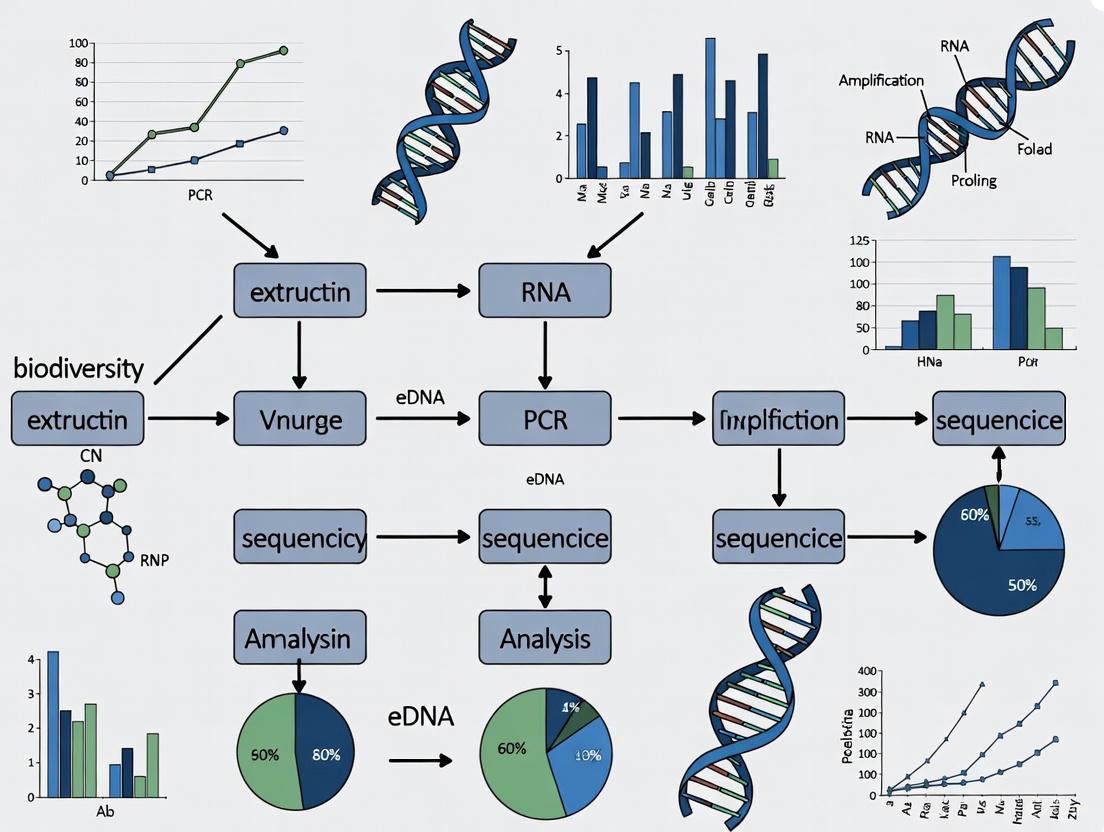
Environmental DNA (eDNA): Revolutionizing Biodiversity Monitoring for Scientific Research and Conservation
This article examines the transformative role of environmental DNA (eDNA) in biodiversity monitoring, a non-invasive method that detects genetic material shed by organisms into their environment.
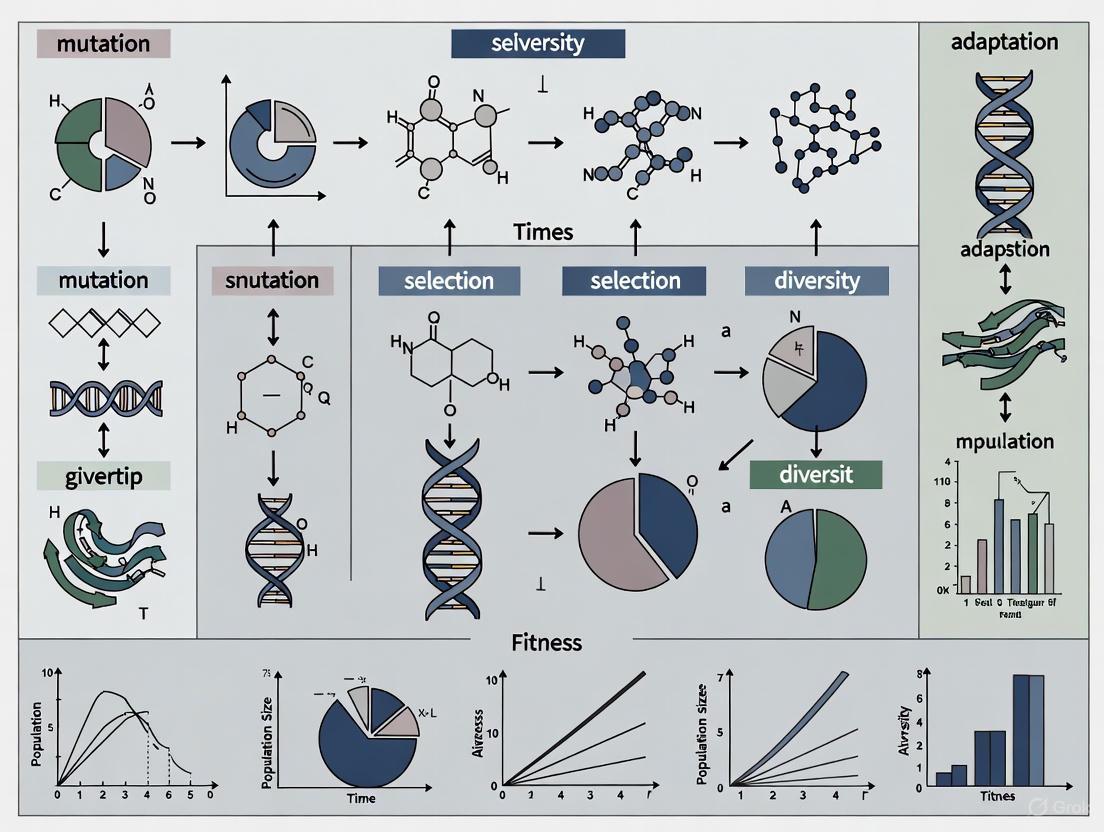
Evolutionary Forecasting: The New Paradigm for Predictive Drug Discovery and Development
This article explores the emerging field of evolutionary forecasting, a powerful paradigm that applies principles of natural selection to predict and optimize complex biological processes.
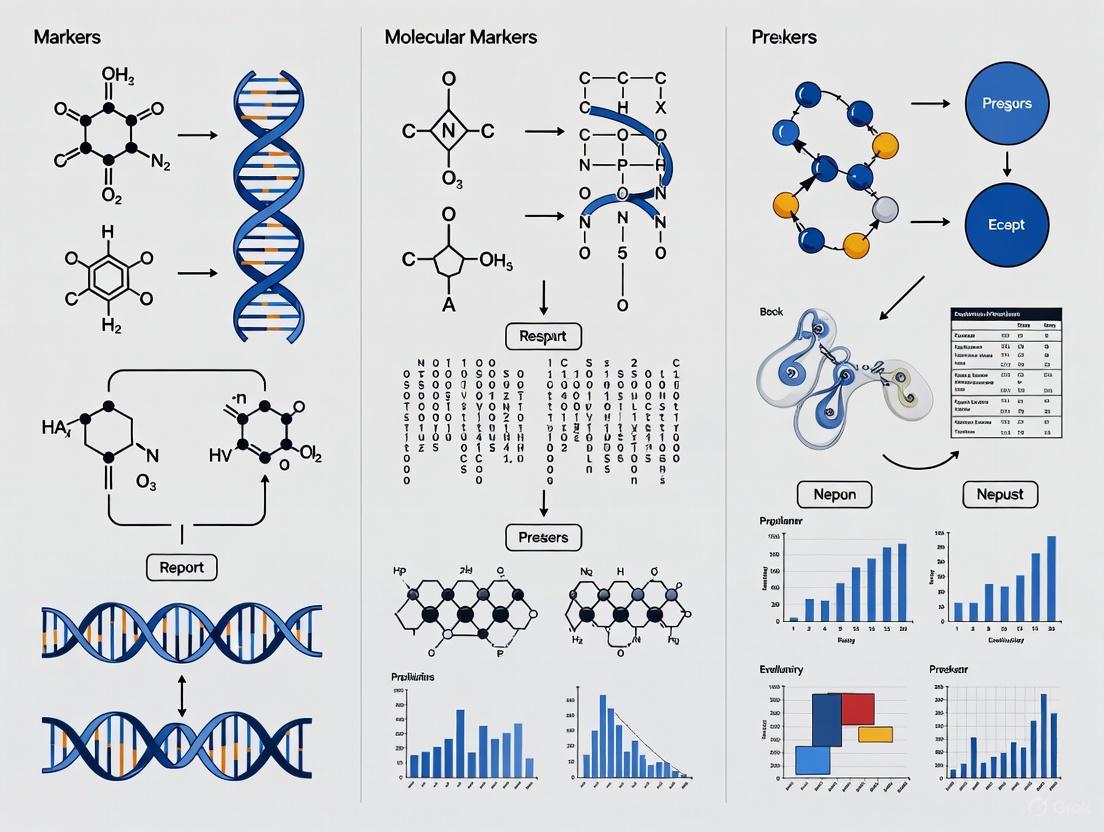
Molecular Markers in Population Genetics: From Foundational Principles to Cutting-Edge Applications in Biomedical Research
This article provides a comprehensive overview of molecular marker technology and its critical role in deciphering population structure for researchers and drug development professionals.
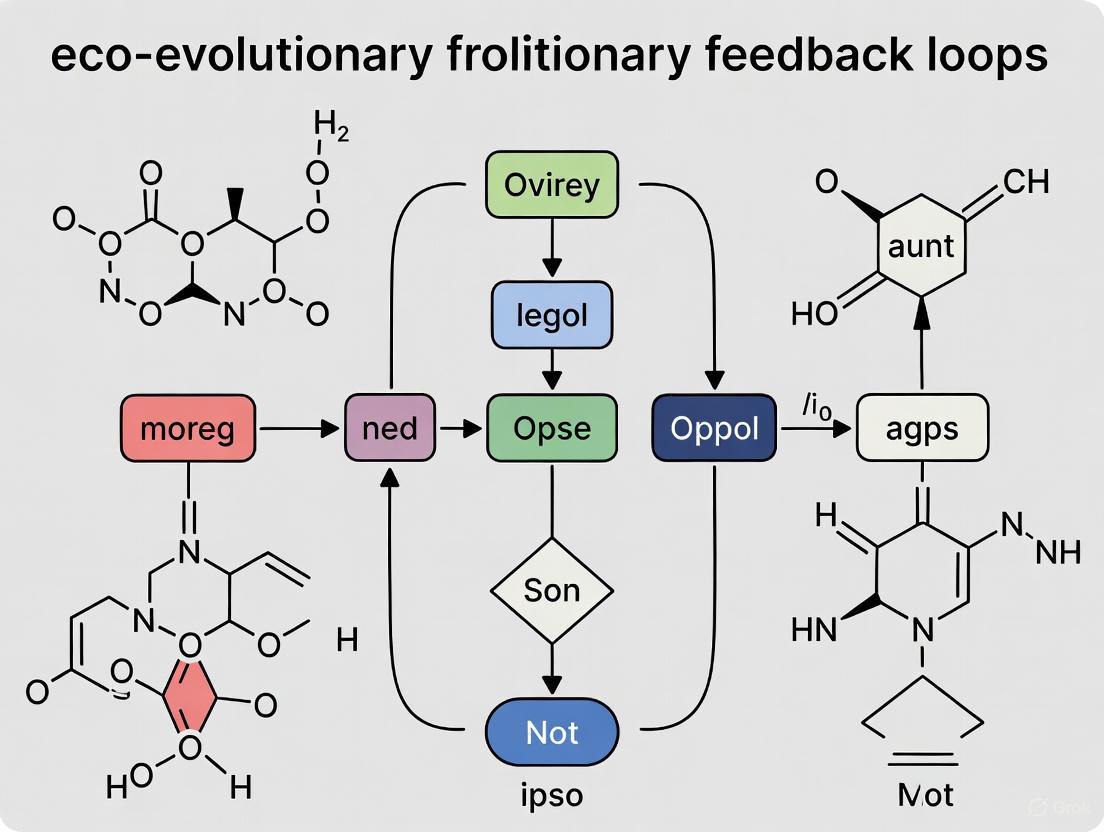
Modeling Eco-Evolutionary Feedback Loops: From Foundational Theory to Biomedical Applications
This article provides a comprehensive guide for researchers and biomedical professionals on modeling the reciprocal interactions between evolutionary and ecological processes.
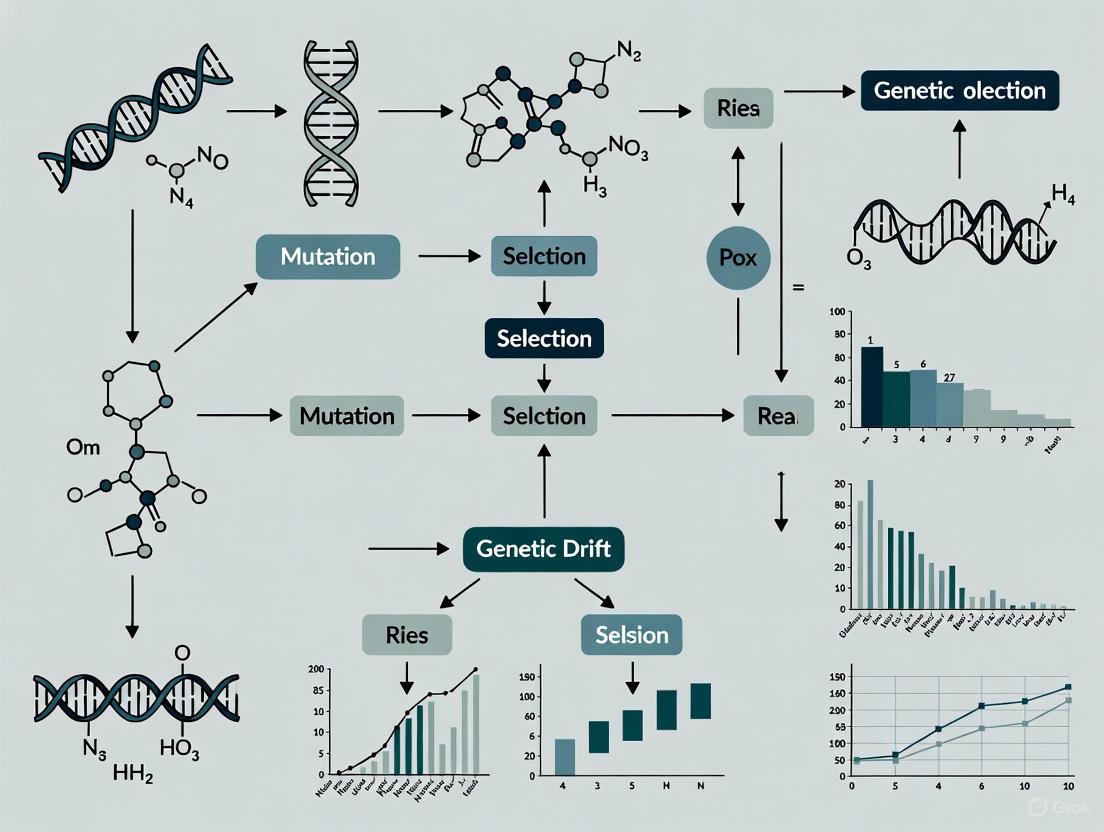
Evolutionary Predictability in Molecular Ecology: From Genetic Determinism to Biomedical Applications
This article explores the emerging science of evolutionary predictability within molecular ecology, synthesizing theoretical foundations with practical applications for researchers and drug development professionals.