Research Articles

Optimizing Molecular Marker Selection for Accurate Population Predictions: Strategies from Genomics to Clinical Application
This article provides a comprehensive framework for optimizing molecular marker selection to enhance prediction accuracy in population studies and breeding programs.
Harnessing Phylogenetic Signal for Predictive Modeling: Advanced Methods for Biomedical Research and Drug Development
This article provides a comprehensive guide for researchers and drug development professionals on integrating phylogenetic signal into predictive models.
Boosting Accuracy in Phylogenetically Informed Predictions: A Guide for Biomedical Research and Drug Discovery
Phylogenetically informed predictions are revolutionizing evolutionary biology and drug discovery by leveraging evolutionary relationships to predict traits and bioactivities.
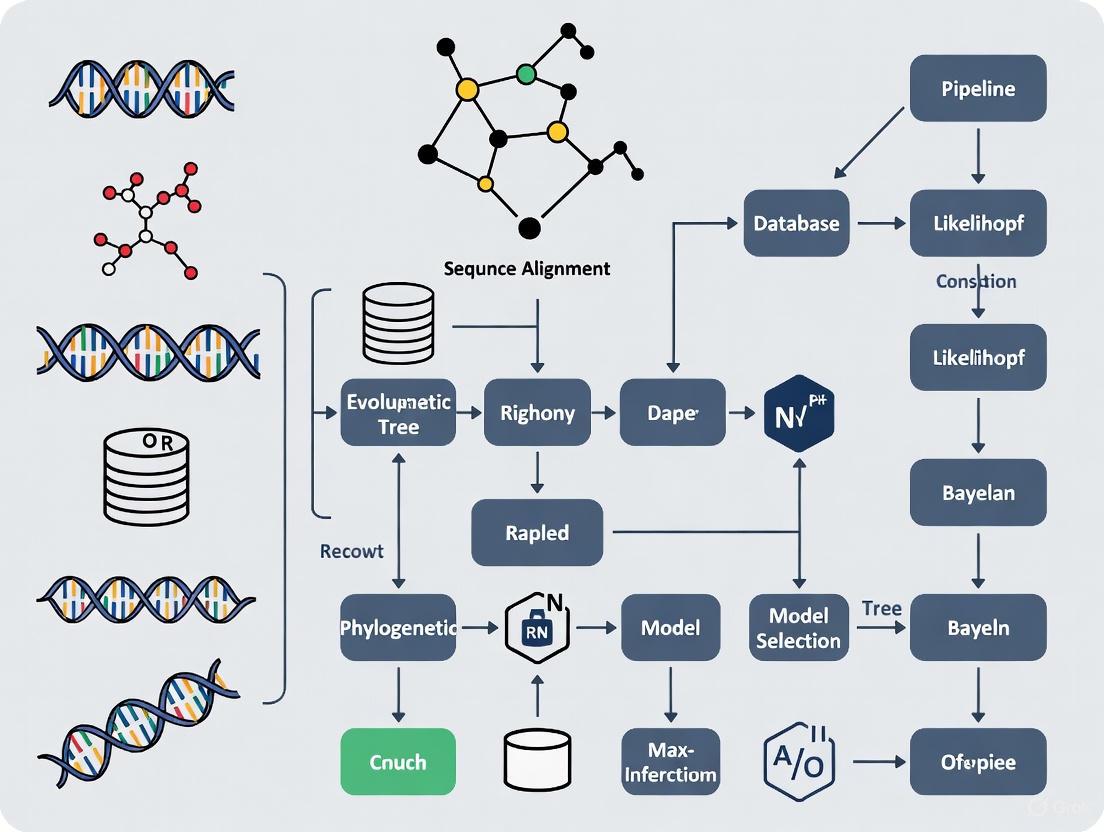
Bioinformatic Pipelines for Evolutionary Model Validation: Enhancing Drug Discovery and Biomedical Research
This article provides a comprehensive overview of bioinformatic pipelines for validating evolutionary models, a critical area bridging computational biology and drug development.
Molecular Clock Dating: From Evolutionary Timelines to Biomedical Applications
This article provides a comprehensive overview of the molecular clock technique, a foundational tool in evolutionary biology for estimating species divergence times.
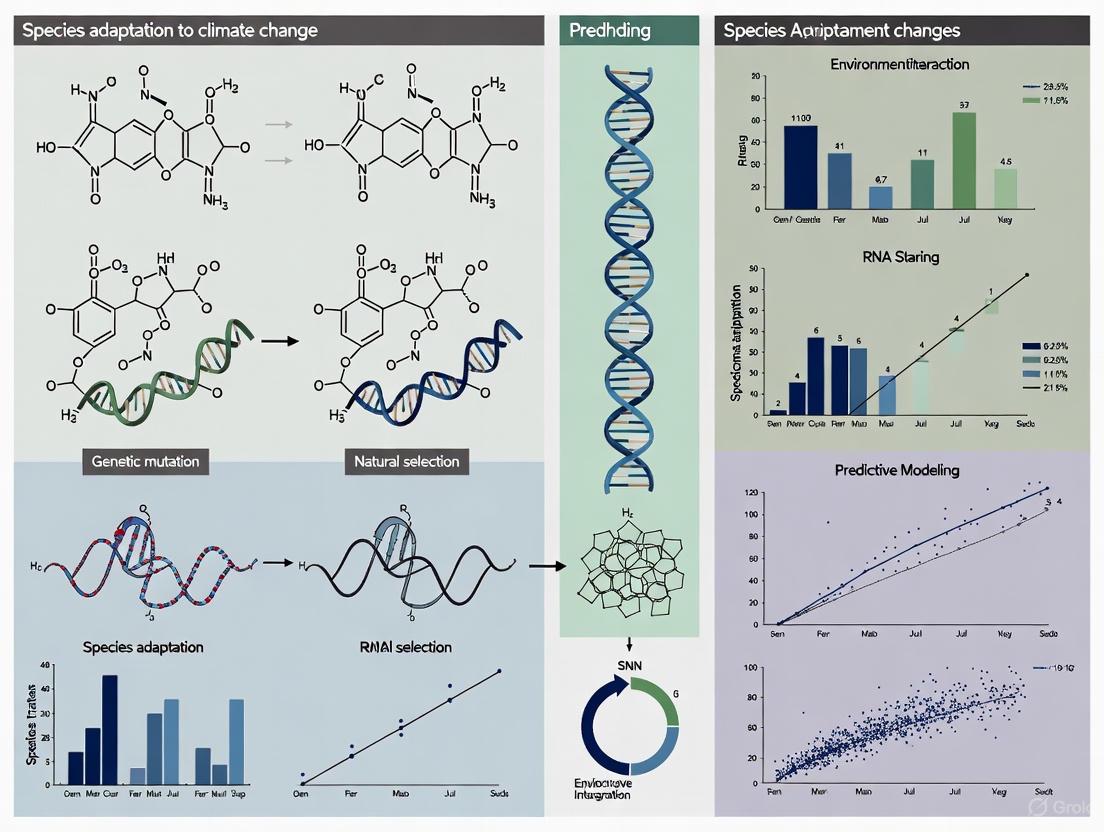
Beyond the Forecast: Advanced Methods for Predicting Species Adaptation to a Changing Climate
This article provides a comprehensive overview of the cutting-edge methodologies used to predict how species adapt to climate change, tailored for researchers and scientists.
Evolutionary Control in Conservation Management: Principles, Applications, and Future Directions
This article synthesizes the critical application of evolutionary principles to modern conservation management.
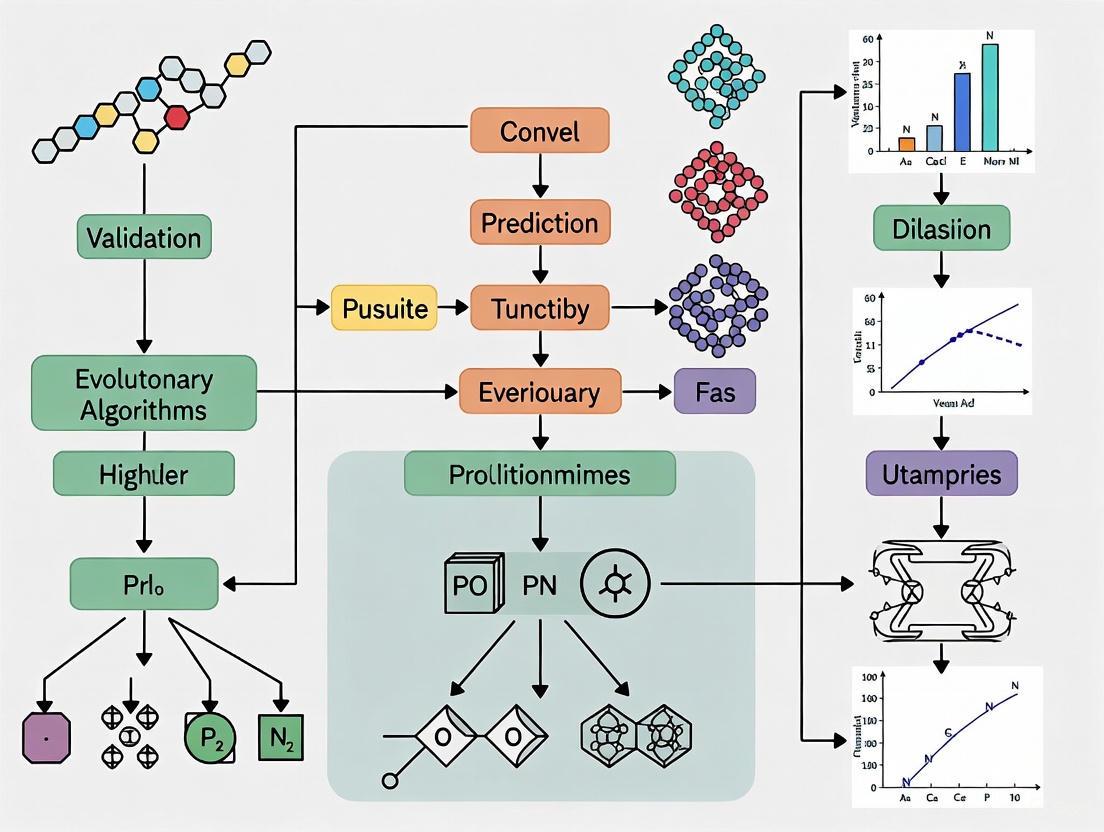
Evolutionary Algorithms in Protein Function Prediction: A Practical Guide to Validation and Application in Drug Discovery
This article provides a comprehensive overview of the integration of evolutionary algorithms (EAs) with computational methods for validating protein function predictions, a critical task for researchers and drug development professionals.
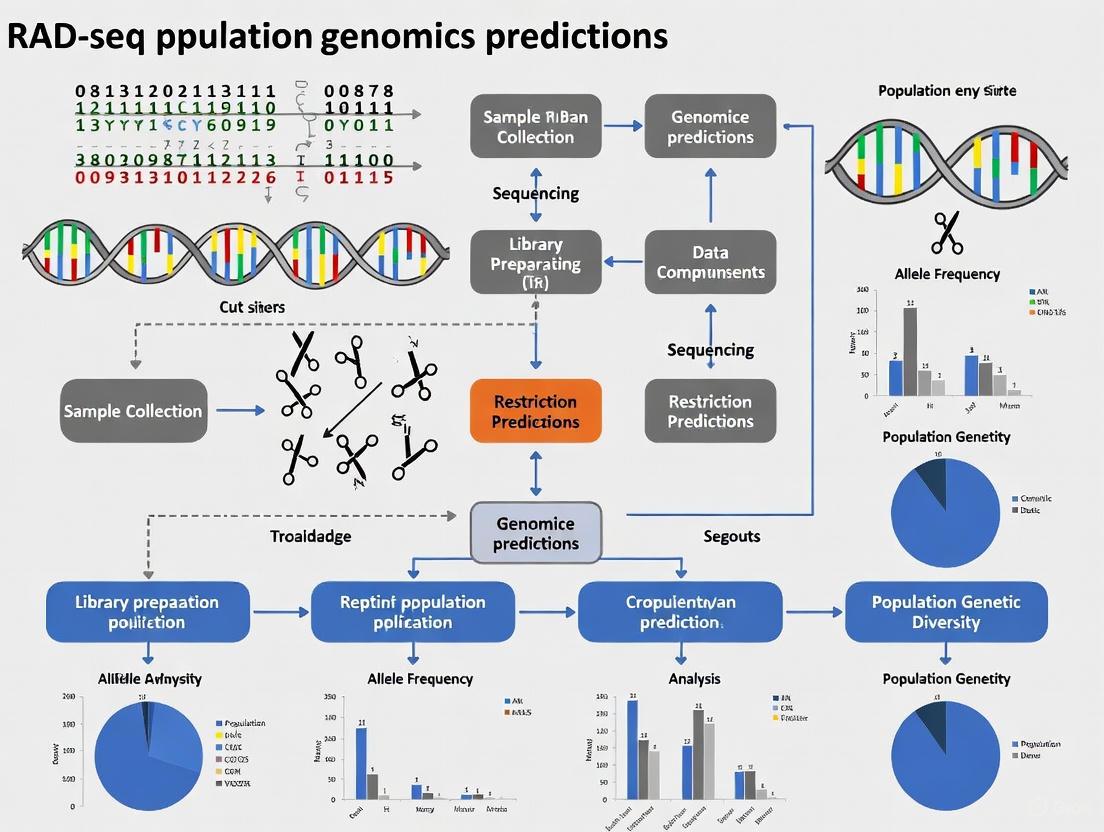
RAD-seq in Population Genomics: A Comprehensive Guide from Principles to Clinical Applications
This article provides a comprehensive overview of Restriction-site Associated DNA Sequencing (RAD-seq) for population genomic predictions, tailored for researchers and drug development professionals.
Beyond the Regression Line: A Practical Guide to Phylogenetic Prediction with PGLS
This article provides a comprehensive guide for researchers and drug development professionals on applying Phylogenetic Generalized Least Squares (PGLS) for robust trait prediction.